


The Unspoken Rules Of The Room
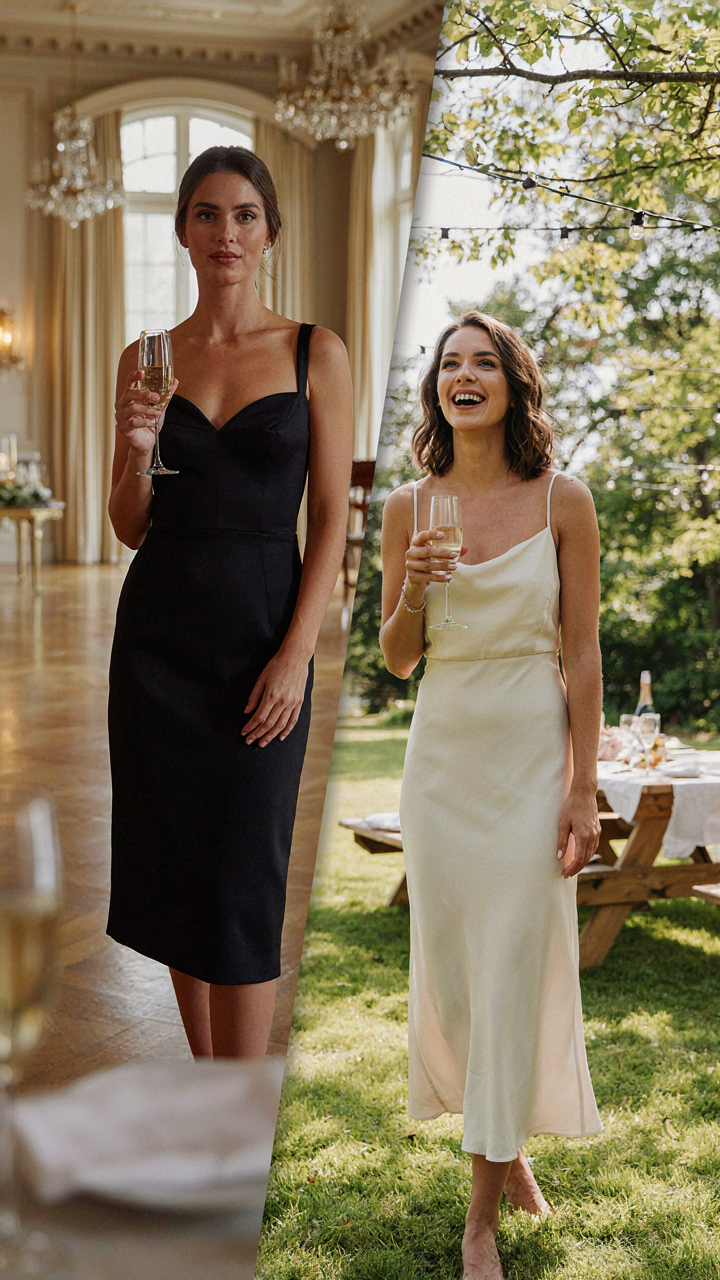
Read The Venue Before You Pick The Dress
You’re actually trying to avoid being underdressed or overdressed, which signals you don’t belong. The mechanism is simple: venue hierarchy dictates formality level, and a sweetheart neckline cocktail dress sits in a specific band of that spectrum. A rooftop bar isn’t a gala. A hotel ballroom isn’t a backyard gathering. The sweetheart neckline is versatile enough to work across contexts, but only if you’ve already identified what the context actually demands.
Start with the host’s expectations and the guest list composition. Are attendees colleagues, friends, family, or mixed? What time does the event start? Evening events signal formality. Afternoon events signal casual. The sweetheart neckline works for both, but the fabric weight, length, and accompanying details change. If you’re unsure, ask the host directly or check the invitation for dress code language. Don’t assume. Most mistakes happen because people guess instead of gathering information.
What The Dress Code Actually Communicates
Common advice says “dress to impress,” which is useless because it ignores what people are actually evaluating. They’re assessing whether you understand the social contract of the room. A sweetheart neckline reads as intentional and slightly formal without being rigid, which means it works for most cocktail and semi-formal events. But the social cues extend beyond the neckline itself.
Observe the fit, fabric choice, and color palette your peer group gravitates toward at similar events. A structured, darker sweetheart neckline dress signals respect for formality. A fluid, lighter version signals relaxed confidence. The color matters too: jewel tones and neutrals anchor you in tradition, while brights or patterns can either elevate or alienate depending on the room. Once you’ve identified the specific social cues of your event type, you have your answer about which sweetheart neckline dress style fits the unspoken rules.
Your Persona, Amplified: The Sweetheart Neckline
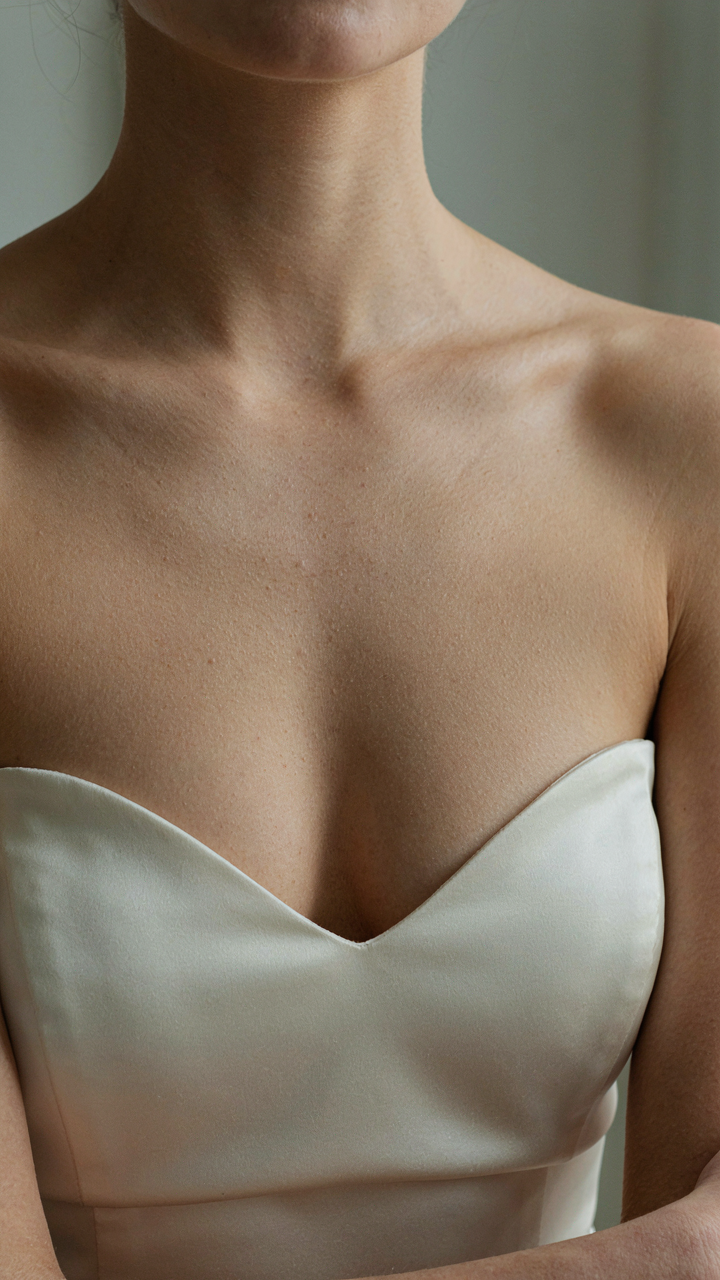
Neckline Choice As Personal Declaration
You care about this because you know clothes signal allegiance before words do. The sweetheart neckline operates like a trademark in branding: it communicates a specific identity through form. The curved, symmetrical cut frames the collarbone and shoulders while exposing the upper chest in a controlled way. This design choice reads as intentional, not accidental. You’re not wearing it by default—you’re selecting it.

The sweetheart neckline positions you in a narrower category than a simple crew neck or V-neck would. It suggests femininity without apologizing for it, sophistication without coldness, approachability without casualness. This matters at parties where first impressions form in seconds. The neckline becomes part of your stated position before you speak. Choose it because it aligns with how you actually want to be perceived, not because it’s trendy or expected.
Design Details That Anchor Your Presence
Most advice about “adding details” is vague noise. You need specifics: ruching at the bust, structured boning beneath the sweetheart curve, or a contrasting trim along the neckline edge each trigger different psychological responses. Boning creates definition and lift. It projects control. Ruching adds texture and movement, which reads as ease and confidence. A contrasting trim draws the eye upward and creates visual separation, which makes the garment feel intentional rather than inherited.
The fabric weight beneath the sweetheart neckline determines how the style lands. Structured satin or silk charmeuse holds the curve deliberately. Lightweight jersey collapses into the body, which softens the line. Sequined or beaded fabric draws attention to the neckline itself, making the cut the focal point of the room. Test the construction before committing. Wear the dress during a short trial at home and observe how the neckline behaves when you sit, lean, and move through space—this is where most people fail.
The “Gravitas” Protocol For Black Tie Events
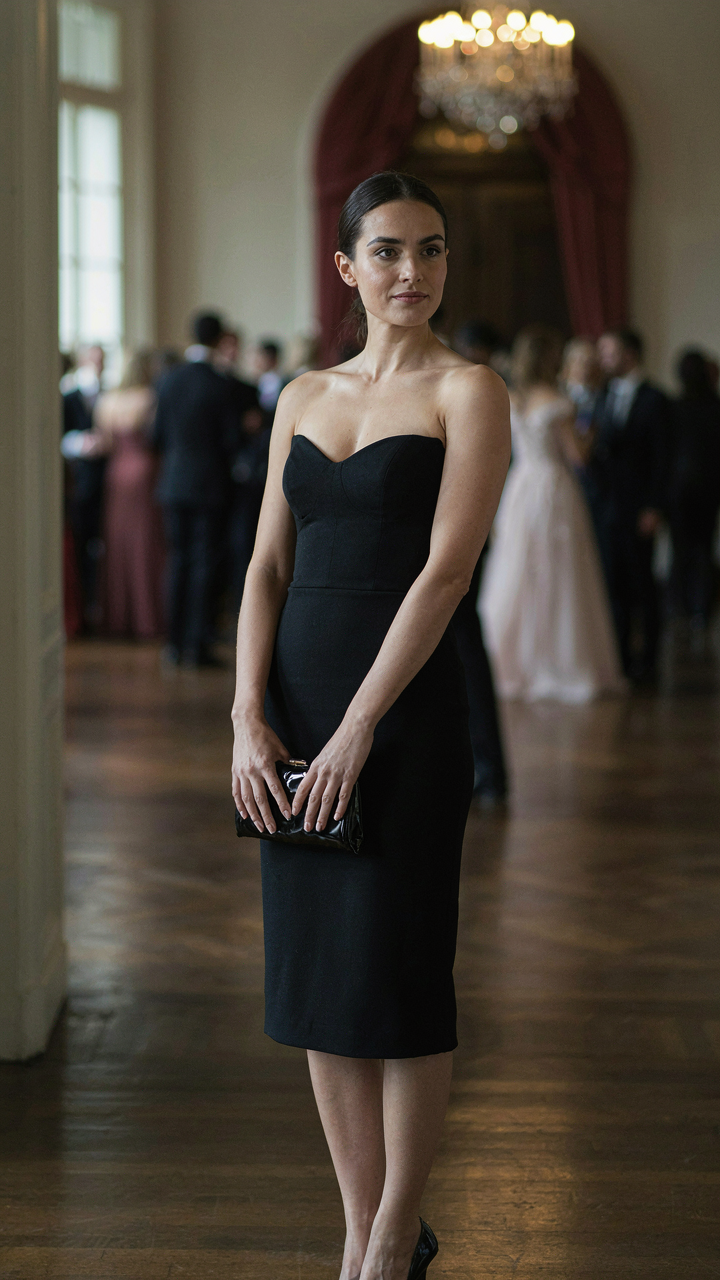
Read The Room Before You Dress
You want to feel safe. That’s why you’re reading this. The real mechanism is simple: a sweetheart neckline cocktail dress signals approachability and softness, which means it broadcasts vulnerability in a room designed to measure status. Military reconnaissance doctrine separates terrain from enemy position. Venue reconnaissance separates dress choice from social outcome. Most advice ignores this entirely. You need three data points before selecting your dress: the venue’s architectural formality, the attendee demographic’s age range and profession, and whether the event enforces dress code through enforcement or culture.

A black tie event held in a loft reads differently than one in a ballroom. Corner positioning, lighting temperature, and crowd density all affect how a neckline reads on your body. The sweetheart’s gentle curve works best in rooms with moderate brightness and standing-room dynamics where you control your positioning. In a seated dinner with frontal table arrangement, that same neckline becomes a fixed focal point you can’t reposition. Gather this intel through the host’s previous events, venue photos, and attendee list analysis. This groundwork determines whether a sweetheart neckline serves or undermines your actual goal.
Control Perception Through Strategic Contrast
The consensus says “dress for the occasion.” That’s incomplete. Perception operates on contrast, not absolutes. A sweetheart neckline surrounded by stiff, high necklines creates the impression of intentional softness rather than accidental casualness. In formal psychology, contrast is the principle that establishes meaning. Pair your sweetheart neckline with elements that signal formality: structured fabrics like duchess satin or heavy crepe, minimal jewelry in high-karat metals, and tailored silhouettes that eliminate excess movement.
The dress itself becomes the statement of restraint, not rebellion. Black, navy, or deep jewel tones in the sweetheart style read as edited confidence, not compromise. Fabric weight is non-negotiable. Lightweight or flowing materials undercut the formality signal and push the neckline toward “approachable” instead of “authoritative.” Pair the dress with a structured clutch, pointed-toe heels, and hair pulled away from your face to complete the contrast protocol. This positioning allows you to occupy space without apologizing for the softness of your neckline.
Commanding Attention: Beyond The Beaded Cocktail Dress
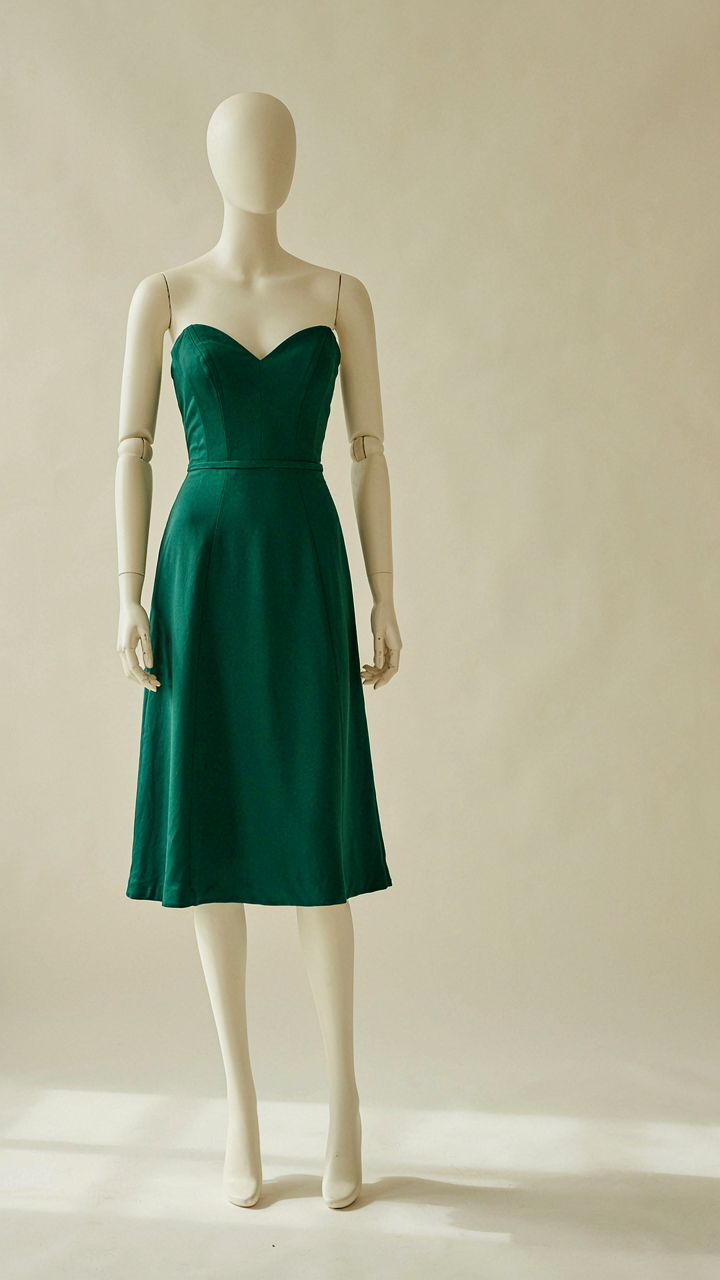
The Silhouette Decides First
You want people to remember you, not just notice you were there. That’s the real reason fit matters more than decoration. The sweetheart neckline cocktail dress works like leverage in physics: the same force applied to different shapes produces different results. A dress with poor fit distributes visual weight randomly. A well-fitted sweetheart neckline channels attention directly to your shoulders and collarbone, then down the torso in a controlled line.

The cut of the bodice determines whether the neckline flatters or fights. A sweetheart neckline on a dress with loose, unstructured fabric around the ribs reads as shapeless. The same neckline on a dress with strategic seaming and a fitted waist creates definition. Most advice skips this: it focuses on which celebrities wore sweetheart necklines, not why certain silhouettes amplify their impact. Test fit in natural light before purchase. The right construction makes the neckline do the work.
Color And Texture Demand Calculation
Saturation and material choice hit harder than embellishment ever will. A bold jewel tone—emerald, sapphire, deep burgundy—in a dense fabric like crepe or structured cotton reads with authority in a room. A beaded version of a pale, washed-out color dissolves into background noise. Texture creates surface variation that catches light without requiring rhinestones or sequins. Satin, charmeuse, and velvet redirect light naturally. Matte fabrics hold color density longer and read more intentional than high-shine materials in most party settings.
The mechanism is simple: human vision processes color and material before processing decoration. Your eye registers the overall presence of a dress in roughly two hundred milliseconds. Beads and embellishments come into focus only after that initial registration. If your base color and fabric choice are weak, no amount of detail rescue the impact. Select a sweetheart neckline cocktail dress in a single, commanding color with texture built into the weave, then leave the embellishment minimal or absent entirely.
The Strategic Wardrobe: Dress Stands As Intelligence
Build Your Decision Matrix Now
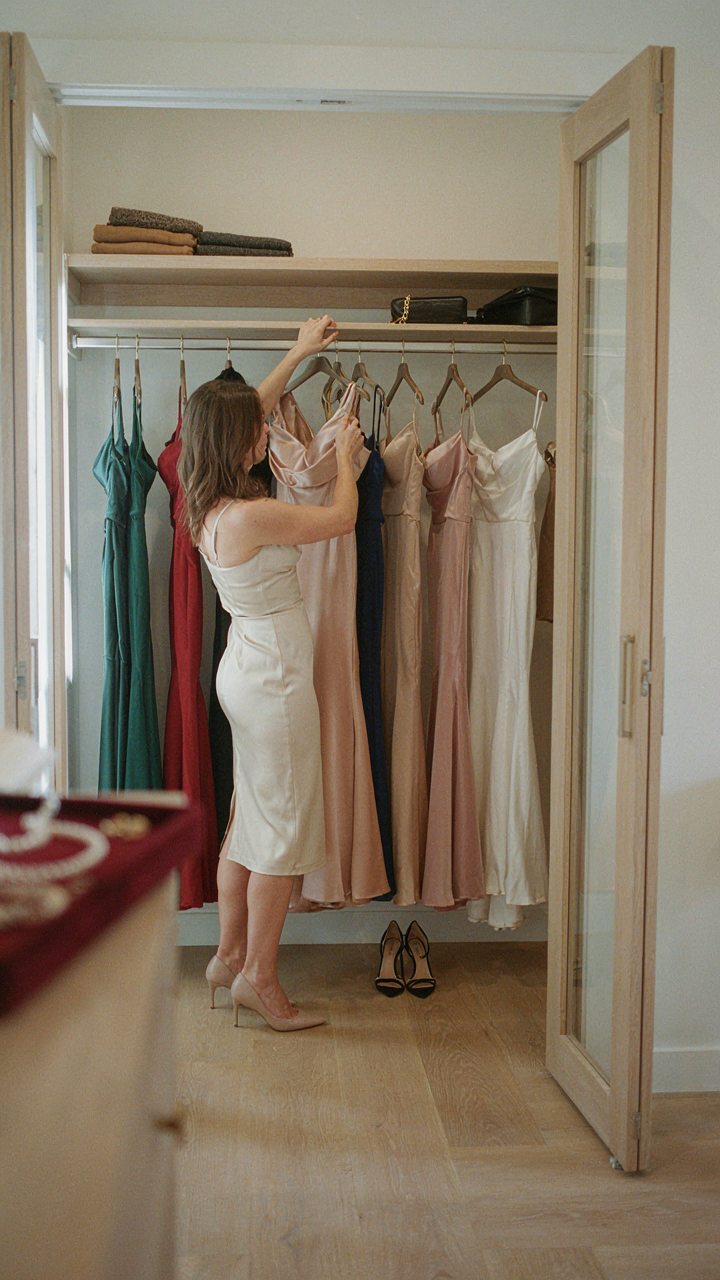
You want to feel confident at parties without overthinking what to wear. That confidence only happens when your closet answers questions before you ask them. A sweetheart neckline cocktail dress functions like inventory in a supply chain: it’s only useful if you know exactly what you have, where it is, and what problem it solves.

The mechanic is simple. Document what you own by occasion, body fit, and color. Then layer in the sweetheart neckline as a category that handles specific scenarios: it frames shoulders, lengthens the neck, and works across body types. This isn’t about having more dresses. It’s about eliminating decision friction.
- Occasion Buckets: Sort dresses by event type—cocktail parties, work functions, dinner dates, celebrations—so you grab the right piece without scanning everything you own.
- Fit Notes: Record how each dress fits your body across the bust, waist, and hip so you skip trying on five options when time is short.
- Color Function: Map which colors work with your skin tone and which shoes and jewelry you already have to avoid buying matching pieces repeatedly.
- Neckline Purpose: Flag which sweetheart dresses work for which events—formal versions for galas, casual versions for dinner—so the neckline becomes a tool, not a decoration.
- Seasonal Rotation: Note fabric weight and sleeve style so you grab the right sweetheart dress for temperature and season without mental labor.
Documentation takes thirty minutes. The payoff is automatic decisions for months. When you open your closet before a party, you’re not hunting. You’re executing.
Mix Patterns And Formality Across Contexts
Everyone says build a versatile wardrobe. What they don’t explain is that versatility requires the sweetheart neckline to work across opposing contexts without looking out of place. A silk sweetheart neckline dress in jewel tones reads formal. The same silhouette in cotton or linen reads casual. Fabric and drape control formality level far more than the neckline itself.
The real move is pairing a single sweetheart dress across different events by changing shoes, jewelry, and outerwear. Nude heels and a clutch make it formal. Flat sandals and a denim jacket make it weekend. A leather jacket and bold earrings shift it to dinner with edges. The dress doesn’t change. Your accessories tell the room what context you’re in. This approach cuts your actual wardrobe size while multiplying the scenarios you can handle.
Decoding The Invite: Formal Vs. Semi Formal Dress
What The Dress Code Actually Signals
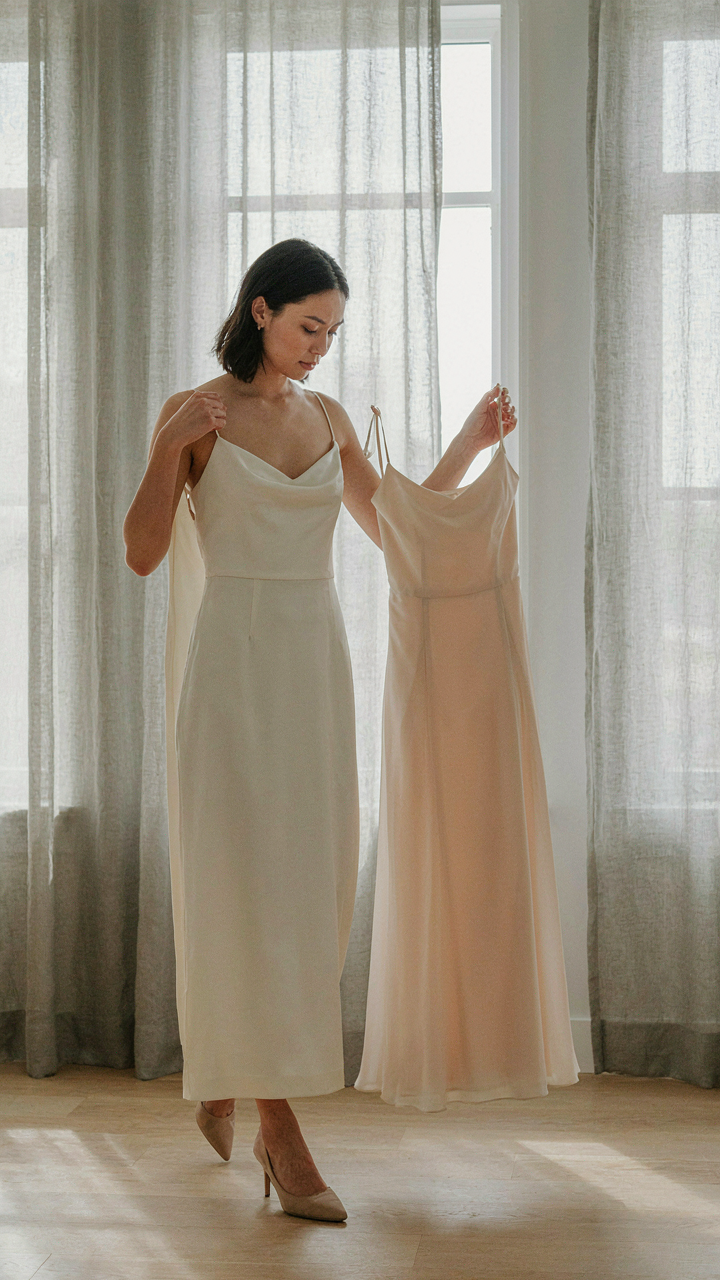
You’re anxious about looking wrong because you know people judge you in the first four seconds. Here’s the mechanism: dress codes exist to filter status markers, not to confuse you. Formal means structured tailoring and rigid silhouettes. Semi-formal means tailoring with breathing room. A sweetheart neckline cocktail dress works in semi-formal settings because the neckline reads as intentional femininity without the formality of a high neck or strapless cut.

The sweetheart neckline itself is a calculated choice in the formality hierarchy. It sits between conservative and bold. Pair it with structured fabric like crepe or satin and you land in semi-formal territory. Pair it with lightweight chiffon and you drop into cocktail casualness. The neckline doesn’t change formality levels on its own. The construction around it does.
Mistakes People Actually Make With Dress Codes
Everyone says “just match the energy of the room.” That’s useless advice because you don’t know the room’s energy until you arrive. The real mistake is overthinking formality levels that don’t exist at your event. Most modern parties labeled “formal” are actually semi-formal with pretensions. Most “cocktail” events accept semi-formal dresses without question.
Stop reading the dress code as law. Read it as a floor, not a ceiling. A sweetheart neckline cocktail dress will always work at a semi-formal event. At formal black-tie events, it won’t. At casual events, it reads as overdressed. The protocol is simple: if the invitation says black-tie, the sweetheart neckline doesn’t apply. If it says cocktail or semi-formal, you move forward with that cut as a viable option.
The Prom Girl Paradox: Age Appropriate Power
Maturity Through Restraint
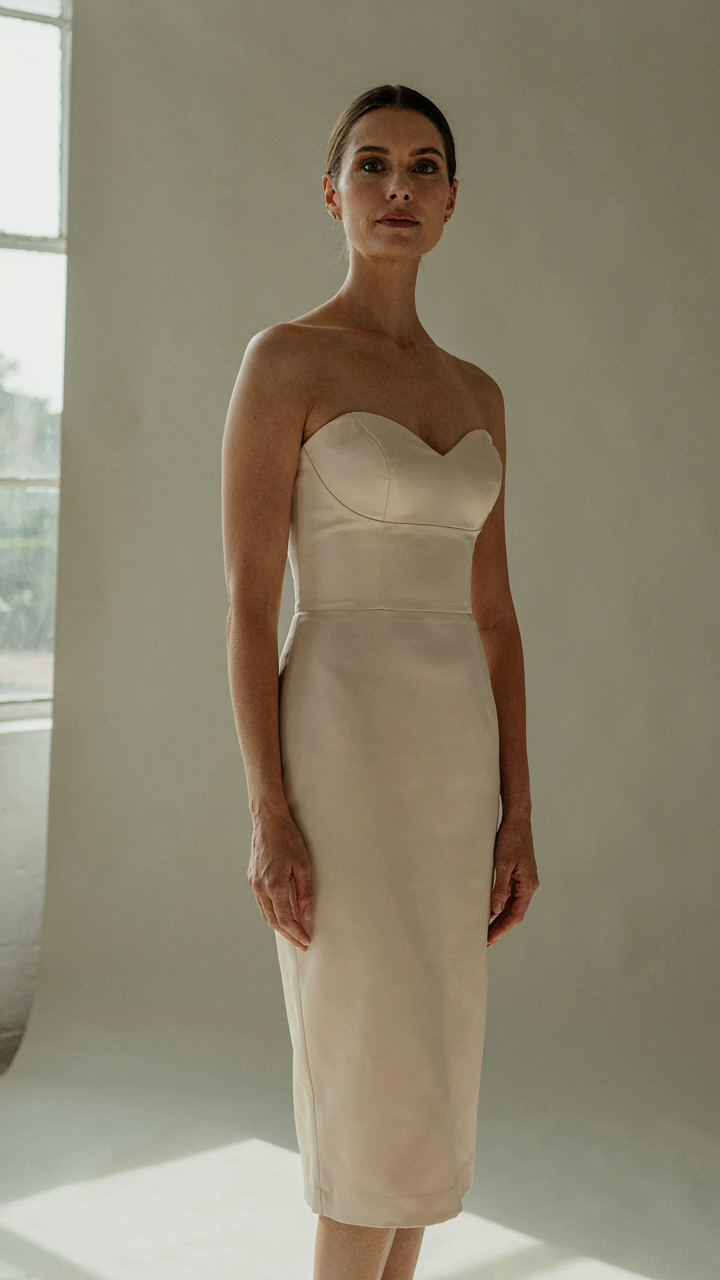
You’re worried people will think you’re trying too hard. The real mechanism here is signal clarity: a sweetheart neckline cocktail dress operates like a semaphore in social hierarchies. When you layer on juvenile trends (excessive glitter, costume-adjacent details, trendy cutouts), you’re broadcasting confusion about your position. Maturity reads as confidence in subtraction. A sweetheart neckline already does the work—it softens and romanticizes without screaming. Pair it with clean lines, muted fabrics, and minimal embellishment. The dress becomes a statement about your ability to occupy space without demanding attention.

The gap between prom dresses and cocktail wear isn’t about age. It’s about intent. Prom dresses announce arrival. Cocktail dresses announce presence. A sweetheart neckline works for both when you strip away the theater. Choose structured fabrics like crepe or duchess satin over tulle. Skip the tiara energy. Let the neckline do the heavy lifting while everything else stays grounded and deliberate.
Sophistication Over Decoration
Everyone says sparkle equals elegance. They’re wrong. The decorator’s fallacy treats embellishment as a shortcut to refinement when it actually broadcasts insecurity about the base design. A sweetheart neckline cocktail dress in quality fabric needs almost nothing else. Excessive beading, rhinestones, or sequins fragment visual attention and date the piece faster than any silhouette shift. Sophistication reads as economy of detail.
One strong design element per dress. If your sweetheart neckline is the feature, the body stays plain. A draped waist, a clean A-line, a slit at the leg. If you need additional visual interest, add texture through the fabric itself—jacquard, subtle pleating, or a structured weave. The mechanism is simple: fewer competing signals equal clearer communication. When nothing fights for attention, the dress and wearer merge into one coherent statement.
Queen Costume: Owning Your Narrative
The Story Your Dress Tells Before You Speak
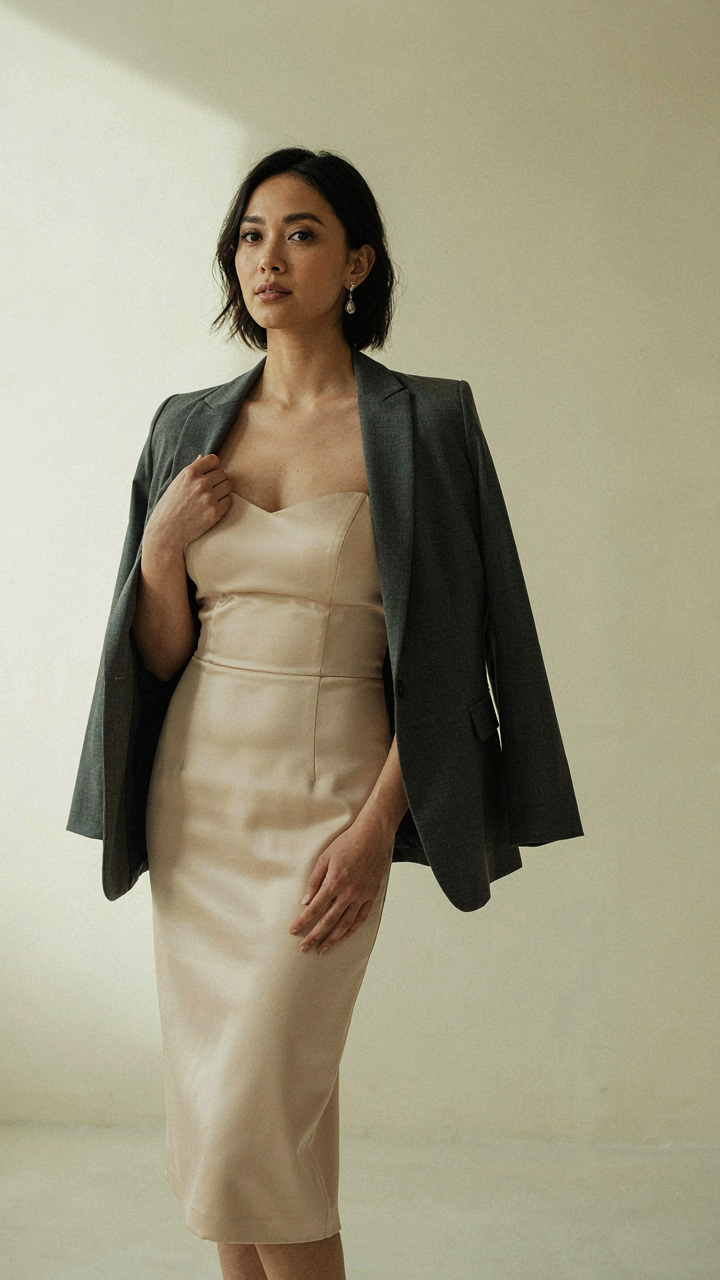
You want people to read you as someone worth paying attention to. That’s the real motive. The sweetheart neckline cocktail dress works because it functions like a signal in semiotics—the study of how meaning gets transmitted through visible symbols. The neckline itself is the primary symbol: it frames vulnerability while maintaining control, sits between exposure and protection. When you choose this cut, you’re not just picking a shape. You’re selecting what story gets told about you before you open your mouth.

The narrative control starts with fit and fabric choice. A sweetheart neckline in structured silk charmeuse reads differently than one in jersey knit. The material determines how the story lands. Your posture, the way you move through the room, the accessories you layer in—these are the sentences that complete the paragraph. You’re not hoping people understand. You’re architecting an interpretation. The dress becomes the opening line. Everything after that is punctuation you control.
Presence Built On Mechanics, Not Feeling
Confidence through posture isn’t motivational nonsense—it’s biomechanics. Your body position changes how oxygen flows, how your voice projects, how others neurologically perceive dominance. The sweetheart neckline demands specific carriage: shoulders back, collarbone visible, spine neutral. Fight the urge to hunch forward. This isn’t about vanity. It’s about the dress functioning as designed.
- Statement earrings: Draw attention upward toward your face and collarbone. Chandelier or angular pieces work better than delicate drops, which get lost against the neckline.
- Minimal necklaces or none: The sweetheart neckline is already a focal point. A choker or pendant competes rather than complements.
- Structured clutch or small bag: Held at chest height, it reinforces your vertical line and prevents slouching that collapses the neckline’s shape.
- Heels with visible ankles: Creates an unbroken line from hip to floor. Strappy styles elongate more than closed-toe, which truncates your silhouette.
- Tailored blazer or shrug: Layers the look without hiding the neckline. Keeps you warm and adds authority through tailoring.
Accessories aren’t decoration. They’re leverage points. A quality earring commands eye contact at your face level. Your posture anchors the entire outfit. Before the night starts, do three things: stand with shoulders back for ninety seconds until it feels normal, check your spine alignment in a mirror, then practice your entry. The dress only works if your body architecture supports it.
The Illusion Of Effortless Charm

The Neckline As Signal
You want people to think you didn’t try. That’s the real motive here, and it drives most clothing decisions nobody admits to making. The sweetheart neckline operates on a principle borrowed from visual hierarchy in design: the eye moves toward what contrasts most with its surroundings. The neckline creates a frame that draws attention upward and inward, signaling intentionality without screaming effort. This is the mechanism at work, not magic.

The sweetheart neckline works because it mirrors the proportions of classical portraiture where the face and shoulders receive emphasis. The curved cut sits lower than a crew neck but higher than a plunge, occupying a specific psychological territory: formal enough to signal respect for the occasion, soft enough to avoid rigidity. When you choose this neckline, you’re choosing a garment that does computational work for you. The dress itself handles the visual heavy lifting.
Presence Over Performance
Most advice on “being confident” at parties is garbage because it treats confidence as a feeling you manufacture. Confidence is actually what happens when your clothing doesn’t demand mental bandwidth during social interaction. A sweetheart neckline cocktail dress eliminates a common source of friction: the persistent micro-adjustment of straps, the awareness of too much exposed skin, the calculation of whether you’re dressed appropriately for the room.
When your body isn’t signaling distress or discomfort through fidgeting, your mind stays in the conversation. You listen instead of monitoring yourself. The dress becomes invisible because it fits the context correctly and stays in place without thought. This is where authentic engagement happens. Wear the sweetheart neckline, then forget about your neckline entirely.
The Fabric Of Your Identity: Why Your Dress Is The Least Of Your Concerns
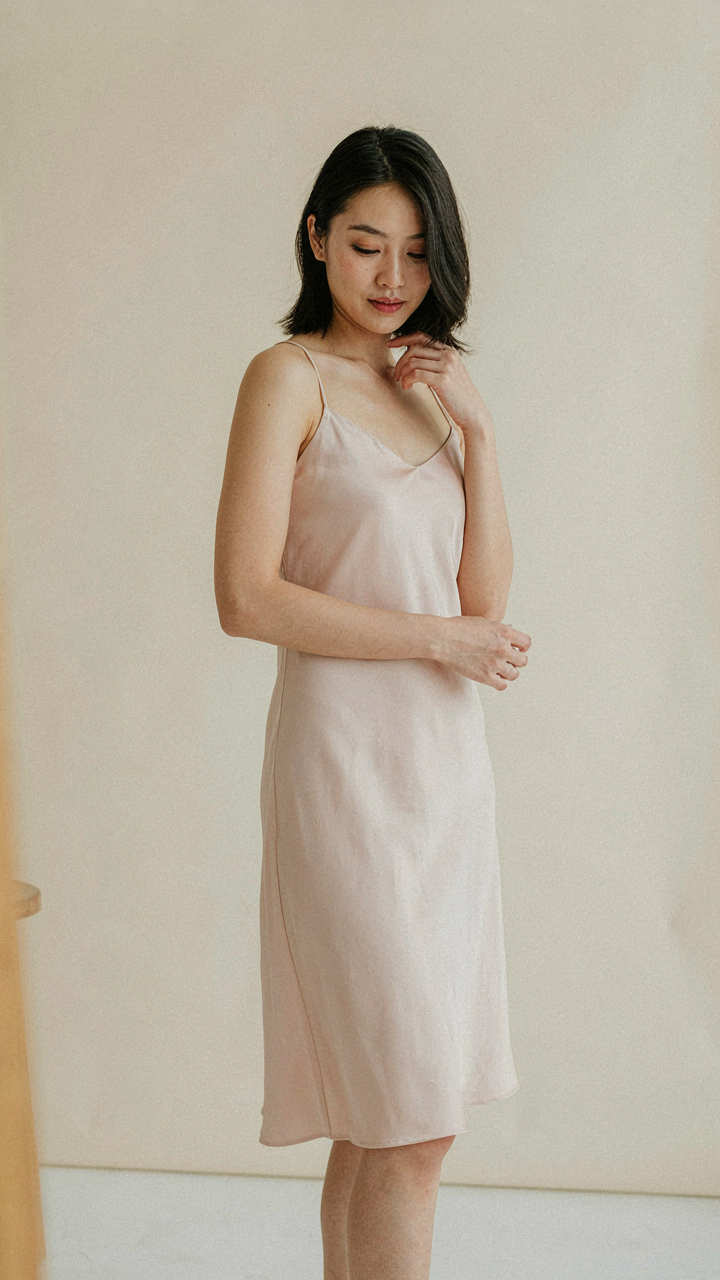
You already know the sweetheart neckline flatters you. What you don’t know is that confidence sells faster than any dress ever will. The neckline matters less than the person wearing it. Stop hunting for the perfect piece. Instead, wear whatever you choose like you own the room. Today, pick one dress in your closet and commit to it completely. That decision beats endless shopping. People remember how you moved, not the thread count.