


The Minimalist Wardrobe Protocol: Less Is More
Build Your Foundation In Neutral Colors
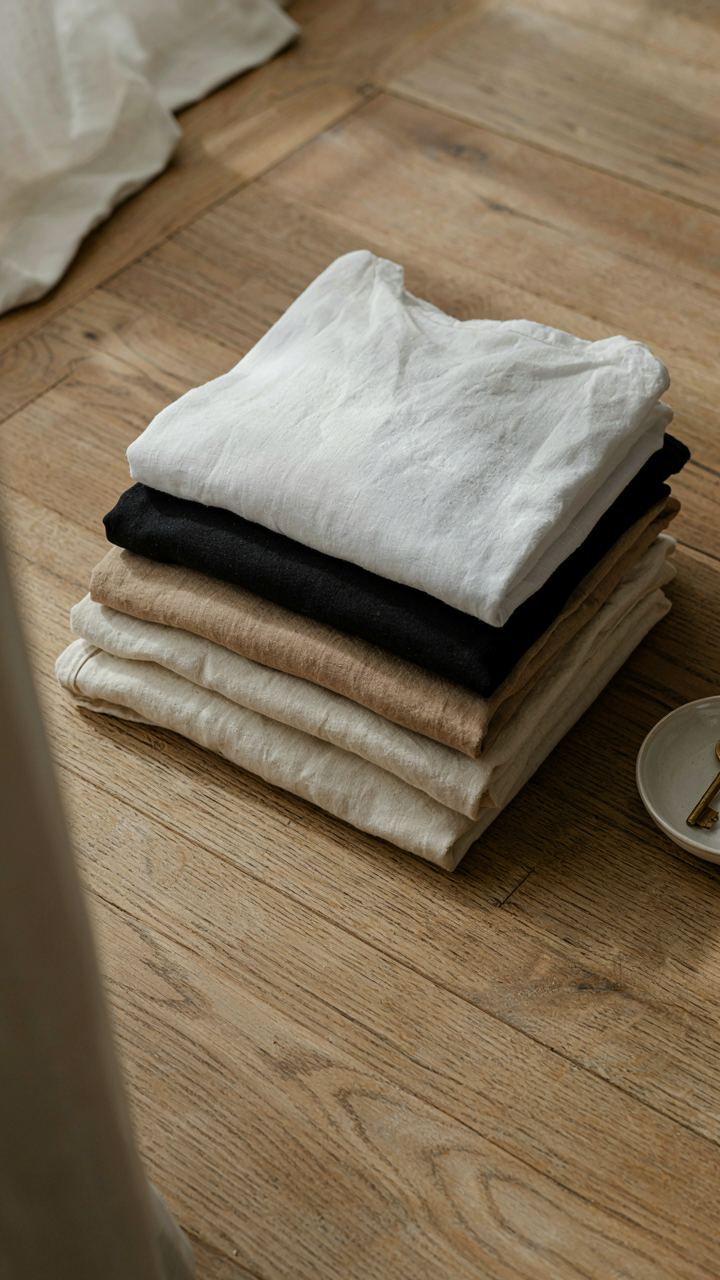
You want permission to look effortless without thinking about it. That’s the real ask here. The mechanism is constraint. When every piece matches every other piece, you stop wasting mental energy on combinations and start moving through your day. Neutrals aren’t boring—they’re economical. A white linen shirt, black shorts, tan cover-up, and cream linen pants form a closed system. Every item works with every other item across sun walks and dinners.
This isn’t about fashion rules. It’s about math. Five pieces in white, black, tan, and cream produce fifteen functional outfits instead of five. You pack less, carry less, and repeat items without it reading as repetition. The beach itself provides visual interest. Your clothes disappear. The work happens in the fabric choice, not the color range.
Fabric Over Fleeting Trends
Common advice tells you to chase styles. That’s incomplete. Trends fade. Fabric endures. Linen breathes and wrinkles intentionally, making movement visible and honest. Cotton dries fast and feels neutral against salt-wet skin. Lightweight blends pack smaller and resist mildew. A 2024 trend vanishes in eighteen months. A quality linen shirt survives five years and fifteen trips. Function beats novelty on a solo beach trip where you control the variables.
Pick fabrics that solve the beach’s actual problems: salt spray, sun exposure, sand abrasion, and humidity. A UV-protective swim shirt in synthetic fabric beats a fashion-forward cotton tee that fades and holds moisture. Prioritize durability and practicality. Test fabric performance before buying. One well-chosen piece replaces three trendy ones that fail under real conditions.
Beyond Instagram: Dressing For Reality, Not A Feed
Climate Beats Aesthetics Every Time
You want to look put together solo because you’re terrified you’ll look lonely. Stop. The mechanism is simple: your body’s comfort directly determines whether you actually enjoy the trip. Discomfort makes you retreat to your room or leave early. Pick outfits that match the specific climate and activities you’ll do first. The beach walk at dawn requires different fabric than the dinner at sunset. Water temperature, humidity, wind speed, and UV intensity are non-negotiable starting points, not constraints to work around.

Most beach outfit advice skips this entirely and jumps to “flowy linen” nonsense. Wrong. A humid tropical beach demands moisture-wicking synthetics or cotton blends that dry fast. A cool coastal climate needs layering because wind kills warmth. Check the actual forecast for your destination. Know the water temperature. Pick base fabrics that handle that specific environment, then build the outfit from there. Everything else is decoration on a faulty foundation.
Wear What You’d Actually Choose Alone
Performative dressing is the fastest way to hate your own trip. You pick an outfit because it photographs well, then spend the day uncomfortable or self-conscious instead of present. That’s wasted time and money. The real test is simple: would you wear this if nobody would ever see the photos? If the answer is no, you’re dressing for an audience that isn’t there.
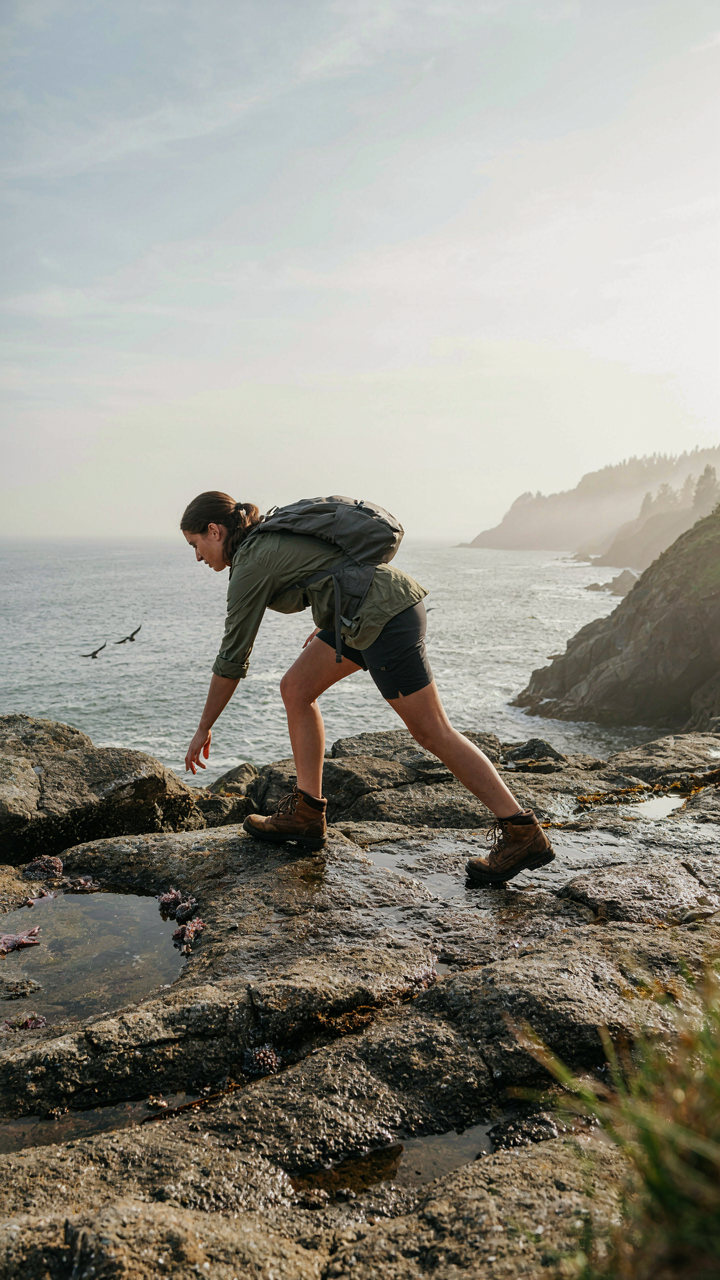
Authenticity doesn’t mean ugly or sloppy. It means your clothes reflect what you actually do on the trip, not what you think a solo traveler should look like. If you’re hiking to tide pools, wear hiking clothes, not resort wear. If you’re reading alone at a café, dress like someone reading alone, not like someone performing solitude for Instagram. The mechanism is alignment: when your outfit matches your actual behavior, you move naturally and look genuinely relaxed. That reads better than any curated aesthetic ever will.
Effortless Beach Outfits: The Physics Of Perceived Value
Material Density Beats Visual Noise
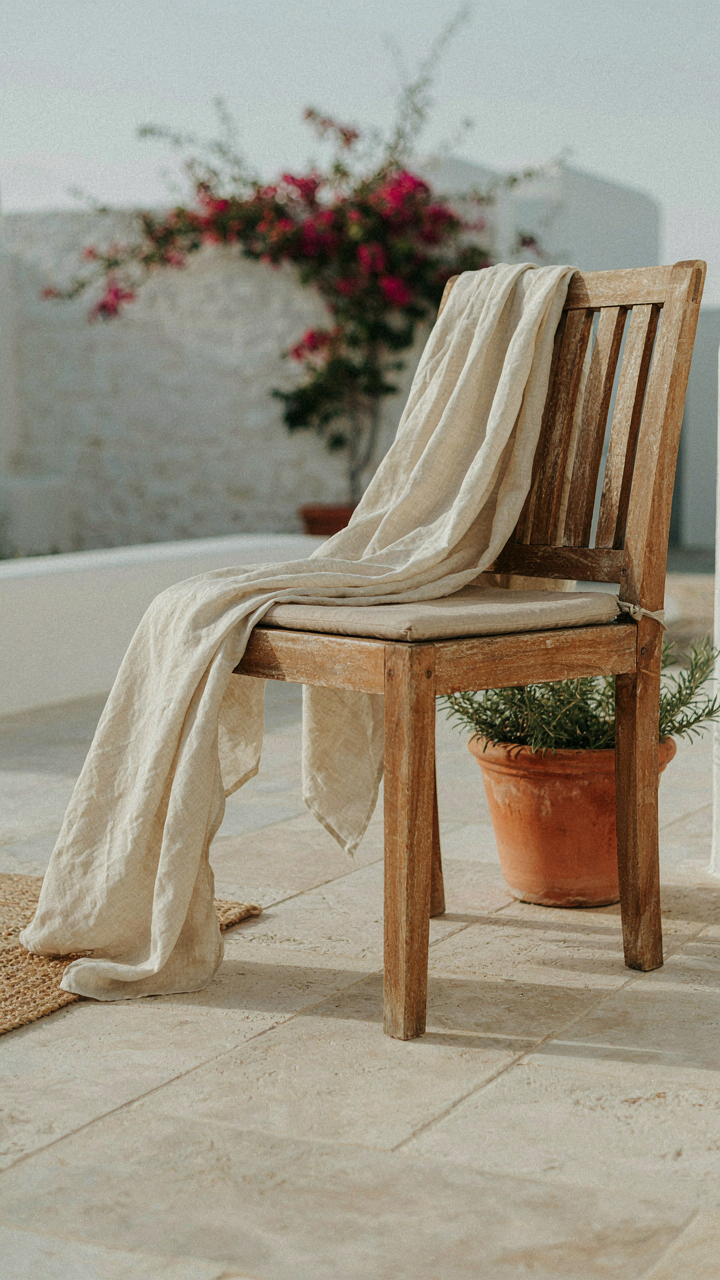
You want people to notice you without trying, which means you’re really buying status through restraint. Physics explains this: density and weight create visual anchoring. A single piece of linen that actually drapes because of fiber structure signals intentionality more than five synthetic pieces that cling and wrinkle. Linen, cotton blends above 50 percent cotton, and quality ramie hold their form and move with intention.

The mechanism is simple. Cheap synthetics compress under body heat and humidity, losing structure within an hour. Natural fibers with higher thread counts maintain tension in their weave, so the garment holds its silhouette through salt air, sweat, and movement. Buy one quality cover-up in neutral linen over three trendy pieces that degrade. The drape doesn’t lie about cost or care.
Temperature Regulation Without The Gear
Most beach outfit advice ignores the actual problem: sun exposure degrades your appearance and ruins comfort, forcing you to hide inside when you should be visible. Thermal physics offers the answer through layering strategy, not bulk. Your skin stays cooler under a thin, light-colored linen shirt than bare because the fabric reflects radiation while allowing air circulation.
UPF protection built into natural fibers works through fiber opacity, not chemical coating. Tightly woven cotton and linen naturally block UV rays. A cream or white cover-up worn loose stays three to five degrees cooler than exposed skin because of air gap between fabric and body. Wear it open over a fitted base layer for sun walks, button it for dinner transitions. This single piece solves both mechanics: thermal regulation and sun protection in one garment.
The Strategic Layering System For Dynamic Days

Build From Skin Out, Not Closet Down
You want to look intentional without overthinking it. That’s the real fear here. The mechanism is simple: layering works because each piece serves a function, not an aesthetic. Start with a base that handles moisture and sun exposure, then add pieces you can remove or add as temperature and social context shift. This isn’t fashion theory. It’s physics applied to fabric.

A fitted swim shirt or rash guard handles UV protection and sweat. Add a linen shirt over it for day walks. That shirt comes off for a casual seaside dinner and gets replaced with a lightweight overshirt or cardigan. The base layer stays constant. Everything else moves based on what you need in that moment. You’re not carrying a different outfit. You’re modifying one system.
Fabric Choice Determines Everything Else
Most beach outfit advice skips this part and jumps straight to “wear linen.” That’s incomplete. Linen wrinkles on contact and dries slowly. Cotton-linen blends wrinkle less and dry faster. Synthetics like nylon or polyester dry quickest and pack smaller, but they hold heat. Choose based on your actual priority: wrinkle resistance, pack weight, or temperature control.
For day wear, a cotton-linen blend shirt works across sun walks and casual dinners. For layering pieces, a lightweight synthetic overshirt packs flatter and handles humidity without absorbing water. Swim coverage gets a synthetic rash guard, not cotton, because cotton stays wet and cold. The fabric choice isn’t personal preference. It’s matching material properties to the specific problem the piece solves.
Footwear: Beyond Sandals For Sun Walks And Seaside Dinners
Shoes That Handle Multiple Surfaces
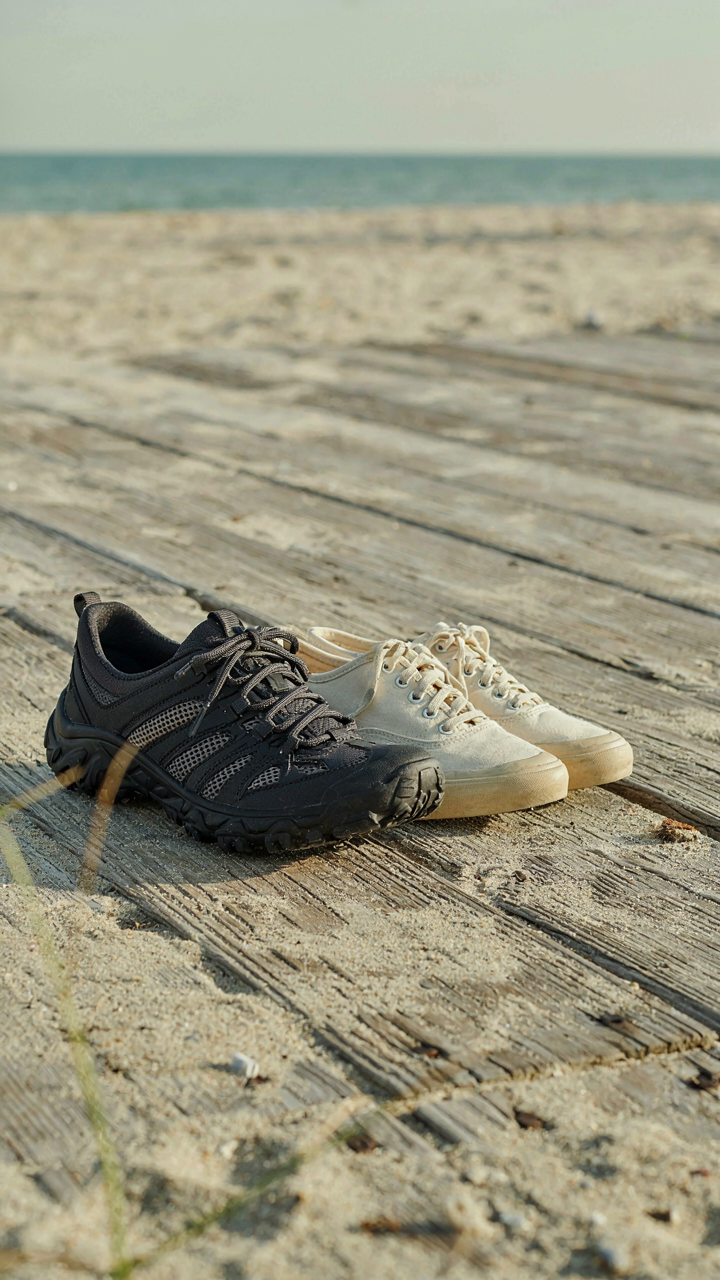
You want footwear that signals you planned this trip while also proving you won’t break down on uneven terrain. The real mechanism here is load distribution: your feet carry different forces across sand, wet rocks, wooden boardwalks, and restaurant floors. One shoe cannot handle all of them equally, which is why the “one perfect sandal” advice fails everyone.

Water shoes with aggressive tread patterns work on wet surfaces because the rubber channels water away from contact points, preventing slip. Lightweight canvas sneakers transition cleanly from beach to casual dinners because they compress sand particles instead of trapping them. Leather flip-flops collapse on rocky terrain but dry fast and pack flat. The play is matching shoe type to the specific terrain you’ll encounter that day, not buying something that does everything poorly.
Support That Prevents Collapse By Evening
Walking six to eight hours on sand without proper arch support causes foot collapse that ruins dinner plans. Biomechanics tells us that prolonged impact on unstable surfaces forces your plantar fascia and intrinsic foot muscles to compensate for missing structure, creating pain and fatigue that builds throughout the day.
Insoles matter more than the shoe itself. Cork or molded foam insoles provide lasting arch support across multiple wears without deteriorating like gel. Cushioned water shoes designed for hiking handle long sun walks because they balance flexibility with structural integrity. By evening, your feet need shoes that don’t compress further, which rules out thin beach sandals. Bring two pairs: one for sun exposure that prioritizes foot mechanics, another for dinner that prioritizes appearance without sacrificing support.
Accessorizing With Intent: Function Over Flash
What You Actually Need To Carry
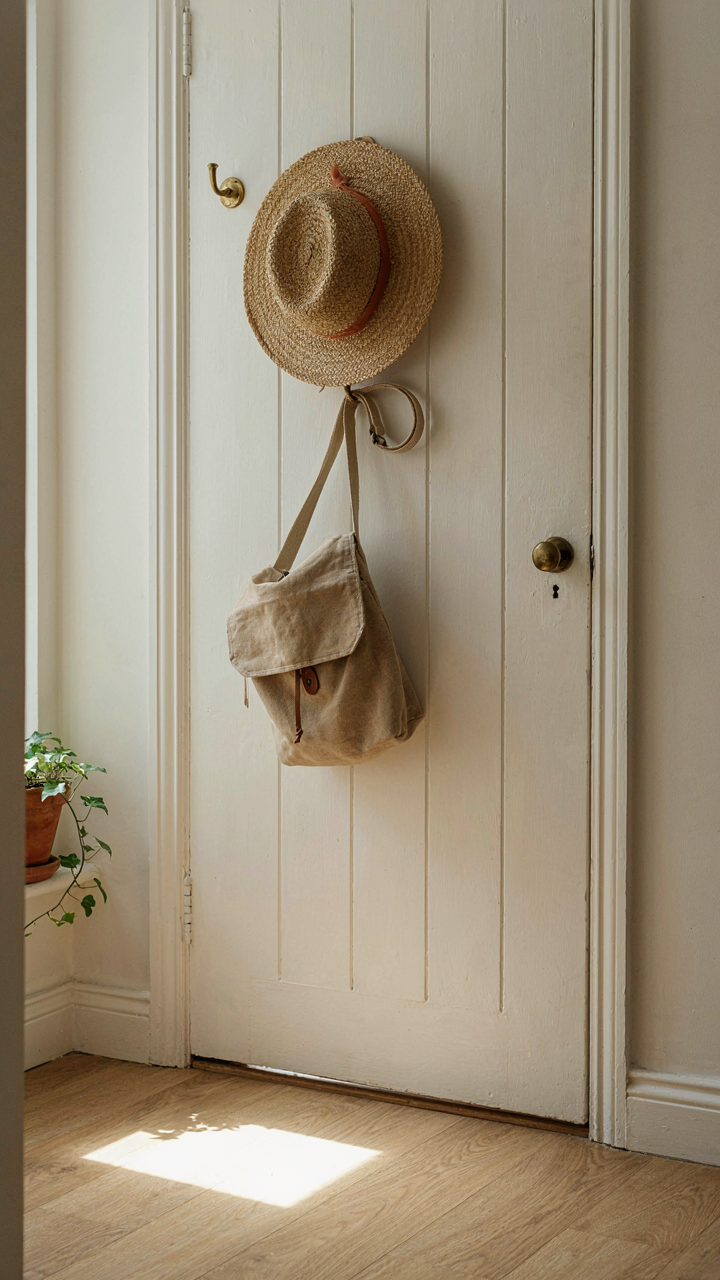
You want accessories that signal you know what you’re doing, not that you’re drowning in gear. Here’s the mechanism everyone skips: function breeds confidence, and confidence reads as intentionality. A sunhat works because it protects your face and anchors your look. A crossbody bag works because you need somewhere to put your phone without thinking about it. Everything else is noise that makes you move slower and overthink harder.

The real filter is the sun walk test. If you wouldn’t grab an accessory for a thirty-minute walk down the beach alone, it doesn’t belong in your outfit. A lightweight scarf becomes a beach blanket, a shoulder cover, a head wrap. A simple watch handles time without your phone. A small tote holds a book or water bottle without creating bulk. Strip ruthlessly. What remains is what actually changes how you move.
The Accessories Designed To Disappear
Everyone tells you to “accessorize boldly” or “let accessories tell your story.” This is incomplete advice that signals the person giving it has never traveled light. Bold accessories on a solo beach trip read as performed, not lived. The mechanism is inverse to what fashion media sells: the less you think about your accessories mid-day, the better they’re working.
A neutral linen crossbody bag doesn’t fight your outfit or draw attention. Quality sunglasses reduce squinting and let you observe without being studied. A simple metal or leather belt adjusts fit without needing another piece. These aren’t boring. They’re invisible, which means they’re doing their job so cleanly that you forget they exist. That’s the actual win. Your energy stays on the walk, the meal, the moment, not on whether your accessories “match the vibe.” Choose pieces that vanish into function.
Packing The Essentials: The Curated “Inspo Outfits Playa” Bag
What Actually Stays In Your Bag
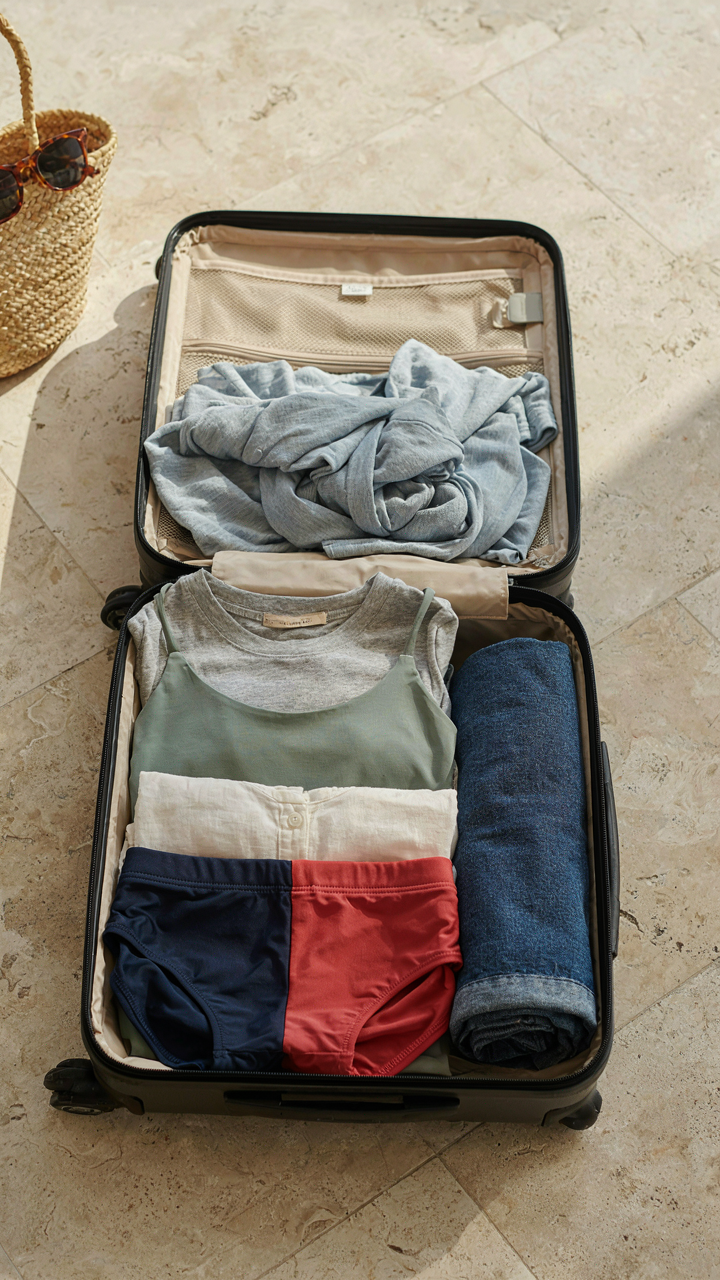
You want permission to look effortless without actually being unprepared, which is why people obsess over packing lists they’ll ignore anyway. The mechanism is simple: a solo beach trip exposes every outfit choice because nobody else is there to dilute attention. You need pieces that work across temperature swings, salt water damage, and the specific social context of eating alone at a restaurant with sand still on your feet.

Start with two swim bottoms in quick-dry fabric like nylon or polyester blend, not cotton. One neutral color, one patterned. Add three tops that layer over or under swimwear without looking transitional. Include one pair of shorts that dry fast and don’t cling when wet. Bring one lightweight long-sleeve shirt for sun protection and evening restaurants. One pair of sandals for walking, one for dining. That’s your base. Everything else compounds risk without adding real function.
The Constraint Method Prevents Dead Weight
Constraint-based thinking comes from engineering, where removing options forces smarter design. Applied to beach packing, this means setting a hard limit on total pieces before you add anything, which eliminates the impulse to pack “just in case” outfits that never get worn.
- Five day limit rule: Pack only enough pieces to create five distinct outfit combinations without repetition. This forces intentional mixing and reveals gaps faster than unlimited packing.
- Color palette restriction: Choose three base colors maximum, plus one accent. Fewer colors mean every top pairs with every bottom, reducing the total pieces needed.
- Dual purpose items only: Every piece works for both sun activity and evening use. A linen shirt functions as beach cover and restaurant layer without needing a separate “nice top.”
- One shoe rule per category: One sandal for function, one for presentation. No backup shoes for different outfits. This cuts packing volume while forcing you to style around one option.
- Fabric veto list: Exclude cotton, silk, and materials that hold moisture or wrinkle badly. Stick to synthetic blends, linen-viscose mixes, and technical fabrics designed for transition wear.
Packing this way actually increases outfit versatility because every piece must earn its space through multiple uses. You stop treating your suitcase like insurance and start treating it like a toolkit. When you land, you already know which combinations work because you designed them under constraint, not assembled them under hope.
The “Bali Outfits Women” Mindset: Effortless Confidence
Relaxed Silhouettes Beat Tight Clothing
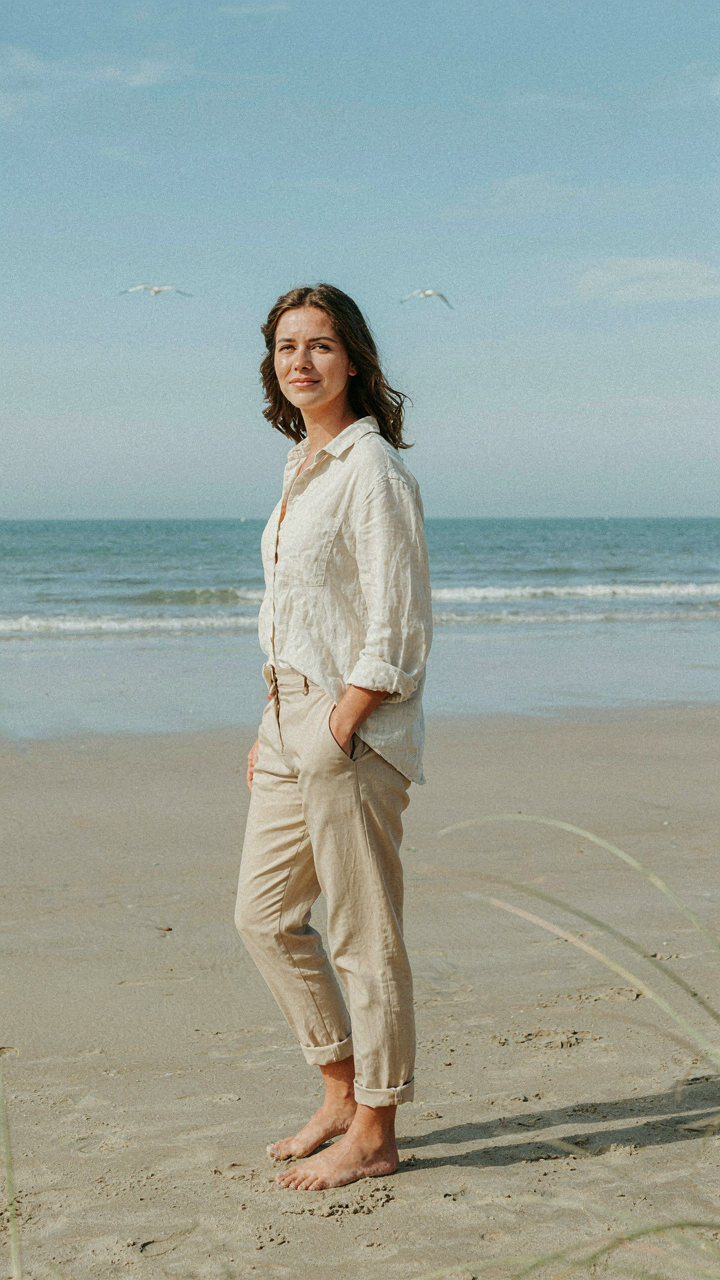
You want people to assume you’re comfortable in your own skin without trying. That’s the real draw here. The mechanism is simple: loose fabric moves with your body instead of against it. Your nervous system registers this as ease. Linen, cotton, and lightweight blends don’t cling or restrict. They drape. When fabric hangs right, you stop thinking about how you look and start thinking about where you’re going. That shift is visible to everyone around you.

Natural fibers breathe in heat and humidity, which means you’re not fighting discomfort all day. Synthetic blends trap moisture and force your body into a state of low-level stress. Stress shows in posture, in how you hold your shoulders, in micro-expressions. Wear a loose linen shirt or cotton pants on a beach walk and you’ll naturally stand taller. You’re not trying harder. You’re trying less. That’s the entire point.
Confidence Operates On A Simple Protocol
Confidence isn’t a feeling you conjure. It’s the output of a system that works. First: wear clothes that fit your actual body, not the body you think you should have. Second: choose pieces you’ve worn before, so your nervous system knows how to move in them. Third: eliminate one variable daily—either your outfit or your route or your timing. Simplicity removes decision fatigue, which is where false confidence dies.
The final layer is visibility. Wear one element that commands attention: a bold color, a structured bag, sunglasses that fit your face well, or jewelry with weight. Not for others. For you. You notice it. Your brain registers that you made a choice and committed to it. That’s the protocol. Repeat it enough times and you stop calling it confidence. You just call it Tuesday.
The Anti Trend Guide: Personal Style Wins

Stop Copying What You See
You want permission to wear what everyone else wears because it feels safe. Here’s the mechanism: trend-following is a compression algorithm. It takes infinite choice and reduces it to five acceptable outfits, which kills differentiation and makes you invisible. You’re not actually building a look. You’re downloading someone else’s decision tree.

Your aesthetic should start with constraint, not inspiration boards. Constraint forces specificity. Pick one material you genuinely prefer wearing (linen, cotton, nylon), one color temperature that flatters your skin tone, and one silhouette that moves with your body instead of against it. This isn’t minimalism. It’s intentional filtering. Everyone else is doing the opposite, which is exactly why it works.
Comfort Over The Approval Sensor
The real cost of chasing validation isn’t wasted money. It’s decision fatigue and the constant low hum of anxiety wearing the wrong thing. Your nervous system tracks this. Neuroscience calls it allostatic load, the biological price of misalignment. Apply that directly: an outfit that makes you second-guess yourself through a seaside dinner will tax your attention more than the meal itself, the company, or the view ever could.
Wear what lets your mind go quiet. On a solo beach trip, that might be a single well-fitted pair of shorts and a shirt you’ve worn fifty times. It might be a dress with pockets because you know where your hands go. The mechanism is simple: remove friction from what you wear, and mental resources flow back to what matters. Your outfit should vanish from your awareness within five minutes of putting it on.
The Only Real Obstacle To Effortless Style Is Your Fear Of Judgment
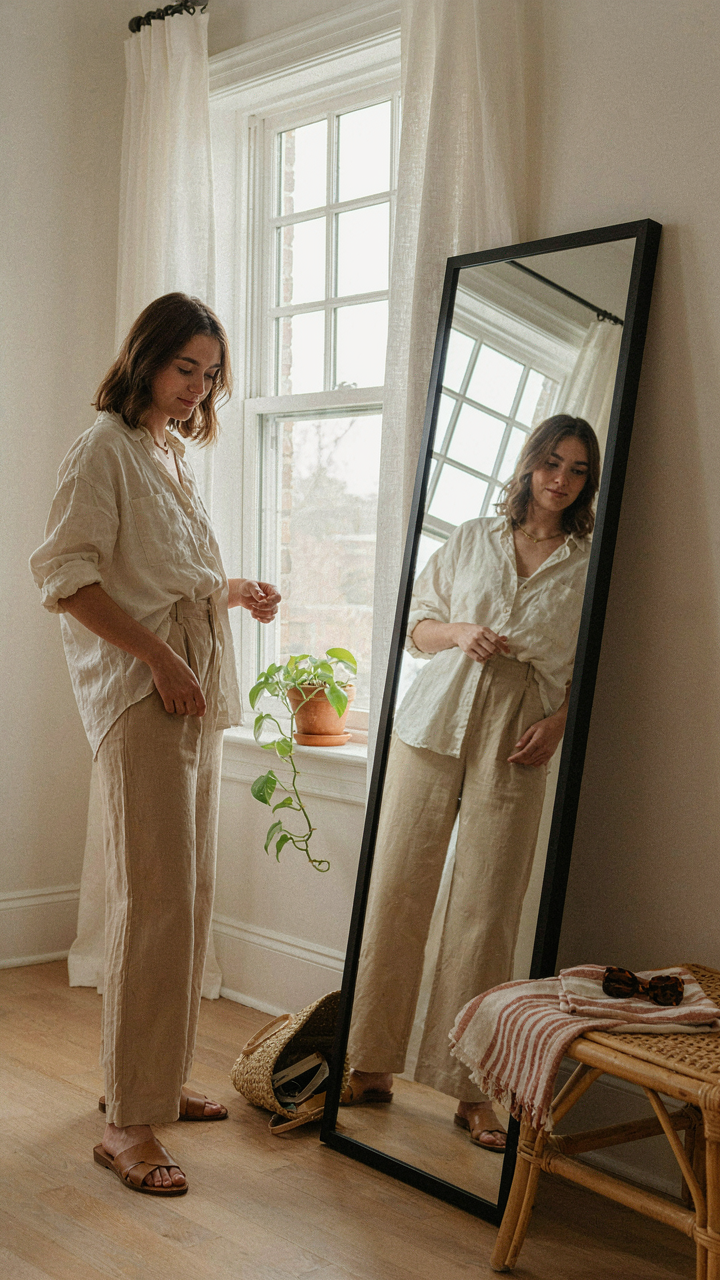
You already know what works for your body. You already own clothes that make you feel capable. The gap between looking sharp on a solo beach trip and looking invisible is not knowledge. It’s permission. You’re waiting for someone to validate your choices when validation was never the point. Go photograph yourself in three outfits before you leave. Pick the one that makes you move differently. That’s the one. Stop dressing for the beach and start dressing for the person you become when nobody’s watching.