


The “One Time Outfit” Fallacy: Why You Keep Losing Money
The Psychology Of Sunk Cost
You’re not actually worried about the dress. You’re worried you’ll look cheap. That’s the real mechanism at play, and it drives every bad financial decision you make about wedding guest outfits. Buying signals permanence and control. Renting signals… what? Admitting you’ll never wear it again. That stings.
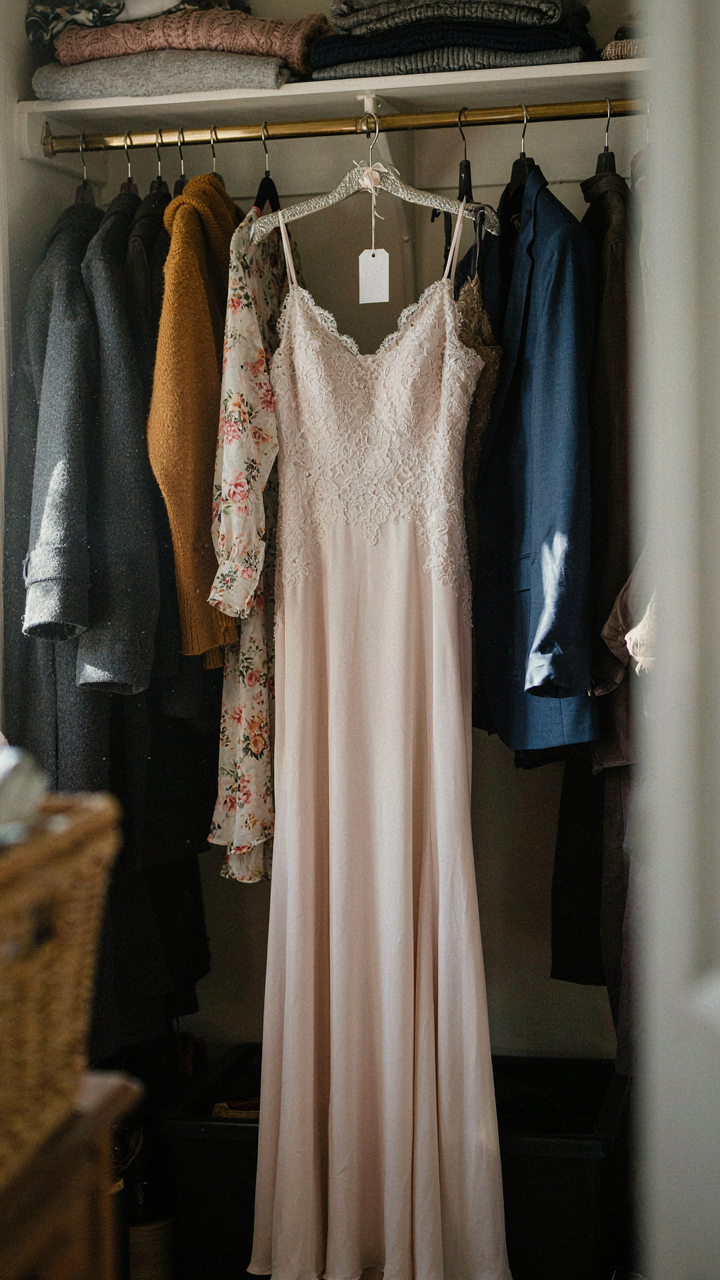
The problem is this belief costs you money every single time. You buy a dress for one event, wear it once, and store it for years while telling yourself you’ll rewear it. You won’t. The garment sits in a closet depreciating in value while you pay the hidden tax of that decision through wasted closet space, mental overhead, and the psychological weight of ownership failure.
The Actual Math Of Ownership
Economics calls it the sunk cost fallacy. You’re buying a wedding guest dress, but what you’re actually buying is a liability you’ll carry forward. The purchase price is just the entry fee. The real costs start after.
Factor in dry cleaning after one wear, storage space for months or years, the psychological burden of a garment you associate with an obligation, and the opportunity cost of capital locked into something with near-zero resale value. A dress purchased for $150 to $400 typically resells for 20 to 40 percent of retail, if you bother to list it at all. Renting the same dress costs $40 to $80 for the event, then vanishes from your life entirely. The math isn’t even close.
The Rent A Wedding Guest Dress Protocol

Know Your Constraints Before You Search
You’re afraid of looking wrong. That’s the real reason you’re considering this. The mechanism is simple: rental platforms show you infinite options, but you need to eliminate choices before you start, not after. Think like an engineer applying constraints. Narrow the variables first. Venue type, dress code, season, and body fit eliminate 80 percent of what you’ll see. Most people reverse this and waste hours scrolling.

Start with the wedding’s environment and formality level. A black-tie evening wedding in December demands different fabric weight and silhouette than a casual daytime garden event in June. Check the invitation for explicit dress code language. If it says cocktail, that’s not negotiable. If it says black-tie optional, you have room to move. Many rental services let you filter by occasion and season upfront. Use those filters as hard stops, not suggestions.
Lock In Your Timeline And Delivery Window
The common advice says “book two weeks early.” That’s incomplete. What matters is understanding how rental businesses actually operate, because peak periods compress your options and increase replacement fees. Most major rental platforms need three to five business days minimum for processing, shipping, and returns. Holiday weekends destroy this timeline. Book outside those windows or face rush fees that eliminate your savings.
Calculate backwards from the wedding date. If the event is on Saturday, you need the dress by Wednesday at the latest to try it on and confirm fit. Add three business days before that for shipping. Your order deadline is typically Monday of the week before. For destination weddings, add five to seven days. Late orders force you into expedited shipping or limited inventory. Place your rental order the moment the invitation arrives, not the week before.
Beyond The Hype: Real Value Of Dress Rental Services
The Math That Actually Works
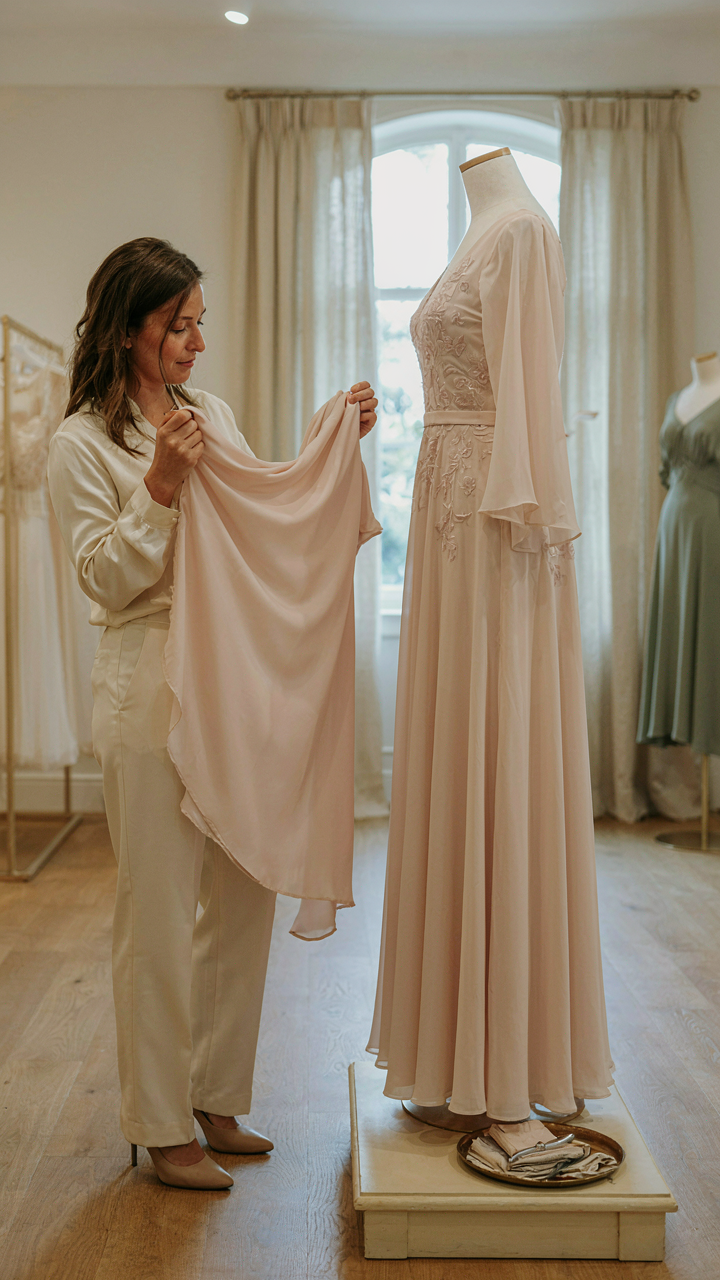
You want permission to feel smart about spending less. Here’s the mechanism: rental services flip the ownership problem. You pay a fraction of retail for a single wear, which means the math only breaks even if you’d otherwise buy something you wear once and never touch again. Most people don’t do that math honestly because admitting you’d buy a $300 dress for one event feels wasteful, so rental erases the guilt. The real cost-effectiveness hinges on whether the rental price sits between 20 and 40 percent of the dress’s retail value. Below 20 percent, the rental company loses money fast. Above 40 percent, you’re paying enough that buying a cheaper alternative becomes rational. Rental pricing from major platforms typically lands in this band because they need both margin and inventory rotation to survive.

The second lever is replacement cost. A wedding guest dress must survive one wearing and one cleaning cycle. If you rent and the dress arrives damaged, arrives late, or doesn’t fit, you absorb zero financial loss. If you buy and the dress tears or shrinks after dry cleaning, you own that failure. Most people don’t quantify this protection, but it’s real money. Run the calculation yourself: take your dress price, multiply by 0.15 to 0.30 (the approximate cost of a damage or fit failure), and subtract that from the buy price. Rental removes that 15 to 30 percent risk tax.
Dress Quality Isn’t What You Think It Is
The consensus says rental dresses are lower quality because they’re used. That’s incomplete. Rental companies source from both overstock inventory that never sold and dresses manufactured specifically for the rental model. The construction differs by intention, not failure. A dress made for rental needs reinforced seams, stronger zipper hardware, and fabric that survives multiple cleaning cycles. These are engineering changes, not shortcuts. Meanwhile, many retail dresses sold to consumers use thinner seams and hardware rated for five to ten wears. Rental dresses often outlast their retail equivalents because they’re built for turnover, not for the fiction that you’ll rewear something formal.
Variety is where rental actually wins hard. A single rental platform carries 5,000 to 15,000 styles at any moment. A department store carries 200 to 400 formal options. You can rent a designer dress for a fraction of its original price alongside contemporary brands and vintage pieces that would be impossible to source otherwise. The constraint shifts from price to curation. You have access to everything, which means the real bottleneck becomes finding what works for your body and the event code. Rental forces you to think in terms of fit and occasion fit, not brand status or ownership narrative.
The Cognitive Dissonance Of Your Closet: A Behavioral Economics Perspective
Why You Own Dresses You Never Wear
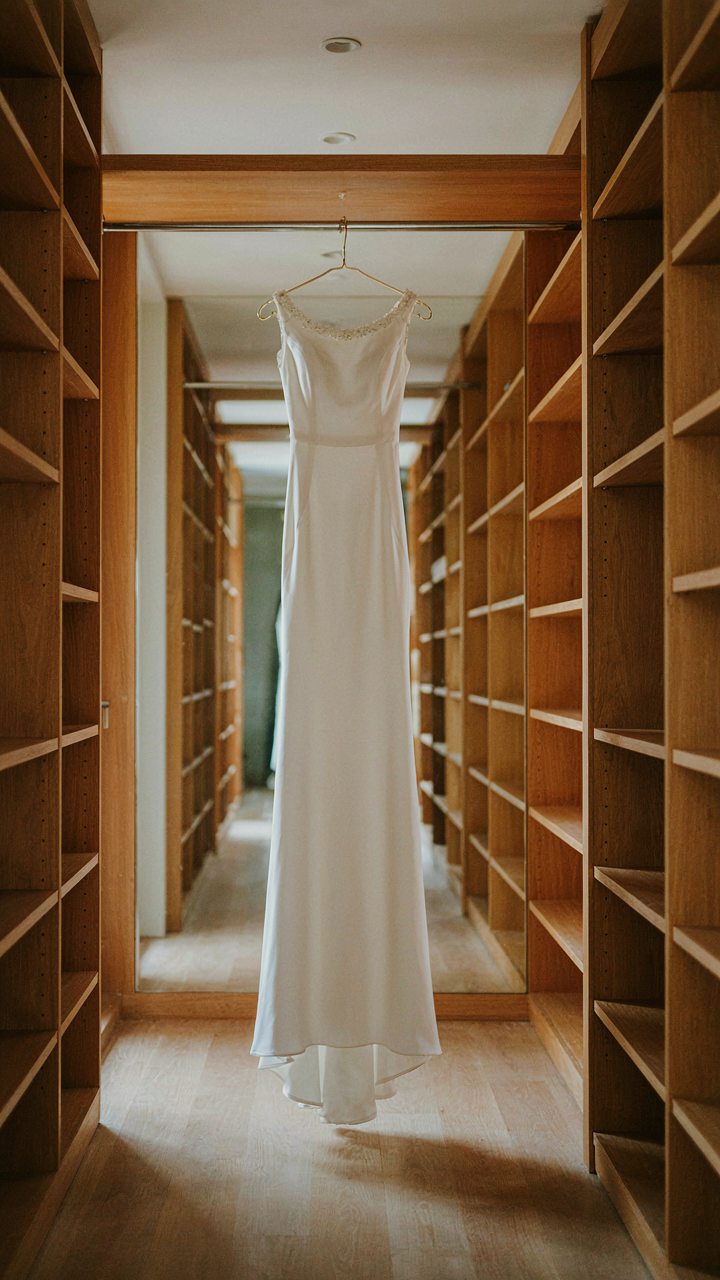
You keep that formal gown because owning it feels different than not owning it, and that gap between perception and reality is costing you money. Behavioral economics calls this the endowment effect: people assign inflated value to things they possess simply because they possess them. You bought the dress. You own the dress. Therefore the dress must be worth something, even if it hangs unworn for years.

The real mechanism is simple. Your brain treats potential loss differently than potential gain. Renting feels like a loss of ownership. Owning feels like security. So you hold the dress even when renting would be cheaper and smarter. You’re not protecting an asset. You’re protecting the feeling of having made a good decision when you bought it.
The Actual Cost Of Your Last Dress Purchase
Stop telling yourself you saved money when you bought that gown on sale. You didn’t. Sunk cost fallacy is when you keep throwing resources at something because you already spent resources on it, not because it makes sense going forward. Most people who buy formal wear do exactly this.
You spent 150 dollars on a dress you wore once. That’s not an investment now. That’s a sunken expense. The relevant question isn’t whether you got a deal when you purchased it. The relevant question is whether keeping it costs less than renting the next dress you need. For most people, the rent option wins every single time. When you rent, you pay once per event and move on.
The “Rent The Runway” Effect: Democratizing Style

How The Model Disrupted Traditional Dress Consumption
You’re worried you’ll look cheap if you rewear the same dress. That’s the real stake here. Rent The Runway solved this by making rental socially acceptable, then inevitable. Before 2009, renting formal wear carried stigma. The service reframed it: access beats ownership. You pay a fraction of retail, wear designer dresses monthly, and nobody notices the repeat. The psychology flipped. Scarcity of wardrobe became a choice, not a limitation.

The shift worked because economics changed the game. Most wedding guests wear formal dresses three to five times per year, maximum. Owning a closet full of single-use garments is capital inefficiency. Rent The Runway made the math undeniable. You spend eighty to one hundred dollars per rental instead of three hundred to eight hundred dollars per purchase. Multiply that across a year of events. The model exposed how broken traditional consumption was for occasion wear.
The Market Expanded Because Demand Was Always There
What everyone gets wrong: demand for dress rental didn’t exist until the option appeared. False. The demand was always there. People wanted variety without the financial bleeding. They wanted to stop holding onto dresses they’d worn once. The market was waiting for someone to remove the friction. Rent The Runway didn’t create the need. It gave people permission to admit they had it.
Competitors entered fast because the unit economics work. ThredUP, Nuuly, and Veve all launched rental or subscription models for occasion wear. Department stores added rental sections. Even luxury brands like Chanel and Louis Vuitton launched rental programs. The expansion proves this isn’t a niche play. When a market model works, capital floods in. Wedding guest dresses are now one of the fastest-growing categories in rental platforms because the cost-per-wear math is indefensible under the ownership model. Check your rental app’s available inventory in formal wear. The selection has tripled in five years.
Wedding Season Survival: The Minimalist’s Approach
Build Your Wedding Uniform First
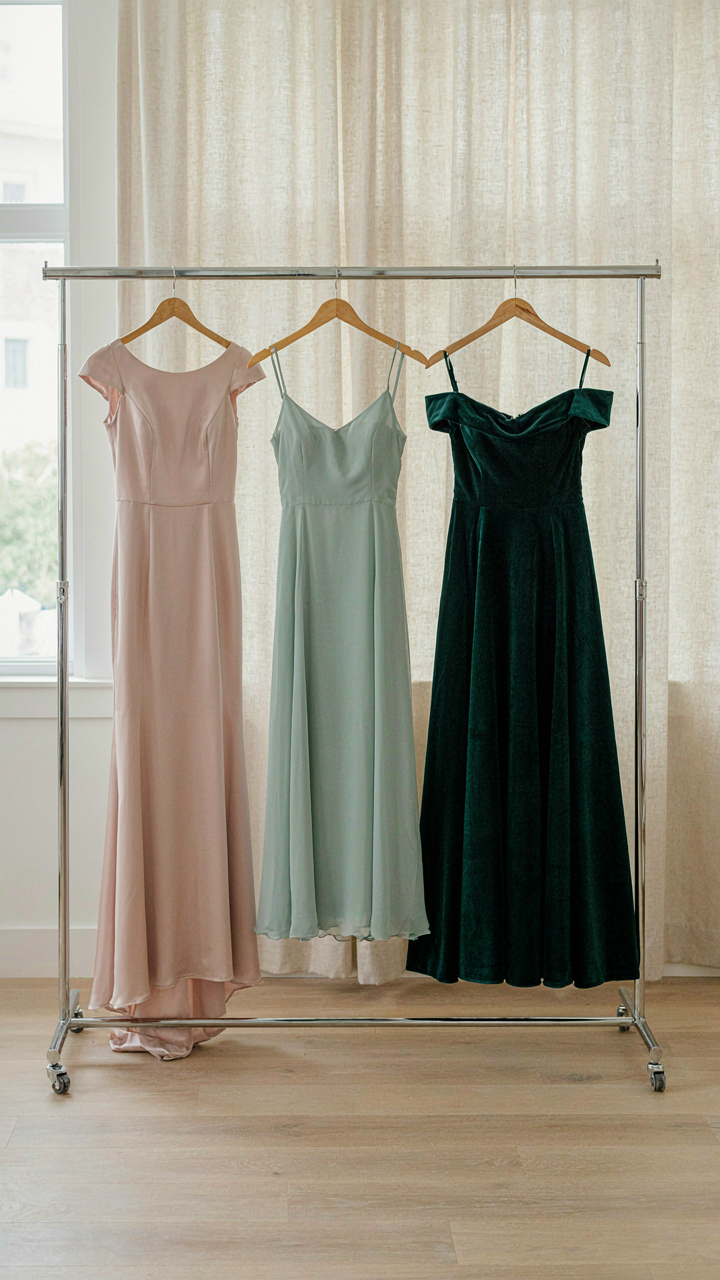
You want permission to not think about this. The real cost of wedding season isn’t money—it’s decision fatigue compounding across four, five, sometimes eight events. Renting a wedding guest dress solves this by establishing constraints you actually want. Think of it like inventory management in logistics: you’re not reducing options to feel restricted, you’re reducing them to eliminate waste. The mechanism is simple. Identify two or three dress silhouettes that work for your body and the venues you’ll attend. One floor-length option for formal weddings, one midi or knee-length for afternoon events, one statement piece if you want rotation. That’s your uniform.

Rent these pieces across the season instead of buying duplicates or hunting for new dresses each time. Services like Rent the Runway and The Outnet let you cycle through inventory without ownership friction. You pay per rental, wear it once or twice, return it cleaned. No storage problem. No decision paralysis before the next event. The protocol: choose your silhouettes now, test them at the first wedding, then book the same rental categories in different colors or prints for remaining events. This eliminates 90 percent of the cognitive load you’d normally spend shopping.
Decide Less, Wear Better
The common advice says to find what makes you feel confident and stick with it. That’s incomplete. Outfit decisioning fails not because you lack confidence but because you’re treating each wedding as a unique occasion requiring a unique solution. You’re not. Renting removes the narrative that each dress must be different because each event is different. Functionally, they’re the same: you need something appropriate for the dress code that doesn’t distract you from being present.
Set a decision protocol before the season starts. Confirmation email arrives, check the dress code, reference your rental categories, book that style in a new color. Done in three minutes. No Pinterest scrolling, no comparison shopping, no trying on six dresses at the mall. When the rental arrives, you already know it fits because you tested the silhouette. Try it on once to confirm, wear it, return it. Your energy stays on relationships and conversation, not on whether the hem hits the right spot or if the neckline is too exposed.
The Tactical Advantage Of Not Owning: A Military Strategy

Logistical Superiority Without The Baggage
You’re worried about looking disorganized or poor because you showed up with minimal luggage. Here’s the mechanism: military logistics applies directly to wardrobe management. Supply lines break down when you carry excess inventory. Renting eliminates the need to transport, store, and protect a dress you wear once every three years. You pack a carry-on instead of a checked bag. You avoid the closet space tax. No steaming, no dry cleaning bills, no “where did I put that dress” panic at 11 PM.

The real advantage isn’t sentimental. It’s operational efficiency. When you rent, the vendor handles transport, pressing, and condition verification. You receive the dress cleaned and ready. You return it without managing the logistics of long-term storage or finding a dry cleaner before the next event. This compounds over time. Five weddings rented means zero dresses taking up closet real estate and zero anxiety about preservation.
Operational Flexibility Across Dress Codes
Consensus says to buy a “versatile” dress you can wear to multiple events. That’s a trap. A single dress that works for a summer garden wedding won’t work for a winter black-tie reception. Renting flips this: you match the dress to the actual event, not to your existing inventory. The dress code calls for cocktail attire in emerald green with a specific cut. You rent that exact dress. Next month, a formal event requires floor-length navy. You rent that instead.
The mechanism is adaptation without penalty. Owning forces compromise. You buy something “versatile enough” and regret it at every event because it never quite fits the specific context. Renting lets you optimize for each situation. You call the rental service, specify the event details, and get a dress that actually works. When the event ends, you send it back and forget about it. Your next rental starts from zero constraints, not inherited limitations.
From Impulse To Intent: Mastering Your Wedding Guest Wardrobe

Plan Before The Invitation Arrives
You care about this because you’re tired of feeling trapped between buying something you’ll wear once and showing up underdressed. The mechanism is simple: weddings cluster in seasons, and if you wait until you receive an invitation to think about your outfit, you’re already working backward against rental availability and your own decision-making speed. Strategy means deciding your rental approach before the event lands on your calendar.

Build a seasonal rental map. Spring and summer weddings spike between May and September. Fall weddings peak October through November. Winter celebrations compress into December. Map your typical wedding attendance against these windows, then identify which rental platforms have inventory depth during your peak season. Renting in advance of invitation season gives you access to better selection and the psychological advantage of treating wardrobe decisions as logistics rather than emergencies.
Know What Works On You, Not On Instagram
The common advice here is garbage: pick a rental based on what looks good in photos or what celebrities wore. That’s backwards. You need to identify silhouettes that actually fit your body and that you can move in for six hours without adjustment. This isn’t about taste. It’s about geometry and physics applied to fabric and your frame.
Wear your go-to rental styles twice before committing to the rental. A strapless pleated midi dress works for some bodies because the waist definition and fabric structure hold shape without constant fidgeting. A wrap dress works for others because the fit adjusts to your actual proportions instead of forcing you into a standardized size. Track which rental styles require zero alterations, which ones need hemming, and which ones create visible panty lines or gaping. Your go-to is the one you forget you’re wearing.
The Scarcity Myth: Why You Don’t Need More Dresses
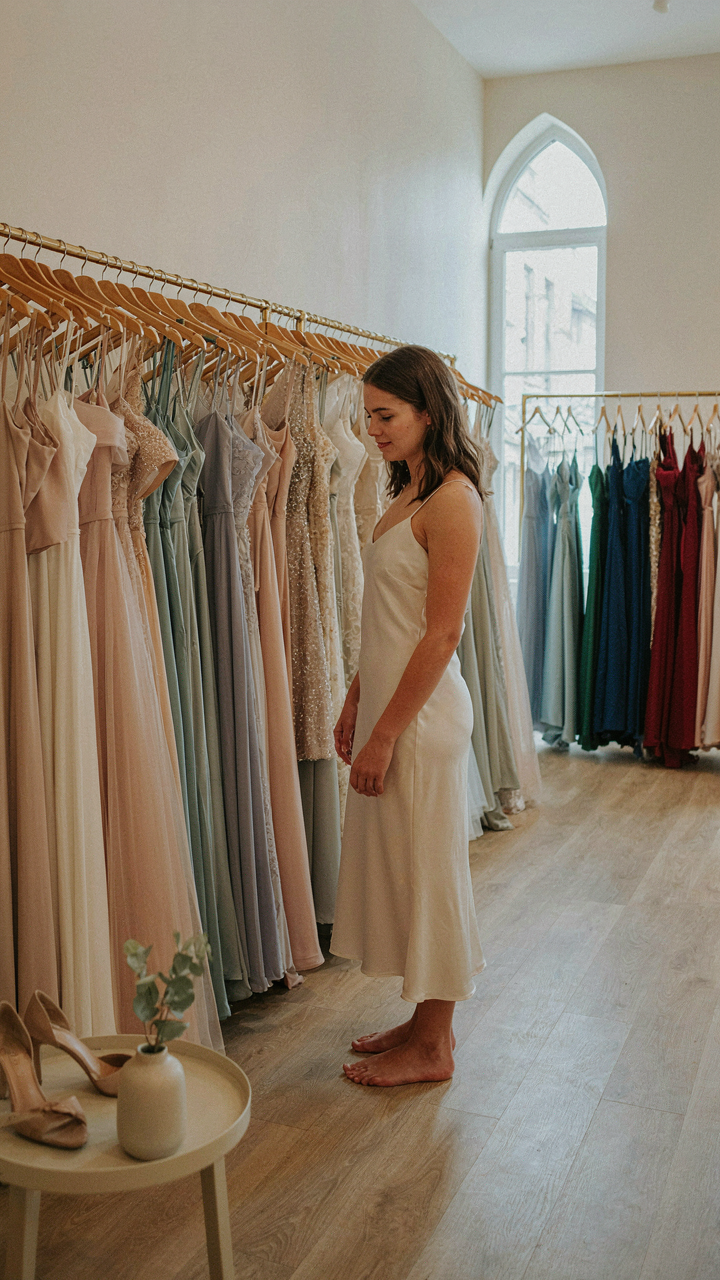
The Closet Trap
You’re afraid you’ll look like you’re repeating an outfit. That’s the real reason this section matters to you. Here’s the mechanism: scarcity thinking makes you believe visibility equals judgment. Economics calls this artificial scarcity, and the wedding industry manufactures it deliberately. You internalize the rule that wearing the same dress twice signals poverty or carelessness. The truth is simpler. Most guests don’t catalog what you wore to their cousin’s wedding two years ago. The social cost you’ve calculated doesn’t exist.

Rental services exist because the opposite problem is real: buying a dress you’ll wear once creates actual waste. You spend money. You store inventory. You accumulate guilt about underutilized items. Renting removes the ownership pressure that forces you to justify the purchase through constant rewear. The paradox is that ownership creates the need to appear new, while renting eliminates that compulsion entirely. You rent the dress, wear it once, return it, and move on. No narrative required.
The Real Menu Of Options
Wedding guest dressing used to be constrained by geography and budget. You shopped your local stores or catalog retailers. Now you rent from platforms with thousands of dresses at various price points, styles, and sizes. The abundance isn’t theoretical. Services stock contemporary designs from actual brands alongside vintage pieces and niche designers. You access inventory that would cost thousands to own.
The scarcity myth dies when you actually browse a rental platform. Search for your event type, size, color preference, and delivery date. The system returns dozens of viable options. This abundance means you’re not choosing between two or three dresses like you would at a department store. You’re choosing from a curated menu that accommodates your exact body, aesthetic, and budget. When you face actual options instead of artificial constraint, the pressure to own dissipates. Rent the dress that fits your event and body. Return it. Done.
The Real Cost Of Ownership Isn’t The Price Tag; It’s The Mental Clutter Of A Life Unlived

You don’t own clothes. Clothes own you. Every dress you buy for one event becomes psychological baggage taking up mental real estate. Renting breaks that trap. You wear it, return it, move on. No guilt. No storage wars. No future self cursing past you for the closet full of “maybe someday” dresses. Pick a rental platform today, book your next wedding outfit, and experience what happens when you stop letting dead purchases dictate your life. The best closet is the one that doesn’t exist.