


Understanding the No Spend Challenge and Its Rules
The No Spend Challenge is a simple way to change how you think about money. It asks you not to buy anything for a set time. This helps you save money and learn good money habits. The challenge can be for a day, a week, or even a month. You decide the length.
In this article, you will learn the rules of the No Spend Challenge and get daily prompts to keep you focused. These tips are easy to follow and will help you manage your spending better. By sticking to these rules and using the prompts, you can gain control over your money and make smarter choices.
What Is The No Spend Challenge
The No Spend Challenge is a personal experiment where you decide to not spend money on non-essential items for a set period. People try it for many reasons—some want to clear out spending habits that feel automatic or wasteful. Others are eager to save fast or just prove to themselves that they can live without extra purchases for a while. The lengths vary widely: some choose a single weekend, others aim for a whole month, and a few even stretch it longer. The flexibility is part of what makes it appealing.
What do participants hope to gain? Often, it’s more than just money. It’s about becoming aware of when and why you spend. Maybe to break a cycle of impulse buys or to reset what “needs” really mean. That sense of control can be surprising—and rewarding. But not everyone approaches it the same way; some drift in and out, while others stick with devotion. It depends, I think, on what you want out of the experience.
The Goal Of The Challenge
The main goal here is to save money. That’s straightforward enough, right? Yet, saving money is only part of it. The bigger aim lies in developing better spending habits. When you stop buying for a time, you start noticing your triggers. You learn to ask if a purchase is necessary or just habitual. That reflection can stick around long after the challenge ends.

This matters because spending habits shape financial futures. Changing them can slow down debt, build emergency funds, or pay for something more meaningful. It’s a chance to see how your money flows—and maybe to take back some control. Without that pause, habits often keep running on autopilot.
Who Can Do The Challenge
Almost anyone can try a No Spend Challenge, but some groups find it especially useful. Students living on tight budgets might use it to stretch their financial aid or part-time earnings. Families might try it to tighten their household budget or teach kids about money. People who want to save for a specific goal—like a trip or an emergency fund—can also benefit.
This challenge isn’t about deprivation, though it can feel like it at times. It’s more about awareness and intentionality. Whether you’re juggling college expenses or managing a household, this can fit your situation. You might even be surprised how it shifts your view on money—not just how much you have, but how you value it when you actually see what you don’t spend.
Basic Rules To Follow
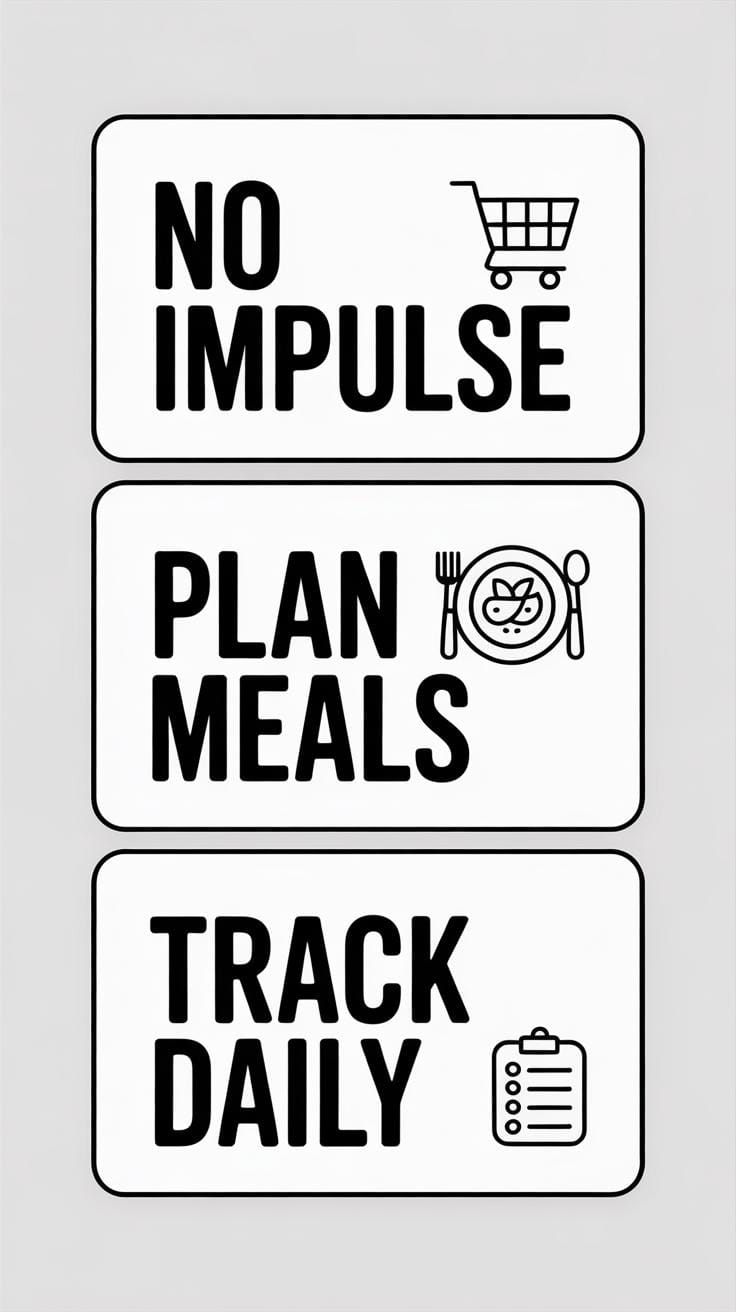
The main rule in a No Spend Challenge is straightforward: don’t buy anything that isn’t a necessity. That means no adding random items to your cart or stopping by stores without a clear purpose. But it’s not just about what you don’t buy; it’s also about avoiding the situations that might tempt you to shop. For example, scrolling through online stores or wandering the mall can quickly undo your progress. Planning ahead can help with this—you might want to schedule your errands carefully or find other ways to occupy your time.

What counts as a necessity? Usually, basics like food and medicine are okay. You’ll want to cover essentials—groceries, prescriptions, hygiene products—but avoid extras like new clothes or gadgets. Think about it: if you really need a part for your broken appliance, that might be a gray area. But most “wants” should wait until the challenge ends.
When picking how long your challenge should last, try something short at first. Maybe a week or even just a few days. It’s tempting to aim for a month right away, but starting small lets you test your limits and build confidence. You can always go longer if it feels doable. So, how long can you really go without spending? It’s worth figuring out for yourself.
Planning Before You Start

Before you jump into the no spend challenge, take some time to prepare. It might sound obvious, but making a clear list of what you truly need can save a lot of confusion later. Think carefully—what must you have versus what you’d just like to have? Writing it down helps you see things more clearly.
Separate your list into essentials—groceries, bills, medication—and then everything else that feels more like a want than a need. This step can be surprisingly eye-opening. You might realize some “needs” aren’t as necessary as they first seemed, or maybe you forgot about a hidden expense that is unavoidable. Either way, having that in black and white helps.

Next, look around your home. What temptations lurk there? Those online shopping apps you haven’t deleted yet? Or perhaps you habitually drive past the mall, tempted to pop in “just for a quick look”? Removing or limiting access to those can make the whole experience less stressful.
I found that uninstalling a few apps helped me stop mindless scrolling that usually ended in a purchase. It’s not a fail-safe plan, but it definitely cuts down on accidental spending. Try this: keep your wallet out of reach, block certain websites, or even arrange your day to avoid places where you’d be tempted.
In the end, planning is about setting yourself up so you don’t have to rely on willpower alone. Could you do the challenge without this prep? Maybe, but your chances improve when temptation is out of sight and needs are clearly defined.
Daily Prompts To Help You Stay On Track
Sticking to a no spend challenge can feel tricky some days. Your mind wanders to little things you “could” buy or conveniences that seem harmless. This is where daily prompts come in—they keep your focus sharp, remind you why you’re doing this, and help you recognize progress even when it feels slow.
Start each morning with a simple intention to guide your choices. Try setting a clear goal like: “Today, I will find joy without spending.” Or ask yourself, “What’s one thing I can do that costs nothing but makes me feel accomplished?” These questions nudge you toward mindful spending—or, more precisely, mindful not spending. Sometimes, just quieting that part of your brain that seeks instant gratification can be enough to get through the day.

In the evening, reflection offers a chance to check in without judgment. Ask yourself:
- What made me want to spend today, and how did I handle it?
- Did I discover anything new about myself through this challenge?
- What can I prepare or plan for tomorrow to avoid unnecessary temptations?
Maybe jot these down, or just think them through. You might realize you’re stronger than you give yourself credit for—especially when you notice small wins, like resisting an impulse buy or repurposing something you had at home. This quiet, daily check-in can keep motivation alive during moments of doubt or boredom.
So, every morning, focus your mind with a goal or question. Every evening, give yourself time to reflect, learn, and gear up for what’s next—all without spending a penny.
Handling Challenges And Temptations

During a no spend challenge, temptations often sneak around corners you didn’t expect. That email with a sale notification, a friend inviting you out, or just the sudden urge to grab something “just because” can shake your resolve. It’s normal to feel this pull. Understanding why it happens helps you resist it better.
Dealing With Impulse Buying
Impulse buying happens when your brain seeks quick satisfaction. Sometimes, it’s boredom or stress pushing you toward a purchase. Other times, it’s the surprise of something new catching your eye. When you pause and ask yourself, “Do I really need this?” or “Will this bring lasting value?” you start breaking the habit. Carry a simple trick with you: wait 24 hours before buying anything non-essential. More often than not, the desire fades. Also, avoiding aisles that tempt you or unsubscribing from marketing emails can cut those spontaneous urges.
Finding Free Alternatives

Replacing spending with free activities isn’t just about saving money; it’s about finding joy in small things. When you crave a reward or a break, why not try:
- Taking a walk in a nearby park or exploring a new trail
- Visiting a local library or museum with free entry days
- Hosting a movie night at home with friends or family
- Trying a new hobby like drawing, writing, or cooking from what you have
- Listening to podcasts, free online courses, or TED talks
These don’t just fill the void—they can make you realize you don’t need to spend money to feel good. But sometimes, you might still wish for a little something extra. That’s okay, too. The key lies in catching yourself before reaching for your wallet, then redirecting your energy to something rewarding—without cost.
Tracking Your Progress
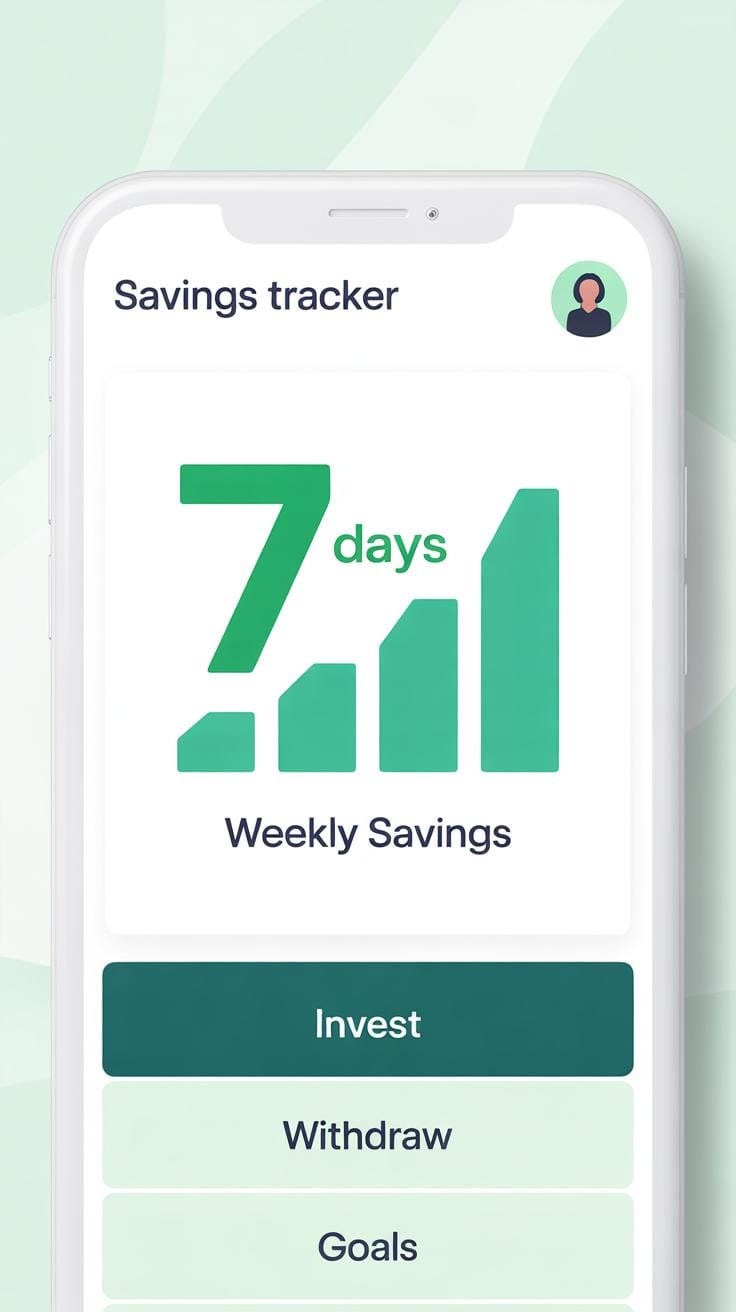
Keeping track of your spending during the no spend challenge can feel a bit like an experiment. You want to see where your money usually goes, but also how your habits shift when you commit to spending nothing.
One straightforward way is to write everything down. Not just the purchases, but also your feelings around them—were you bored, stressed, or maybe just distracted? Writing this down turns your journal into more than a ledger. It becomes a tool for self-awareness. Say, you notice you always want to buy snacks after work; that might hint at an emotional trigger rather than real hunger.

If pen and paper aren’t your style, there are user-friendly apps to try. A few simple options like Mint or YNAB offer clear visuals and let you categorize spending easily. Even a basic notes app on your phone can double as a daily tracker if you keep it consistent. The key is not to get overwhelmed by technology, but to choose what actually helps you stay honest about your spending.
Tracking progress isn’t just about numbers—it’s about noticing patterns. When you see where your money could have gone but didn’t, you start understanding yourself better. What’s surprising is how often you catch yourself thinking “Was that really necessary?” This reflection alone quietly changes future decisions.
What You Learn From The Challenge

Recognizing Spending Habits
When you take on a no spend challenge, it can be surprising how quickly you start to see your usual spending habits. Suddenly, the small, almost automatic purchases jump out at you. Maybe it’s the daily coffee run or that quick snack from a convenience store you never thought much about. The challenge forces you to face these patterns because you can’t just swipe your card without thinking.
You might realize you spend impulsively when you’re bored or stressed, or that certain times of day trigger unnecessary spending. For example, some people notice that they shop more online after work as a way to unwind. This kind of self-awareness is, well, kind of uncomfortable but also really eye-opening. It’s like holding up a mirror to your financial habits, and sometimes the reflection isn’t exactly flattering. But knowing what trips you up helps you change it.
Changing Your Mindset
The no spend challenge often shifts how you think about money in subtle ways. Before the challenge, money might have been a tool for instant gratification, something to spend without much thought. Afterward, that impulse to spend can start to feel less urgent. It’s not that you become stingy or rigid, but you begin to think more about why and when you want to spend.

You start questioning purchases: Do I really need this? Will it add value or just clutter my life? This mindset shift isn’t always easy or consistent. There may be moments when old habits sneak back in, and you wonder if a little spending now and then is harmless. But overall, you grow more comfortable with delaying gratification and focusing on what truly matters. It’s a slow change, a bit messy, but worthwhile in the long run.
Extending The Challenge For Lasting Change
The no spend challenge can feel like a reset button. But what happens once it’s over? It’s tempting to slip back into old habits without even noticing. To keep the momentum going, try setting new goals that build on what you discovered. Maybe you learned that avoiding impulse buys on coffee saved more than expected. Why not aim to brew at home for a month? Or perhaps you realized dining out empty your budget fast—try cooking more meals yourself next week.
Goals don’t need to be huge or strict. They can be flexible, practicing “spending pauses” before purchases or tracking your spending for a month straight. These small steps often feel less daunting and make money control more manageable. Sometimes, just having a clear next objective keeps your focus sharp and reminds you why you started this in the first place.
Building A Support System
Going it alone isn’t easy. Having friends or a group who get the struggle can change everything. Maybe a buddy wants to join you in a mini no spend period, or a community online shares tips and funny fails. Sharing your wins and setbacks with others helps keep you honest and motivated. It’s a little like having someone cheer you on during a tough workout.

Support doesn’t have to be formal. Even a friend who respects your goals can help by not tempting you or reminding you of why you’re being careful. If you don’t know anyone locally, try forums or social media groups where people swap ideas and encouragement about living on less. It’s surprising how much of a difference just knowing you’re not the only one trying makes the challenge less lonely and more doable.
Success Stories And Encouragement

Real Stories From Challengers
Some people have taken on the No Spend Challenge and come out with more than just saved cash. Take Sarah, for example. She decided to stop buying coffee out for 30 days and was surprised to find she saved over $100. What stood out to her wasn’t just the money but the way she became more mindful about small expenses. She started making coffee at home and noticed a quieter moment in her mornings.
Then there’s Mike, who used the challenge to cut back on impulse purchases. By avoiding online shopping entirely, he reclaimed hours he usually spent browsing and ended up clearing some clutter he didn’t even realize bothered him. It wasn’t always easy, and he admits to slipping a few times, but the overall shift gave him a sense of control he hadn’t felt before.
And what about Jessica? She took a slightly different route. Instead of stopping spending completely, she only allowed essential purchases. This tweak helped her balance needs versus wants more clearly. Over time, she found herself rethinking every purchase, asking, “Do I really need this?” Her savings accumulated faster than she expected, helping with a down payment on a new place.
Encouragement To You
Maybe you’re wondering if you could actually stick with this challenge. That hesitation is normal. It’s not about perfection but progress. Imagine what you might discover about your habits if you just tried. What if a few no-spend days led to a new skill, like cooking more or fixing things instead of replacing them?
You don’t have to do it perfectly or all at once. Sometimes small steps turn into bigger shifts—without you noticing right away. So, why not start? Even a short stretch of no spending can offer insights and savings that change how you see your money. Your success might surprise you, just like it did for so many others.
Conclusions
The No Spend Challenge shows the power of simple actions. By stopping purchases for a short time, you save money and learn about your spending habits. This challenge pushes you to think before buying and find other ways to enjoy life without spending.
Use the rules and prompts shared here to guide your challenge. They can help you stay strong and get the most out of this experience. Over time, these habits may lead you to a healthier financial future. Your money can work for you rather than controlling you.