


Introduction
You want to make money online but don’t know where to start. Easy online jobs can help you earn cash fast from your computer. These jobs don’t need special skills or big setups. This article shows you simple ways to start making money online quickly so you can earn from home or anywhere.
We will cover different types of online jobs, how to pick the best one for you, and how each method works. You will learn about freelancing, selling stuff, and using automation. By the end, you will have clear steps to start your own online money-making journey.
Ways To Earn Money Online

Making money online means using the internet as a platform to generate income without being tied to a physical location. It can range from small side gigs to full-time careers. People choose from a variety of methods depending on their skills, time, and resources.

Common ways to earn online include:
- Freelancing – Offering your skills like writing, graphic design, or coding to clients worldwide.
- Selling items – Whether handmade crafts or secondhand goods, platforms like eBay or Etsy open up marketplaces.
- Participating in surveys – Companies pay for consumer opinions, which you can share through websites like Swagbucks or Survey Junkie.
- Automation – Setting up systems or tools that keep generating money with little hands-on involvement, such as affiliate marketing or dropshipping with automated processes.
Each method has its own pace and demands, so the key is finding what fits your situation best. Some people start with surveys to test the waters, while others jump into freelancing right away.
Start Simple Jobs That Pay Quickly
If you want cash in hand almost immediately, simple tasks online might be the way to go. These don’t require specialized skills and can usually be done from your phone or laptop fairly easily.
Examples include:
- Taking surveys – Many sites pay you for sharing your thoughts, often within days.
- Micro tasks – Completing small online jobs like categorizing images or checking website links via platforms like Amazon Mechanical Turk or Clickworker.
- Data entry – Entering or updating information, which is straightforward and often available on sites like Upwork or Fiverr.
Payments from these jobs tend to be modest, but they add up quickly if you stay consistent. For instance, I once did a few hundred micro tasks in a weekend and made enough to cover some bills. It’s not glamorous, but it’s fast.
Compare Freelancing And Automation

Freelancing means you trade your time and skills for money. You actively work on projects, communicate with clients, and often juggle deadlines. You’re present in the process, and your income depends directly on the hours and effort you put in.
Automation, on the other hand, tries to create income streams that run with minimal input from you once set up. Think tools that automatically promote affiliate products, or software that manages inventory and sales without daily attention.
Both have their place, but they feel quite different. Freelancing might give you faster returns and more control, but it can also be exhausting. Automation can feel like a slow burn at first and sometimes requires upfront technical skills or investment. You might even find yourself mixing both approaches.
Checklist For Setting Up Online Work
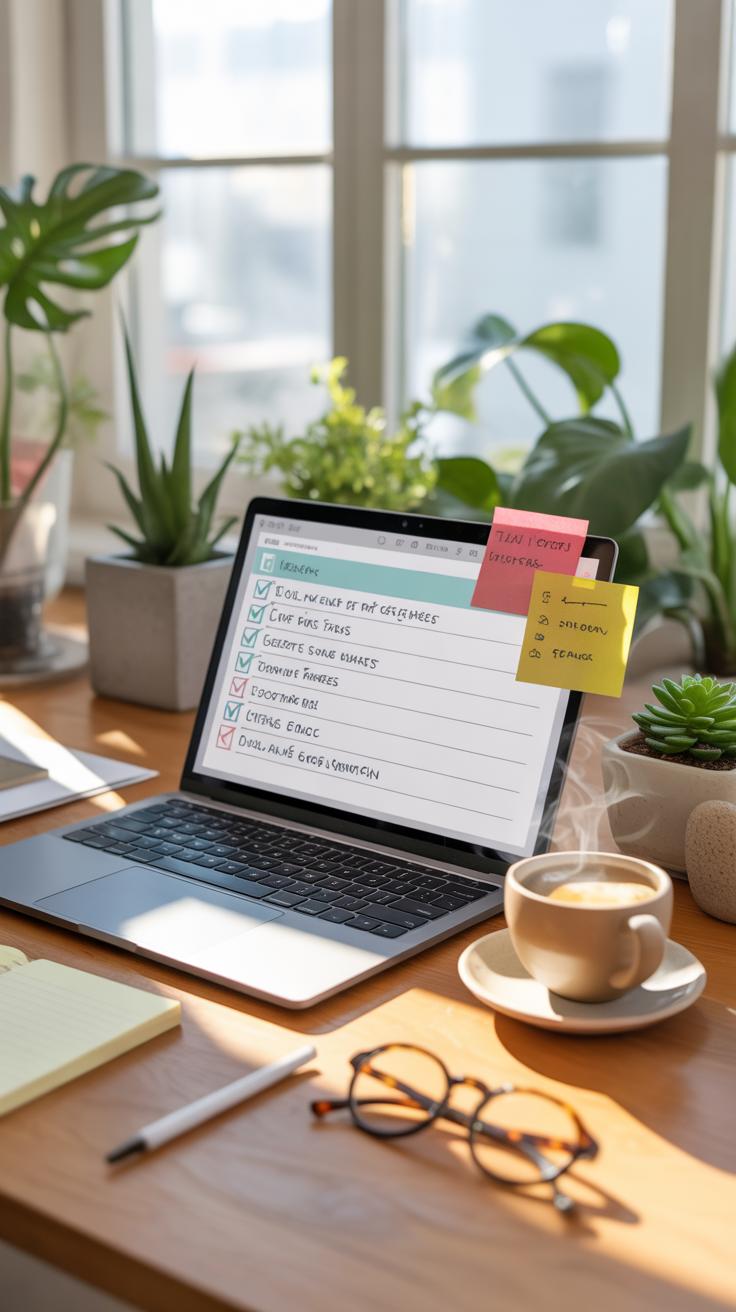
Before diving into online jobs, you need a few basics nailed down. First, create accounts on platforms like Upwork, Fiverr, or survey sites. Signing up is usually straightforward — give your name, email, and choose a secure password. But don’t stop there. Your profile should have a clear photo, detailed descriptions of your skills, and samples if possible. Trust builds fast when clients see real effort in your page.

Next, set up your payment methods. PayPal, direct bank transfers, or platforms’ built-in wallets work well. Sometimes this step is delayed, but getting it done upfront saves headaches later on. Double-check your payment info to avoid hiccups withdrawing earnings.
Finally, think carefully about which online job fits you best. Are you good with words, numbers, or design? Do you prefer gigs that require bursts of effort or steady, ongoing projects? Picking something that matches your skills and schedule prevents burnout and keeps you motivated. Remember, it’s okay to try a few options before settling on one.
How To Find Reliable Online Jobs

Recognize Legit Job Platforms
Finding a trustworthy place to hunt for online jobs can be tricky. But you’ll notice that legit platforms usually share some common traits. They require a well-structured profile setup and often have user reviews or ratings for both clients and workers. This helps you see who you’re dealing with, which feels a bit like a safety net.
These websites often protect freelancers by holding payments in escrow until the job is done. That feature reassures many that they won’t work for nothing. Some platforms provide clear dispute resolution processes, though these aren’t always perfect, of course. Still, it’s better than leaving everything to chance.

Look for established names like Upwork, Freelancer, or Fiverr. They might take a cut, which can feel annoying, but charging upfront fees themselves is a pretty good sign that they have your back in some ways.
Warning Signs Of Scams
Scams tend to repeat certain patterns—so spotting them becomes easier once you know what to watch for. Upfront fees? Run the other way. No legitimate job will ask you to pay to start working. It’s rarely a “registration fee” or “training cost” either. Those are red flags.
Jobs promising pay that sounds too good to be true probably are. Sometimes those offers pop up as invitations to “work from home and earn $100 per hour without any skills.” That kind of thing rarely pans out. You might want to pause and think: does this sound reasonable?
You should also be wary if the client refuses to communicate through the platform and insists on emails, phone calls, or messaging apps only. Legit employers typically prefer to keep conversations on the platform, where records exist.
Lastly, if a job description is extremely vague or filled with grammatical mistakes, it might be better to skip it. Narrow down your options based on clear terms and realistic expectations. Your time is valuable, so don’t waste it chasing ghosts.
Step By Step Freelance Work


Find Your First Freelance Gigs
Starting out in freelancing feels a bit like stepping into a crowded marketplace without a map. But you can learn to navigate it, one step at a time. Begin by creating profiles on popular freelance websites—places like Upwork, Fiverr, or Freelancer. Make sure your profile highlights your skills clearly, with examples if you have any.
When browsing gigs, look for projects that match your skills closely. Avoid applying to everything; it’s better to target a few jobs where you feel confident. Read job descriptions carefully—sometimes they ask for specific samples or answers to questions. Tailor your proposal to each offer. This shows you really care about the project.
Proposals don’t need to be long. Often, a few clear sentences explaining why you’re a good fit and what you will deliver work well. Mention a relevant portfolio piece or briefly explain how you would approach the task. Remember, clients appreciate direct and honest communication.
Manage Client Work And Payment
Once you get your first gig, communication turns out to be one of the trickiest parts. You want to be clear but not overwhelming—sometimes less is more. Confirm deadlines and any specific requirements upfront to avoid surprises later.
Meeting deadlines is crucial. If you run into delays, tell your client as soon as possible and explain why. Most clients respect honesty and a heads-up more than silence. When it comes to payment, use the platform’s built-in systems if possible, because they offer some protection. If outside payments are involved, double-check payment methods and terms before delivering full work.

Finally, ask for feedback once the job is done. It feels a bit awkward at first but reviews help build your freelance reputation. Over time, this will open more doors for you and make the process easier.
Use Automation For Income

Online business automation means setting up systems that can run parts of your work without needing you there every minute. Think of it as creating workflows that keep bringing in money while you focus elsewhere — or maybe relax a bit. A popular example is YouTube automation, where creators outsource video editing, scripting, and even voiceovers, then schedule uploads automatically. You’re not tethered to your laptop all day, but the channel can still grow and earn. Affiliate marketing fits this idea too. You place links or ads on blogs, websites, or emails, and when someone buys through your link, you earn a commission. Tools can track sales for you, so after an initial setup, it ticks along with little input.
Set Up A Simple Automation System
Starting your automation doesn’t have to be overly complex. Here’s what you might do:
- Pick a platform (like YouTube, a blog, or social media) and a niche you care about.
- Use scheduling tools like Buffer, Hootsuite, or YouTube’s built-in scheduler to plan posts or videos ahead.
- Leverage affiliate networks—Amazon Associates, ShareASale, or others—that provide your tracking links.
- Set up email marketing with autoresponders (think Mailchimp or ConvertKit) to nurture prospects without constant emails.
- If you create content, try tools like Canva or Grammarly to speed up production with templates and checks.
The goal is to spend a bit of time upfront creating content, then let software handle publishing and tracking. You still touch things but far less often than before.
Benefits And Risks Compared

Automation can save you hours weekly. Suddenly, your “job” feels more like managing than doing. You avoid repetition, and if your systems work well, money flows even when you’re asleep. That does have a catch. Setup can be tricky, and some tech headaches might pop up—links break, platforms change rules, or your audience stops engaging. You’ll need to check in regularly. Left alone for too long, automated systems can falter and lose profits.
Also, automation often relies on external tools or platforms, meaning you don’t have full control. That uncertainty might not bother everyone, but if it does, it’s something to consider. Is the convenience worth the occasional need to troubleshoot?
Setting up automation is not magic, but it’s a smart way to lower your daily workload and keep earning. The balance between effort and reward feels different depending on your approach and persistence. Still, for those willing to experiment, it offers an interesting path to faster income online.
Compare Income Potentials

When thinking about making money online, you quickly find a big range of earning possibilities. Freelancing, selling products, and automation each come with different income potentials, and your results can vary a lot. For example, a freelancer writing content or designing logos might earn anywhere from $15 to $75 per hour, depending on experience and niche. Meanwhile, someone selling products online, like handmade crafts or digital downloads, could make a few hundred to a few thousand dollars monthly—but this often depends on marketing effort and the demand for those products.
Automation, like building drop shipping systems or affiliate marketing funnels, might not pay much at first. But if set up right, it can create a more steady, passive income stream that grows over time. You might only see $50 a month initially, but later it could reach several hundred or more, almost without active work.
This mix means your best choice depends on what you want: a faster, steadier paycheck or a slower build-up with potential to scale.
Low Effort Jobs Vs Skill Jobs
Low-skill online jobs like filling surveys, data entry, or simple microtasks tend to pay less, roughly $5 to $15 per hour. But they rarely require special skills and usually take minimal time and stress. You can jump in easily, which makes them appealing if you need cash quickly and don’t want to invest much effort.
On the other hand, freelancing in specialized fields like programming, graphic design, or consulting requires time learning and honing your craft. Sure, it’s more demanding, but it pays better. For example, a decent web developer could bill $30 to $100 an hour. Yet, that income comes with more responsibility and fluctuating workloads. Sometimes it feels like you’re always chasing the next project to keep the money coming.
So, do you prioritize easy, quick side earnings or are you ready to invest in skills to increase your income potential?
Short Term Vs Long Term Earnings
Quick pay jobs can put money in your pocket fast. things like freelancing gigs, tutoring online, or selling stuff you already have. These pay relatively soon after you complete the work, sometimes within days or weeks. This can be a lifesaver if you want to cover immediate expenses.
In contrast, building automated systems—like creating a blog with affiliate links or setting up an online store—usually takes months before you see real income. You’ve got to work on content, marketing, and sometimes technical set-up. Yet, once established, these systems mostly run themselves, earning while you sleep or focus elsewhere.
It’s tempting to want quick cash, but if you’re aiming for sustainable online income, investing in automation might pay off more in the long run. It’s a bit like choosing between sprint and marathon. Which pace suits you better?
Tools To Help Make Money Online

Job Platforms And Payment Options
Finding work online often starts with knowing where to look. Sites like Upwork, Fiverr, and Freelancer have a wide range of gigs, from writing to graphic design, and really, they cater to most skill levels. If you’re after something more specific, like teaching languages or transcription, platforms like VIPKid or Rev might be worth checking out. It’s good to keep a few options open because sometimes one site has better offers than another, depending on the market or your niche.
When it comes to getting paid, PayPal remains popular—and you might already be familiar with it. But it’s no longer the only, or even the best, choice for everyone. Direct bank transfers, Stripe, and newer services like Wise offer lower fees and better currency conversions. That said, some clients prefer traditional methods, so having multiple accounts can make things smoother. The key is to make sure payments happen securely and reliably. Nothing derails a side hustle faster than delayed or lost funds.
Productivity And Automation Tools
Staying organized is tricky when juggling multiple gigs or managing a freelance business all by yourself. Apps like Trello and Asana help keep tasks straight, letting you track deadlines and progress without constant note-juggling. It took me a while to get used to Trello, but once I did, I could actually see where my time went. Sometimes I feel like I’m working all the time—but these tools help prevent real overload.
Automation can free up surprising chunks of your day. For example, if you’re selling products or promoting services, apps like Buffer or Hootsuite can schedule social media posts so you don’t have to log in manually every day. Plus, there are tools like QuickBooks Self-Employed or Wave for tracking earnings and expenses—they make taxes less of a dreaded task. You might find it tempting to DIY everything, but knowing when and where to automate really separates the busy from the productive.
Common Challenges And Solutions

Starting out online isn’t always as easy as it looks. One big hurdle is low pay. Sometimes you’ll find gigs that barely cover your time, and that’s frustrating. What helped me was setting a minimum hourly rate for myself before applying. If a job pays less, I skip it. It might mean fewer gigs, but the time feels better spent.
Scams are another headache. You’ll get offers that seem too good to be true—because often, they are. Always check reviews, search the company’s name with words like “scam” or “fraud,” and never pay upfront for “training” or equipment. If something feels off, trust your gut and move on. Reporting suspicious sites can protect others too, even though it might feel like a drop in the ocean.
Time management can easily get away from you. It’s tempting to jump between tasks or procrastinate. I find breaking work into short blocks with breaks in between helps. Also, using tools like calendars or simple to-do lists keeps me honest. Small habits can keep motivation alive, even when the work feels repetitive.
Learning new skills online feels endless. Sometimes it’s overwhelming, especially with so many resources available. I try focusing on one skill at a time, maybe watching a tutorial a day, or doing a quick practice task. It’s slow but steady. When motivation drops, reminding myself why I started—whether it’s to pay bills or gain independence—helps me push forward.
Conclusions
Making money online is doable with simple jobs anyone can try. Pick a job that fits your skills and time. Start small, learn from experiences, and grow your earnings step by step. Online jobs like freelancing, selling products, or automation each suit different people.
Focus on work you can handle daily and find ways to improve. Stay patient and use the ideas here to build your online income. Soon, earning money online will be a natural part of your routine.