

Introduction
Teaching kids about money management is key to their future financial success. Free learning websites offer valuable resources that make learning personal finance easy and fun for children. These platforms use games, videos, and interactive lessons to explain important concepts like saving, budgeting, and spending wisely.
Using free educational websites, parents and teachers can help kids build practical finance skills. This article covers what websites are available, why they matter, and how to get started with these resources. You will find clear examples and easy steps to boost your child’s money smarts using free online tools.
What Personal Finance Means For Kids
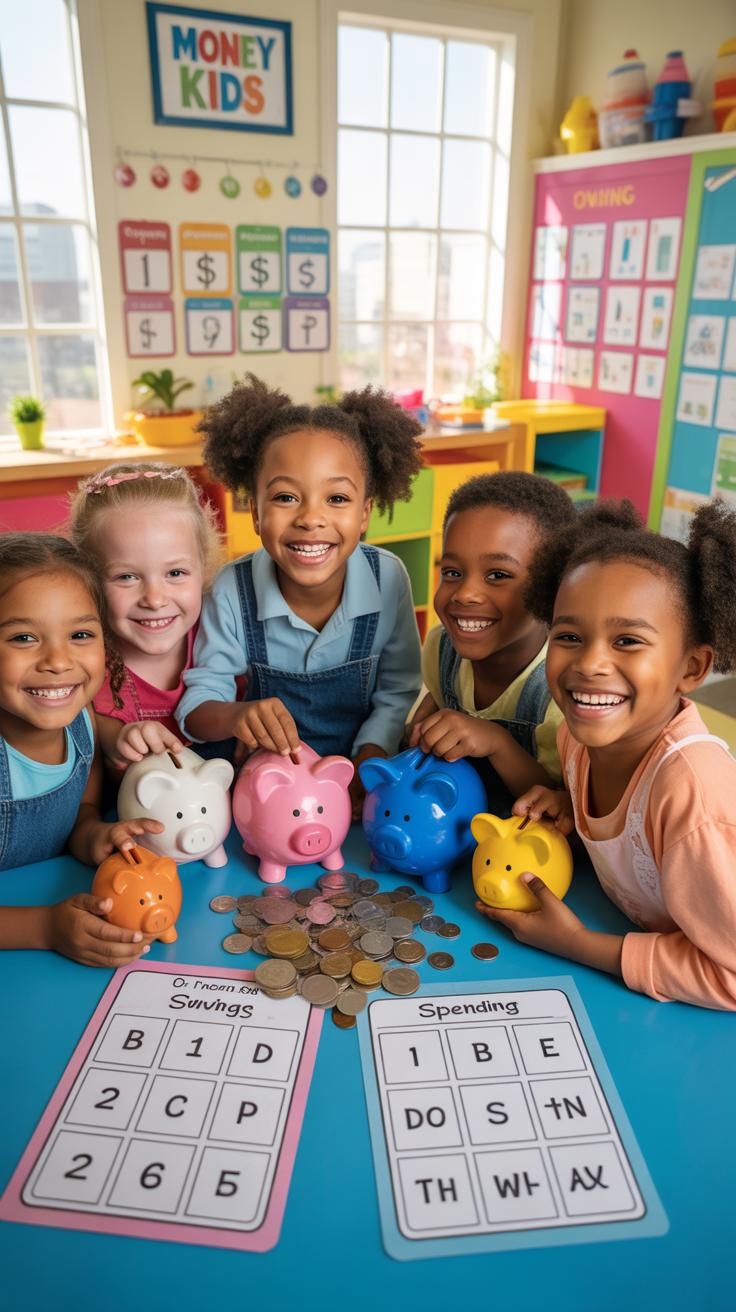
Personal finance is really just a fancy way to talk about how you handle your money. It means knowing how to manage the money you get, like from an allowance or gifts, and deciding what to do with it.

Money management is about keeping track of what you have and making choices about it.
Saving means putting some money aside to use later, maybe for something special you want.
Spending is when you use money to buy things, like snacks or toys.
Budgeting means planning how much money you will use for certain things, so you don’t run out too quickly.
Even if you’re young, getting these habits now helps you avoid trouble later. It might seem a bit boring at first, but learning how to handle money can make life easier and less stressful.
Why Kids Need Money Skills

Learning about money early is a smart move. Imagine you want to buy a new toy, but you only have a limited amount of money. Money skills help you figure out if you can afford it or need to save up first.
Also, when you get an allowance, understanding how to manage it means you can decide how much to spend and how much to save for something bigger, like a game or a special outing.
Plus, money skills teach you patience—it’s tough not to spend everything at once, but saving shows you the reward of waiting.
These skills don’t just help with spending. They help you understand responsibility early on, which matters more than you might think.
Basic Money Terms For Kids

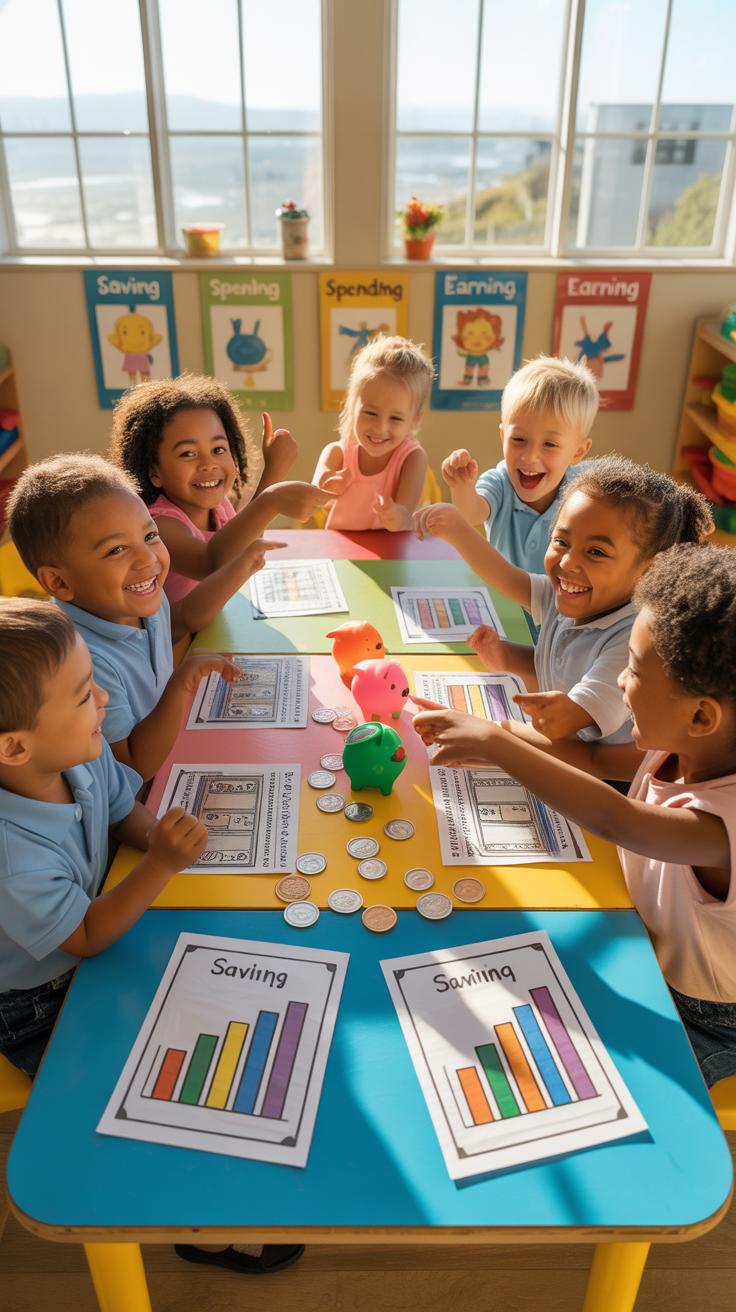
Here are some key words you should know:
- Allowance: Money you get regularly, often from parents, to spend or save.
- Saving: Keeping money for the future instead of spending it right away. Like when you save for a bike.
- Spending: Using your money to buy something you want now.
- Budget: A plan for your money—deciding what to spend, save, or maybe share.
- Goal: Something you want to buy or do that you save money for.
- Needs vs. Wants: Needs are things you must have, like food, while wants are things you would like, like a new video game.
Knowing these words helps you understand money better. It’s almost like learning a new language—one that makes your money choices clearer.
Free Websites Teaching Finance To Kids
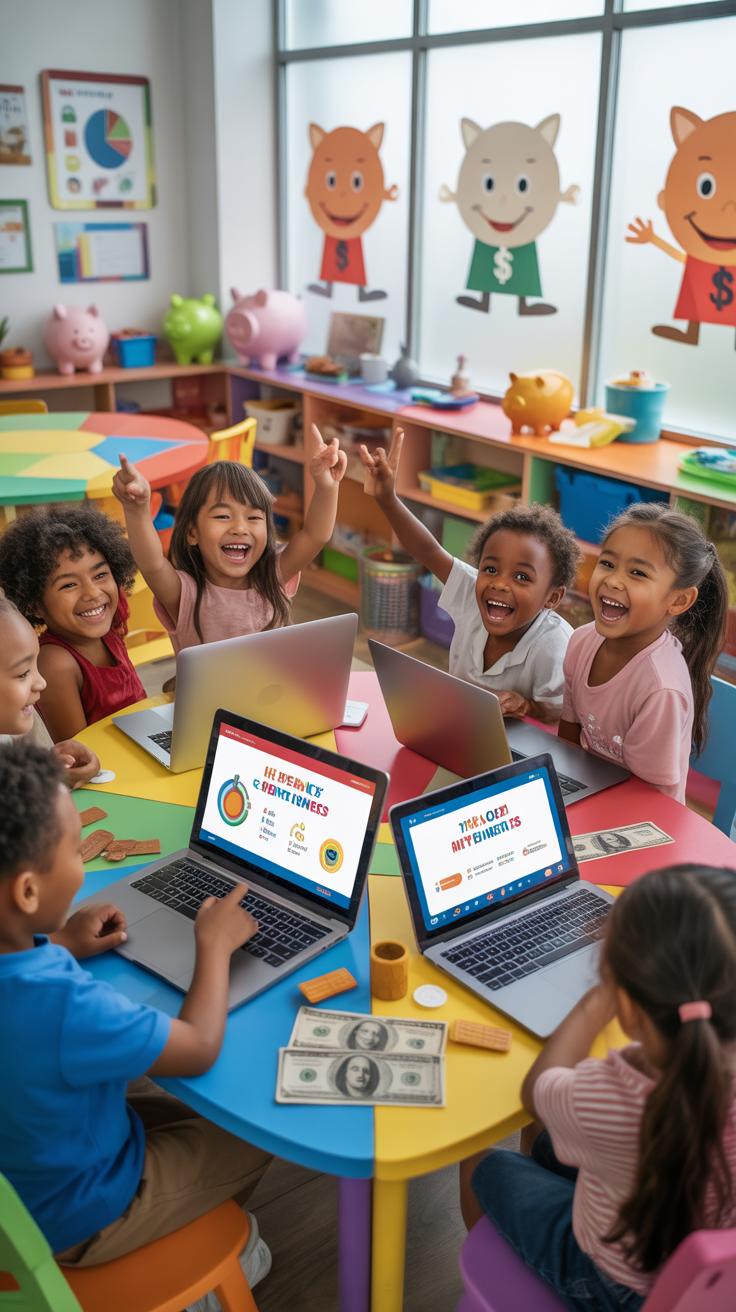
There are quite a few free websites out there that focus on teaching kids about personal finance. Some names pop up frequently, like Practical Money Skills, which is run by a big bank but made specifically for kids and teens. It offers lessons on saving, spending, and budgeting through simple guides and quizzes. Another one, called Money Instructor, breaks down money topics for younger kids with clear examples and printable worksheets. Then there’s Biz Kid$, which mixes real-life money lessons with videos and activities that feel more like entertainment than schoolwork.
These sites tend to stick to core finance ideas — earning, saving, budgeting — but often wrap content in kid-friendly language. You’ll find breakdowns about needs versus wants, the concept of interest, or even how banks work. Some sites lean more toward practical tips, others give a broader money history.
Games And Activities On Finance

Lots of these free sites include games and interactive activities which help cement money concepts in a way that feels natural. For example, you might play a virtual lemonade stand on Practical Money Skills, where you balance costs and profits. There are also quizzes and puzzles on Money Instructor that challenge what kids have learned, pushing them to think before making financial choices.
These activities don’t just keep kids busy; they nudge kids to experiment — what if you save more, what happens if you spend less? The hands-on element makes it easier for kids to understand abstract ideas like compound interest or budgeting without getting overwhelmed by jargon. It’s the kind of learning you remember, because it’s connected to decisions you made yourself, even if only in a game.
Videos And Story Lessons
Videos and story lessons are big parts of these websites too. They often feature kids or animated characters explaining tricky topics like credit cards, loans, or investing in a way that’s easy to digest. On Biz Kid$, you’ll watch short episodes where a group of kids tries to start a business, stumbling through money mistakes and wins. It’s sort of like watching a mini drama that quietly sneaks in financial lessons.
Stories help put numbers into real-life situations. A video might show a kid deciding between buying a toy or saving for something bigger later. These narratives stick better than dry explanations, and sometimes you get to see consequences unfold, which sparks real reflection. It’s not just “here’s a fact” but “this is how you might feel or what you might do.” That kind of connection makes finance less boring, maybe even a little personal.
How To Pick Right Websites For Your Kid


Choosing the best free finance websites for kids can be tricky. You want a site that fits your child’s age and keeps them engaged without overwhelming or boring them. Age-appropriateness matters a lot—what works for a 7-year-old might not suit a 12-year-old. Look for content that explains concepts clearly but doesn’t talk down to kids. Sometimes, sites are packed with information but lack fun elements, which can lose your child’s interest quickly.
Another key factor is content quality. Is the information accurate and up-to-date? Are complex ideas broken down in simple ways? Interactivity counts too. Kids often learn better by doing, so games, quizzes, or hands-on activities can make a big difference. But don’t assume flashy graphics always mean good learning. Some sites prioritize looks over substance—basically distracting rather than teaching.
Test sites yourself before suggesting them. Try to follow along like your child would. Does it make sense? Can you picture your kid sticking with it for a while? If you skim through and feel lost or bored, chances are your child will too. On the other hand, if you find yourself curious or even wanting to try a game or quiz, that’s probably a promising sign.
Checklist To Evaluate Sites
When picking a site, check for these points:
- Safety: No ads children shouldn’t see, no suspicious links, and clear privacy policies.
- Ease of Use: Navigating should be simple and intuitive for your child’s age.
- Educational Value: Does the site teach real financial principles? Does it feel meaningful rather than just busywork?
- Engagement: Interactive features, like games or quizzes, that help reinforce learning.
- Clear Instructions: Are directions easy to follow without adult help every step?
- Feedback: Does the site give kids feedback on progress or correct mistakes?
Try Before You Share
Before letting your kids dive in, spend a bit of time with the site yourself. Pretend you’re the learner. Are the lessons clear or confusing? Does the site keep your attention, or do you quickly lose interest? Sometimes a website looks perfect on paper but fails to engage, which means your kid will probably give up fast.

Watch how the site handles mistakes or wrong answers. Does it encourage kids to try again, or does it simply move on? And consider the pace—too slow can be boring, but too fast might overwhelm. If you find yourself frustrated, it’s likely too much for kids.
Remember, you don’t have to be a finance expert to judge if a site is helpful. If it feels approachable, accurate enough, and enjoyable, it’s probably a good fit to share. Then watch how your child responds and adjust as needed. Picking a financial education website is partly about fit and partly about trial and error—so don’t expect perfection right away.
Steps To Start Using Free Finance Sites

Getting started with free personal finance websites for kids doesn’t have to be complicated. First, you and your child should pick clear, simple goals. Maybe it’s saving a portion of their allowance every week or learning how to decide what’s worth spending money on. These goals don’t need to be perfect or overly ambitious; sometimes starting small helps keep motivation alive.
Once you know the goals, browse the site together and choose lessons that match them. Not every topic will suit your child’s age or interest, so pick what feels right—whether that’s a game about budgeting or a video explaining wants versus needs. You don’t have to do everything at once; pacing can make a difference.

Set a regular schedule for exploring these lessons, but keep it short. Maybe 15 to 20 minutes a few times a week works best, especially since attention can wander if sessions stretch too long. It’s okay if your kid is more interested some days and less on others. Tracking progress can be simple—tick off completed lessons or keep a small journal of what they learned or practiced. Seeing those little checkmarks build up can be quite encouraging.
Does your child prefer videos over quizzes? Or games over reading? Pay a bit of attention to what holds their interest and adjust along the way. Starting with a goal, then picking lessons, and finally having a routine to track progress creates a cycle that keeps learning alive without it turning into a chore. That’s really the key.
How Parents Can Support Online Learning

Helping kids learn personal finance online isn’t just about handing them a device and walking away. Parents play a key role, though it may feel tricky to strike the right balance between involvement and independence. It helps to check in regularly, guiding without taking over. For example, sitting nearby can offer a quick answer when confusion strikes, but letting kids explore first builds confidence.
Supervise without hovering. It’s about creating a supportive environment where questions flow naturally. Maybe your child struggles with budgeting games—encourage them by saying, “Let’s figure this out together,” rather than stepping in immediately. That kind of approach encourages problem-solving.
Positivity also goes a long way. Praising effort rather than perfection invites kids to keep trying, even when lessons feel tough. Simple phrases like “I’m proud of how you’re sticking with this” often mean more than focusing solely on the outcome.
Watching Together
Sometimes, just being there while your child navigates a finance website can open up surprising conversations. You might catch them learning about saving or spotting the difference between needs and wants. It’s tempting to multitask, but taking a moment to watch alongside can spark curiosity.
When you join them, ask questions like, “What did you learn about money today?” or “Why do you think saving is important?” This shows you value their discoveries and encourages deeper thinking. You’ll be surprised how these small talks can reveal what clicks—and what doesn’t.
Moreover, sharing the experience can let you correct misconceptions early on, or even learn something new yourself. It turns learning into a shared journey, rather than a solo chore.
Rewarding Effort
Kids respond well to clear, tangible rewards for their hard work, especially when they’re building habits around money. But it doesn’t have to be about allowances or buying toys every time. Sometimes, recognition feels powerful on its own.
Consider creative rewards like:
- Extra screen time for finishing a finance module
- Choosing a family outing linked to money lessons, like visiting a bank
- Letting them set a small savings goal with you and matching a portion when they reach it
- Stickers, certificates, or a homemade “financial whiz” badge for milestones
These kinds of rewards reinforce good habits and make finance less abstract. They create a sense of progress kids can see—and that’s usually a big motivator to keep going.
Comparing Free Resources And Paid Options

When choosing between free personal finance websites for kids and paid courses or apps, the decision isn’t always straightforward. Free sites often draw you in because they don’t charge anything, and you can jump right in without fuss. Plus, they usually offer a broad mix of materials—from games to videos—covering basics like saving or budgeting. That variety can help keep kids interested without spending a dime.
Still, free doesn’t always mean simple or perfect. Sometimes the content can feel scattered or inconsistent. And there’s rarely much guidance tailored to your child’s pace or interests. On the flip side, paid options often bring extras you won’t find for free. Think personalized coaching, progress tracking, or lessons that delve deeper into topics.
If your child needs more challenge or support, this could be worth it. But for many, free resources provide plenty to kickstart their financial learning. It really boils down to what fits your family’s style and your kid’s curiosity. Are you after broad exposure or focused help? That question matters more than price tags. I’ve seen kids thrive with both paths, depending on how they respond to structure and feedback.
Advantages Of Free Websites
There’s plenty that makes free websites attractive for kids’ finance learning:
- No cost—obviously, a big draw if you’re on a budget or just testing the waters.
- Instant access—just click, no sign-up hoops usually, which keeps things simple.
- Variety—games, quizzes, articles, videos; free sites often pack a wide range of tools.
- Flexibility—you can pick and choose what fits your child’s interests without commitments.
- Community resources—some free platforms link you to forums or shared activities that can boost engagement.
Still, sometimes this mix means quality varies, and support can be thin. But for many parents, the ability to explore different approaches at zero cost is just right.
When Paid Might Help
There are definitely times when paying for a course or app can add something special. For example:
- If your child struggles to stay motivated, personalized coaching can make a difference.
- Advanced lessons or more challenging concepts may only show up behind a paywall.
- Parents looking for structured plans or clear progress reports might prefer paid options.
- Some apps offer tools linking learning to real-world money management, which free sites rarely provide.
- Finally, if your kid enjoys competition or rewards, paid platforms sometimes have that built in.
But even then, it’s not about better or worse—it’s what fits your child’s learning style and your goals. Maybe start free and see if you need more support later. After all, personal finance is a skill built over time, not just quick courses or apps.
Common Mistakes When Teaching Finance

One frequent mistake is drowning kids in too much information at once. It’s easy to think that teaching every detail about budgets, interest rates, and investments will give them a complete picture. But, honestly, that often backfires. Kids may feel overwhelmed or just tune out. I remember trying to explain compound interest to my nephew with charts and formulas—it didn’t stick because it was just too much, too soon.
Simplifying concepts helps. Break ideas down into small, digestible chunks. Use stories or examples they relate to, like saving up for a favorite toy instead of discussing complex finance jargon. Gradually build their understanding without rushing them through every topic. Asking yourself “What’s the simplest part of this idea?” can really help guide this.
Another problem is ignoring the actual practice of money management. Kids often just hear or read about money but don’t get to try it out in a meaningful way. Watching videos or playing games that explain finance is fine, but if they never get to make spending decisions—real or simulated—the lessons tend to stay abstract. That’s a shame, because hands-on experience cements learning.
Try involving kids in small, real-life transactions like managing a pocket money budget or running a mock store at home. Some free online platforms even offer virtual wallets or simulations where kids can “spend” and “save” within a safe space. It’s surprising how much these simple exercises deepen understanding. If you skip this step, the theory alone often feels distant or irrelevant to them.
Measuring Progress In Finance Learning

Tracking how kids grow in their finance skills takes more than just watching test scores. Parents and teachers can lean on quizzes and tests available on many free finance sites to get a clearer picture of understanding. These quizzes don’t just show what’s learned—they highlight areas that might still be confusing or need a bit more work.
For example, after a module on saving versus spending, encourage your child to take the related quizzes. If they stumble on a few questions, it’s a sign to revisit those topics, maybe trying a different learning approach.
But test results only tell part of the story. What about actual money choices? Watching how kids handle allowances or decide what to buy can reveal a lot about what lessons actually stick. Are they choosing to save? Do they think twice before spending? These behaviors—sometimes subtle—can hint at real progress or gaps in understanding.
Combining online assessments with observations of real-life money habits offers a fuller glimpse into how kids grasp finance concepts. It’s a bit like piecing together a puzzle—you need both the numbers and the behaviors to really see how well they’re catching on. Are you noticing different choices in your child lately? That might just be the best indicator yet.
How To Make Learning Finance Fun

Keeping kids interested in money matters online isn’t always straightforward. But throwing in games, challenges, and small rewards can shift the mood from “boring lesson” to something closer to play. Think of it this way: mixing in popular money games like “Spend or Save” or “Piggy Bank Adventure” adds a layer of fun that matches well with free learning websites. These games encourage decision-making about spending and saving without feeling like a lesson.
Try setting up simple challenges, like tracking allowance spending over a week or comparing costs of items online. You can even create rewards—maybe a printable certificate or extra screen time for completing tasks. Kids often respond to small wins, even when it’s something like earning points for hypothetical investments.
Don’t overlook real-life tasks, which make the abstract stick. Planning a grocery shopping list within a budget or “shopping” using play money helps kids apply ideas practically. This hands-on approach often sparkles interest more than just clicking around a site. It’s about blending digital learning with everyday experiences—so concepts, rhythms, and choices feel less artificial and more “real.” What tasks would your kids find meaningful enough to try?
Example Case Using A Free Site

Starting The Journey
Imagine a 10-year-old named Mia, curious but a bit unsure about money. She stumbles on a site called “Moneyopolis,” designed for kids to learn financial basics. At first, she just clicks around, exploring quizzes and videos. The site prompts her to set her own goals, and she decides she wants to save for a new bike.
She creates a simple plan on Moneyopolis: learn about saving, budgeting, and needs versus wants. Mia likes that she can track her progress and earn badges—it feels like a game. This mix of play and learning pulls her in, making complex ideas feel less intimidating.
Results And Benefits
After a few weeks, Mia’s approach to money starts to shift. She now knows how to split her allowance into parts for saving, spending, and sharing. The quizzes on Moneyopolis helped her understand why it’s useful to plan purchases and avoid impulse buys.
Her parents notice she’s more thoughtful about asking for things, and Mia even sets up a small budget for her monthly expenses. She feels proud when she checks her savings chart and realizes she’s halfway to the bike. It’s not perfect—sometimes she slips up—but having a clear goal and the site’s support keeps her motivated.
Using Moneyopolis, Mia got hands-on practice, which made money ideas click. She sees personal finance as less scary and more manageable now. Would you expect a website to really change how a child thinks about money? In Mia’s case, it did—step by step.
Conclusions
Using free learning websites, kids gain practical finance skills they will use for life. These resources simplify complex ideas and make personal finance approachable through fun and interactive content. Access to free online learning helps level the playing field for children from all backgrounds.
Parents and educators can take actionable steps to integrate these sites into daily learning. By encouraging kids to explore money topics online, you support their confidence and decision-making about finances. Investing time in this learning now pays off with smarter money choices later.