

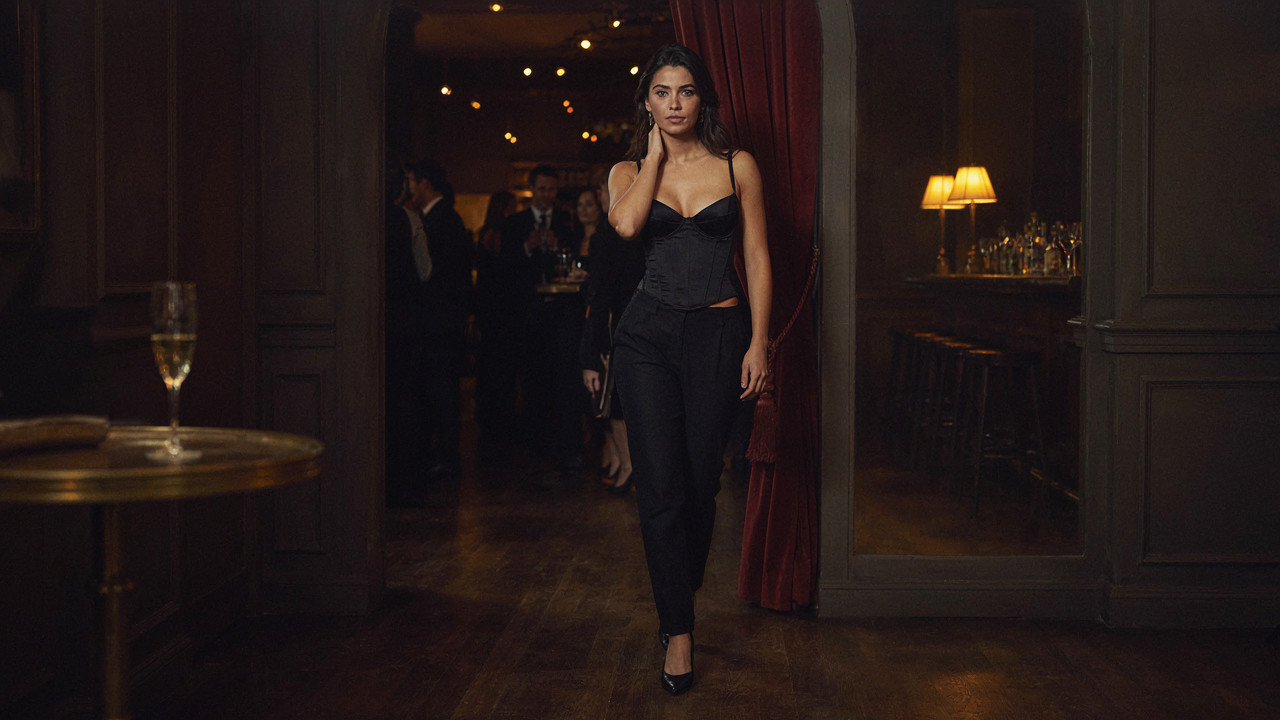
The Corset Top: More Than Just A Night Outfits Statement

Comfort And Constriction Are Not Opposites
You’re worried a corset top will wreck your night because you think pain signals style. That’s backwards. The real mechanism: proper corset construction distributes pressure across a wider surface area rather than concentrating it at stress points. Modern cocktail corset tops use graduated boning and elastic panels specifically engineered to support without cutting off circulation. The discomfort people report usually stems from poor fit, not the garment itself. A corset top that doesn’t fit your ribcage dimensions will feel punishing within an hour.
The common advice says “get used to it.” Wrong. You shouldn’t need a break-in period for evening wear. A well-constructed corset top feels like structured support from minute one, similar to how a properly fitted sports bra works. You should be able to breathe fully, move your arms without resistance, and sit comfortably at a table. Test this before committing: can you take a deep breath? Can you raise your arms to shoulder height? If either one fails, the top doesn’t fit your body structure. Move on.
Load Bearing Through Vertical Structure
Think of corset architecture through engineering principles. A corset top functions like a structural frame: vertical boning creates load paths that transfer weight and movement stress downward toward the hips rather than outward against the ribcage. This is why traditional corsets use multiple bones running vertically, not horizontally. The bones don’t squeeze you. They channel force.
Cocktail corset tops adapted this principle by reducing bone quantity and placement while maintaining strategic support zones. The front center usually has reinforced boning to prevent collapse under the weight of fabric and body movement. Side panels use graduated boning that flexes slightly rather than rigid stays, allowing torso rotation without destabilizing the garment. Understanding this structure tells you what to look for: bones should feel like guides, not cages. When you bend forward, the top should move with you, not fight you.
Black Corset Top Outfit: The Foundation Of Unyielding Elegance
Monochromatic Mastery Layering For Depth
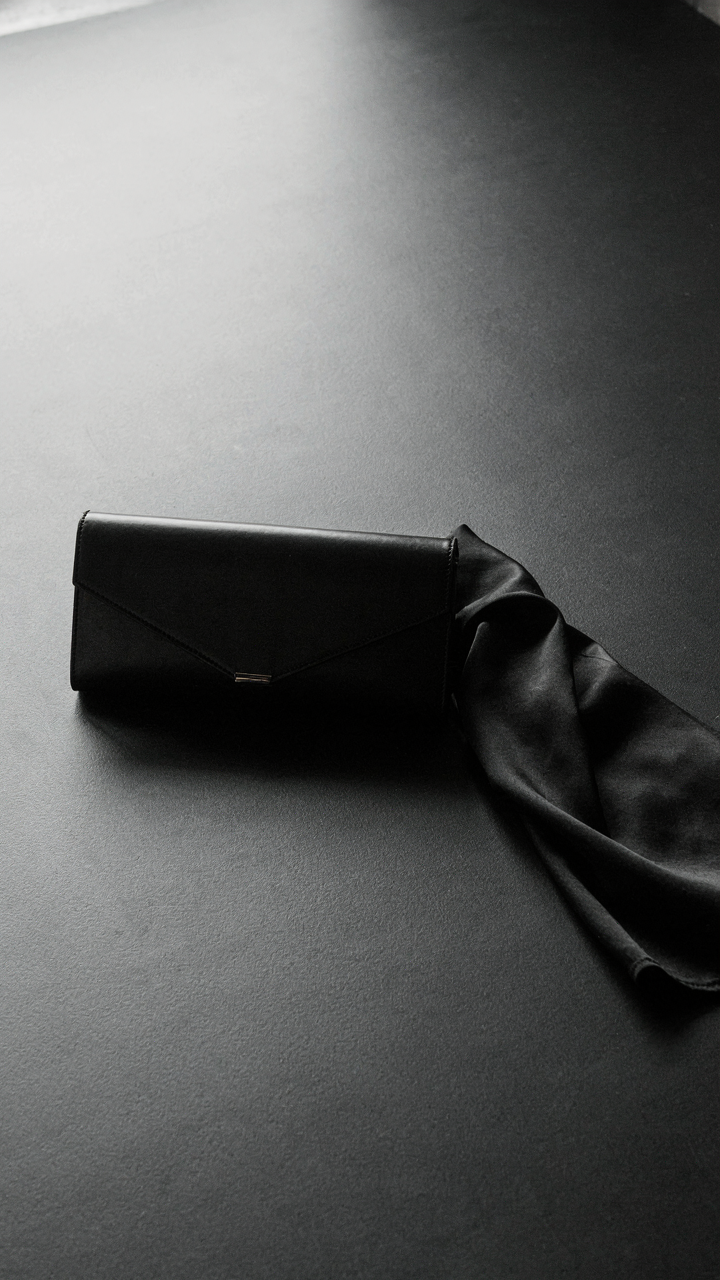
You want this outfit to signal control. The mechanism is constraint: a black corset top removes decision-making friction because it anchors every other choice downstream. Monochromatic dressing borrows from figure-ground principles in visual design. Your corset becomes the foreground; everything else recedes. This isn’t about matching black to black mindlessly. It’s about using tonal variation—matte against satin, structured against fluid—to create visual architecture without breaking the monochrome contract.

Black trousers or a skirt should shift in texture, not color. Pair a matte corset top with glossy leather or satin bottoms. Add a sheer or knit layer over the corset that differs in opacity. Depth emerges from surface play, not hue rotation. The payoff: an outfit that reads as intentional and composed instead of flat or costumey. Sophistication lives in restraint, not multiplication.
Accessorizing With Purpose Not Just Sparkle
Everyone adds jewelry to “elevate” a corset outfit. They’re wrong. Sparkle competes with the corset’s structured geometry. Your job is to amplify line and silhouette, not distract from them. A single metallic statement—a cuff, a choker, or a geometric brooch—functions as punctuation, not decoration. It echoes the corset’s architectural logic rather than fighting it.
Skip the cascade of rings and layered necklaces. Choose one focal point that mirrors the corset’s construction: angular, clean, minimal. A structured clutch or a wide belt at the hip extends the corset’s vertical control downward. Shoes anchor the look; choose them for proportion, not novelty. When every element reinforces the core silhouette instead of competing for attention, the outfit becomes a statement rather than a costume.
Lace Corset Tops Outfit: Strategic Vulnerability

When Transparency Works Against You
You want the lace corset top because you think it signals confidence. It doesn’t. Lace functions like a filter in signal processing: it obscures hard edges while preserving outline. The real mechanism is contrast. Skin showing through patterned holes creates visual tension that solid fabric cannot. Your eye lands on the gaps, not the coverage. This is why cheap lace fails and quality lace sells the outfit. The weave density determines whether you read as intentional or exposed.

Pair lace corset tops with opaque bottoms and structured layers to weaponize this tension. A satin slip skirt, tailored trousers, or leather pants underneath grounds the piece. Bare skin around the corset (collarbone, shoulders, midriff) only works if the rest of the silhouette stays controlled. Add a blazer or shrug if the venue reads formal. The outfit works because viewers process: careful, not careless. Strategic, not accidental.
The Dominance Of Perceived Delicacy
Power dressing borrowed its framework from military strategy: control visible territory. A lace corset top inverts the standard play. Instead of armor, you deploy apparent vulnerability as the dominant force. Lace reads as “delicate” only to people who haven’t looked at how much structure exists underneath. Quality lace corsets use engineered seaming, steel boning, and precise baste work that rigid fabrics lack.
The psychology works because people expect textile softness to signal physical softness. You break that expectation by moving with certainty inside the garment. Lace corset tops demand posture and deliberate gesture. Slouching kills the effect instantly. Sit straight, take up space, move purposefully between conversations at events. The garment becomes a filter for your own presence. Wear it like you assembled it intentionally, because you did.
The Gravitas Protocol For Your Corset Outfit
How Silhouette Creates Authority
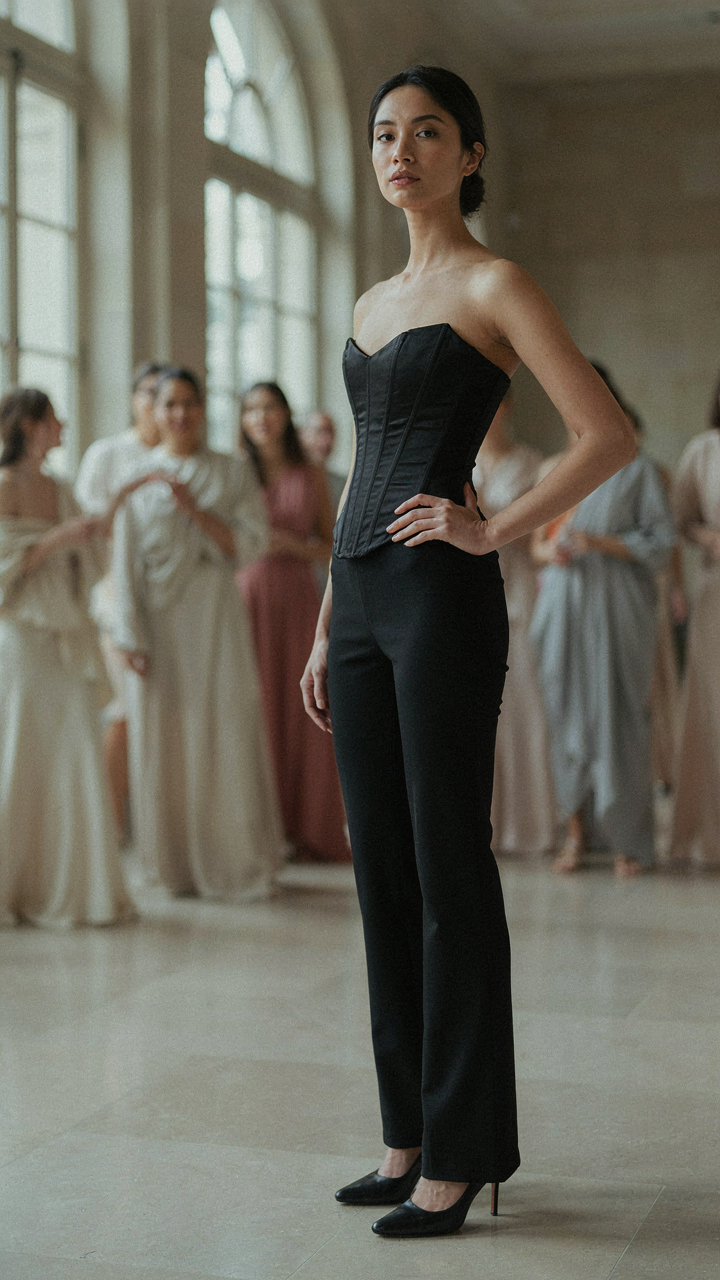
You want people to clock your presence before you speak. Silhouette is leverage in physics terms: a corset top concentrates visual mass at your torso, creating a fulcrum point that commands attention in a room. The mechanism is simple. Your body becomes a triangle or hourglass rather than a formless column. Structured garments create defined lines. Defined lines register as intentionality. Intentionality reads as confidence, whether you feel it or not.

The corset top works because it violates the current default of soft, forgiving shapes. When ninety percent of the room wears draping fabric, a structured piece becomes the contrast that eyes find first. Pair a fitted corset top with straight or high-waisted bottoms to amplify this effect. Loose or patterned pieces below the waist dilute the signal. The goal is architecture, not decoration.
The Economics Of Visual Rarity
People treat scarcity as value. Economics calls this the scarcity principle: limited supply drives perceived worth upward. A corset top works the same way. You’re not wearing what everyone else wears. The piece itself signals that you made a choice, not a default purchase. This distinction matters at events where people are actively registering who has done the work and who hasn’t.
The rarity compounds when your corset top has restraint in its design. Minimal embellishment, quality fabric, clean lines. These details signal economic confidence, not desperation for attention. A woman in a severe black corset top registers differently than a woman in a sequined bustier. The former says “I know what I’m doing.” The latter says “I’m trying.” Choose restraint, then let the cut do the work.
Corset Top Outfit X Skirt Combinations: Mastering The Lower Third
Midi Skirts: Unexpected Power Pairings
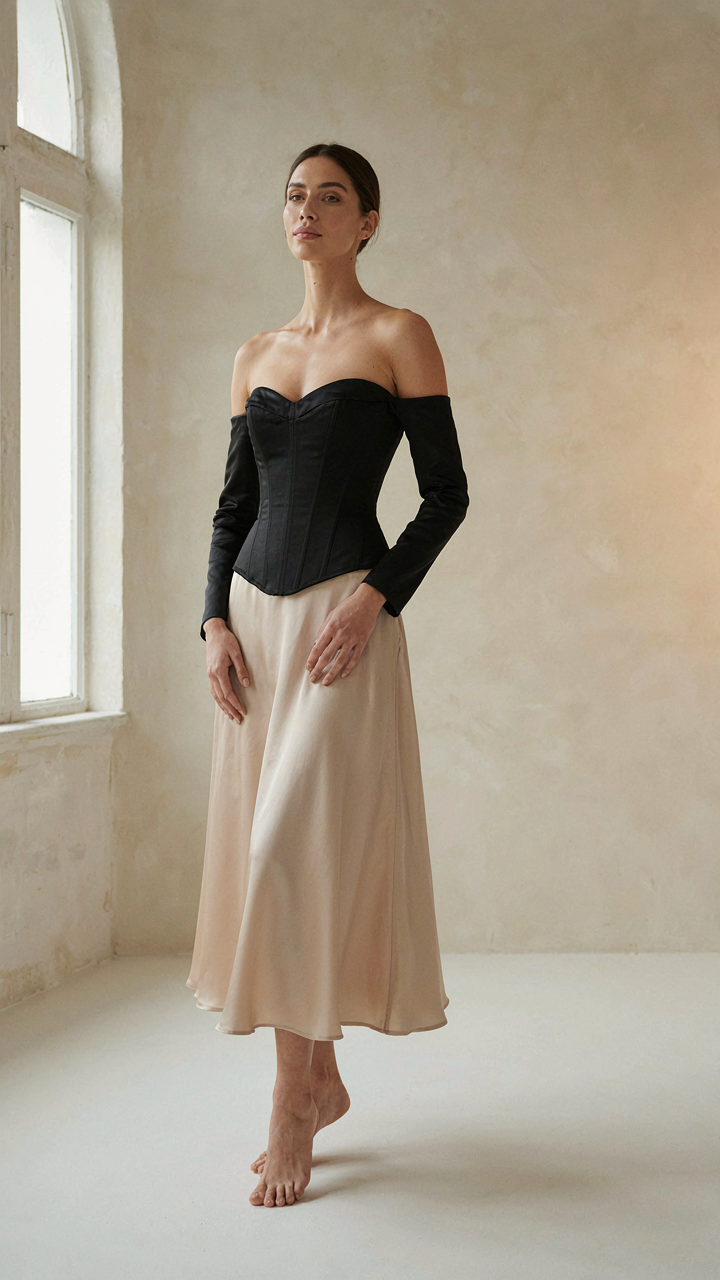
You’re worried midi skirts will bury your silhouette. They won’t—if you understand the actual mechanic at work. In fashion terms, we call this proportion contrast: the corset creates vertical compression through structure, while a midi skirt extends that line downward without fighting it. The corset doesn’t compete with the skirt; it anchors the composition. A structured midi in a solid color or subtle print extends your frame cleanly, making the corset the focal point instead of a visual accident.

The real play here is weight distribution. A lightweight midi fabric (silk charmeuse, crepe) floats off your body rather than cling. This creates negative space that makes the corset’s defined waist read as intentional architecture, not constraint. Pair a fitted corset with a midi that has either a slit or a slight A-line release at the hem. This breaks the monotony of a tube-shaped silhouette. The tension between fitted top and flowing bottom stops the outfit from looking costume-like.
A Line Vs. Pencil: Defining Your Strategic Stance
Forget the generic advice that “pencil skirts are slimming.” That’s incomplete. The choice between A-line and pencil is actually about silhouette conflict resolution. A pencil skirt mirrors the corset’s vertical tension—it echoes the squeeze, the structure, the control. This creates visual harmony but risks looking overly formal or rigid. An A-line diverges: it says yes to the corset’s compression, then releases into volume. The skirt’s flare contradicts the top’s tightness. Done right, this contrast reads as intentional design. Done wrong, it reads as indecision.
Pencil skirts demand better fabric quality and tailoring because there’s nowhere to hide—you’re stacking two structural elements. A-line skirts are more forgiving because the volume absorbs minor fit issues. Choose pencil when you want the outfit to register as formal architecture. Choose A-line when you want the corset to be the statement and the skirt to support it quietly. The corset top creates the visual anchor; the skirt’s cut determines whether it reinforces or balances that anchor.
Trousers & Your Corset Outfit Elegant Strategy
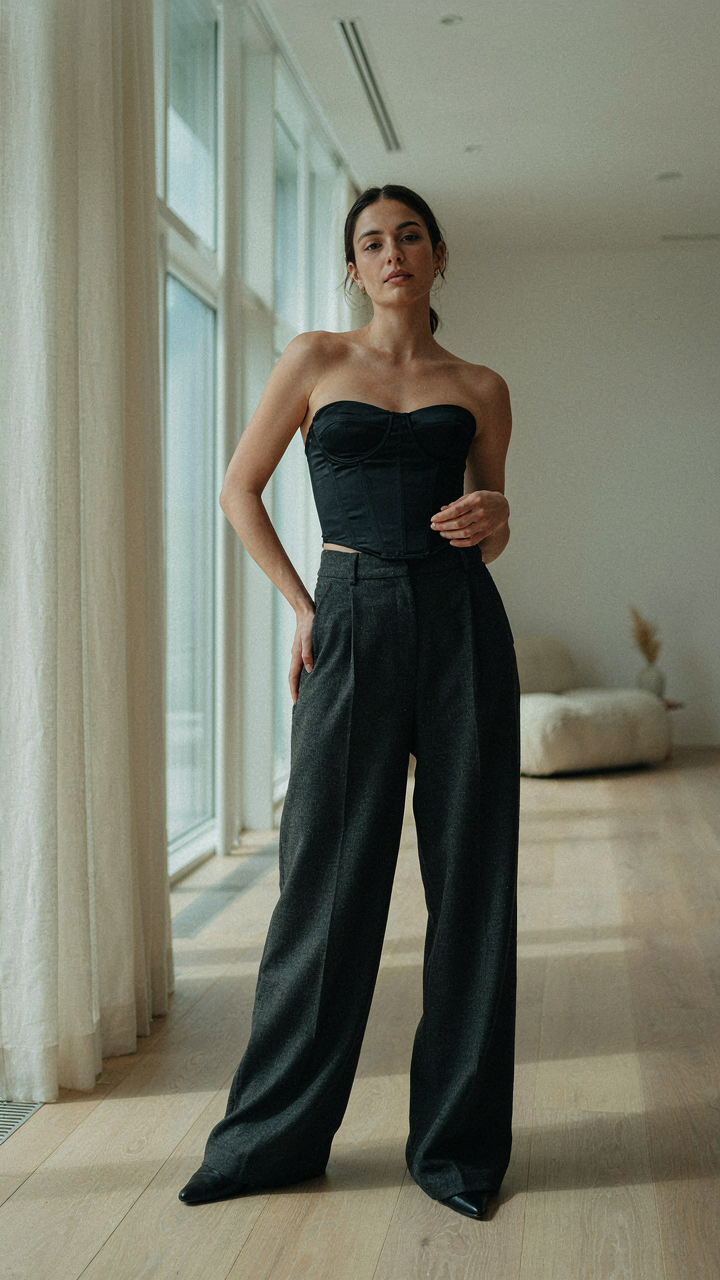
High Waisted Trousers Elongation And Authority
You want trousers that make you look taller and more in control. Here’s the mechanism: high-waisted pants shift your visual center of gravity upward, which is borrowed directly from proportion theory in fashion design. When the waistband sits at or above your natural waist, it creates a longer leg line and counterbalances the horizontal structure the corset already provides.

The corset cinches at your actual waist. High-waisted trousers meet that point without gap or excess fabric bunching. This creates a clean vertical line from ribcage to ankle. The result is authority through visual continuity, not contradiction. Pair them with a structured fabric like wool blend or cotton blend that holds its shape through the evening.
Wide Leg Pants A Deliberate Challenge To Convention
Everyone defaults to slim or fitted pants with corsets because they assume you need to match structure with structure. That assumption is wrong. Wide-leg pants create a deliberate silhouette contrast that actually highlights the corset’s architectural role instead of competing with it.
The mechanism works through negative space. Where the corset builds visual weight at your torso, wide legs disperse visual weight downward. This creates balance without monotony. Choose pants with a high rise to anchor the look at your natural waist. The fabric should drape cleanly without stiffness. Linen blends, wool gabardine, or cotton blends work well for evening events because they hold their shape through the night and photograph without wrinkles from movement.
Footwear As An Extension Of Your Corset Top Outfit Aesthetic
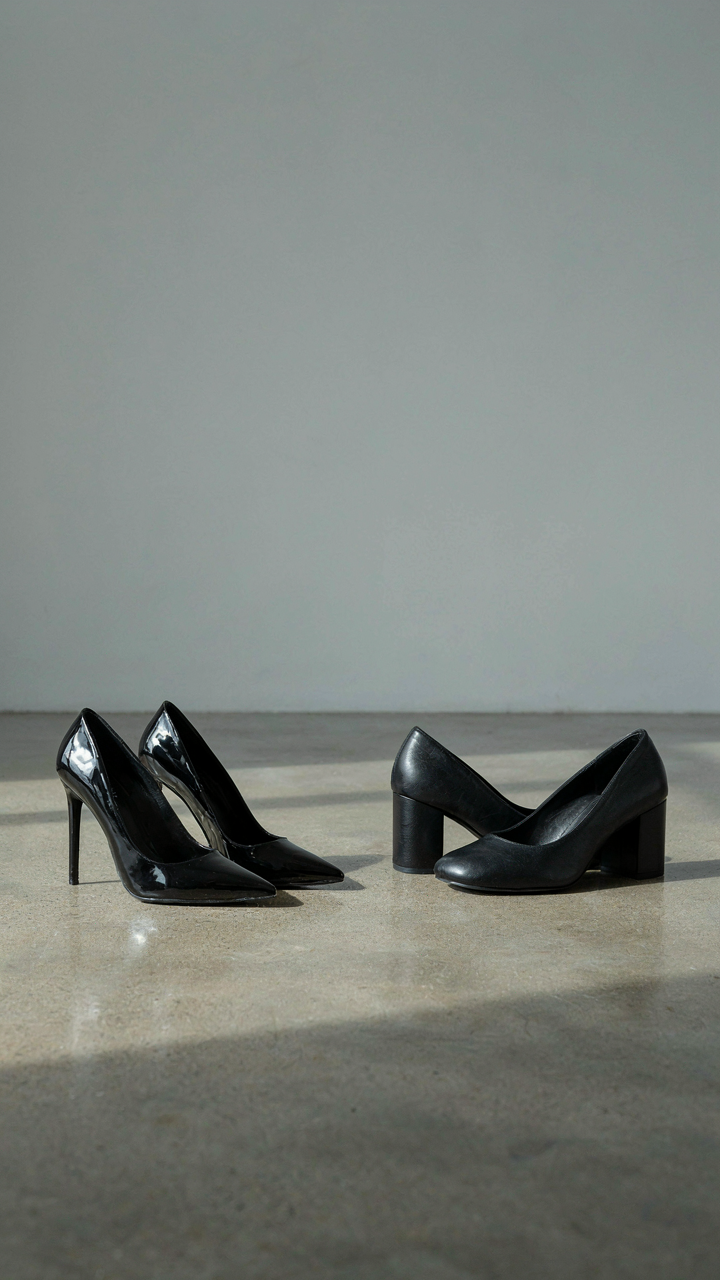
The Kinetic Energy Of Stiletto Versus Block Heel
You want the shoe to do the work so you don’t have to think about balance all night. Physics calls this leverage: the distance between your heel and your center of gravity. A stiletto concentrates that distance into a needle point, forcing your body into constant micro-corrections. A block heel spreads the load across a wider base, stabilizing your frame without effort. The corset top already controls your torso, so your footwear either compounds that tension or releases it.

A stiletto demands you move like you’re performing. Your gait changes. Your legs extend further with each step. The visual payoff is a longer leg line and a sharper silhouette that matches a fitted corset top’s architectural precision. Block heels let you inhabit the space without announcing yourself. Both work for cocktail events, but they communicate different intentions. Choose the heel height based on how long you’ll actually be standing, not based on what looks better in photos.
Boot Styles Unexpected Pairings For Audacity
Most people pair corset tops with heels and call it solved. They’re wrong. Boots are actually the sharper move because they create visual weight at the bottom, which balances the structured rigidity of a corset top at the top. Your eye travels down instead of stopping at the narrowest part of your torso. Knee-high boots in leather or suede ground a corset outfit and add texture contrast that heels alone can’t deliver.
Combat boots or lace-up styles work specifically because they introduce utilitarian elements to an otherwise formal silhouette. The juxtaposition is what registers as intentional rather than accidental. Ankle boots keep the line clean and work best with corset tops that hit at the natural waist. The key is heel height consistency: if your corset top is precise and tailored, your boots should have a structured heel that matches that intentionality. Avoid soft, slouchy boots that undermine the corset’s hard lines.
Beyond The Corset: Mastering Total Fashion Attire Command
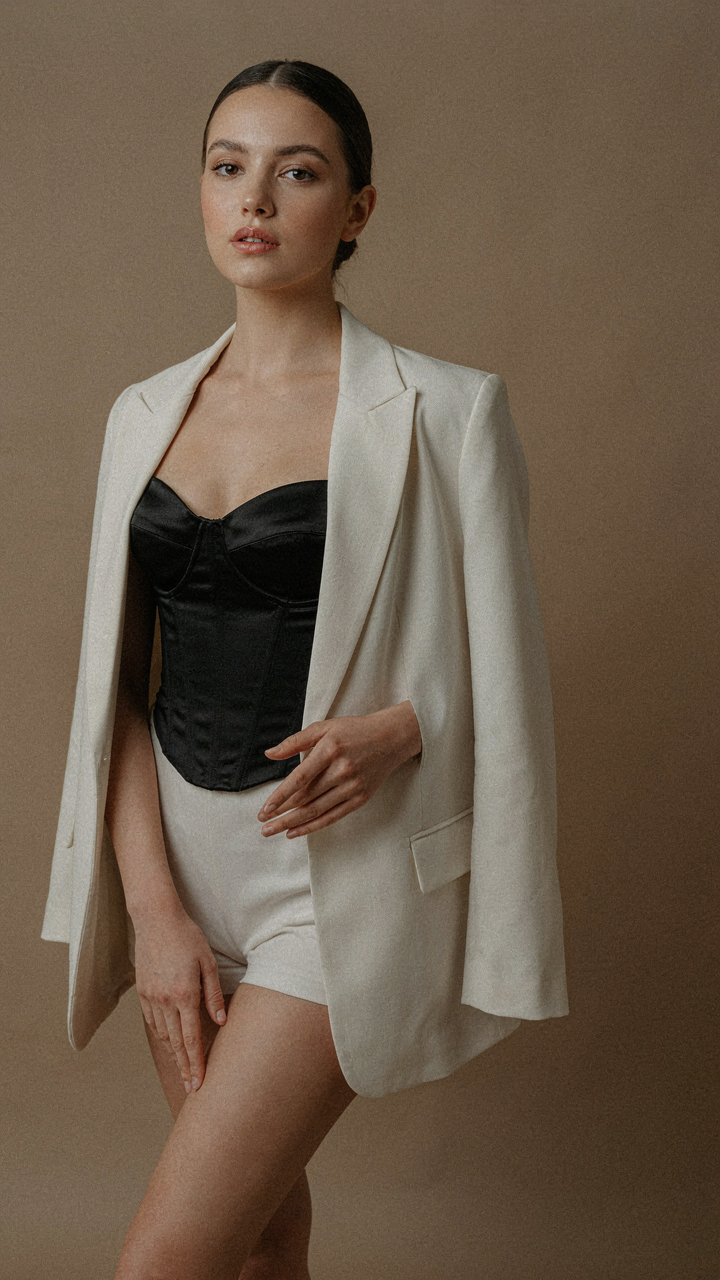
Outerwear The Final Layer Of Intent
You care about this section because you’re afraid the corset top alone won’t read as intentional. The mechanism is simple: outerwear functions as a declaration of control. In architecture and design, load-bearing elements determine whether a structure stands or collapses. Your outerwear bears the visual weight of your entire outfit, signaling whether you assembled these pieces or merely threw them together.

A structured blazer, leather jacket, or tailored coat transforms a corset top from exposed skin into a calculated silhouette. The outerwear doesn’t hide the corset. It frames it. A cropped or open-front jacket lets the corset remain the focal point while adding authority to your shoulders and posture. The fabric weight matters: heavier materials ground the look, lighter ones keep it buoyant. Your choice determines whether the corset reads as evening statement or costume malfunction.
Hair And Makeup Amplifying Not Distracting
The common advice here is garbage: “let your outfit speak for itself” is what people say when they haven’t thought through composition. Your hair and makeup either direct attention toward the corset top or scatter it. Think of negative space in graphic design. Every element competes for the viewer’s eye in the first three seconds.
Pulled-back hair (high ponytail, slicked bun, or deep side part) exposes your face and neck, making the corset the secondary focal point after your bone structure. This works. Loose waves diffuse attention across too many surfaces. A bold lip or defined eye pulls focus upward, away from the corset’s lines and placement. Neutral makeup with emphasis on skin clarity lets the silhouette do the work. Choose one feature to amplify. The corset top and one makeup decision. Not three.
The Unseen Architecture Of A Confident Corset Top Cocktail Outfit
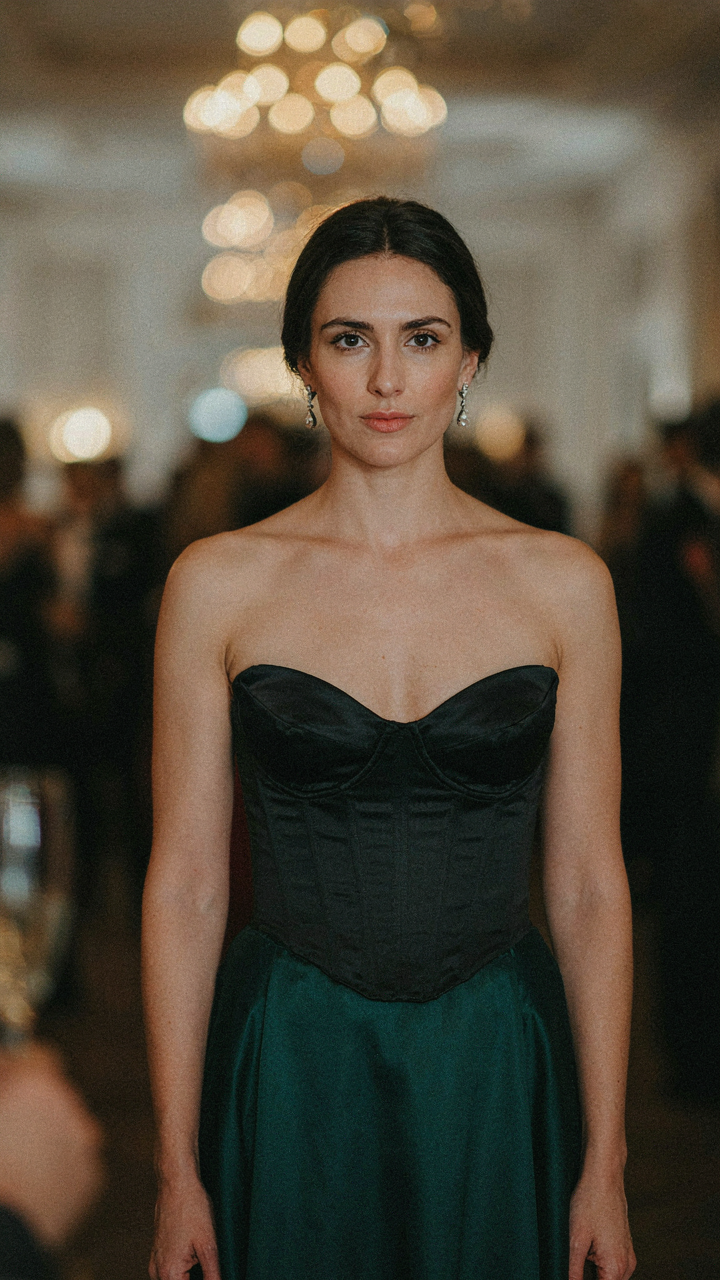
Posture Creates Permission
You want people to notice you’re wearing the corset top, not that you’re uncomfortable in it. That’s the real tell. Borrowed from structural engineering, your body needs load-bearing capacity: the corset concentrates force through your core, which means your shoulders, neck, and spine must align to distribute that weight. Poor posture doesn’t just look weak—it fights the garment’s design and broadcasts doubt.

The corset top works because it creates external constraint. This forces your body into alignment by physical necessity, not willpower. Your sternum lifts, your shoulders sit back, your chin naturally tucks. You’re not thinking about posture anymore—the garment enforces it. The confidence isn’t manufactured; it’s a side effect of correct positioning. Before entering the room, reset your spine against a wall for ten seconds. That’s your baseline.
Ownership Requires Indifference
Most people believe confidence means comfort. It doesn’t. Confidence in a corset top cocktail outfit means accepting mild discomfort as the trade-off for impact, then refusing to acknowledge it once you’re there. The room doesn’t need your story about how tight it is or why you chose it. They need you to act like you chose it for reasons they’re not privy to.
This isn’t arrogance. It’s operational discipline. You don’t explain the garment, defend the fit, or check yourself repeatedly in mirrors. You wear it like you’ve worn it a hundred times before. The person who constantly adjusts, fidgets, or comments draws attention to insecurity. The person who moves through the space as though the outfit is already settled and forgotten becomes the focal point. Decide before you arrive: this is your uniform for the night. Move accordingly.
The True Obstacle Isn’t The Outfit; It’s The Internal Script That Tells You To Merely Fit In, Instead Of Standing Out With Audacious Structural Intelligence
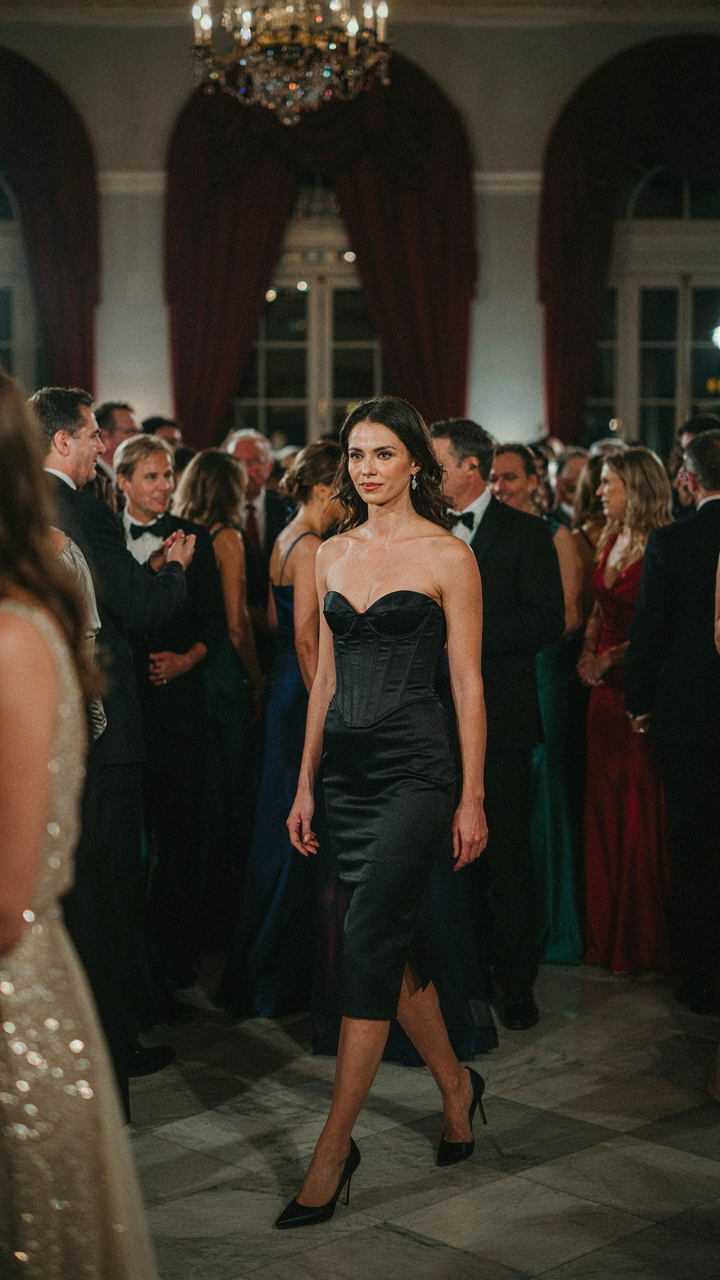
Most people abort before they dress. They choose the corset top cocktail outfit that whispers instead of the one that commands because they’ve internalized the belief that visibility equals arrogance. It doesn’t. A corset top forces structure onto your silhouette. That structure either stays locked in your closet or it transforms how you move through rooms. Tonight, pick the outfit that makes you slightly uncomfortable. Wear it. Watch what happens when you refuse to be background noise.



