

The Unspoken Code: Beyond Black Tie

What Wealth Actually Signals
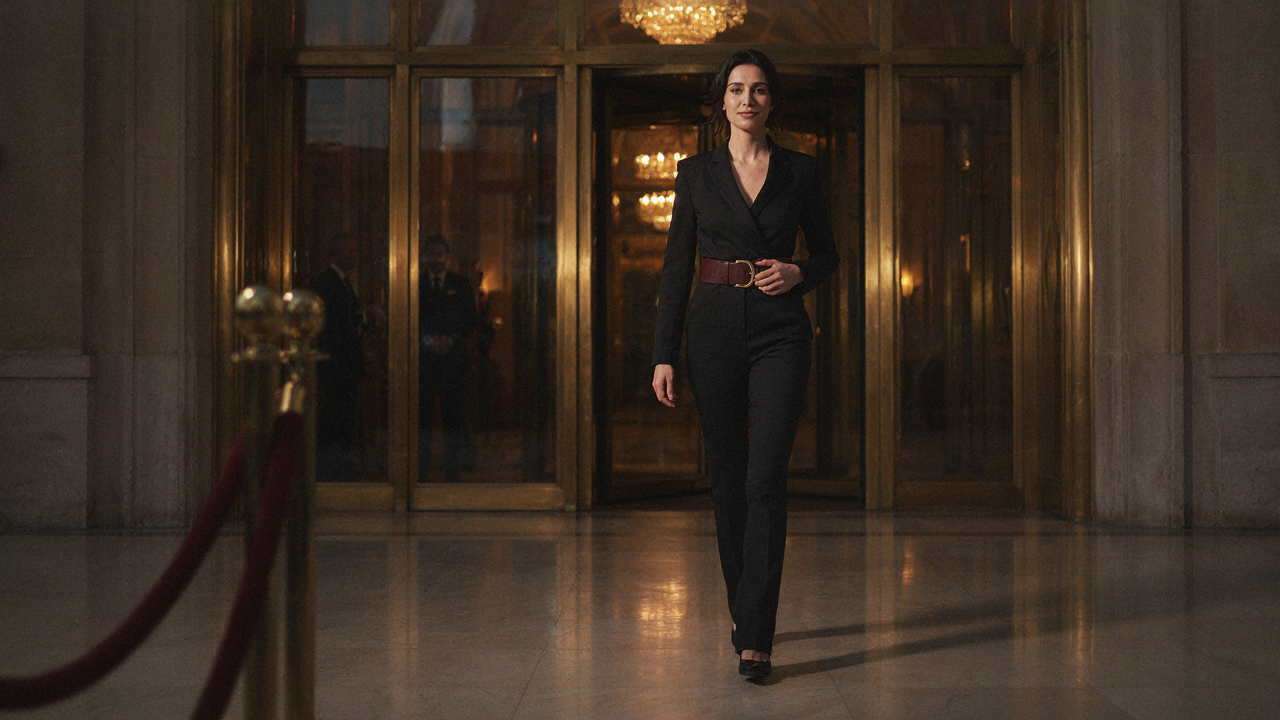
You’re reading this because you sense that “formal dress” won’t cut it, and you’re right to feel that anxiety. Here’s what casino environments actually measure: restraint masquerading as confidence. Borrowing from economics, casinos operate on signal theory—your outfit broadcasts information about risk tolerance and disposability of capital. A woman who understands this chooses fabrics that move with intention rather than cling, cuts that suggest she didn’t shop for validation, and details that reward close inspection only.
The mechanism is visual scarcity. Most women arrive in identical black dresses bought from the same five retailers. You stand apart by choosing one investment piece—a silk slip dress in jewel tones, a structured blazer in unexpected texture, or tailoring so precise it stops conversations—then anchoring it with restraint everywhere else. This combination signals you’ve gambled on taste rather than trend. Casinos filled with high-net-worth individuals recognize this immediately.
Why Generic Formal Fails
The advice to “wear black and add diamonds” is incomplete and frankly lazy. Generic formal means you’ve outsourced your identity to a costume checklist. High-stakes rooms fill with people who’ve done exactly that. The differentiation isn’t complexity—it’s the opposite. It’s the discipline to eliminate everything except what actually works on your frame, in your coloring, under casino lighting.
What matters instead is fit precision and material weight. A tailored column dress in heavy silk charmeuse outperforms a looser gown in standard crepe because fabric substance communicates confidence and eliminates fidgeting. Choose one focal point: structured shoulders, a strategic neckline, or a statement belt. Everything else compresses into neutral territory. Your outfit becomes a platform for presence rather than decoration.
The “Casino Royale” Fallacy
What Hollywood Actually Sells You
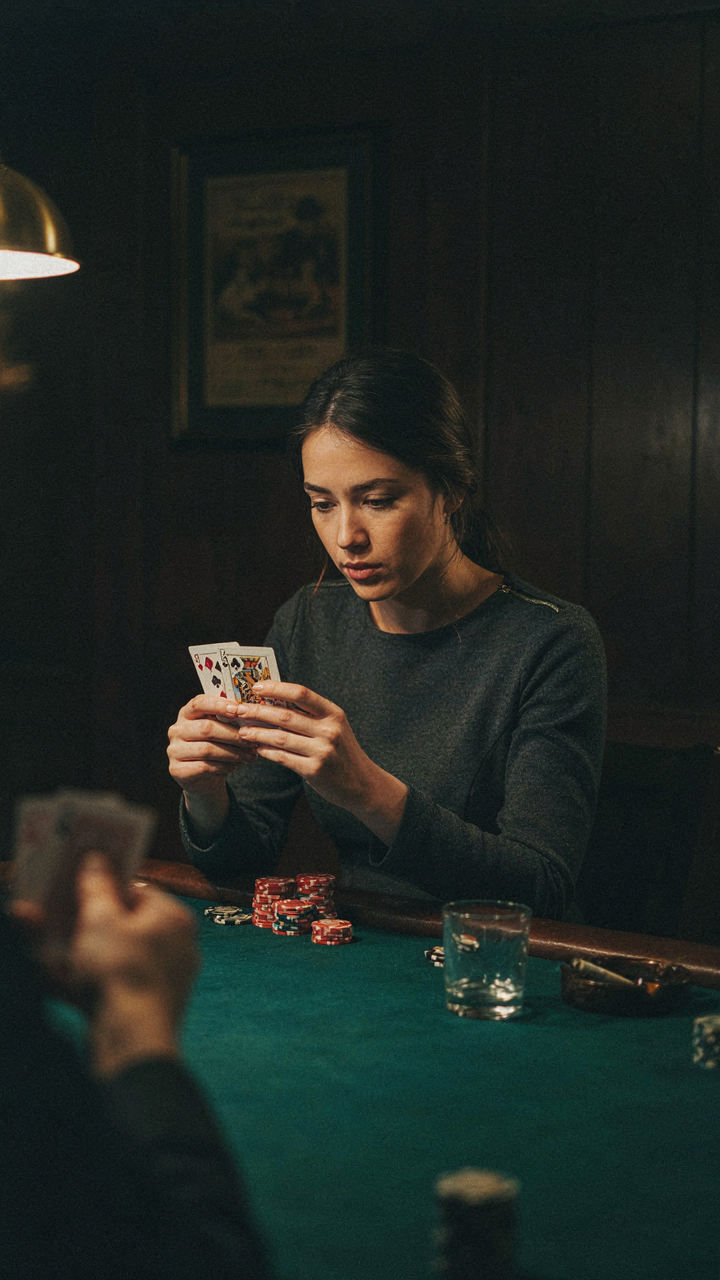
You want to know if you’ll look out of place, and that fear is running the show. The mechanism is simple: movies compress casino culture into a two-hour fantasy where everyone exists in a state of perpetual high stakes. Bond films, Ocean’s Eleven, Casino—they’re not documenting reality. They’re selling the idea that casino attendance requires theatrical transformation. This creates a gap between the outfit you imagine needing and the outfit that actually works.

Hollywood glamour functions like narrative compression in storytelling. It removes every mundane detail and amplifies the extreme moments. Real casinos operate on different rules. The dress code exists to maintain a certain baseline of respect, not to demand you become a character. Most women at casinos dress well but not noticeably. The film version demands sequins, dramatic makeup, and a visible statement. The actual version demands fit, fabric quality, and restraint.
What High Rollers Actually Wear
The gap between movie characters and actual high rollers is wider than most people realize. Real wealth at casinos doesn’t perform for the room. A high roller woman wears tailored pieces in dark neutrals—black, navy, charcoal. She wears expensive fabrics that move correctly: silk blends, fine wool, structured cotton. Her jewelry is minimal and deliberate. Her shoes are investment quality, not showpiece quality. She dresses for comfort during hours at a table, not for a camera lens.
Movie characters dress to be noticed. High rollers dress to belong. The practical difference matters because casinos reward the second approach. Staff treat you better. Other players take you seriously. Security doesn’t flag you as a spectator playing dress-up. The outfit works as camouflage, not costume. Choose structured pieces in quality fabrics over visible labels, and you move through the space like you’ve actually been there before.
The Power Player’s Wardrobe: A Systems Approach
Timeless Pieces That Actually Work
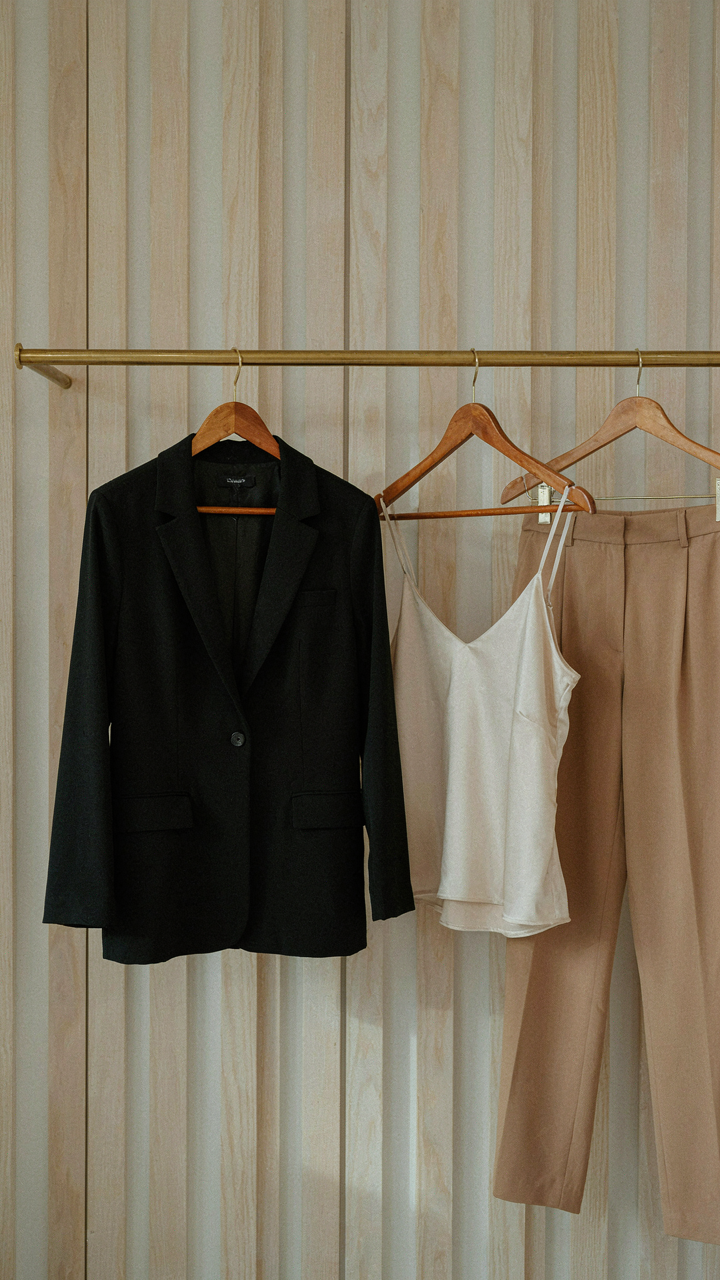
You want to know if your outfit choice signals competence or desperation. That’s the real question. Here’s the mechanism: casino environments reward consistency over novelty because they’re built on pattern recognition. Wear pieces that repeat across multiple occasions and you compound their value. A black blazer worn three times beats a novelty dress worn once. The math is simple.
- Black or navy tailored blazer: Pairs with dresses, separates, and evening wear. Reads authority without trying. Works in high-limit rooms and casual poker nights equally.
- High-waisted trousers in neutral tones: Creates clean lines that elongate the silhouette. Works with silk tops, body-conscious pieces, or blazers. Timeless since the 1970s power dressing movement.
- Silk camisole in white or jewel tone: Layers under blazers or stands alone. Doesn’t wrinkle under coat check conditions. Reflects light professionally without shimmer overload.
- Evening pants in structured fabric: Black or charcoal that doesn’t bag at the knees after four hours of sitting. Wool blends hold shape better than polyester alternatives.
- Simple structured heels or flats: Choose comfort over trend. You’re standing, sitting, and moving between tables. Feet that hurt change posture and signal distress.

The real play is owning five pieces that combine into fifteen different outfits. You rotate them enough that people remember the outfit, not the woman wearing it. That’s the opposite of what most advice tells you, and it’s precisely why it works.
The Modular Casino Approach
Most people treat casino dressing like costume selection. Pick one outfit, commit to it, hope it reads right. That’s backward. Think of it like a wardrobe algebra problem: you need pieces that solve for different venue temperatures, table positions, and crowd density without requiring new purchases every visit.
The real work happens in the fit and fabric, not the design. A well-cut pair of black trousers in a structured wool blend works in every casino from Vegas to Atlantic City because the environment and lighting don’t change the fundamentals. Add a cream silk top in one scenario, a fitted black turtleneck in another, and you’ve remixed the same base twice. The system scales because you’re not chasing trends. You’re building coverage.
Las Vegas Outfit Is Not A Style
The Difference Between Costume And Intention
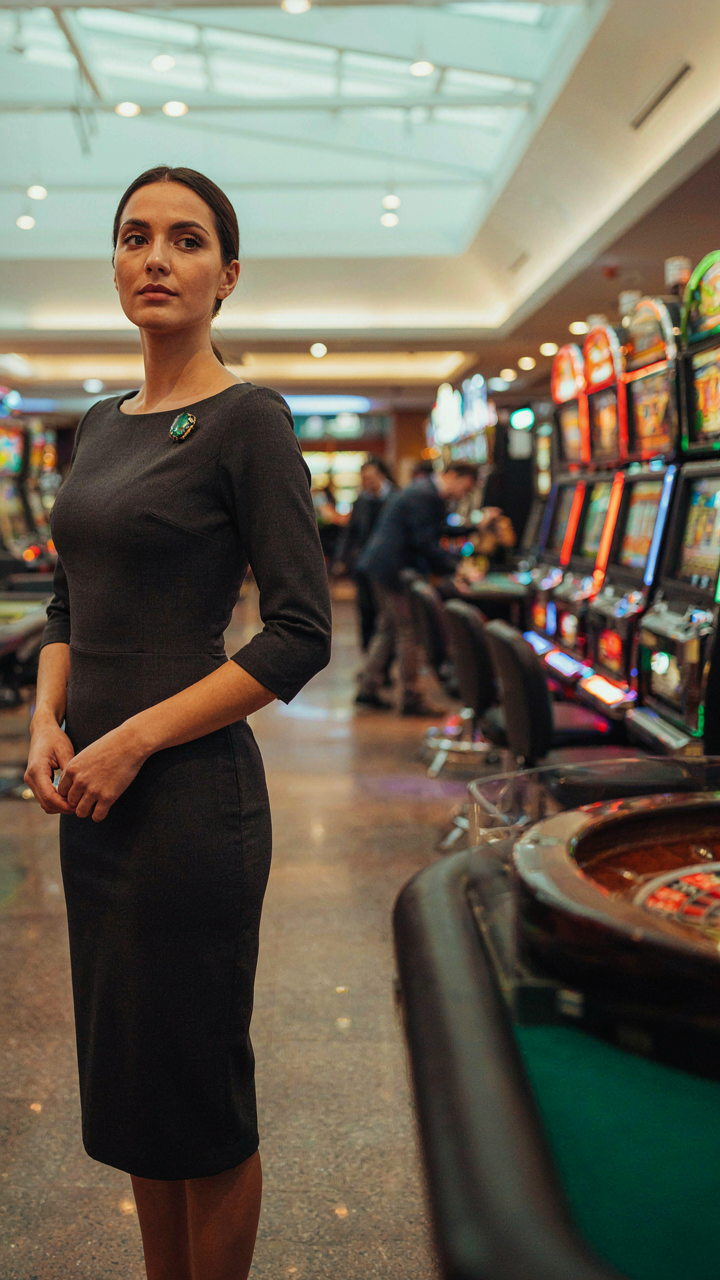
You want permission to look good without being judged for trying too hard. That’s what this section is really about. The mechanism most people miss: a “Las Vegas outfit” isn’t a coherent aesthetic. It’s a permission structure that lets you abandon your actual taste and hide behind an excuse. The city gets blamed. You get plausible deniability.

Real style survives context. It looks intentional in Vegas, at a gallery opening, or at a dinner table. A costume collapses the moment you step outside the specific location that justified it. The difference isn’t the clothes themselves. It’s whether you chose them because they express something about how you see yourself or because a place gave you cover to perform.
Restraint Wins When Everyone Else Signals
Strategy borrowed from military doctrine applies here: signal denial. When everyone broadcasts their presence through volume and gloss, the person who doesn’t communicate something different. One elevated piece outworks five correct pieces. A structured blazer, a clean line, intentional jewelry, and neutral tones signal control. The woman in the corner who looks like she belongs everywhere beats the woman in the rhinestone bodysuit every time.
The mechanism is scarcity of attention. Excess demands you look at it. Restraint makes people lean in. On a casino floor, this creates actual social currency instead of the fake kind you rent for a night. Your outfit should work because of what you’re not wearing, not because of what you’re compensating for. Pick one bold element and build around absence instead.
The Kinetic Energy Of Fabric: A Physics Model

How Fabric Movement Creates Physical Presence
You want people to notice you without trying. That’s the real ask here. Physics calls this “displacement”—an object moving through space creates perception of force. Fabric that moves creates the same effect. When you walk, static fabric dies with you. Flowing fabric announces arrival before your face does. The mechanism is simple: fabric in motion catches light differently than fabric pinned flat. Your nervous system registers this as confidence, authority, or power because movement historically signals health and control.

The casino environment amplifies this because you’re stationary half the time. You’re seated, talking, waiting. Dead fabric reads as passive. Structured pieces with give—silk charmeuse, crepe, jersey blends—move when your body shifts. They create air displacement. This isn’t luxury theater. It’s physics. The person wearing a rigid cocktail dress reads as static. The person in a fabric that responds to breathing and posture reads as present. Choose fabrics that respond to micro-movements, not garments that require you to compensate for stiffness.
Color And Texture As Functional Tools
Perception of influence isn’t about opinion. It’s about how the eye processes contrast and light absorption. A matte black dress disappears into shadow. A dress with subtle texture or sheen reflects light variably, keeping the eye tracking across your form. This isn’t aesthetic preference. It’s neurology. Texture breaks up the flat plane and creates perceived dimension, which registers as power in hierarchical spaces like casinos where status visibility matters.
Saturated jewel tones—emerald, sapphire, deep plum—hold light without gloss. They don’t scream. They absorb attention because the eye cannot quickly categorize them as background. Metallics and reflective surfaces create the opposite problem: they compete with casino lighting instead of working with it. The mechanism to deploy: choose fabrics with directional texture or subtle luster that responds to movement and existing light. Avoid anything that either disappears or fights the environment. Test your outfit choice under similar lighting before the event. This removes guesswork from the equation.
Beyond The “Formal Casino Outfit” Trap
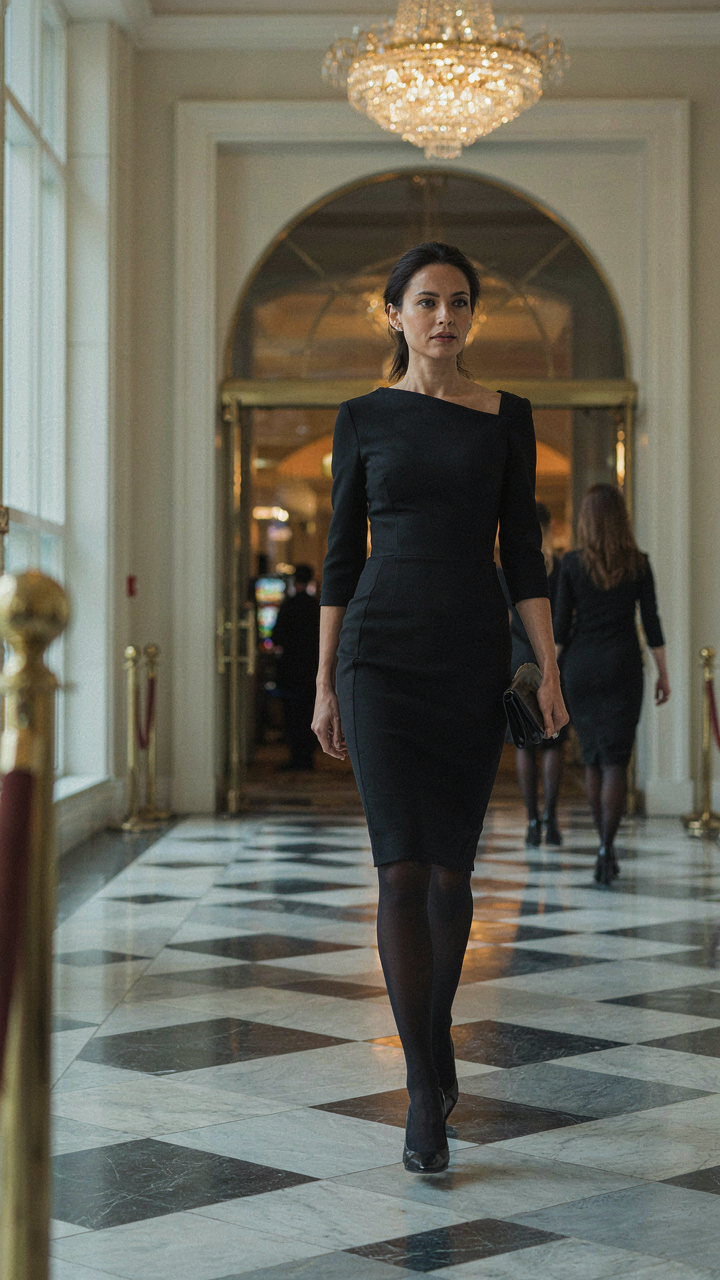
The Dress Code Isn’t Your Constraint
You’re looking for permission to stand out without breaking the rules. Here’s the mechanism: dress codes exist to create a floor, not a ceiling. The casino enforces a minimum standard. Most women stop there, treating the code as a maximum instead. This is where individuality dies. The dress code says “no athletic wear” or “closed-toe shoes required.” It doesn’t say “wear what everyone else wears.” The gap between compliance and conformity is where your outfit lives.

Breaking from consensus doesn’t mean breaking the rules. It means understanding that a code protects the venue’s image, not controls your expression. You can wear a black dress and still look nothing like the woman next to you through cut, fit, material, and proportion. The real constraint isn’t the dress code. It’s your assumption that fitting in requires invisibility.
Attention Through Subtraction, Not Addition
Commanding attention isn’t about volume. It’s about signal-to-noise ratio, borrowed from information theory. When everyone broadcasts equally, nobody gets heard. Your outfit works the same way. Remove the noise first: skip patterns that fight each other, avoid jewelry that jingles, choose one focal point instead of five. This creates contrast against the visual chaos of a casino floor.
Women mistake “standing out” for “wearing more.” The opposite is true. A single striking element against restraint draws the eye faster than layers of competing details. A structured coat over a simple dress. A bold lip with minimal accessories. Clean silhouettes with one unexpected texture. The mechanism is simple: your brain notices edges, disruptions, and clarity before it processes clutter. Build your outfit around that fact, not against it.
The “Old Vegas” Allure: Authentic Vs. Costume
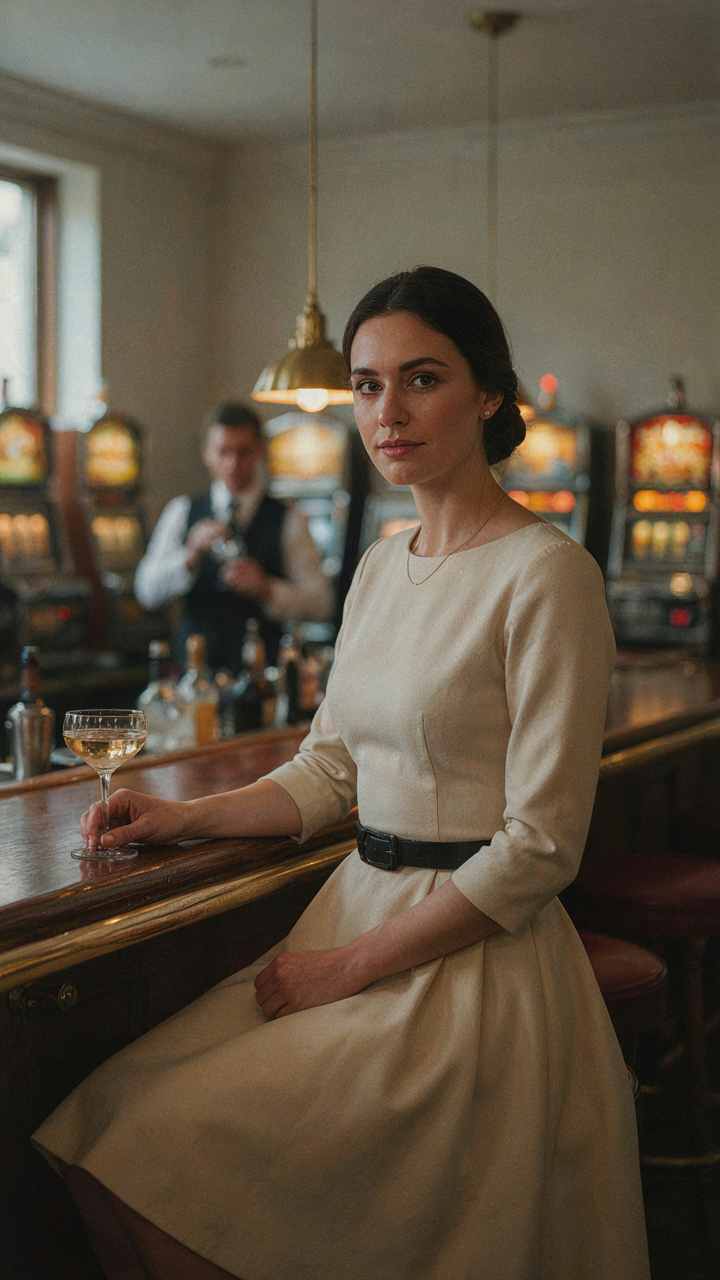
Where Authenticity Actually Lives
You’re drawn to vintage casino style because it signals you know something most people don’t. Here’s the mechanism: Old Vegas wasn’t about excess—it was about restraint masquerading as luxury. The 1950s and 1960s casino aesthetic relied on tailoring, proportion, and fabric quality to communicate status. Women wore structured dresses, clean lines, and minimal jewelry because the venue itself was the spectacle. The outfit stayed subordinate to the experience. This is the opposite of costume, which screams “look at me” before the venue gets a word in.

The historical reality matters here. Post-war casinos catered to wealthy travelers who dressed for dining and entertainment, not for Instagram. Sequins existed but appeared sparingly—on a neckline or hemline, not covering the entire dress. Silhouettes were either fitted or A-line, never shapeless. The women who looked right understood that confidence came from fit and cut, not embellishment. Modern interpretations that miss this detail mistake “vintage” for “glittery throwback.”
The Fabric Logic That Changes Everything
Forget the common advice that vintage means finding actual 1960s pieces. That’s impractical and often produces clothes that fit your body poorly. The real move is understanding material hierarchy. Vintage casino style prioritized silk, wool blends, and structured cotton because these fabrics hold shape and catch light intelligently. A modern dress in quality silk charmeuse reads as old-school elegance. Polyester made to look like satin reads as costume. The fabric does 70 percent of the work that rules and styling do 30 percent.
Pick dresses or separates in solid colors or small-scale patterns—think subtle jacquard or tone-on-tone designs, not large floral or animal prints. Pair a structured dress with a tailored jacket in a complementary shade. Add a thin belt to emphasize waist definition. Skip the heavy costume jewelry and go for clean metal—gold or silver, not mixed metals. The outfit should look like you could wear it to a nice dinner that happens to be in a casino, not like you assembled it specifically for one night.
The Casino Portrait Mindset
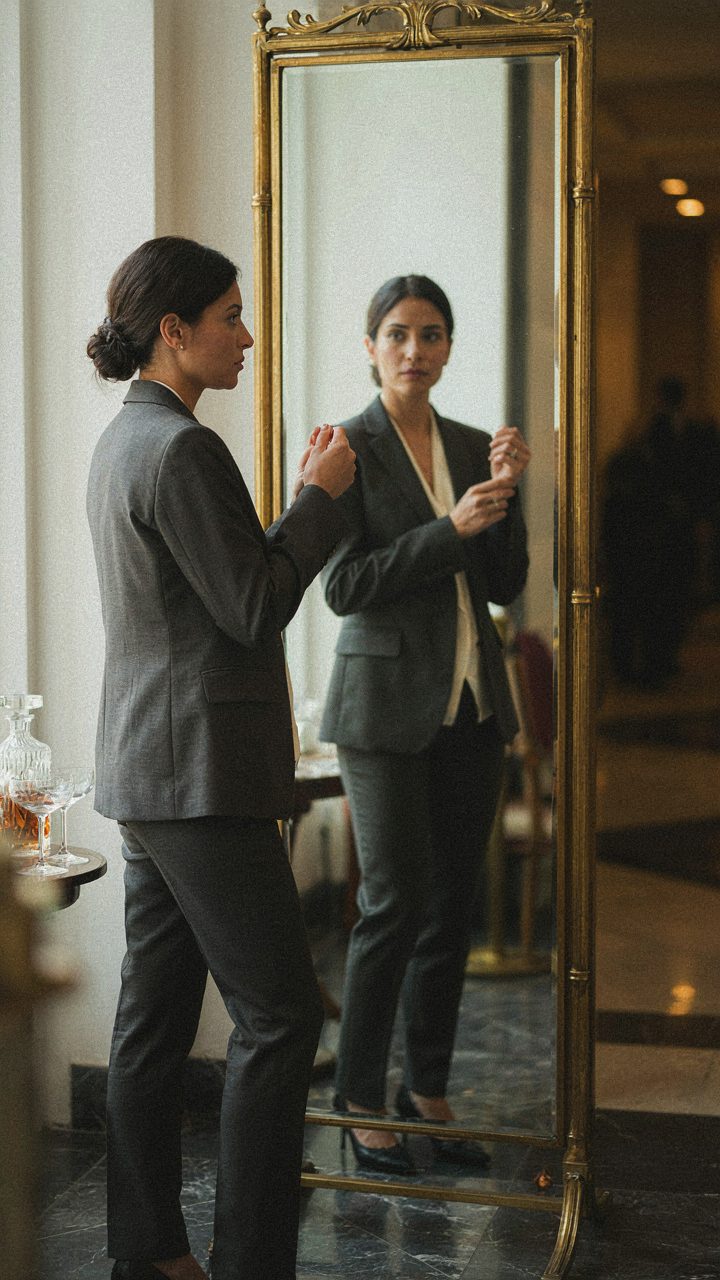
Every Moment Reads As Documentation
You want people to remember you were there. That’s the real reason this matters. The mechanism is simple: casinos are high-attention environments where lighting is controlled, angles are abundant, and other people are watching. Dress as if a camera is always two feet away. This doesn’t mean costume or artifice. It means every piece of fabric, every metal clasp, every fabric drape works on camera because it works in person. Quality materials photograph honestly. Cheap fabric collapses under flash. Strategic necklines read the same in mirrors and phone photos.

Build your outfit in layers that survive documentation. A structured blazer holds its shape under the camera’s eye. A bare shoulder catches light and reads as intentional, not accidental. Metallics and jewels hit differently in photographs than matte fabrics do. Choose pieces that look identical in person and on a phone screen. This is not vanity. This is wearing something that performs across every context where it will actually appear.
The Invisible Work Behind Casual
The common advice says to look “effortless.” That’s incomplete. What people mean is composed under external pressure. Stage performance uses the term “technical preparation” for this: you practice until the mechanics disappear. A casino outfit works the same way. Your clothing should require zero mental bandwidth once you arrive. This means every piece fits without adjustment, sits without shifting, and moves without binding. Your shoes let you stand and walk for hours without foot compensation changing your posture.
Test your entire outfit before casino night. Sit, stand, walk, reach, and lean in it. If you adjust anything more than twice in an hour, replace that piece. Effortlessness is the result of preparation so thorough that your body never signals distress to your face. When your outfit stops demanding attention from you, it commands attention from the room instead.
Your Biggest Obstacle Isn’t The Dress Code; It’s Your Unexamined Desire To Fit In
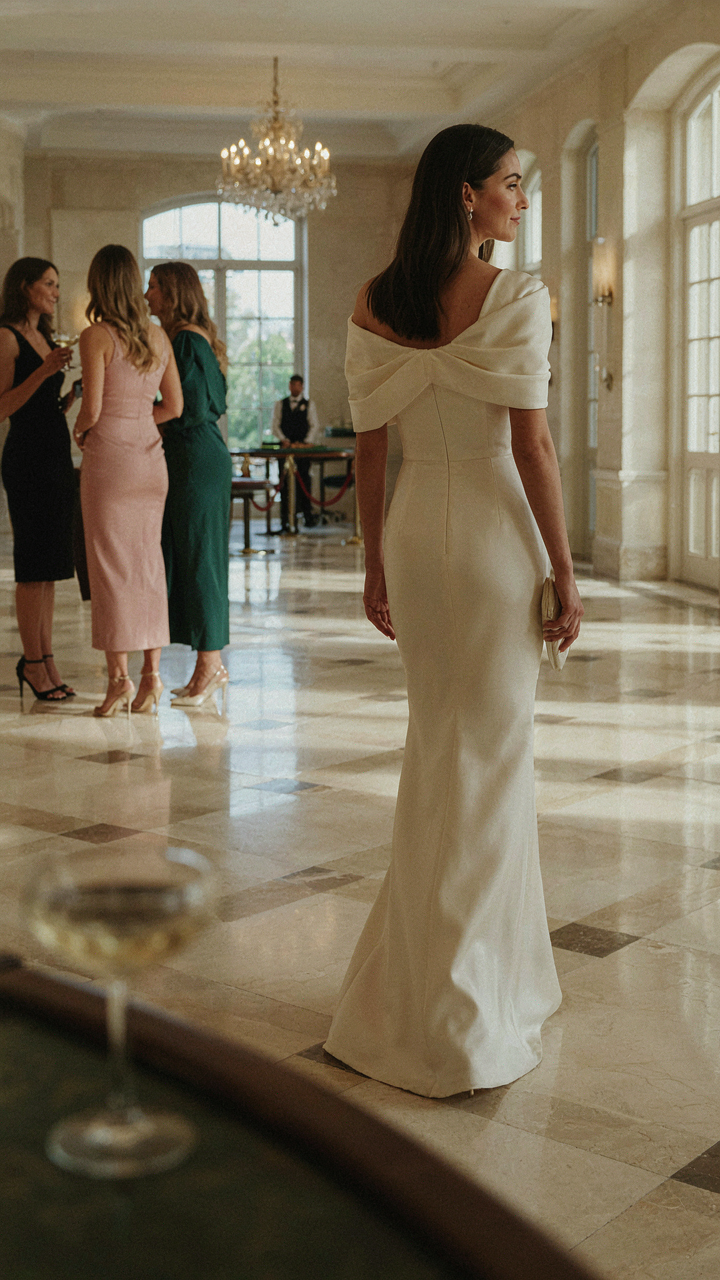
Most women choose safe casino outfits because they’re terrified of standing out. You’ve been trained to blend. But the women who actually turn heads aren’t following a template. They break one rule per outfit, period. Pick your outfit right now, identify the most conventional element, and eliminate it. Replace it with something that makes you slightly uncomfortable. That discomfort is where your actual style lives.




