


Introduction
A Budget Binder Money Planner For Effective Saving Money Budget is a simple tool that helps you plan and manage your money. It puts all your budget details in one place, making it easier to track your spending and saving. Many people find managing money to be confusing or messy without clear records. A budget binder can solve this problem by organizing your expenses, income, and savings goals.
In this article, you will learn how to set up a budget binder, what to include, and how it can help you save money effectively. We will also cover common mistakes to avoid and tips for making your budget binder a useful, everyday tool. Whether you are new to budgeting or want to improve your money skills, this guide will help you use a budget binder to reach your financial goals.
Benefits Of A Budget Binder

Using a budget binder can make managing your money less chaotic and a bit more manageable. The main perk, I think, is how it keeps everything organized in one place. Imagine flipping through pages and having your income, bills, and spending categories all neatly arranged right there—it’s easier to see where your money is going instead of realizing it only when you’re out of cash.

Besides organization, there’s the clarity it brings. When your expenses and earnings are visible on a single board, it’s like suddenly understanding your spending patterns better. Sometimes, you don’t realize how much those daily coffee runs add up until you track them down in your binder.
Then, there’s something motivating about physically seeing your savings grow. Setting concrete savings goals on paper and ticking off progress gives you a kind of confidence boost. It feels more real than just hoping your bank balance will increase. Plus, tracking regularly keeps you honest and nudges you to put away a little more each time.
Honestly, making a budget binder takes a bit of effort upfront, and it might feel a bit tedious at times. But the way it empowers you to control your finances can be quite rewarding in the long run.
How To Organize Your Budget Binder
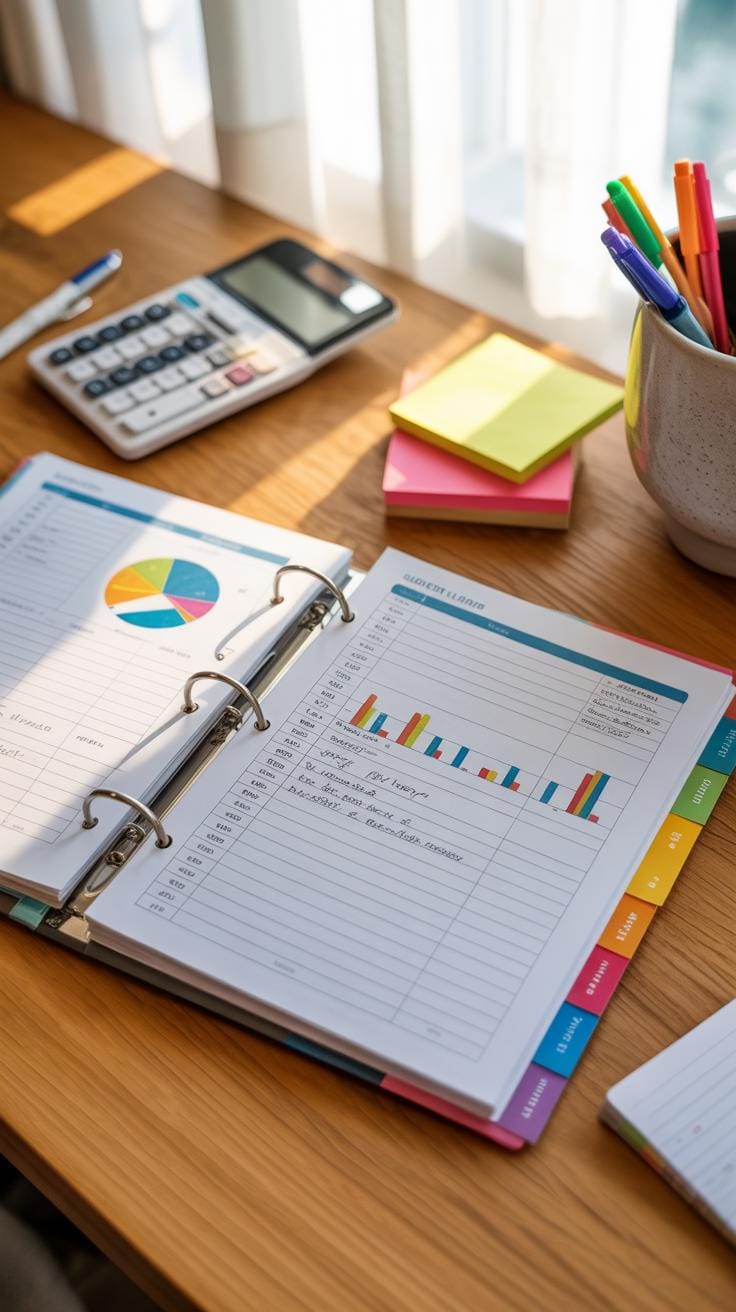
Organizing your budget binder starts with setting up clear sections and categories that reflect your financial life. Begin by dividing your binder into key parts like income, bills, expenses, savings, and financial goals. These categories help you track where your money comes from and where it goes. You might want to use tabbed dividers to separate each section, making it easier to flip directly to what you need.

Within each section, keep detailed documentation. For income, include pay stubs, freelance invoices, or other proof of money earned. The bills section should have copies or printouts of recurring payments—electricity, rent, subscriptions, and so forth. Expenses cover everything from groceries to occasional outings, tracked with expense logs or charts. For savings, document your bank statements or savings plans, and under goals, outline your short- and long-term financial targets.
Now, about receipts and bills—they tend to pile up and get lost quickly. Use clear plastic sleeves or envelopes inside your binder to store these items. Group receipts by month or category before filing, which avoids a jumble and saves time when you need to check a particular expense. You might find yourself surprised how often you revisit these documents, especially when budgeting feels tough or confusing.
All said, the goal is to create a system that you find easy to maintain and understand. It doesn’t have to be perfect. Maybe you’ll find a method that works best for you after a bit of trial and error. Isn’t that part of why budgeting can feel so personal, after all?
Common Budget Binder Mistakes

Ignoring Regular Updates
One of the biggest mistakes with a budget binder is simply forgetting or putting off updating it regularly. It’s easy to think, “I’ll get to it later,” but later often becomes weeks or even months. When your budget binder sits untouched, it stops being a useful tool and starts feeling like a chore. The whole point is to keep a pulse on your finances, and without current information, you might as well toss it aside.

Updating might seem tedious, especially if life gets busy or unexpected expenses pop up. But a budget binder that’s regularly updated shows the real state of your money – what’s left, what’s overspent, what can wait. Skipping this step can make any budgeting effort almost pointless, as decisions are then based on outdated or incomplete info.
Not Tracking Small Expenses
Many people dismiss small daily expenses, thinking they’re insignificant. Coffee here, a snack there—no big deal, right? But these little costs add up surprisingly fast and can throw your budgeting off balance. I once ignored these “minor” buys, only to find at month’s end my budget was totally off and I had no clue where the money vanished.
Neglecting these small expenditures creates gaps in your budget’s accuracy, making it harder to stick to financial goals or identify unnecessary spending. It’s worth taking a moment each day to jot down even those small purchases. Although it might feel a bit obsessive, this habit sharpens your awareness and helps maintain a realistic financial picture.
Step By Step Budget Binder Setup Checklist

Gather Necessary Supplies
Start with a sturdy binder—perhaps a standard three-ring one that’s easy to handle and durable. You’ll want dividers or tabs to separate sections, making navigation less of a hassle. Don’t underestimate the power of good paper, especially if you prefer handwritten notes; consider lined or graph paper for neat entries. Pens are a given, but maybe keep a few colors on hand to highlight priorities or categories. Some people add a calculator or sticky notes for quick reminders. Think about what you’d like at your fingertips when managing money—the supplies should fit your style, not the other way around.
Initial Data Collection
This step can feel a bit daunting. First, gather all your income sources—pay stubs, freelance earnings, anything that comes in regularly or sporadically. Next, assemble your bills and receipts: utilities, phone, rent or mortgage, subscriptions, groceries, occasional expenses. It might help to look through bank statements or use apps to gather this info if you’ve lost track somewhere. Don’t rush; sometimes it’s hard to admit what’s spent or owed. Make sure to note due dates and amounts carefully. You’ll enter these into your binder, giving you a clear picture of where money flows. It’s a starting point—your financial baseline before you begin planning or cutting back.
Budget Binder Vs Digital Budget Tools
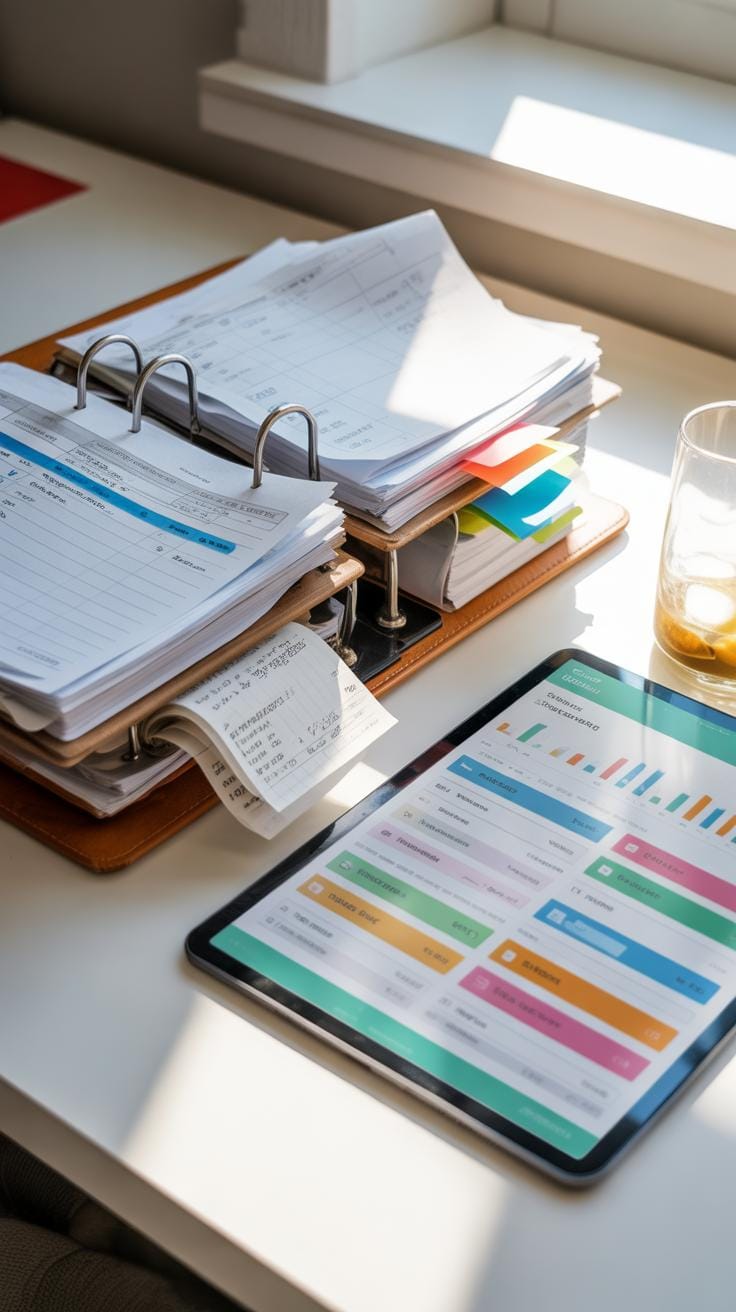

When you sit down to choose between a budget binder and a digital budgeting app, the decision isn’t as straightforward as it might seem. Accessibility plays a big role here. A budget binder is always there, tangible and ready, no screen or battery required. Digital apps, while portable, do rely on devices and sometimes internet connection, which can be a limitation in certain situations.
Ease of use is tricky. Some find the tactile nature of a paper binder calming, almost like a ritual. Others prefer the speed and automation of digital tools. With apps, you tap a few buttons and numbers crunch themselves. In contrast, binders ask you to engage more deliberately, which some say makes the budgeting feel more real, even if it’s slower.
Effectiveness depends on your personal habits. A binder’s visual layout means you see every detail at once, which can help some people catch overspending early. Apps, on the other hand, often send reminders and generate reports automatically, which nudges users to stay on track without heavy lifting.
Advantages Of Paper Budget Binder
Using a paper budget binder brings you hands-on control over your money. You physically write down expenses and income, which some say enhances memory and commitment. You don’t need to worry about battery life or software updates. It’s straightforward and always accessible.
There’s also something about seeing your financial plan in front of you—charts, notes, and receipts all in one place—that’s very engaging. It makes the process less abstract, more tangible. You can flip through pages, add sticky notes, and visually track progress. For many, this visual engagement is motivating.
Advantages Of Digital Tools
Digital budgeting apps excel at reducing manual work. They can automatically calculate totals, track spending trends, and categorize expenses without asking you to do the math. This saves time, making it easier to keep budgets updated.

Another perk is notifications—real-time alerts remind you of due dates or overspending, which a binder obviously can’t do. Plus, you can carry your budget everywhere on your phone or tablet. This portability means you can check or update your finances anytime, anywhere, without lugging around a book.
Still, it’s not perfect—some users find digital tools overwhelming with too many features. Sometimes, a simple, paper-based approach fits better with your daily life and mindset.
Examples Of Budget Binder Pages
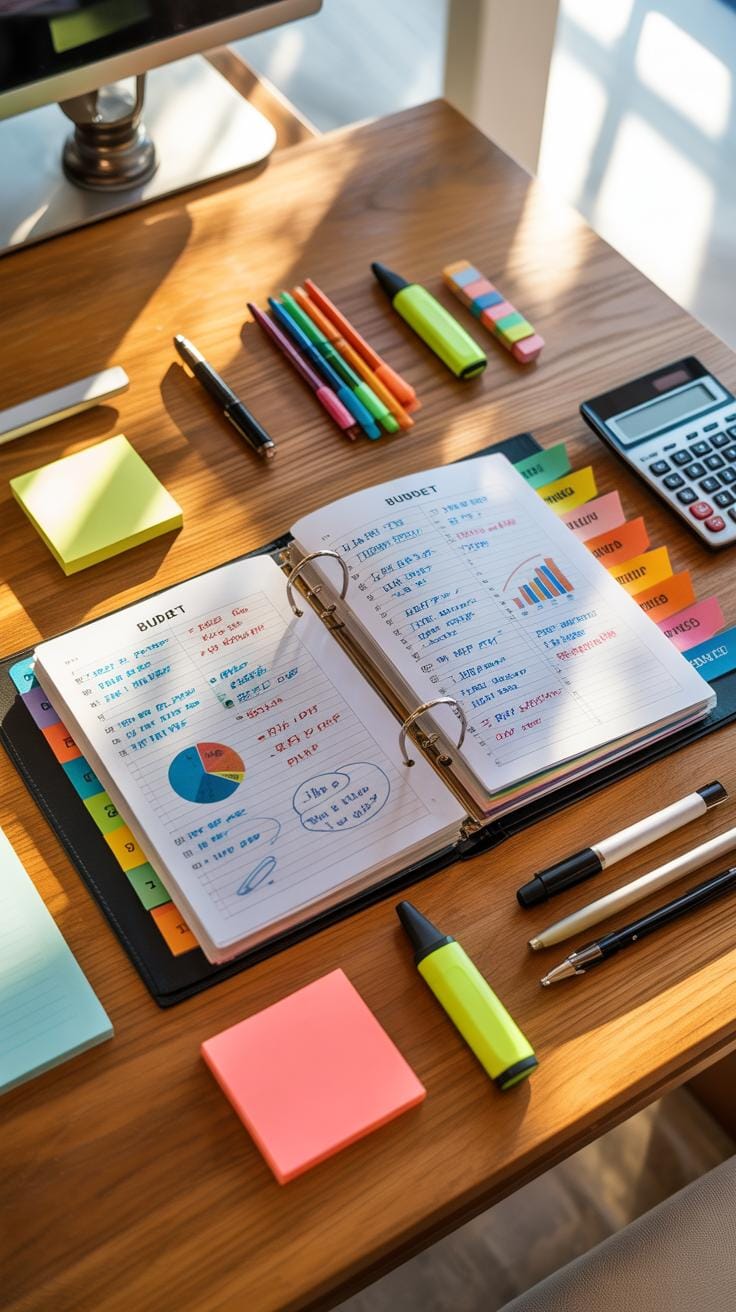
When it comes to actually using a budget binder, having well-structured pages can make all the difference. For instance, an expense tracker is essential. It’s a page where you list daily costs—everything from groceries to gas. This kind of page usually breaks down expenses by category, making it easier to spot where your money goes. You can jot down the date, description, and amount spent. It’s simple, but seeing it all laid out can be quite revealing.
Another common page is a bill payment log. This one is handy if you want to avoid late fees and stress. You’d include columns for the bill name, due date, amount, and whether it’s paid or pending. Crossing off each bill once it’s handled gives a small but satisfying sense of accomplishment. Plus, it helps to visualize when your bigger expenses hit each month.

Savings trackers are also popular in budget binders. They let you chart progress towards specific goals—be it a vacation, emergency fund, or new gadget. Often, these pages have space to write your target amount, current amount saved, and percentage progress. Seeing that bar fill up, even slowly, can be quite motivating. I’ve found that a visual reminder makes it easier to resist impulsive spending.
Monthly Expense Tracker Layout
A monthly expense tracker page should be straightforward yet complete. Start with a clear title and the month at the top. Below, list categories like housing, transportation, food, entertainment, and miscellaneous. Organize this in a column with enough space next to each category to enter amounts spent daily or weekly. At the bottom, add a total expenses row to see the cumulative spending.
You might want to include a notes section. This can help explain unexpected costs or temporary changes in spending. Tracking your expenses this way reveals patterns and pinpoints areas to tighten budgets. It almost feels like a financial diary. I sometimes get curious, wondering why one month was different from the last.
Savings Goal Tracker Example
Consider a savings goal tracker page laid out like a progress chart. At the top, state your specific goal, say, “$1,000 emergency fund.” Beneath that, include a clear table with columns for date, amount saved, and running total. Another useful feature is a visual progress bar—just a simple rectangle you fill in as you save. It turns abstract numbers into something more tangible.
Some pages include motivational quotes or a checklist of smaller milestones (like $250, $500, $750) on the side to encourage steady saving. This approach can subtly boost commitment by celebrating incremental wins, which otherwise might go unnoticed. Maybe that’s why these pages stick around longer in well-used binders—they provide ongoing engagement with your financial goals.
How To Use Your Budget Binder Daily


Using your budget binder each day might sound like a hassle, but it can really keep your financial goals in sight. The trick is building small habits that fit naturally into your routine, instead of turning it into a chore. For instance, whenever you make a purchase, no matter how small, jot it down right away. This immediate recording helps keep your numbers accurate and avoids the headache of guessing later.
Try to glance at your budget binder at least once a week. That’s when you can see what’s going well and where the money might be slipping through the cracks. You may notice little spending patterns forming—perhaps too many coffees or impulse buys—that weren’t obvious day to day. Adjusting your plan based on these insights can prevent those leaks from becoming floods, even if it feels like a small step.
Remember, using the binder isn’t about perfection. It’s about being aware, making adjustments, and staying connected with your finances in a way that suits your rhythm. Are there times when you forget? That’s normal too. What matters is consistently coming back to it, learning from the patterns, and moving forward.
Tips For Maintaining Your Budget Binder
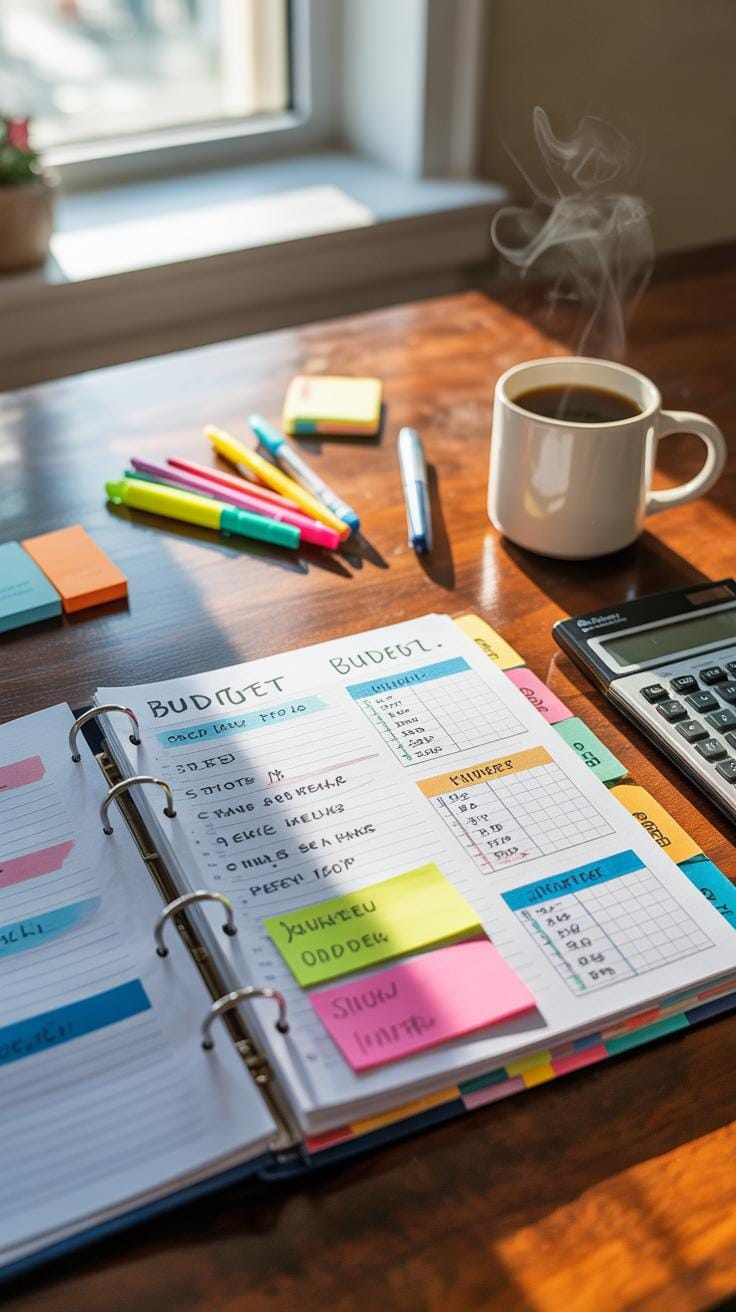
Keeping your budget binder organized is key to actually using it. You don’t want to spend hours trying to find a receipt or deciphering messy notes. Here are some ideas that might help:
- Set aside a fixed time every week to update your budget. Consistency is the trick. Maybe a Sunday afternoon or a quiet evening works best for you.
- Use simple, clear categories for your expenses. Don’t overcomplicate things with too many headings—it just makes things harder to track.
- Keep notes brief and to the point. Long, complicated explanations can be skipped when you just need a quick glance.

Sometimes, it’s easy to forget to update your binder. Using phone alarms or calendar notifications can nudge you gently without feeling like a chore. It’s really about making this task a small, manageable habit rather than a big, overwhelming project.
Remember, your budget binder doesn’t have to be perfect. In fact, too much detail might slow you down. Stick to what’s clear and useful for you. Over time, you’ll find what really matters and drop what doesn’t.
What To Track In Your Budget Binder
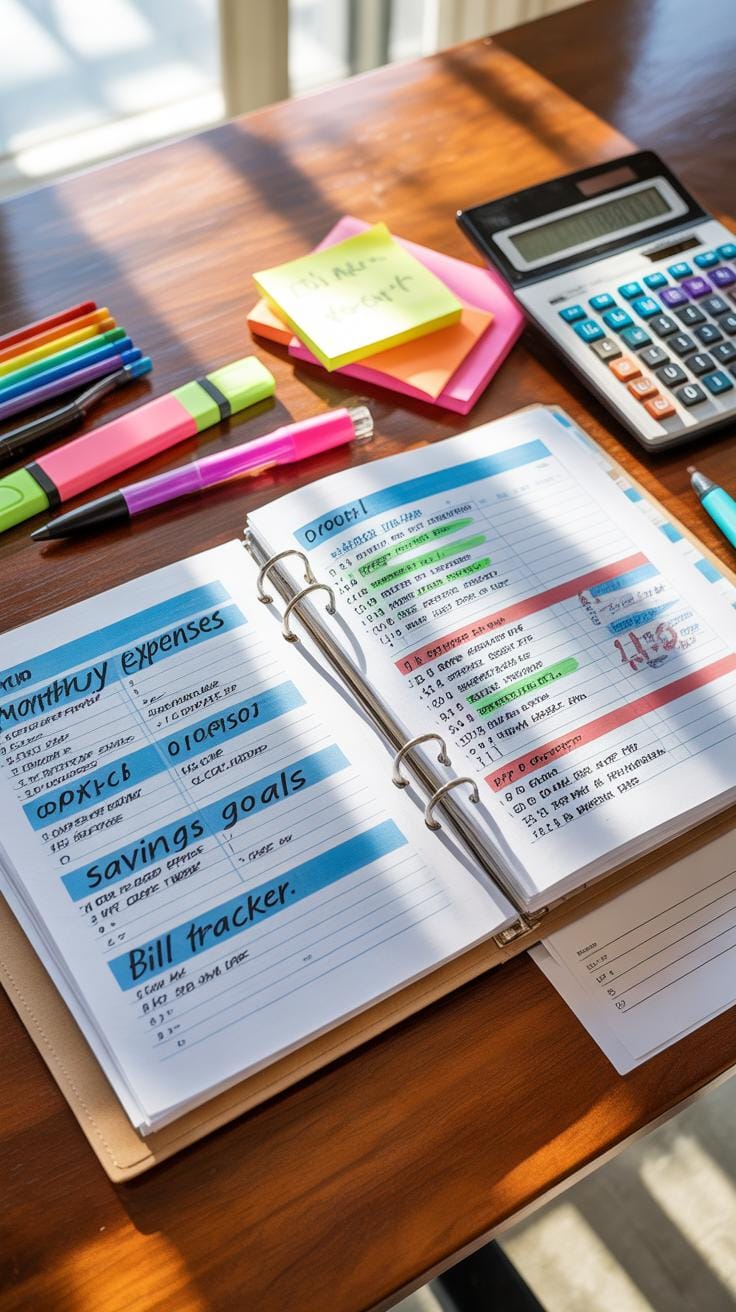
Tracking the right categories in your budget binder gives you a clearer financial picture. It’s not just about writing down expenses mindlessly. You want to capture a comprehensive snapshot of your money flow. The main categories to focus on include fixed expenses, variable expenses, income, and savings. Each plays a distinct role in understanding your finances.
Fixed And Variable Expenses
Fixed expenses are the bills you pay regularly, usually the same amount each time—things like rent, mortgage, car payments, or insurance premiums. These are easier to predict and plan for since they don’t fluctuate much month to month. On the other hand, variable expenses shift—groceries, dining out, entertainment, or gas. These can surprise you if you don’t track them carefully. Logging both types accurately helps you identify where you might cut back or adjust spending. I often find variable expenses sneaking up on me, which is why I keep a close eye on them in my binder.
Income And Savings Records
Don’t overlook tracking your income sources. Whether it’s your salary, freelance work, investments, or side hustles, recording every bit helps you understand your cash flow fully. Also, track your savings contributions. Putting money aside, even small amounts, is crucial. I once thought just noting expenses was enough, but tracking savings showed me how much I was really advancing my goals—or not. Having this clear in your binder motivates saving and shows progress over time, even if the numbers aren’t huge yet.
How Budget Binders Aid Financial Goals

Budget binders offer a hands-on way to set and track your financial goals. They let you see everything in one place—debts, savings targets, monthly spending, all lined up clearly. This visibility can turn abstract goals into tangible plans. For example, if paying off a credit card feels overwhelming, breaking down the target into manageable monthly payments in the binder can make it less daunting. You can literally watch your progress, which often provides a real sense of achievement motivating you further.
Of course, it’s not just about setting goals once and forgetting them. The binder asks you to revisit goals regularly. Maybe you’ll find some goals were too optimistic or certain expenses pop up unexpectedly. That’s okay. Adjusting your plans forward instead of being rigid helps keep your budget realistic and aligned with your current reality.
Setting Realistic Money Goals
Not every financial goal needs to be a full-on game changer. Sometimes smaller, clearer goals work better and feel more doable. Using your binder, try to:
- Write down specific amounts and deadlines. Instead of “Save money,” write “Save $500 by June 30.”
- Prioritize goals by urgency or necessity. Maybe debt payoff comes before a vacation fund.
- Start with targets you feel confident about to build momentum.
- Be honest with yourself about what’s realistic considering your income and expenses.
These tips help keep your efforts focused and less frustrating, so you’re less likely to abandon the binder halfway through.
Tracking Progress And Adjusting Plans
Regularly flipping through your budget binder creates accountability. You see if your spending is veering off course or if the savings goals aren’t growing as expected. It’s an invitation to tweak things—maybe cut back on non-essential items or redistribute extra cash toward a debt.
Try making it a monthly habit: set a reminder, sit down with your binder, and compare your planned numbers to actual outcomes. You won’t always get it perfect, and sometimes life throws curveballs that derail plans. That said, being flexible with your budget binder doesn’t mean giving up. Instead, it’s about smart adaptation—refining your goals and budgets to keep you moving forward.
Conclusions
Creating and maintaining a budget binder can significantly improve how you manage your money. By keeping all financial information organized, you can easily see where your money goes and where you can save. This clarity encourages better spending habits and supports your saving goals.
Your budget binder becomes a personal money planner that adapts to your financial life. Keep it updated and review it regularly to make informed decisions. As you continue using your budget binder, you will feel more in control of your finances and closer to achieving your financial targets.