

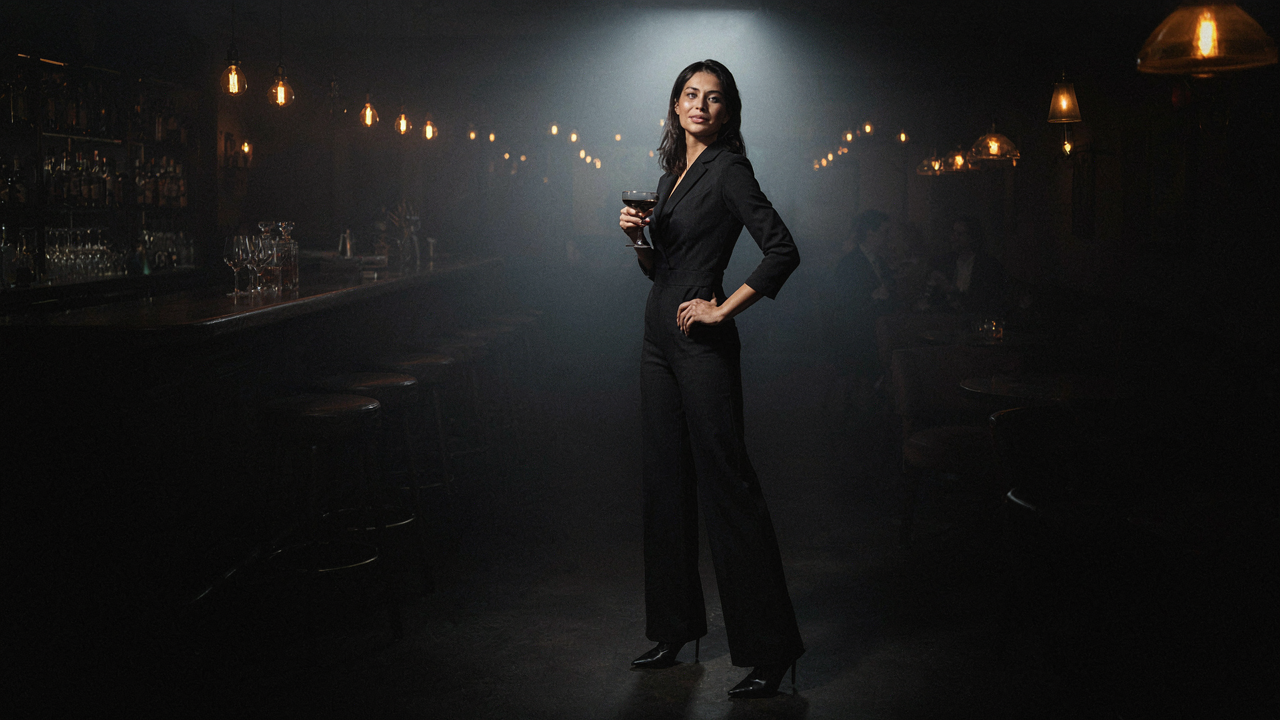
The Alpha Aesthetic: Command Attention In Your Formal Jumpsuit
Fit Dictates Authority
You want people to know you have control before you say a word. That’s what this is about. In architecture, load-bearing walls carry weight without breaking. Your jumpsuit’s fit is the load-bearing wall of your presence. Loose fabric reads as uncertainty. Tight fabric reads as insecurity. The mechanism is proportion: the garment must skim your actual body without clinging or drowning. Shoulders sit at your shoulder joint. The chest doesn’t pull. The waist defines without strangling. This precision signals someone who knows exactly what they want.
Most people get this backward. They think “well-fitted” means tight. It means responsive. A black formal jumpsuit works because it has nowhere to hide. Every inch of excess fabric becomes visible slack. Every gap becomes negative space that breaks your silhouette. Tailoring isn’t optional here. You need a tailor who understands that a jumpsuit isn’t a suit. The inseam hits the top of your shoe. The crotch doesn’t sit below your natural line. The back seam runs straight down your spine. Get this right and you move differently because your body knows it’s supported.
Materials That Project Control
Fabric choice separates people who understand formal wear from people who own it by accident. Wool gabardine dominated formal tailoring for a reason: it drapes with weight, resists wrinkles, and photographs as intentional. Silk blends add sheen without gloss. Pure polyester looks cheap. The material’s thread count and weave density determine how your body reads inside the garment. A tightly woven fabric holds shape and moves with economy. Loose weaves billow and diffuse your form. For a black formal jumpsuit, 100% wool or wool-blend construction keeps structure all night.
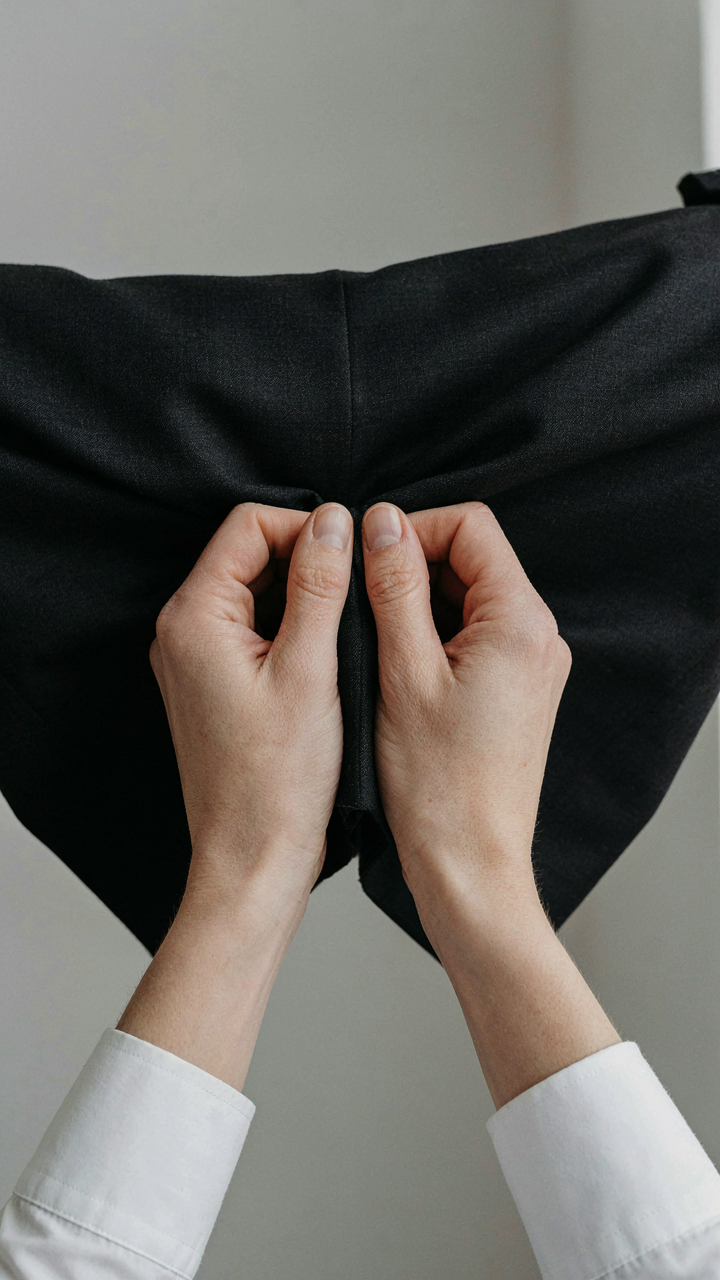
The real mechanism is density. Denser fabrics hold temperature better, resist movement-based wrinkles, and maintain their shape through a four-hour event. They also cost more because they demand skill in construction. A cheap jumpsuit uses thin fabric because it cuts production time. You wear it once and the fibers compress. A quality garment uses fabric substantial enough to recover after wear. Test this: pinch the material between your fingers. If it springs back immediately, it has recovery. If it stays creased, it’s not built for formal use. When you stand, sit, and gesture throughout an evening, your material either works or it doesn’t.
The “Un Basic” Black Jumpsuit Outfit Protocol
Accessories That Actually Signal Intent
You’re worried people will see the jumpsuit and think you didn’t try. That’s the real problem here. The mechanism is contrast: jewelry and accessories work in fashion like a price signal in economics. They tell people what category to place you in. Wrong accessories scream “costume.” Right ones say “intention.”
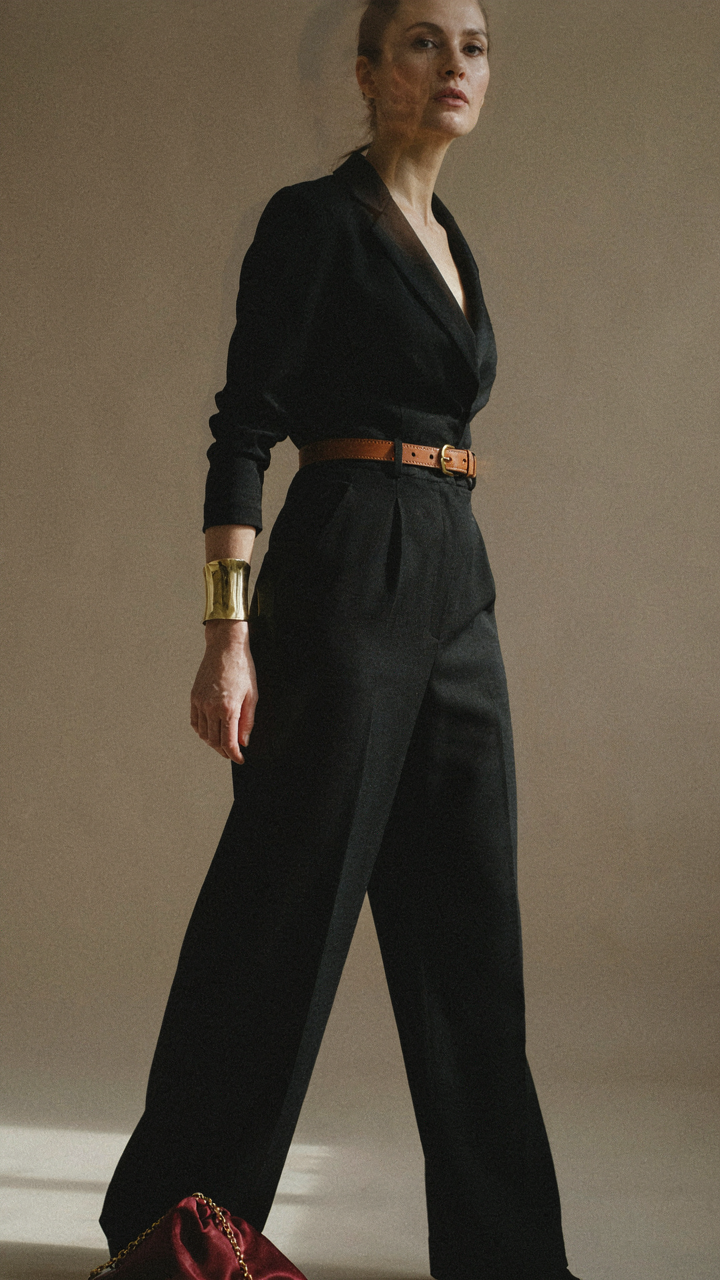
- Structured metal cuff or bangle: Geometric shapes in brass or steel signal editorial awareness. Avoid hollow costume jewelry. Weight and finish matter more than size.
- Minimal chain necklace: A thin gold or silver chain with intentional negative space works. Long enough to break the neckline without clutter. The chain itself should have definition in the links.
- Leather belt with deliberate hardware: A slim belt in cognac, black, or caramel cinches the waist and adds dimension. Hardware should feel substantial, not decorative.
- Statement clutch in contrasting material: Silk, suede, or structured leather in burgundy, emerald, or white creates visual weight without redundancy. The clutch should complement, not match.
- Elevated watch or wrist piece: A sleek watch, minimalist bracelet stack, or architectural ring speaks discipline. Quality finish and proportion matter more than brand visibility.

The jumpsuit already commands attention. Your accessories anchor that attention to sophistication, not novelty. Each piece should feel like a deliberate edit, not an afterthought grab from a drawer. Pick one focal accessory and build restraint around it.
Footwear That Owns The Room
Your shoes make the first and last impression. Someone watches you arrive, then watches you leave. This is biomechanics applied to presence: a person’s stance and gait shift based on what’s on their feet. Wrong shoes make you apologize with your body. Right ones make you land.
A heel between two and three inches anchors you to the ground without forcing you into posture you’ll resent by hour three. Pointed toe or round toe both work, but the shoe must feel stable. Stilettos on a jumpsuit read costume unless you wear them like you built the room. Flat shoes work too, but they flatten the entire silhouette unless they’re architectural in design—think structured loafers or sharp ballet flats with hardware detail. Patent leather, suede, or raw leather all register differently. Patent reads formal. Suede reads refined. Matte leather reads contemporary. Your shoe choice tells people whether you’re dressed up or dressed sharp, and those are not the same thing. Pick footwear you’ve already walked in twice so your body recognizes it.
Jumpsuit Dressy: The Subtle Art Of High Low Contrast
Strategic Layering Without The Bulk
You want to look intentional, not padded. The real fear isn’t that a jumpsuit reads casual—it’s that adding layers makes you look like you’re hiding something. The mechanism here is visual weight distribution, borrowed from architecture. In structural engineering, load-bearing happens at specific points, not everywhere. Apply this to your jumpsuit: layer strategically at shoulders, neckline, or hip zone only. Ignore the chest and torso. You create dimension without adding mass.

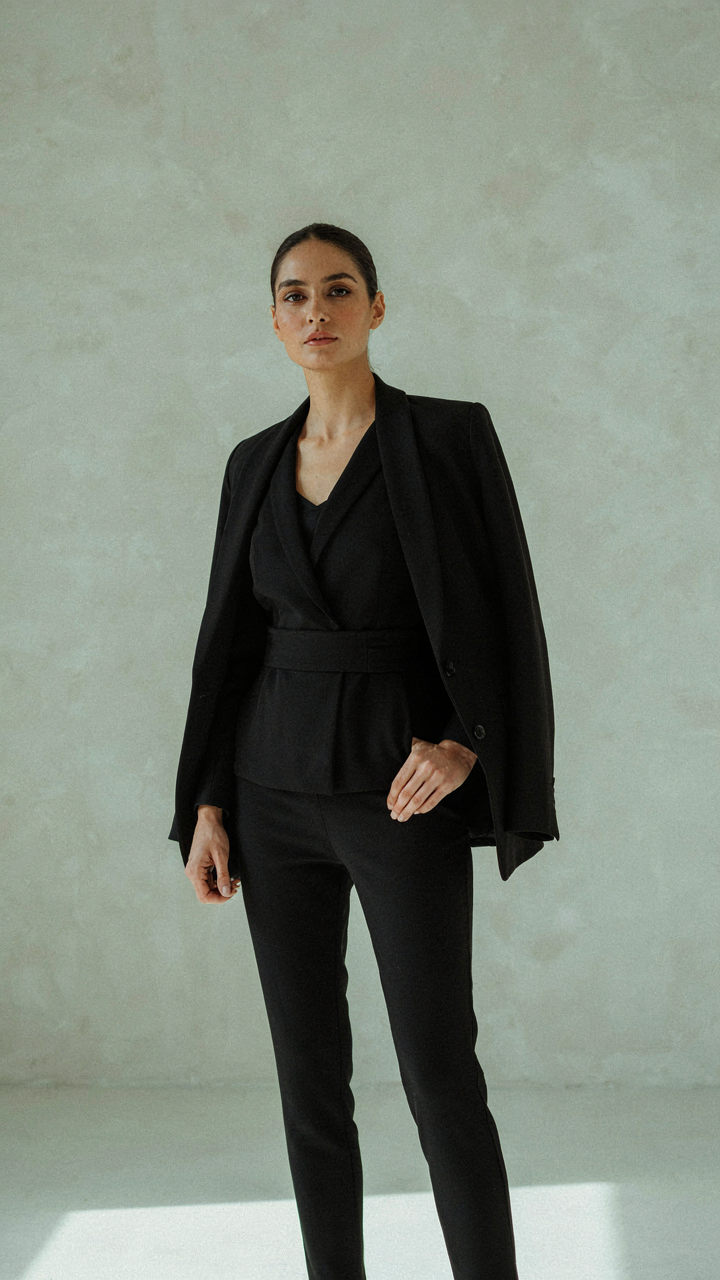
A silk camisole under an open neckline jumpsuit does this work. A structured blazer with a cinched waist over the suit adds line without volume. The point isn’t more fabric—it’s fabric placed to redirect the eye. Think of it like creating sight lines. When you layer everywhere, you flatten the silhouette. When you layer at pressure points, you add presence. Most advice says layer freely. That’s wrong. Constraint creates the impression of control, which reads expensive.
Texture Play That Actually Works
Mixing textures is real technique, not decoration. Velvet against silk creates visual depth because light hits each material differently—the eye registers contrast before it registers boredom. Leather against lace works the same way, but with a harder edge. The mechanism is simple: flat texture makes a jumpsuit look like pajamas. Contrasting textures make it look intentional. One sentence does the work: opposing textures signal that choices were made, not defaults accepted.
The application matters more than the concept. Pair a matte crepe jumpsuit with a glossy satin collar insert. Add a structured leather belt that breaks the body line. Slip a lace overlay or sheer panel at the collarbone. These aren’t additions—they’re interruptions in the visual field. Each texture change stops the eye and forces a reset, making the outfit read as considered. Place texture contrast at one high-visibility zone only. Mixing textures everywhere reads chaotic instead of curated. Pick shoulders, neckline, or waistband. Execute there with precision.
Evening Jumpsuit: The Psychology Of Color And Light
Why Deep Jewel Tones Matter More Than Black Alone
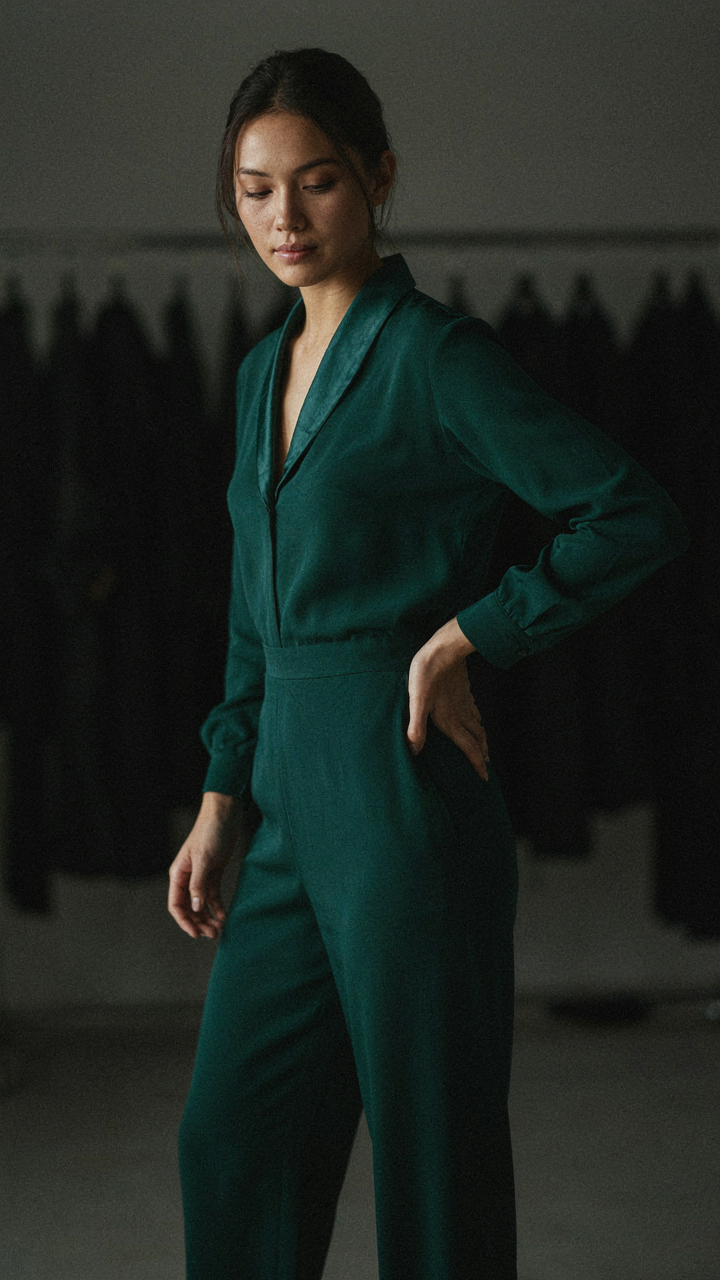
You’re afraid black isn’t enough to stand out. It’s not. Black reads as safe, which in a cocktail room full of safe choices means invisible. Psychology calls this the contrast principle: humans notice deviations from the baseline, not the baseline itself. A deep emerald, sapphire, or burgundy jumpsuit creates the same formal anchor as black but triggers actual attention because it breaks pattern recognition.

The mechanism is straightforward. Jewel tones sit in the dark spectrum like black does, so they maintain the formal weight and slimming properties. But they reflect light differently. Emerald absorbs certain wavelengths and bounces others back at specific angles. Your eye reads this as depth rather than flatness. A room full of black dresses and suits means your black jumpsuit competes for oxygen. A room of mostly black with one jewel tone means you’re the only movement people’s pupils actually track.
Shine Without Screaming
Reflective surfaces in physics operate on the law of specular reflection: light bounces off a surface at the same angle it hits. Most advice about “subtle shine” is garbage because it refuses to name the actual problem. Too much shine at a cocktail party reads as costume or insecurity masking itself as glamour. The goal isn’t to sparkle like a disco ball. It’s to control where light lands.
A jumpsuit with a silk charmeuse finish or crepe weave catches ambient light from a narrow range of angles. This creates the illusion of movement without broadcasting effort. Satin panels placed strategically along the side seam or collarbone reflect just enough to draw attention to your silhouette, not away from your face. The protocol: test your reflective surface in the actual lighting of the venue if possible. Fluorescent light behaves completely different from candlelight or a dimmed bar. One shine level flatters in one setting and fails in another. Your job is matching the reflection to the light source, not applying shine and hoping.
Jumpsuit Outfits: The Minimalist’s Manifesto
Build Around One Statement Piece
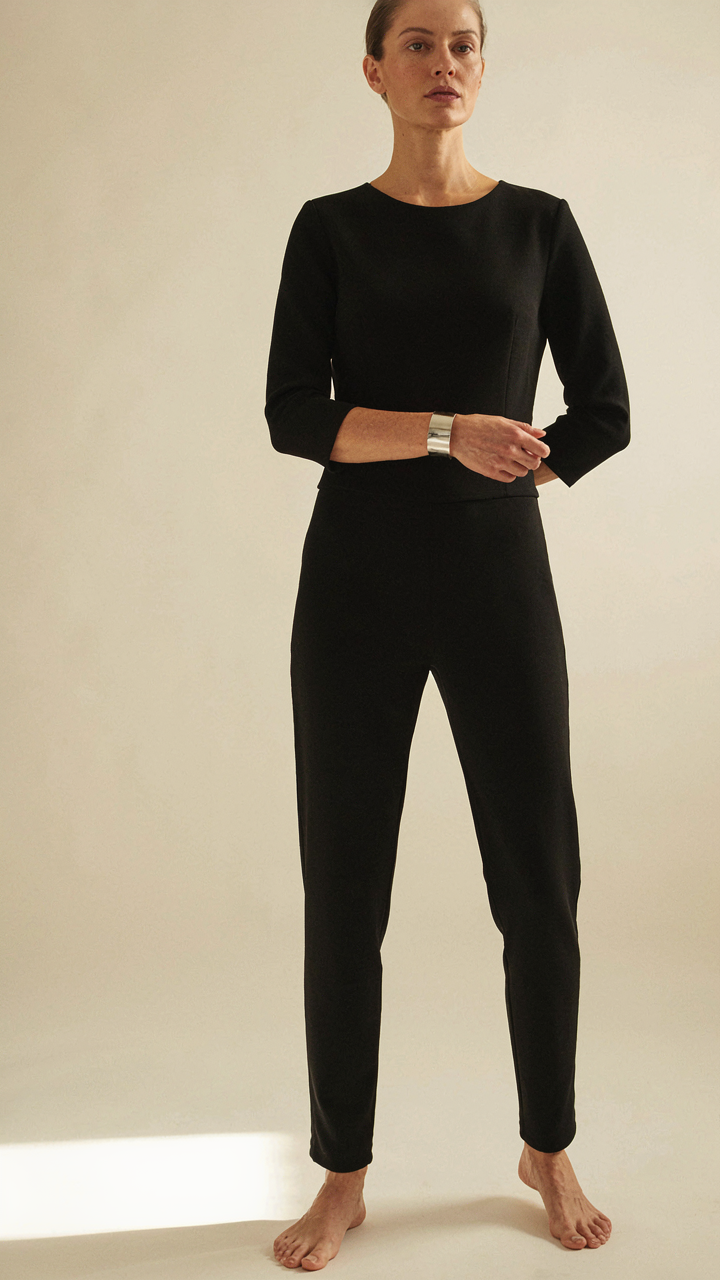
You want permission to stop overthinking. The mechanism is simple: a black jumpsuit cocktail party outfit works because it collapses decision-making. One garment eliminates the top-bottom coordination problem that trips up most people. You’re not building an outfit. You’re building a platform.

The jumpsuit functions like a monochromatic base layer in graphic design. It establishes visual weight, commands attention, and leaves room only for deliberate additions. This is why minimalism isn’t about having less—it’s about removing every choice that doesn’t serve the outfit’s core function: making you look intentional, not assembled.
Negative Space Between Layers
Common advice says pair your jumpsuit with everything—belts, jewelry, scarves, layers. That’s backward. Negative space isn’t emptiness. It’s restraint that makes what remains visible.
A black jumpsuit with nothing else reads as confidence. Add one deliberate element—a structured blazer, a single cuff bracelet, or a silk scarf at the neck—and that element becomes the story. The void around it is what makes it land. This is why minimalism scales: fewer objects demand higher intentionality from each one. When you add the fourth accessory, you’ve stopped editing and started decorating.
The Black Wedding Paradox: When To Break Convention
Reading The Room Before You Dress
You’re worried the jumpsuit signals you didn’t respect the event enough to wear a dress or traditional suit. Here’s the mechanism: dress codes function like communication protocols—they establish baseline expectations so hosts and guests can calibrate formality and attention. A black-tie wedding demands formal wear. A cocktail wedding demands elevated but flexible wear. The jumpsuit sits in that flexible zone, but only if you read the actual code, not the assumption.

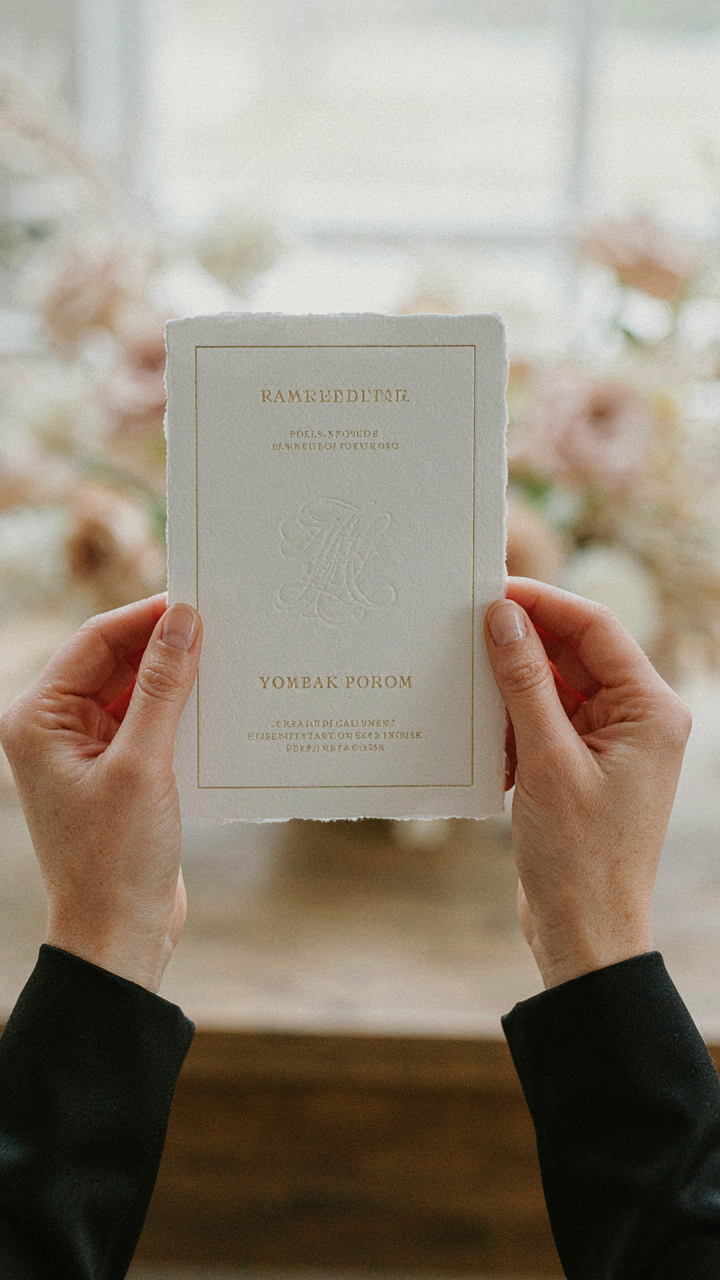
Most people miss the distinction between “black tie” and “cocktail attire” because they sound adjacent. They’re not. Black tie is prescriptive—tuxedo or gown. Cocktail attire is interpretive—tailored pieces that suggest sophistication without uniformity. The jumpsuit works in cocktail territory because it reads as one intentional garment rather than separates. Wedding invitations state the code explicitly. Read it first. If it says black tie, the jumpsuit fails the test. If it says cocktail, semi-formal, or creative black tie, you have room to move.
The Statement That Doesn’t Announce Itself
Most advice says make a bold statement. That’s incomplete. The real move is to make a statement that serves the event, not yourself. This is borrowed from military dress codes: a uniform communicates rank and role without requiring explanation. Your jumpsuit should do the same—signal polish and intention without demanding attention or apology.
The jumpsuit succeeds when it looks like you chose it because it was the most sophisticated option available, not because you wanted to be different. Fabric weight, fit precision, and accessory discipline create that read. A structured wool blend in a tailored cut with fitted sleeves reads intentional. A loose, unstructured fabric or oversized proportions reads costume. Pair it with classic jewelry—no statement pieces competing for attention. One earring style, simple necklace or none, structured bag. The goal is to be the person who made a deliberate choice, not the person who made a choice to be seen.
Jumpsuit Party: Effortless Style, Maximum Impact
Movement And Flow
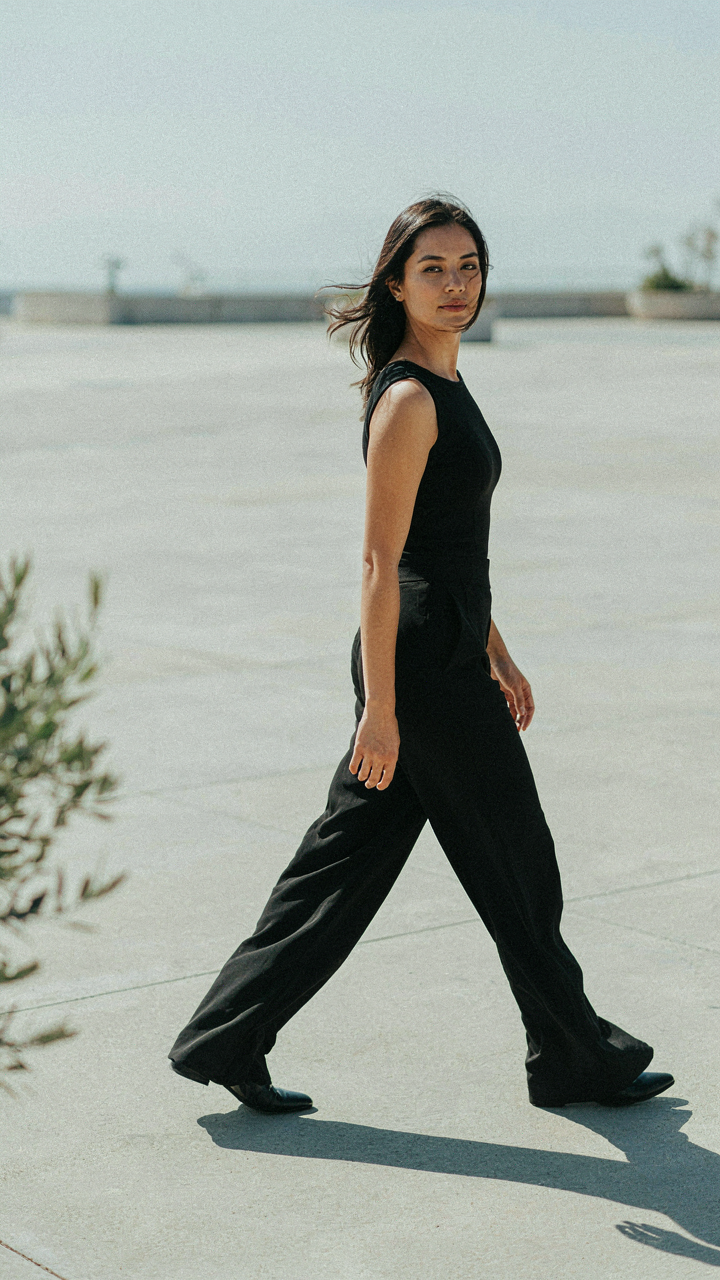
You want people to remember you moved through the room differently than everyone else. That’s the real reason you care about this section. In physics, momentum describes how an object’s mass and velocity determine its force. A black jumpsuit generates social momentum through cut and fabric weight that either amplifies or kills your movement.

Most advice says “just pick something that fits.” Wrong. Fit determines whether the garment moves with you or against you. Wide legs from knee down create pendulum motion that registers before you speak. Tapered cuts lock your stride into smaller, controlled steps. Cropped lengths expose ankle and leg, which accelerates visual pace. Choose the cut that matches how you actually move through space, not how models move on runways.
Comfort As Confidence
Restriction breeds hesitation, and hesitation shows. A jumpsuit that pulls at the shoulder or binds at the waist forces you into defensive posture. You’ll cross your arms, adjust constantly, avoid sitting down—all reads as uncertainty to a room.
The mechanism is simple: physical freedom eliminates the feedback loop that tells your nervous system something is wrong. Arm mobility for reaching and gesturing. Torso freedom for breathing and leaning. Thigh room for sitting without fabric tightness. Test these three points before committing to any black jumpsuit. Move through your actual party scenario in it first, seated and standing, before you wear it to an event.
Jumpsuit Elegant: The Unseen Details That Define Polish
Hair And Makeup Strategy
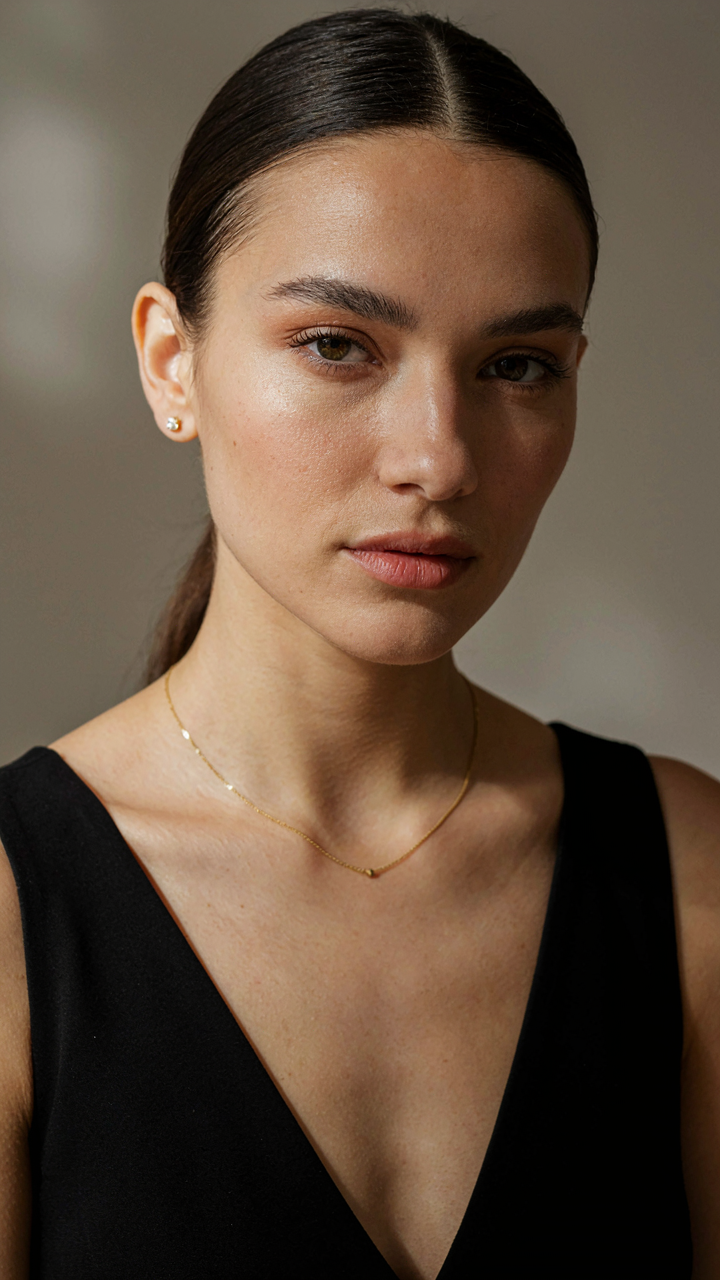
You’re worried people will see you before they see the jumpsuit. That’s backwards. The mechanism is contrast. In visual hierarchy, the eye lands on faces first, then traces downward. If your hair and makeup compete for attention with the cut and fabric of the jumpsuit, you’ve fragmented the outfit. You lose the coherence that reads as polish.
- Sleek low ponytail or bun: Removes visual noise from the face and neckline. Directs attention to shoulder seams and fabric drape. Works with formal or structured jumpsuits.
- Neutral or warm-toned makeup: Matches skin undertone without drama. Matte finish prevents light bounce that draws the eye upward. Bronze or warm brown eyeshadow anchors focus downward.
- Defined brows: Frames the face without demanding attention. Creates intentional structure that complements sharp jumpsuit lines. Essential when hair is pulled back.
- Minimal jewelry on the neck and ears: Chest and neckline matter in a jumpsuit. Bare skin or single statement piece works. Double or triple earrings fragment the upper half.
- Lip color that echoes shoe tone: Creates visual connection between top and bottom. Prevents the face from reading as separate. Burgundy, nude, or deep jewel tones work with black.

The goal is completion, not decoration. Every choice should feel like part of the jumpsuit, not an addition to it. When someone looks at you, the outfit reads as one object before they register individual pieces.
Final Grooming Standards
Grooming is where most people fail a black jumpsuit at a cocktail party. They ignore what fabric demands. Lint, wrinkles, and loose threads destroy authority faster than any styling choice can build it. Black shows every microscopic flaw.
Check the interior seams, armholes, and crotch seam for pilling or fraying three hours before the event. Lint roll in one direction only. Iron or steam the jumpsuit the day before and hang it overnight to set creases. Press the front placket and side seams specifically. At the venue, carry a small lint roller in your bag for touch ups. Your shoes should be polished and scuff free. Nails must be clean and filed, regardless of color choice.
The Real Problem Isn’t The Jumpsuit, It’s Your Fear Of Standing Out
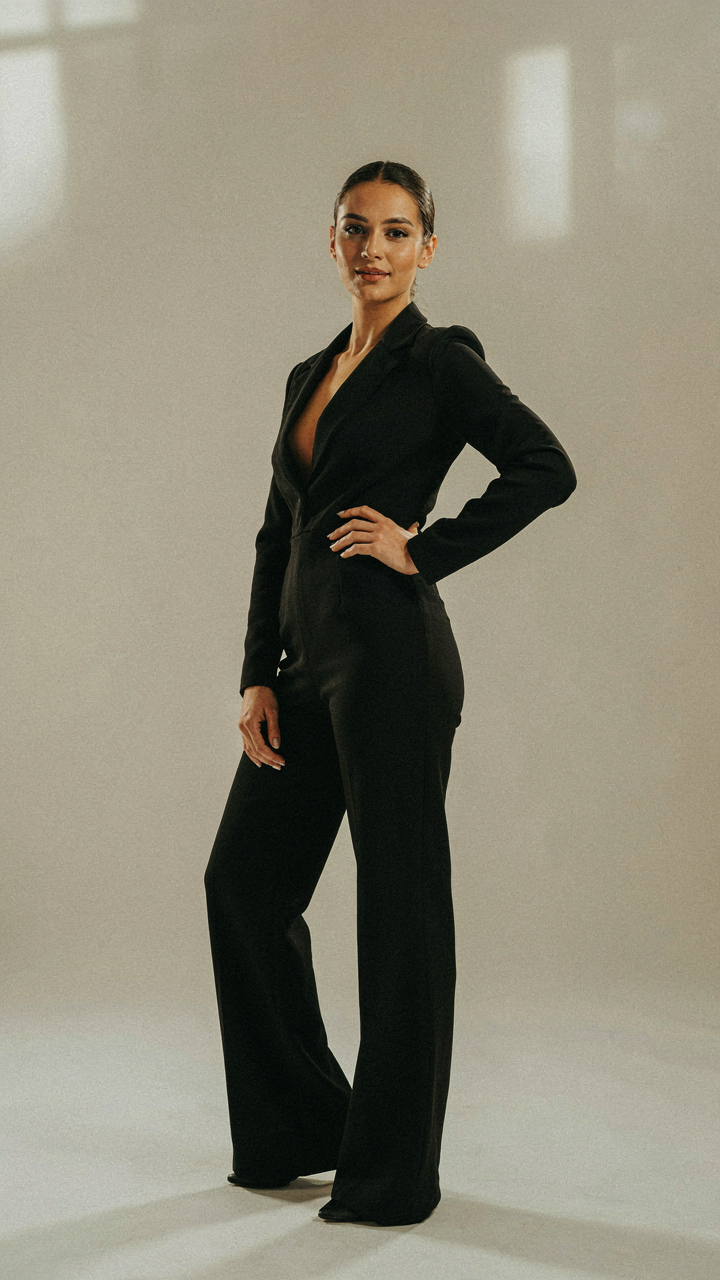
You’re not scrolling outfit ideas because you need fashion advice. You’re scrolling because you’re terrified of being the most interesting person in the room. The jumpsuit doesn’t solve that. It just forces you to stop hiding. Stop researching accessories and styling tips today. Pick the jumpsuit, wear it, and watch what happens when you stop apologizing for taking up space. Confidence isn’t attractive because of what you’re wearing. It’s attractive because you stopped pretending to be smaller than you are.




