


The Myth Of More: Why Less Is Your Strategic Advantage
Minimalism: A Power Move
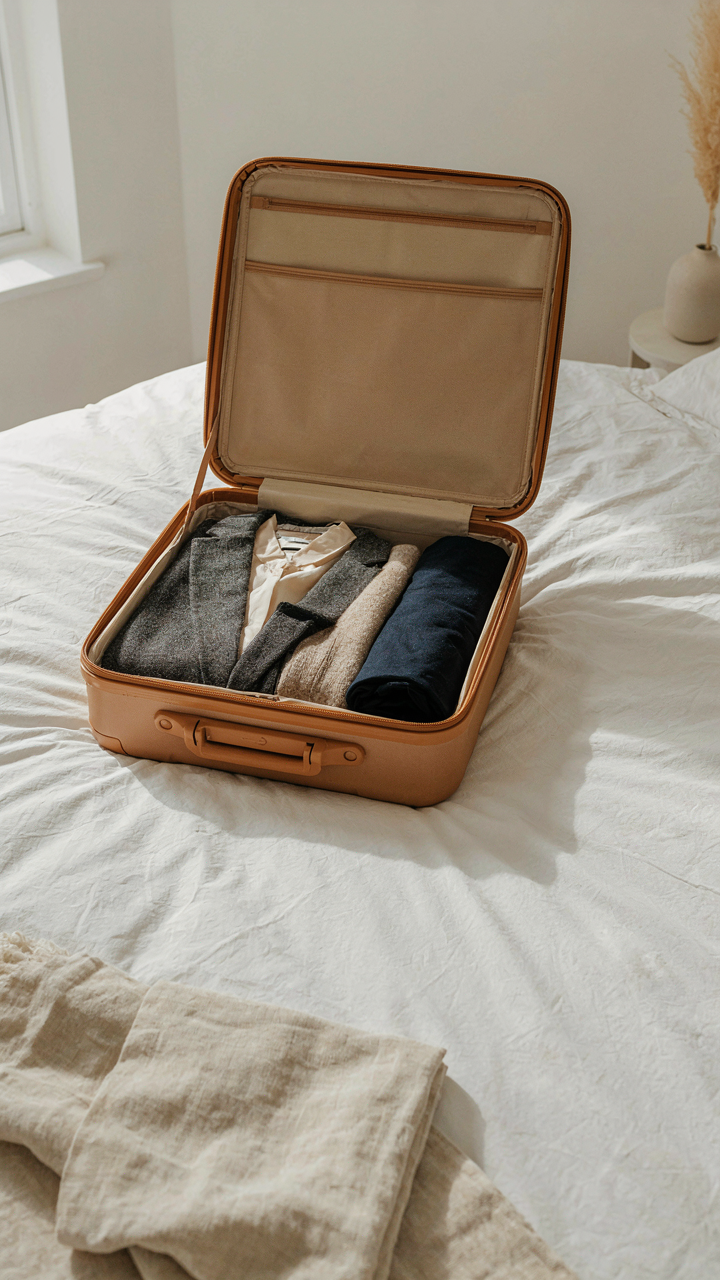
You think packing more gives you options. It doesn’t. It gives you decision fatigue and the silent anxiety of managing a suitcase that doesn’t fit in the overhead bin. The real mechanism here is constraint-based design from industrial engineering: remove options until each remaining item serves multiple purposes. On a cruise, this means your wardrobe becomes a system, not a collection.
Most cruise advice tells you to pack for every scenario. Wrong. You’re confined to a ship with laundry service, a defined dress code, and repeat interactions with the same people. Pack seven to ten core pieces maximum. Each item pairs with at least two others. A neutral blazer works over the casual dinner outfit and pairs with formal trousers. That’s your leverage: fewer decisions, more combinations, zero friction.
The Cost Of Excess Luggage
Cruise lines charge for checked baggage over the included allowance. Royal Caribbean allows one bag free; additional bags run thirty to fifty dollars each way. But the hidden cost is worse: you spend mental energy managing items you won’t wear, and you miss the actual mechanics of packing efficiently. Every item beyond your system is a tax on your trip.
The constraint forces clarity. When you can’t pack everything, you choose intentionally instead of reflexively. You pick fabrics that travel without wrinkles. You choose colors that coordinate. You leave behind the “just in case” pieces that create decision paralysis before dinner. This isn’t deprivation. It’s leverage. Bring less. Wear everything.
Decoding The Day At Sea: Beyond Swimsuits And Cover Ups
What You Actually Wear When Nobody’s Watching
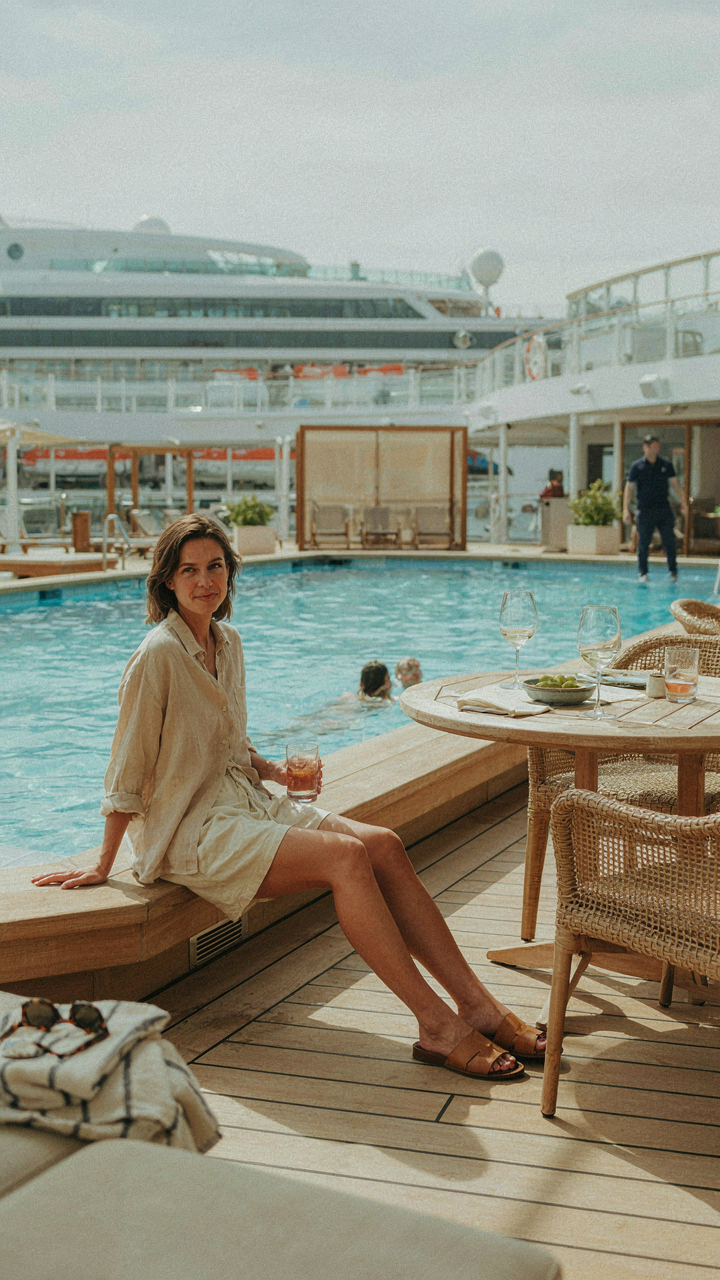
You’re worried people will notice you’re alone, so you think the outfit matters more than it does. The mechanism is simple: daytime cruise wear solves a logistics problem, not a social one. You need clothes that handle salt water, sun exposure, rapid temperature swings between deck and air conditioning, and minimal maintenance. Solo travelers often overthink the “appearing intentional” angle when the real constraint is functional versatility across unpredictable conditions.

Lightweight layers beat heavy pieces. A linen shirt, quick-dry shorts, and a breathable cover-up let you move between pool deck, casual dining, and indoor activities without changing. The goal is one outfit doing five jobs, not five outfits for one job. Pack clothes that dry fast and don’t wrinkle visibly because your cabin space is limited and your time is valuable.
The Actual Gap Between Casual And Formal
Most cruise advice says “just upgrade your day outfit for dinner,” which is incomplete nonsense. The real tension isn’t between casual and formal—it’s between the formality level your ship enforces and the physical reality of having one small cabin. You need a bridge piece that reads elevated without requiring full formal wear every night.
A structured linen blazer, tailored trousers in navy or black, and a simple top create a “smart casual to semi-formal” look with minimal luggage footprint. Pair this base with different accessories or a different top underneath to multiply outfit combinations. One formal dress or tailored jumpsuit handles designated formal nights. The mechanism: establish one intermediate outfit that covers most evening situations, then add one true formal piece for the nights the ship mandates it.
Formal Night Fallacy: Status Signaling Vs. Self Respect
The Uniform You Don’t Need Permission For
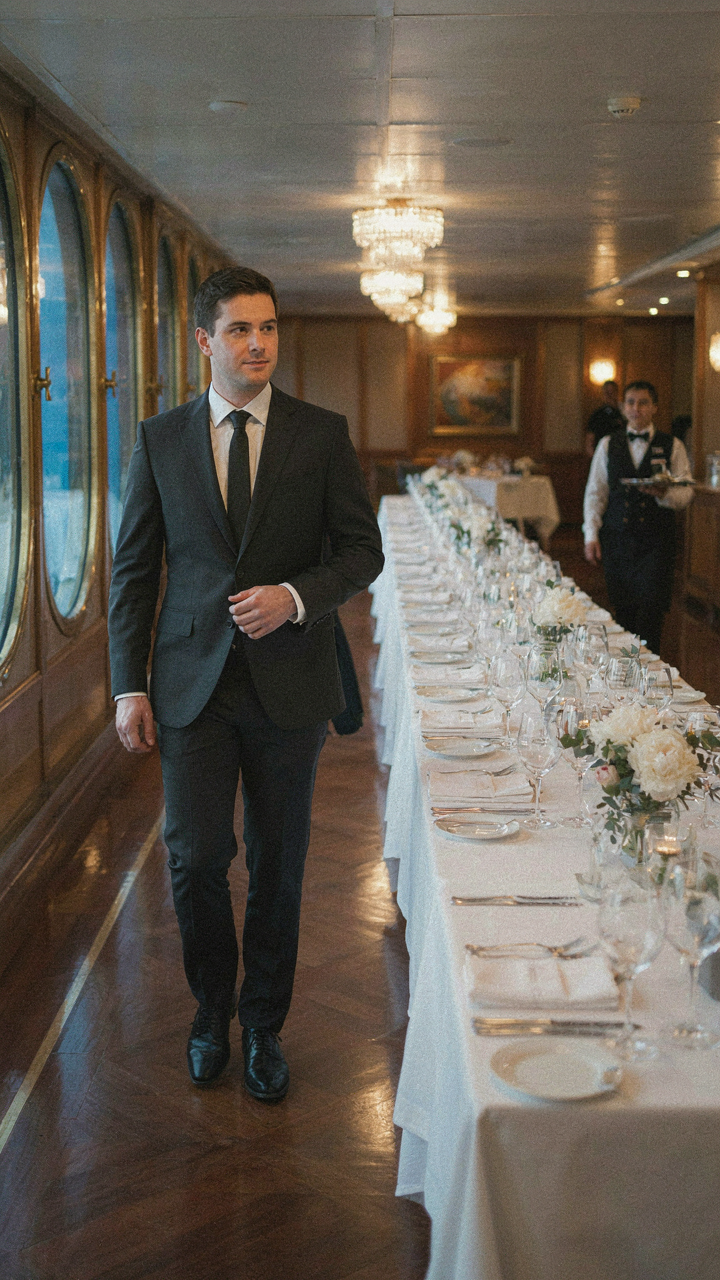
You’re worried people will judge you for getting it wrong. That’s the real problem here, not the dress code itself. Formal nights exist because cruise lines need structure and consistency across thousands of passengers. But the mechanism they exploit is your fear of standing out, which makes you overthink fabric, fit, and whether your shoes match your belt. None of that matters as much as you think.

The uniform philosophy applies here: a uniform removes decision friction by establishing a standard. Your formal night outfit should do the same thing. One dark suit jacket, one pair of dress trousers, one white shirt, one pair of black leather shoes. You wear this combination every formal night and stop calculating whether you’re adequate. The math is already done. You show up, fed, on time, dressed. That’s the entire requirement.
The Armor Hiding Actual Presence
Most cruise passengers mistake formality for performance. They buy new pieces, hunt for “elegant” options, treat the night like an audition instead of a dinner. This is backwards. The person who commands a room in formal wear isn’t the one who spent the most or owns the most expensive fabric. It’s the person who stopped thinking about themselves.
Sartorial insecurity reads immediately because it manifests as rigidity: stiff posture, constant fidgeting with your cuffs, checking your reflection in every polished surface. These behaviors signal to others that you’re uncomfortable in your own skin. Wear something that fits your actual body, that you’ve already worn successfully before, that doesn’t require your mental bandwidth to maintain. Then your presence can do the work instead of your outfit. The formal night becomes an opportunity to eat well and have conversations, not a performance review where you’re both the judge and the judged.
The Capsule Wardrobe: An Operative’s Approach To 2026 Cruise Outfits
Mission Critical Garment Selection
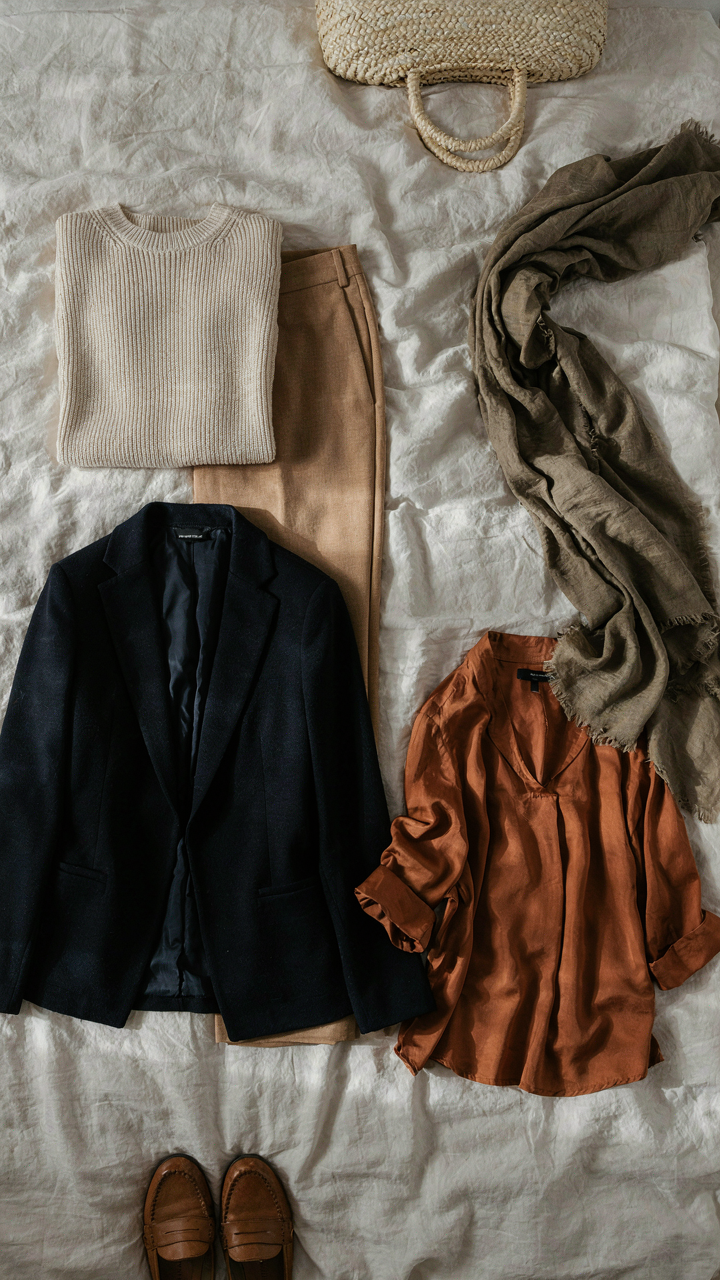
You’re worried about looking underdressed or repeating outfits in front of strangers, which means you’re treating packing like a status calculation instead of a logistics problem. The real mechanism is constraint-based design: limit your color palette to three neutrals, add two accent colors, then build every outfit from those five colors alone. This eliminates decision fatigue and guarantees visual cohesion across seven to ten days at sea.

A solo traveler needs garments that perform double duty without looking like they’re trying. Navy blazer works for formal night and casual dinner. Black dress pants layer under a linen shirt for day, then transition to evening with a different top. Neutral base layers—cream, gray, black—let you swap tops and bottoms without the outfit feeling repetitive. The mission succeeds when your cabin takes up minimal space and your daily choice takes under two minutes.
Versatility As Strategic Asset
Most cruise packing advice tells you to “mix and match,” which means nothing because it doesn’t explain which pieces actually interchange. Borrow from military logistics: each garment must serve minimum two operational contexts. A structured cotton shirt works tucked under a blazer for formal dinner, untucked over swimwear at lunch, worn open as a cover-up at port. One piece, three distinct deployments.
Build your selection around anchor pieces first: formal bottom, casual bottom, formal top, casual top, layering piece. Then add only items that connect to at least two anchors. A midi skirt pairs with your blazer and your casual shirt. A lightweight sweater works over formal wear and casual wear. Every addition you make must justify itself through redeployment—if it only works one way, it doesn’t belong in your bag.
The Behavioral Economics Of Dressing: Influence And Perception On Cruise Ship Outfits For Women
What Your Outfit Says Before You Speak
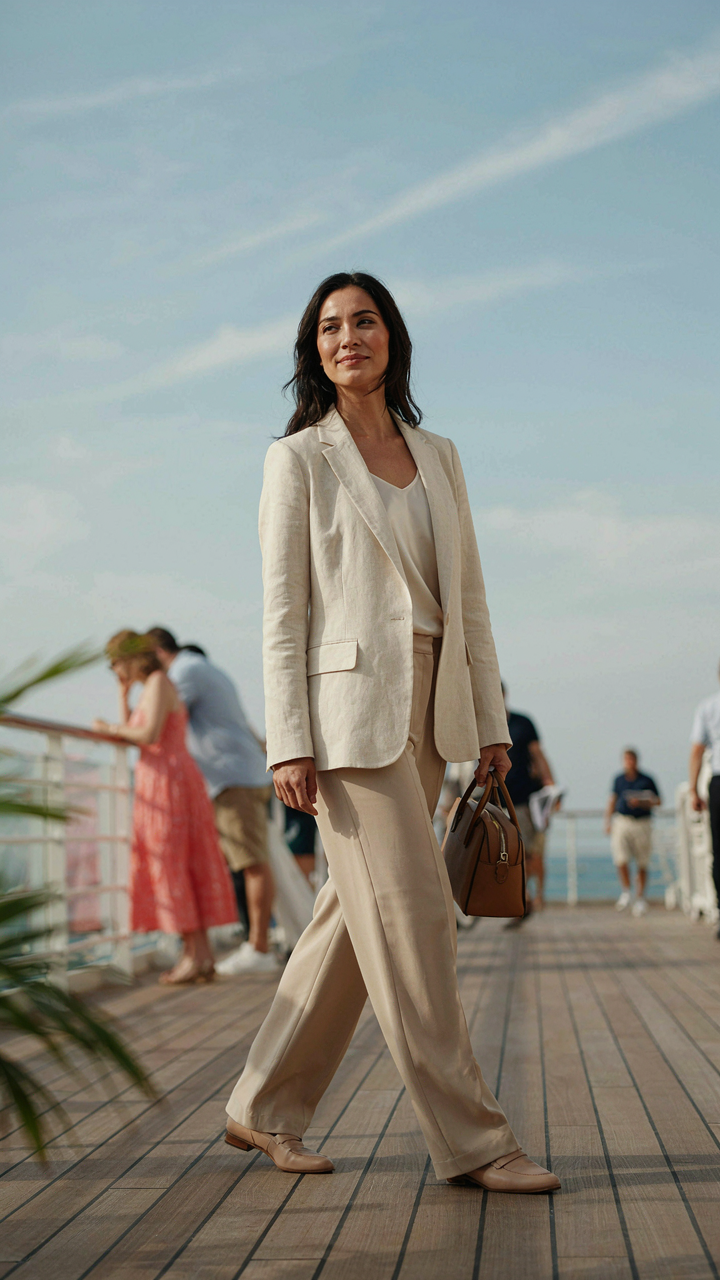
You care about this because you’re tired of being invisible or misread. Signaling theory from economics explains how clothing functions as non-verbal currency: it broadcasts identity, status, and intention without a single word exchanged. On a cruise, your outfit becomes the first data point other passengers and staff process about you. The formal night dress, the casual poolside choice, the dinner ensemble—each one signals competence, taste, or belonging to a specific social tier on the ship. Women solo cruisers face heightened scrutiny because observers unconsciously calculate whether you’re traveling alone by choice or circumstance, and your clothes either reinforce agency or invite assumptions of vulnerability.

The mechanism works because humans process visual information in milliseconds. Your outfit reaches someone’s brain before conversation does. When you dress intentionally for a formal night, you’re not trying to impress strangers—you’re anchoring your own internal narrative about why you deserve to be there alone. The consistency between your outfit, posture, and environment creates cognitive alignment in observers. Wear a structured dress with clean lines and minimal jewelry to a formal dinner, and the room processes you as someone with clear intentions. Wear wrinkled resort wear to the same event, and you signal indecision or discomfort with the environment, which invites lower-status treatment from service staff and other passengers.
Fewer Choices, Stronger Impact
The scarcity principle from behavioral economics states that limited options increase perceived value. Apply this to your cruise wardrobe: a solo cruiser benefits from curating a smaller, intentional rotation instead of overpacking. Constraint forces you to combine pieces strategically, which means each outfit carries more weight in how you’re perceived. Three dinner dresses worn across multiple nights with different accessories read as composed and deliberate. Seven mediocre options worn once each read as scattered and uncertain.
The real advantage of a curated wardrobe is psychological permission. When you own fewer pieces, each one must justify its place. This eliminates decision fatigue at night and prevents the common mistake of bringing “just in case” items that never align with your actual cruise rhythm. On a solo cruise, this clarity matters because every moment alone involves a small decision about how to show up. If your cabin holds twenty outfit permutations, you waste energy choosing. If it holds six coordinated combinations, you move faster and project confidence through consistency. Start with two formal dresses, three casual day outfits, and two evening pieces that mix and match. Everything else is dead weight.
Caribbean Cruise Outfits: Climate Control, Not Costume Party
Smart Fabrics For Tropical Efficiency
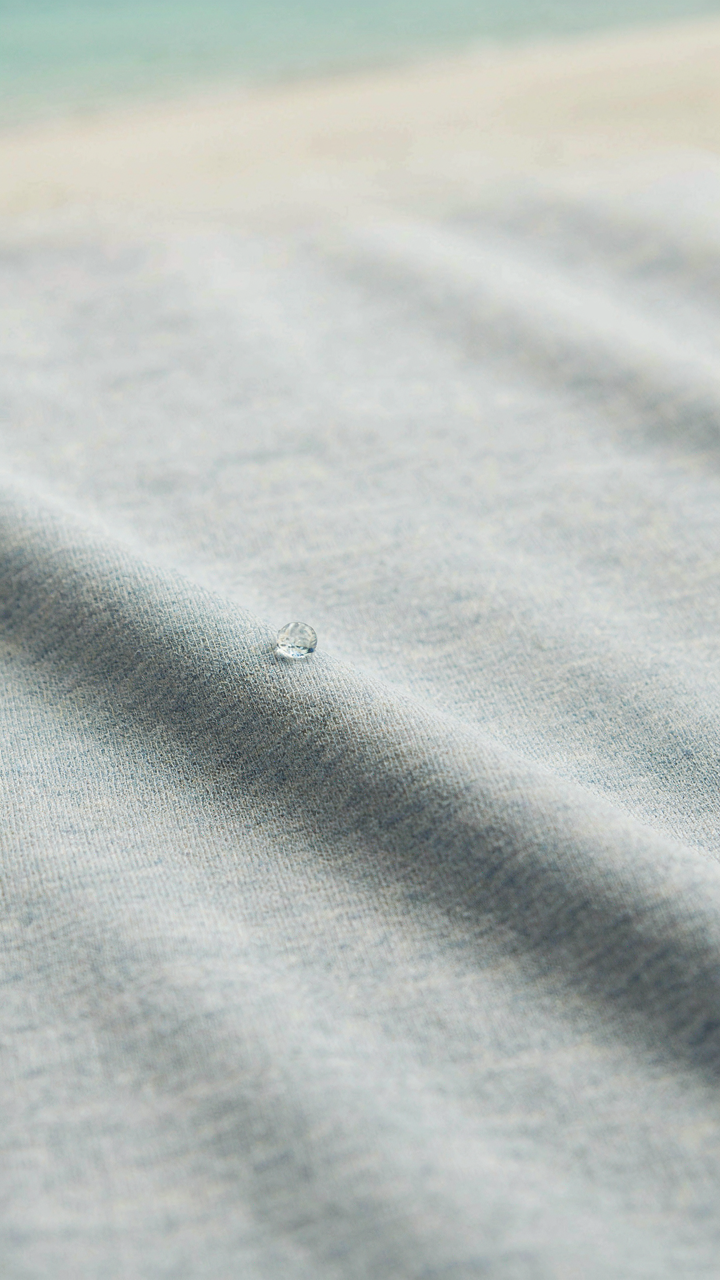
You want to look put-together without melting, which means you’re actually afraid of looking unprepared or uncomfortable in front of strangers. The real mechanism is moisture management, not fabric type alone. Synthetic blends engineered for rapid evaporation outperform natural fibers in sustained heat because they don’t absorb sweat the way cotton does. Merino wool performs better than expected in tropics but costs more and feels wrong to most cruisers psychologically. The winning play is performance synthetic or linen-synthetic blends that dry in under two hours and don’t require obsessive washing between wears.

Pick fabrics rated for moisture-wicking or quick-dry performance, not just “breathable.” A cotton-polyester blend with at least thirty percent polyester shifts sweat off skin faster than pure cotton, which holds moisture and breeds odor. Nylon performs even better than cotton blends for casual wear. Check garment tags for “quick-dry” or fabric weights under five ounces per square yard. The math is simple: lighter weight plus synthetic content equals clothes that function instead of just existing on your body for six hours straight.
Layering For Unexpected Conditions
Most cruise advice about layering treats it like outfit assembly instead of thermal regulation. The mechanism comes from physics: cruise ships maintain cabins around seventy degrees while deck and public spaces fluctuate wildly between full sun and aggressive air conditioning. You need pieces that transition between states without looking like you’re preparing for a ski trip. A lightweight long-sleeve shirt in the same synthetic blend as your base wear solves ninety percent of this. It blocks sun, cuts wind on upper decks, and peels off instantly when you move indoors.
Bring one structured layer that works over formal wear and casual outfits equally. A linen or linen-blend blazer in neutral tones functions across breakfast, dinner, and evening drinks without appearing overdressed or out of place. Cardigans telegraph “I’m layering” too loudly; structured jackets read as intentional. Pack this single piece instead of multiple sweaters. Keep it in your cabin and grab it when you leave for dinner or spend time in indoor venues where temperature swings are extreme.
The Solo Traveler’s Footwear Protocol: Function Over Fashion Folly
Shoes That Earn Their Cabin Space
You want shoes that say something about you without taking up half your luggage. Here’s what actually matters: footwear is load-bearing infrastructure, not self-expression. The mechanism is simple: every shoe you pack either works across multiple contexts or becomes dead weight. Solo cruisers have zero margin for single-use items. You need shoes that transition from deck to dining room to port without signaling that you overpacked.
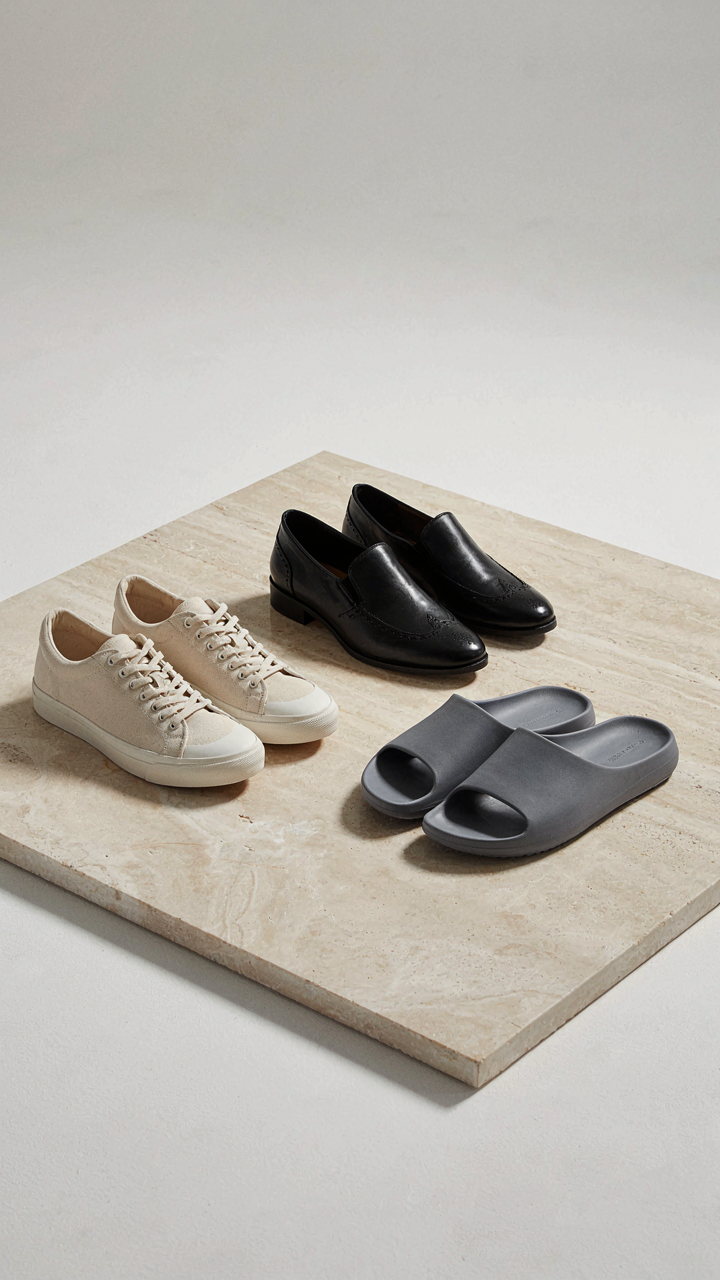
- Lightweight canvas sneakers: Breathable, pack flat, handle casual daytime wear and informal dinners. Neutral colors work on any deck without standing out.
- Slip-on dress shoes in black or metallic: Meet formal night codes without laces that tangle in luggage. Metallic options add visual interest on elegant evenings while staying compact.
- Reef sandals or athletic slides: Require minimal space, transition from pool to casual dinner, dry quickly after water activities. Non-marking soles prevent cabin damage.
- Merino wool socks: Odor-resistant fibers mean fewer pairs needed. One pair lasts multiple wears, cutting down on sock inventory dramatically.
- Deck shoes with rubber soles: Grip wet surfaces safely, meet cruise line requirements, work for port exploration and casual evenings simultaneously.

The rule isn’t how many shoes you bring. The rule is how many environments each shoe solves. A black canvas sneaker handles casual dinners. A metallic slip-on handles formal nights. Slides handle pools and quick cabin transitions. You’re done. Anything beyond this is ego masquerading as preparation.
Stop Treating Shoes Like Wardrobe Variety
Most cruise advice tells you to bring six pairs because cruise days feel longer than land days, so variety feels necessary. That’s backwards. Cruise days actually compress your social rotation. You see the same people repeatedly in the same spaces. Repetition matters less than rotation between contexts. A formal night shoe worn on Tuesday looks different under dining room light than it would under cabin lighting. Your brain recognizes the context shift, not the shoe fatigue.
The efficiency play is deliberate redundancy. Bring two pairs of the same sneaker model in different colors. One stays clean for formal transitions. One handles deck and port wear. This costs less luggage weight than bringing six different shoes, eliminates decision fatigue, and gives you backup if one pair gets soaked or damaged. Your laundry timeline becomes irrelevant. You never wait for shoes to dry before an event because you already have the backup pair ready.
Accessorizing With Intent: Amplifying, Not Distracting, Your Cruise Outfits For Women
Statement Pieces With Purpose
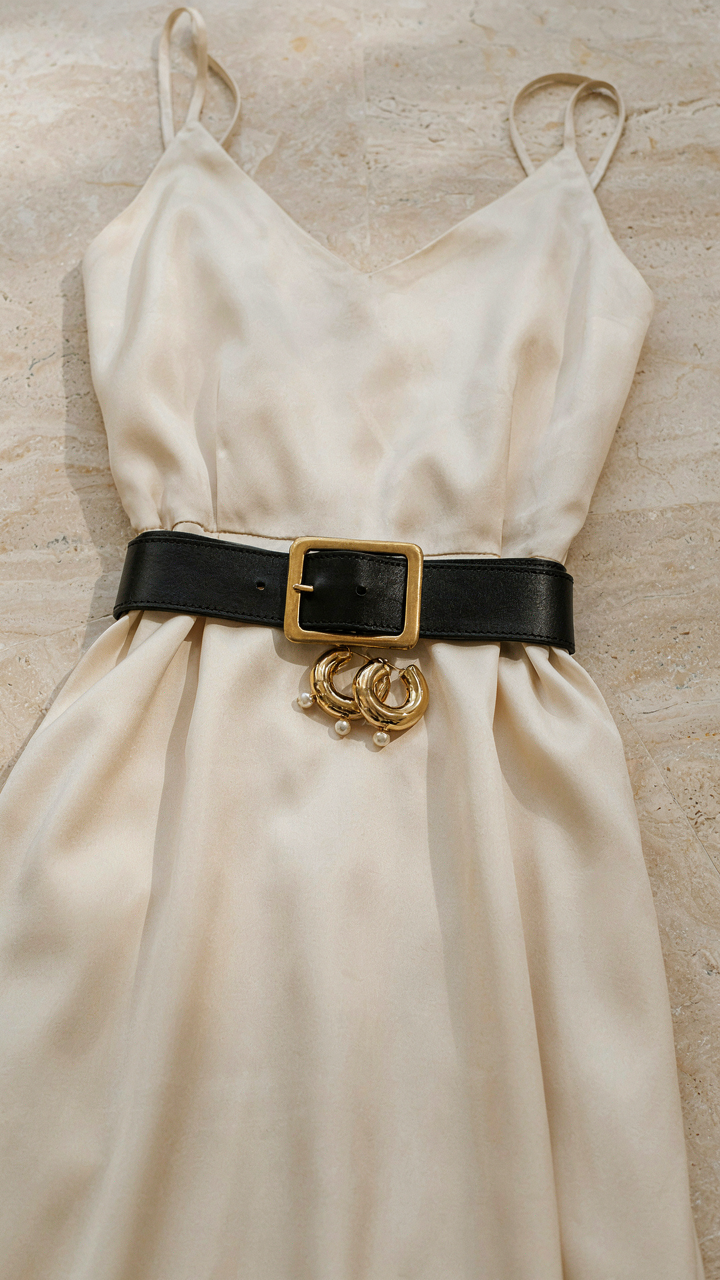
You want accessories to do the work so you don’t have to think about it. That’s the real reason this matters—not taste, but efficiency. A statement piece functions like a load-bearing wall in architecture: it carries the visual weight of the entire outfit, which means everything else gets to stay minimal and invisible.

The mistake most people make is treating accessories as decoration. They’re not. A structured belt on a formal night dress doesn’t add flair—it redefines the silhouette and signals intentionality. A single pair of statement earrings replaces the need for a necklace, bracelet, and ring. Choose one focal point per outfit, then remove everything competing for attention. This discipline is what separates cohesion from noise.
The Illusion Of Endless Options
Everyone tells you that cruising gives you freedom to pack less because you’ll repeat outfits. That’s only true if you weaponize constraint. Without deliberate limits, you’ll actually pack more, swap pieces constantly, and still feel like nothing works together. The real mechanism is scarcity: fewer accessories force better decisions.
A curated accessory collection for solo cruising means 3 to 4 belts, 2 pairs of statement earrings, 1 structured bag, and 1 clutch that works with both casual and formal. This isn’t minimalism for its own sake—it’s the only way to guarantee that every piece you pack amplifies something already in your suitcase. Before you board, lay out your planned outfits and verify that each accessory appears in at least two different combinations.
Port Day Attire: Seamless Transitions For Cruise Port Outfits

From Ship To Shore: Practical Elegance
You want to look composed stepping off the gangway because you’re alone and there’s no crew to make you feel less visible. The real mechanism is thermal and contextual layering. You’re moving between climate-controlled ship interiors, open deck exposure, and port-side heat or cold. Most cruise advice ignores this. You need pieces that work as standalone garments or combine without bulk. A linen button-up worn open over a fitted tank functions as both sun protection and an outfit upgrade. Structured fabrics that don’t wrinkle after being compressed in a day bag matter more than material choice. Test your pieces before the cruise: can you wear them three different ways in one day without looking repetitive.

The transition outfit solves the gap between “leaving ship” and “arriving at activity.” Wear what you’d wear to the pool with a shirt layered over it. Swap the casual footwear for walking shoes at the gangway. Bring a compact crossbody bag instead of a backpack so your silhouette reads as intentional rather than tourist-hauling-gear. Port days demand clothes that telegraph you’re going somewhere specific, not just wandering. This distinction changes how people treat you and how you move through space.
Cultural Respect In Your Wardrobe Choices
Cruise ports put you in other people’s spaces within hours. Showing up in resort wear to a religious or conservative destination signals you didn’t consider where you are. This isn’t moral preening, it’s practical. You move through ports faster and encounter fewer friction points when you dress with basic awareness of local norms. Research your port stops before boarding. Identify whether shoulders, knees, or hair coverage matter. Pack one versatile overlay piece that works everywhere: a lightweight scarf, a button-up shirt, or a structured cardigan. These convert any outfit from exposed to appropriate in seconds.
The specific mechanism is attention reduction. Conservative dress in conservative areas makes you invisible in the right way. You become a respectful visitor rather than a subject of irritation or exploitation. For ports in the Mediterranean, Caribbean, or Southeast Asia, this distinction compounds. Wear what locals would wear for a casual day out, not what you’d wear to a resort pool. This approach also protects your clothing and gear from unwanted attention. Arrive at each port with one outfit already planned that respects the local baseline, and build alternatives from there.
The Soloist’s Wardrobe Audit: Eliminating The Unnecessary For Cruise 2026 Outfits
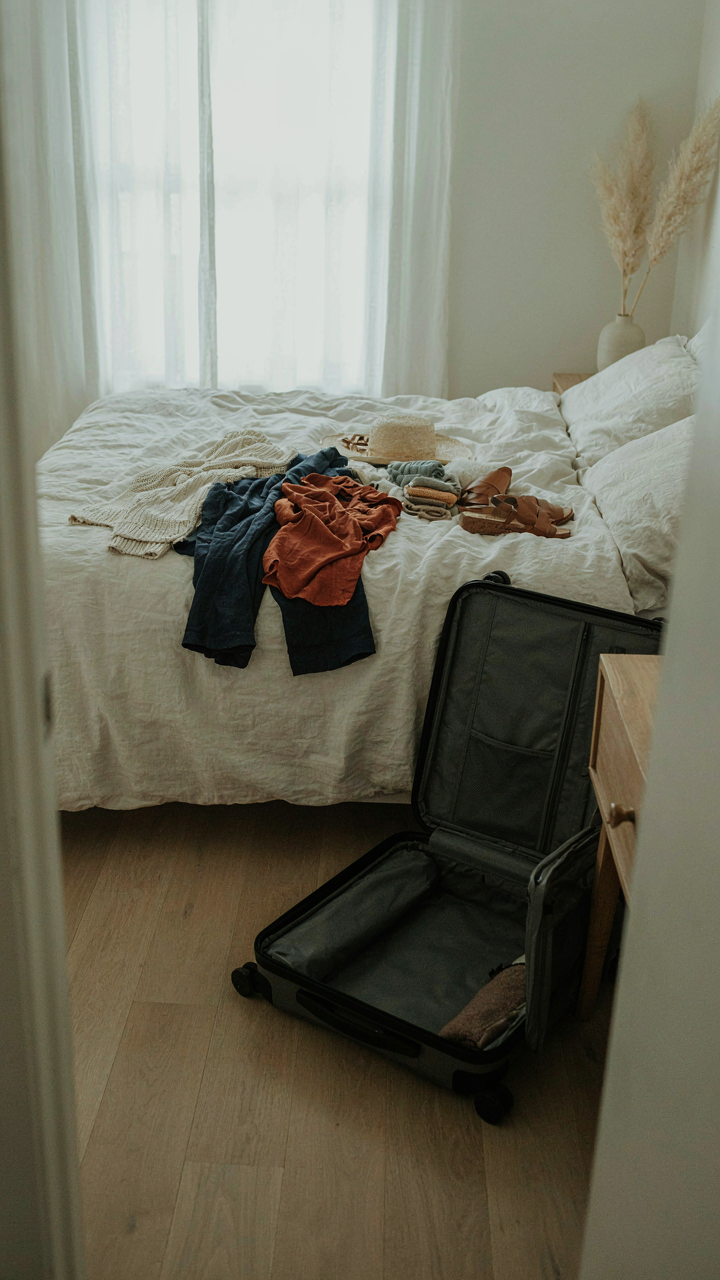
Stop Packing Items You Won’t Actually Wear
You’re afraid of looking underdressed, so you overpack to cover every imaginary scenario that won’t happen. That’s the real mechanism at work. Most solo cruisers bring pieces they’d wear at home but never on a ship, where the context is tighter and the social pressure is lower than you think. A formal night isn’t a gala. A sea day isn’t an office. The gap between your worst-case outfit anxiety and what you actually need is where dead weight lives in your luggage.
Cut anything that requires special conditions to work. If a top only looks right with one specific bottom, leave it behind. If shoes hurt after two hours, they stay home. If you’ve worn something fewer than five times in a year, it doesn’t belong on a cruise. Solo travelers have zero margin for “maybe” items because you’re managing everything yourself, and laundry access on most ships happens weekly. Ruthless cull first, then build from what remains.
Invest In Pieces That Stack Without Thinking
Formal wear on cruises doesn’t require diversity. It requires repetition with variation. Buy one quality black blazer that fits your shoulders properly and works over both dresses and pants. One pair of tailored trousers in black or navy. One quality white button-down shirt. These three pieces form the skeleton of every formal night you’ll attend, and they cost less than five cheap alternatives combined. The math of versatility favors consolidation, not collection.
The real payoff comes from selecting base pieces that genuinely transition between contexts. A structured linen shirt works at dinner and during sea days. Quality knit pants move from casual to semi-formal with a single top swap. Dark wash jeans in a clean cut function everywhere except formal dining. Buy pieces in neutral tones, natural fabrics that breathe, and cuts that fit your actual body without alteration. Pick one color family per trip and build outward.
The Only Cruise Outfit That Matters Is Your Self-Possession
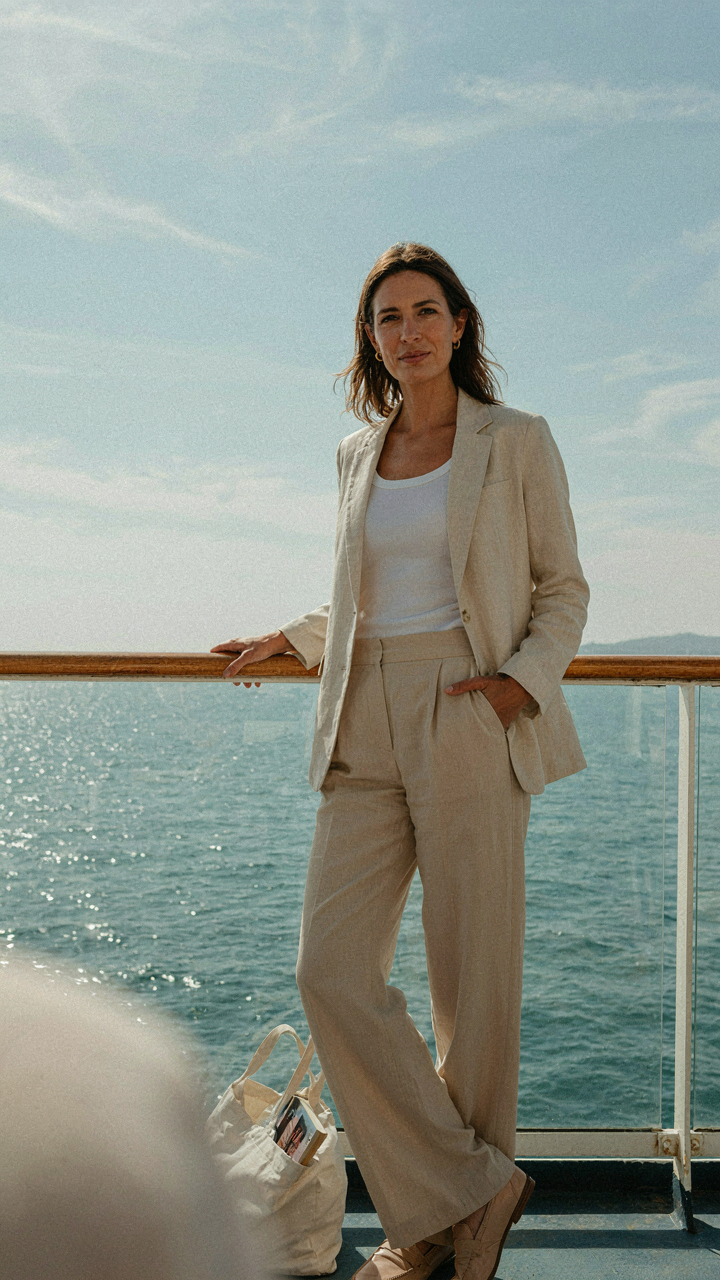
Most people pack five outfits and worry about six. You don’t need more clothes. You need conviction. The outfit nobody notices is the one you second-guess. Pick your pieces, commit to them, then stop thinking. Open your closet right now and remove anything that makes you hesitate. You’re going on a cruise to enjoy yourself, not to apologize for what you’re wearing. Confidence isn’t something you pack. It’s something you refuse to leave behind.