

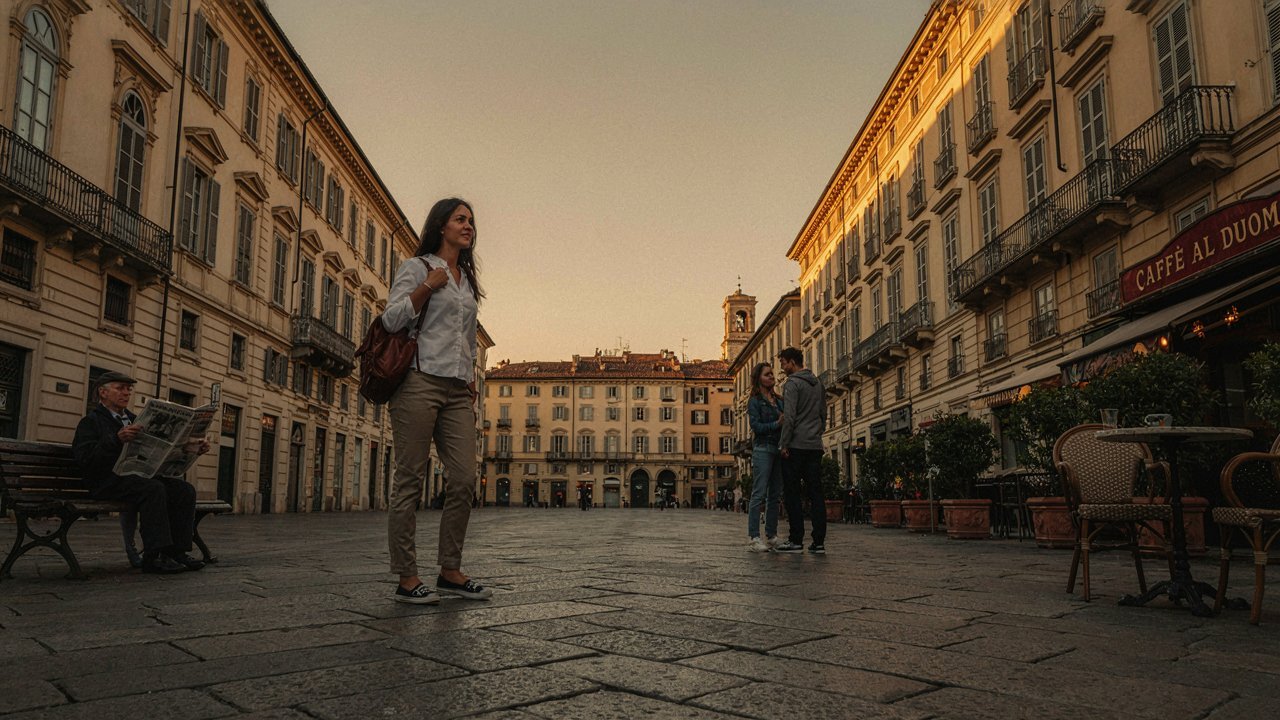
The Illusion Of Versatility: Why Multi Use Is A Myth
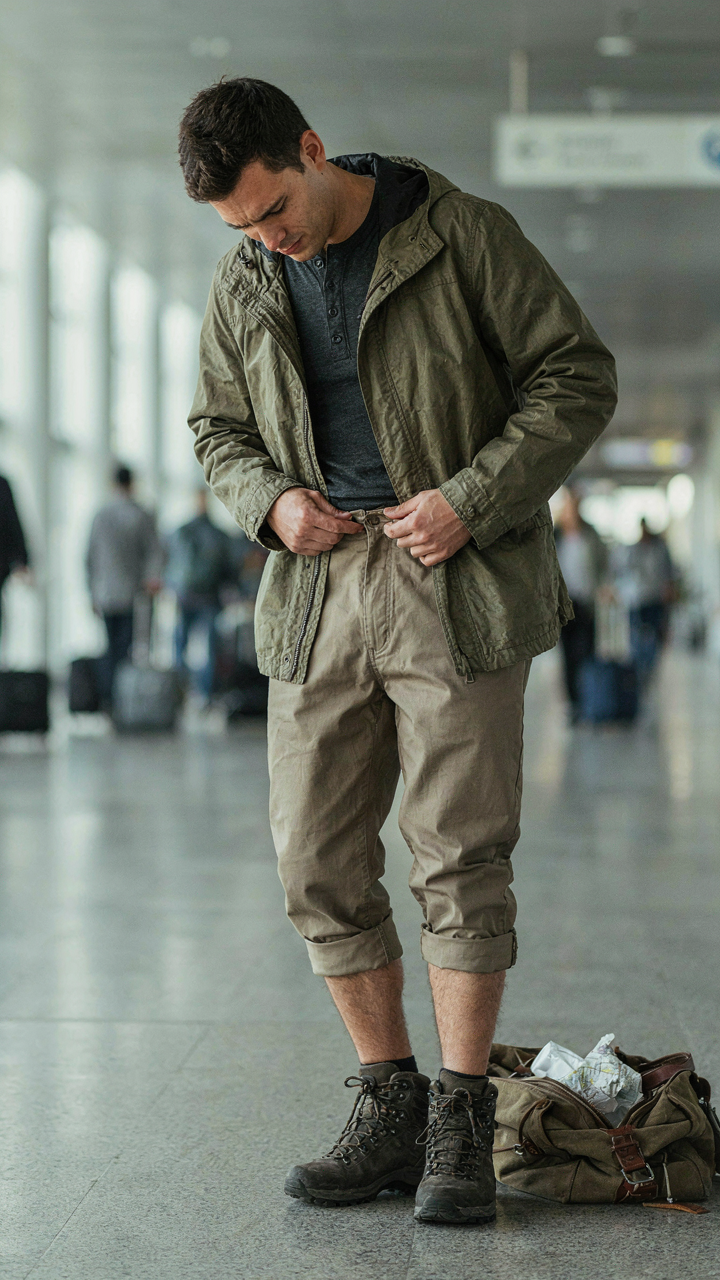
Single Purpose Items Often Outperform Versatile Compromises
You want one shirt that does everything because you’re terrified of wasting luggage space and admitting you need more than a carry on. That fear kills your actual comfort. Economics calls this the “principle of comparative advantage”—an item optimized for one function beats a generalist at that function. A linen shirt designed for heat beats a merino wool shirt trying to be warm and breathable. Pick one job per garment.
The “versatile” piece market exists because brands sell anxiety, not solutions. A convertible pant with zip off legs doesn’t shed heat like shorts do. A layering base that claims to work solo and under jackets fits loosely in both contexts. Compromise fabric weight, cut, and finish cost you real performance. Solo travelers need items that excel at their single task, not items that apologize for existing.
The Hidden Costs Of Convertible Travel Clothing
Convertible pieces demand higher-grade materials to bridge their two functions, which means you pay more upfront for mediocre execution in both modes. A travel shirt with hidden pockets and moisture-wicking backing costs 40 percent more than a dedicated shirt because it tries to do two jobs poorly. You’re paying a complexity tax.
The second cost is decision fatigue in the field. A reversible jacket forces you to choose which side faces out, which color signals what mood, which aesthetic fits your day. That’s friction you don’t need when you’re navigating a new city solo. Buy a rain shell that does one thing: blocks water. Buy a sweater that does one thing: holds heat. Fewer pieces that excel beat more pieces that compromise.
The “Invisible” Wardrobe: Blending In Without Disappearing

Visibility Is A Liability
You want to blend in because you’re afraid. Not of missing out on attention, but of being a target. That’s the real mechanism: predators, scammers, and thieves scan crowds for visual signals of wealth, naivety, or detachment. Standing out announces that you’re unfamiliar with local norms, which makes you predictable and exploitable. The goal isn’t invisibility for vanity. It’s invisibility for safety.

Tourist clothing reads like a neon sign. Bright logos, camera straps worn visibly, color combinations that clash with what locals wear, pristine gear that hasn’t seen sun or sweat. You don’t need to disappear entirely. You need to stop broadcasting that you’re carrying cash, expensive electronics, or a passport from a country known for wealth. Fit the visual baseline of the place you’re in, and you’re no longer interesting to people looking for easy targets.
The Neutral Palette Strategy
Adopt the principle of visual noise reduction from minimalist design, applied to how locals perceive you. A neutral palette means grays, blacks, whites, navy, and earth tones. These colors dominate most cities worldwide because they’re practical and they don’t trigger attention. When you wear black or gray, you create a visual baseline that matches urban environments. Your clothes recede. You become part of the infrastructure.
Classic cuts work the same way. Straight-leg jeans, simple t-shirts, unstructured jackets, plain sneakers or leather shoes. Nothing oversized, nothing fitted to highlight your frame, nothing with visible branding or graphics. These silhouettes are universal because they work across decades and cultures. The mechanism is conformity through subtraction: when you remove distinctive features, you stop being memorable. That’s the entire point. Buy neutral basics in quality fabrics that last, then rotate them across every trip. Your wardrobe becomes a system, not a statement.
The Anti Capsule: Building For Redundancy, Not Scarcity
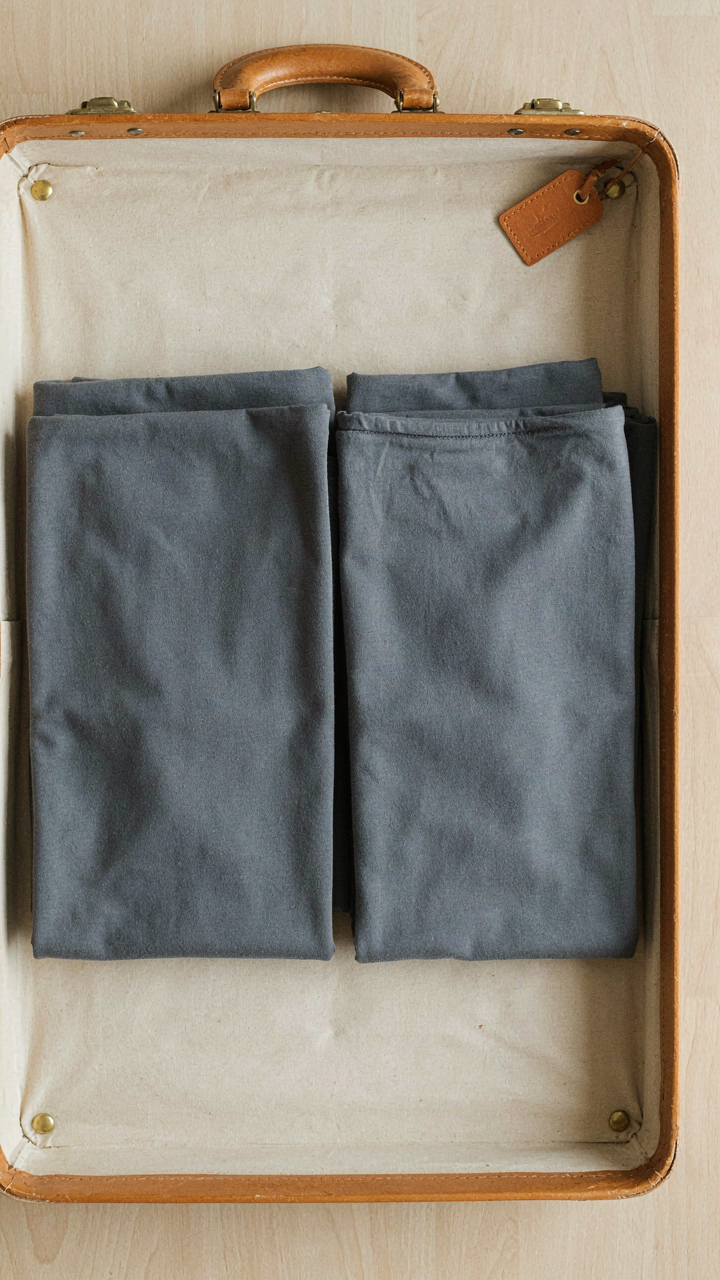
One Of Everything Is A Gamble You Lose
You want to feel in control by owning less, but that’s status anxiety dressed up as minimalism. The real mechanism comes from systems engineering: redundancy is what keeps critical systems functioning when one component fails. Solo travel demands the same logic. One shirt means one failure point. Laundry delays, spills, sweat buildup in humidity, fabric wear from constant packing and unpacking. You don’t need fewer items. You need backup.

The capsule wardrobe myth treats travel like a controlled environment. It isn’t. You face unpredictable climates, unexpected social situations, and the physical reality that your clothes degrade faster on the road than at home. A single pair of pants worn daily for three weeks deteriorates faster than the same pants worn twice weekly over three months. Add hand washing in questionable water, sun exposure, and friction from backpack straps. Your math breaks. Build redundancy into core pieces instead of hoping one item survives the entire trip.
Strategic Duplication Creates Operational Freedom
The advantage isn’t psychological. It’s mechanical. Having two of your core pieces eliminates the decision tax. You wear one while the other dries, recovers its shape, or gets cleaned. This matters because decision fatigue is real, and every morning you waste mental energy on “can I wear this again” is energy not spent on navigation, connection, or actual work. Two pairs of versatile pants means one is always ready while the other rests or cleans.
The second layer of strategy is rotation speed. With duplication, you extend the interval between necessary laundry from three days to six or seven. This reduces your dependency on finding laundry services in unfamiliar places, dealing with inconsistent water quality, and losing hours to the wash-dry cycle. You gain mobility. You skip entire towns or regions without logistical friction. Intentional duplication of foundation pieces transforms laundry from a blocker into a non-issue, which means you control your schedule instead of your wardrobe controlling it.
Comfortable Airport Outfit: The Pre Flight Tactical Gear Assessment
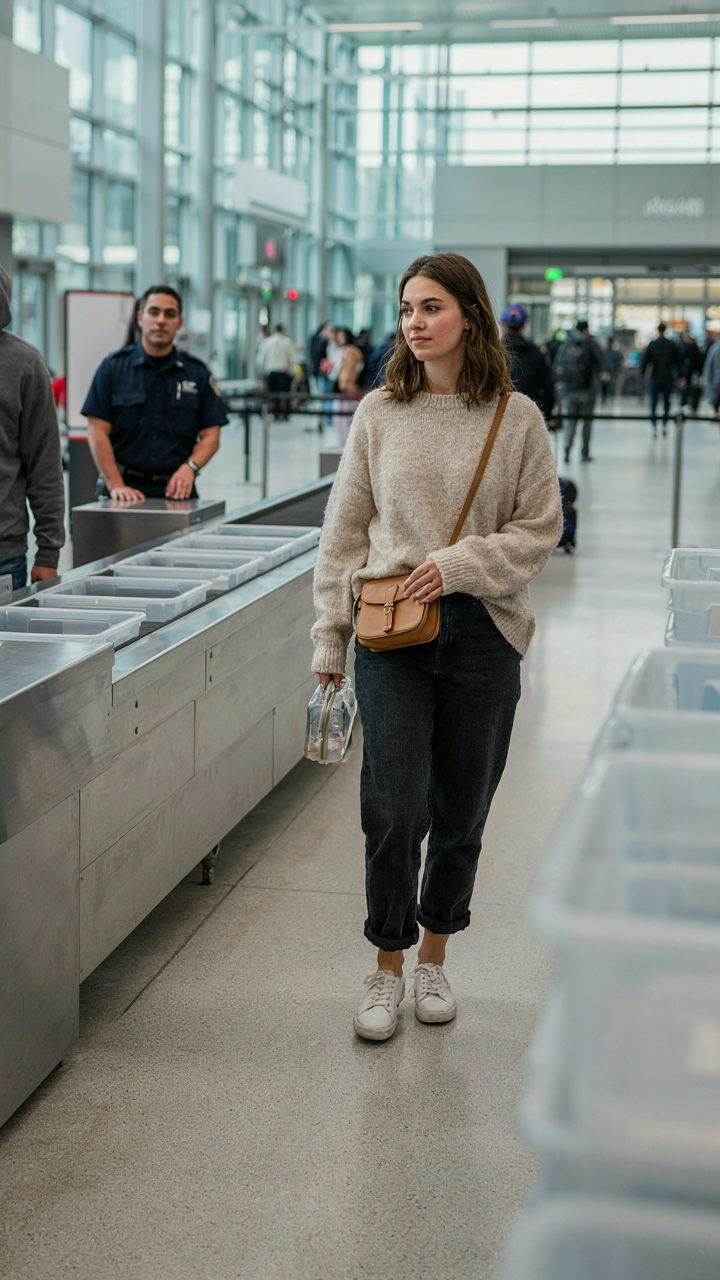
Function Over Appearance On Travel Day
You want to look like you have your life together at the airport. That’s the real reason you’re reading this. Here’s the mechanism: comfort and function create the visual appearance of control better than any outfit designed purely for optics. Airports are friction machines. Every minute spent adjusting clothing, digging through pockets, or managing tight waistbands is a minute you’re not thinking clearly. Loose-fitting pants, breathable layers, and shoes that don’t require unlacing set the physical baseline for moving through security, long gates, and connections without deteriorating.

The common advice says wear your “travel outfit” like it’s a category. Wrong. Your airport outfit should be whatever removes decisions from your body’s demands between home and destination. This means elastic waistbands aren’t weakness, they’re logistics. Moisture-wicking fabrics aren’t luxury, they’re operating specifications. Cotton t-shirts and structured jackets don’t work for eight-hour airport days because temperature swings destroy focus and your nerves spend energy managing discomfort instead of navigation.
Removing Friction At Every Transit Point
Security lines operate on the physics of constraint and release: minimize the energy cost of repeated tasks, and you preserve mental clarity for what comes next. Your outfit either multiplies that friction or eliminates it. Avoid belts with complex buckles. Avoid jeans with heavy rivets that slow the undressing process. Avoid layered tops that require peeling off multiple items in a crowded checkpoint. One structured outer layer, one base layer, one pant works. Your shoes determine whether you spend thirty seconds or ninety at the TSA scanner. Slip-ons exist because lacing and unlacing in front of strangers is a friction point nobody names.
The real test is this: can you move from your seat to a bathroom to a gate to a plane without adjusting, tucking, or wrestling your clothes? If the answer is no, the outfit fails the airport test. Carry-on dimensions matter less than how your body moves through space without obstruction. Worn cargo pants beat tailored trousers. Merino wool beats cotton for temperature regulation across temperature-controlled terminals and uncontrolled aircraft. Your airport outfit doesn’t need to photograph well, it needs to let you function like your clothes don’t exist.
The Female Travel Imperative: Security Through Subtraction
Wearing Less Signals Less Target
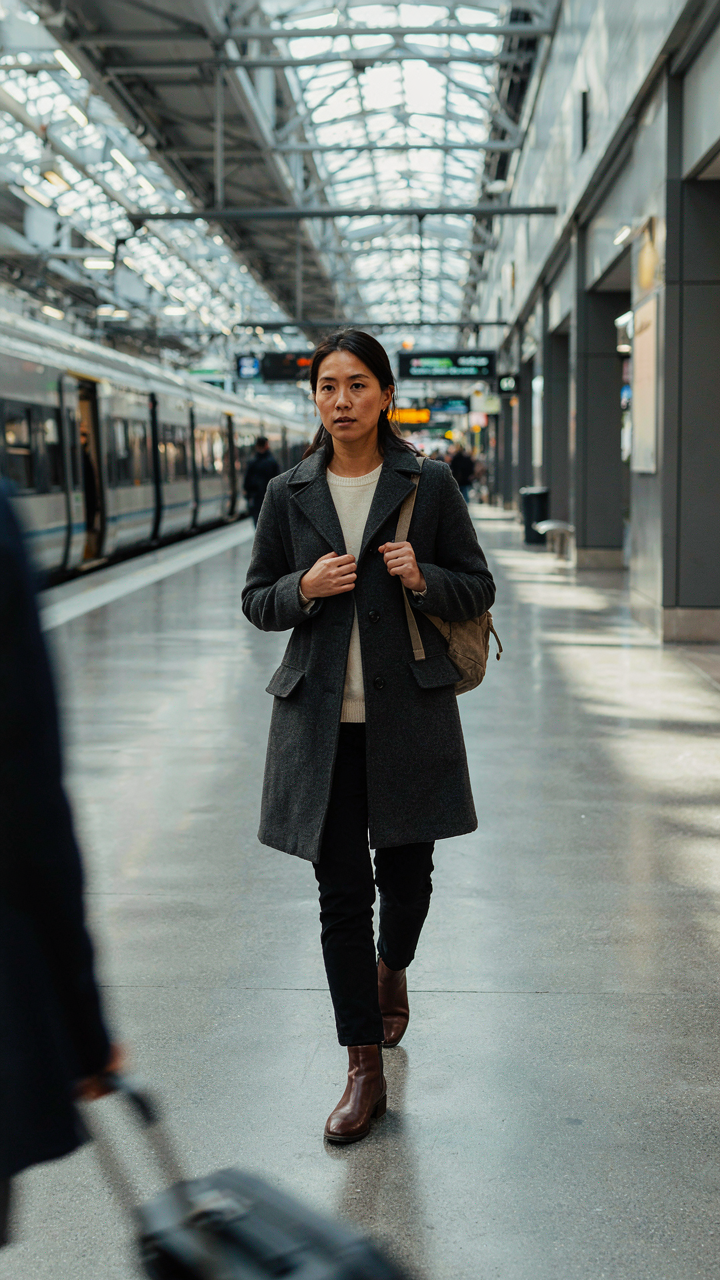
You’re reading this because you’re afraid of standing out, and you’re right to be. The mechanism is simple: visibility attracts attention, and attention attracts risk. Minimalism in travel clothing operates on the same principle as military camouflage—not invisibility, but the elimination of signals that mark you as foreign, wealthy, or unaware. You’re not trying to disappear. You’re trying to stop broadcasting.

The common advice here is garbage. People tell you to “blend in” or “dress like locals,” which is vague enough to be useless and often creates the opposite effect—a woman in ill-fitting local dress reads as tourist trying too hard. The real move is simpler: wear fewer pieces, fewer colors, fewer details. Each item you add increases the number of variables that can mark you as an outsider. A five-piece outfit with statement jewelry, a branded bag, and bright colors creates a profile. Three neutral pieces don’t.
The Weight Of Attention
An unburdened presence isn’t spiritual—it’s tactical. When you carry less, you move differently. Your posture shifts. Your gait accelerates slightly. You don’t adjust straps or check pockets constantly. These micro-behaviors are what people actually notice, not your outfit itself. Someone carrying a massive backpack and rifling through a crossbody bag reads as tourist. Someone with a small backpack and one bag reads as someone who knows where she’s going.
The protocol is mechanical. Choose a single bag under 20 liters that closes completely. Wear one pair of shoes suitable for walking eight hours. Pack one set of bottoms, two tops, one layer. Repeat the same outfit twice if necessary. When you stop treating your appearance as something to manage and start treating it as something you’ve already decided, your body language reflects that certainty, and certainty is what actually keeps you safe.
The Day Trip Outfit: Micro Missions And Their Specific Kit
Optimizing For Short Term Impact
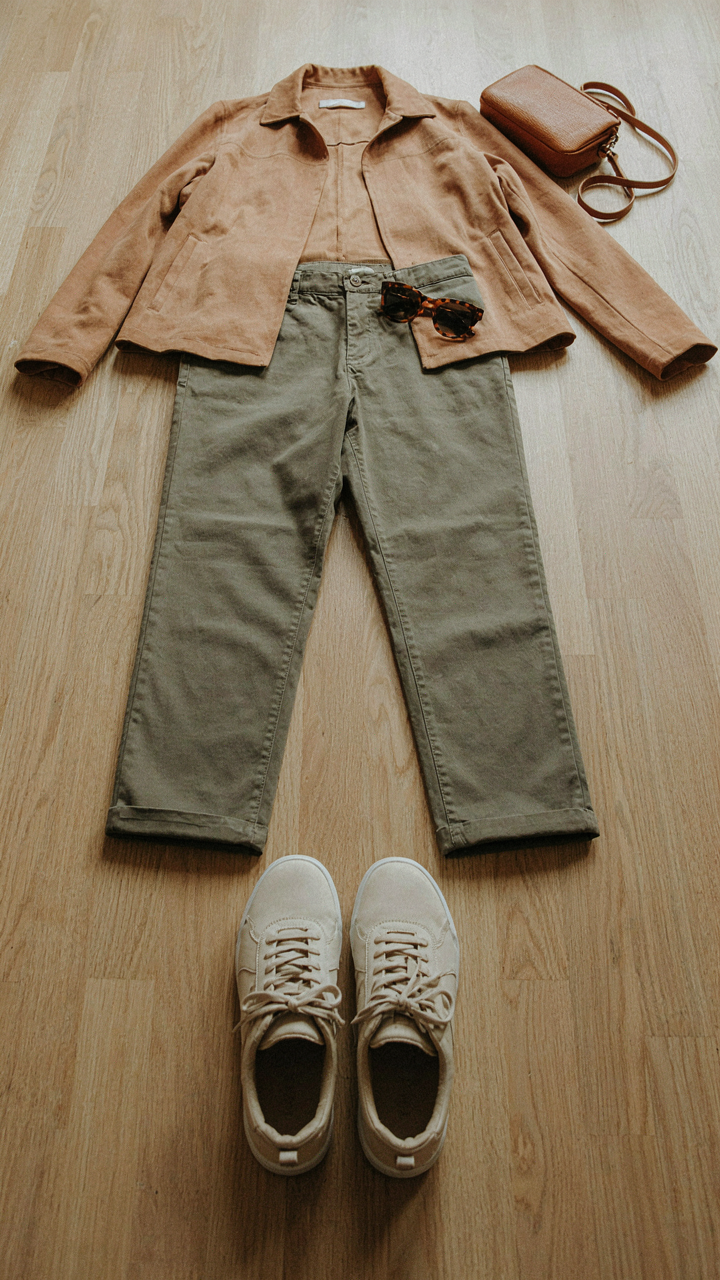
You want to feel capable without overthinking it. The real mechanism here is constraint: you’re borrowing from military load planning, where soldiers optimize gear for specific mission duration rather than versatility. A day trip isn’t a proving ground for your entire wardrobe. It’s a focused operation with a defined objective and endpoint.
The mistake most travelers make is treating day trips like compressed versions of their full trip. You don’t need your “travel uniform.” You need clothes that solve the actual problem: walking, temperature changes, and one meal out. Pick one top layer you can remove, pants or shorts that move, shoes already broken in. Nothing new, nothing you’re testing.
Avoiding Scope Creep Through Deliberate Choices
Scope creep kills efficiency because you keep adding “what if” layers instead of committing to the mission. Your outfit should make decisions for you, not present options. When you specify your day trip outfit before you leave the hotel or rental, you eliminate the mental tax of choosing in real time. You move faster. You stay focused on actually being somewhere instead of managing your appearance.
The protocol: pick your outfit the night before and lay it out. Don’t second guess it in the morning. Wear what handles the specific weather and activity level you researched. Leave everything else behind. This removes the paralyzing freedom that kills momentum in solo travel. Your clothes become a tool for execution, not a statement to refine.
Travel Outfits For Women: The Adaptability Algorithm
Feedback Loops In Real Time
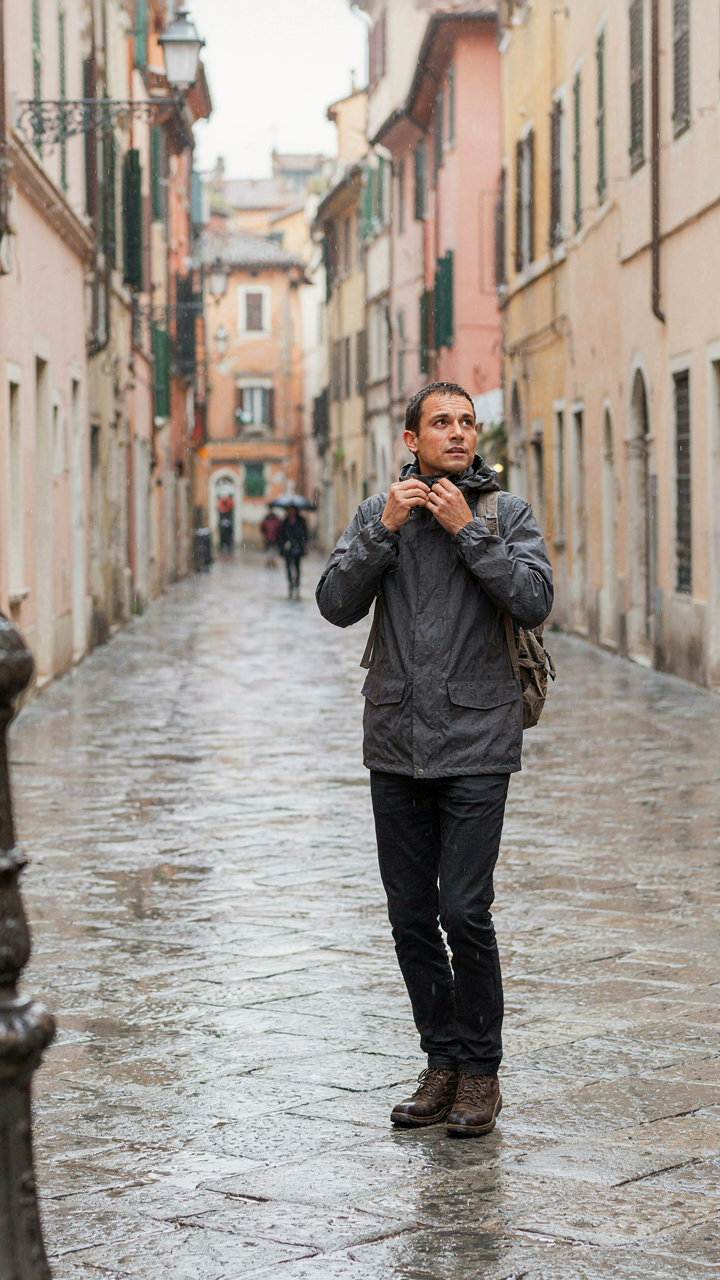
You want this section because you’re afraid of showing up wrong. Here’s the mechanism: cybernetics teaches us that systems self-correct through feedback loops. Your outfit does the same. You wear something, observe how locals react, how your body feels, how the temperature shifts across the day, then adjust the next day. Most travel advice skips this entirely and prescribes static outfits like you’re a mannequin.

The difference between rigid packing and adaptive packing is observation speed. Layering isn’t about looking cute in increments. It’s about maintaining core temperature regulation while reading environmental signals in real time. A breathable base layer, a mid-weight piece, and a light shell create a system that responds to change without requiring outfit replacement. You test the system on day one, then the feedback becomes automatic by day three.
Reading The Room Without Overthinking It
The common advice says dress for the culture. That’s incomplete. You’re not dressing for the culture. You’re dressing for the specific microenvironment you occupy that moment. The café in Istanbul has different thermal and social conditions than the hiking trail outside it. The evening street market differs from the noon market. Your outfit needs to signal recognition of these shifts without you spiraling into decision paralysis.
Environmental cues come in three channels: temperature variance, crowd composition, and activity demand. You scan these in sixty seconds, then your layering system responds mechanically. Remove the shell if locals wear sleeveless. Add it if the altitude spikes. Switch the base layer if humidity kills breathability. Social cues don’t override comfort, they inform it. The mechanism is simple: observe, evaluate, layer or de-layer, repeat the next day with one less decision to make.
The Travel Capsule Wardrobe Fallacy: Your “System” Is Your Trap
When Your System Becomes Your Prison
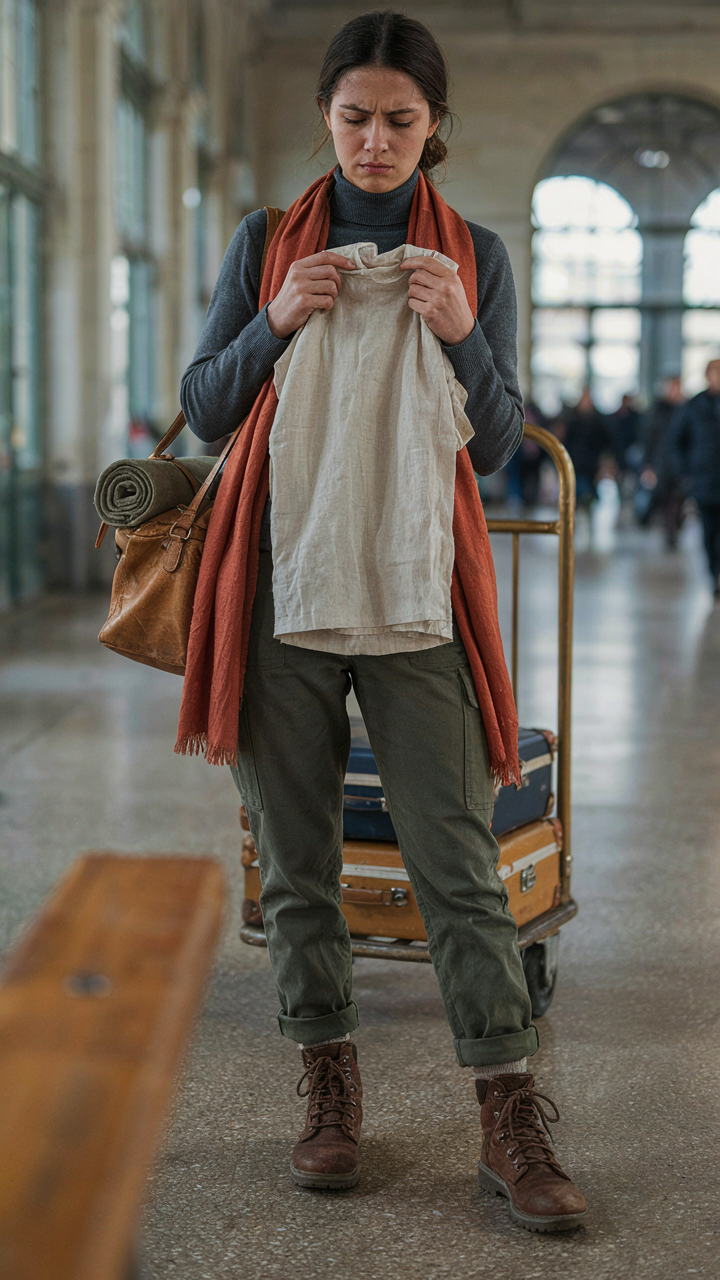
You want the capsule wardrobe because it promises control. You’re afraid you’ll pack wrong, look stupid, waste suitcase space, or repeat outfits. The mechanism nobody states: a rigid capsule removes decision-making, which feels like freedom but is actually surrender. You’ve outsourced your judgment to a formula instead of building it.

The capsule wardrobe movement came from minimalism design philosophy, which borrowed from industrial efficiency: standardize inputs, reduce variables, maximize output. Applied to clothing, this means five base pieces that theoretically combine into multiple outfits. The trap is obvious once you’re traveling. Real destinations require real adaptation. Humidity changes fabric behavior. Local dress codes shift between neighborhoods. Your body responds differently to climates. A system that worked in your apartment fails the moment conditions change.
Permission To Abandon The Grid
Rigid planning kills responsiveness. You need calculated improvisation instead, which means building judgment, not following a checklist. This starts with understanding your actual constraints: luggage size, trip length, climate range, planned activities. Not the Instagram constraints. Your constraints.
Once you know those, pack pieces you genuinely like wearing in multiple contexts. Neutral colors work, but not because minimalism says so. They work because they reduce cognitive load when you’re tired. Then add two pieces that break the system intentionally. A patterned shirt. A texture that surprises you. The improvisation comes from mixing these intentionally, not from desperation when your formula fails. When you arrive somewhere, spend the first day observing how locals dress in your specific context, then adjust. Not before. This is how you build actual travel intelligence instead of following someone else’s system.
Clothes For Women: The Durability Mandate, Not The Trend Cycle
Buy For Longevity, Not Instagram Cycles
You want permission to stop feeling guilty about wearing the same outfit twice. Here’s the mechanism: fast fashion creates artificial scarcity through trend cycles, which makes you think you need constant replacement. Economics calls this planned obsolescence. For solo travel, apply the inverse: buy pieces that appreciate in utility over time, not depreciate in perceived relevance.

The math is brutal and simple. A 40-dollar shirt worn five times costs eight dollars per wear. A 120-dollar shirt worn sixty times costs two dollars per wear. Solo travel demands repeatable outfits because luggage space is fixed and laundry happens weekly. Women face heavier social pressure to “vary” their wardrobe, which is the exact opposite of what solo travel logistics require. Ignore it.
Resilient Fabrics Are Force Multipliers
Natural fibers outlast synthetics in real conditions, despite what marketing copy says. Cotton, linen, and wool resist pilling, fading, and structural breakdown better than polyester blends because they don’t trap moisture against fabric fibers. When you travel for weeks, moisture and friction accumulate fast. Resilient fabrics solve this at the material level, not through washing strategy or special treatment.
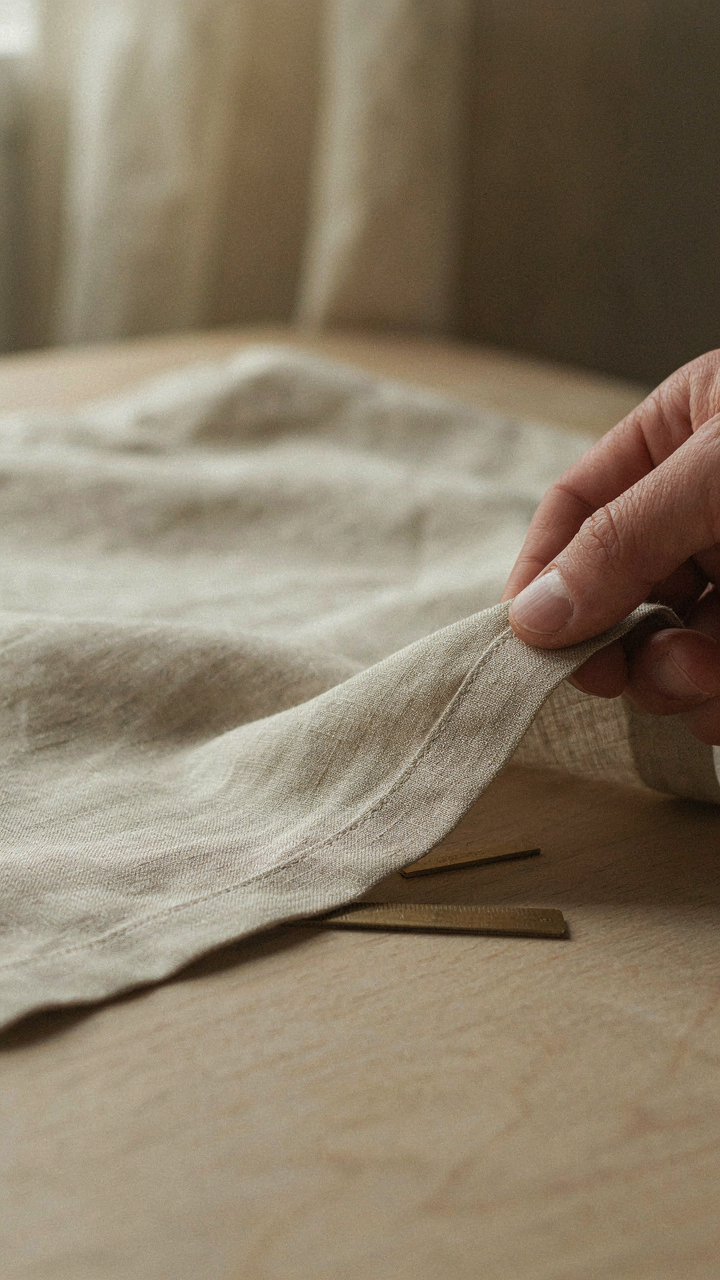
The economic advantage compounds over multiple trips. A merino wool shirt costs more upfront but handles sweat, odor, and temperature shifts without daily washing. This extends the interval between laundry days and reduces wear cycles per garment. Durable construction also matters: flat-fell seams hold longer than single stitching, and reinforced stress points at armpits and hems prevent unraveling. Pick fabrics and construction you can inspect in person before buying, because this cannot be reverse-engineered from a website description.
The Weight Of Freedom: Minimizing Your Load For Maximum Maneuverability

Luggage As A Visibility Marker
You want to believe a rolling suitcase doesn’t announce you as a target. It does. The mechanism is simple: predators identify vulnerability through load capacity. Someone hauling two bags moves slower, enters situations with divided attention, and signals they’re transient and unaware. This isn’t intuition. It’s observable behavior. Lighter travelers move through space with intention. They navigate stairs, dodge traffic, and respond to threats without the anchor of luggage. The difference between carrying a 22-pound backpack and a 50-pound rolling bag isn’t comfort. It’s agency.
Heavy luggage doesn’t just slow your body. It slows your decision-making. You become committed to routes with elevators. You avoid neighborhoods with uneven sidewalks. You hesitate before changing plans because the logistics of your stuff precede your actual needs. Solo travelers who pack light report higher confidence not because they’re tougher, but because they’ve removed friction from their own options. The math is brutal: every pound you carry is a pound of constraint you’re accepting.
What Actually Needs To Stay Home
Everyone tells you to pack light. Nobody tells you what to cut. Most solo travel packing lists are designed by people who haven’t traveled solo, or who travel once a year for two weeks. The reality is different. You will not wear half of what you pack. You will not need the backup of backup items. Comfort is a trap when it’s purchased with visibility and mobility.
- Multiple pairs of shoes: One everyday pair and one for specific terrain. More than two pairs is insurance against decision-making. Your feet adapt faster than your luggage will fit in a locker.
- Backup toiletries: Buy them where you land. Shampoo, deodorant, and sunscreen exist everywhere. They’re not rare goods. Carrying them is carrying dead weight based on paranoia.
- More than five tops: Rotation washing works. You cycle through three to five pieces and wash them every three days. The laundry exists in every city. You’re not stranded.
- Jeans and casual pants: Pick one bottom that works for multiple contexts. Chinos or travel pants that function across day and evening. Jeans don’t justify the space.
- Bulky outerwear: Layer instead. A lightweight packable jacket and thermal base layer replace a winter coat. Locals buy what they need seasonally. You’re not expected to have every climate covered.
- Electronics you don’t actively use: The tablet, the portable speaker, the backup charger for devices you don’t own. These are comfort objects masquerading as practical items.
The calculus is straightforward: every item must serve multiple contexts or it exits the bag. Your backpack should feel light enough to move with quickly. If you can’t carry it one-handed for thirty seconds, it’s too heavy. That’s your protocol for determining what stays.
Your Solo Travel Attire Isn’t About Comfort, It’s About Uninterrupted Agency

Most travelers pack like they’re preparing for judgment. Stop. Your clothes exist to eliminate friction between you and what you actually want to do. A poor outfit choice kills momentum. It makes you second-guess exploring that neighborhood. It makes you skip the hike. It makes you choose the hotel over the experience. Pick three versatile pieces today that let you move without thinking. Your solo travel wardrobe wins when it disappears from your mind entirely.