
The Light Alchemist’s Code: Manipulating Golden Hour Beyond Basic
Directional Light Versus Flat Light Impact
You want golden hour photos because you think it makes you look better. It does, but not for the reason you think. The mechanism is directional light, borrowed from three-point lighting in film production. In photography, directionality means light travels from one angle rather than bouncing evenly around your subject. This creates contrast between lit and unlit surfaces, which your brain reads as dimension and texture instead of flatness.
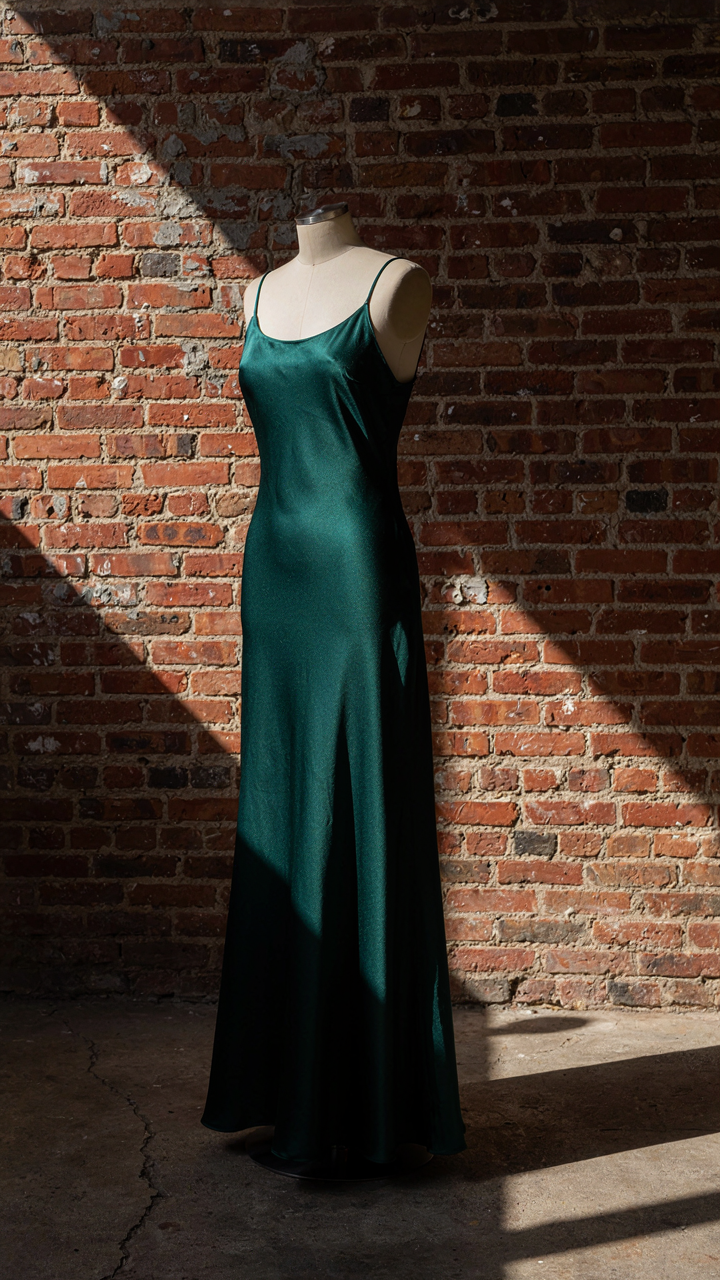
Flat light kills dress photos. It happens when the sun is behind you or diffused completely by clouds, or when you’re standing between the light source and the camera. The fabric reads as a single tone. Details vanish. Directional light from the side or slightly ahead of your subject separates the dress from the background and reveals weave, drape, and form. Position yourself so light grazes across the garment at a 45-degree angle minimum, never straight-on from the camera position.
Shadow Play: Adding Depth, Not Darkness
Shadows aren’t the absence of light in dress photos. They’re the second half of contrast, the mechanism that makes three-dimensional fabric appear to exist on a flat frame. When you eliminate shadows entirely, you flatten the image back into a catalog shot. The common advice to “fill shadows with reflectors” is incomplete. You need shadows to show dimension. You only fill them if they’re so dark they lose detail entirely.
Position the dress photo so shadows fall across the garment itself, not the person wearing it. A garden wall or building casting a shadow behind your subject creates separation. Shadows in folds and seams prove the fabric has weight and structure. Let one side of the face or body sit in shadow while the other catches direct light. This contrast reads as three-dimensional and holds viewer attention longer than an evenly lit frame. Shoot test frames and look at the histogram to confirm shadow areas retain detail above pure black.
Garden Photoshoot Poses: Deconstructing The “Natural” Fallacy
Dynamic Posture: Tension And Relaxation
You want the photo to look effortless because you’re afraid your effort will show. That fear is backwards. The mechanism is borrowed from biomechanics: every photograph captures a frozen moment of muscular tension and release. A limp body reads as dead. A rigid body reads as anxious. The pose that works holds both states at once.

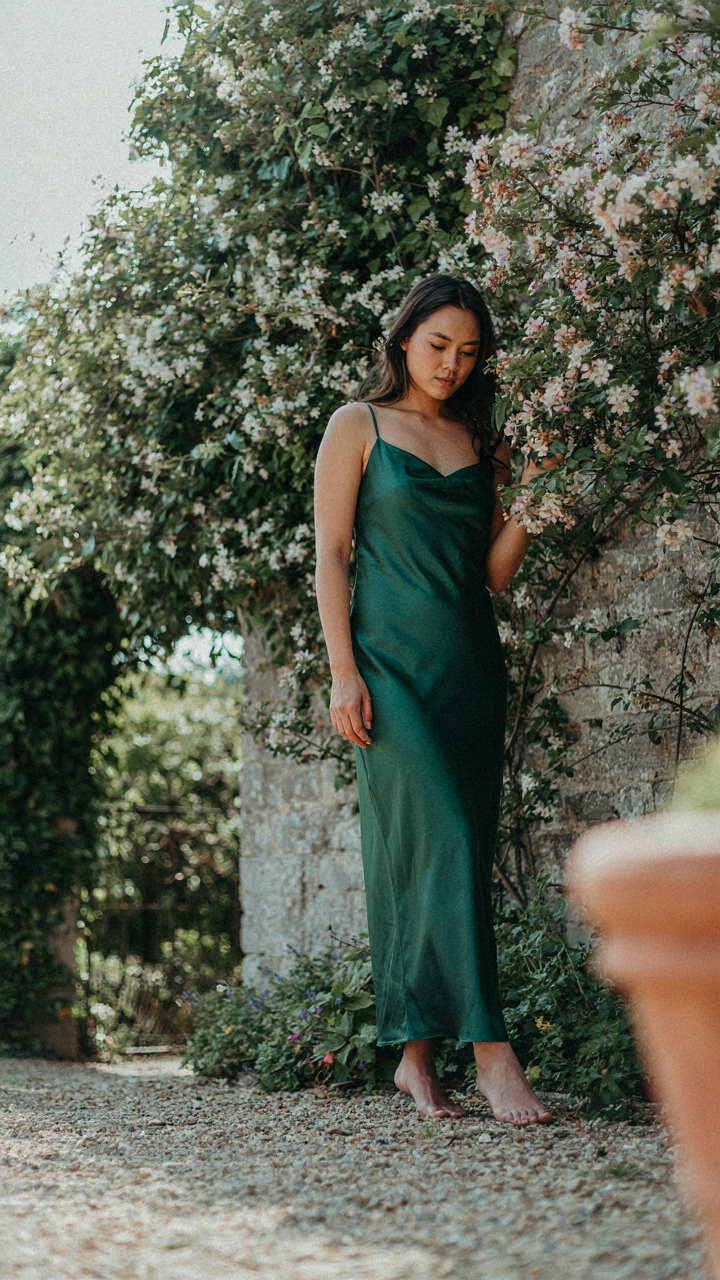
Position the model’s weight on one leg, not centered. This forces asymmetry into the skeleton. The standing leg carries tension. The free leg bends slightly or extends, creating relief. The shoulders should sit lower than the ears, not hunched. The jaw stays neutral, not clenched. Tension in the legs and release in the face creates visual credibility. This contrast is what separates posed photos from candid-looking ones.
Girl In The Garden: Interaction, Not Just Presence
The advice says “be natural.” What photographers mean is “do something besides stand there.” The real instruction is this: give the dress a reason to exist in the frame. Interaction creates story. A hand touching a garden wall, reaching for a branch, or brushing fabric against skin activates the image. Without it, you’re just documenting a person wearing clothes.
Build poses around the environment’s geometry. If a brick wall exists, have her turn into it slightly while looking away. If hedges create a corridor, walk through it instead of standing in front of it. If flowering plants are present, let her hand rest near them without grasping. The dress moves differently when the body has intent. Movement and stillness together make the photograph worth keeping.
The Whimsical Photoshoot Blueprint: Escaping The Cliché
Subverting Common Whimsical Tropes
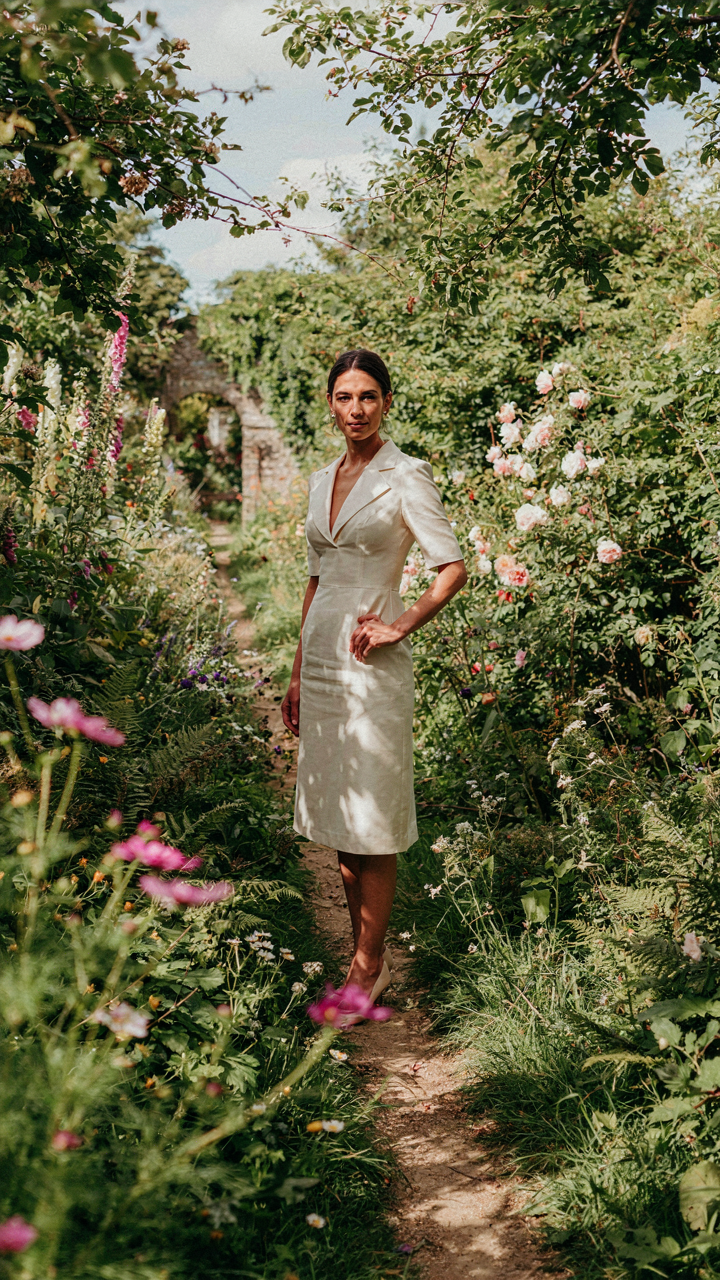
You want whimsical photos because they signal you’re not basic, that you exist above the Instagram feed of everyone else. Here’s the mechanism: whimsy died the moment it became a filter preset. The real move is constraint. Instead of chasing “magical” through props and forced expressions, you strip back to one genuine detail that contradicts the setting. A tailored dress in an overgrown garden. A formal gown on concrete. A vintage slip in brutal sunlight. The tension between elements creates the narrative your viewer actually feels.
Most whimsical shoots fail because they layer everything at once: tulle, flowers, soft focus, wind machines, golden hour. This is visual noise masquerading as mood. Strength comes from specificity. Choose one anchor that feels slightly wrong, then let the setting breathe around it. A silk slip dress photographed on a brutalist concrete staircase reads far stranger and more memorable than the fifteenth tulle shoot in a field. Oddness sticks because it forces your brain to resolve the contradiction.
Fairytale Photoshoot: Storytelling Through Subtle Cues
Fairytale works when you stop treating it as a genre and start treating it as a visual argument. Narrative photography functions like product photography: you’re selling a specific version of a moment, not depicting reality. The difference between a fairytale photo and a costume photo is constraint in what you show. Reveal enough to suggest a story, not enough to complete it. A dress caught mid-motion on stone steps. A figure partially obscured by architecture. This ambiguity forces the viewer to construct the story themselves, which makes them remember it.
The setup matters more than the outfit. Find a location with built-in narrative weight: an old gate, weathered walls, uneven light through trees, abandoned structures. These locations carry emotional information before you arrive. Your dress becomes a translator of that existing story rather than the story itself. Photograph the dress in relationship to the space, not separate from it. The hem against wet pavement. The fabric folding against old brick. This is how you build a coherent visual argument instead of just displaying clothing.
Senior Photoshoot Poses: Engineering Authentic Expression
Candid Versus Controlled Energy
You want the photos to feel real because you’re afraid posed shots look fake and will tank the client’s perception of the entire session. Here’s the mechanism: candid and controlled aren’t opposites. They’re points on a spectrum borrowed from stagecraft, where directors talk about “blocking” to mean the deliberate positioning that creates natural-looking movement. The difference between stiff and authentic isn’t whether you pose—it’s whether the pose serves the subject’s actual relationship to the environment or works against it.

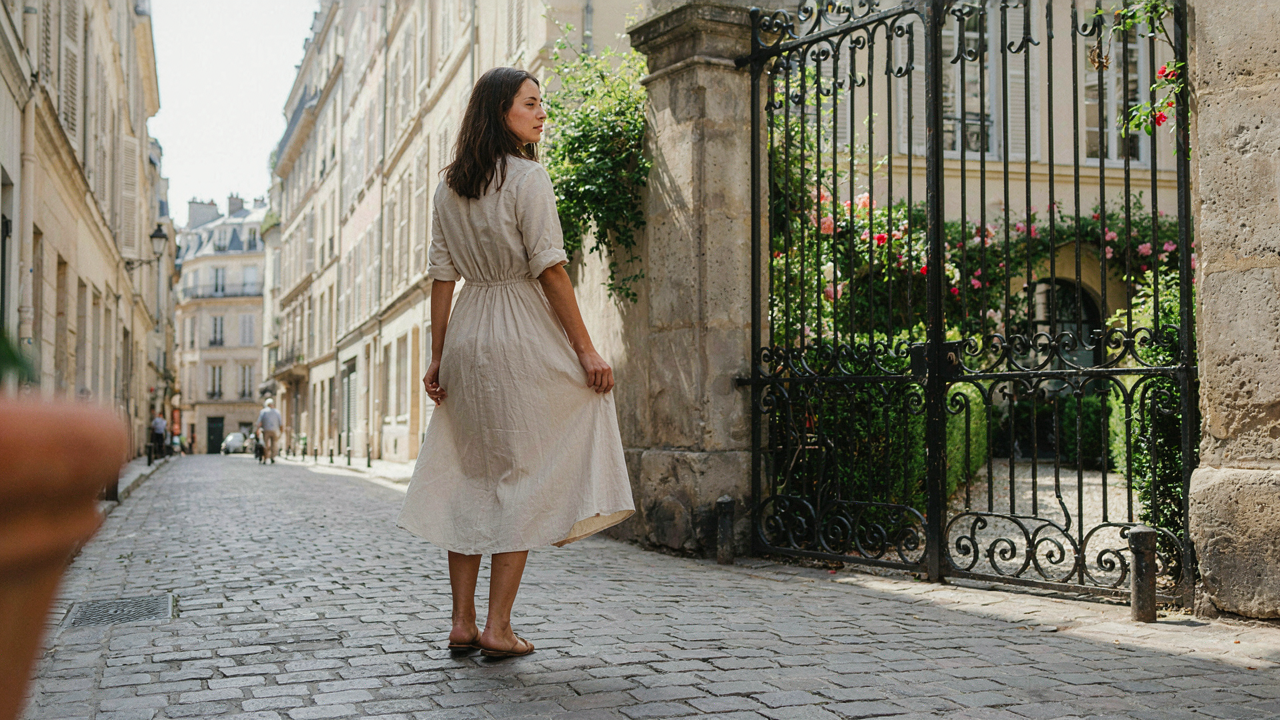
Controlled energy means the subject knows their body’s general placement but moves within it. They’re not frozen mid-gesture. In outdoor dress shoots, this means positioning someone near a garden gate, then having them step through it repeatedly until the dress moves naturally with their stride. The camera catches the motion, not the pose. This produces photos that read as moments rather than instructions followed.
Making Achievement Visible In Frame
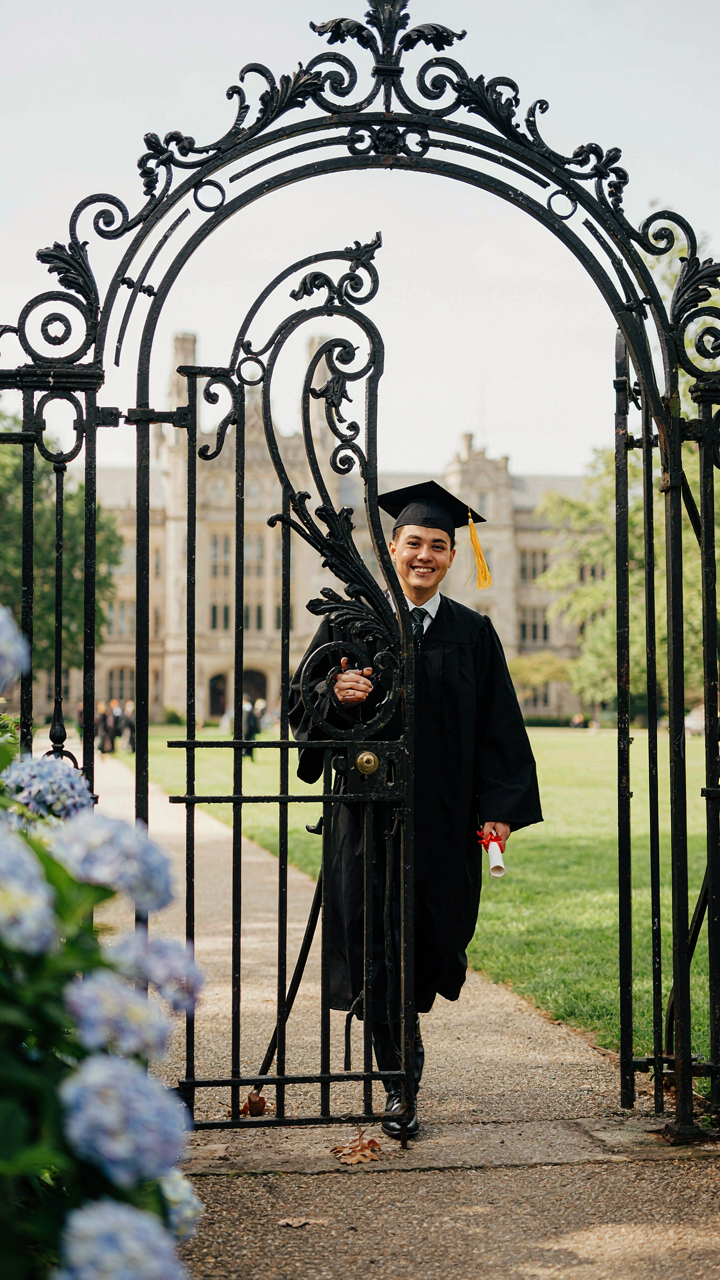
The error most photographers make is assuming the dress alone tells the story. It doesn’t. Context anchors meaning. When shooting a grad photoshoot in a city, the backdrop isn’t decoration—it’s the visual proof of the achievement. A subject in a grad dress standing in front of an architectural feature, a university building, or an urban landscape tells the viewer what was accomplished. The dress becomes secondary to the location’s role in validating the moment.
The protocol is simple: scout the location first and identify which angles show both the subject and a specific landmark or structure that signals accomplishment. Position the subject so the background reads clearly, not as blur. Dress placement becomes tertiary—it fills the frame naturally once the subject stands where achievement becomes visible. This transforms a portrait into documentation of a milestone.
Nature Photoshoot: Beyond The Scenic Wallpaper Effect
Layering Your Frame With Actual Depth
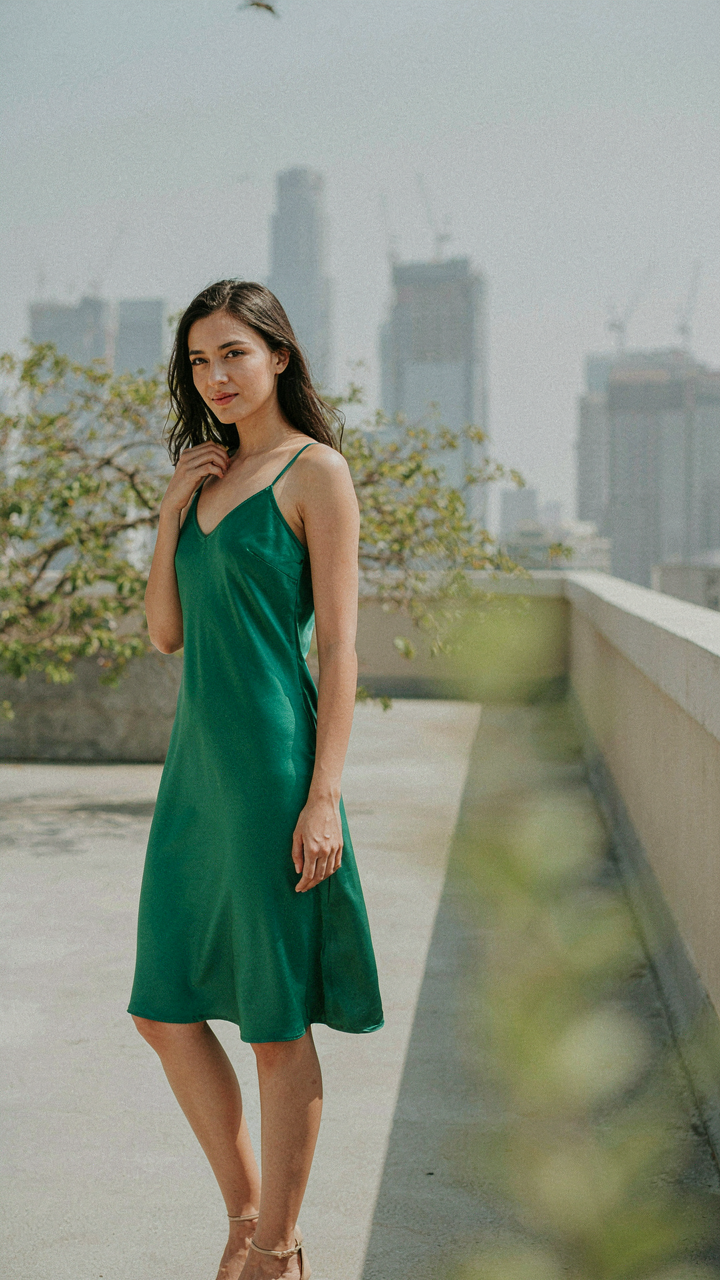
You want the photo to look professional because you’re banking on someone else validating your appearance through it. That won’t happen if your dress floats in front of a flat background. Photography borrowed the concept of atmospheric perspective from painting: objects closer to the camera appear sharp and detailed, while distant elements blur. Use this mechanism to separate your dress from the environment. Position yourself so trees, hedges, or architectural elements exist both in front of and behind you. The dress becomes the mid-layer that commands attention because something frames it on both sides.

Most outdoor dress photos fail because photographers treat backgrounds as decoration instead of compositional architecture. Position yourself 8 to 12 feet from the nearest background element, with foreground interest (branches, fence posts, garden structures) crossing into the frame’s edges. This creates three distinct zones your eye travels through. The dress stays readable because it occupies the sharpest plane. Shoot at f-2.8 to f-4 to keep the dress sharp while softening everything else. The depth difference between planes matters more than how beautiful each individual element is.
Seasonal Context That Functions As Storytelling
Spring photoshoots don’t need flower petals scattered everywhere to use seasonal elements as narrative. The mechanism is contrast: show what the dress does in an environment where it wouldn’t normally function. Bare branches, budding trees, or rain-wet pavement tell a story about intentionality. You dressed for this specific moment, not a generic day. Photograph the dress against early spring’s awkwardness—mud, uneven growth, leftover winter debris. The dress becomes a statement because it exists deliberately in that friction, not because the background is Instagram-optimized.
Pick one seasonal marker and build around it instead of collecting every spring cliché. If you shoot near new growth, position yourself so young leaves or flower buds occupy the middle distance, not blurred suggestion. If rain has just finished and pavement is wet, use the reflection to create a second image of the dress without doubling the subject. The dress photo works because you’re not pretending spring is all pastels and softness. You’re showing how the dress exists in actual spring conditions. This approach requires one location and 15 minutes instead of hunting five “perfect” spots.
The Environmental Feedback Loop: Dress As Data Point
Dress Movement As System Feedback
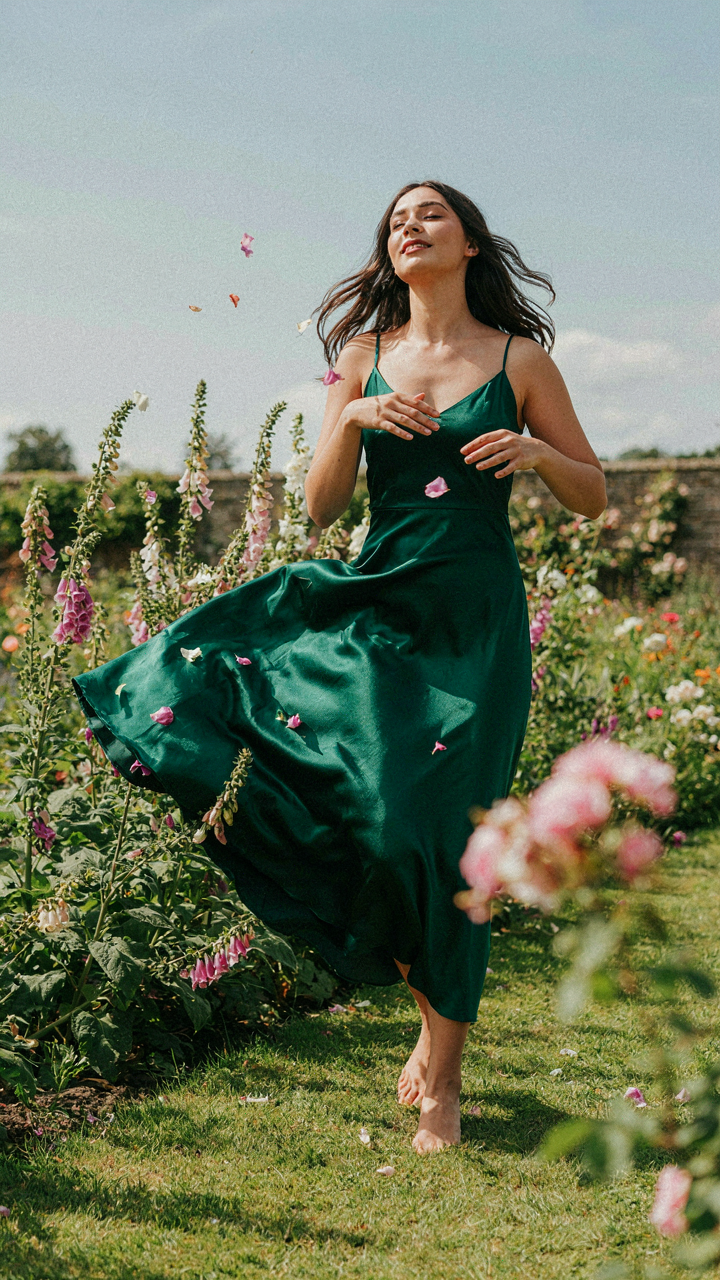
You want to know this because you sense that something invisible is controlling how good your photos look, and you’re right to feel paranoid about it. Cybernetics, the study of control systems and feedback loops, applies directly here: your dress is a dynamic system responding to environmental inputs and generating outputs that the camera captures. Wind, temperature, terrain, and light don’t just happen around your outfit. They interact with fabric weight, drape geometry, and movement mechanics to create either coherence or chaos in the frame.

Most outdoor dress photography advice skips this entirely and just says “pick a windy location.” That’s incomplete. The real mechanism: fabric responds to air pressure, velocity, and direction predictably. A silk charmeuse moves differently in a 12-mile-per-hour gust than a cotton drill does. A-line silhouettes catch air differently than fitted ones. The feedback loop operates in real time: wind pushes fabric, fabric position changes the visual frame, camera captures that position, and the result either reinforces your intended aesthetic or degrades it. Document this relationship deliberately instead of hoping it works out.
Predicting And Manipulating Fabric Response
The common move is to show up and “see what happens.” That wastes takes and delivers inconsistent results across a shoot. Prediction means testing fabric behavior against specific environmental conditions before the shoot begins. Heavier fabrics (wool blends, linen blends over four ounces per square yard) hold shape in moderate wind but read as stiff in stillness. Lighter fabrics (silk, cotton voile) move fluidly but require specific wind speeds to avoid collapse against the body, typically 8 to 15 miles per hour at ground level.
Manipulation follows. If you’re shooting in a garden with variable wind, position yourself in micro-environments: open lawn gets full exposure, tree-line edges create wind shadows, hardscape areas channel air predictably. Time your photos during wind gusts if you want fabric extension, or between gusts if you want controlled drape. Bring a second person to observe fabric behavior before each take and call out when conditions match your target state. This transforms dress photography from chance into protocol.
City Streets: Finding Edge In Urban Conformity
Architectural Lines And Human Form Contrast
You want the dress to matter. That means you need the environment to stop competing for attention and start amplifying it instead. This is basic figure-ground separation from Gestalt psychology: the form reads clearly only when the background obeys visual rules the dress breaks.

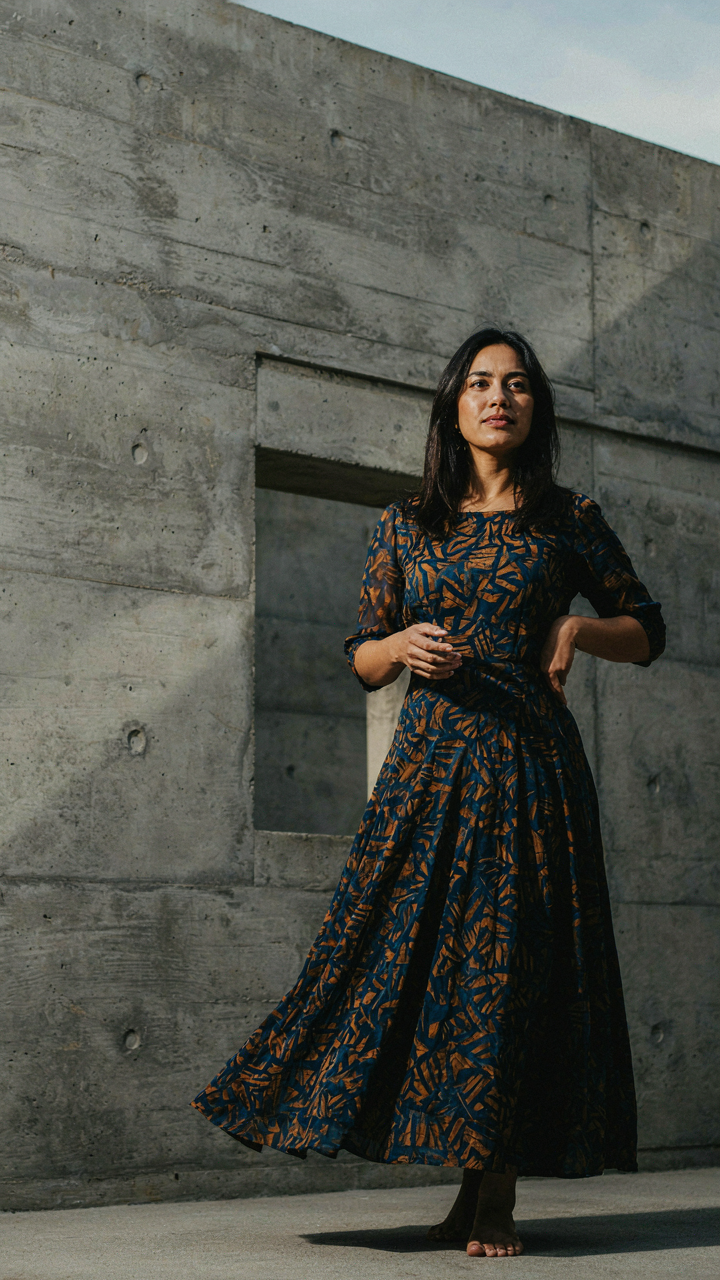
Urban architecture provides this naturally. Buildings operate on rigid geometry: vertical lines, right angles, flat planes, repetition. A dress with movement, asymmetry, or unexpected proportions gains visual weight against this order. Photograph perpendicular to building facades or alleys. Position the subject so her silhouette interrupts clean lines rather than echoing them. The contrast does the compositional work, not the location.
Gritty Textures Meet Delicate Fabric
Most advice here is backward. Photographers chase “pretty contrast” by placing delicate dresses against rough walls for Instagram metaphor value. That’s decoration masking a technical failure: delicate fabric loses definition against visual noise.
The real mechanism works the opposite direction. Rough textures demand precision in dress choice and placement to register as intentional rather than accidental. You need this list to execute it:
- Weathered concrete with structured silhouettes: Rigid drape, defined edges, and geometric cuts read clearly against chaotic surface texture without getting lost in the noise.
- Rust or oxidized metal with glossy fabrics: Matte rough surfaces amplify shine. A satin or silk dress catches available light and separates from dull backgrounds through luminosity rather than color.
- Brick with monochromatic dresses: Solid color dresses eliminate visual competition. Brick’s irregular pattern doesn’t fight a single-tone garment; instead it frames it.
- Peeling paint with high-contrast prints: Graphic patterns read as intentional styling choices, not accidental clashing, when layered against chaotic decay.
- Chain-link or wire fencing with flowing fabrics: Rigid linear background makes movement register faster. Fabric motion becomes the visual event, not the texture.
Shoot these combinations during midday or golden hour to control how light interacts with both surfaces. Rough textures scatter light unpredictably. Directional sun solves this by creating shadows that separate the dress from the background through depth, not just surface contrast.
The Unposed Paradox: Cultivating Intentionality
Direct Movement Over Dead Positioning
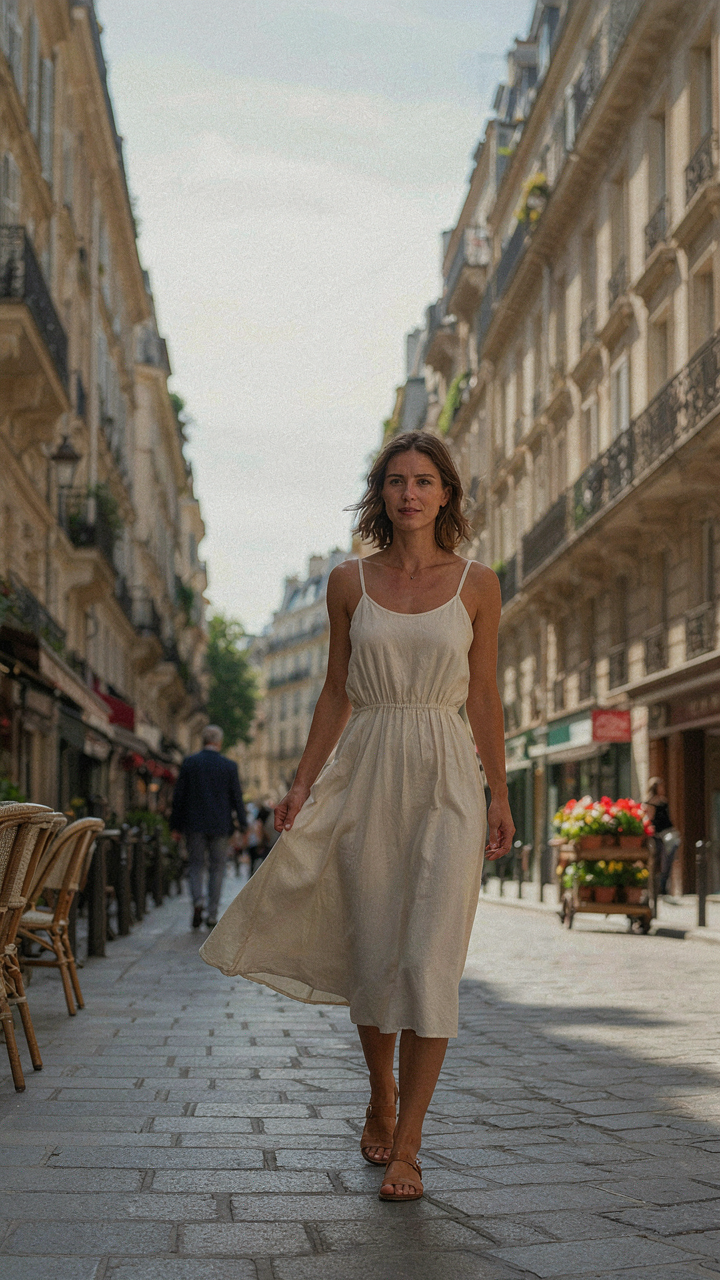
You want to look natural without looking like you tried. That fear of appearing stiff or performative is exactly what makes you stiff and performative. The mechanism here comes from biomechanics: a body in motion reads as intentional, while a body held still reads as posed. Give your subject a task or direction, not a stance. Walk toward the camera. Adjust your dress while moving. Reach for something in the frame. Movement creates the illusion of authenticity because it removes the burden of “holding” an expression.

The difference between instruction and positioning is the difference between alive and frozen. “Walk from that corner toward me” generates natural arm swing, breathing rhythm, and micro-expressions that cameras catch. “Stand there and smile” produces tension visible in the shoulders and jaw. Gardens and city streets reward this approach because your subject moves through real space rather than occupying it. The photographer’s job becomes capturing moments within motion, not arranging a display. This shift removes the psychological pressure that kills authenticity in outdoor dress photos.
The Friction Point Between Comfort And Credibility
Most advice says “be yourself in photos.” Wrong. People aren’t themselves when they know they’re being watched. What actually works is creating social friction that forces genuine response. Ask a real question mid-shoot. Have your subject respond to something happening nearby, not to the camera. Reference a memory or inside joke. This occupies the frontal lobe with something other than self-monitoring, which is where awkwardness lives.
The paradox collapses when you separate the subject’s attention from the camera’s presence. A dress photo outdoors becomes credible not when someone relaxes, but when they’re engaged with something that matters more than being photographed. City streets provide this naturally: notice a detail on a building, comment on foot traffic, acknowledge a sound. Gardens work differently but serve the same function: the environment becomes the focus, the camera becomes peripheral. This is how you capture a person wearing a dress, not a person aware they’re being documented wearing one. The protocol is simple: establish what captures attention first, position the camera second.
Your Real Problem Isn’t The Location; It’s Believing The Location Solves Your Lack Of Vision
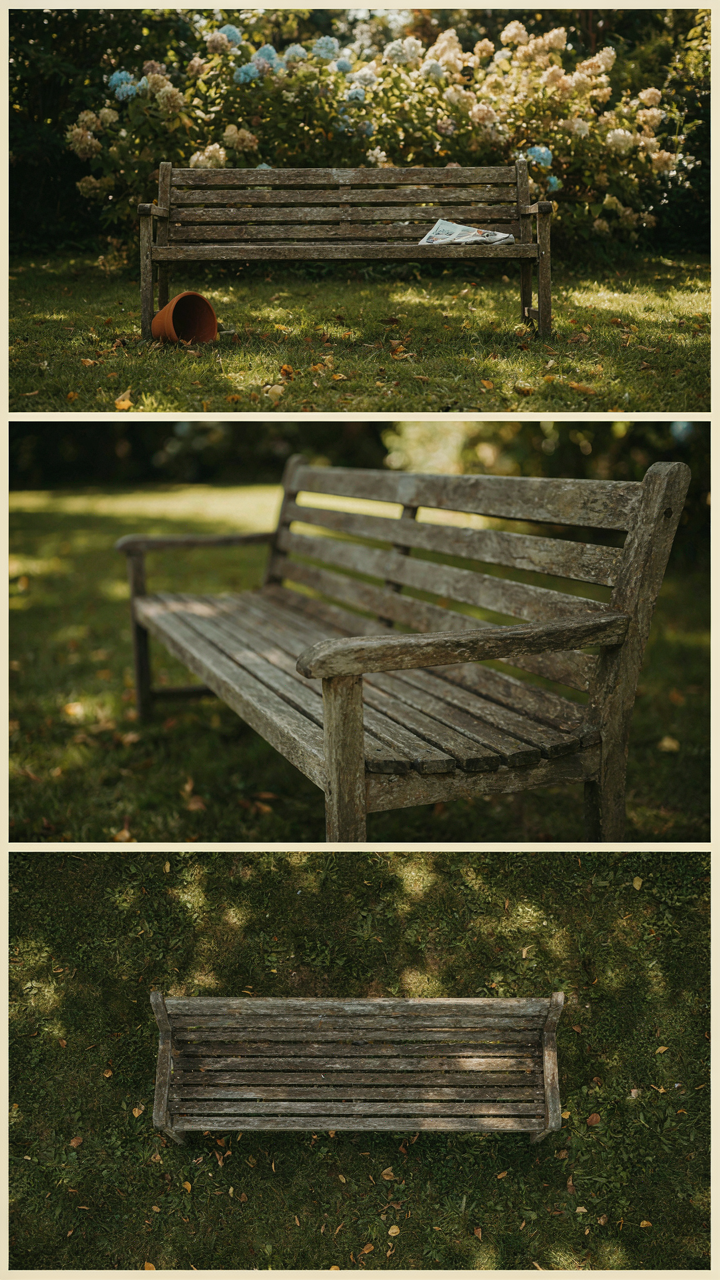
You’ll shoot the same mediocre photo in a garden as you will on a street corner if you don’t know what you’re actually trying to say with the image. Pick one location today and shoot it three different ways. Not three angles. Three completely different stories. The location doesn’t create vision. You do.