

The Instagram Fallacy: Why Your “Parisian Chic” Mood Board Is Garbage
Curated Feeds Never Show You The Actual Mechanism
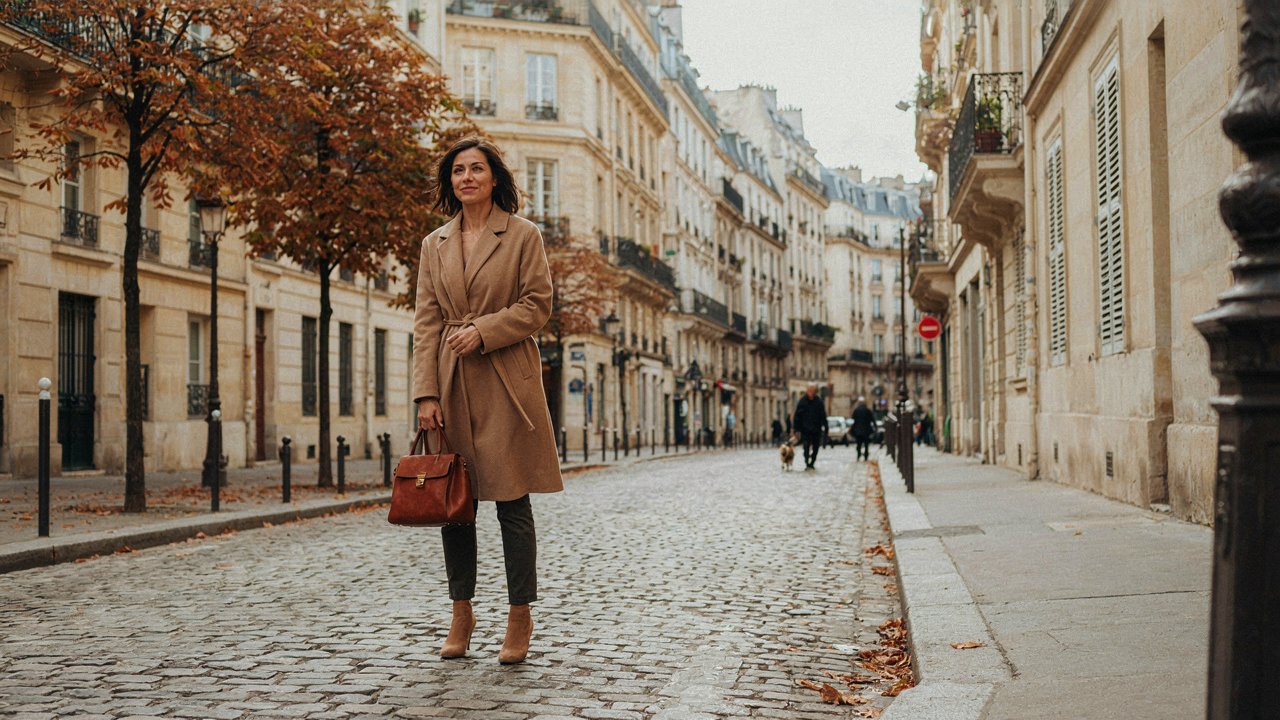
You’re scared your outfit won’t signal competence to strangers. Here’s the mechanism: Instagram shows you a filtered, lit, and heavily edited version of one person’s walk through one arrondissement on one day. The algorithm rewards contrast and novelty, so feeds fill with extreme examples of styling that 95 percent of Parisians never attempt. You’re comparing your real body moving through real weather to a still image shot in ideal conditions with post-production work. The gap between what you see and what happens when you actually get there determines whether you feel like a fraud or a participant.
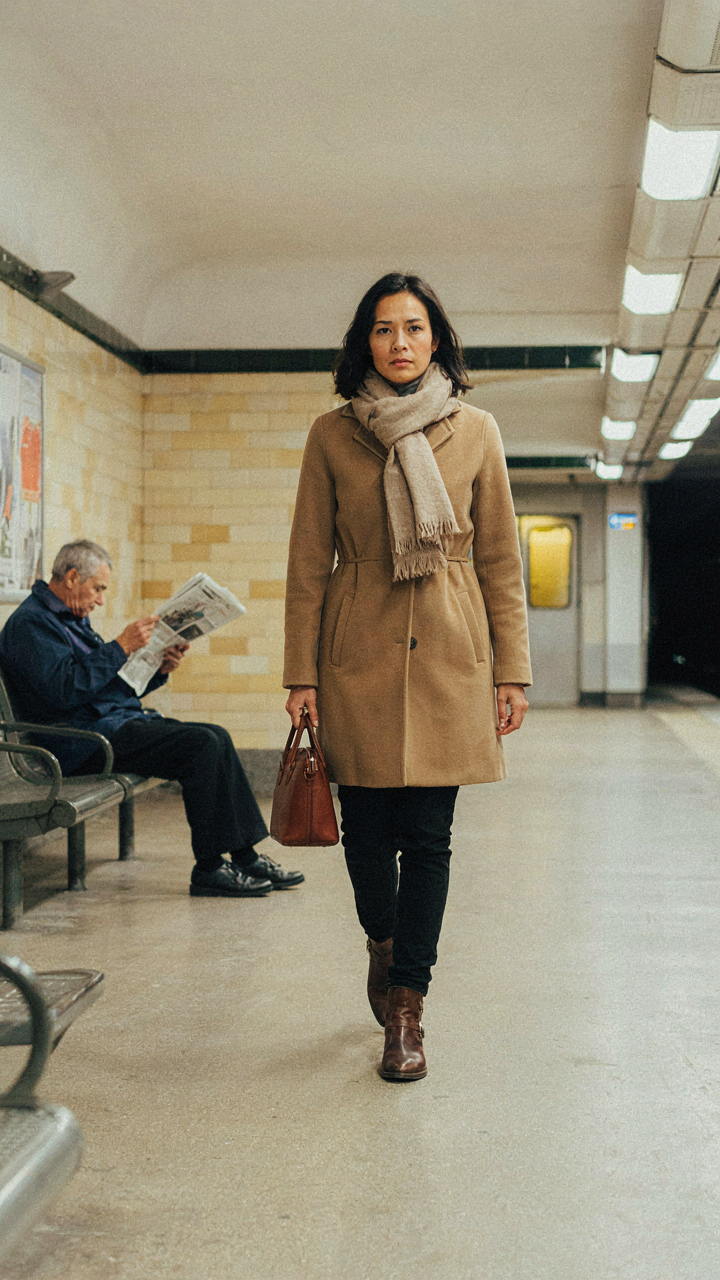
Real Parisians in fall wear what works for their body, their commute, and their climate. They don’t stage outfits for engagement metrics. A woman walking to the métro in October wears a wool coat because it’s 50 degrees, not because the aesthetic ranked well. The Instagram version strips context entirely. You see the coat, the scarf, the boots. You don’t see the person chose that coat in 2019 because it fit, not because it was trendy. Context is invisible online, but it’s what separates people who look coherent from people who look like they’re performing.
The Hidden Cost Of Chasing An Illusion
Buying clothes specifically to match an aesthetic you found online costs money you won’t recover. You purchase pieces that fit a curated fantasy rather than your actual life and body. A €180 linen shirt bought because it appeared in three viral posts sits unworn because you don’t have the exact body, lighting, or lifestyle that made it work in those photos. The real cost is time wasted scrolling, decision paralysis from conflicting inspiration, and the emotional tax of never measuring up to something that doesn’t exist.
Stop treating Instagram accounts as instructional guides. They’re entertainment. Start with what you own, what fits, what survives washing, and what doesn’t require constant adjustment. If you buy one additional piece for fall in Paris, choose something in a neutral that works with 80 percent of what you already have. The mechanism is simple: utility compounds; trends evaporate. A black wool sweater worn 40 times delivers better cost per wear than a statement piece you wear once and photograph.
Beyond Beige: The Parisian Color Palette Deception
What Parisians Actually Wear In Autumn
You want permission to wear neutral colors without looking boring. Here’s the mechanism: Parisians don’t avoid color in fall—they weaponize restraint. They wear navy, charcoal, deep burgundy, and forest green. These aren’t safe defaults. They’re calculated moves that read as refined because they require confidence to wear without apologizing.

The beige myth exists because tourists photograph the same five people wearing camel coats on Rue Saint-Honoré and assume that’s the entire city. Parisians in September and October actually wear deep jewel tones, blacks with intentional texture, and earth tones that have actual depth. The rule isn’t “wear neutrals.” The rule is “wear colors that don’t compete for attention.”
Escape The Monochrome Trap
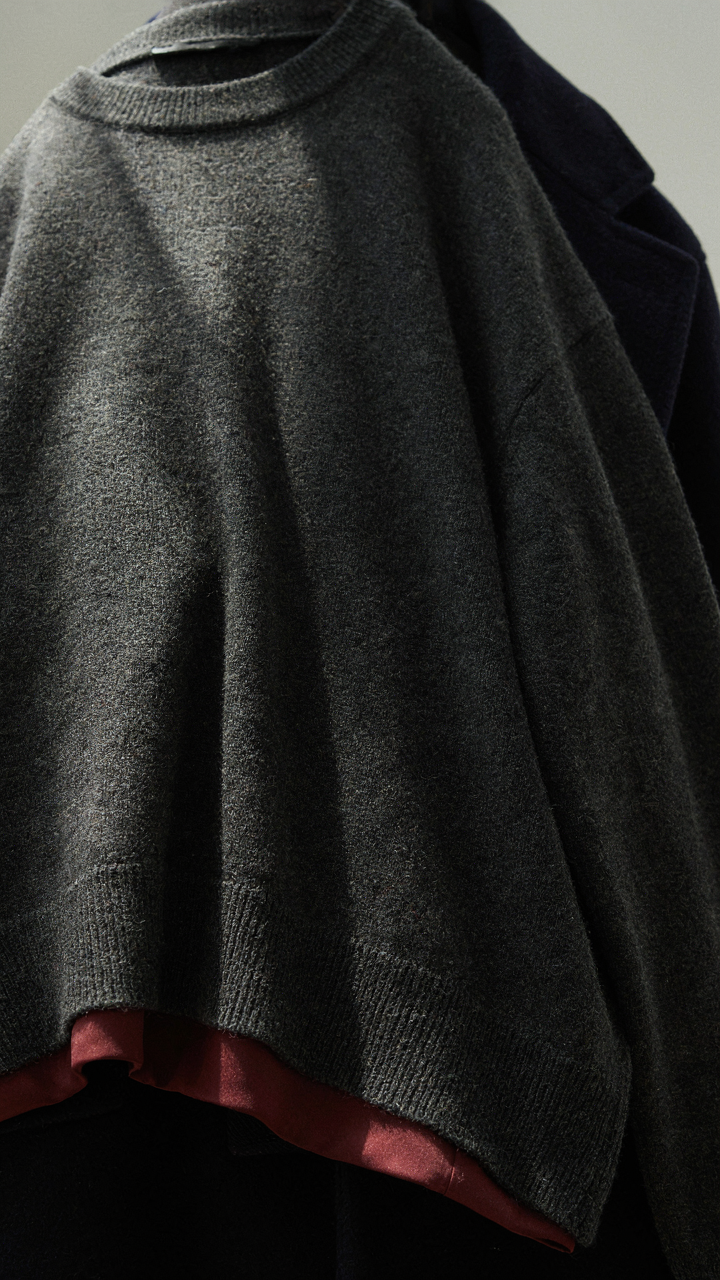
Most advice tells you to stick to one color family head to toe. This is incomplete. The real move is using contrast within a narrow palette, not avoiding it. A charcoal sweater with a black coat and burgundy scarf isn’t boring—it’s layered complexity that reads as intentional rather than indecisive.
Parisians break monochromatic myths by introducing texture, not color. A wool knit in one shade paired with a linen scarf in a slightly different one creates visual interest without neon. Flat black-on-black reads costume. Charcoal sweater plus black trousers plus a structured coat in deep navy reads considered. The mechanism is simple: vary the material, keep the colors adjacent on the spectrum, commit to each piece.
The Climate Control Protocol: Dressing For Actual Paris Weather

Layering As Your Baseline Defense
You want to look effortless in Paris without freezing or sweating through your clothes. Here’s what nobody says plainly: layering isn’t about looking intentional. It’s about thermal regulation, the biological mechanism your body uses to maintain function. Paris fall temperatures swing between 50 and 60 degrees Fahrenheit, with humidity that changes hourly. Your clothes are the interface managing this variance.

The mistake most people make is treating layers as a fashion statement rather than a system. You need a base that wicks moisture, a mid layer that traps warm air without bulk, and an outer layer that blocks wind and water. Cotton fails here because it holds moisture against your skin. Merino wool or synthetic blends work. The point is this: each layer serves one function, and you remove or add layers as the environment demands, not based on outfit aesthetics.
Fabric Selection Determines Everything
Physics governs how fabrics manage heat transfer through conduction, convection, and radiation. Dense weaves prevent convection (air movement stripping warmth), while air pockets within fibers trap still air that insulates. A tight wool knit outperforms a loose cotton sweater despite looking thinner. Paris demands fabrics that handle the specific problem: cool air, occasional rain, and humidity that makes temperatures feel colder than they are.
Choose merino wool, cashmere blends, or high-quality synthetics designed for thermal management. Avoid pure cotton completely in fall. Outer layers need a water-resistant shell without being plasticky or loud. The fabric should move with you and dry quickly if exposed to drizzle. When you select a sweater or jacket, run your hand across it to check density. A compact weave stops wind more effectively than volume or apparent warmth.
The Comfort Imperative: Why Your Feet Will Hate You (and Your Heels)
The Heel Fantasy Versus Pavement Reality
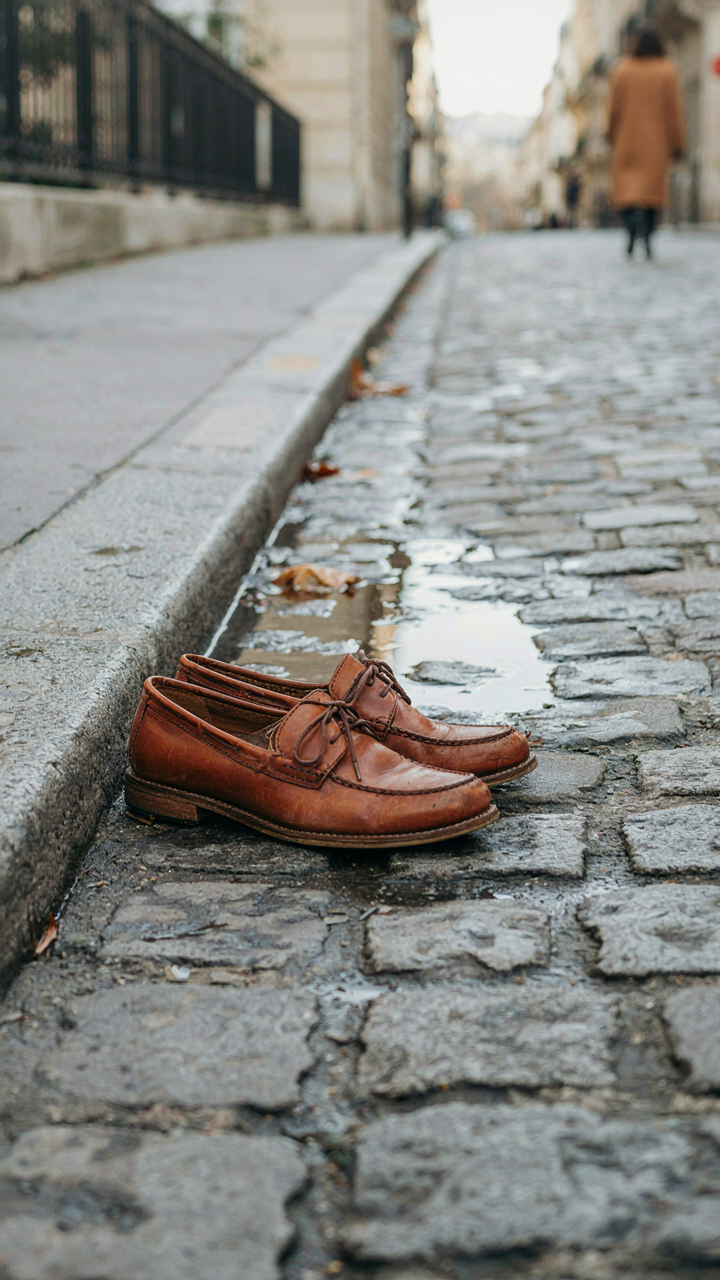
You want to look like you belong in Paris, which means you think heels signal that belonging. But Paris isn’t a photo shoot—it’s six to eight miles of walking daily across uneven cobblestone that will destroy your feet and your outfit’s silhouette within two hours. The common advice to “just push through” is incomplete nonsense. Parisian women don’t hobble. They walk with purpose because their footwear lets them. Your heels won’t make you look chic if you’re visibly compensating for pain by hour three.

The mechanism isn’t about toughness. It’s about energy expenditure. When your feet hurt, your posture collapses, your stride shortens, and your face tightens. Everything reads as discomfort, which reads as tourist. Flat or low-heel footwear in fall Paris isn’t a compromise—it’s the prerequisite for actually moving through the city like someone who lives there. Your outfit’s coherence depends on your ability to stand still and walk without adjustment for eight hours straight.
Footwear That Works For Distance
Paris in fall demands footwear engineered for distance, not decoration. This is logistics applied to fashion—treating your feet like infrastructure that must perform consistently across varied terrain. White leather sneakers with a clean silhouette work because they distribute weight evenly and won’t betray you on cobblestone. Pointed-toe flats in suede or leather handle both sidewalk and restaurant without telegraphing effort. Ankle boots with a flat or quarter-inch sole give you height and coverage while maintaining stability. Chelsea boots in black or brown do the same, with the added benefit of easy on and off near doorways where you’ll remove them.
- White leather low-tops (minimalist design): Distribute weight evenly across cobblestone. Pair with dark trousers or midi skirts to ground the brightness and avoid the “athletic” read.
- Suede pointed-toe flats: Absorb shock better than rigid leather. Neutral colors—camel, grey, black—transition from day to evening without changing shoes.
- Ankle boots with flat soles: Provide arch support for long walking days. Choose leather or suede in earth tones; they layer cleanly under cropped or full-length trousers.
- Chelsea boots in leather: Slip on and off easily, crucial for galleries and museums where shoe removal happens frequently. The side elastic prevents foot fatigue from constant adjustment.
- Leather loafers in polished finishes: Classic Parisian choice. The structured sole supports your arch for hours, and the formal appearance elevates casual outfits without added effort.
Buy your fall shoes two weeks before the trip and walk in them daily. Your feet won’t betray your outfit if they’re already conditioned to the shoe’s demands.
The Function First Framework: What Parisian Style Actually Is
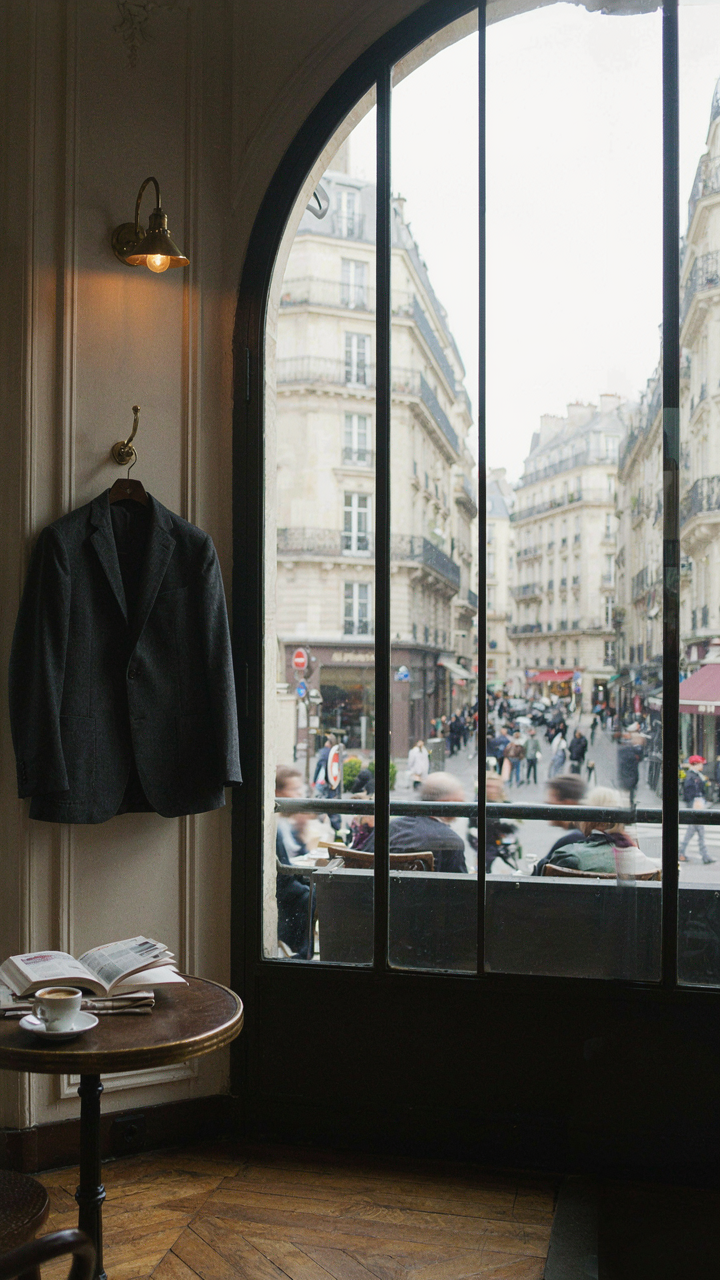
Utility As The Actual Foundation
You want to look like you belong there without trying. That’s the real fear underneath. Parisian style works backward from what a body does in fall weather, not forward from trend forecasting. A wool coat doesn’t earn its place because it looks expensive. It earns its place because it stops wind, moves well on crowded metros, and layers under other pieces you already own. Function is the load-bearing wall. Everything visual hangs on it.

This inverts how most people think about getting dressed. They start with aesthetic rules they read online, then force their body into them. Parisians start with what their day requires, then notice the result looks intentional. A structured blazer matters because you move between heated cafes and cold streets dozens of times daily. The structure keeps you shaped, not rumpled, through that cycle. Pick pieces that solve problems first. The elegance follows automatically.
Restraint Over Recognition
Everyone says “invest in basics.” That’s incomplete advice that misses the actual lever. What matters is knowing which specific details signal you’ve thought about construction instead of labels. A seam placement. A fabric weight that drapes without clinging. The absence of unnecessary hardware. Parisian fall style avoids anything designed to be noticed. It designs to be functional and proportional, which means it reads as intentional to people who care.
The mechanism is simple: constraint creates clarity. You restrict your material choices to wool, linen blends, and quality cotton. You restrict your color range to what actually coordinates. You restrict your accessories to things that solve dressing problems. Within those limits, details become visible because noise disappears. A well-fitted trouser leg catches light differently than a baggy one. A structured collar holds its shape through a full day. You’re not adding presence. You’re removing distraction, which makes presence felt.
The Un Accessorized: Less Is More (Unless It Serves A Purpose)
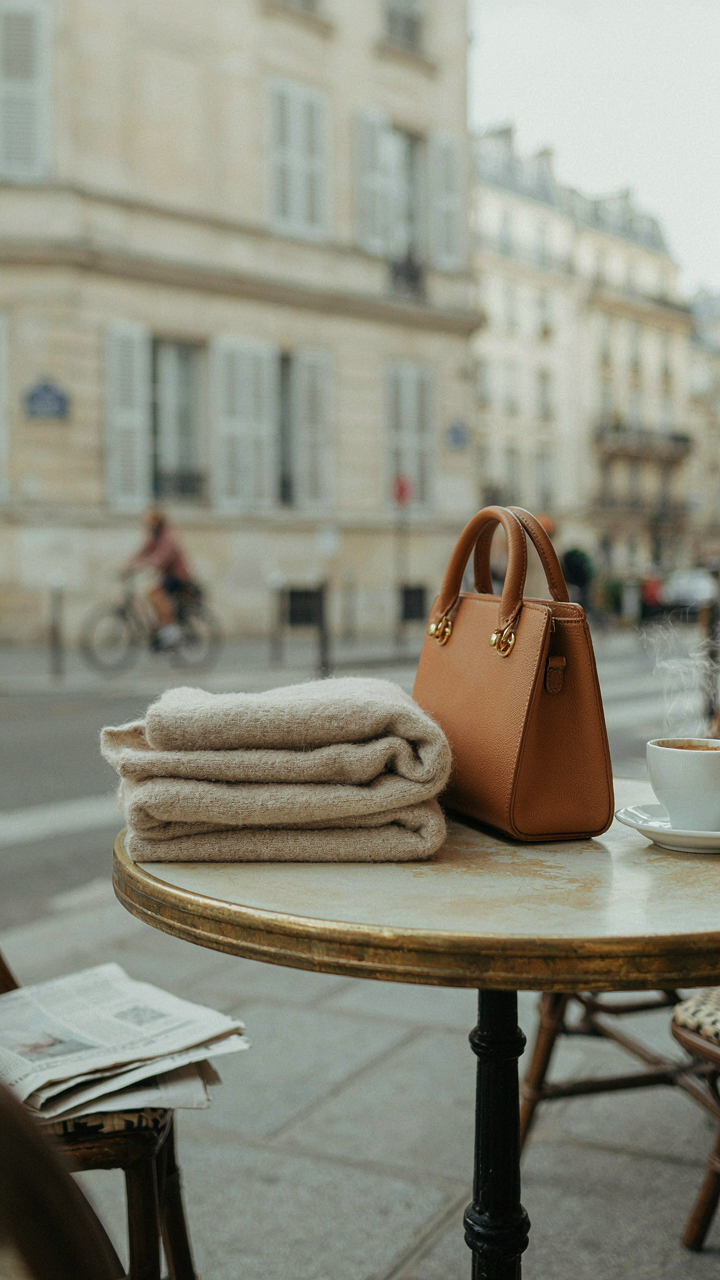
Statement Pieces Are A Trap
You want accessories to do the work so your outfit feels intentional without effort. That’s the real trap. Parisian fall dressing operates on scarcity, not accumulation. A statement piece signals desperation to be noticed. Instead, every accessory must solve a functional problem: warmth, weather protection, or carrying capacity. The mechanism is simple: constraint breeds confidence. When an accessory has zero purpose beyond decoration, it reads as try hard, which is the opposite of how Parisians dress in autumn.

The common advice is to layer statement jewelry or add a bold scarf for personality. Wrong framing. Parisians don’t add personality through accessories. They subtract noise. A silk scarf exists to protect your neck from wind or add structure to a coat opening. A belt cinches to define proportions under loose layers, not to announce a designer. Gold jewelry works in fall because it reflects skin tone in lower light and adds visual weight to balance heavy fabrics. Every addition must earn its place through function first, aesthetics second.
Scarves And Bags: Architecture, Not Ornamentation
Think of accessories through an architecture lens: load-bearing versus decorative walls. Your bag must carry weight. Your scarf must manage temperature and airflow. Parisians treat accessories as infrastructure. A structured leather bag in cognac or black handles daily movement and works across outfits. A wool or cashmere scarf draped once around the neck serves wind resistance and frame elongation. These aren’t flourishes. They’re systems. A silk square knotted at the neck reads as costume in fall Paris. A substantial rectangular scarf wrapped loose reads as necessity.
The sizing matters tactically. Oversized scarves create bulk that fights fall layering. A medium wool scarf in neutral tones integrates into any outfit and packs small. Bags should hold a laptop, phone, and small items without expanding. Structured silhouettes maintain shape under weight and age well. Slouchy bags collect and lose form. Your accessories should disappear into the system, solving problems without announcing themselves. Pick one bag per trip and one scarf per outfit. Rotation happens through the coat, not the accessories.
The Longevity Principle: Building A Parisian Capsule Wardrobe For Fall In Paris Outfit Women
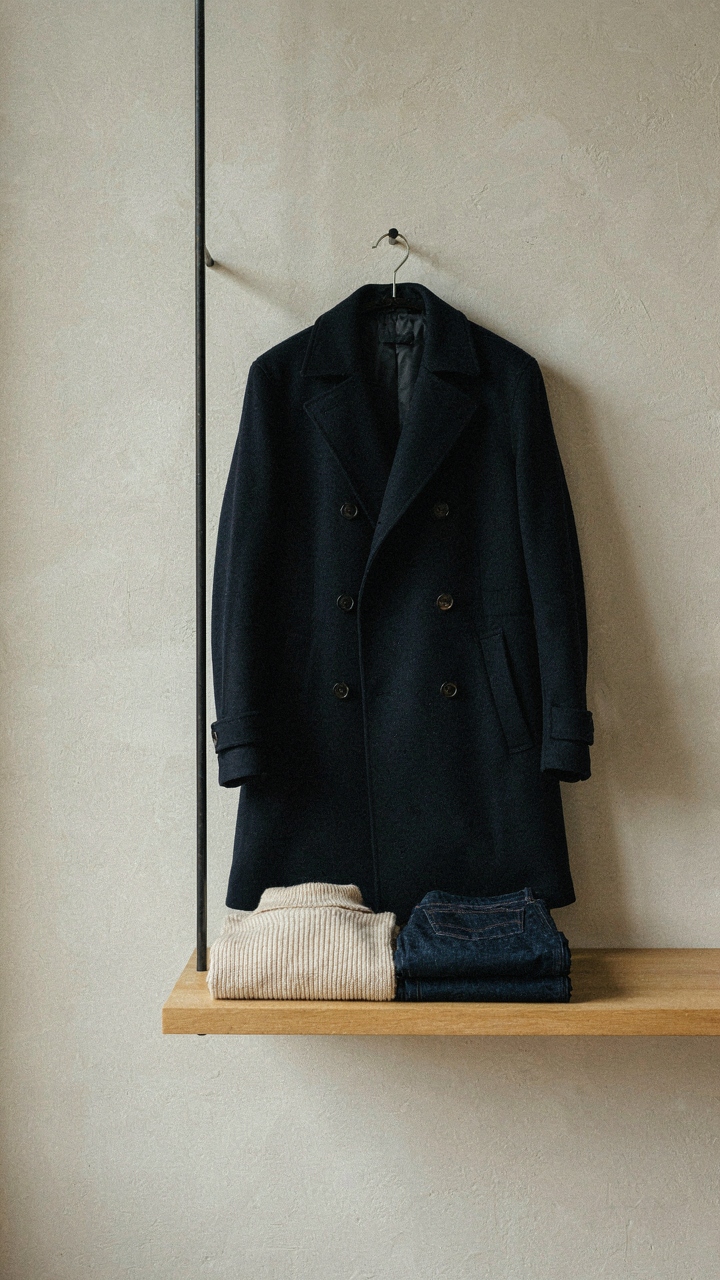
Quality Over Quantity Builds Real Style
You want to look expensive without spending like you’re wealthy. The mechanism is simple: Parisians understand that one well-made piece worn repeatedly signals restraint and taste, while a closet stuffed with cheap options signals the opposite. Fall in Paris demands fabrics that handle nine weeks of humidity, temperature swings, and constant walking. A single wool coat in navy or camel outlasts five synthetic jackets. Merino wool, wool blends, and linen hold their shape through repeated wear. Cotton degrades faster but breathes better during unexpected warm afternoons.

Investment doesn’t mean spending hundreds on one item. It means understanding fiber content and construction. A forty-dollar wool sweater from a maker using proper seams lasts three seasons. A twenty-dollar alternative falls apart by winter’s end. Parisians buy less frequently because each piece survives multiple years. Build your fall wardrobe around pieces you’ll actually reach for past October, not trends that vanish in December.
The Rotation Strategy That Actually Works
Common advice tells you to buy ten pieces and mix them. That’s incomplete. The real principle comes from inventory management: you need anchor pieces, supports, and accent items in ratios that maximize combinations without requiring new purchases. Two neutral sweaters, one quality coat, dark trousers, and one midi skirt create eighteen distinct outfits across eight weeks. Add boots, a leather belt, and a scarf. You’ve now hit forty combinations from twelve items.
The strategy works because Parisians repeat silhouettes, not entire outfits. The same cream turtleneck appears under different sweaters, under the coat, layered with a collared shirt. Repetition breeds familiarity and comfort. Wear the same coat four days a week. Rotate between two pairs of shoes. One handbag carries across seven days. This isn’t deprivation. This is constraint creating coherence. Once you identify what actually works on your body in Paris’s fall climate, buy a backup in a different neutral tone.
The “Local” Lens: Blending In Vs. Standing Out For Paris Fall Outfits
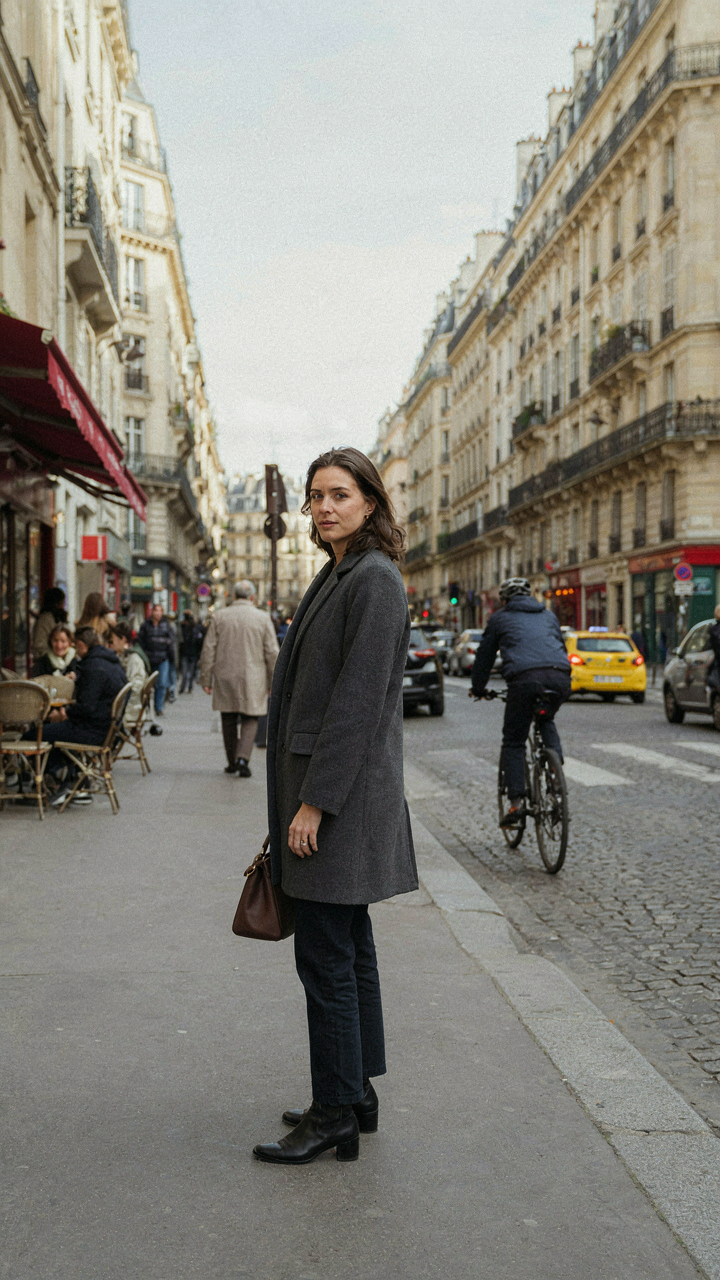
What Real Parisians Actually Wear
You want to blend in because you’re afraid of being read as a tourist. That fear is rational, but it’s based on the wrong mechanism. Parisians don’t dress to blend into a crowd—they dress to opt out of the crowd entirely. The distinction matters. They wear neutral colors and fitted silhouettes not because they’re following a rulebook, but because they’ve eliminated noise from their wardrobe. Fall in Paris means navy, camel, charcoal, and cream. Dark jeans fit close. Blazers sit tailored. Scarves are wool or silk, not theatrical. The formula works because it’s efficient, not because it’s a secret code.

What separates observation from imitation is texture and fit. Watch actual Parisians on Rue de Rivoli or near the Marais and you’ll notice they move through space without adjusting their clothes. No tugging. No checking reflections. This happens because everything fits their frame precisely. The jacket isn’t oversized. The trousers don’t break across the shoe. Their shoes are worn in, not pristine. Buy fewer pieces in fall—a structured wool coat, a fitted turtleneck, quality boots—then get them tailored to your body. The visibility difference is immediate and unmistakable.
The Tourist Tell That Kills Your Credibility
Most advice tells you to avoid bright colors and logos. That’s incomplete. The real giveaway isn’t what you wear—it’s how you wear it and what you pair it with. Tourists layer like they’re dressing for an unpredictable climate. A hoodie under a jacket. A visible athletic brand. Sneakers that look new. Parisians in fall layer with intention: a fitted base, a sweater or turtleneck, then a coat. No visible logos. No athletic wear pretending to be casual. Their shoes are either leather or refined canvas, and they show age through wear, not newness.
The mechanism here is ratio and restraint. Tourists buy three-season clothing and wear it all at once out of uncertainty. Parisians own season-specific pieces and wear fewer of them. In fall, this means one structured coat worn through September and October. One pair of quality boots. Two or three sweaters in neutral tones. One pair of dark jeans. The abundance of choice visible in your outfit reads as insecurity—the opposite of how locals move through the city. Stick to a five-piece fall capsule and rotate it. Don’t add more.
The Psychological Warfare Of Packing: Your Mental Game
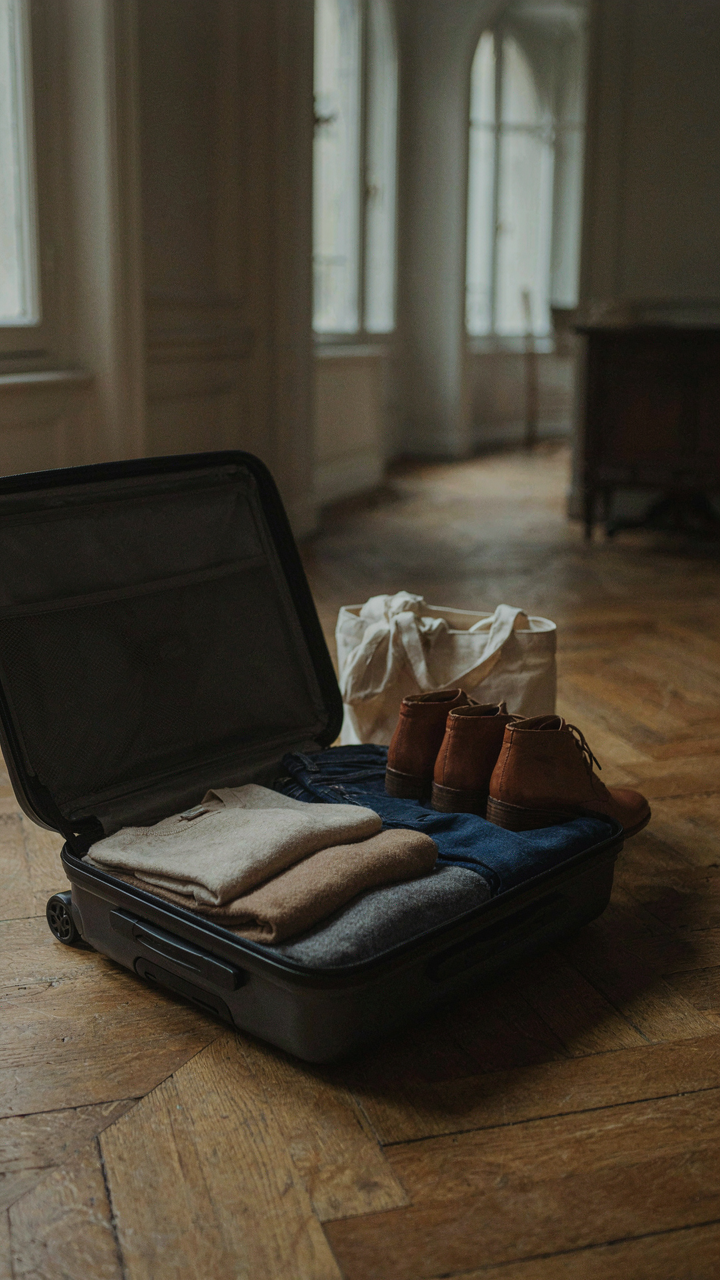
Overcoming The Fear Of Not Enough
You’re afraid you’ll look unprepared. That’s the real problem here, not logistics. The mechanism is scarcity bias: your brain treats missing options as catastrophic even though Paris in fall runs September through November with stable weather patterns. You’ve packed for worst-case scenarios your whole life and it’s trained you to confuse volume with security.

The truth is brutal. More clothes don’t increase your options—they decrease your decision-making ability. A 40-piece wardrobe creates 780 outfit combinations. A 12-piece wardrobe creates 66. Paris in fall demands neutral layers in merino wool, linen, and cotton blends that work across temperature swings of 10 to 15 degrees Celsius. You need coverage, not variety. Pick five core pieces, two pairs of shoes, and one accent item. That’s the inventory.
The Mental Freedom Of A Lighter Load
Carrying less rewires how you move through a city. You stop fidgeting with luggage and start observing. Fall in Paris means cobblestones, narrow hotel staircases, and Metro transfers—physical friction that punishes excess weight. When your load is minimal, your cognitive load drops too. You make faster wardrobe decisions because there are fewer decisions to make.
A lighter load is not minimalism theater. It’s operational efficiency applied to travel. Girls fall outfits in Paris work because they’re built on repetition, not variety: neutral base layer, structured jacket, fitted trousers or skirt, one statement piece rotated through the week. You wear the same coat five days straight because it works. Pack for three outfit formulas, not seven standalone looks. Execute them daily. Check one small carry-on bag, nothing else.
The Only Real Uniform You Need Is Self-awareness
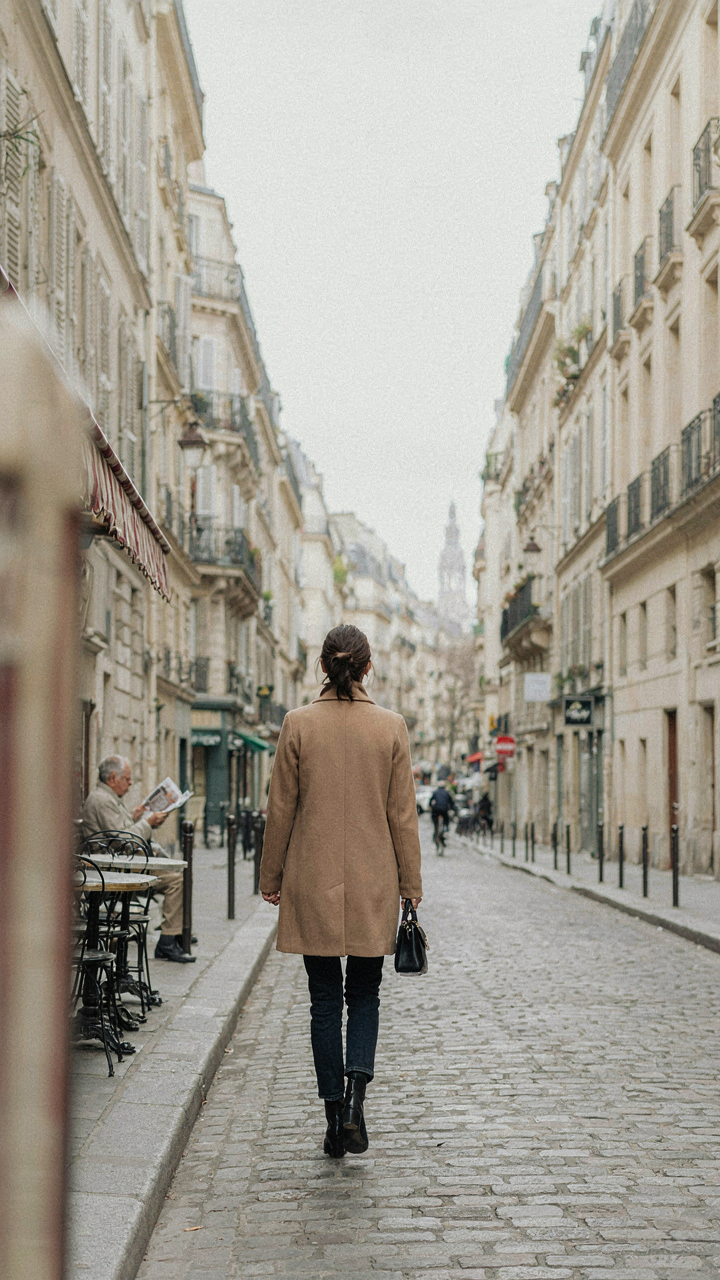
Most people dress for Paris. Smart people dress for themselves in Paris. The difference? One seeks approval. The other seeks clarity. Stop asking what Parisians wear. Start asking what you actually feel confident wearing when you’re tired, cold, and walking through unfamiliar streets. That’s your real uniform. Open your closet today and remove one piece that doesn’t make you move with intention. Everything else follows. Confidence in fall clothes looks the same in every language.