

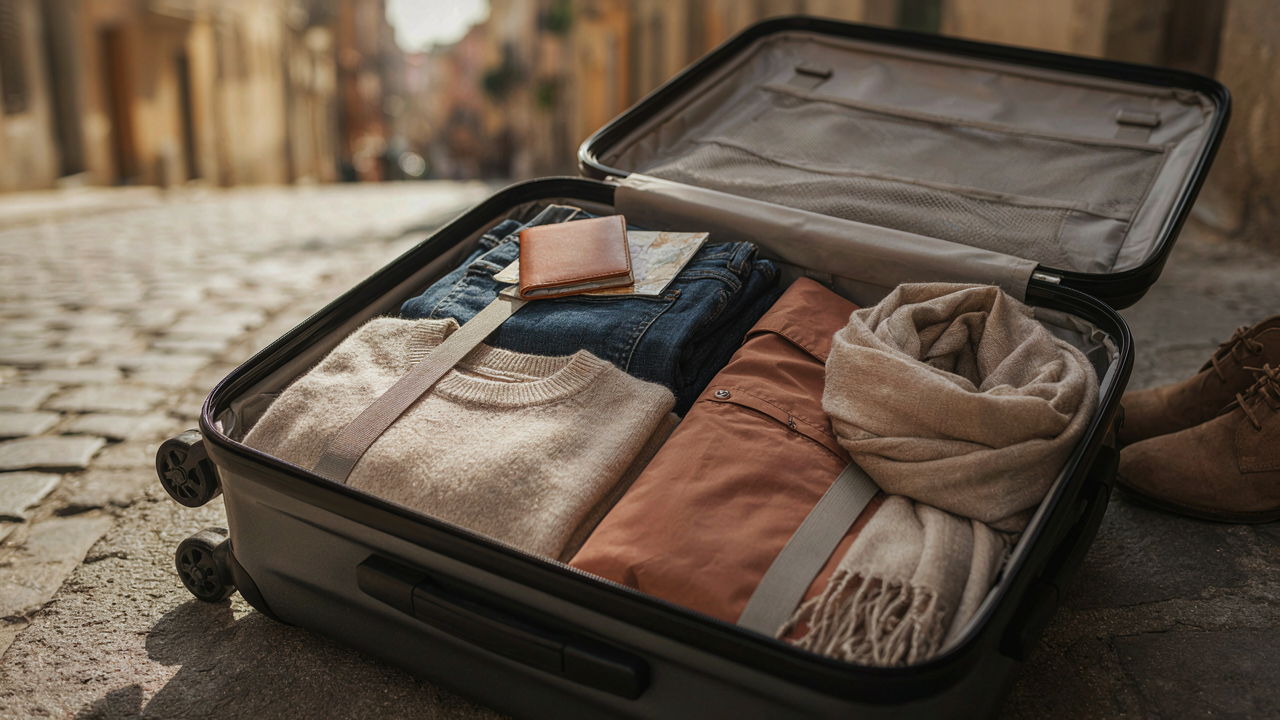
The Myth Of The Perfect Fall Travel Capsule Wardrobe

Generic Lists Miss The Point
You want someone to tell you exactly what to pack so you don’t screw it up and waste money on clothes that don’t work. Here’s the mechanism nobody states plainly: every listicle about fall capsule wardrobes treats clothing like math when it’s actually context. A ten-piece collection works for one person traveling between Chicago and Boston. It fails for another person going from Denver to San Diego. The lists ignore your specific friction points because they’re built to appeal to everyone, which means they appeal to no one.
The advice industry mistakes universality for usefulness. Fashion magazines publish the same capsule wardrobe every September because it sells across demographics. They show you a camel coat, dark jeans, a white tee, a knit sweater, and call it solved. That’s not strategy. That’s surrender. What actually matters is understanding which cities you’re visiting, what weather overlap exists between them, and what activities you’re doing in each place. Generic guidance skips that entire layer.
Your Situation Matters More Than Any Template
Context is not a constraint you optimize around—it’s the foundation of your entire wardrobe strategy. Two people traveling for two weeks in fall look identical on the surface. But one handles clients in boardrooms while the other hikes through national parks. One lives in Seattle where 55 degrees is normal; the other lives in Austin where it feels like a freeze. Their packing lists should look nothing alike, yet every capsule wardrobe guide treats them the same.
Your climate history, your work requirements, the specific temperature range you’ll encounter, and your typical daily activities determine what actually goes in your bag. A capsule wardrobe that works is one that matches your real life, not the imagined life of a fashion editorial. The protocol is simple: map your three to five destinations, note the temperature range you’ll face in each, identify what you’ll actually do there, then build backward. Only after that step do you pick pieces. Your starting point is reality, not a template.
Deconstructing “Layering”: Beyond The Obvious
Thermal Dynamics: How Fabrics Actually Work
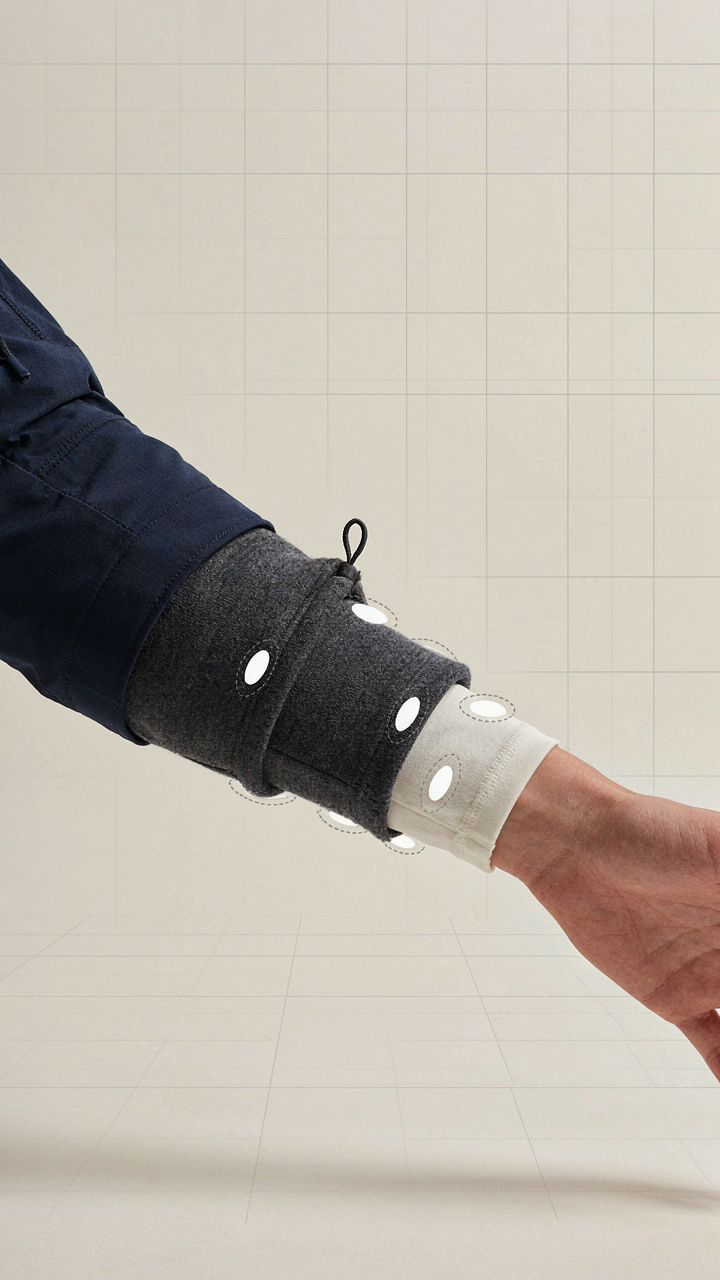
You want layering to feel effortless so you don’t have to think about what you’re wearing. The real mechanism is thermodynamics: insulation works by trapping dead air, not by the fabric itself generating heat. Merino wool, synthetics, and down all function as air pockets. Cotton does not. Cotton absorbs moisture, collapses those air gaps, and conducts heat away from your body. This is why cotton fails in fall travel, regardless of how it looks.

Fabric weight and fiber structure determine performance, not brand names or price tags. A 150-weight merino base layer traps air more efficiently than a 300-weight cotton shirt because the fiber itself wicks moisture and maintains loft when damp. Synthetic blends like polyester behave similarly. When you layer, you’re stacking insulation systems. Each layer must preserve air pockets and move moisture outward. Tight-fitting synthetic base, mid-weight wool or fleece mid-layer, then a wind-blocking shell on top creates a functional gradient that works across Boston to Barcelona without swapping pieces.
Strategic Removal, Not Just Adding Layers
Everyone talks about adding layers. Nobody talks about the layer you remove first. Most travelers pack too many pieces and fail to identify which specific layer solves which temperature problem. This creates decision fatigue and overpacking. You need to reverse-engineer from removal: what do you peel off when you walk from a cold street into a heated café, and what stays on?
A structured mid-layer you can tie around your waist solves this. A merino or fleece cardigan, not a jacket, gives you removal flexibility that a full coat doesn’t. You keep your base on. You keep your shell nearby. The cardigan moves from shoulders to bag without the bulk of draping a jacket. This single piece decision eliminates the cascade of wrong choices. Test your removal sequence at home first: go from your bedroom to a cold space to a warm space, and document exactly which layer comes off at each stage. That sequence is your packing rule.
The “Adaptive Shell” Protocol For Fall Travel
Your Outer Layer Does The Work You Won’t
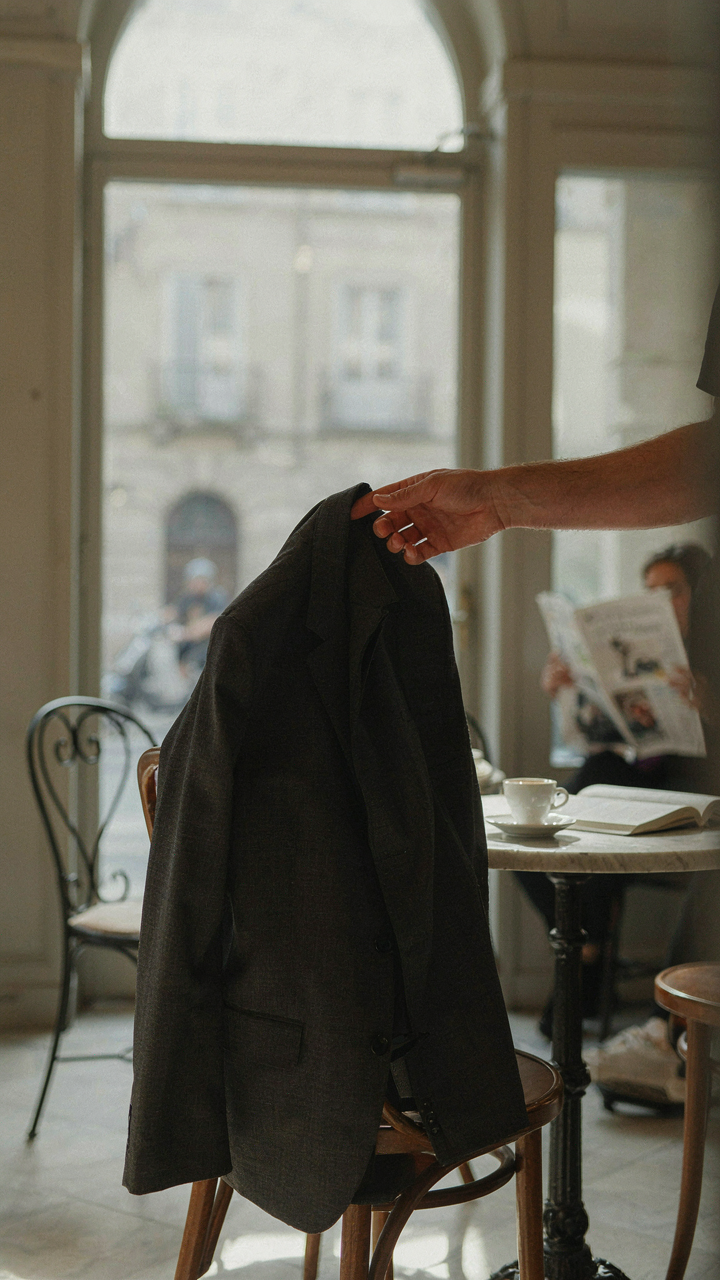
You want to look intentional without thinking about it. That’s the real draw here. Most people treat outerwear like decoration, grabbing whatever matches their mood. That’s backwards. Your shell is your primary temperature control system. In thermal engineering terms, the outer layer provides the insulation barrier that determines your entire system’s efficiency. Choose wrong, and no inner layer fixes it.

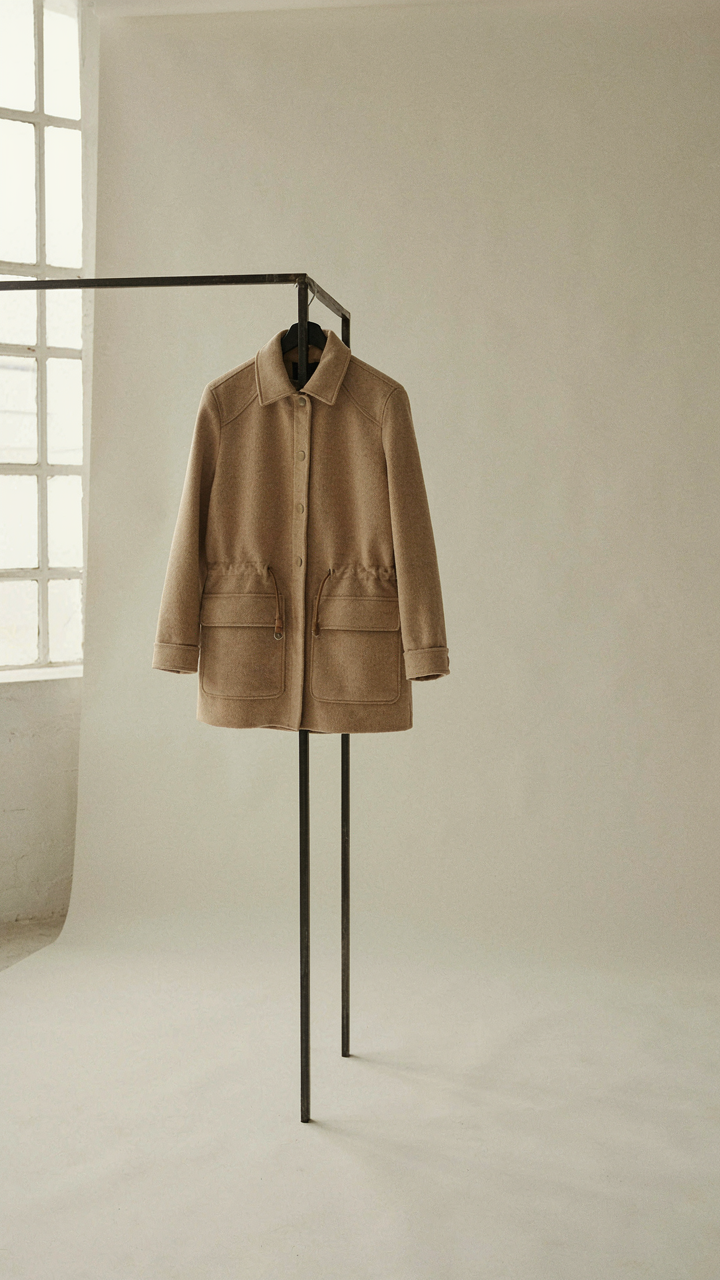
A structured blazer, wool overshirt, or technical jacket becomes your non-negotiable anchor. It travels three to four times more than anything underneath. Pick one that works across contexts: business dinners, transit, casual evenings. The fabric matters. Wool blends resist wrinkles and odor better than cotton. Technical fabrics shed rain and pack smaller. Your shell should handle a 20-degree temperature swing on its own before you layer underneath. This eliminates the need to pack three separate heavy coats.
The Regulation Engine Beneath
Inner layers do one job: move moisture and trap or release heat on demand. Not all base layers are created equal. Cotton absorbs sweat and holds it. Merino wool and synthetic blends wick it away. This single property determines whether you feel comfortable or clammy for eight hours in a train.
Build your inner stack with three pieces: a lightweight merino or synthetic base layer, a mid-weight fleece or wool sweater, and a long-sleeve tee in natural fiber. These three pieces, worn in different combinations, cover 45 to 75 degrees Fahrenheit. Most fall travel never needs more. The key: each layer should fit close enough to trap air without restricting movement. Loose inner layers kill efficiency. Test your combinations at home before you pack. Wear the base layer under the tee, then add the sweater. Adjust based on your own heat profile, not generic sizing charts.
Material Science: Your Unsung Europe Travel Outfits Hero
Merino Wool Beats Synthetics In The Real World
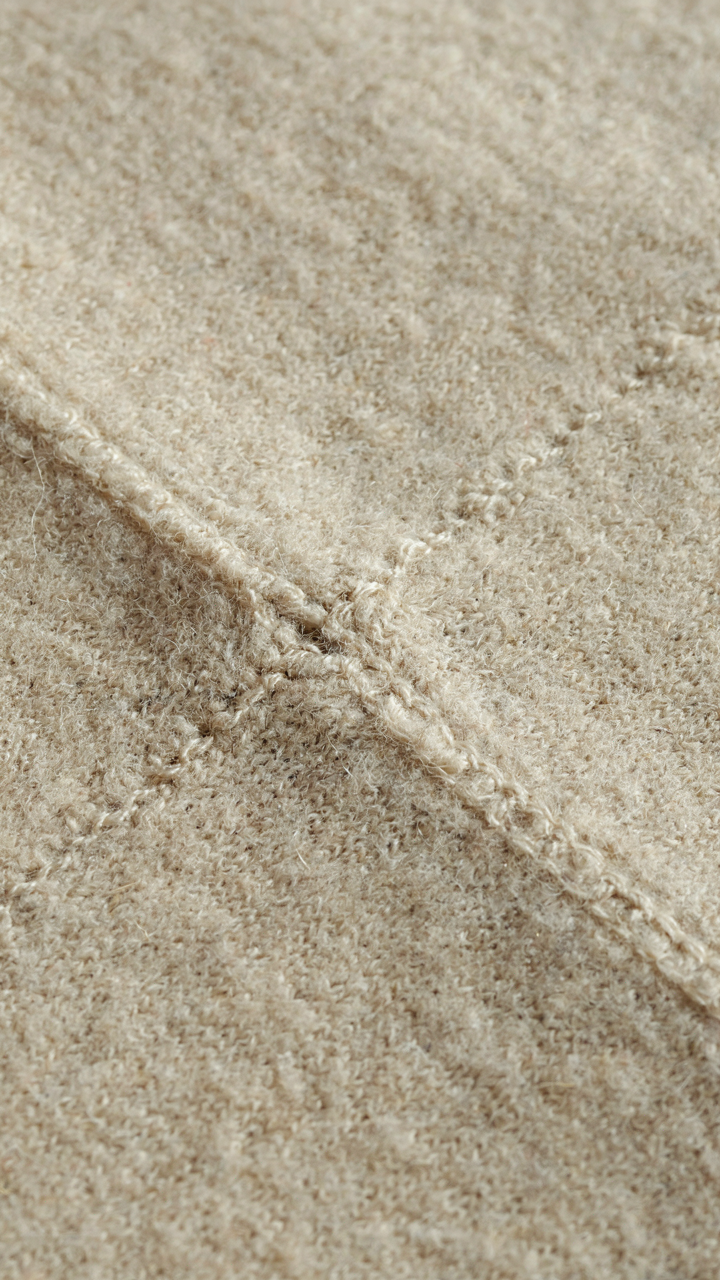
You want to believe a synthetic will perform like merino because it costs less and sounds futuristic. It won’t. Think of fabric performance through the lens of thermodynamics: merino regulates temperature by absorbing moisture vapor before it becomes sweat on your skin, while synthetics repel moisture, trapping heat and odor. This is the mechanism nobody mentions when they sell you polyester base layers.

Merino wool loses performance only after 50 to 100 washes depending on care. Synthetics degrade faster under repeated compression in a travel bag and lose water-wicking capability within months of regular use. When you’re moving between Milan, Lyon, and Amsterdam every few days, your base layers work harder than they would in a static wardrobe. Merino handles this load without failure. That’s not marketing. That’s material science applied to movement.
Quality Construction Determines Longevity, Not Brand Name
The consensus says buy expensive brands for durability. Wrong framing. Durability depends on seam quality, yarn weight, and fabric construction, not the price tag or logo. A 200-gram merino crew from an unknown maker with flat-lock seams will outlast a 150-gram blend from a luxury brand because the construction absorbs stress better.
Check three variables before buying: seam type (flat-lock beats standard), yarn ply (2-ply merino is minimum for travel), and weight consistency (no thin spots in high-friction areas like sleeves). These details live on product pages and in detailed reviews, not in marketing copy. Buy based on construction specs, not aesthetics. That’s how you stop replacing pieces mid-trip.
The “Minimalist Carry On” Mindset: Europe Carry On Packing Fall
The 80/20 Rule Of Actual Wear
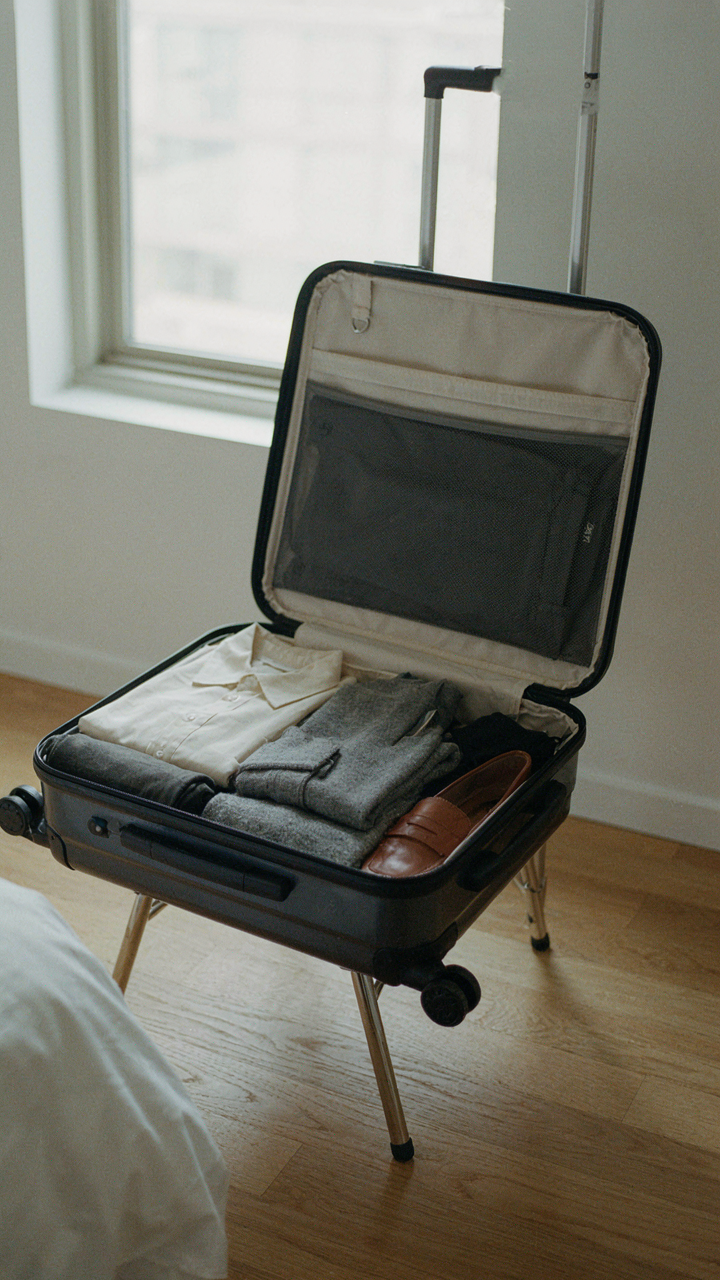
You want to look put-together without checking a bag because you’re afraid of looking like you can’t travel efficiently. Here’s the mechanism: the Pareto Principle in economics states that 80% of outcomes come from 20% of inputs. In packing, this means 80% of your outfits come from 20% of your pieces. Most travelers pack 40% more than they’ll touch. Identify that 20% first—your non-negotiables—then build only around it.

Fall temperatures swing 30 degrees across a single day in most European cities. Your core pieces must work in that range. Five base pieces worn across ten days beats ten pieces worn once each. Pull items from your closet that you’ve actually reached for in the past month, not items you think a traveler should own. That filtering step eliminates decision paralysis at departure.
Pieces That Earn Their Weight
Generic advice says “choose neutral colors and mix and match.” That’s incomplete. Real utility means each piece covers multiple temperature ranges, layering scenarios, and occasions without looking redundant. A midweight knit merino wool cardigan in charcoal works over t-shirts in 50-degree mornings, under a jacket at 40 degrees, and alone indoors at 68 degrees. That’s three different outfit configurations from one item. Cotton basics fail this test because they can’t insulate effectively in cool weather and add bulk without function.
Your second-tier pieces should solve specific gaps your core creates. If you pack a wool sweater and a base layer, a structured overshirt handles the middle ground and replaces the need for a third insulating layer. Stretch chinos in one color work day-to-night because the fabric doesn’t wrinkle like cotton, keeps its shape through movement, and sits at the intersection of casual and presentable. Each addition must do work your existing pieces don’t.
Color Palettes: Not Just Aesthetics, But Strategy
Neutral Base Expands Outfit Combinations
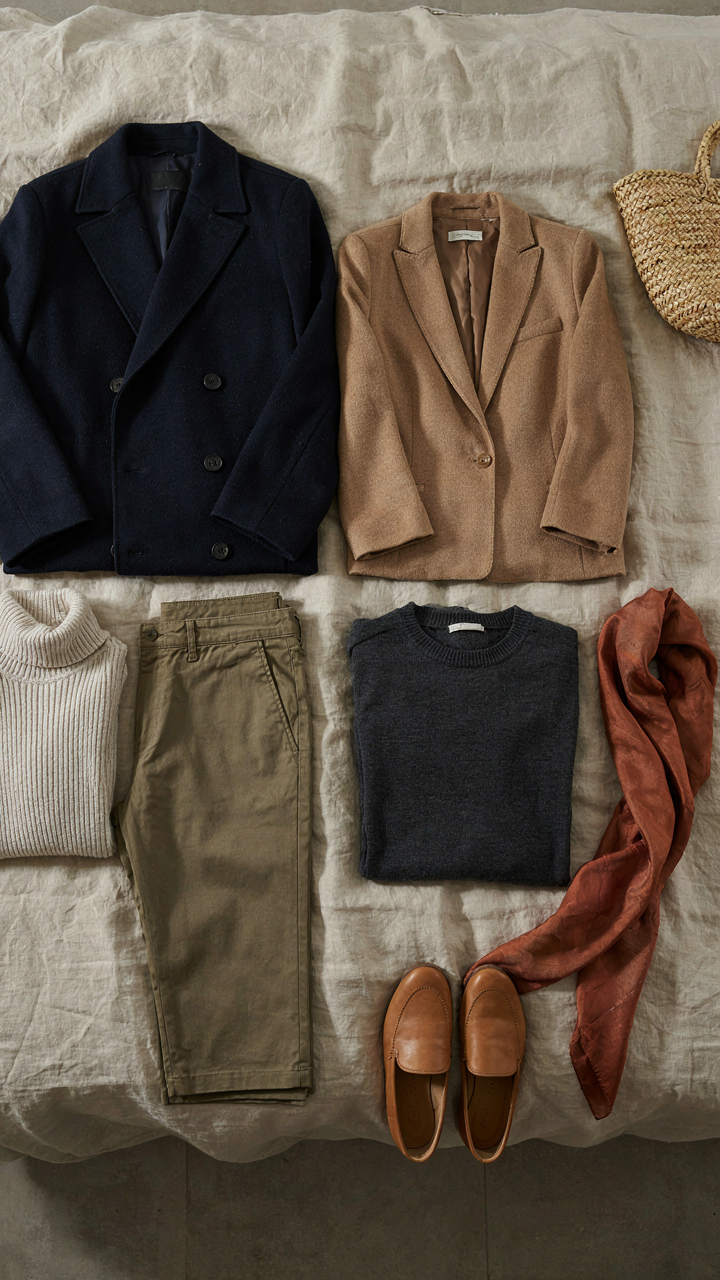
You want to look intentional without thinking about it. That’s the real pull here, and it only works if your base colors talk to each other across every piece you pack. Borrowing from combinatorics in mathematics, your capsule’s power comes from the number of unique pairs and groups you can form from a fixed set. Five neutral pieces create far more outfit combinations than five random colors ever will.

Neutrals function as the connective tissue. Navy, cream, charcoal, olive, and camel work across temperature shifts and city aesthetics without friction. Each neutral anchors a different layer and pairs with itself or any accent without visual conflict. This isn’t about blandness. It’s about removing the decision tax that kills momentum when you’re moving between climates and want your clothes to function, not complicate.
Accent Colors Do The Heavy Lifting
Everyone says add pops of color, which is vague marketing speak that wastes your luggage space. The mechanism is different. You pick two accent colors maximum that appear across three pieces each. This creates visual continuity while forcing you to think about garment function first, color second. Burgundy in a knit, burgundy in a scarf, burgundy in a shoe becomes the thread that ties loose elements together instead of creating clashing moments.
One accent color should work in daylight and artificial light without shifting mood or feel. Test it under different lighting before packing. The second accent operates as your edit. It appears less, carries more impact, and gives you an exit route when the first color feels overused after day three. Strategic accents solve the real problem: looking like you planned this across cities instead of raiding your closet in a panic.
The “Contingency Matrix” For Fall Travel Outfit

Treating Weather Like A Threat You Can’t Predict
You want a guarantee that you won’t look stranded in the wrong clothes. That’s the real fear here. Military strategy calls this “defense in depth”—layered redundancy against an opponent you can’t fully know. Fall weather across multiple cities isn’t an opponent, but it operates the same way: it punishes single solutions. The forecast is marketing material. Temperature swings twenty degrees. Rain arrives unannounced. Wind changes how fabric behaves on your body.

Your actual job is building a system that neutralizes all variables at once, not betting on perfect prediction. This means treating each piece of clothing as a defensive perimeter with a specific failure point you’ve already identified. A merino base layer fails at high humidity. A linen overshirt fails in direct cold. A structured jacket fails in crowded indoor spaces where you overheat. You stack these failures so that no single weather event leaves you exposed. The contingency matrix isn’t about having options. It’s about having no bad options.
Building For What Weather Won’t Tell You
The common advice says “check the forecast before you pack.” That’s incomplete. A forecast tells you what happened yesterday and what the weather service believes will happen in a narrow geographic zone. It doesn’t tell you what happens inside buildings with aggressive HVAC systems, or on a train that bakes one side of your body while the other side faces a window in thirty-five-degree air, or in a restaurant where the back dining room runs fifteen degrees colder than the front.
Pack for the gaps between environments, not for the temperature reading on your phone. This means choosing fabrics that adjust without removal: merino wool that regulates across a fifteen-degree swing, not cotton that holds temperature static. It means testing your layering system in your actual home first, moving between heated rooms and unheated spaces, so you know exactly where the friction points are. Your protocol: wear each combination twice before travel, document which pieces fail first under real conditions, then replace or reposition them in your load-out.
Beyond Clothes: The Fall Packing List Outfits Ecosystem

Accessories That Multiply Outfit Combinations
You want to feel like you packed enough without actually packing enough. That’s the real move here. Accessories operate on a multiplier principle from economics: one unit of input produces disproportionate output. A single scarf worn three ways across different outfits creates the illusion of wardrobe depth while consuming minimal luggage space. This is why accessories matter more than a fourth shirt nobody will wear.
- Structured Scarf: Wool or linen blend in neutral. Works as a layer, shawl, or bag accent. Regulates temperature without adding bulk to your core pieces.
- Leather Belt: Defines waistlines on loose sweaters and cardigans. Shifts proportions and creates visual separation between tops and bottoms instantly.
- Minimal Jewelry Set: One necklace, two pairs of earrings, one bracelet. Gold or silver only. Prevents decision fatigue and works across casual and semi-formal outfits.
- Crossbody Bag: Canvas or leather. Carries essentials while keeping hands free. Functions as visual anchor that ties entire outfit together regardless of clothes beneath.
- Lightweight Gloves: Merino wool or cotton blend. Extends shoulder season wear into late fall. Adds texture without requiring additional coat layers.

The constraint of minimal luggage forces intentional selection. Every accessory you pack must work with at least three different core pieces. Skip anything that matches only one outfit. That’s waste.
Non Negotiables For Body Function
The advice that comfort is personal is incomplete. Comfort is mechanical. Certain items stop friction, prevent blisters, regulate moisture, and keep your feet from cramping during airport walks and city exploration. These aren’t luxuries. They’re infrastructure.
A travel-specific toiletry kit means one thing: items that solve specific problems you encounter when moving between climates and time zones. Lip balm prevents cracking from airplane cabin air. Blister pads stop small problems from becoming day-ruining ones. Compression socks combat swelling on flights over three hours. Deodorant and dry shampoo extend the time between laundry loads. Include a small mirror, tweezers, and nail file. These take up zero meaningful space and solve the problems that actually derail travel plans.
Adapting To The City: Fall Outfit Travel Capsule

Blend In, Don’t Broadcast
You’re worried people will clock you as a tourist. That fear drives most wardrobe mistakes. The mechanism is simple: cities run on visual codes. Breaking them makes you a target for pickpockets, scams, and the exhausting mental weight of standing out. Local residents dress for function and climate, not for an audience. Your fall capsule wins by matching that restraint.

Neutral colors aren’t boring—they’re the uniform of someone who belongs. Black, charcoal, cream, and olive work across every major city because they signal competence, not tourism. Avoid branded logos, oversized silhouettes, and anything that screams “I bought this at the airport.” Fit matters more than fashion. Tailored basics in muted tones let you move through public transit, museums, and restaurants without drawing attention. This is how you navigate unfamiliar territory with authority.
The Foundation Of Urban Exploration
Footwear determines whether you explore a city or get trapped in your hotel. Wrong shoes end your day by noon. The reality: cities demand walking. Cobblestones, stairs, wet pavement, and uneven sidewalks punish casual shoe choices. Your fall capsule needs two primary options, not six. A quality leather sneaker or slip-on handles daily navigation. A structured leather boot handles variable weather and rougher terrain.
Both shoes must have genuine arch support and a sole that grips. Suede deteriorates in rain and mud—skip it for travel. Leather ages visibly, which signals wear faster than function demands. Choose shoes you’ve already broken in before the trip. Blisters aren’t character building. Wear whichever shoe you’ll actually walk eight miles in without regret, then pack the other as backup. That’s the protocol.
The Real Obstacle Isn’t Your Wardrobe; It’s Your Inability To Adapt To The Unpredictable
Most people build a fall travel capsule wardrobe and still pack wrong because they’re planning for a fantasy version of their trip. They predict weather. They imagine outfits. They prepare for a narrative that won’t happen. The real skill isn’t owning seven pieces that stack together. It’s choosing pieces ruthless enough to work when your plans shift. Pull out one item from your closet today that does three jobs instead of one. That’s where freedom lives. A wardrobe that adapts is just a wardrobe that admits you don’t control anything.