

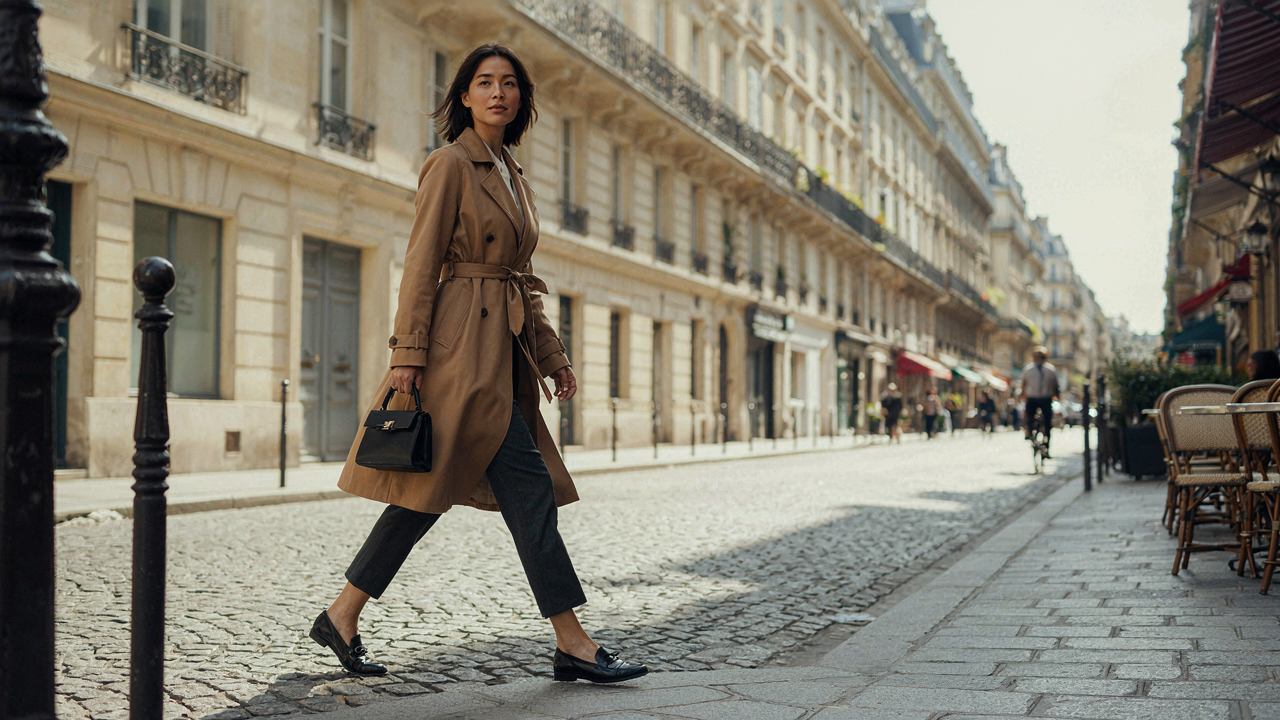
The Parisian Edit: Less Is More, Always

Build Around Constraint, Not Aspiration
You want this to work because you’re tired of owning too much and looking like you own nothing. The real mechanism here is constraint-based design, borrowed from engineering: you remove options until the remaining pieces do the work of ten. A Parisian capsule wardrobe forces decisions before you buy, not after. You pick a color palette first, then fill it. You identify your life’s actual uniform—the three shoe silhouettes you wear on repeat—then stop shopping for shoes.
Most advice says “buy versatile pieces.” That’s incomplete. You need pieces that work together specifically, not pieces that theoretically work with anything. Five neutral sweaters that don’t share the same weight, drape, or undertone aren’t versatile. They’re redundant. The edit means choosing one cream, one black, one navy in the exact same fabric weight so they layer identically. You’re building a system, not a collection.
The Cost Per Wear Calculus
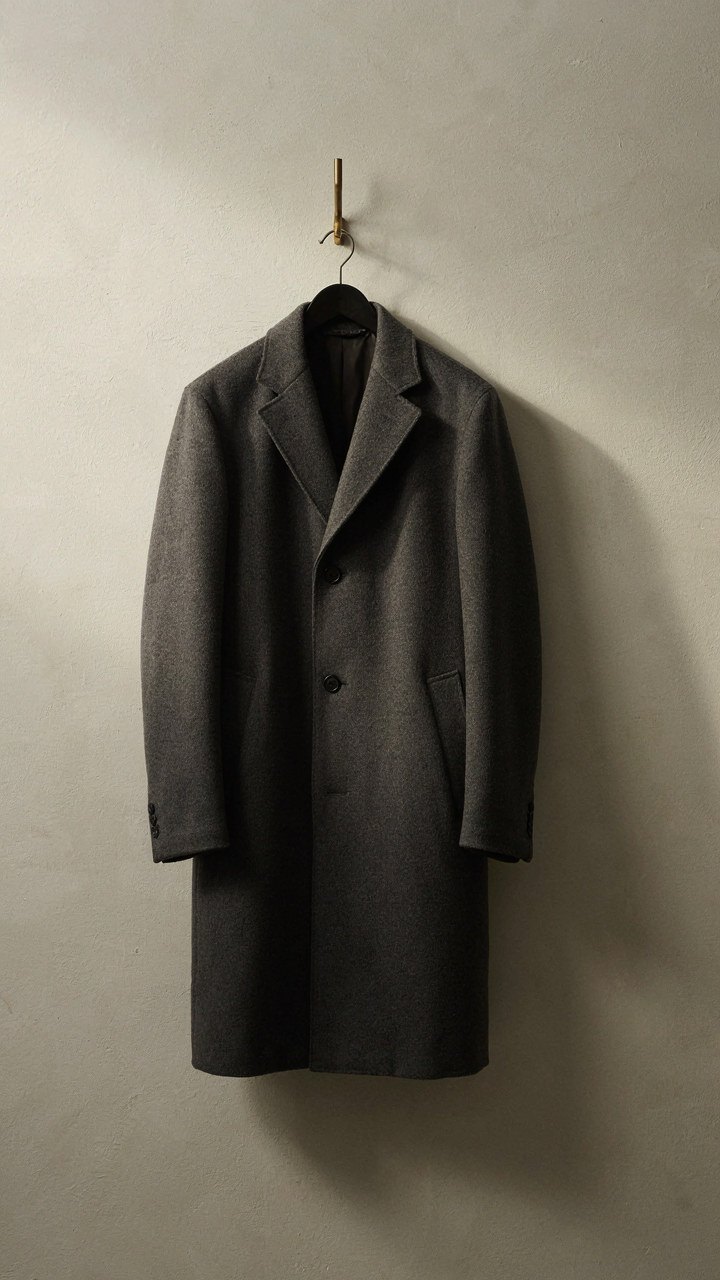
Quality costs money upfront because good fabrics and construction last years, not seasons. A well-made wool coat worn twice weekly for five years costs less per wear than a cheap coat worn once weekly for two years. Parisians understand this math and spend accordingly on foundations: outerwear, shoes, bags. They skip the markup on brand names and chase thread count, seam quality, and fiber content instead. The investment works only if you actually wear the pieces.
The paradox everyone misses: cheaper pieces force frequent replacement, which means constant shopping, constant decisions, constant friction. Expensive pieces worn daily become invisible—you stop thinking about them and start living in them. This is the actual economy of a capsule wardrobe. Buy fewer, wear more, replace less often. When a piece fails after years of use, you replace it with the same item, not a new trend. That’s the protocol: identify your core pieces, buy the best version once, then wear them until they genuinely wear out.
The OODA Loop Of Parisian Dressing: Observe, Orient, Decide, Act
What You’re Actually Seeing On The Street
You want proof that your aesthetic taste is refined. That’s the real game here. But Parisian street style isn’t about taste—it’s about constraint. The OODA loop is a military decision-making framework: Observe, Orient, Decide, Act. In fashion, observation is where most people fail. They see a Parisian woman in a navy sweater and assume navy is the answer. They miss the actual data: fit, fabric weight, how it moves against her body, the specific shade relative to her skin tone.

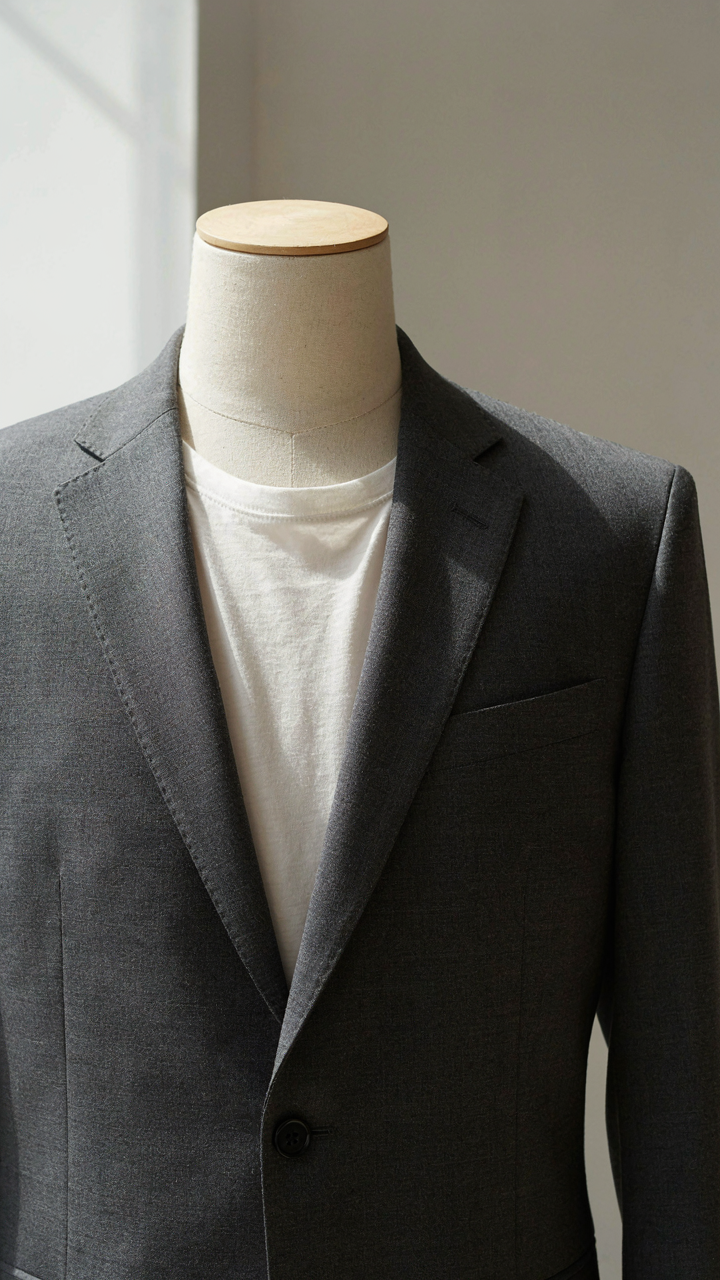
What separates observation from scrolling is specificity. Stop cataloging outfits as units. Instead, watch how Parisians layer a cotton t-shirt under a structured blazer without bulk. Notice which women wear cropped trousers versus full-length and why the choice matters for their frame. Document fabric behavior in humidity. The street teaches mechanics, not aesthetics. Most people collect inspiration. Collectors never build anything.
Your Constraints Are Your Actual Style
Orientation means knowing what information matters to you specifically. Generic capsule wardrobe advice tells you to buy neutral colors and “quality basics.” That’s incomplete. Your real constraint is your life: the climate you live in, your body’s proportions, the social contexts you enter, and your tolerance for repetition. A Paris capsule wardrobe designed for someone in LA’s heat won’t function in Berlin’s damp. A framework built for a size 4 frame collapses for a size 14.
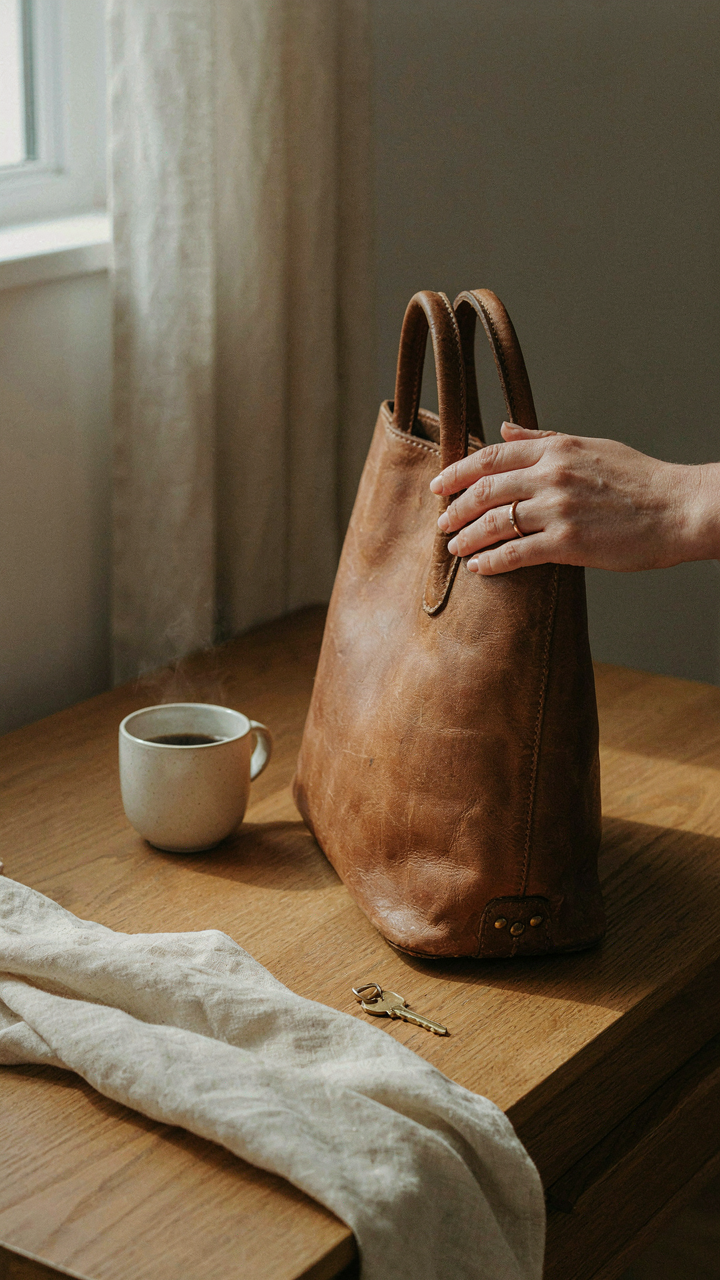
Orientation also requires naming what you won’t compromise on. If you travel constantly, structured bags that hold shape matter more than versatility. If you work in creative fields, monochrome feels restrictive. If you have ten minutes to dress, decision fatigue is your real enemy. The Parisians who pull off restraint aren’t fighting their preferences—they’ve aligned their capsule with actual constraints, not aspirational ones. Your orientation phase determines whether a capsule serves you or becomes another closet of expensive guilt.
French Wardrobe Capsule: Beyond The Stereotypes
The Effortless Facade Costs Money
You want to believe Parisian women wake up looking curated without effort because it means you can too. They don’t. The “effortless” aesthetic is economics dressed as nonchalance. French capsule wardrobes work through constraint, not inspiration. Women in Paris invest heavily in fewer pieces, wear them repeatedly, and rely on fit and fabric quality to carry the visual load. The mechanism is substitution: replace quantity signaling with quality signaling. Most people can’t commit to this because it feels like limitation.

High fabric costs money upfront. A structured wool blazer, well-cut trousers, or quality knitwear require 15 to 25 percent of most budgets before a single accessory appears. The payoff is measurable: pieces worn 100+ times versus fast fashion worn 5 to 10 times. The real work is not in getting dressed. It’s in the purchase discipline beforehand and the acceptance that your rotation shrinks, not expands.
Wearing What Already Works
The conventional advice claims consistency breeds style. That’s incomplete. Authenticity beats trend-chasing because trend pieces have expiration dates built in. Your actual life determines what works, not Instagram aesthetics. A Parisian woman wears what moves her through her day without friction: her commute, her work environment, her social circles. The capsule reflects this. A lawyer dresses differently than a freelancer, and both dress differently than someone who works from home.
Real authenticity reveals itself through repetition. Notice what you reach for when nobody’s watching. That’s your baseline. Build around it instead of against it. If you live in sneakers, forcing ballet flats into rotation wastes capital. If you hate turtlenecks, owning three accomplishes nothing. The protocol is simple: wear pieces for two weeks before buying similar ones. If you don’t reach for them, they don’t belong in the capsule.
The Fall Packing List Europe: Strategic Choices
Dress For The Season You’ll Actually Experience
You want to look composed while barely thinking about what you’re wearing. The mechanism is simple: fall in Europe isn’t fall in New York or Los Angeles. Temperatures swing between 50 and 65 degrees Fahrenheit depending on the day and hour. Rain happens without warning. You pack for this reality or you waste mental energy solving problems in real time.

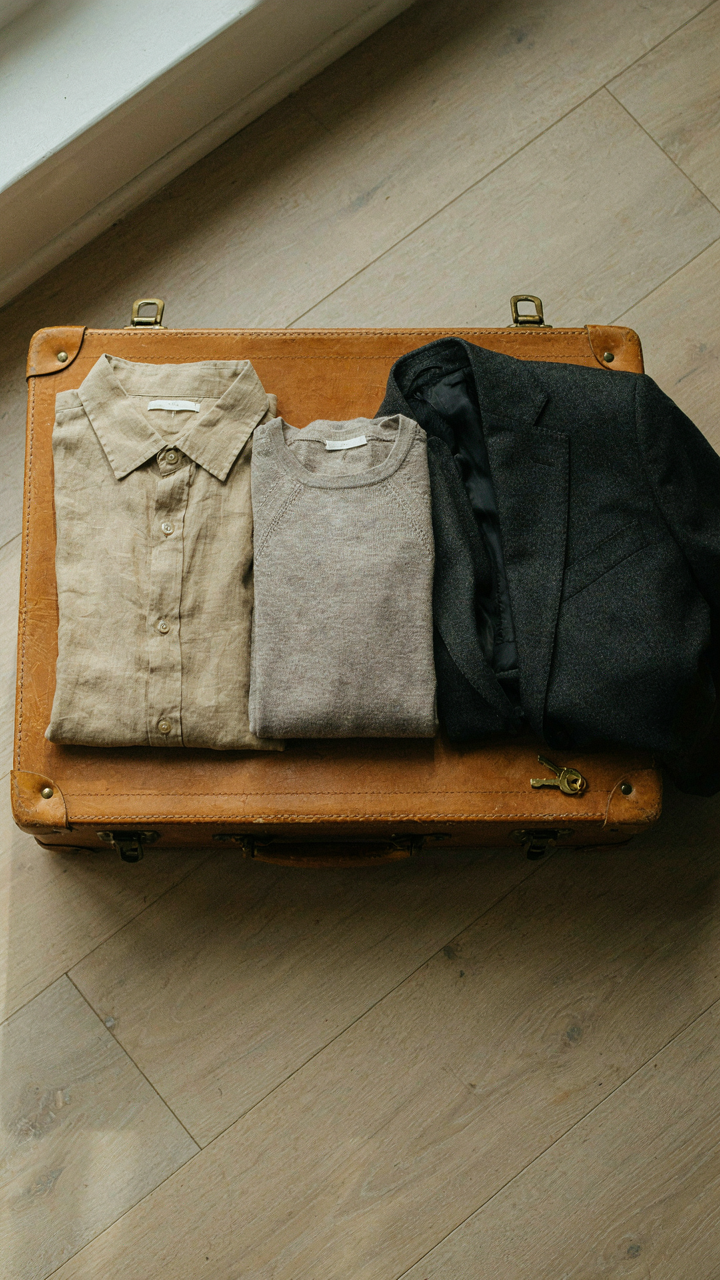
Layering isn’t about stacking cute pieces. It’s about thermal regulation through material choice and fit. A merino wool base layer traps heat when damp. A linen overshirt adds breathability on warmer afternoons. A structured wool blazer works as both insulation and the anchor that makes everything look intentional. Check actual forecasts for your specific dates, not your memory of Paris in fall from five years ago.
The Pieces That Earn Their Weight
Everything in a paris capsule wardrobe must perform at least two distinct functions. This is economics applied to fabric: maximize utility per item, minimize total volume. A piece that works only as a “nice dinner” shirt is dead weight.
- Wool Trousers In Neutral Tone: Functions as casual street wear and dressy evening wear depending on shoes and top. Wrinkle resistant and naturally temperature regulating across the 50-65 degree range.
- Structured Linen Blazer: Works as a lightweight layer in early fall and as an evening jacket. Breathes when temperatures rise during afternoon walks, adds polish instantly at cafes.
- Long Sleeve Fitted Knit: Operates as a base layer under blazers or worn alone on mild days. Merino blends pack small and dry faster than cotton if you hand wash in your hotel.
- Dark Denim Or Cotton Chinos: Transitions from day to evening through shoe and accessory swap. Neutral enough to layer under everything, structured enough to hold their shape through repeated wearing.
- Midi Skirt In Jersey Knit: Packs flat, moves between casual and dressed depending on top. Jersey doesn’t wrinkle like woven fabrics, critical for travelers with limited luggage space.
Redundancy kills capsule efficiency. Don’t bring two neutral cardigans. Bring one that works in multiple contexts. A slim wool sweater under a blazer reads different than that same sweater with an open linen shirt over it.
Parisian Chic Fall Outfits: The Unwritten Rules
Quality Over Recognition
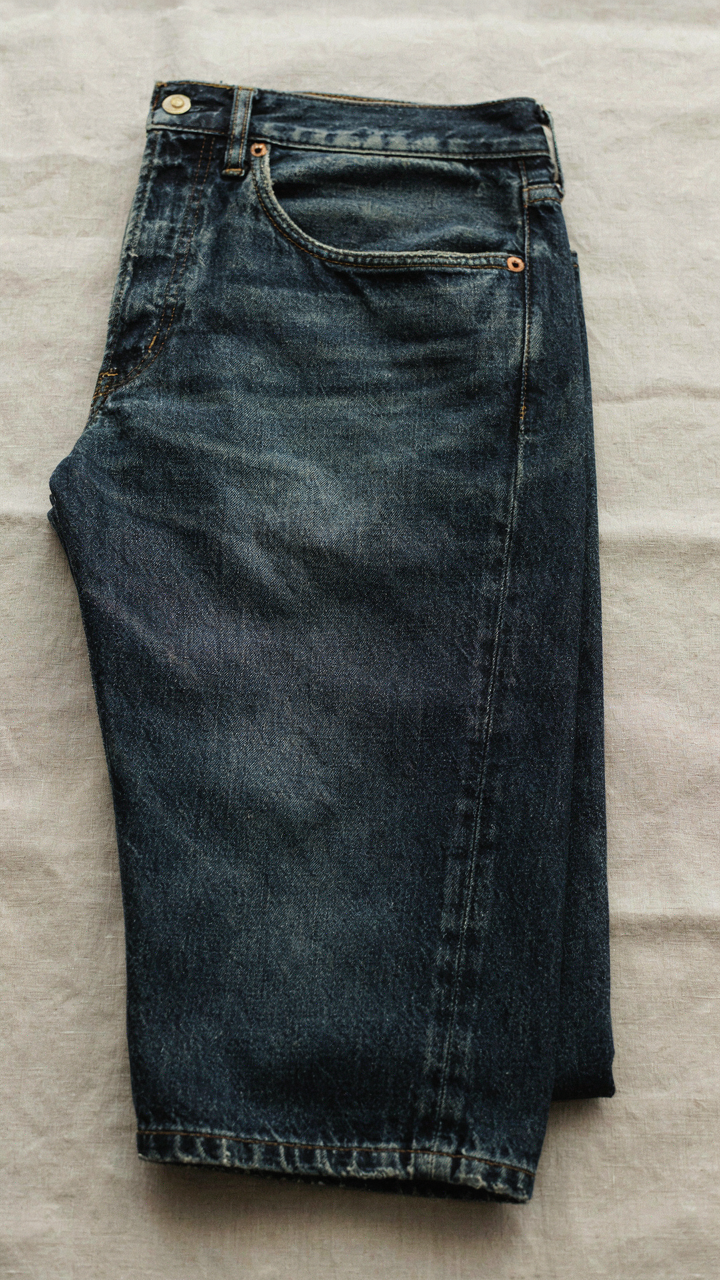
You want people to notice you were thoughtful without realizing you tried. That’s the real game. Parisian fall style borrows from industrial design’s principle of constraint: remove everything decorative, keep only what functions. A visible logo signals the opposite. It says the brand does the talking, not you. Parisians wear expensive pieces that look unremarkable because the construction speaks to those who know. Seams align. Fabric hangs correctly. The coat doesn’t wrinkle where it shouldn’t.

The mechanism is simple. Logos are advertisements you pay to display. Quality pieces age visibly and improve. A heritage wool sweater from Uniqlo or COS gains texture over seasons. A designer bag with embossed lettering stays frozen in time, looking purchased rather than lived in. Fall in Paris demands pieces that reward wearing, not pieces that announce acquisition. Choose natural fibers, neutral colorways, and construction details that survive years of use.
The Walk Test Comes First
Most advice about comfort skips the actual problem: Parisians walk miles on medieval streets in weather that shifts hourly, then sit for two hours at a cafe. Your outfit must perform both roles without adjustment. This isn’t about soft fabrics or stretchy waistbands. It’s about weight distribution and freedom of movement in layers. A coat that’s too heavy creates tension in your shoulders. Shoes with rigid soles cause your stride to shorten. You end the evening tense instead of present.
Test every piece on a thirty-minute walk before committing. Notice where fabric pulls. Check if your arms move freely when layered. Fall requires a coat worn all day, so it has to feel like wearing nothing. Dark jeans should let you crouch or sit cross-legged without cutting circulation. The point isn’t looking comfortable. It’s actually being comfortable so your face and posture stay open when you’re across from someone at dinner.
The French Wardrobe Essentials: Your Personal Uniform

Find Your Non Negotiable Pieces
You want permission to stop overthinking. That’s the real reason you’re reading this. The mechanism is simple: signature pieces work because they eliminate decision friction every single morning. A signature piece isn’t versatile in the generic sense. It’s a specific item you return to repeatedly because it fits your body, your schedule, and the life you actually live, not the one you’re pretending to have.

Start by tracking what you reach for without thinking. Over two weeks, note which items you wear multiple times. These aren’t your favorites. They’re your non negotiables. A Breton shirt worn twice weekly beats a silk blouse worn once a year. The French didn’t invent the capsule by choosing beautiful things. They chose reliable things. Your signature pieces are the foundation everything else stacks onto.
The Layering System, Not The Closet
Think in layers like an electrical circuit, not items like a department store. Each piece must connect to others to complete a functioning system. One sweater worn alone is just a sweater. That same sweater worn over a collared shirt, under a blazer, with different pants becomes four distinct outfits. The French wardrobe works because each piece bridges between others intentionally, not by accident.
Build your pieces around a single neutral base. Cream, navy, or black. Add one secondary neutral for texture variation. Then select accessories that tighten the circuit without breaking it. A silk scarf doesn’t just “go with everything” in a capsule. It specifically connects your top layer to your bottom layer through color or pattern. Every addition should reduce outfit decisions, not increase them.
Paris Weekend Capsule Wardrobe: Micro Efficiency
The Math Of Three Days
You want to look intentional without hauling a suitcase that signals tourist. That’s the real fear underneath this. The mechanism is constraint-based design: you reduce pieces to force intentional combinations, which paradoxically creates more outfit options than bringing twice as much. A three-day Paris stay demands 5-7 core pieces maximum, each earning its weight through multiple outfit configurations.

The baseline is two bottoms, three tops, one outerwear layer, and shoes. Two pairs if you’re smart. This isn’t minimalism for its own sake. It’s logistics applied to human visibility. Every piece must work across day transitions—cafe breakfast to evening aperitif—without requiring a outfit change that eats into actual time in the city. Neutrals anchor the system; one accent piece breaks monotony without demanding additional shoes or layers.
Combination Logic Over Quantity
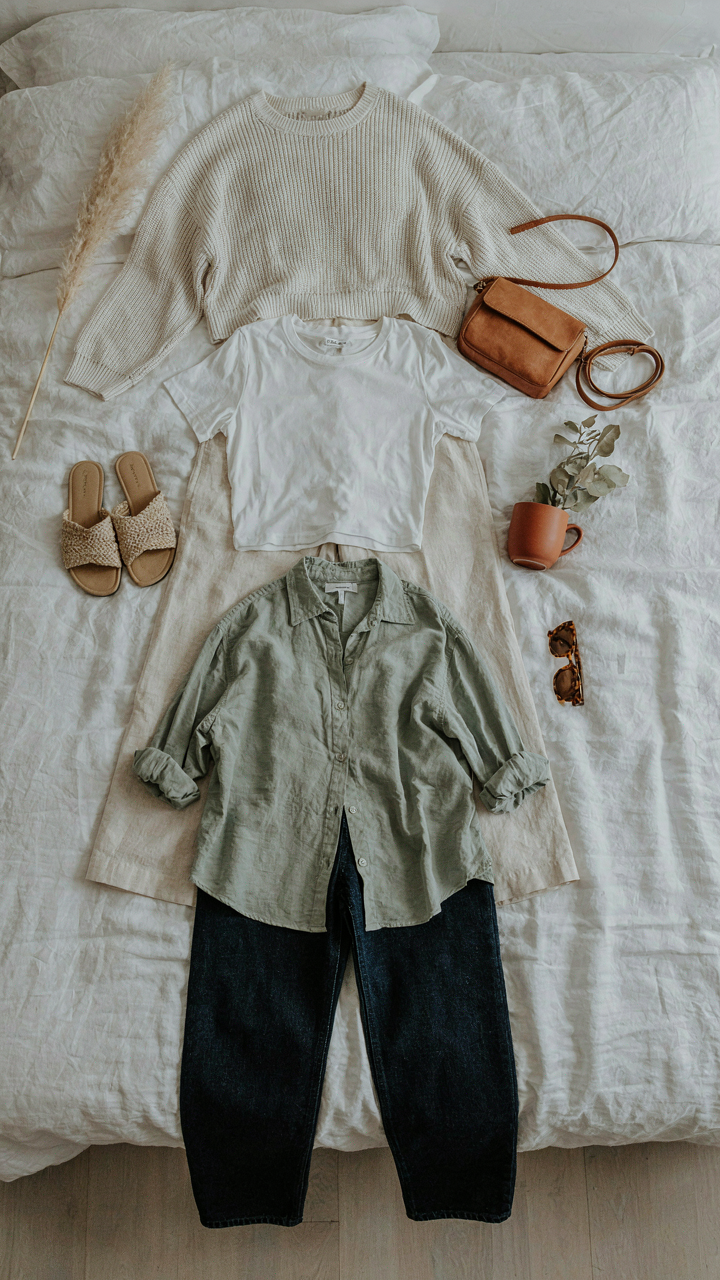
Don’t mistake “mix and match” advice for actual design. Most wardrobes fail at this because people pack complementary pieces instead of pieces that multiply outcomes. Think of it like combinatorics: you’re maximizing permutations with minimum items. A cream linen shirt pairs with navy trousers, a grey sweater, and a black blazer. That’s not four outfits. That’s twelve, depending on layering order and shoe swap.
Neutral base colors—cream, navy, grey, black, camel—create the mathematical foundation. One accent item (a silk scarf in terracotta, a striped shirt) integrates into multiple combinations without requiring new supporting pieces. The real work happens before packing: you lay out every combination on a surface, photograph it, then remove anything that doesn’t appear in at least two distinct outfits. If a piece works in only one configuration, it doesn’t go.
French Girl Capsule Wardrobe: Beyond The Instagram Filter

The Clothes You Actually Wear
You want proof that this works without the professional lighting and the model’s cheekbones. That’s the real question underneath. The mechanism is simple: a capsule wardrobe survives contact with reality only when every piece solves a friction point in your actual life. Not styled life. Not weekend life. The clothes you reach for at 7am on a Tuesday when you have somewhere to be and no energy to think.

Parisian women don’t curate wardrobes for photos. They build them around repetition and seasonal transition. A woman in the 6th arrondissement wears her navy blazer 80 times a year because it works over a t-shirt in June and over a sweater in November. She owns three versions of the same white shirt cut because variation paralyzes her brain. This isn’t minimalism as aesthetic. It’s elimination of decision fatigue dressed up as style.
Presence Without Performance
Confidence in fashion works like leverage in physics: small force applied at the right point moves the entire system. That point is fit, not aspiration. Most advice tells you confidence comes from knowing your style identity or owning your choices. Wrong. Confidence comes from clothes that don’t require adjustment or attention during the day. A blazer that pulls at the shoulders makes you self-conscious. A shirt that gaps between buttons makes you monitor yourself. Neither has anything to do with personal style.
The Parisian model strips the performance layer entirely because she’s not dressing for an audience. She’s dressing for function and then happens to look composed while doing it. She knows exact measurements on two or three brands and stops shopping elsewhere. She accepts that fit varies and chooses reliability over novelty. Buy one piece that fits perfectly. Wear it until the seams fail. Replace it with the identical piece. That cycle is what reads as confidence from the outside.
The French Capsule: Seasonless Versatility
Transcending The Fashion Calendar
You want to believe seasonless dressing is possible so you don’t have to rebuild your wardrobe twice yearly. Here’s the mechanism: Paris dressing works because Parisians prioritize fabric weight and layering depth over trend cycles. A wool blazer from 2005 functions identically to one from 2024. The pieces don’t expire. You’re buying materials that age predictably, not styles that die the moment the season shifts.

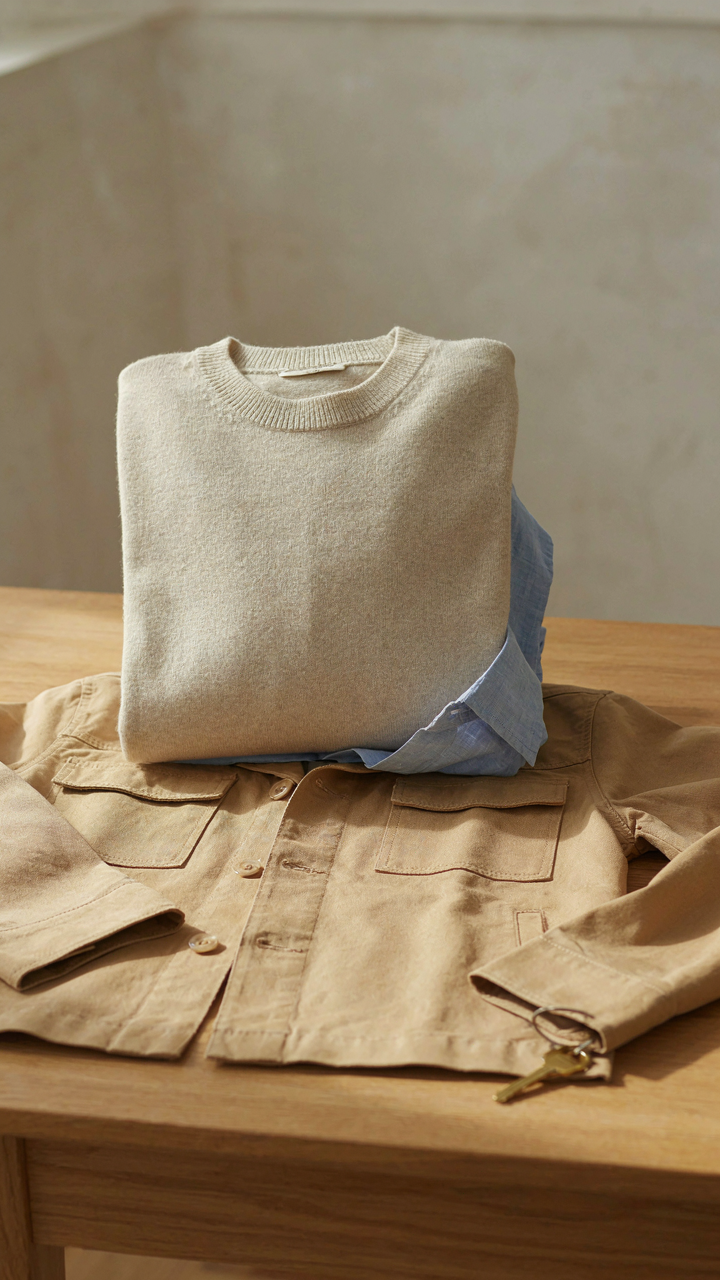
The French capsule operates on a principle borrowed from engineering: load-bearing capacity. Each garment must perform multiple functions across temperature ranges and contexts. A merino wool sweater isn’t a winter item. It’s a base layer in August under linen, a standalone piece in May, a layering tool in November. The fabric carries the weight. Construct your capsule around materials that transition, not around months.
Layering Against Parisian Weather Unpredictability
Paris weather doesn’t follow logic. You’ll encounter fifteen-degree swings between morning and evening. Most capsule advice suggests buying “transition pieces.” That’s lazy thinking. What actually works is building a systematic layering protocol that treats clothing as an equation, not a collection.
Start with a base layer in breathable fiber—linen or cotton. Add a mid-layer in merino or lightweight wool. Finish with an outer shell in wool or structured cotton. This stack functions in April rain, September warmth, and March cold. The mechanism is simple: you remove or add layers, not garments. A single base layer worn with different combinations of mid and outer layers creates twelve distinct outfits across all seasons. Buy once, layer infinitely.
French Capsule Wardrobe 2026: Future Proofing Your Style
The Economics Of Never Replacing Anything
You want permission to spend more money now and feel smart about it. Here’s the mechanism: cost per wear. A piece you keep for ten years costs pennies per use. A trend you replace annually costs dollars. French wardrobe strategy isn’t about restraint—it’s about arbitrage. You’re buying durable goods, not fashion consumption. Cotton blends fade. Linen improves. Wool densifies. The material science determines lifespan, not your intention to keep something.
The real barrier isn’t understanding durability. It’s resisting the psychological pull of novelty. Retailers engineer seasonal pressure. Your closet stays static only if you build friction into replacement decisions. Commit to one neutral palette for three years minimum. Document what you wear. When an item fails, replace it with the exact same piece, same color, same brand. This removes the decision burden that tempts you toward something new.
Wearing Into Quality, Not Wearing Out
Sustainability language around capsule wardrobes is backward. Most advice frames it as restraint, as denial. That’s wrong. Real sustainability works like industrial equipment maintenance: you accelerate wear patterns through consistent use, which means fabrics breathe, settle, and stabilize faster. A linen shirt worn twice weekly reaches its optimal texture in weeks. The same shirt worn monthly stays stiff for months. Rotation isn’t about preserving; it’s about activation.
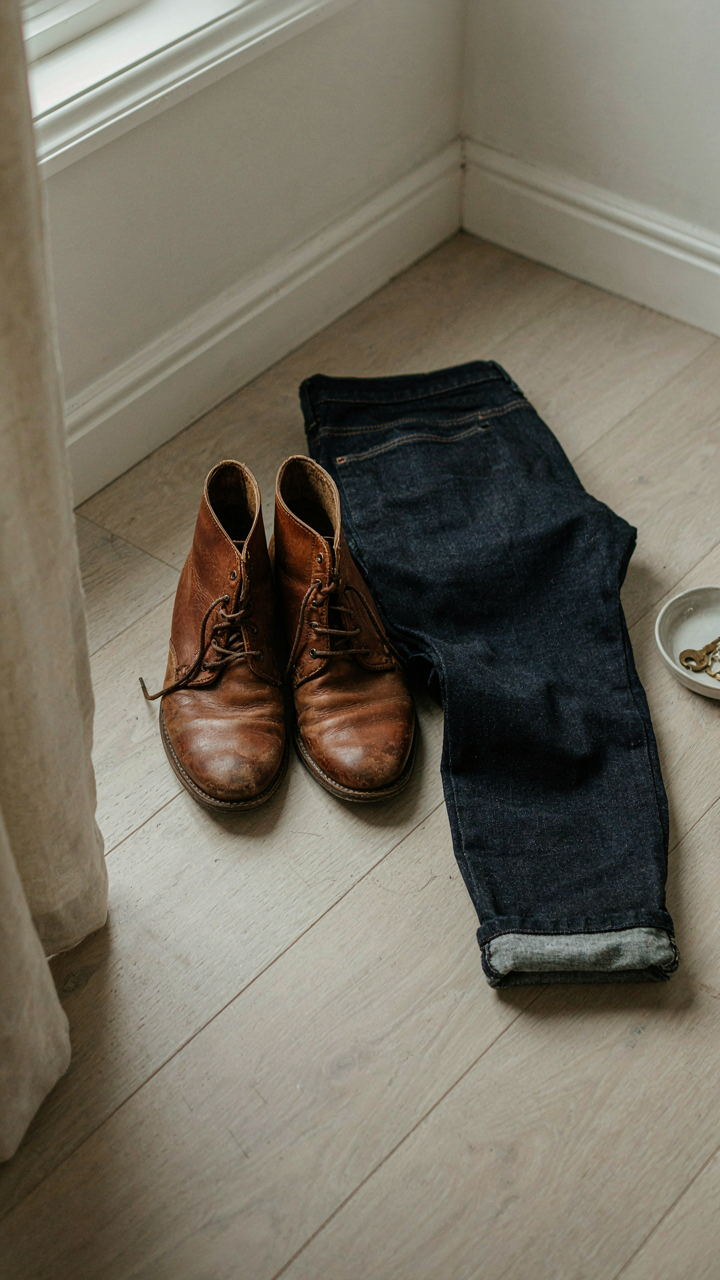
Quality pieces demand use. Leather creases intentionally. Denim molds to your body. Wool redistributes fibers. When you wear something constantly, you break it in properly instead of leaving it dormant. The Paris capsule works because Parisians walk daily in the same pieces—they’re not collecting for display. Your mechanism is simple: wear one outfit combination five times before rotating to the next. This forces material conditioning and reveals fit problems early enough to tailor or replace before damage sets in.
The Wardrobe Isn’t Broken, Your Approach Is
You don’t need more clothes. You need permission to stop treating fashion like a checklist and start treating it like a language. A Paris capsule wardrobe works because it forces constraint, and constraint forces intention. Stop scrolling for the “perfect piece” and buy one thing today that makes you move differently when you wear it. That’s the entire game.