

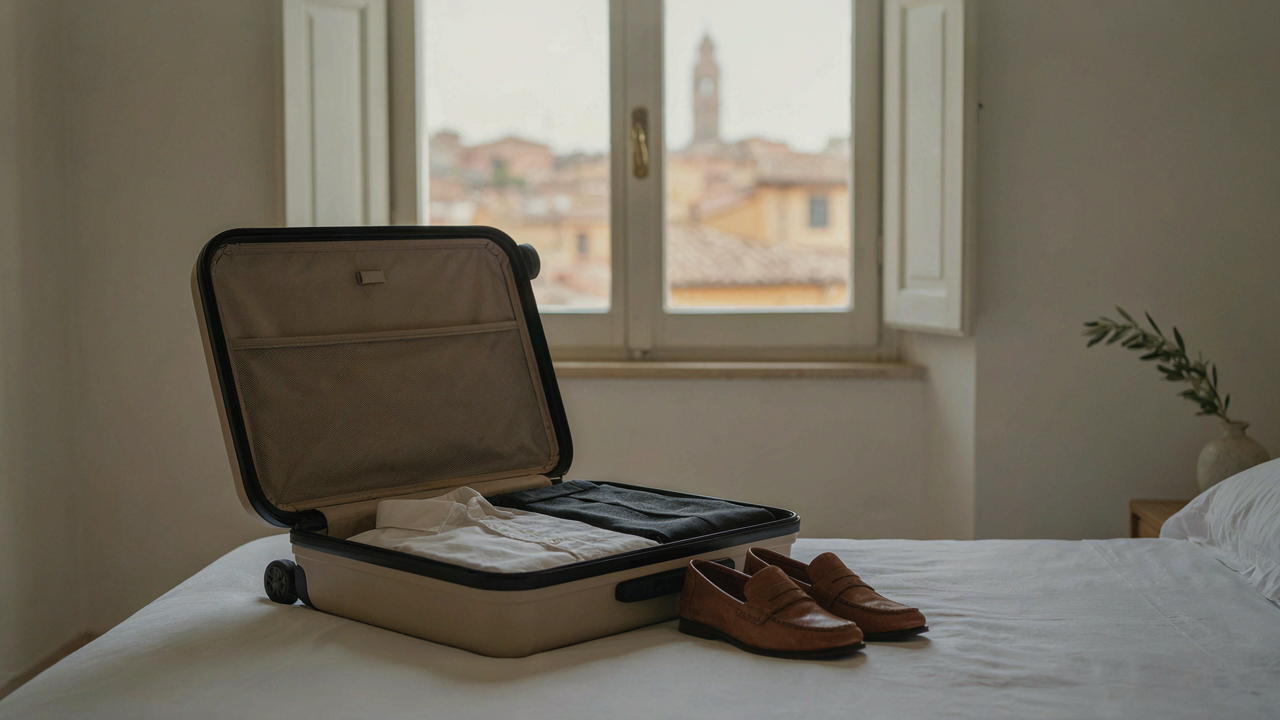
The Myth Of More: Why Your ‘What To Pack For Italy’ List Is Too Long

Every Outfit For Every Scenario Doesn’t Exist
You want reassurance that you won’t look wrong. That’s the real driver here. So travel blogs give you outfit combinations for breakfast, lunch, dinner, museum walking, casual evening strolls, and “just in case” scenarios that never materialize. This mirrors decision fatigue economics: the more options you carry, the more mental bandwidth you waste deciding what to wear instead of actually experiencing the city. You’ll bring seven tops for a five-day trip because the advice treats packing like insurance instead of strategy.
The mechanism is simple. Every travel guide defaults to the “cover everything” approach because it protects them from complaints. They list outfits for contexts you won’t encounter. Real packing works backward from constraints: Rome in October has a specific climate range. You’ll eat dinner at restaurants once or twice. You’ll walk through churches multiple times. Your actual wardrobe needs are far narrower than the consensus suggests, but naming that truth costs them reader engagement.
The Hidden Weight Of Carrying Indecision
Economics calls this the “carrying cost” of inventory. Every item you pack that you don’t wear is dead weight you transport, store in your hotel, and mentally manage. On a city sightseeing trip, your friction points are simple: walking shoes get used daily, one dinner outfit covers most restaurants, and layering pieces handle weather shifts. You don’t need a different top for each day because you’ll wash clothes midtrip or wear the same piece twice.
The real cost isn’t just the physical weight. It’s the psychological overhead of maintaining options. When you have four pairs of shoes instead of two, you waste energy deciding which to wear. When you have eight tops instead of four, getting dressed takes longer and you second-guess yourself more. A capsule wardrobe forces constraints that paradoxically make you more decisive and more confident because fewer options mean fewer ways to get it wrong.
Core Wardrobe Essentials: The Foundation Of Any Italy Capsule Wardrobe
What Actually Works Across Ten Days
You want to look effortless in photos without overthinking every outfit. The real mechanism is constraint. Most people fail capsule wardrobes because they pack items that solve single problems instead of items that solve multiple problems simultaneously. In economics, this is called “opportunity cost.” Every piece you bring either multiplies with other pieces or it sits unused. Italian style didn’t emerge from abundance. It emerged from limited options forced into coordination.

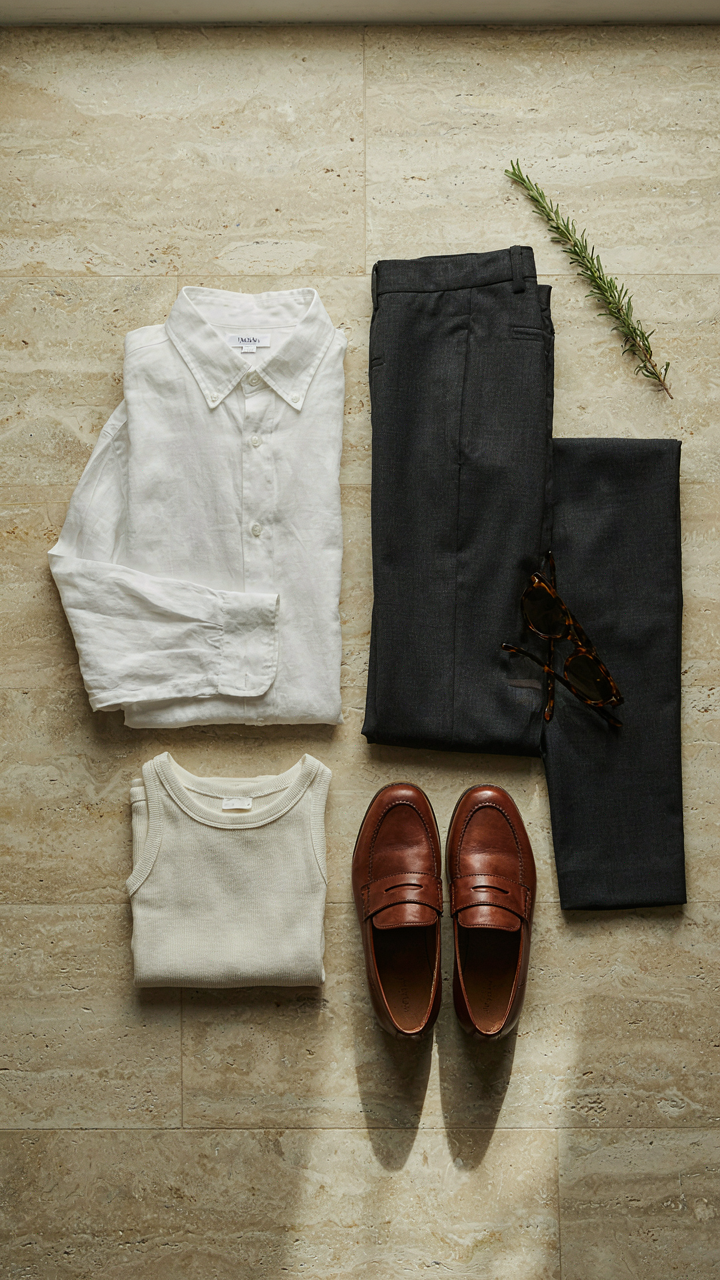
True versatile garments work backward from the hardest scenario you’ll face. For Italy sightseeing and dinners, that scenario is a mid-range restaurant with no dress code clarity. A piece must function in daylight, transition to evening, layer under or over other items, and read as intentional rather than casual. This eliminates most of what people pack. A white linen shirt works at breakfast, under a blazer at dinner, and open over a tank at midday. A piece that only works one way is not versatile. It’s just clothing.
The Five Categories That Do The Work
A capsule wardrobe functions like a modular system. You build around five anchor points, and everything else extends from them. These aren’t suggestions. They’re load-bearing walls in your outfit architecture.
- Neutral base layer: A fitted white or cream cotton tee or linen blend. Works under blazers, alone in warm weather, or tucked into tailored pants. It’s the visual foundation that grounds every combination.
- Structured blazer: A single-breasted, tailored blazer in navy, black, or camel. Transforms casual pieces into dinner-ready outfits. Choose an unlined or half-lined version for layering in heat.
- Tailored trousers: High-waisted, flat-front pants in navy or black wool blend. Wears to museums, dinners, and casual days. Must fit at the hip, not the waist, to avoid that tourist silhouette.
- Linen or cotton shirt: An oversized button-up in white, striped, or muted earth tone. Layers over tees, wears standalone, ties at the waist, or drapes open. Italian-made linen is worth seeking; it softens and improves with wear.
- Minimal leather loafers or flats: Slip-on loafers in tan or black leather, or flat ballets in neutral tones. They bridge casual morning walks and evening restaurant wear without announcing themselves.
These five pieces form the skeleton. Everything else—a second pair of trousers, a lightweight sweater, a linen dress—hangs off them. You’re not packing outfits. You’re packing building blocks. When you get dressed, you’re not choosing an outfit from memory or a photo. You’re combining blocks until the proportions feel right and the pieces speak the same visual language.
Accessory Amplification: Cybernetic Feedback Loops In Italian Style
How Accessories Control The Entire System
You want accessories to feel effortless because you’re afraid that needing them means your core pieces aren’t good enough. That’s backwards. In cybernetics, a regulator is the mechanism that stabilizes output when conditions shift. Your accessories are regulators. A linen shirt changes meaning depending on whether you layer it under a blazer or tie a scarf around your neck. The accessory doesn’t decorate the outfit. It recalibrates what the outfit communicates in real time.

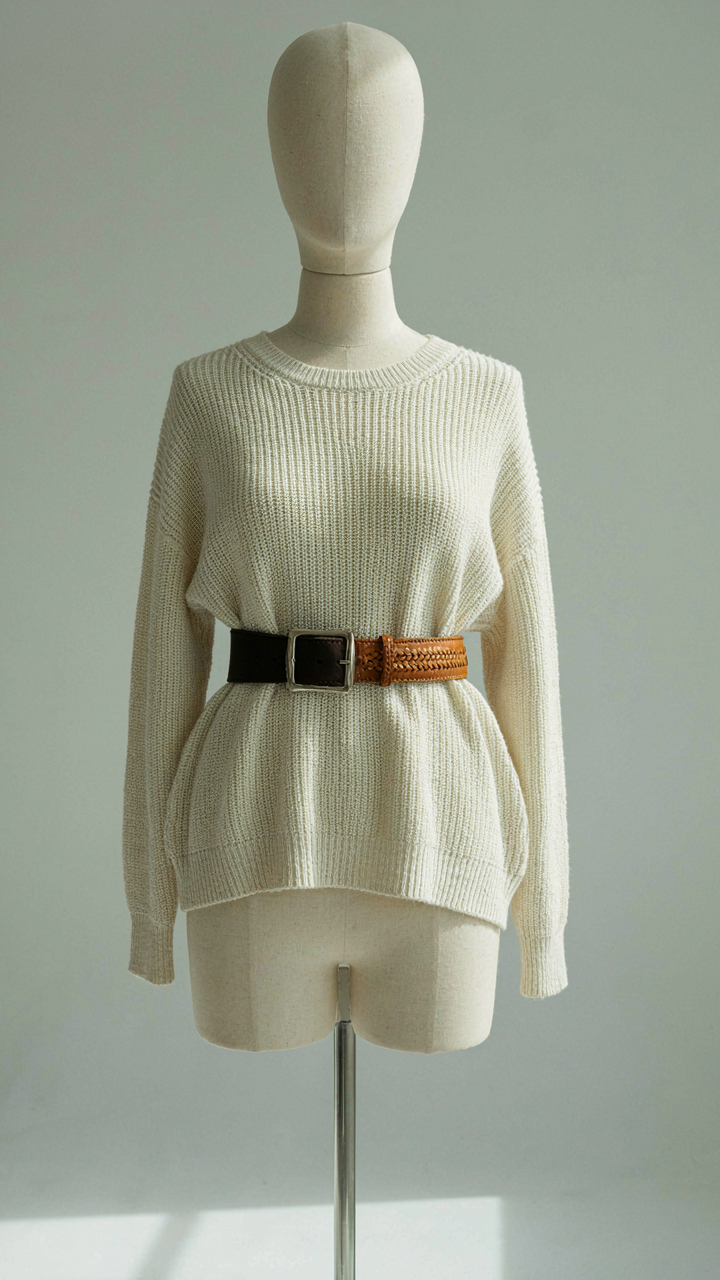
Italian dressing works because accessories aren’t additions to a foundation. They’re the active feedback loop that keeps a minimal base from reading as incomplete or repetitive. A neutral sweater becomes formal when you add a structured leather belt. The same sweater becomes weekend-casual when you swap it for a woven one and drop the belt. You’re not building more outfits. You’re controlling variance with surgical precision using the same three base pieces.
Small Interventions, Total Control
Generic advice says buy neutral accessories and mix them freely. That misses the mechanism. Most people own too many accessories in conflicting materials and scales. They then spend energy deciding which ones work, which defeats the purpose of a capsule. The real move is owning fewer, better-matched accessories that function as a closed system.
Pick one metal finish for jewelry and hardware. Pick one material family for bags, belts, and shoes. This isn’t about aesthetics. It’s constraint-based design. When every accessory shares material language, you eliminate incompatible combinations before they happen. Your belt, bag, and shoes all speak the same dialect. Now a two-minute decision becomes automatic. You reach for the structured leather belt, the leather bag, the leather loafers, and you move forward.
Footwear Philosophy: Blending Comfort And What To Wear In Italy
Function Before Status
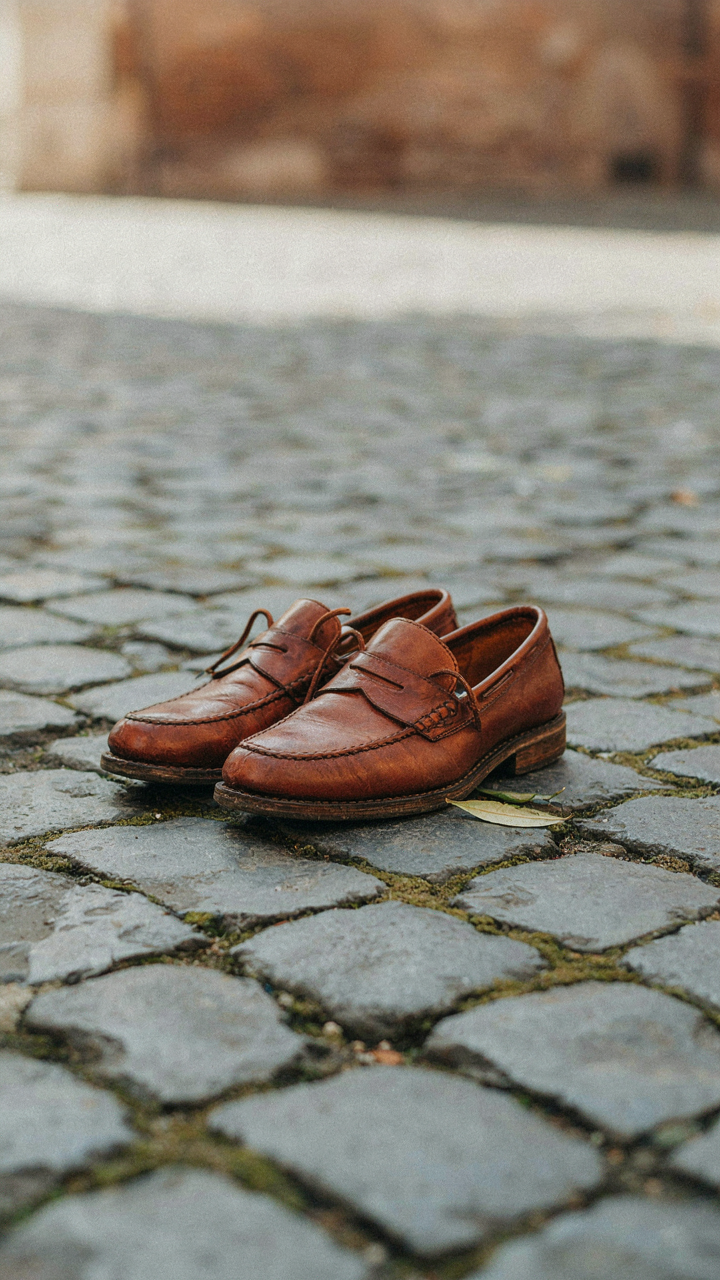
You’re worried that practical shoes will make you look like a tourist. They won’t. The actual mechanism is this: Italian cities use stone streets that punish poor footwear choices within hours, and your sightseeing stops when your feet fail, not when your outfit peaks. Comfort is the load-bearing constraint here. Everything else follows from whether you can walk eight kilometers without pain.

The Italian approach rejects the false choice between practical and polished. A well-made leather loafer, worn oxford, or flat leather boot works in both city navigation and dinner settings because Italians designed their urban infrastructure around walkable distances. Your shoes need to absorb pavement impact, not broadcast heritage or brand. Durability matters more than novelty because you’re wearing them daily across cobblestone, marble, and brick surfaces that degrade cheap construction in weeks.
The Two Pair Strategy
Forget rotating shoes by day. Use one pair for daylight sightseeing and one pair for dinners. The sightseeing shoe handles eight to ten kilometers of walking across uneven surfaces without your feet registering the load by evening. Dinner shoes signal transition without requiring a full outfit change.
Your daytime shoe should be leather, broken in before arrival, with a sole that grips stone without catching edges. Your dinner shoe can be slightly dressier but must still fit the walking requirement because Italian dinner culture means walking to restaurants, not being driven to them. Buy both in neutral tones like tan, brown, or black so they pair with every outfit in your capsule. Wear the daylight pair until it needs conditioning, then rotate to preserve the structure and allow leather to reset.
Material Mastery: Your Italian Capsule Wardrobe Depends On It
Fabrics That Survive Italian Seasons
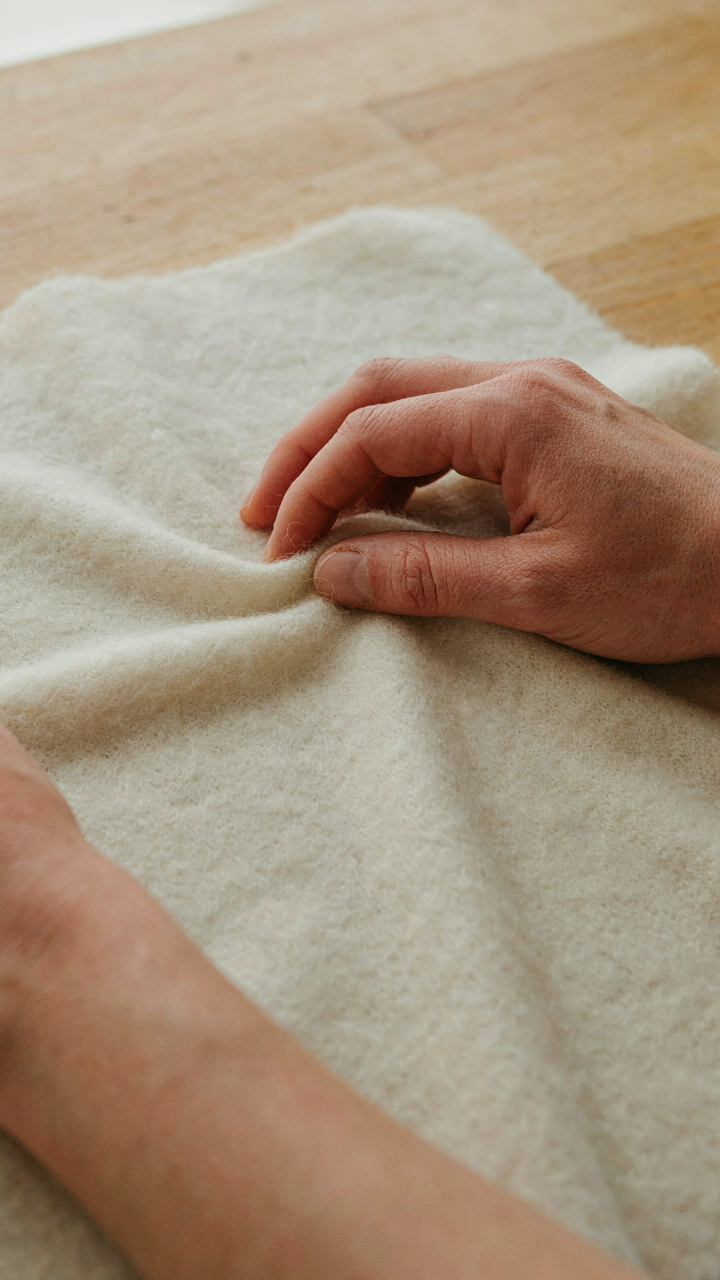
You want to look effortless in photos without sweating through your clothes or freezing at night. Here’s the mechanism: Italian regions operate on different temperature bands, and fabric choice is load-bearing. Milan winters drop to freezing. Coastal Sicily stays mild. A single fabric can’t solve both problems, which is why most travelers pack too much.

Linen dominates Italian summer dressing because it breathes and wrinkles in a way Romans have styled for centuries. Merino wool handles spring and fall transitions without bulk, regulates temperature, and resists odor across multiple wears. Cotton-linen blends split the difference when you can’t predict the day’s swing. For structured pieces that hold shape through walking and sitting, cotton with minimal synthetic content outperforms everything else. Test fabrics against your actual itinerary’s climate window, not generic seasonal assumptions.
The Real Cost Of Chasing Trends
Everyone talks about timelessness. Nobody talks about how trends cause functional failure in a capsule. A garment that performs its job for five years costs less per wear than a trendy piece that looks dated in twelve months and doesn’t fit your existing pieces anymore. You’re not building a social media feed. You’re building a system that works in Rome on day six when you’ve forgotten half your suitcase exists.
Italian tailoring emphasizes cut and proportion over ornament, which means trends hit hardest on silhouette. A slightly oversized shoulder from last season reads cheap this year and breaks visual cohesion. Stick to structured basics with proportions that map to your body, not the seasonal pendulum. Buy pieces that integrate with what you already own, not pieces that force you to rebuy the entire wardrobe around them. When you pack to leave, every item should have already served at least three outfit combinations without hesitation.
Color Palette Cohesion: The Silent Power Of An Italian Capsule Wardrobe
Build Around Neutral Anchors
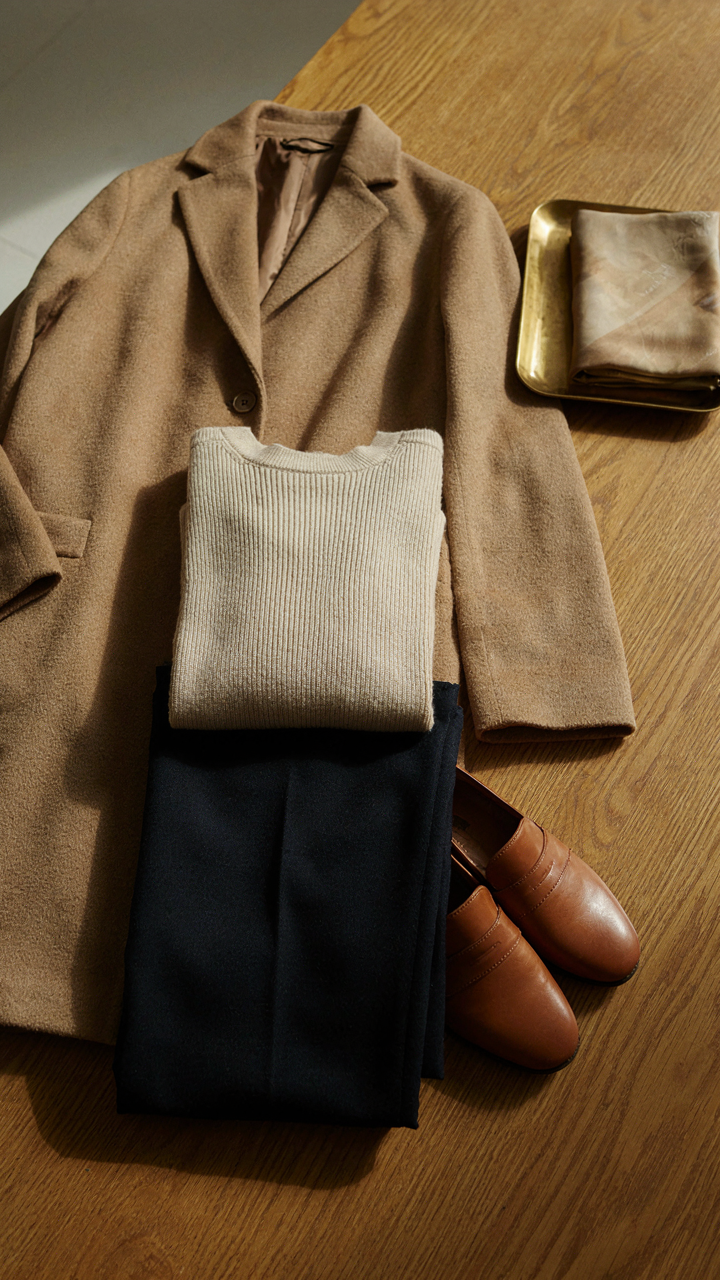
You want to look effortless in photos without thinking about what you’re wearing. The mechanism is constraint. Fashion magazines call it “color theory,” but what you actually need is inventory reduction. Pick two neutrals that work with your skin tone: navy and cream, charcoal and beige, or black and taupe. Everything else in your capsule builds from these two. Italian dressing doesn’t mean colorful. It means controlled. These anchors become your default for pants, blazers, and base layers because they eliminate the decision friction that creates visible stress in your appearance.

The second neutral handles footwear and outerwear. Dark jeans, tailored trousers, or linen pants in your primary neutral pair with shoes in the secondary neutral. A camel coat or cognac leather jacket becomes the visual signature piece that ties outfits together across days. This isn’t about matching perfectly. It’s about ensuring no outfit creates visual noise. When you sit down at dinner in Florence, your color story reads as intentional, not assembled from fragments. Stick to this structure before introducing accent colors.
Accent Colors That Serve Multiple Outfits
The common advice to “add a pop of color” is lazy and wasteful. You’ll buy a red shirt that works with one outfit and collects hangers. Instead, choose accent colors that repeat across three separate pieces: a linen shirt, a lightweight sweater, and a silk scarf. This is the multiplication principle from logistics. One hue distributed across multiple items creates coherence without requiring new combinations to work. Olive green, rust, and cream work across seasons and skin tones. White and cream can feel cold; warm neutrals like sand absorb light the way Italian stone does and photograph better.
Limit accent colors to two maximum in a city capsule. If you add a third, you’re no longer building a system—you’re shopping impulsively. Each accent color should pair cleanly with both neutrals without creating visual conflict. A rust linen shirt works over your cream base and with navy trousers. The same shirt pairs under your camel coat. When every piece multiplies across combinations, you need fewer total items and never repeat an outfit across a 7-10 day trip. This reduces laundry decisions and removes the mental load of mixing colors that don’t speak to each other.
The Italian Traveler’s Triad: A Protocol For Packing Travel Essentials
Three Categories That Actually Work
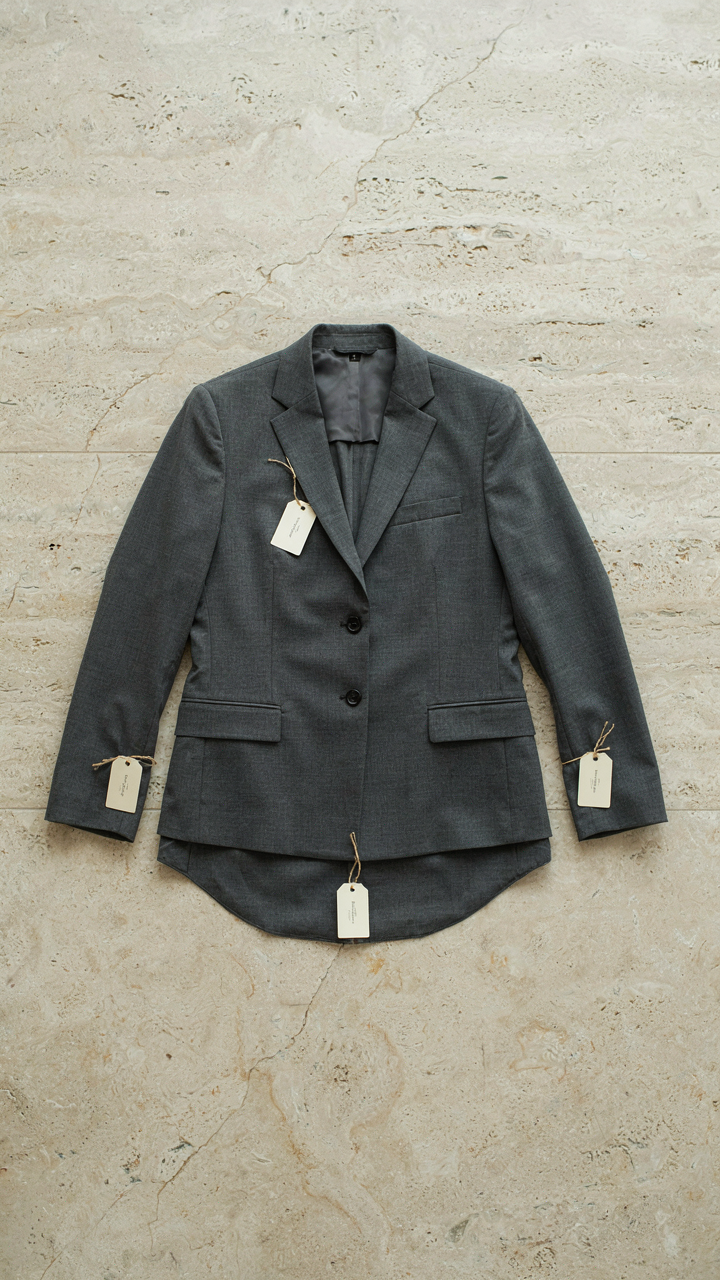
You’re worried about looking unprepared. The real mechanism is this: your brain treats packing as a binary choice between overpacking and underpacking, when the problem is you never defined what you’re actually carrying. Logistics borrowed from military supply chains solve this. The triad organizes your load into three clean buckets: foundational pieces that anchor every outfit, situational pieces that respond to specific activities, and accent pieces that shift the entire aesthetic without adding volume. This isn’t minimalism theater. This is inventory control applied to fabric.

The Italian wardrobe works because Italians built their system on constraint, not abundance. They owned fewer items but treated each piece as load-bearing. A structured blazer doesn’t sit in a suitcase waiting for the right moment. It works across city exploration, dinner reservations, and gallery visits. You stack function across contexts, not contexts across items. The triad forces you to build before you pack, which eliminates the panic buying and last-minute additions that eat your luggage space.
Execution Without Waste
Start by listing what your days actually demand, not what you imagine they might. City sightseeing in Rome requires walkable shoes and layering for temperature swings in churches and museums. Dinner calls for polish without formality. You’re not dressing for different people. You’re dressing for specific thermal and social conditions. Map each activity, then assign pieces that solve multiple activities at once. A linen shirt handles daytime heat and works under a blazer at night. Dark trousers move from breakfast walking tours to evening restaurant tables. The protocol is simple: identify the constraint first, then find the piece that absorbs it.
Pack only items that appear in at least two outfits. Anything that works solo is dead weight. Once you’ve assigned every piece to at least two activities, you’ve built a functional system instead of a collection. Your suitcase becomes lighter, your decision-making faster, and your visual coherence automatic. This is the only way packing an Italy capsule wardrobe actually saves time instead of creating elaborate problems.
Seasonal Shift: Adapting Your Italy Capsule Wardrobe For September
What September Actually Demands
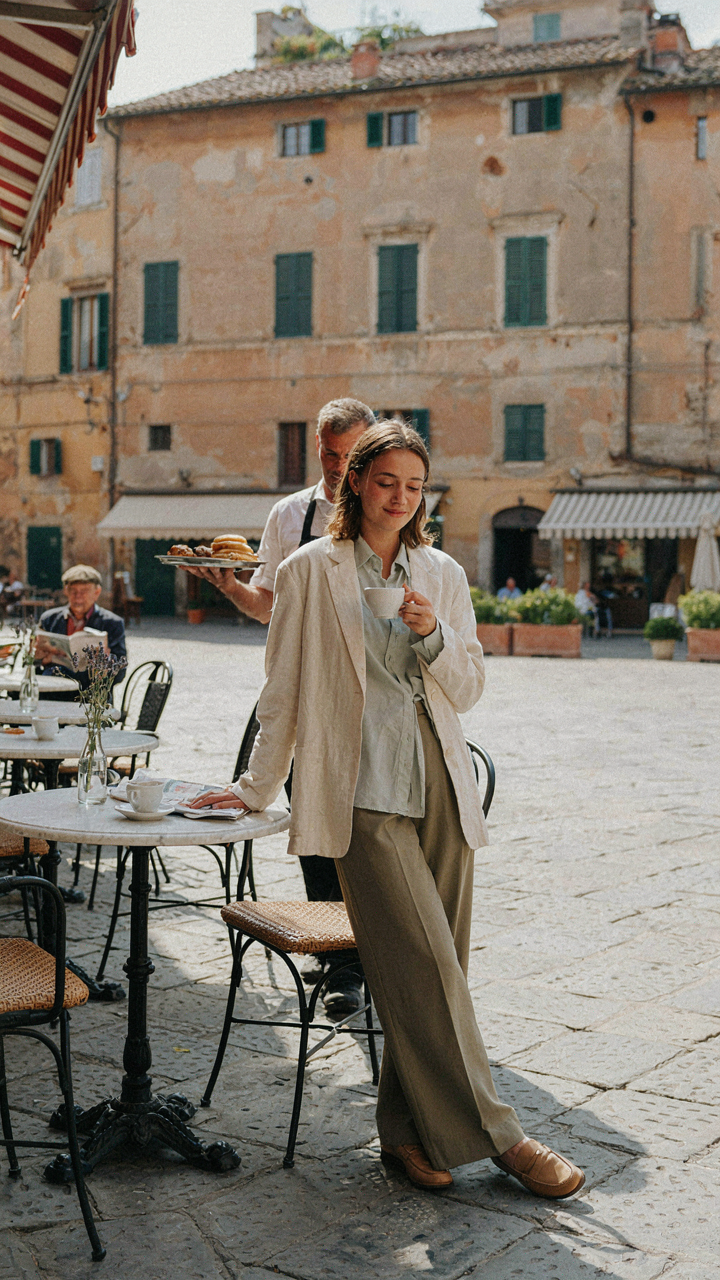
You’re worried about looking unprepared, like a tourist who didn’t do the work. Here’s the mechanism: September in Italy isn’t spring weather delayed. It’s late summer collapsing into early autumn in real time, which means temperature swings of 15 degrees between morning and evening are routine, not exceptions. The humidity breaks mid-month in most regions, but the Mediterranean coast holds heat longer. You need pieces that handle this friction, not clothes that pretend it doesn’t exist.

Replace your lightest linen pieces with structured cotton blends that still breathe but provide actual body. A single lightweight blazer becomes essential here—it bridges the gap between day heat and evening cool without the bulk of a sweater. Drop the sleeveless logic that worked in August. September rewards shoulders covered and the ability to add a layer without looking overdressed at dinner.
Layering Without The Bulk
Think of your wardrobe like a hydraulic system: you need strategic pressure points that do work without waste. A single merino wool cardigan or fine-knit sweater handles 80 percent of September’s temperature problems. Wear it untucked over linen or cotton, then remove it the moment you sit down at a trattoria. This isn’t about having options. It’s about having the right single option that compresses small and works at multiple temperatures.
Your base layer strategy shifts here too. Cotton t-shirts still work, but add one long-sleeve linen shirt to your rotation. Roll the sleeves during the day, unroll them in the evening. A lightweight scarf—linen, not silk—serves as both sun protection and warmth when restaurants blast AC. Pack these items with intention. September’s unpredictability demands fabric that performs, not fabric that looks like it might.
The Minimalist’s Advantage: Redefining Your Italy Trip Capsule Wardrobe
The Economics Of Constraint
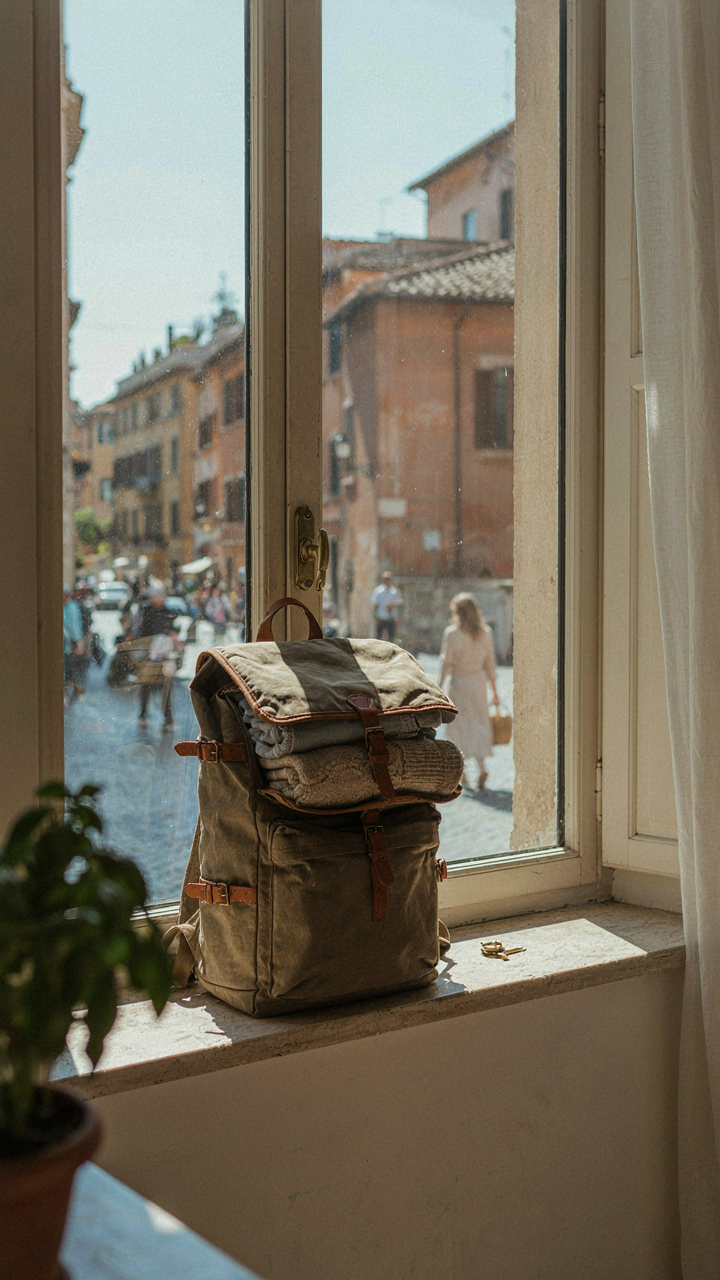
You want permission to pack light so you don’t feel like a failure if you travel with one bag. Here’s the mechanism: constraints force decisions, and decisions eliminate waste. Think of it like supply chain efficiency in manufacturing. A capsule wardrobe is your supply chain. Limited inputs force you to extract maximum output from each piece. You stop buying items that “might work” and start buying items that work with everything. This shift happens in your head before you leave home, not in your suitcase.

A real italy capsule wardrobe works because you’ve eliminated the friction of choice. You wake up in Rome or Florence, open your bag, and every piece combines with every other piece. No outfit takes mental energy. No morning standoff with your luggage. The Italians didn’t pioneer minimalist dressing because they’re philosophically pure. They did it because space costs money, laundry is frequent, and looking intentional beats looking busy.
Breaking Free From The Packing Lie
Everyone says pack half of what you think you need. That’s incomplete advice that creates anxiety instead of solving it. The real problem isn’t quantity. It’s not knowing what you’ll actually wear. Most travelers overpack because they’re guessing at their own behavior in a foreign place. They imagine scenarios and pack for each one. A capsule wardrobe eliminates guessing. You build it around your actual daily rhythm in Italy: walking, eating, sitting, observing.
The anxiety dissolves the moment you realize you can rewear items. A linen shirt works three days in a row if you’re not sweating through it. Pants worn once between washes are still clean. Layering means you need fewer tops. Once you accept these facts, the panic stops. Pack exactly what you’ll rotate through your actual days. Count your calendar days, count your outfit combinations, and let math replace fear. You land with less weight, more freedom, and actual clothes you want to wear.
Your Wardrobe Isn’t The Problem; Your Decisions Are
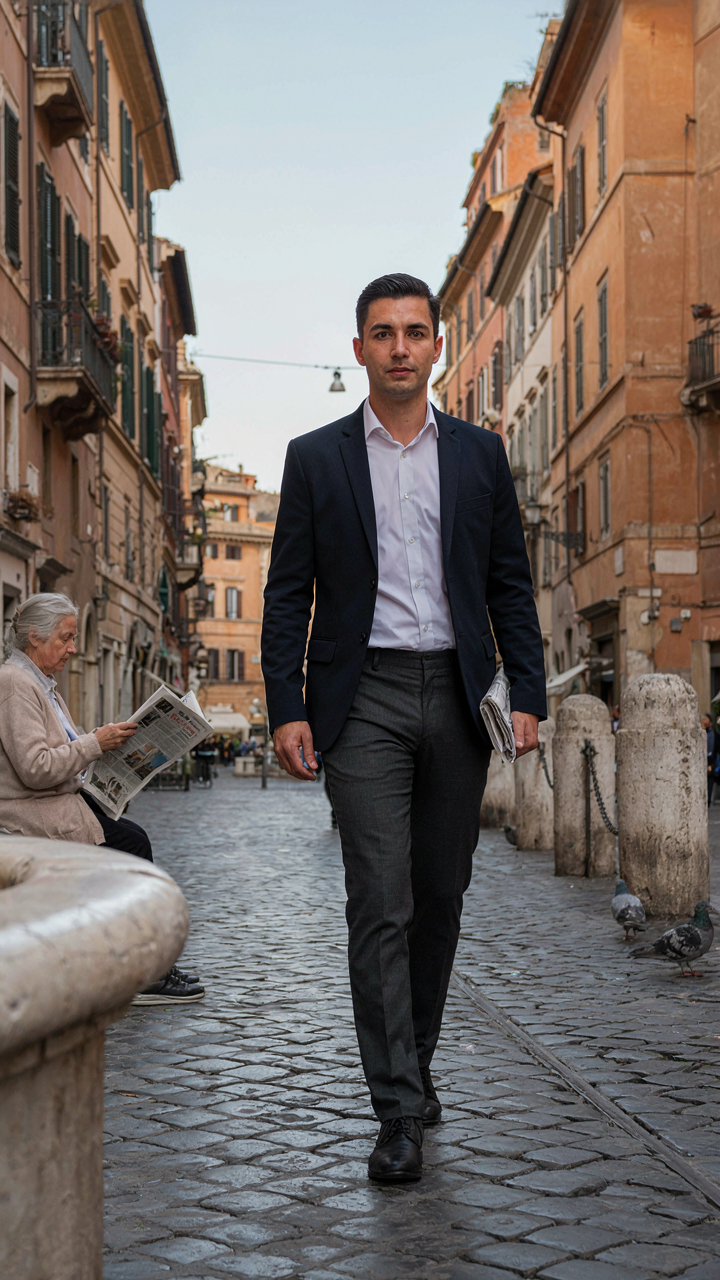
Most people pack an Italy capsule wardrobe then wear the same three outfits. They own the pieces but lack conviction. Stop collecting items and start choosing your uniform. Today, pick one trouser, one shirt, one jacket. Wear them for a full week in Rome. You’ll learn what actually works instead of what sounds good in theory. A real wardrobe isn’t about options. It’s about discipline disguised as freedom.