

The Inverse Power Of The Backless Dress: More Concealed, More Desired

The Scarcity Of Revealed Skin
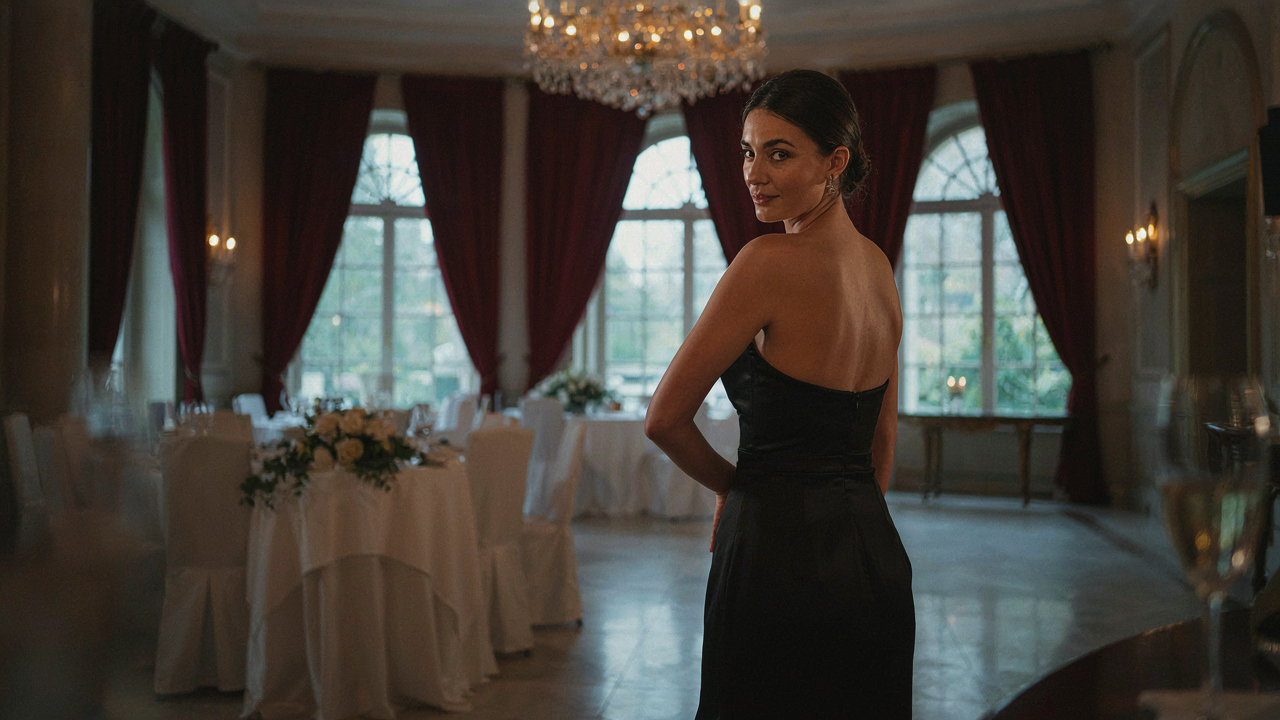
You want this dress because you think showing more gets you noticed. The opposite is true. Backless cocktail dresses work through the same mechanism as scarcity in economics: constraint increases perceived value. The back, typically covered in standard cocktail wear, becomes the focal point precisely because it’s exposed while everything else remains buttoned up. This paradox is the entire game. A fully nude dress reads as uniform. A strategically open back reads as intentional.
The backless silhouette forces the wearer into a position of control that forward-facing cleavage cannot match. You’re not advertising availability. You’re declaring that your body has boundaries worth respecting. The exposed back draws the eye because it breaks the expected pattern, and the brain weights anomalies heavier than the ordinary. This is why the backless dress has sustained relevance across decades while trends around necklines and hemlines have fractured repeatedly.
The Tension Of Strategic Absence
The psychological load of a dramatic reveal works through anticipation, not exposure. Neuroscience confirms this: the brain generates more dopamine from the prospect of a reward than from the reward itself. When someone sees you from the front, they get one story. When you turn, that story inverts. The reveal happens in motion, in time, not all at once. This temporal element—the delayed gratification—is what actually registers in memory.
The backless dress manufactures a moment. It’s the difference between a static image and a narrative. The wearer controls when and to whom that reveal happens. This agency is what separates intentional style from accidental exposure. The design forces a behavioral shift: you move differently in a backless dress, with more deliberation, more awareness of your own presence in space. That shift in carriage—in how you occupy a room—communicates more than the bare skin ever could.
Architectural Principles For Backless Dress Selection

How Lines Control What People See
You want to look intentional, not accidental. That’s the real reason you’re reading this. The mechanism is simple: design lines create visual pathways that either guide attention or scatter it. Borrowed from architecture, the concept of “load-bearing structure” applies directly to backless cocktail dresses. Seams, cutouts, and necklines function as structural elements that direct the eye upward, downward, or across the body. A vertical seam down the center back creates stability and elongation. Diagonal lines across the shoulders pull attention toward the face. Horizontal cuts at the lower back draw the eye down and away.

The difference between a dress that reads as polished versus one that reads as exposed comes down to line placement. A low backless cut paired with a high neckline in front creates visual balance and intention. A cut that’s both high and low simultaneously reads as confused design. Test your line choices against this rule: can you trace a clear path the design wants your eye to follow? If not, the dress lacks architectural coherence.
Fabric Weight Determines Exposure Risk
Most advice about backless dresses says “choose quality fabric.” That’s incomplete and useless. The real principle is tension and weight. Heavier fabrics hold their shape and move as a single unit, creating a barrier between your back and the environment. Lightweight silks and chiffons drape but lack rigidity, which means they move independently from your body and reveal more with each step or lean. Jersey blends and structured cottons maintain their form. They don’t cling or separate.
The structural integrity of a backless dress depends on how the fabric behaves under movement and gravity, not how it looks on a hanger. A dress that fits perfectly when standing will shift and gap when you sit, reach, or dance unless the fabric weight anchors it in place. Test this before buying: sit down fully in the dress, raise your arms overhead, and move side to side. If the fabric stays with you, it has sufficient weight. If it pulls away from your skin or rides up, the fabric is too light for that particular cut.
The “Silent Statement” Protocol: Low Back Dress Edition

Subtlety As A Dominant Force
You’re here because you want permission to take up space without announcing it. A backless cocktail dress operates on the principle of negative space from architecture—what you remove from the front of the garment creates visual weight at the back. Most people think exposure equals boldness. They’re wrong. Controlled restraint commands attention.

The low back works because it defies the default. Society trains women to present themselves frontally. A backless silhouette reverses that entire framework. Your presence becomes about what guests don’t expect to see. The back of a cocktail dress with an open back design forces the room to recalibrate their visual processing. You’re not louder. You’re strategically unavailable.
Communicating Power Without A Single Word
The common advice says confidence comes from feeling good in what you wear. Incomplete. A backless cocktail dress communicates power through a specific mechanism: the dress eliminates fidgeting surfaces. You cannot adjust straps. You cannot tug fabric. You cannot hide. This physical constraint forces actual composure. Your body reads as intentional because the garment architecture leaves no room for defensive gestures.
The structural demand of wearing an open back creates behavioral alignment. Your spine straightens because the dress requires it. Your shoulders hold position because sagging collapses the line. Bearing the weight of an unsupported back while moving through space becomes a visible skill. That’s not psychological. That’s biomechanics translating into perceived authority.
The Unseen Foundation: Undergarment Engineering For Backless Styles
Support Systems That Disappear
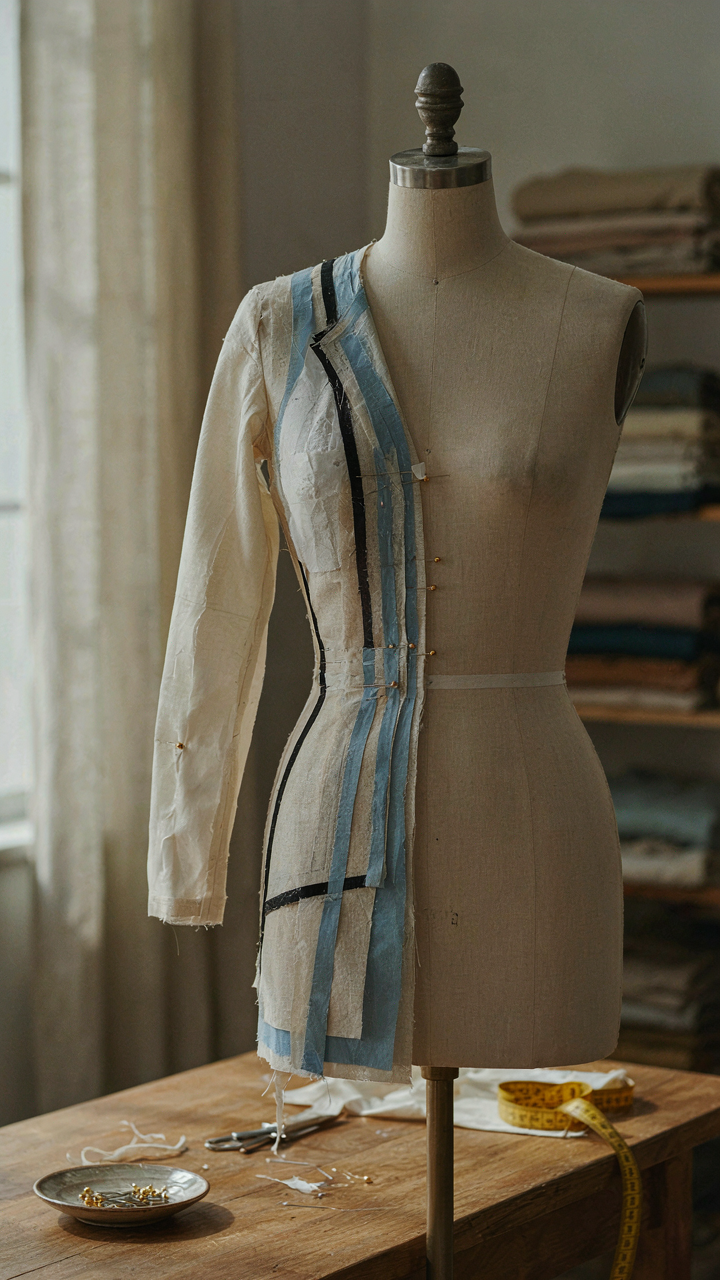
You’re worried people will see something they shouldn’t, and that fear will wreck the entire outfit before you even leave your apartment. The real mechanism is this: a backless cocktail dress borrows from structural engineering the principle of load distribution. You’re not removing support, you’re relocating it. Traditional bras concentrate support at the shoulders and back panel. Backless styles move that load to the front and sides through adhesive, underwire placement, and strategic strap routing. The dress itself becomes part of the support system when you choose the right fabrication and cut.

The common advice to just “go braless” is incomplete. You can do that with certain body types and fabrics, but most women need reinforcement without visible hardware. Adhesive breast lifts work when applied correctly to clean, dry skin, but they demand precision in placement and real product quality, not dollar-store alternatives. Backless bras with clear straps or convertible designs shift the visual anchor to the garment’s neckline instead of the back. The goal is invisible reinforcement, not absence of it. Test your specific solution at home before the event, not in the parking lot.
The Architecture Of Moving Through A Room
Confidence isn’t a feeling here, it’s a mechanical outcome of proper weight distribution and predictable movement. When your undergarment system is engineered correctly, your body moves as one unit with the dress instead of fighting microadjustments. You stop adjusting, tugging, or tensing because there’s nothing to fall. That stillness reads as certainty to people around you.
Most women underestimate how much their awareness of potential wardrobe failure broadcasts itself through posture and gesture. When you’ve tested your support system thoroughly, you remove that loop. Wear the backless dress exactly like you’d wear any other dress, not like you’re protecting a secret. The protocol is simple: choose your undergarment method three weeks before the event, wear it for full evenings multiple times, then commit to it on the night. No surprises, no second-guessing.
Beyond The Boutique Online: Sourcing The Strategic Backless Piece
What Actually Matters In Seam Construction
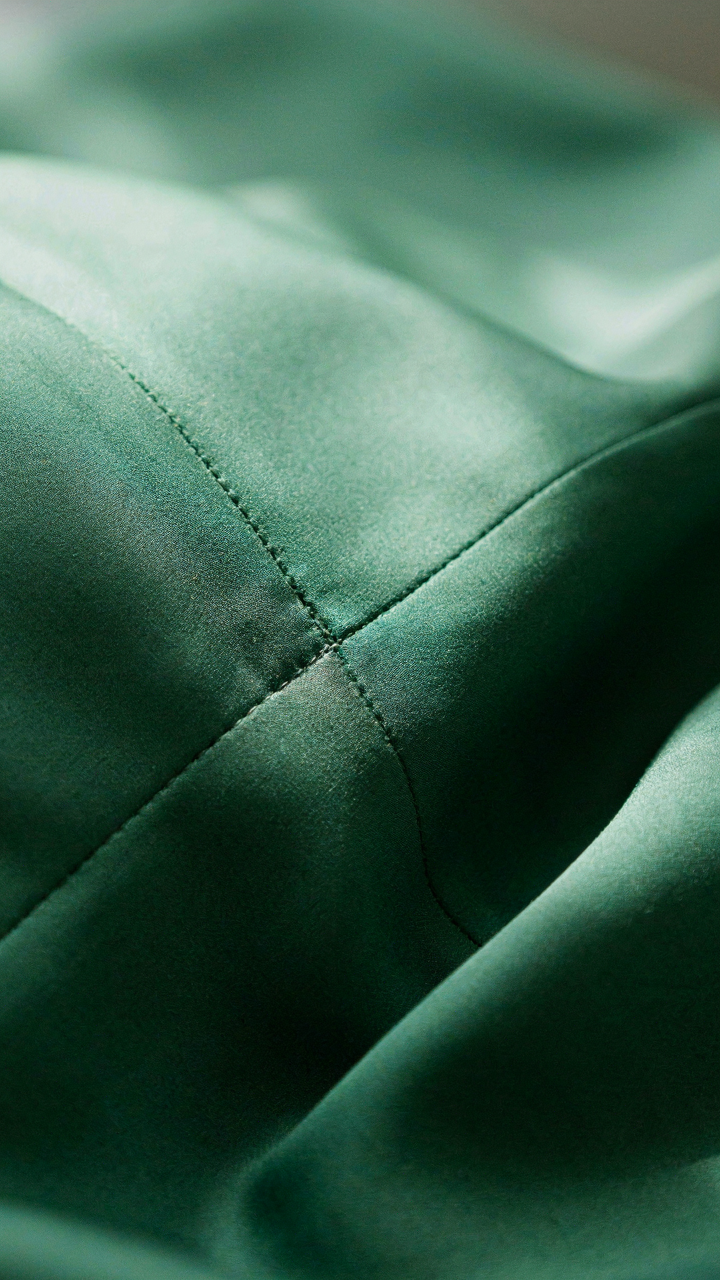
You’re afraid you’ll buy something that falls apart after two wearings and waste money on a piece that looked good in the photo. The real filter isn’t the brand name on the tag. It’s how the garment handles stress at load-bearing points. A backless cocktail dress transfers all structural tension to the side seams and the zipper housing because the back provides zero support. Examine seam allowance width by looking at inside photos. Brands that hide interior construction intentionally do so because it’s thin.

Check the zipper installation specifically. The zipper should sit in a reinforced channel, not directly sewn to single-layer fabric. Run your fingers along the armholes and side seams in product photos when available. Flat-felled seams or French seams indicate the maker anticipated repeated wear and movement. Single-stitched seams with visible thread signal a garment built to move inventory, not last seasons. Request close-up images from retailers if they don’t provide them. This single action filters out ninety percent of disposable options.
Recognizing The Pieces That Don’t Fade
Trend-chasing advice tells you to buy what’s “in season.” That’s how retailers move stock, not how you build a functional wardrobe. A backless cocktail dress in solid black, navy, or jewel tones outlasts any patterned seasonal piece by years because the color doesn’t date the silhouette. Patterns anchor a dress to a specific era. Solid colors let the cut speak.
Look for dresses with architectural simplicity: clean lines, minimal embellishment, strategic draping that flatters rather than decorates. The best backless pieces use the exposed back as their statement, which means they don’t need sequins or prints to justify their existence. A well-cut low back in quality fabric reads expensive and modern for a decade. Trend pieces need replacing annually. Build toward the former.
Backs Of Dresses: The Strategic Accessory Playbook

When The Neckline Moves South
You want people to notice you didn’t accidentally forget your dress back. That’s the real fear. Here’s the mechanism: a backless cocktail dress creates a void. Your jewelry fills it or emphasizes it. Think of jewelry as contrast in design language. High contrast draws the eye first. A bare back without intentional jewelry reads as incomplete. A bare back with a strategic piece reads as deliberate. The difference is attention placement, not coverage.

Statement necklaces fail here because they compete with the exposed skin. You need pieces that follow the back’s architecture instead of fighting it. Delicate chains, geometric backs pieces, and shoulder jewelry work because they create a line that guides vision downward and across, not upward toward your face. The goal is to make the bare back the feature, not the accident.
Hair That Doesn’t Hide The Investment
The common advice is wrong: an updo doesn’t automatically work for backless dresses. An updo that bunches at the nape cancels out the entire back line. Hairstyling is architectural. Think of it as negative space in drawing. Your exposed back is the negative space, and hair placement either frames it or erases it. A low, loose style that sits below the shoulders extends the visual line of your back rather than cutting it off.
Side sweeps and deep side parts work because they direct attention along the back rather than toward the head. Textured waves worn low create visual interest without breaking the back line. If you go up, go fully up and sleek, exposing the entire nape and shoulder blades. Half-up styles are the trap. They neither commit to framing the back nor to showcasing it cleanly.
Maxi Robes And Long Backless Dress Formal: The Art Of The Grand Exit

When You Leave The Room First
You want people remembering you after you walk out. That’s the real driver here. Most advice about backless maxi dresses focuses on fabric and fit. Wrong priority. The actual mechanism is visual momentum. A backless maxi dress creates motion physics—the exposed spine and open lower back generate a trailing visual line as you move. Your back becomes the narrative.

Long backless silhouettes force a posture shift. You can’t slouch or the dress reads cheap. The spine extends. Shoulders settle back naturally. This isn’t aesthetic theory. It’s skeletal geometry. When someone watches you exit a room in a maxi backless dress, their eye follows the longest, cleanest line available. That line is your back.
The Silhouette Nobody Talks About
Most dress advice focuses on the front view because that’s what the wearer sees first. That reasoning is backwards. A backless maxi dress is designed to be observed from behind. The front is just permission to wear it. The back is the actual design object. Maxi length magnifies this effect. Every step broadcasts the absence of fabric. The dress becomes a frame for your movement, not a frame for your body.
Designers like Halston understood this in the 1970s. He wasn’t selling fabric. He was selling the visual narrative of leaving. A backless maxi in solid color, high neckline, and sharp tailoring performs one function: it makes exiting memorable. Select a dress where the armholes sit close to the shoulder blade, where the open back runs straight down to the waist, where hem length hits mid-foot. This precision determines whether the dress reads as intentional or accidental.
The “Game Theory” Of Backless Dress Impact

Leverage And The Counter Intuitive Power Of Restraint
You want this section because you suspect exposure creates power, and you’re half right. Physics teaches us leverage: the mechanical advantage gained by concentrating force at a specific point rather than spreading it across a surface. A backless cocktail dress operates on the same principle. The open back doesn’t create impact through maximum skin. It creates impact through strategic absence. The covered front maintains formality and control. The exposed back concentrates visual weight exactly where it breaks expectation.

Most advice gets this backwards, claiming backless dresses work because they’re daring. Wrong. They work because they’re economical with revelation. The back of a woman’s body carries psychological weight in formal settings because it’s typically concealed. Removing coverage at that single point generates disproportionate effect compared to what the actual skin exposure merits. You’re not buying access to your body. You’re buying a lever.
How Attention Feeds Back On Itself
Cybernetics maps feedback loops in systems. In social perception, the mechanism works like this: you wear a backless dress, observers notice the open back, their attention creates a feedback signal that alters how you carry yourself, which amplifies the original signal. This isn’t mystical. It’s mechanical. Your posture straightens. Your movement becomes deliberate. Observers detect this shift and assign it more status than they would a frontally exposed dress.
The dress doesn’t seduce. It recalibrates the feedback loop between your behavior and how others perceive your confidence. When you expect to be watched at a specific point on your body, you move differently. That altered movement reads as intention rather than accident. The backless cut forces you to maintain better posture, which increases perceived authority in formal settings. Wear the dress as a tool to change your own behavior, not as a tool to change their gaze.
Satin Halter And French Wedding: The Contextual Code Of Backless Elegance
Read The Room Before You Buy The Dress
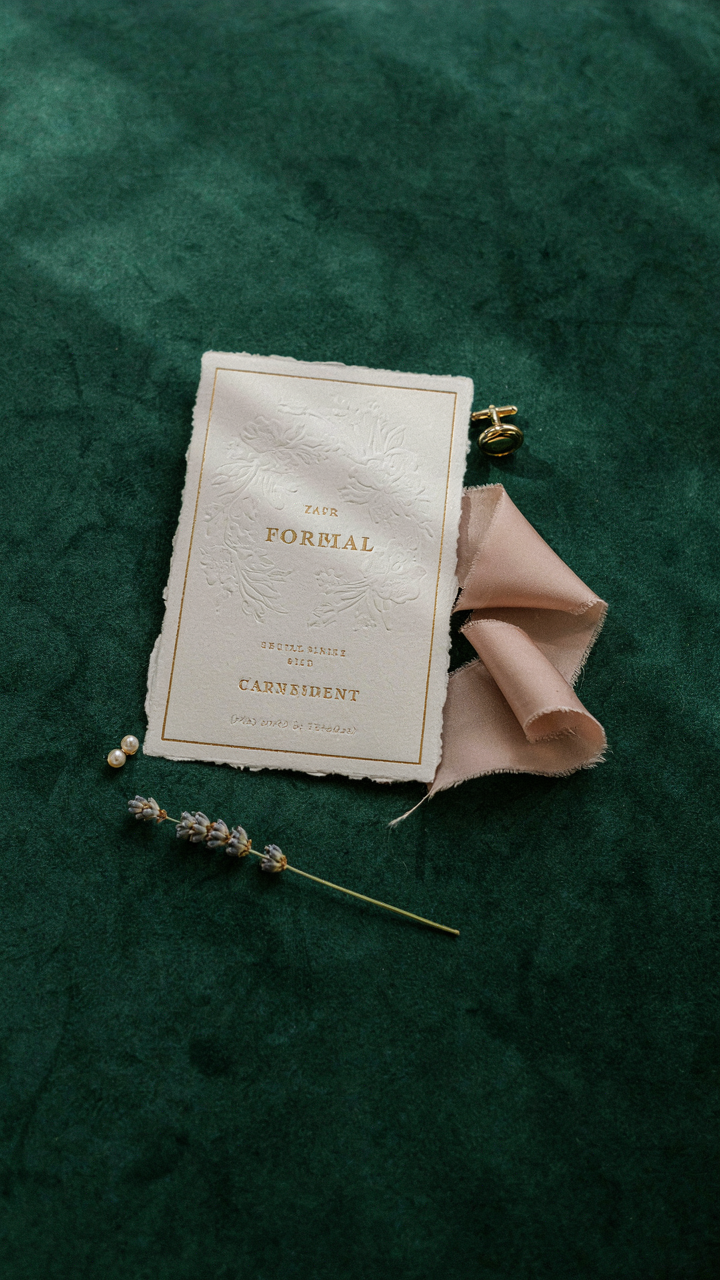
You’re worried people will judge you for showing skin, or worse, that you’ll show up overdressed and look desperate. The real mechanism is this: dress codes exist on a spectrum, not as binary rules, and a backless cocktail dress only works when you’ve decoded where your specific event sits on that spectrum. A French wedding demands different exposure logic than a Manhattan cocktail hour. The invitation wording, venue type, and guest list composition tell you the actual expectation, not fashion magazines.

Formal events use dress codes as a filter for social conformity. Black-tie optional means backless is acceptable only if the back exposure stays tasteful, satin construction implied. Cocktail attire permits more interpretation, making a backless halter viable. Semi-formal settings require you to read the guest list composition and venue—a country club operates under stricter unwritten rules than a hotel rooftop bar. Ignore the code at your own reputational cost.
The Fit Test Eliminates Guessing
Most advice says wear what makes you feel confident, which is useless. The real filter: a backless dress only works if you can move, sit, and raise your arms without constant adjustment or exposure risk. Satin halter construction requires a fitted bodice that doesn’t shift when you lean forward or turn. The dress should feel like a second skin, not a costume you’re managing.
Test the dress in the exact environment where you’ll wear it. Sit in a chair. Reach across a table. Walk. A backless design that passes the movement test solves the confidence problem automatically because you’re not monitoring yourself. Your focus moves to the room and conversation instead of your body. That’s the mechanism that separates a strategic choice from a nervous gamble.
The Only Thing Truly Exposed Is Your Lack Of Understanding, Not Your Back

Most women buy a backless cocktail dress and hope it works. They don’t. Confidence isn’t about skin showing. It’s about knowing exactly why you chose that specific cut for that specific moment. Stop treating the backless dress as a costume piece. Start treating it as a strategic choice that says something about how you move through rooms. The dress doesn’t make you memorable. Your conviction does.