

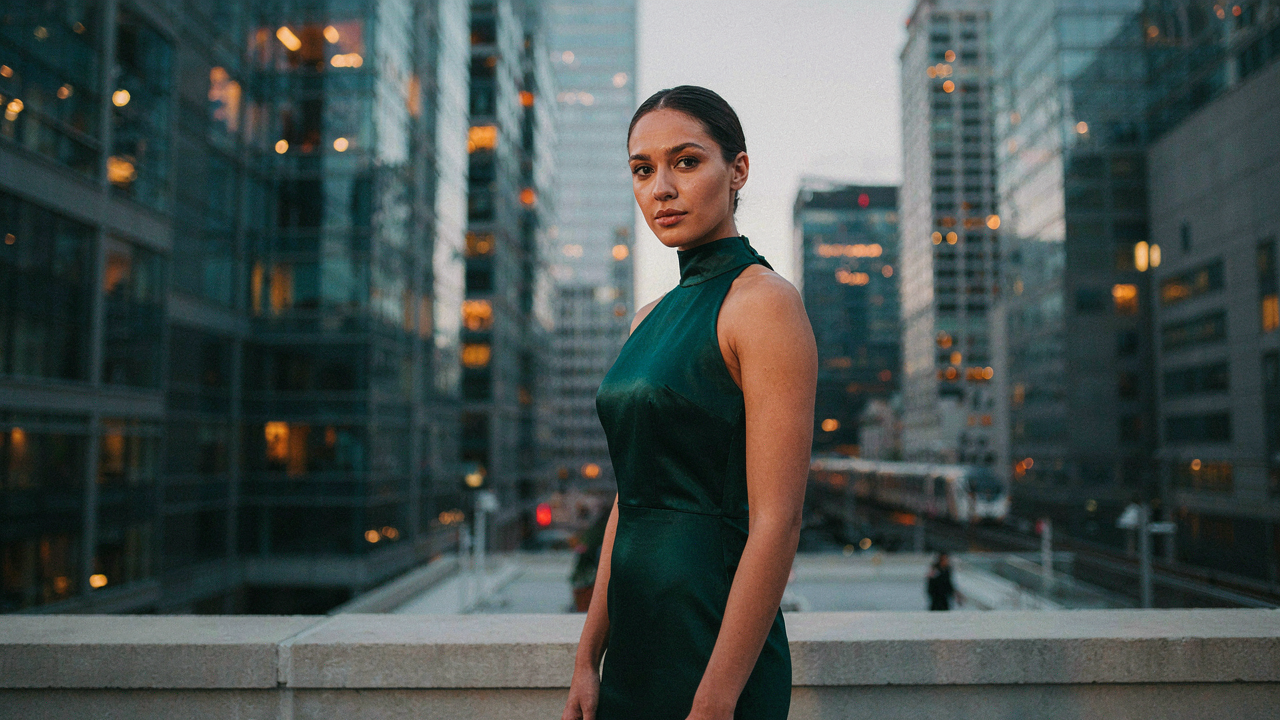
Beyond Modesty: The Psychological Edge Of The High Neck
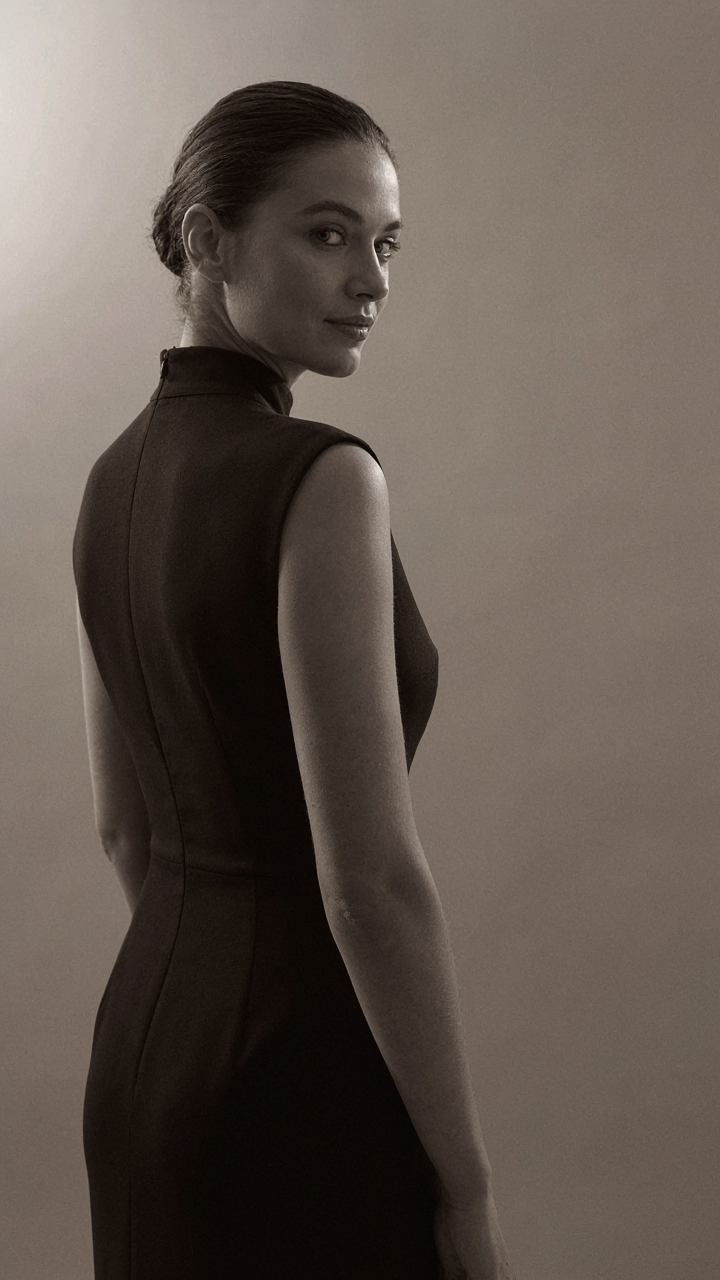
Commanding Presence Through Perceived Restraint
You want people to take you seriously before they notice your body. That’s the real reason you’re reading this. The high neck operates on a principle borrowed from military strategy: the feint. By covering the collarbone and décolletage, you force attention upward to your face, shoulders, and posture. You become a presence instead of a display.
The high neckline doesn’t whisper modesty. It announces control. When a woman enters a room wearing a high neck cocktail dress, observers process her silhouette and bearing first, not skin. This reverses the usual visual hierarchy. She commands the frame before anyone catalogs her body. The constraint becomes the power move.
Redefining Allure Without Overt Display
The common advice says allure requires exposure. That’s incomplete. Strategic coverage creates mystery, and mystery sustains attention longer than skin does. A high neck dress channels sophistication through proportion, fabric weight, and cut rather than through revelation. The dress becomes the statement, not the body inside it.
High necklines paired with open backs, slits, or form-fitting silhouettes create visual tension. You’re not hiding, you’re redirecting. The eye travels to unexpected places: a dramatic back cutout, a leg split, sculpted shoulders. Allure shifts from obvious to architectural. When you get dressed, tuck your chin and check your shoulders in the mirror. If they sit back naturally, the dress has already done its work.
The “Architectural Silhouette” Protocol

How Sculptural Lines Control Visual Weight
You want people to know you spent money without looking like you tried. That’s the real mechanism here. A high neck cocktail dress works like structural engineering: the neckline and bodice act as load-bearing elements that distribute visual weight downward, making the entire silhouette read as intentional rather than accidental. Form-fitting fabrics amplify this effect because they reveal the body’s natural geometry instead of fighting it.

The common advice says “wear what flatters your shape.” Wrong. You’re not dressing your body—you’re dressing a line. High necklines compress the upper torso into a defined shape, which creates contrast when the skirt moves. Materials matter here. Ponte, structured jersey, and technical blends hold their form because they have memory. Loose fabrics collapse the architecture. Pick fabric weight that stands on its own without wrinkles or sagging.
Where Movement Lives Inside Constraint
Tension between structure and motion is what separates expensive-looking from cheap-looking. Architectural silhouettes fail when the dress becomes a prison. The high neckline anchors the top half, so the lower half must have room to move. A-line cuts, side slits, or pleated panels below the waist let the body shift without destroying the line you built above.
Drape is the word that matters. Fabrics with actual drape (silk charmeuse, crepe, weighted knit) move with intention. They don’t flap or cling randomly. The neckline stays tight; the movement happens at the hem or through calculated openings. This is the difference between a dress that photographs well and one that looks stiff in real time. Test the movement before you buy.
Fabric As Statement: Texture And Drape For Impact
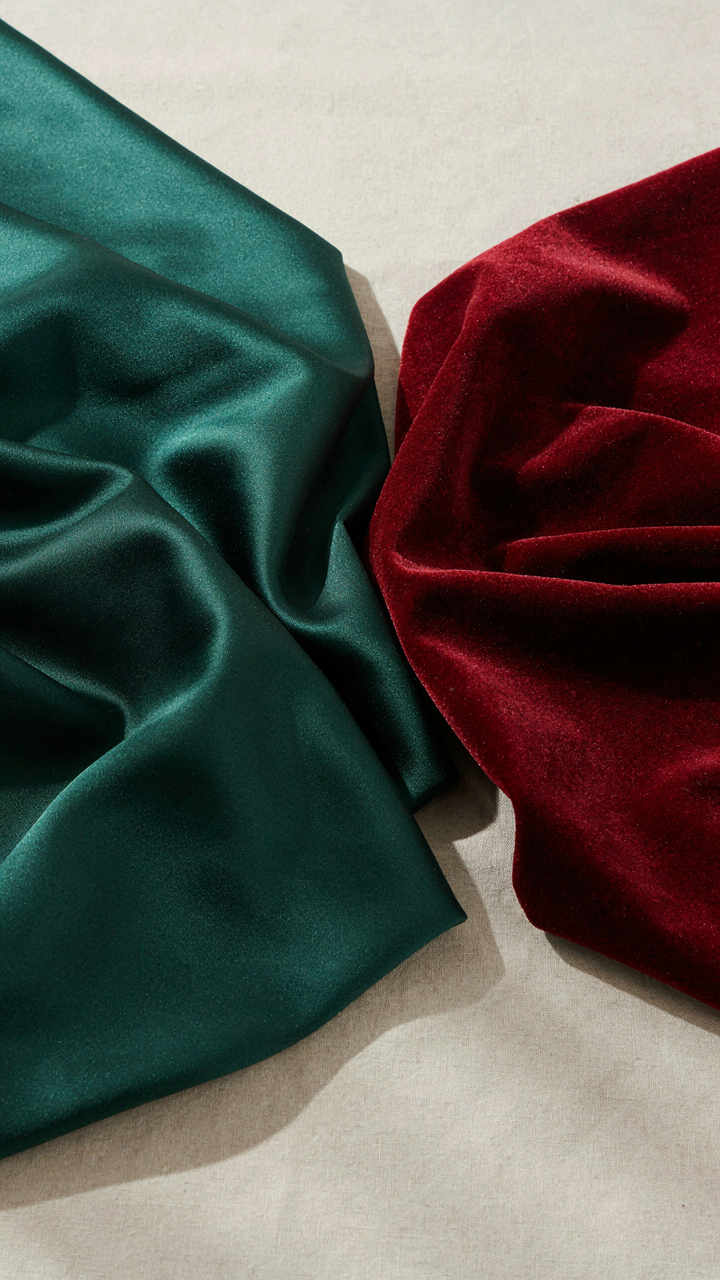
Silk And Velvet: The Physics Of How Fabric Reads
You want people to know you spent money without looking like you tried. That’s the real game. Fabric choice works like optics in physics: the way material bends and absorbs light creates the perception of value before anyone touches it. Silk and velvet signal investment through light behavior alone. Silk reflects with precision. Velvet absorbs and redistributes light across its pile, creating depth that reads as richness from distance.

A high neck cocktail dress in silk charmeuse drapes without clinging, moving as a separate entity from your body. Velvet in a high neckline reads as deliberate formality because the fabric’s weight prevents it from looking casual or thin. The neckline anchors the weight, creating visual stability. Both fabrics require minimal embellishment to register as expensive because they do the work themselves. This is why generic advice to “layer textures” fails: texture only matters if the base fabric already commands attention.
Embellishment Strategy: Restraint As The Real Signal
Everyone adds beading to a cocktail dress thinking coverage equals impact. It doesn’t. Strategic embellishment follows the principle of negative space in design: what you remove matters more than what you add. A high neck creates a frame at the collarbone. Embellishment works best when it respects that frame instead of competing with it.
Place beading or sequins on the shoulders, the back, or as a single statement panel rather than scattered across the front. The high neck demands that embellishment occur in zones where the eye naturally moves. Cuffs at the wrists, a structured back detail, or a deliberate hem treatment creates focus without noise. Heavy embellishment on a high neck dress reads as costume unless the placement follows architectural logic. Test placement by photographing the dress: if embellishment disappears in the image, it’s wasted. Embellishment should strengthen the silhouette, not decorate it.
Color Theory In Action: Making The High Neck Pop
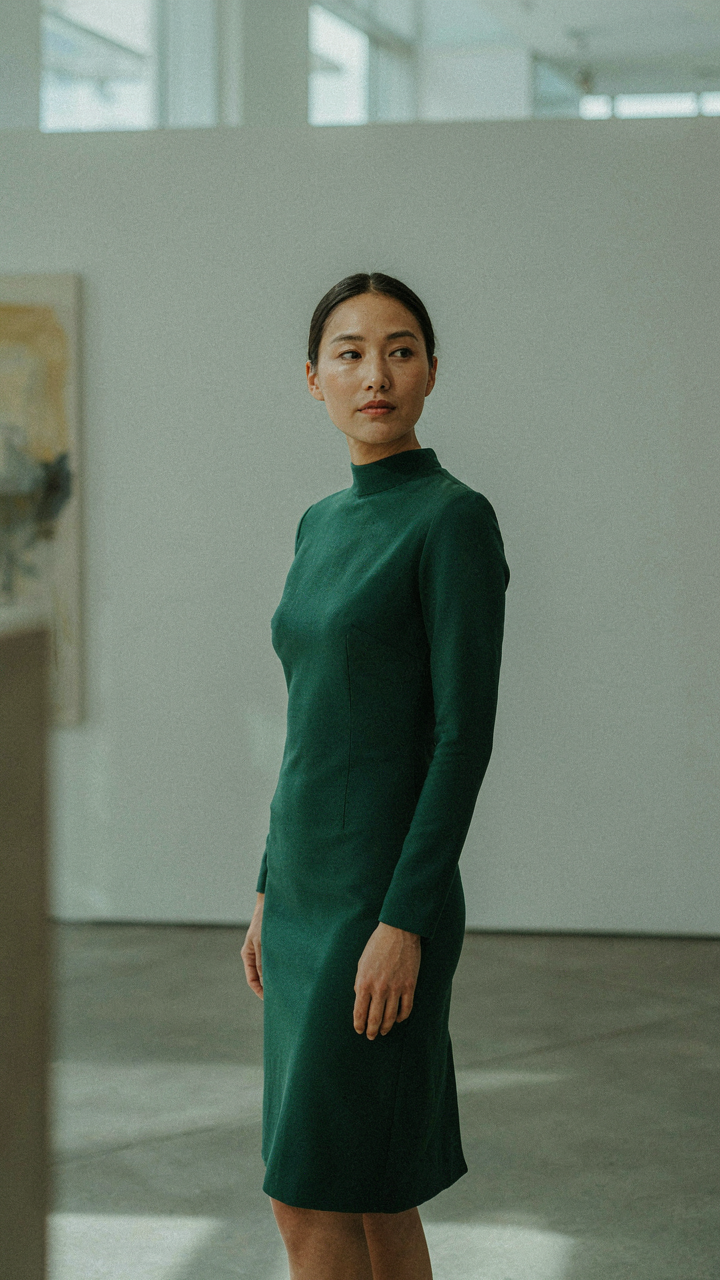
Beyond The Black Dress Trap
You want the high neck dress to signal you’re not playing it safe, which means you’re actually terrified of standing out. Here’s the mechanism: a high neckline already communicates restraint and formality, so pairing it with an expected color (navy, black, burgundy) creates redundancy. You’re stacking signals instead of creating contrast. Unexpected shades work because they force the silhouette to do its job without apology.

Jewel tones like emerald and sapphire hit differently on a high neck because the neckline frames the face while the color saturates the viewer’s first impression. The fabric absorbs light differently than neutrals do, making the structural choice of the neckline visible rather than assumed. Blush, taupe, and cream create a different problem: they soften the formality the high neck provides, which works only if that’s your tactical goal. Test the color against your skin tone under actual event lighting, not your bedroom mirror.
Pastel Strategy For Formal Settings
The common advice treats pastels as inherently delicate, which misses the actual mechanism at work. Pastel on a high neck dress reads as controlled restraint, not weakness. The neckline’s geometry stays dominant while the muted saturation prevents visual chaos. Formal events reward this combination because it suggests you understand proportion and don’t need volume or pattern to command attention.
Pale pink, lavender, and soft gray work on high neck cocktail dresses because they create visual separation between the neckline and your face without competing for dominance. The dress becomes the statement, not an accessory to your appearance. Pair pastels with structured fabrics like crepe or mikado to maintain the formality the high neck establishes. Avoid silk charmeuse with pastels at formal events because the drape dilutes the neckline’s architectural purpose.
The Halter Neck Silk Dress: A Case Study In Elongation
How The Neckline Creates Vertical Pull
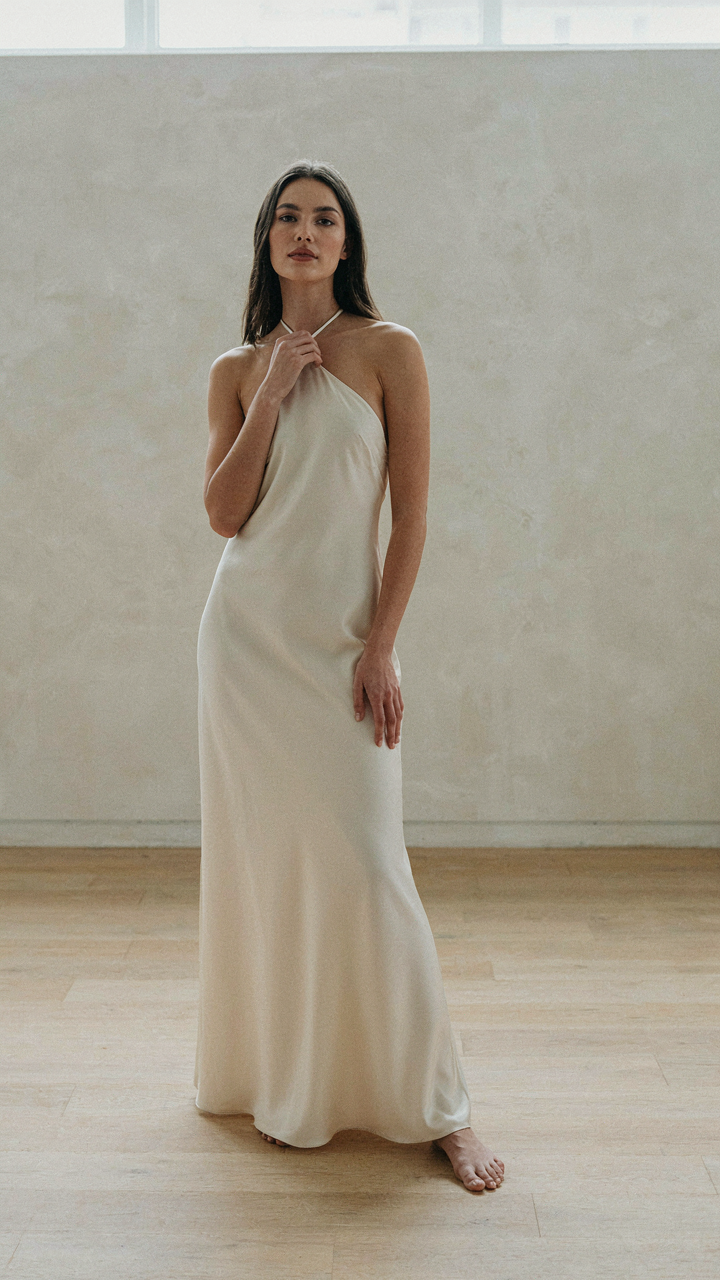
You care about this because you sense elongation matters but can’t name why. Here’s the mechanism: halter necklines function like vectors in geometry, directing optical weight upward and away from your frame’s widest points. The two straps converge at the back of your neck, creating a visual line that the eye tracks vertically before it settles anywhere else. Silk amplifies this because light hits the fabric at angles, reinforcing the upward movement rather than stopping it.

Most advice says halter necks “flatter everyone.” That’s incomplete. They work because they solve a specific problem: they eliminate horizontal bulk at the shoulders and collarbone. The straps sit narrow and high, which means no fabric weight spreading sideways. Silk holds this geometry better than cotton blends because it has less give. The neckline itself—the actual opening—sits at a controlled height, never sagging into the chest cavity where it would visually shorten your torso. This is why fit matters more than fabric choice here, though silk’s drape does reinforce the effect.
Balancing The Shoulders And Neck
Accessories here aren’t decoration. They’re counterweights. When you expose the neck and shoulders with a halter, you’ve created visual real estate that demands intentional filling or the look feels unfinished. The mistake most people make is adding too much—a statement necklace plus earrings plus a brooch turns it into costume. You need one anchor piece that holds the exposed area without competing with the dress itself.
Back necklines on halter dresses typically sit lower, which means your back is visible. This changes what you can wear. A delicate pendant works because it draws the eye down the spine without adding width. Drop earrings work because they extend the vertical line already established by the straps. Avoid chokers or short necklaces that bunch the exposed skin and break the line. The protocol: choose one piece for the front view (usually nothing, letting the dress dominate), then one for back visibility, then earrings that don’t compete with either.
Occasion Dresses: Tailoring The High Neck To The Event
Wedding Guest: Signal Without Competing
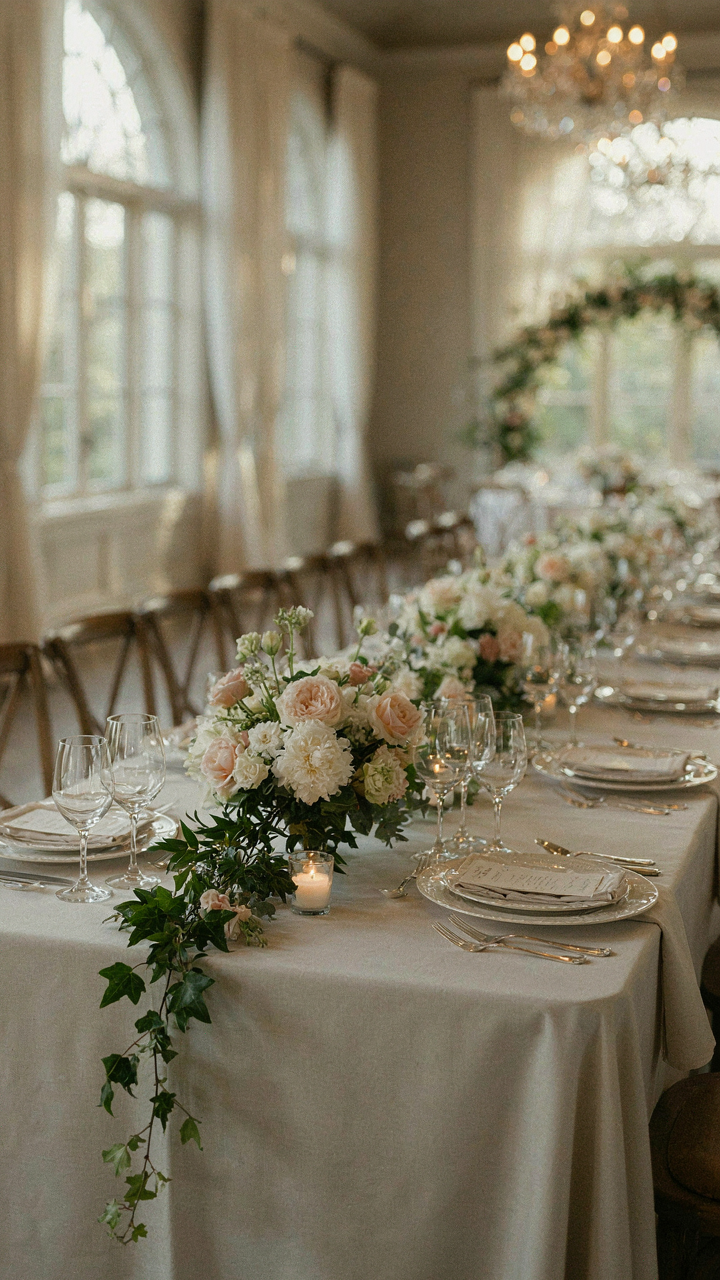
You’re worried the bride will feel threatened by what you wear. This is the actual calculation happening, whether you admit it or not. The high neck solves this through restraint. It reads as refined and conscious, which means you’re demonstrating respect through design choice, not through invisibility. The neckline eliminates the need to show skin to register as elegant. You occupy space without demanding it.

Wedding venues expect a dress code most people pretend doesn’t exist. A high neck cocktail dress in jewel tones, structured fabrics, or subtle texture patterns works because it signals you understand the hierarchy. The high neckline creates visual weight at the top of your frame, which draws eye contact rather than downward attention. This is basic focal point strategy. Fabric weight matters more than length here. Pair it with minimal jewelry. The dress does the work.
Engagement Party: Celebratory Without Excess
Engagement parties operate under different physics than weddings. Energy is lighter, rules are looser, but polish still registers. The high neck here functions as permission to be bolder in color or cut elsewhere. You can wear a high neck dress in a saturated color, metallic finish, or fitted silhouette because the neckline grounds the look in formality. It prevents the outfit from tipping into costume territory.
The engagement party dress needs mobility and personality. A high neck allows you to choose a shorter hemline or more dramatic back design without the overall effect reading as underdressed or attention-seeking. Silk, satin, or structured knits work better than heavy fabrics here because the setting is cocktail, not ceremonial. The mechanism is simple: use the high neck as your formality anchor, then vary everything else. This gives you control over how much energy the dress projects.
The “Vestidos De Noche” Principle: Global Elegance
Spanish Tailoring Meets Modern Structure
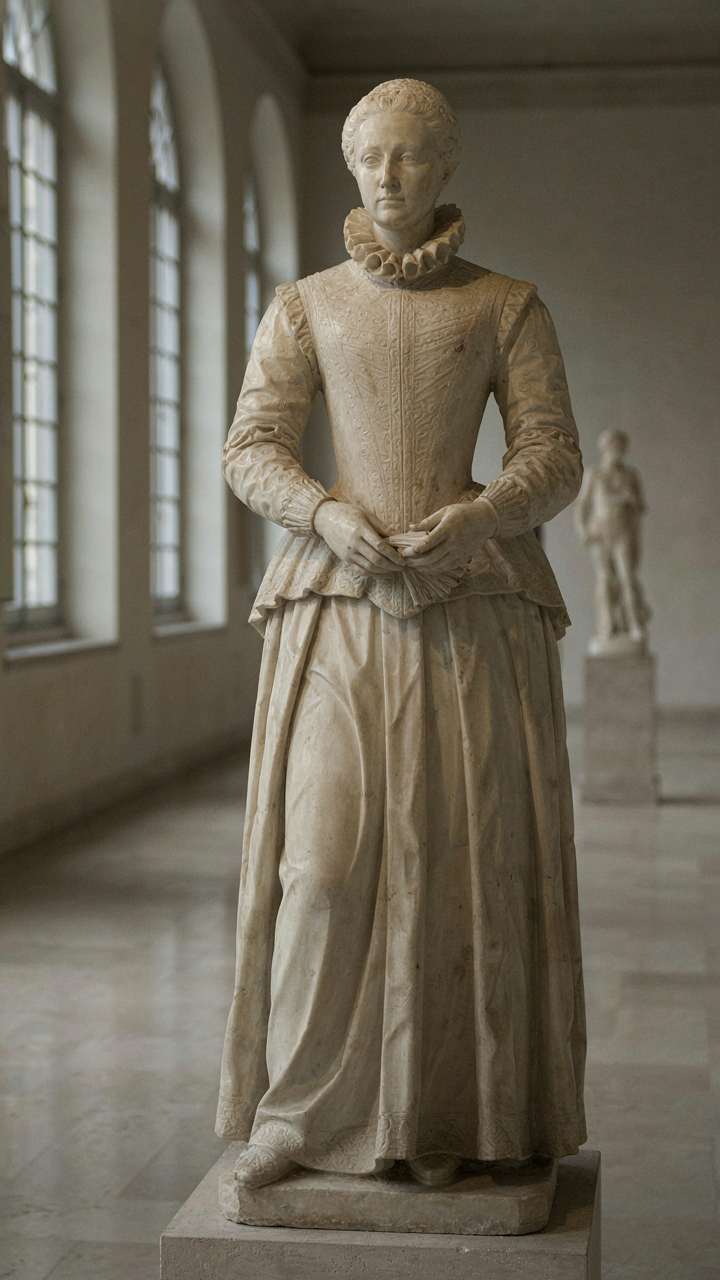
You want to look like you belong somewhere you’re not yet invited. The mechanism is borrowed from Spanish formal wear construction: vestidos de noche traditionally emphasize vertical line control through high necklines and structured bodices, which creates an optical illusion of authority and deliberate intention. Spanish designers engineered this to make the wearer appear taller and more composed, not through padding but through how fabric meets skin at strategic points.

The high neck cocktail dress borrowed this principle because it works. Spanish evening wear places the neckline as a framing device for the face and shoulders, not as decoration. When you wear a high neck, you’re not adding visual interest to your chest—you’re removing distraction from your presence. This is why the silhouette reads as formal even in simpler fabrics. The neckline does the work.
Global Formality Without The Theater
Everyone says to “mix cultures” in your wardrobe. That’s lazy. What actually matters is understanding that formality codes aren’t universal, and high neck cocktail dresses work across them because they solve a real problem: they signal respect through coverage without signaling constraint. European black-tie, Middle Eastern formal wear, and East Asian evening dress all use high necklines for this reason.
The mechanism is constraint as respect. A high neck removes the sexual read from the garment, which allows the formality to land harder. In contexts where conservative dress codes dominate, this is practical. In contexts where they don’t, it’s strategic—you’re choosing form over exposure, which reads as confidence. To implement this: match your high neck cocktail dress’s fabric weight and drape to the climate and venue of the event, not to a generic idea of what “formal” looks like where you live.
The High Low Midi Dress: Dynamic Movement, Static Power
Why Asymmetry Reads As Authority
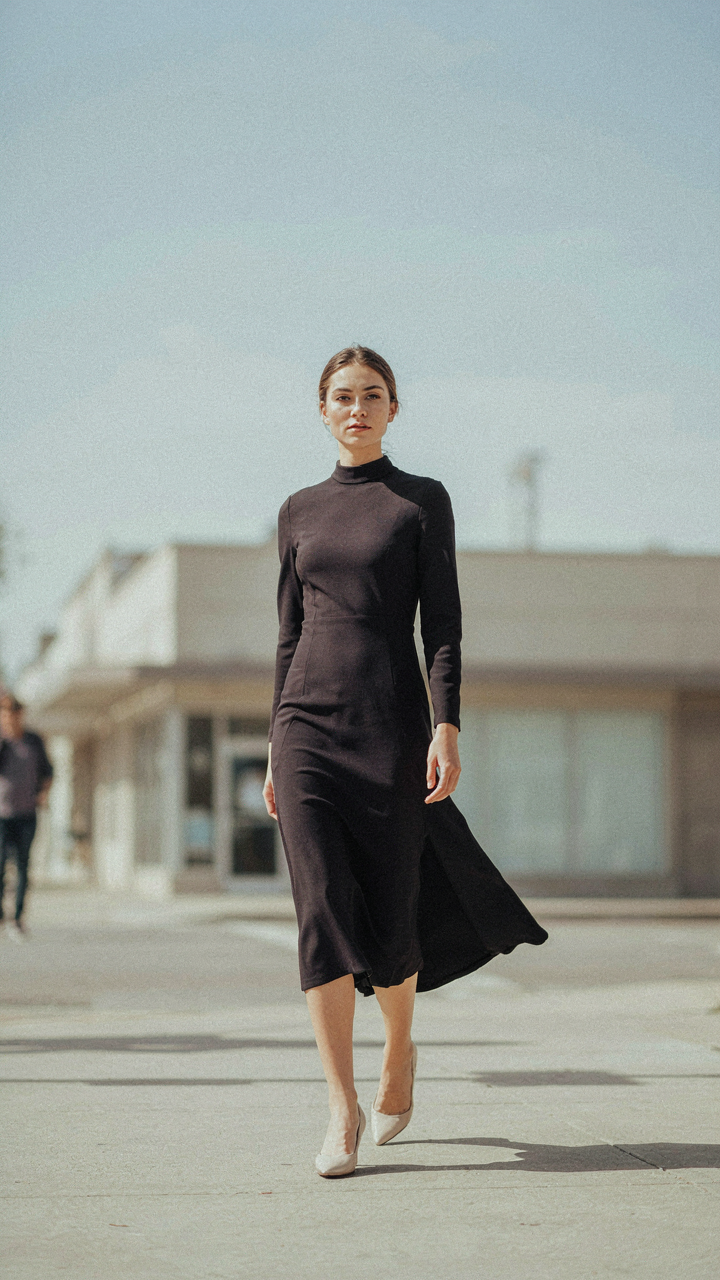
You want people to remember you walked into the room. Here’s the mechanism: physics calls it “visual tension,” and the high-low midi works because it breaks the plane. The high neckline anchors you at the top—formal, controlled, serious. The asymmetrical hem creates what physicists would call a “discontinuity in visual flow.” Your eye can’t settle. That unsettled attention is respect.

Most advice says asymmetry adds “playfulness” or “dimension.” Wrong. Asymmetry adds cognitive load. When fabric breaks pattern unexpectedly, the brain registers it as intentional complexity. A high neck telegraphs discipline. An uneven hem telegraphs that you broke the rules on purpose. Together, they communicate mastery over formality itself, not submission to it.
Fabric Behavior Under Motion
Fluid dynamics describes how materials behave when force moves through them. In a high-low midi with a high neckline, the longer back or side panel creates what designers call “flow asymmetry”—the fabric doesn’t move uniformly when you walk. The high neck stays rigid, anchoring your silhouette. The longer panels drift and settle at different rates. This creates visual storytelling without you doing anything.
The high-low midi dress solves what traditional cocktail dresses fail at: it lets the dress move while keeping you stationary. Symmetrical hems trap air evenly. Asymmetrical hems create pockets of movement. Pair that with a high neck that doesn’t shift, and you’ve engineered a garment that proves its own formality through structural behavior, not decoration. Choose a midi fabric with enough weight to move deliberately—silk blends, structured cotton blends, or lightweight wool hold shape better than fluid synthetics.
The Power Stance: High Neck Alternatives For Women Suits Wedding

Sharp Tailoring For Commanding Presence
You want to know if a high neck cocktail dress works instead of a suit because you’re afraid of looking underdressed or overdressed, and you need a shortcut to certainty. The mechanism is borrowed from military strategy: territory control. A high neckline claims the upper body the same way a structured jacket does—it creates a boundary between you and the room. The fabric doesn’t matter as much as the line it creates from collarbone to chin.

High neck cocktail dresses compete with suits because they control visual hierarchy. Both garments force the eye upward. The difference is psychological positioning, not literal formality.
- Structured Necklines: Mock necks and turtleneck cocktail cuts eliminate shoulder exposure and create vertical lines that read as authoritative. These work in formal settings because they mirror the coverage of tailored jackets.
- Bodycon High Neck: Fitted dresses with high necks project confidence through form, not volume. The simplicity signals intentionality rather than trying too hard—critical at weddings where excess reads as insecurity.
- Asymmetrical High Neck: One-shoulder or diagonal cuts maintain high neckline authority while adding visual complexity. These work for guests who need presence without appearing to compete with the bride.
- Halter High Neck: The halter neckline ties at the back of the neck, creating both coverage and open shoulder blades. This balances formality with movement—useful for venues where you need to sit comfortably for hours.
- Backless High Neck: A high front neckline with exposed back creates tension and intrigue. The contrast prevents the look from reading as conservative, which matters when you’re choosing a dress over a suit.
The real tactical advantage of high neck dresses over suits for weddings is flexibility. You can sit without jacket bunching, move without structured shoulders restricting you, and adjust your positioning in photos without looking rigid. A suit broadcasts hierarchy. A high neck dress broadcasts intention.
Beyond The Dress: Modern Formal Options
The conventional wisdom says high neck cocktail dresses and women’s suits are separate categories with separate occasions. That’s wrong. Modern formal wear has collapsed those boundaries because the actual constraint is the neckline itself, not the garment type.
A high neck pantsuit is functionally identical to a high neck cocktail dress in terms of signaling formality. The pantsuit adds practicality—pockets, easier movement—while the dress adds visual interest through fabric drape and silhouette variation. Neither is inherently more formal. Wedding invitations that specify “cocktail attire” don’t exclude pantsuits with high necks. They exclude visible casualness. Choose based on your movement needs and the venue temperature, not on assumption about what formality requires.
Spring Formal Midi Length Halter Dress: Seasonal Sophistication
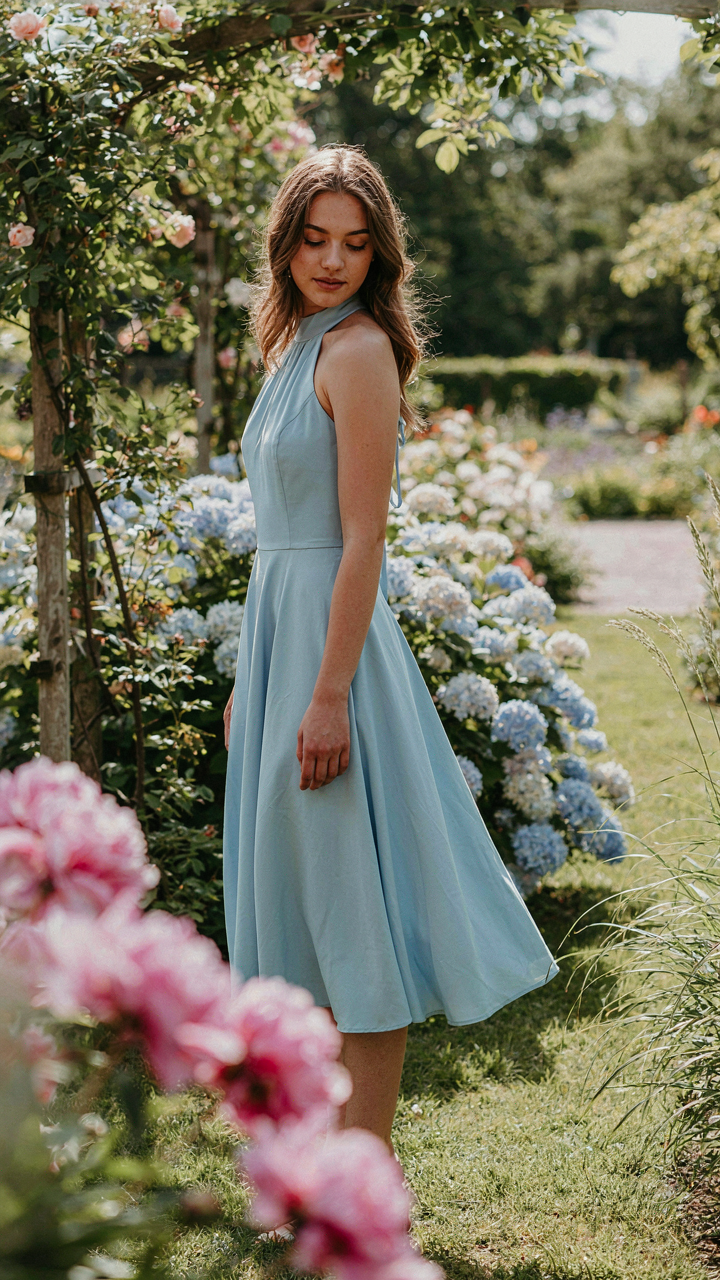
Breathable Fabrics For Warm Weather
You want this dress to work in spring because you’re afraid of looking overdressed or uncomfortable—and that fear costs you credibility the moment sweat shows. The mechanism is thermal regulation: in warmer months, fabric choice determines whether you command the room or fade into the background. Silk charmeuse, linen blends, and lightweight cotton damasks dissipate heat while maintaining structure. These materials breathe without collapsing, keeping the halter neckline crisp and the midi silhouette intentional instead of limp.
The high neck halter construction demands fabric with recovery. Polyester microfiber blends work because they hold their shape through temperature swings and humidity. Avoid heavy crepes or dense cotton—they trap heat and make the dress sag by mid-event. Test fabric weight before committing: anything under 150 grams per square meter performs well for spring formality without sacrificing the polish a high neck demands.
Floral Patterns And Refined Details
Floral prints on spring formal wear aren’t decoration—they’re visual permission to transition between seasons without signaling weakness. A high neck halter paired with small-scale florals (not oversized blooms) reads as calculated formality, not garden party confusion. Delicate details matter: subtle beading on the shoulders, fine embroidery along the neckline, or discrete pleating at the waist add dimension without noise. These elements work because they respect the dress’s structural tension instead of competing with it.
The halter strap becomes the framing device for all detail work. If you add embellishment, concentrate it near the neckline and shoulders where the eye lands first. Avoid patterned fabric combined with patterned details—pick one anchor. Execute your choice with precision by sourcing dresses with hand-finished seams and reinforced halter attachment points, because loose threads or shifting straps destroy the entire effect in seconds.
Your Fear Of Being Overlooked Is The Only Outdated Accessory. Own The Frame
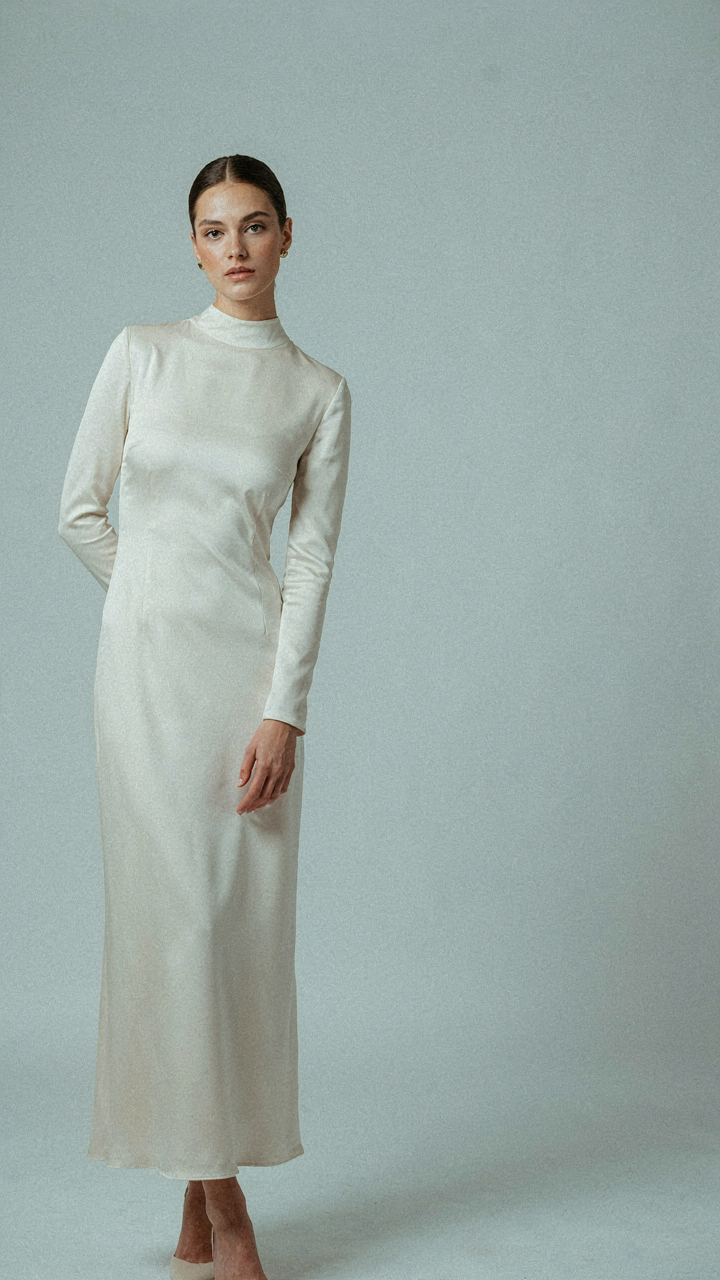
Most women choose the high neck cocktail dress to disappear. They think covering more skin means taking up less space. Wrong. A high neck commands attention because it forces confidence. It eliminates the distraction of cleavage and centers people on your face, your presence, your words. Stop dressing to be comfortable in a room. Dress to own it. Go find one that fits your shoulders perfectly and wear it like you already know everyone’s staring.



