

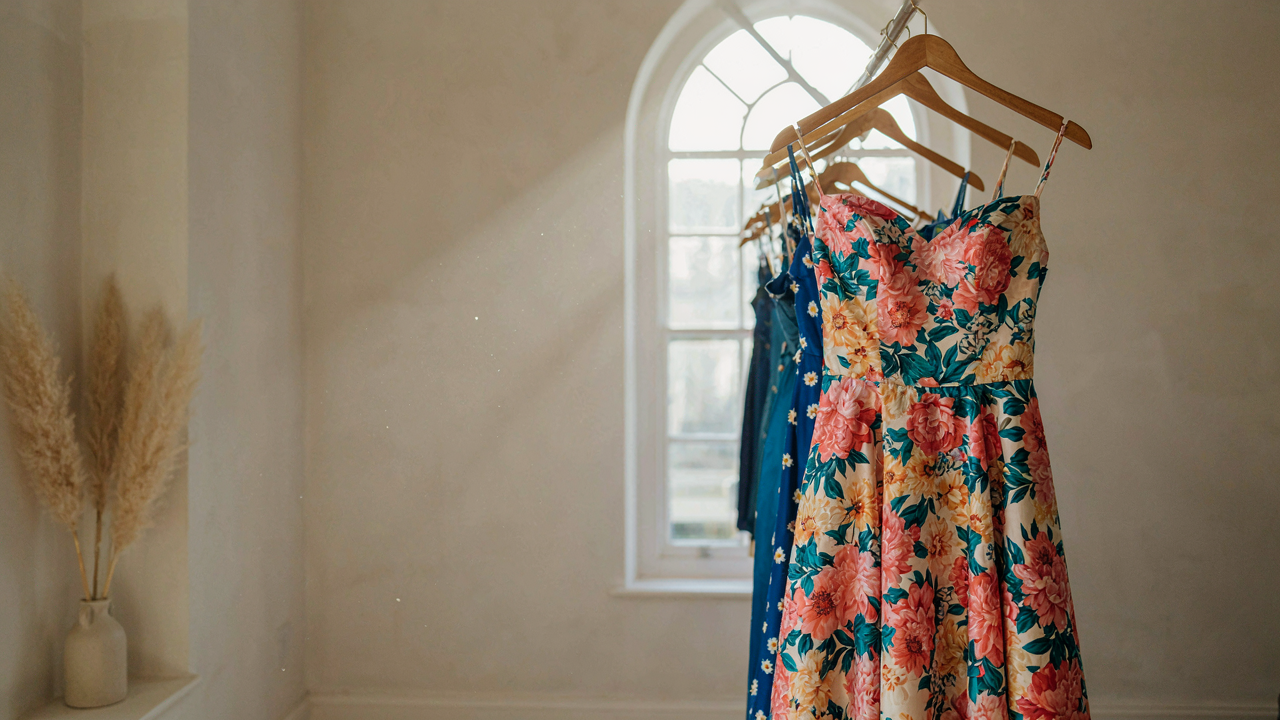
The Unseen Language Of The Floral Cocktail Dress
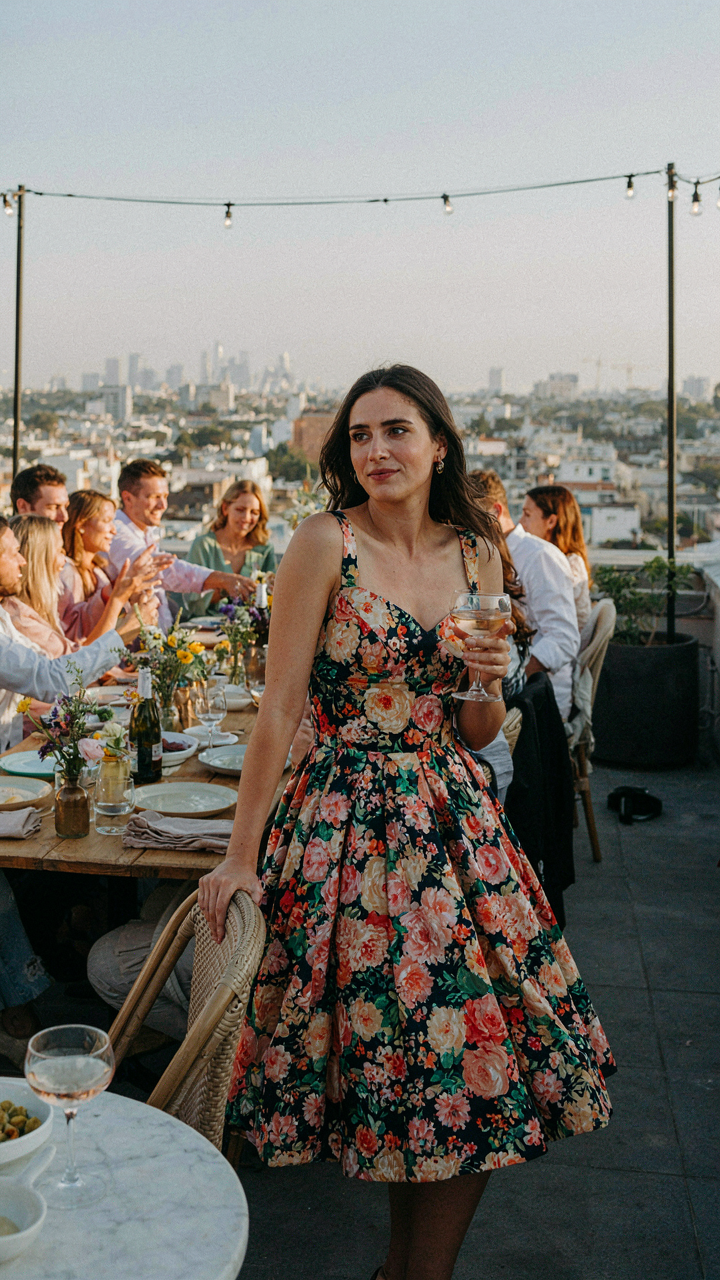
Pattern Scale Controls The Room’s Reading Of You
You’re worried people will judge you as either trying too hard or not trying at all. Here’s what actually happens: pattern size functions like typography in design. Large-scale florals read as bold and casual. Small, dense patterns read as formal and controlled. The mechanism is contrast ratio. A dress covered in palm-sized blooms commands visual space. A dress with thumbnail florals dissolves into texture from ten feet away. Venues matter here. Rooftop cocktail hour with natural light amplifies large patterns. Indoor evening events reduce their impact because ambient lighting diminishes detail and saturation.
Small-scale florals pair with structured tailoring for weddings and galas. Large-scale florals work in daytime settings and outdoor venues where light and space give them room to breathe. The dress doesn’t communicate formality through flowers alone. It communicates through how big those flowers are and how much silence sits between them. Measure the repeat distance on the fabric itself before buying. If you can’t see individual blooms from three feet away, you’re in small-scale territory. This determines which events will read you correctly.
Saturation Dictates Social Permission
People assume bright colors read as less formal. That’s incomplete. Saturation and context determine permission, not hue. A muted coral with lavender florals in a garden-wedding setting signals respect for the occasion. A neon pink with chartreuse florals at the same event signals you didn’t check the dress code. The rule operates like supply and demand in economics. High saturation demands high visual real estate. Low saturation blends into background. In small, crowded spaces, muted tones keep you from overwhelming the room. In open venues, saturation matters less because the environment absorbs it.
Consider venue size and light source first. Ballrooms with controlled lighting tolerate muted florals well. Outdoor evening events need richer saturation to register against natural fading light. Spring garden parties accept the full spectrum because daylight and green surroundings contextualize brightness. Ask the host about lighting and crowd density if you’re uncertain. Then choose saturation accordingly. A single strategic move: pick your venue type, then select a floral dress where the color intensity matches what that space typically features in its decor.
The “A Line Advantage” Protocol For Summer Events
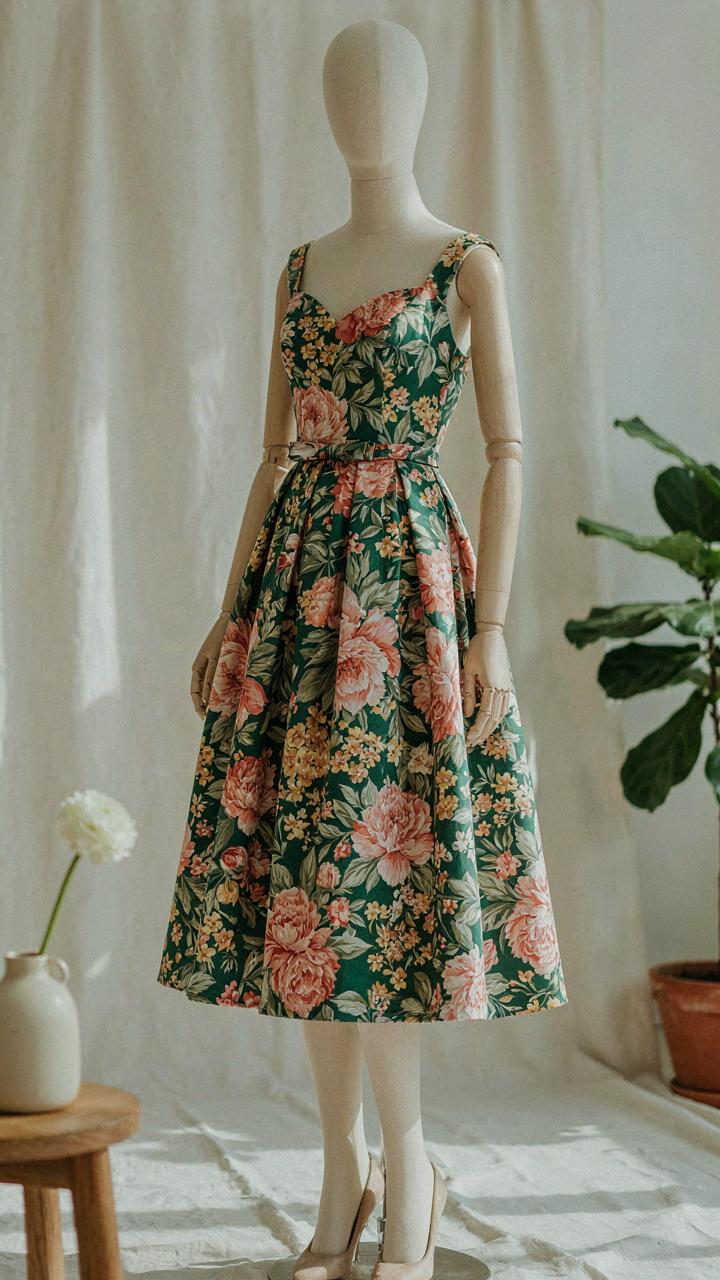
Shape Creates Authority Over The Body
You want to look intentional, not like you’re hiding something. The A-line silhouette works because it’s a geometry problem, not a fashion opinion. The skirt expands from the waist downward, which creates optical width at the hip and thigh while the fitted bodice anchors the proportions. This ratio reads as control. Most advice on A-line dresses says they “flatter everyone”—that’s incomplete. They work because they distribute visual mass predictably, making the body appear balanced regardless of actual measurements.

The mechanism is simple: fitted top, graduated volume below the waist. This cut originated in the 1950s but persists because it solves a structural problem. When you pair an A-line with a floral print, the silhouette prevents the pattern from overwhelming your frame. The shape becomes the container; the print becomes the content. The dress reads as one deliberate object instead of a pattern trying to disguise a body. For summer events where you’re standing and photographed, this distinction matters.
Fiber Type Determines How Your Print Performs
Fabric choice isn’t decorative—it’s the transmission medium for visual impact. Cotton voile flattens florals into matte territory. Silk charmeuse reflects light and makes the same print appear dimensional and alive. Linen reads rustic; polyester blends read commercial. None of these are better or worse. They’re different tools for different contexts. A garden wedding calls for one fabric weight and sheen. A rooftop cocktail event calls for another. The floral pattern stays identical, but the fabric decides whether it whispers or broadcasts.
Most people pick fabric based on comfort alone. That’s a mistake. Heavier fabrics like cotton sateen or cotton-silk blends compress floral motifs, making intricate prints read as texture rather than pattern. Lighter fabrics like cotton lawn and silk allow the pattern to breathe, keeping individual flowers distinct and legible. For summer events where you’re competing with natural light and reflective surfaces, choose fabric that holds detail. Test your fabric choice by holding it to light before purchasing the dress. If the pattern disappears or blurs, the fabric is too dense for your event’s lighting conditions.
Information Warfare: Your Floral Dress As Strategic Intelligence
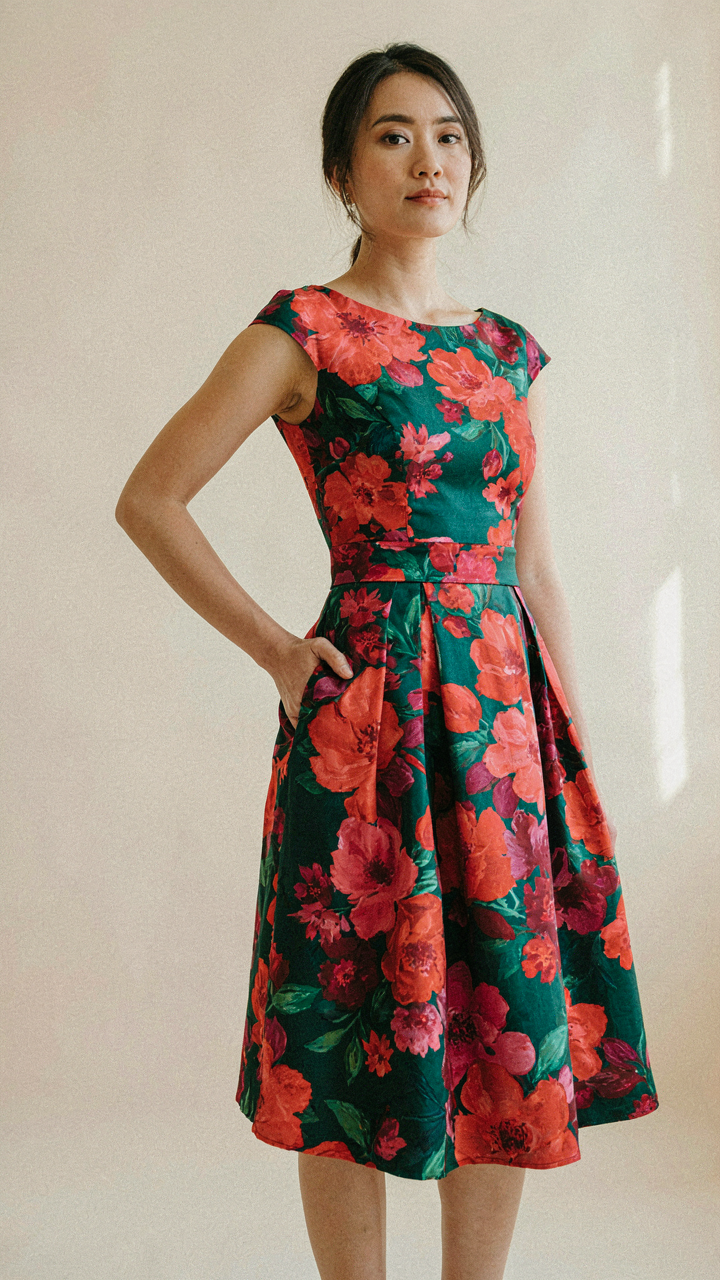
Dress As Non Verbal Command
You care about this section because you sense that what you wear determines how people treat you before you speak. That’s not vanity—it’s accurate. Military strategists call this signaling, and your floral cocktail dress functions exactly like it: a transmission that broadcasts your position, allegiance, and intent to every observer in the room without a single word.

Floral patterns work as territorial markers. Bold, saturated botanicals read as confidence and social authority. Delicate, muted prints signal restraint and approachability. The scale of the pattern, the color saturation, and the dress’s silhouette combine to form a coherent message. Your dress precedes your handshake by fifteen feet. The mechanism is pre-cognitive recognition: people categorize you based on visual data before conscious thought activates.
Reading Pattern Language Like Intelligence
Most advice tells you to “wear what makes you feel confident,” which is useless because it ignores how observers actually decode your outfit. Pattern recognition operates on biological speed—faster than language processing. A hostile environment (aggressive colleagues, competitive social setting) responds to clear, readable signals: structured silhouettes, high contrast floral prints in jewel tones or clean whites. Friendly environments tolerate softer messages: soft pastels, dispersed botanical prints, fluid fabrics that suggest openness.
The specific floral itself carries protocol weight. Roses and peonies read formal and intentional. Wildflower-style prints read experimental. Tropical botanicals signal warmth and social ease. Your job is matching the pattern’s message to the room’s actual temperature, not your mood. If you arrive overdressed in softness to a room running cold, observers mark you as naive. If you arrive overly structured to a collaborative setting, you read as rigid. Adjust the dress’s visual intensity to match the stakes of the event.
Beyond The Garden: Floral Cocktail Dress For Luxury Birthday Events
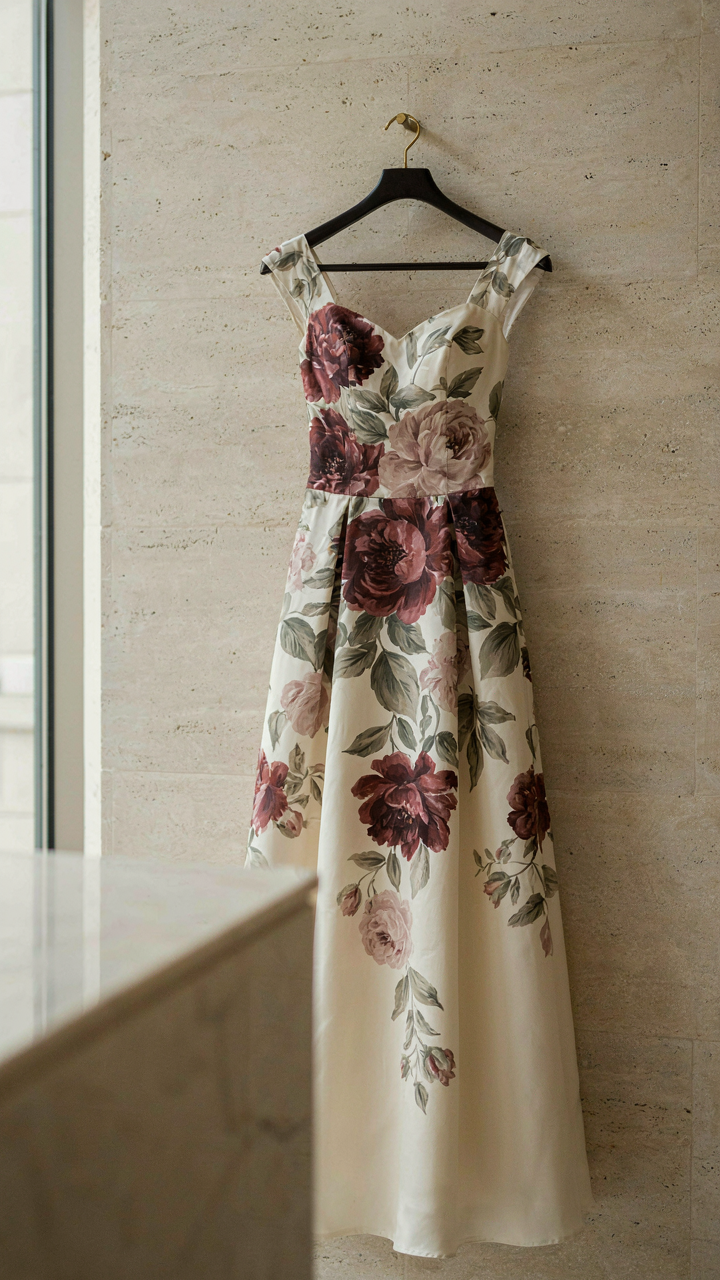
When Florals Stop Being Safe
You want the dress that signals you belong in the room without trying too hard. Here’s what people don’t tell you: casual florals fail at luxury events because they read as print-heavy and decorative rather than intentional. The mechanism is scale and placement. Oversized botanical prints flatten against your body. Small, scattered florals fragment attention. High-end floral cocktail dresses control this through strategic density and proportion, treating the print as architecture, not wallpaper. A single statement bloom or structured placement of smaller florals creates visual weight without visual noise.

Fabric choice determines whether a floral reads luxury or costume. Silk charmeuse, cotton sateen, and wool blends hold print fidelity and move with structure. Polyester blends spread color unevenly and trap light in ways that cheapen the overall effect. The print itself matters too. Hand-painted or digitally rendered botanicals with depth beat flat, uniform florals. Invest in dresses where the floral pattern accounts for maybe forty to fifty percent of the dress surface, leaving negative space to breathe. Silhouette reinforces this: fitted bodices with floral panels, monochromatic bodies with floral sleeves, or color-blocking with florals on one section anchor the design beyond decoration.
Metals And Stones Do The Heavy Lifting
Jewelry strategy at a luxury event isn’t about matching your dress. It’s about counterweight. Your floral pattern already occupies visual real estate, so accessories operate on a principle borrowed from design: contrast creates hierarchy. Gold and warm metals against cool-toned florals (blues, purples, greens) add richness. Silver and platinum against warm florals (corals, warm pinks, oranges) create tension that reads as intentional rather than random. Skip chunky pieces; go minimal and precious instead. A single statement bracelet or structured earrings outperform layered jewelry because they don’t compete with your print.
Footwear and bags anchor the outfit through simplicity. Neutral heels (black, nude, metallic) keep focus on the dress rather than creating secondary patterns. A structured clutch in leather or satin, not beaded or embellished, completes the luxury signal. The protocol is simple: for every decorative element your floral dress contributes, remove one from your accessories. If your dress has print coverage and volume, wear flat jewelry, minimal makeup, and a simple bag. If your dress is minimal floral on a solid base, you have room for layered jewelry and a more detailed accessory.
The Cocktail Dress Wedding Guest Playbook
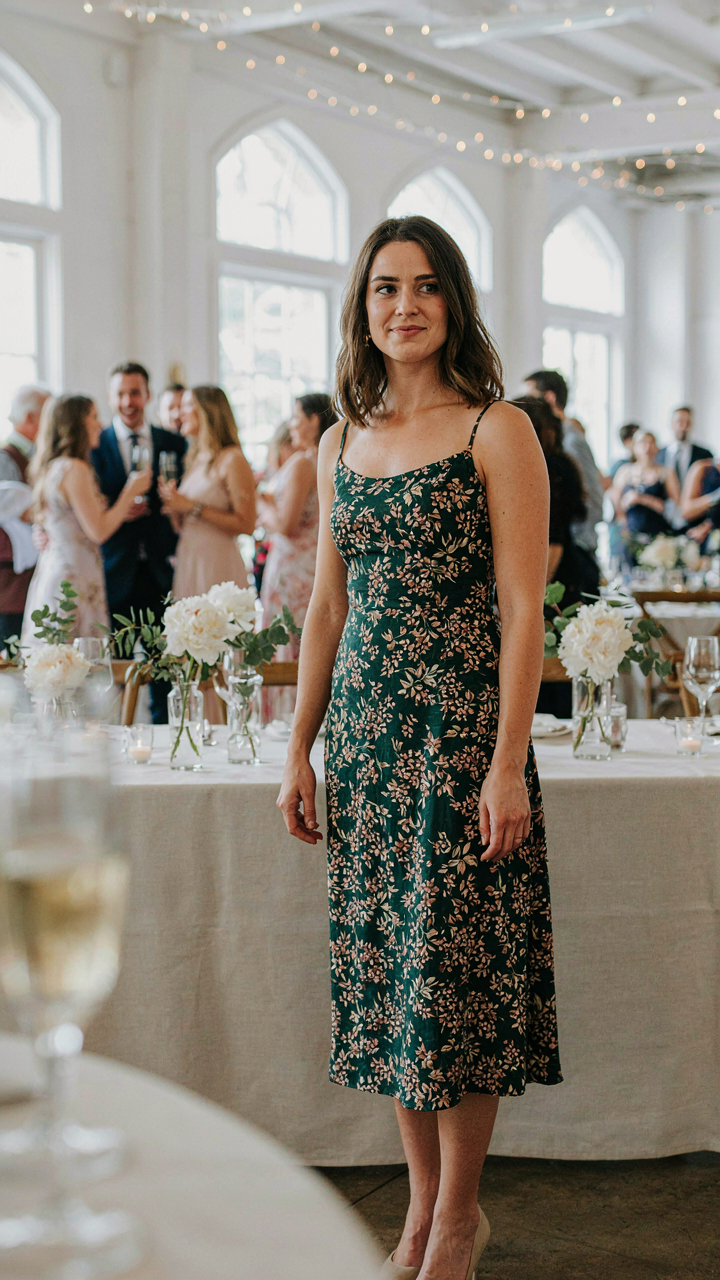
Don’t Compete With The Bride
You’re worried the bride will resent you, so you’re looking for permission to wear something good anyway. Here’s the mechanism: brides notice contrast, not category. A floral cocktail dress doesn’t threaten a white wedding dress because they occupy different visual spaces. The bride’s dress is a singular focal point. Your dress is a supporting element. The threat isn’t florals—it’s saturation, scale, and attention-grabbing construction. A small-scale print reads as texture. A large sequined statement piece reads as competition.

What actually causes resentment is showing up in a silhouette that mirrors hers or wearing white, ivory, or champagne florals that blur the visual hierarchy. A midi-length floral in a saturated color or jewel tone positions you as a guest, not an alternative bride. Florals by nature feel secondary. Use that. The safest plays are deep reds with small florals, navy bases, emerald grounds, or black with botanical prints. Scale matters more than color. Opt for prints where individual flowers are under two inches across.
The Language Of Hemline
Dress length speaks a code at weddings, and most people get it wrong by ignoring the actual signal it sends. Length isn’t about modesty—it’s about occasion formality. Hemline functions as a status indicator, borrowed from military dress codes where detail and precision signal rank and occasion weight. A midi hem at the knee or slightly below reads as intentional formality at a cocktail wedding. A knee-length dress reads as semi-formal or slightly casual. An ankle-length dress reads as black-tie or evening wear.
The error people make: wearing a short cocktail dress to a formal afternoon wedding, then wondering why they feel underdressed. The mechanism is simple—your hemline tells the room your read of the occasion before you open your mouth. For spring and summer events, a midi floral in a structured fabric works across wedding formality levels because it hits the visual register of intentionality. Knee-length works for casual or garden weddings only. Choose your hem length based on the wedding’s stated time, not your comfort preference.
Vestidos De Fiesta: Global Floral Cues
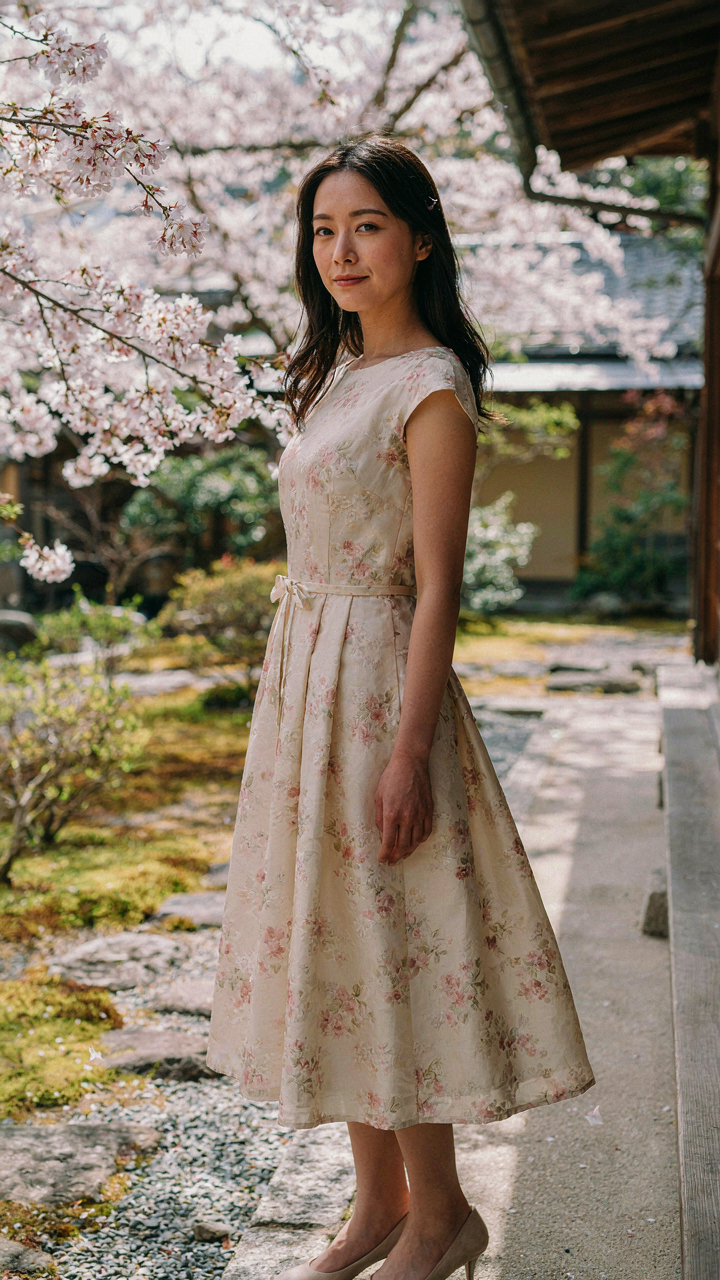
How Flowers Signal Belonging
You want this section because you’re nervous about wearing something that reads “wrong” in a room full of people who know the code. The mechanism is simple: floral motifs carry cultural weight. In Japanese design, cherry blossoms mean transience and refinement. In Indian textiles, marigolds and paisleys signal celebration and auspiciousness. Mediterranean florals evoke different status markers than tropical ones. A floral cocktail dress isn’t just decoration—it’s a cultural text. Wear the wrong regional vocabulary and you broadcast outsider status instantly.

Japanese minimalism uses negative space around florals. Indian designs layer density and symbolic color. Mediterranean prints favor classical symmetry. Latin American styles embrace saturated, bold blooms. Each tradition developed its floral language to communicate something specific about occasion, formality, and social position. Understanding which tradition matches your event context determines whether your dress reads as culturally fluent or tone deaf. This isn’t about political correctness—it’s about optical information and how people decode it in three seconds.
Building Bridges Without Diluting
Most advice here is lazy: “Just mix and match.” That’s how you end up looking like you raided a tourist market. The real skill is recognizing which elements translate and which ones flatten. A floral cocktail dress that borrows from multiple traditions needs an anchor—usually through silhouette, color restraint, or fabric weight. Western tailoring with Japanese floral placement works. Indian-inspired saturation paired with minimal Western cut works. Tropical florals on a structured Mediterranean silhouette works. What doesn’t work is treating florals as interchangeable decoration.
The dress succeeds when the cultural reference is intentional, not accidental. Choose one tradition as your dominant voice, then selectively layer in elements from another if the occasion justifies it. A spring garden party calls for different floral grammar than a Latin American wedding celebration. Your fabric weight, neckline shape, and hem length should align with the cultural tradition your florals reference. When these elements align, the dress communicates expertise rather than confusion.
The “Elegant Cocktail Dress” Fallacy: It’s Not The Label
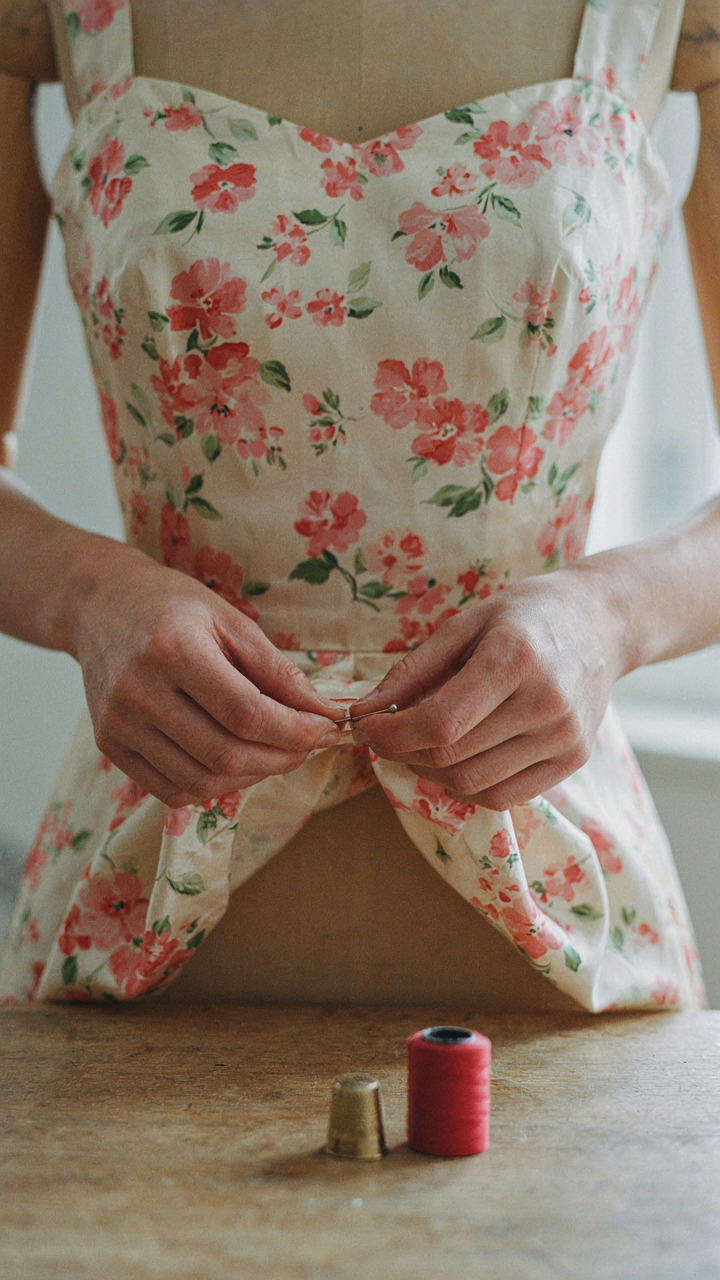
Stitching Quality Over Brand Recognition
You’re hoping the label does the work for you. It won’t. Brand names on floral cocktail dresses function like marketing camouflage—they signal taste to people who don’t know better, but they hide construction failures from anyone paying attention. The real mechanism is simple: seams, hems, and fabric grain alignment reveal whether someone engineered the dress or just printed a name on it.

Inspect the side seams first. They should be flat, even, and follow a straight line from armpit to hem. Run your finger along them. You’ll feel puckering, twisting, or thread bunching on cheap construction immediately. Check the hem next. On a quality floral dress, the hem stitching sits invisible from the outside—usually a narrow zigzag or blind stitch—and lies flat without rippling. Press the fabric grain at the neckline and hem. Poor construction pulls grain off-axis, creating diagonal distortion that no amount of ironing fixes.
The Fit Is The Entire Message
Tailoring transforms a mediocre dress into one that works. The common advice says “find your size and wear it”—that’s incomplete. A floral cocktail dress only functions when the waist sits at your actual waist, the bust cups properly without gaping, and the hem hits the intended length. These three points are non-negotiable, and no brand gets them right for everyone.
Take the dress to a tailor before the first wear. Expect to budget 40 to 80 dollars for hem adjustment alone, more if you need waist taking or bust modification. This isn’t optional refinement. Fit determines whether the dress drapes properly, moves with your body, and photographs well. A 200-dollar dress with 60-dollar tailoring outperforms a 500-dollar dress worn untailored every time. The mechanism is mechanical: fabric only behaves correctly when it meets your frame at the right points.
Womens Cocktail Dresses: The Unspoken Hierarchy Of Fabric
What Your Fabric Choice Actually Signals
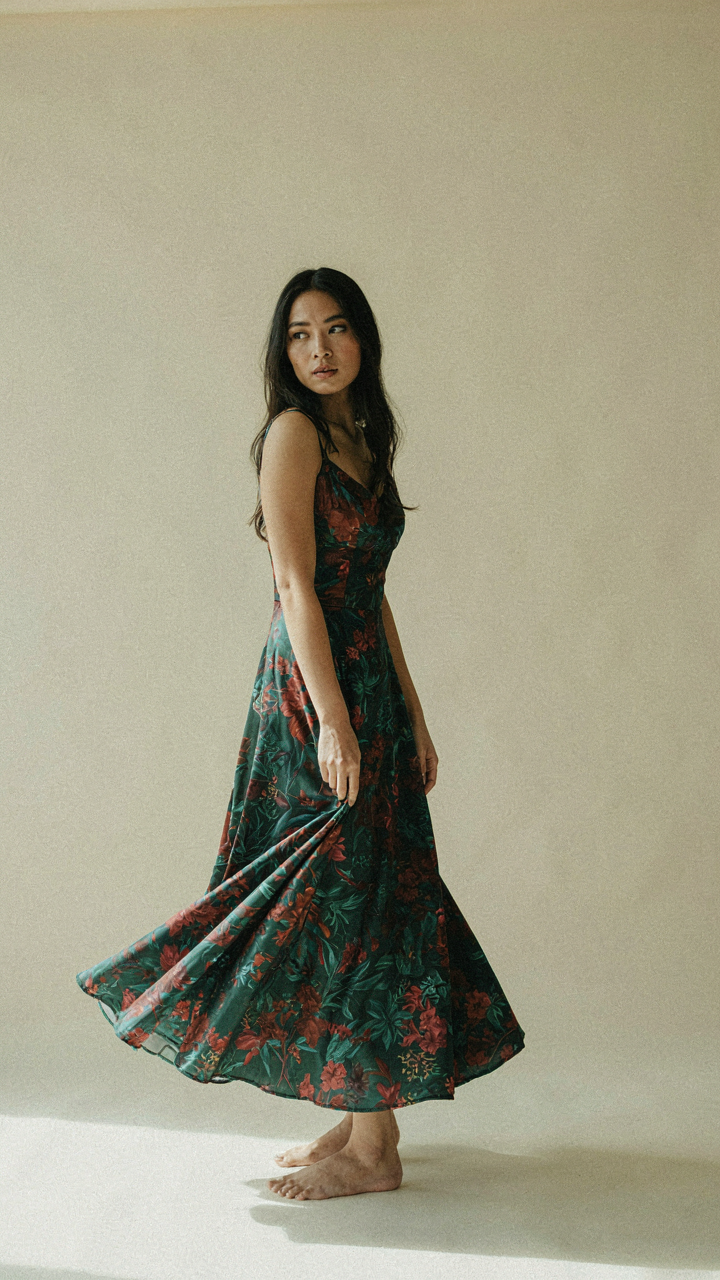
You care about this because you’re afraid the wrong material will broadcast that you don’t understand the room you’re walking into. Fabric operates like semiotics in fashion—it communicates class tier and occasion awareness before anyone hears your name. Silk reads formal. Cotton reads casual. Silk charmeuse reads money. The mechanism is simple: natural fibers with tight weaves signal investment and intentionality. Synthetic blends signal budget constraint or indifference. A floral cocktail dress in heavy linen communicates differently than the same pattern in silk crepe, even if the cut is identical.

The texture hierarchy exists because guests notice grip and drape before they notice color. A dress that clings to your frame reads cheap. A dress that moves with controlled fluidity reads expensive, even at identical price points. Polyester blends in floral prints often cling because they lack the molecular structure to release moisture and move. Silk and silk-heavy blends handle body heat differently, creating separation between fabric and skin. When selecting a floral cocktail dress, prioritize fabric hand—how the material actually feels and behaves on your body—over pattern appeal. The pattern is ornament. The fabric is architecture.
Seasonal Fabrics And Their Real Cost
Spring and summer demand fabrics that telegraph seasonality through weight and breathability, not through color alone. Lightweight silks, cotton blends, and linen handle humidity without clinging or wrinkling visibly. Heavy crepes and structured wools belong to fall events. The economic principle of scarcity applies here: lighter fabrics cost more to produce because they require higher thread counts and more careful finishing to avoid transparency. A floral cocktail dress in silk charmeuse costs more than one in polyester crepe because the material itself demands precision manufacturing.
- Silk Charmeuse: Liquid drape with controlled movement. Expensive production requires balanced tension during weaving. Best for formal spring galas where sophistication matters most.
- Cotton Sateen: Mid-weight with subtle sheen. Breathes well in humidity. Works for garden parties and outdoor receptions where formality is moderate.
- Linen Blends: Wrinkle-prone but breathable. Pure linen reads intentional and designer-forward. Blends reduce wrinkle recovery time for practical wear.
- Silk Crepe: Structured with natural texture. Holds shape without rigidity. Ideal for cocktail events where movement should appear controlled, not stiff.
- Polyester Crepe Blends: Budget alternative with wrinkle resistance. Clings more than natural fibers. Acceptable for casual daytime events, risky for evening affairs.
The mistake everyone makes is confusing trend with appropriateness. Just because a floral print appears in linen for summer doesn’t mean linen is the correct choice for your specific event. Match fabric weight to venue formality, room temperature, and time of day. Evening outdoor events demand fabrics that handle temperature shifts without losing structure. Midday garden parties allow lighter options that move easily. Check venue details before purchasing, then verify fabric content on every dress you consider purchasing.
The Real Problem Isn’t The Dress; It’s Your Unexamined Intent
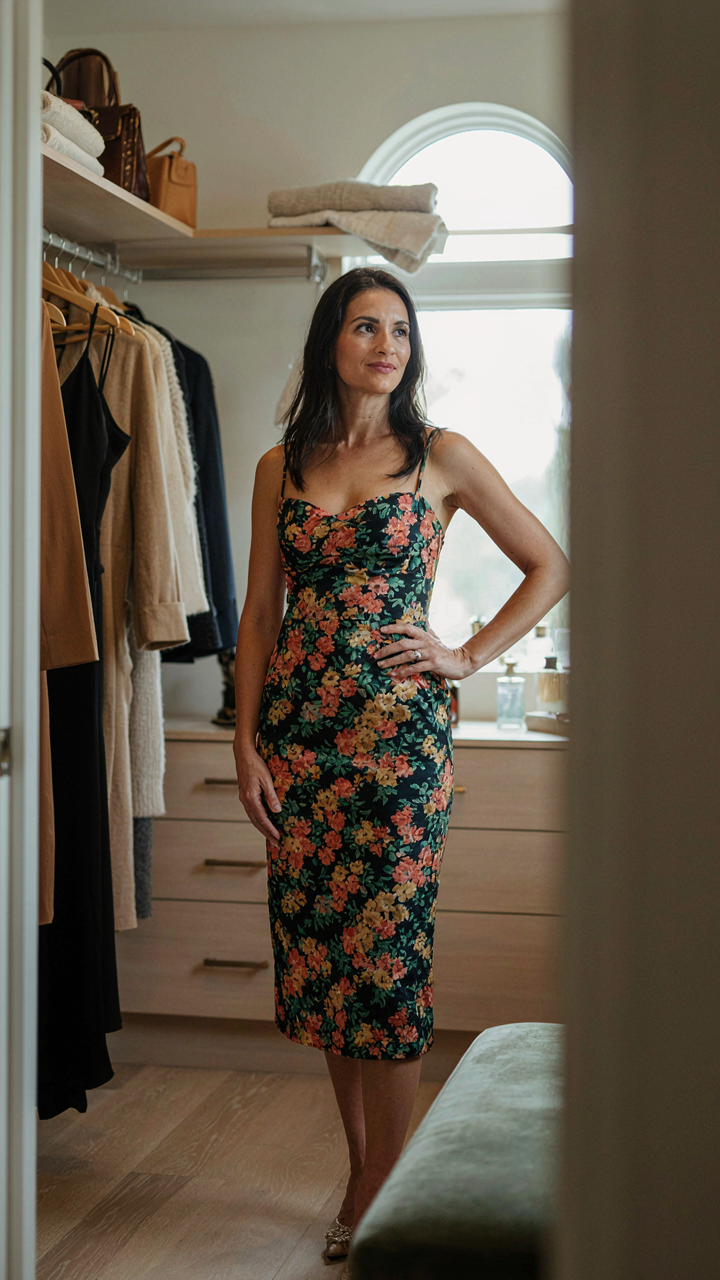
You pick a floral cocktail dress hoping it fixes something. Hoping it makes you feel confident, interesting, worthy of attention. The dress won’t do that. You will. Before you buy anything, ask yourself what you actually want to feel at that event. Then buy the dress that makes you feel it. Open your closet today and try on three dresses. Notice which one changes how you stand. Buy nothing until you know why you’re buying it.




