

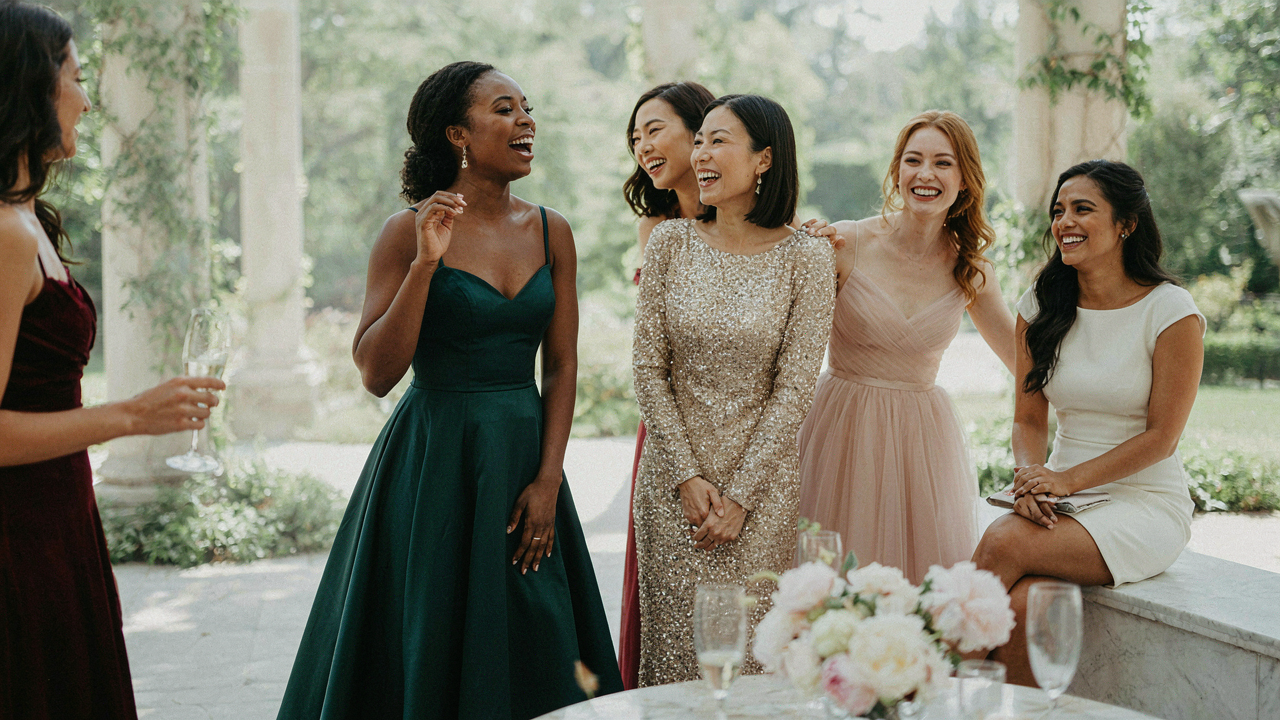
The A Line Cocktail Dress Fallacy: Why Universally Flattering Is A Lie
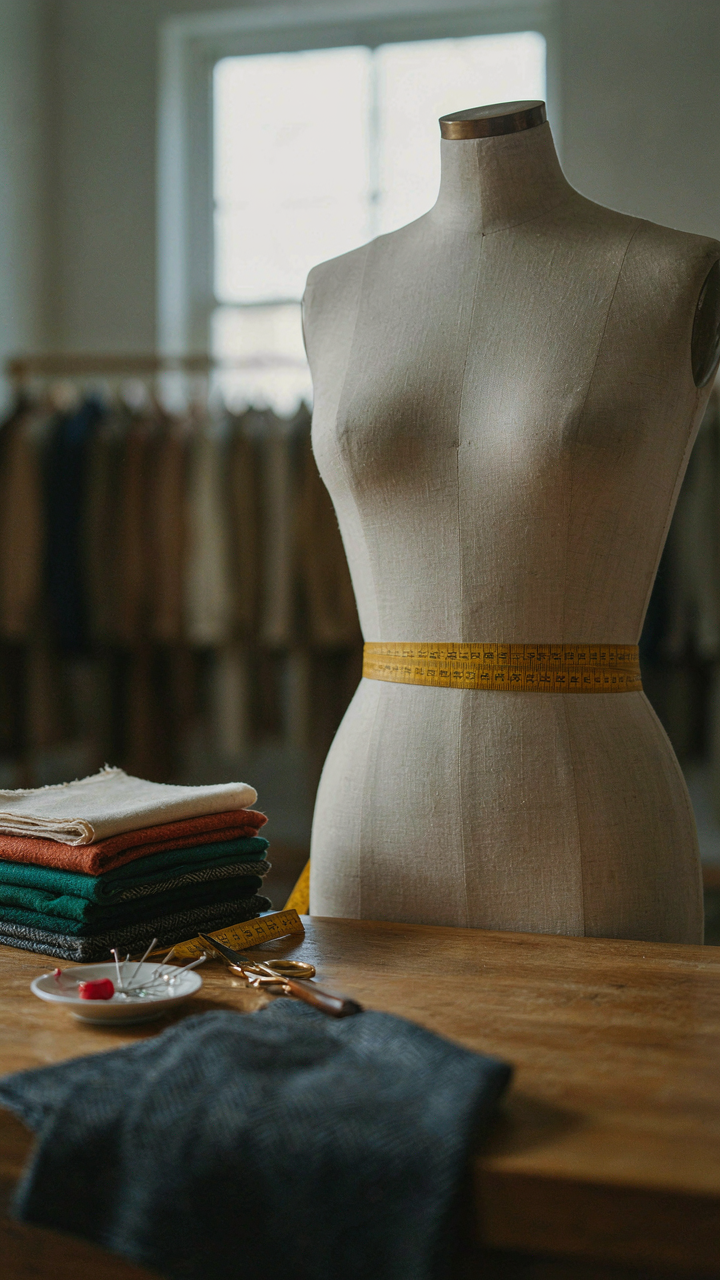
The Actual Fit Points That Matter
You want to believe one dress shape fits everyone because shopping is exhausting and looking good shouldn’t require math. It doesn’t work that way. An A-line is geometry, not magic. The fit lives in three measurements: where the dress leaves the bust, where it cinches at the waist, and where the hip flare begins. A dress cut for a 34-inch bust on a 5’10” frame will hang differently on a 36-inch bust on a 5’4″ frame, even with the same A-line silhouette. The angle and volume of the skirt changes based on where that waist seam actually sits on your body.
Most A-line dresses come with a fixed waist point. If that point sits two inches below your natural waist instead of at it, the proportions collapse. The dress creates a line that reads shorter and wider instead of longer and tapered. Measure your bust, waist, and hip circumference, then note your torso length from shoulder to natural waist. Cross-reference these against the dress’s seam placements, not just the size label. That’s the only way to know if an A-line will actually read as flattering on your frame instead of borrowed from someone else.
Fabric Selection Matches Body Type, Not Preference
Drape is physics applied to textile. The way fabric falls depends on fiber weight, weave structure, and how much ease the pattern allows. A lightweight silk charmeuse on a size 6 creates a completely different silhouette than the same charmeuse on a size 14, because the fabric’s hand interacts with volume differently. You can’t engineer flow through luck. An A-line in stiff taffeta won’t move the same way as an A-line in fluid crepe, regardless of cut. If your body type carries more volume through the hip and thigh, a structured fabric that stands away from the body works. If you’re narrower, a heavier crepe that drapes with its own weight prevents the skirt from looking tent-like.
The mechanism: fabric weight divided by pattern ease determines whether the A-line skirt clings, skims, or floats. Check the fiber content and GSM (grams per square meter) if available. Pair structured fabrics like duchess satin or microfiber with pear-shaped proportions. Use fluid crepe or charmeuse if you need the fabric to fall without clinging. If the dress description says “flowing” but lists a poly-cotton blend at 150 GSM, the fabric won’t flow the way the photo suggests. Buy the fabric weight that matches how your body moves, not how the model’s body moves.
Beyond The Silhouette: Decoding Fabric As A Structural Element
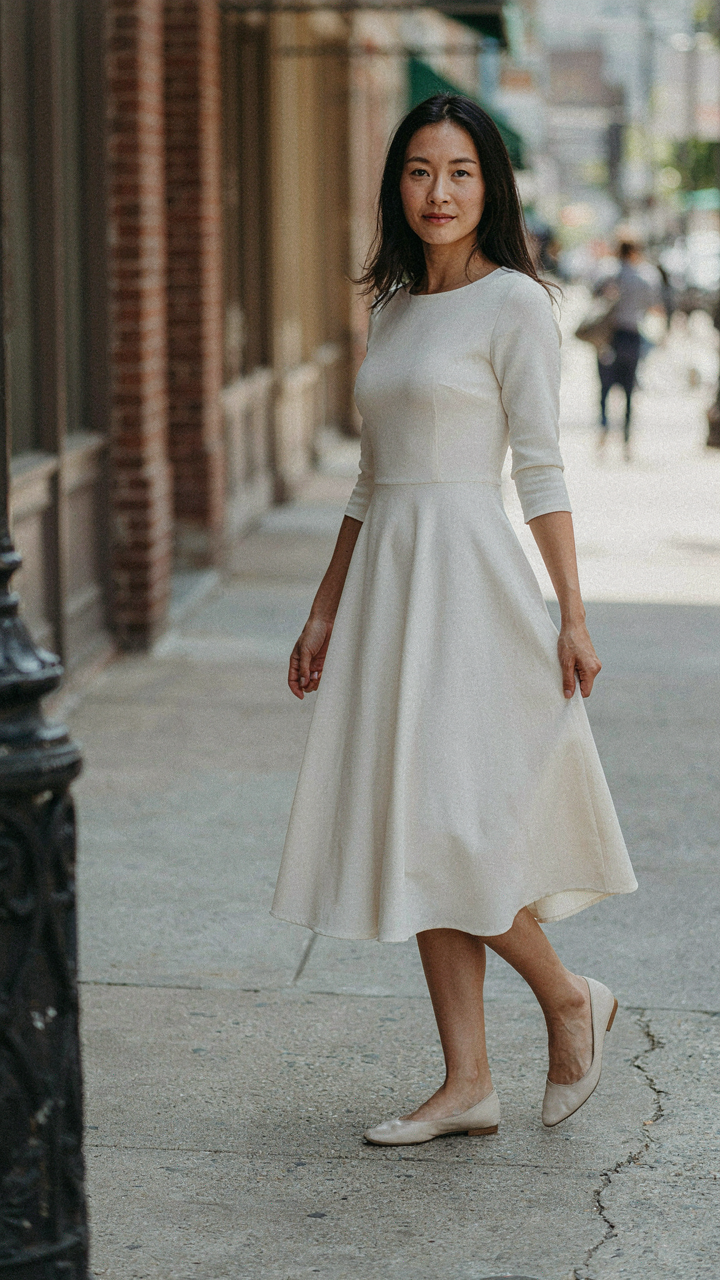
Weave, Weight, And Stretch: How They Shape And Conceal
You care about this section because you want permission to skip tailoring. Here’s the truth: fabric architecture does half the work your body can’t. Think of weave density like load-bearing walls in construction. A tight weave distributes pressure evenly across the dress instead of letting it cling to lumps. Loose weaves breathe but expose. Medium weaves, the sweet spot for cocktail dresses, compress without suffocating.

Weight determines drape behavior. Heavy fabrics like structured crepe hold A-line shape through pure mass. Light silks need more structure underneath to maintain the silhouette. Stretch changes everything: zero stretch gives clean lines but demands perfect fit off the rack. Four-way stretch accommodates size variance and movement without sacrificing the silhouette’s integrity. Most a-line cocktail dresses use two-way stretch for horizontal forgiveness while maintaining vertical control.
Movement And The Perceived Elegance Effect
Fabric stiffness controls how much the dress moves before you do. Cotton blends with synthetic content resist wrinkles and maintain crispness through sitting, standing, and walking. This matters because movement reads as either polish or sloppiness. Silk and silk-like synthetics create fluid movement that follows your body, not your mistakes.
The real play is matching fabric weight to your body’s natural tension. Dense fabrics flatten and streamline. Lighter fabrics emphasize shape. When you move, the dress shouldn’t lag behind you or snap back too fast. A-line cocktail dresses in medium-weight cotton blends or performance synthetics maintain shape while allowing the wearer to move without looking stiff. Test this by walking in the dress for five minutes before buying. If it wrinkles heavily or clings after movement, the fabric weight is wrong for your body type.
The “Golden Ratio” Protocol: Engineering Your Optimal Hemline
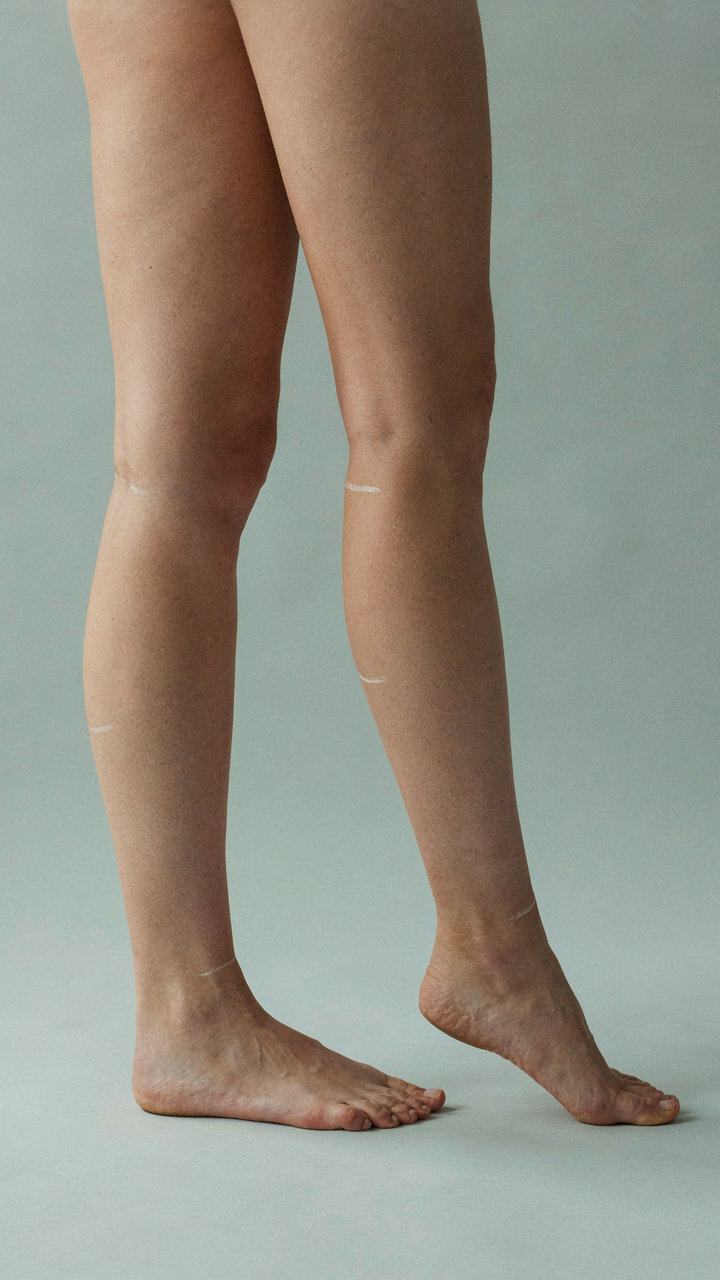
Where Your Legs Actually End
You care about this because hemline length controls whether you look intentional or lost. The mechanism is simple: your leg’s visual proportion to your torso determines if the dress flatters or fights your frame. Think of it like leverage in physics—the fulcrum point changes everything. A line dresses use the hemline as the visual anchor. Too high and you truncate your leg line. Too low and you bury your proportions entirely.

The ankle and calf present two distinct breakpoints. The ankle creates a hard stop—it grounds the silhouette but requires confidence and specific occasions. The calf, typically hitting mid-calf or just above, sits at the sweet spot for most bodies. This length neither crowds your legs nor extends them into awkwardness. The A line itself widens from hip down, so a calf hemline gives the silhouette room to breathe without looking shapeless.
Midi And Tea Length Calibration
Common advice says “midi is flattering on everyone.” That’s incomplete. Midi length only works when it aligns with your actual proportions, not just your dress size. A line structure matters here because the skirt’s width at the hem must match your height. Shorter frames risk drowning in fabric. Taller frames risk the midi looking cropped and stubby.
Tea length—hitting just below the knee, historically from the 1950s—works as a compromise. It avoids the visual heaviness of full-length while keeping legs prominent. Pair tea length with an A line and you get balance without sacrifice. The dress hits the proportional sweet spot for average frames. Measure from your natural waist to the floor, then work backward from that total. Your hemline placement determines whether the dress reads as intentional tailoring or accidental fit.
The Armature Principle: Tailoring For Skeletal Alignment
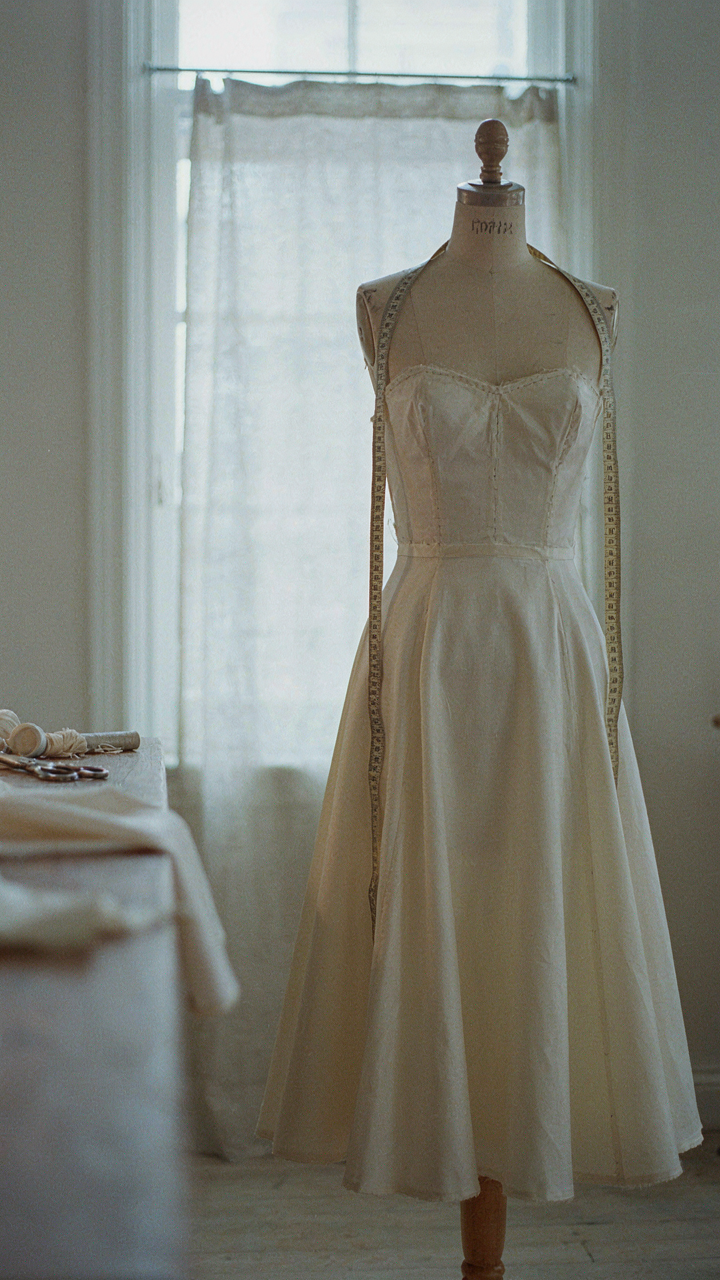
Internal Framework, External Surface
You want the dress to hide what you think is wrong and broadcast what you think is right. Here’s what actually works: steal the principle from sculpture. A sculptor builds an internal armature—a skeleton of steel or wood—then applies clay over it. The frame determines what the surface can do. In a line cocktail dress, the internal framework is the seam placement, dart configuration, and weight distribution of the fabric. The external drape follows the skeleton you’ve built, not the other way around.

Most dress construction advice reverses this. People obsess over hemline length or neckline depth and hope the garment magically conforms to their body. Wrong sequencing. The seams, darts, and weight of the fabric create the actual form. Your body becomes secondary to the structural logic you’ve embedded in the dress. When seams land on bone, when darts point toward the natural axis of your frame, the fabric drapes according to engineered geometry, not chance. That’s the mechanism at work beneath every line cocktail dress that actually fits.
How Seams Build Shape
Shoulder seams that sit on the actual shoulder bone create a stable point of origin for the entire garment. Darts absorb excess fabric and redirect it toward specific points, usually the bust or hip. A waistline seam establishes a fulcrum. These three elements—seams, darts, waistline—aren’t decoration. They’re load-bearing architecture. The fabric between them has nowhere to collapse or billow randomly. It follows the path the tailoring has set.
The common mistake is assuming a line silhouette means shapeless. False. An a line dress requires more precision in dart placement and seam alignment than a fitted dress, because the shift from fitted to flared must happen at the exact point where the dress transitions from torso to hip. If that transition seam sits too high or too low, the entire proportion fails. Darts above the waistline control the bust; the waistline seam itself becomes the hinge point where the dress begins to release outward. Get that hinge right, and the line follows naturally. Get it wrong, and you’re wearing a tent with pretensions.
Color & Pattern Mechanics: More Than Just “Pop”
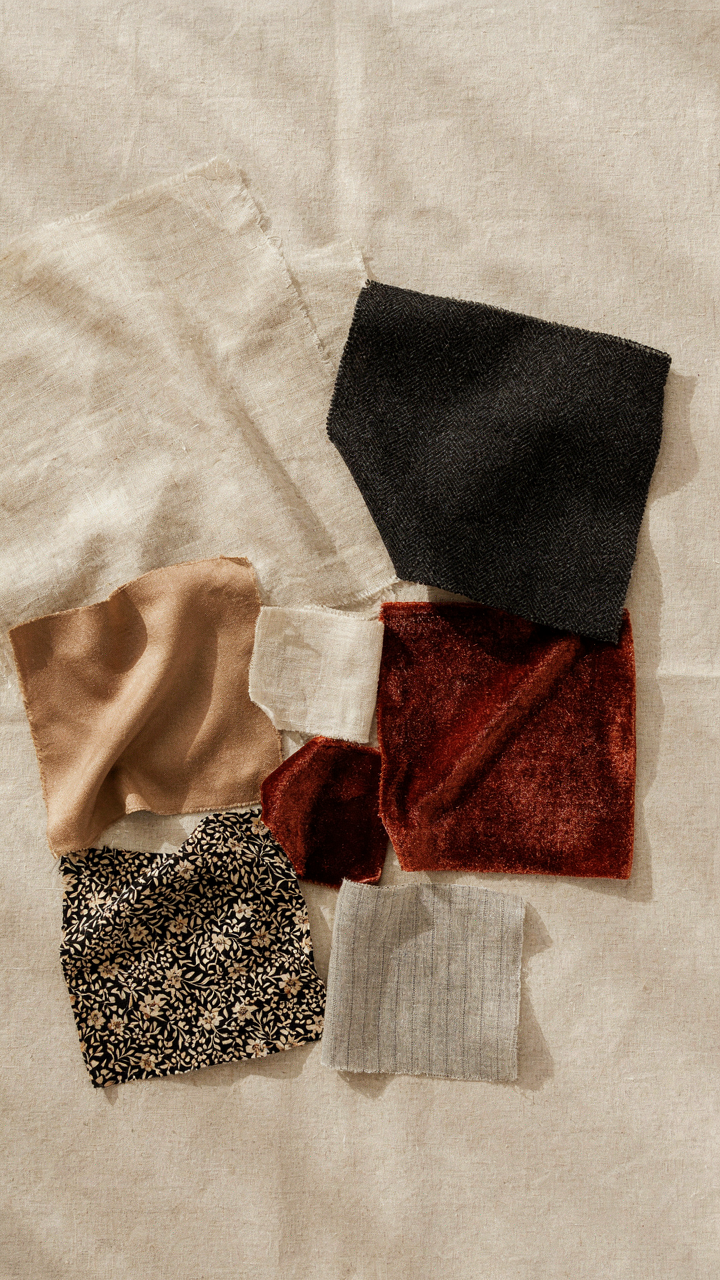
How Color Actually Changes Your Shape
You want color to make you look thinner or curvier. That’s the real reason you’re reading this. Here’s what actually happens: light physics controls perceived volume, not your imagination. Dark colors absorb light and compress visual space around your body. Light colors reflect light and expand it. A line dresses amplify this effect because the silhouette already moves outward from the waist. Pair a dark color with an A line and you get visual containment. Pair a light color and you get expansion that reads as width.

The mechanism is simple: contrast between the dress and your skin tone determines how much the A line silhouette registers as volume. High contrast (pale skin in black, dark skin in white) sharpens the A line’s geometry and makes the skirt appear wider. Low contrast (similar tones) softens the line and reduces perceived volume. Choose your base color first by testing it against your actual skin under natural light, not in a fitting room with fluorescent bulbs that destroy color accuracy.
Pattern Scale Matches Your Frame, Not Your Taste
The fashion industry tells you to match pattern scale to height. Wrong framework. Use proportional relationships instead. A pattern’s visual weight functions like a graphic load on your torso and lower body. Small, dense patterns read as texture and don’t compete with the A line’s structure. Large, spaced patterns create focal points that interrupt the line’s clean sweep downward. Your shoulder width and hip width determine the maximum pattern scale that works.
If your shoulders are narrow, large patterns will dwarf your upper body and make the A line look oversized rather than intentional. If your hips are wide, dense small patterns distribute the visual weight evenly and prevent the skirt from reading as tent-like. Test this by standing in front of a mirror with a dress in your size but a pattern scale one size larger, then one size smaller than what you’d normally choose. The wrong scale either fights the silhouette or disappears into it. Pattern scale is a control variable for how much attention the A line’s geometry receives.
Strategic Necklines: Framing The Face, Not Just Covering Cleavage

Match Your Face Shape To Neckline Geometry
You care about this because you’ve worn something unflattering and felt it for hours. The real mechanism is optical contrast. Your face shape and neckline curve create a visual frame. When they work against each other, they shorten or widen the perceived face. When aligned, they extend and balance it. Round faces need vertical lines or angles to create length. Square faces soften with curves. Oblong faces benefit from horizontal breaks that add width perception. A line dresses let you control this entirely through neckline choice because the skirt stays neutral.

The geometry works like a compass bearing in navigation—your neckline sets the direction the eye travels around your face. A deep V elongates because it draws attention downward and creates a vertical axis. A boat neck widens because it runs horizontal and mirrors the jawline. Scoop necks sit somewhere neutral but risk emphasizing roundness on round faces. Test this by standing in front of a mirror and using your hands to frame different neckline shapes. Note which feels like it erases the face flaw you’re trying to minimize. That’s your answer, not a trend or someone else’s recommendation.
Off Shoulder Versus Boat Neck Impact
Most style advice treats off-shoulder and boat necks as interchangeable. They’re not. An off-shoulder neckline exposes the collarbone and shoulders, creating a downward visual line that elongates the neck and face. A boat neck runs edge-to-edge across the shoulders horizontally, widening the appearance of the upper body and face. The positioning matters more than the dress name. Off-shoulder works for people wanting to add neck definition and vertical emphasis. Boat neck serves those needing shoulder and face width or wanting to balance a narrow upper frame.
Choose based on what your face needs, not what looks trendy in a photo. If your neck appears short or your face needs lengthening, off-shoulder pulls focus downward and stretches perception. If your shoulders are narrow or your face appears too long, boat neck adds horizontal break and fills space. The a line skirt amplifies whichever choice you make because the silhouette itself demands attention to the upper body. Wear the neckline that solves your frame first, then worry about occasion and color.
Accessory Amplification: The Force Multiplier Effect
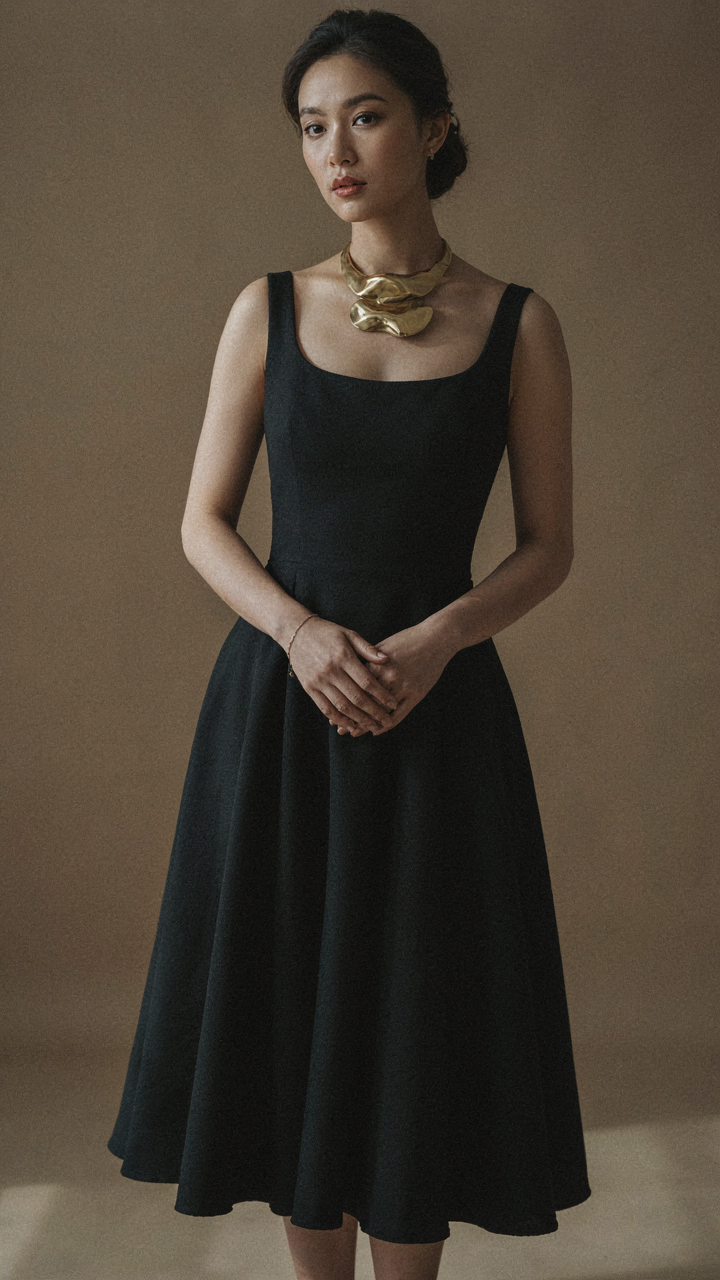
Statement Jewelry: Focal Points, Not Distractions
You want accessories to do the work so the dress doesn’t have to carry the entire conversation. Here’s what actually happens: people’s eyes move to contrast and brightness first. A line cocktail dresses work because they don’t compete for attention, which means your jewelry becomes the architectural focal point. Choose one statement piece that commands the eye, then build silence around it. A bold necklace means minimal ear jewelry. A dramatic bracelet means scaled-back rings.

The mistake most people make is treating accessories as additions instead of leverage points. They layer a necklace, earrings, and bracelet all competing for dominance, which flattens everything into visual noise. Statement jewelry works as a force multiplier because it creates a single gravitational pull. Your a line cocktail dress provides the neutral backdrop that makes this possible. Place the piece intentionally: collarbone for vertical emphasis, wrist for hand movement, ears for face framing. One strong anchor beats three weak ones.
Shoe Height And Style: Anchoring The Overall Silhouette
Shoe mechanics matter here because they alter how a line silhouettes read on the body. Biomechanics teaches us that posture changes with heel height, which changes the dress’s visual proportions. A low block heel straightens your spine less dramatically, allowing the a line to flow naturally downward. A high stiletto tilts your pelvis forward and lengthens your leg line, which compresses the dress’s width perception. Neither is wrong, but both change what the silhouette actually communicates.
- Block heel (1.5 to 2.5 inches): Creates stability and elongates without aggressive tilt. Works for pear-shaped silhouettes where proportion balance matters most.
- Kitten heel (under 1.5 inches): Minimal posture shift. Best for shorter frames where a line dresses already provide enough visual weight.
- Stiletto (3 inches or higher): Aggressive leg lengthening and posture tilt. Intensifies the dress’s vertical line and creates sharp silhouette definition.
- Pointed toe: Extends the leg line visually and anchors the downward flow of an a line. Elongates proportions without adding actual height.
- Rounded or square toe: Grounds the silhouette and softens the dress’s structure. Better for balance when the a line skirt already commands visual weight.
The shoe isn’t an afterthought. It’s the base that determines whether the entire silhouette reads as proportional or disconnected. Match your shoe formality to your dress fabric and neckline detail. A satin a line demands polish and definition. A metallic heel or bare leg shift changes the dress’s entire energy. Choose your shoe first if you’re buying a new dress, then select the dress. Your base determines what the top can do.
The Cost Per Wear Equation: Cheap Cocktail Dresses Vs. Investment
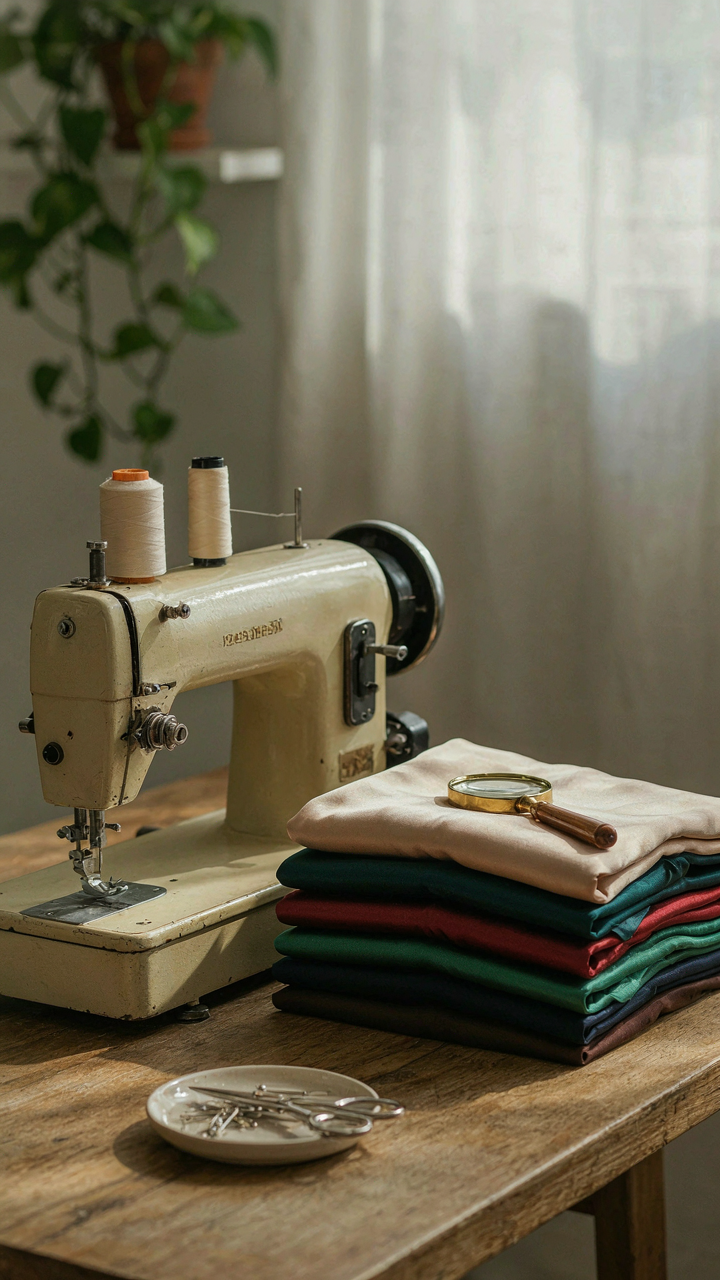
Longevity Over Labels
You’re afraid you’ll waste money on something you’ll wear once. Here’s the mechanism: a line cocktail dresses fail economically not because of price but because of fabric degradation, seam failure, and fit collapse. Economics calls this depreciation. Your dress depreciates fastest when the construction can’t handle repeated wear, cleaning, and storage. A forty-dollar dress with thin polyester and glued seams loses fifty percent of its wearability after three formal events. A one-hundred-fifty-dollar dress with quality thread and reinforced seams maintains function for fifteen to twenty wears.

The real calculation isn’t about the tag. It’s about the cost per actual wearing. A line cocktail dresses made from natural fibers like cotton blends or quality synthetics retain shape longer than pure polyester. Check seam construction before buying. Double-stitched seams cost manufacturers more but extend a dress’s lifespan by years. If you wear a dress twice, the per-wear cost doubles. If you wear it ten times, the per-wear cost collapses. Build for the ten-wear scenario, not the one-wear fear.
The Math Behind Online Purchases
Most online cocktail dress buying advice ignores return policies as a financial tool, not a convenience. This is incomplete. A return policy is your actual insurance policy against miscalculation. When you buy online, you’re betting on fit, fabric quality, and color accuracy based on images. That bet has real cost implications. A retailer with a thirty-day return window lets you test the dress through at least one wear before committing capital. A retailer with no returns locks you into the purchase decision immediately.
Calculate true value by working backward from your event calendar. If you attend four formal events annually, you need a dress that justifies cost through repeated use. Online retailers offering free returns allow you to buy multiple sizes, test fit, and return what doesn’t work without financial penalty. That’s not luxury. That’s risk reduction. Before completing an online purchase, verify the return window, shipping costs, and restocking fees. A ninety-dollar dress with fifteen-dollar return shipping and a twenty percent restocking fee becomes a one-hundred-thirty-dollar commitment on a failed fit. Factor those costs into your decision.
The Wedding Guest Matrix: Navigating Social Dress Codes

What Cocktail Attire Actually Means
You’re afraid of showing up wrong. That fear is the mechanism that keeps dress codes alive, and venues exploit it. “Cocktail attire” doesn’t mean what the words suggest. It’s a signal system borrowed from economics: scarcity creates perceived value. A line cocktail dress functions as the price point between casual and formal. It says you made an effort without overdressing, which signals respect for the event’s scale.

The unspoken rule is this: cocktail attire is the dress code for events that matter but aren’t milestone ceremonies. It sits between business casual and black tie. A line dresses fit because the silhouette reads as intentional without screaming formality. The fabric weight, hem length, and neckline choices telegraph whether you understand the room. Most people get this wrong by either underdressing in separates or overdressing in gowns meant for galas.
Dress Length And Formality Signals
The common advice to wear “knee-length or slightly above” misses the actual mechanism. Length communicates submission to formality hierarchy. Shorter dresses (above knee) read as confident and modern. Midi lengths (below knee) read as formal without being black-tie. The a line silhouette gives you coverage flexibility that tighter cuts don’t allow. Your dress length should match the event’s formality tier, not the season or your preference.
For weddings specifically, stay at knee length or midi unless the invitation explicitly says “black tie.” Sleeveless a line dresses work for daytime; add a jacket or shawl for evening events. Fabric choice matters more than length. Heavier fabrics like crepe or structured jersey read formal. Lighter fabrics like chiffon or cotton blends read casual. Before you buy, verify the event’s actual formality level with the host, not the invitation wording.
The A-line Is A Crutch; True Style Is Bespoke Structural Integrity
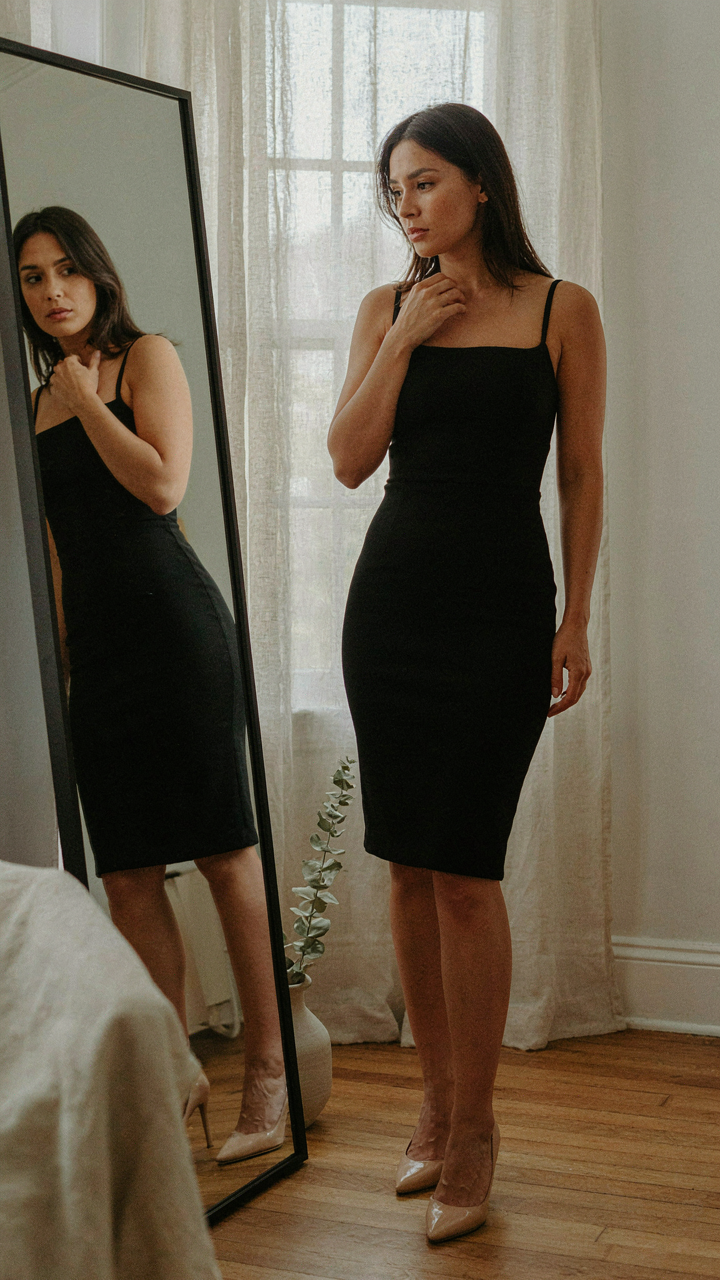
The a-line dress works because it hides. That’s the dirty secret. But hiding isn’t elegance. Real elegance knows your body and dresses it intentionally. Stop using silhouette as an escape hatch. Instead, try this today: take a picture of yourself in that a-line dress and ask one honest question: am I wearing this or hiding in this? Your answer rewires how you shop forever. You don’t need more dresses. You need the discipline to wear fewer.



