


The Illusion Of Statement Why Most Cocktail Party Outfits Fail
More Isn’t Impact
You want people to notice you without looking desperate. That’s the real reason you’re reading this. The mechanism most people miss is that impact operates on contrast, not accumulation. A one shoulder cocktail dress with competing visual elements cancels itself out. Each embellishment fights for attention. The eye lands nowhere. You become noise, not presence.
The fashion industry profits from this confusion. Brands layer prints, beading, cutouts, and color into single pieces. They call it boldness. It’s actually fear dressed as maximalism. Subtract before you add. A one shoulder cocktail dress works when it commits to one structural idea, not five competing ones. The asymmetry of the neckline is already a statement. Everything else should support that, not compete with it.
When Details Destroy The Moment
Busy design dilutes the one shoulder’s mechanical advantage in creating visual hierarchy. Think of signal to noise ratio from information theory. Your dress transmits a signal through its shape, color, and proportion. Excessive details add noise. The receiver (the person looking at you) can’t process the intended message because clutter obscures the architecture.
A dress with side ruching, strategic cutouts, layered fabrics, and metallic accents forces the eye to jump. It reads as trying too hard. Remove one element at a time. Test. The best one shoulder cocktail dresses use restraint as their loudest feature. When you walk into a room wearing something with clear intention, people feel the difference before they see the details.
The Asymmetry Advantage: Harnessing The One Shoulder Cocktail Dress
Why One Shoulder Works When Everything Else Looks Safe
You want to signal status without trying too hard. That’s the real reason asymmetry matters. The one-shoulder cut uses basic geometry as its mechanism: it removes visual weight from one side of the body, creating an imbalance that the human eye must resolve. Your brain doesn’t ignore imbalance. It locks onto it. A symmetrical dress disappears into the crowd because your visual cortex processes it instantly and moves on. Asymmetry demands attention by breaking the expected pattern.

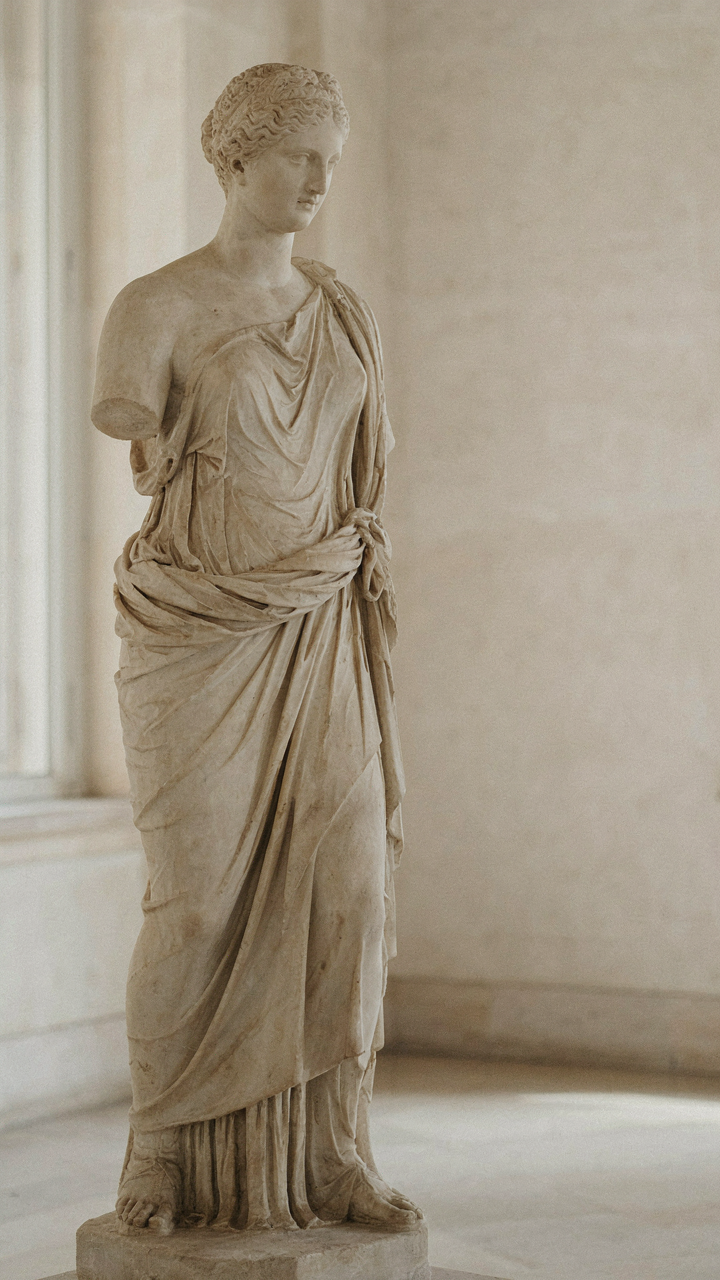
The one-shoulder silhouette emerged as a deliberate design choice in modern cocktail wear, gaining prominence through 1980s and 1990s evening fashion. It’s not accidental or decorative. The exposed shoulder and collarbone create a focal point that conventional sleeveless or two-strap designs cannot replicate. The architecture forces the eye to travel along a specific path: the bare shoulder draws you in, the draped fabric holds you there. This is structural, not stylistic.
The Physics Of Where Eyes Land
Asymmetry functions like a vector in physics. Your attention doesn’t spread evenly across the dress. It has direction and force. The single shoulder strap creates a line that guides the viewer’s gaze downward along the torso, then to the opposite hip where the fabric gathers or flows. Without this interruption, a strapless or two-strap dress allows the eye to wander. The one-shoulder dress doesn’t give the eye a choice. The mechanism is simple: constraint creates focus.
One-shoulder construction also controls proportion through strategic exposure. The bare shoulder and neck elongate the upper body visually by breaking up the shoulder line. Simultaneously, the single strap anchors the design, preventing it from reading as formless or loose. The exposed collarbone and shoulder muscle become compositional elements, not accidents. When you wear this dress, you’re not just adding a garment. You’re directing traffic through a specific visual hierarchy that makes the wearer read as intentional, not just present.
The “Less Is More” Protocol: Curating Your Elegant Cocktail Dress
Strategic Omission Wins The Room
You want people to notice you without looking like you tried too hard, and that contradiction is exactly why most cocktail dresses fail. Think of a one shoulder cocktail dress like signal-to-noise ratio in engineering: every element either amplifies your statement or dilutes it. Remove the noise first.

The common advice is to “add accessories” or “let the dress speak for itself.” Both miss the point. A one shoulder cut already commands attention through asymmetry. Layering embellishment onto that foundation destroys the mechanism. Your job is strategic removal, not addition.
- Extraneous ruching: Bunching at the waist or hips fragments the silhouette. Smooth fabric maintains the line the shoulder cut creates.
- Competing necklines: A halter back or complex draping fights the one shoulder statement. Keep the other side clean or bare.
- Multiple hemlines: Asymmetrical hems, layered skirts, or handkerchief cuts scatter visual weight. A single clean hem respects the dress’s core design.
- Redundant texture mixing: Velvet body plus sequin overlay plus mesh panels overload the eye. Choose one textural element maximum.
- Excess sleeve detail: If one shoulder has a sleeve, keep it simple. Ruffles, cutouts, or banding turn it into costume.
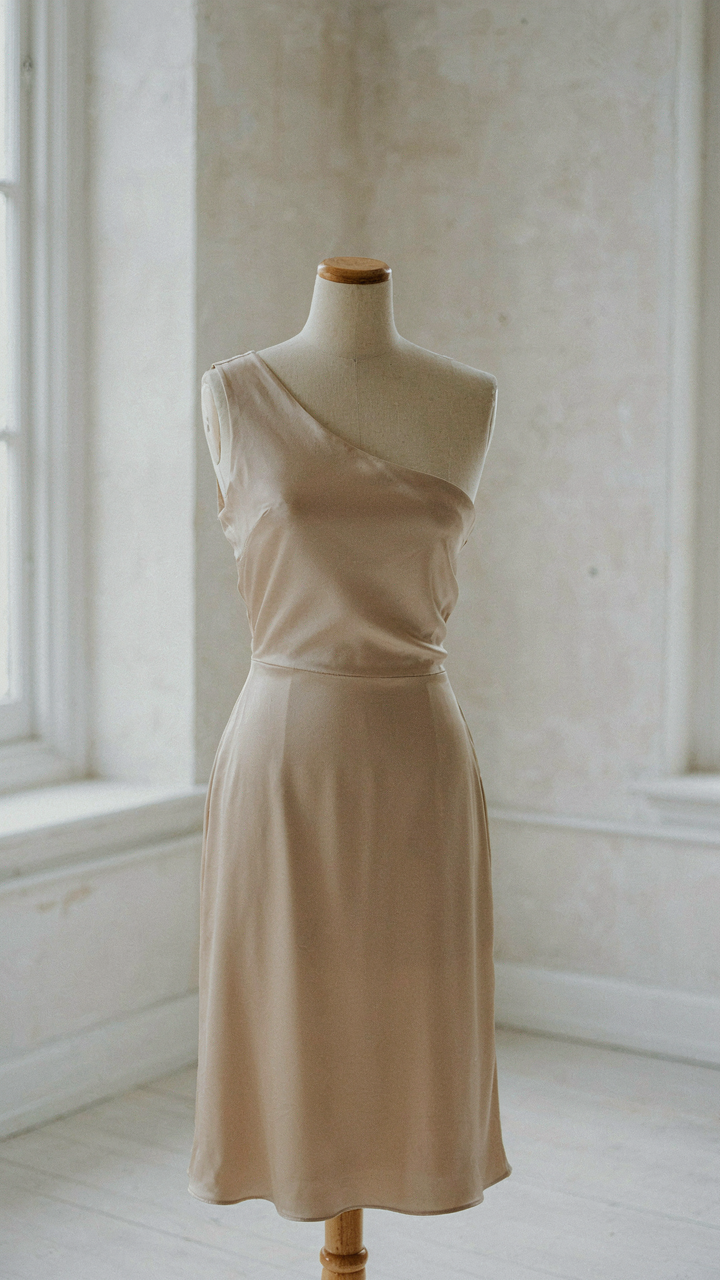
Every detail you strip reveals the actual structure. A one shoulder dress without visual clutter forces the cut itself to do the work. That asymmetry reads as intentional, expensive, and controlled. Removal is the mechanism that separates a statement from noise.
Fabric And Fit Trump Everything Else
Designers know this but don’t say it plainly: a mediocre cut in premium fabric outperforms a complex design in cheap material. Fit determines whether a one shoulder dress flatters your frame or slides around like a costume.
The fabric drives how the dress moves and holds its shape. Silk charmeuse drapes without clinging. Ponte holds structure without wrinkles. Jersey stretches and recovers. Understand what each material does to your body. The one shoulder seam must anchor firmly at your collarbone and shoulder joint without pulling or gapping. Fit matters more than trend. A well-fitted dress in a basic color outlasts a trendy piece that fits poorly. Get the structure right before you consider any detail.
Color Theory For The Unconventional: Beyond Basic Black One Shoulder
How Color Commands Attention Without Trying
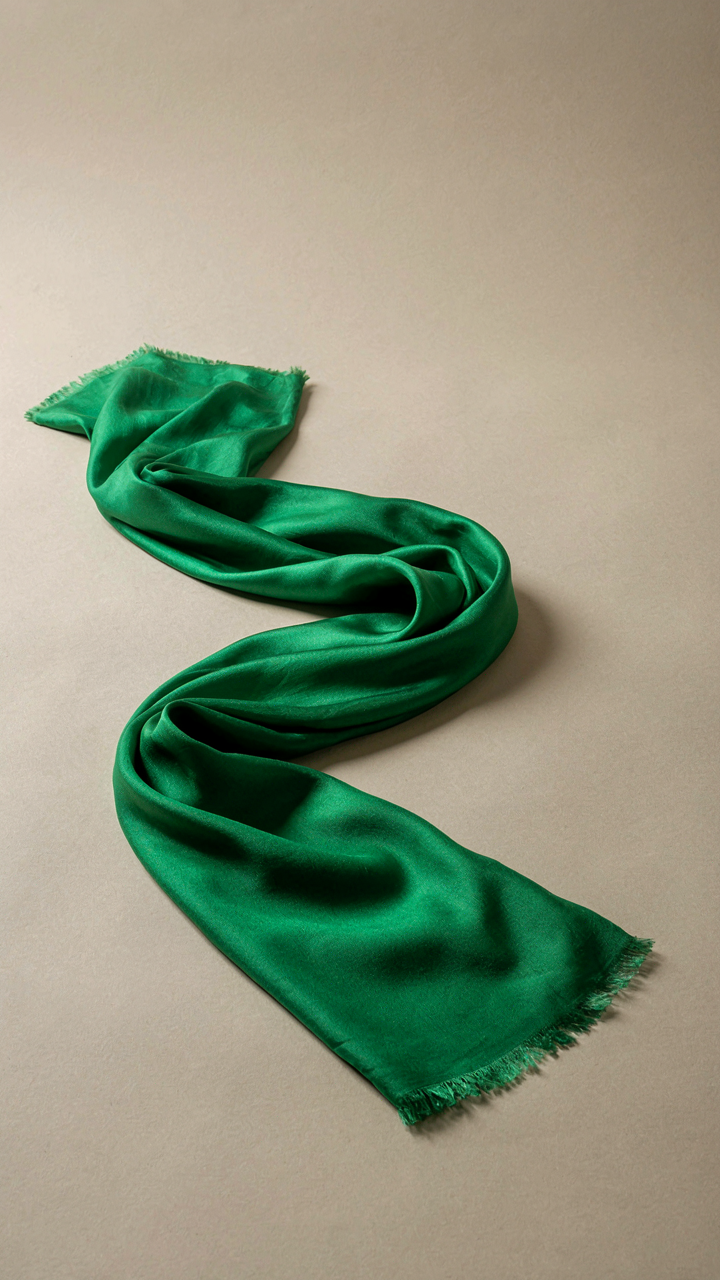
You’re worried black makes you invisible. The real mechanism is contrast. Psychology shows the human eye locks onto color saturation first, then value difference second. A one shoulder cocktail dress in deep jewel tones—emerald, sapphire, burgundy—uses saturation as a spotlight. Your exposed shoulder becomes the focal point not because of skin, but because the color creates a visual anchor the eye cannot ignore. Saturation beats neutrality every time.

Color preference is learned, not innate. Wearing a saturated hue signals intentionality to observers before they process anything else about the dress. The one shoulder silhouette amplifies this effect because the asymmetry already breaks expectation. Add a color with real presence and you control the entire narrative. Most people default to black because it feels safe. Safety is invisibility dressed up as sophistication.
Colors That Outlast The Hype Cycle
The common advice says choose what flatters your skin tone. That’s incomplete. Flattery matters, but staying power matters more. Jewel tones—emerald, sapphire, garnet, amethyst—have held cultural weight for centuries because they reference luxury materials, not trend cycles. A one shoulder dress in true emerald reads as intentional in 2024 and 2034. Trendy pastels and oversaturated brights collapse the moment algorithms shift.
Fabric composition changes how color reads under different light. A one shoulder cocktail dress in matte silk shows true color. The same dress in lamé or sequin creates movement that redefines the hue depending on angle and context. Choose your base color first, then evaluate how the fabric interacts with it. Navy, burgundy, and forest green work across skin tones because they hold their value in any lighting. That’s the mechanism worth betting on.
The Feedback Loop Of Confidence: Mastering The Midi Ruffle Dress

How Your Body Rewires Your Brain
You want to know if a dress can make you feel powerful because you’re afraid confidence is something you either have or don’t. It’s not. From cybernetics, we’d call this feedback: your nervous system reads your physical state and adjusts your output accordingly. A one shoulder cocktail dress functions as a signal to your own brain first, your audience second. The asymmetry forces postural awareness. You can’t slouch into it without the cut becoming unflattering. Your body straightens. Your nervous system registers the demand. Presence follows.

The midi ruffle construction on the one shoulder cut creates a specific weight distribution that anchors your frame. Your shoulder drops slightly to accommodate the bare side, which opens your chest cavity and changes your breathing pattern. Shallow breathing keeps you stuck in sympathetic activation. Deeper breathing, which the dress geometry enforces, activates your parasympathetic system. You think the dress looks good. What’s actually happening is your physiology is calibrating toward calm authority. The mechanism isn’t mystical. It’s structural.
Intention Precedes Appearance
Your internal state is the only accessory that actually matters, and most advice skips this entirely because it’s harder to sell than fabric swatches. The one shoulder cocktail dress works because it demands intentionality during selection and wear. You can’t drift into this cut. You choose it. That choice signals to your brain that this moment matters. That pre-decision muscling matters more than the dress itself. Your expectations become self-fulfilling because you’ve already committed to being present before you put it on.
The ruffle detailing on a midi one shoulder dress forces micro-adjustments in movement. You become aware of your arm swing. You notice how you sit. This isn’t vanity. This is proprioceptive training. Your brain receives constant feedback about where your body occupies space. That data sharpens your presence in the room. Wear the dress with deliberate intention about what you’re communicating, and your nervous system will organize itself to match that narrative. The dress doesn’t create confidence. Your choice to treat it as a tool for focus does.
Material Truths: Elevating With Champagne Satin And Beyond

The Fabric Decides Everything
You care about this section because you want permission to spend money without looking foolish. Here’s the mechanism: fabric is load-bearing infrastructure. It carries the cut, the drape, the silhouette. A one shoulder cocktail dress in poor material collapses under its own structural demands. Champagne satin, silk charmeuse, and quality crepe hold tension. They move with your body instead of against it. The shoulder seam, already vulnerable in asymmetrical construction, demands fabric with memory and weight.

Fabric choice determines whether a one shoulder design reads as intentional or accidental. Thin polyester stretches unevenly at stress points like that exposed shoulder. It wrinkles in the wrong places. Expensive fabric forgives minor fit issues. Cheap fabric exposes every one.
When Material Cuts You Short
The common advice says “choose what feels good.” That’s incomplete. Cheap material betrays your intention because it fails under real conditions. Sweat, movement, temperature shifts all expose poor construction. A one shoulder cocktail dress demands fabric that holds its shape through an entire event, not just the fitting room.
Silk and satin-weight synthetics like duchesse maintain structure without rigidity. They photograph well because they catch light consistently. Budget fabrics create dull, flat surfaces that flatten your appearance and waste the statement you intended to make. The investment in real material is the only decision that actually compounds.
Little White Dresses, Big Impact: Defying Expectations
The Subversive Power Of Breaking The Rule
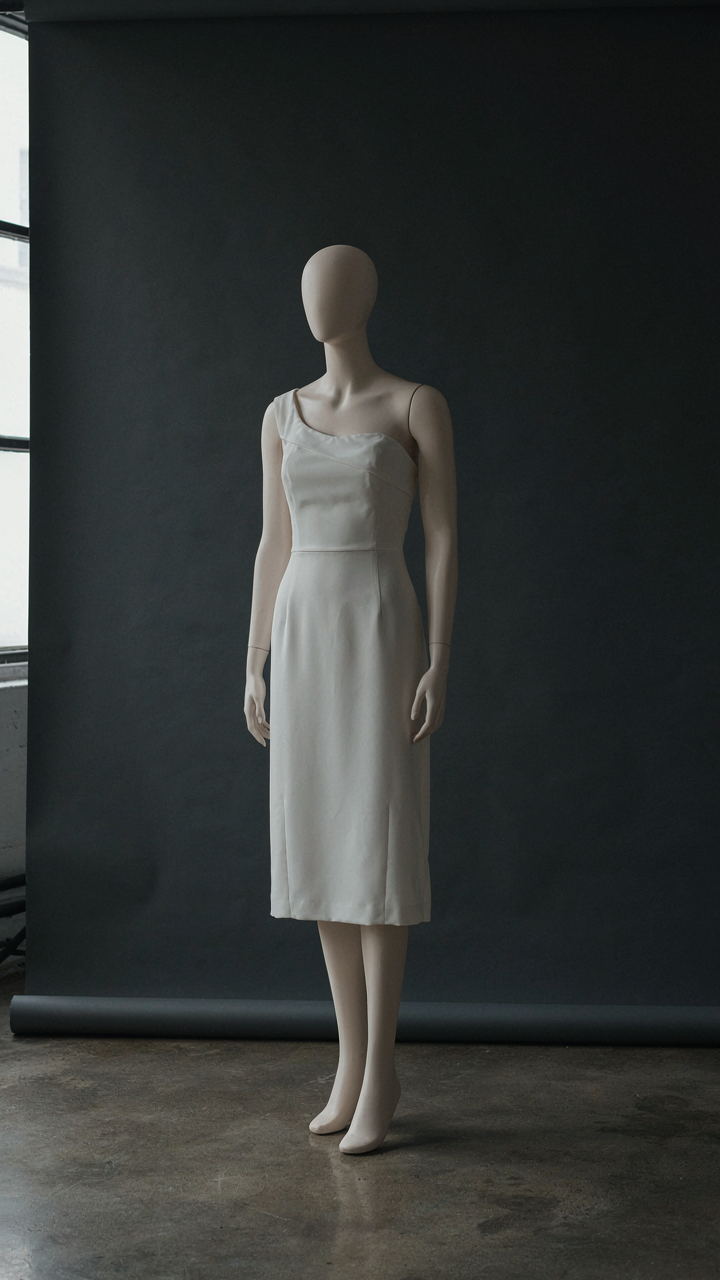
You want to wear white because you think it’s safe. It’s not. White reads as a reset button in a room full of color, and people notice resets. In design systems, white functions as negative space, the absence that makes everything else visible. A one shoulder cocktail dress in white doesn’t hide you—it isolates you. The asymmetrical cut compounds this. One exposed shoulder breaks the bilateral symmetry your brain expects from formal wear. Your eye lands on the imbalance first, then the person wearing it.

White fabric at cocktail hour contradicts the implicit agreement everyone else made about evening dress. Navy, black, jewel tones—those announce compliance. White announces a choice. The mechanism is contrast through defiance, not decoration. You’re not adding visual noise. You’re removing it strategically. When everyone dresses down in darkness, the white one shoulder doesn’t blend into the background. It becomes the focal point because it refuses the uniform.
When Simplicity Becomes The Statement
The common advice says add jewelry, add drama, add something to justify the risk of white. Wrong. The most powerful white one shoulder dresses work because they subtract. A clean silk or crepe fabric, one asymmetrical neckline, bare shoulders except where the single strap crosses. Nothing else demands attention. This creates a vacuum that pulls focus harder than any embellishment could.
The contrast works on two levels. Visually, white against skin and darker backgrounds creates high contrast ratio. Strategically, simplicity in a formal setting reads as confidence, not indifference. You’re not trying to disguise the dress with noise. You’re presenting it as enough. The action step: choose a one shoulder white dress with a structured fabric that holds its shape. Avoid draping or ruching. Let the cut do the work. Wear minimal accessories. When you enter a room, the dress’s geometry becomes the only narrative that matters.
Beyond The Dress: The Unseen Elements Of A True Statement

Posture Compounds Everything Else
You care about this section because you suspect the dress alone won’t cut it, and you’re right. Posture is leverage in physics—the one shoulder cocktail dress demands a specific center of gravity. When you wear it, your body either confirms the design or fights it. Shoulders back, spine neutral, chin level. This isn’t posture advice. This is structural alignment that makes the asymmetry read as intentional rather than accidental.

The dress fails when your body contradicts it. A slouch kills the line. A collapsed chest weakens the statement. Your frame becomes the second garment, and most people treat it like decoration instead of load-bearing infrastructure. Stand so the weight distributes evenly across both legs, even though only one shoulder carries fabric. This creates visible tension that reads as controlled power, not strain.
Confidence Scales Differently Than You Think
The common advice says confidence matters most, which is correct but useless. What actually matters is confidence that has nothing to do with the dress. Quiet confidence operates on a different mechanism—it’s the absence of seeking approval, not the presence of seeking attention. Someone wearing a one shoulder cocktail dress shouldn’t monitor the room for reactions. That behavior broadcasts insecurity through the fit itself.
The statement you make isn’t about the dress anymore. It’s about moving through space as though your presence was already expected. This means eye contact that’s clear, not aggressive. Conversation that listens more than it performs. When you stop needing the dress to communicate for you, the dress finally communicates what it was designed to say. The asymmetry becomes editorial choice rather than desperate differentiation.
The Ultimate Statement Isn’t About The Dress; It’s About The Conviction To Own Your Singularity, Unburdened By External Validation

Most people wear a one shoulder cocktail dress to fit in. You wear it to stand out. The dress works because you make a choice, not because the garment carries magic. Stop asking if it’s “appropriate.” Stop wondering if others will judge. Pick one dress today, try it on, and commit to wearing it somewhere this month. The only statement that matters is the one you make when you stop performing for an audience that doesn’t control your life.




