

The Illusion Of Effortless Elegance: What They Don’t Tell You
Instagram Didn’t Invent Effort
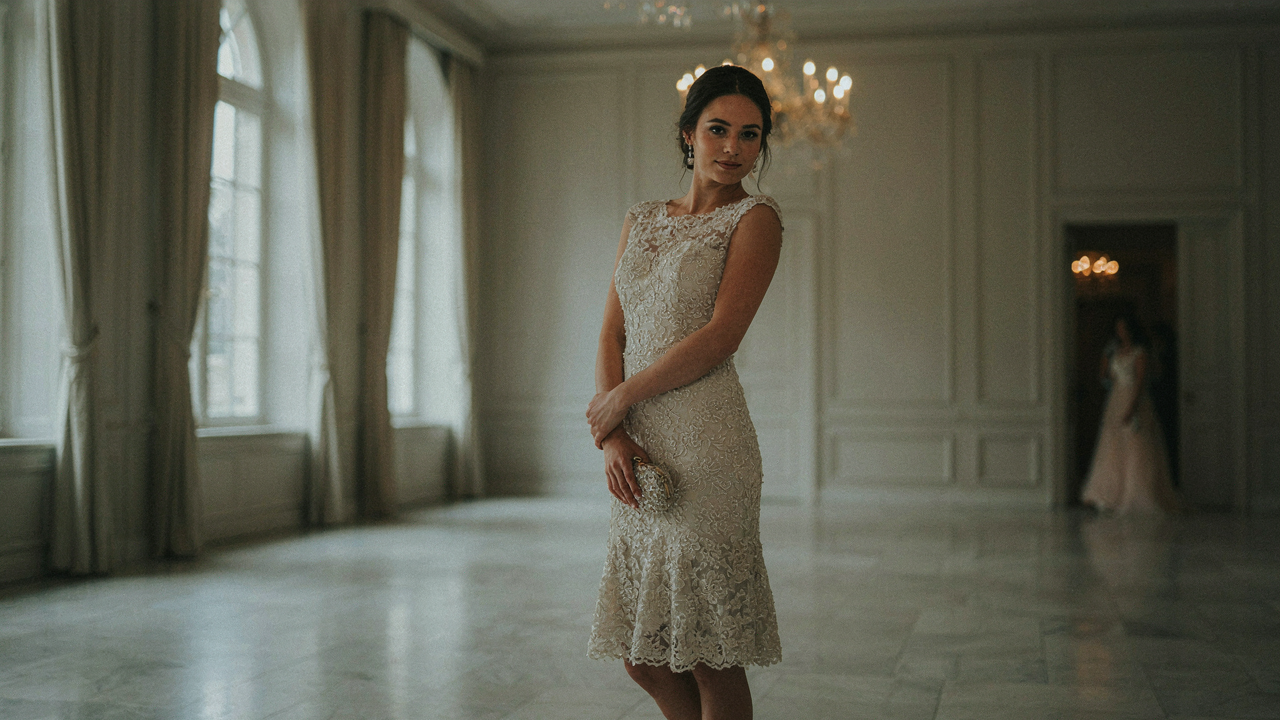
You want people to think you threw this together. That’s the real reason you’re reading this. A lace cocktail dress works because it performs the labor for you while you take credit. Here’s what actually happens: the dress carries visual weight through texture and pattern, which means your body doesn’t have to. You can stand still and register as intentional. The lace itself does the work of looking like you tried. Most people misread this as the dress being “easy.” It isn’t. The ease is manufactured through specific material choices and construction.
Lace cocktail dresses sit in a middle zone that most fashion advice ignores. They’re not minimal (which requires perfect fit and pristine grooming). They’re not maximalist (which demands narrative coherence across accessories and styling). Lace occupies the pragmatic center: it hides minor fit issues, photographs well under most lighting, and reads as “dressed” without demanding explanation. The mechanism is simple. Complexity in fabric masks complexity in everything else. You’re not saving effort. You’re redistributing where the effort lives. The lace handles visual interest so your styling choices can stay conservative.
What You Actually Control With Lace
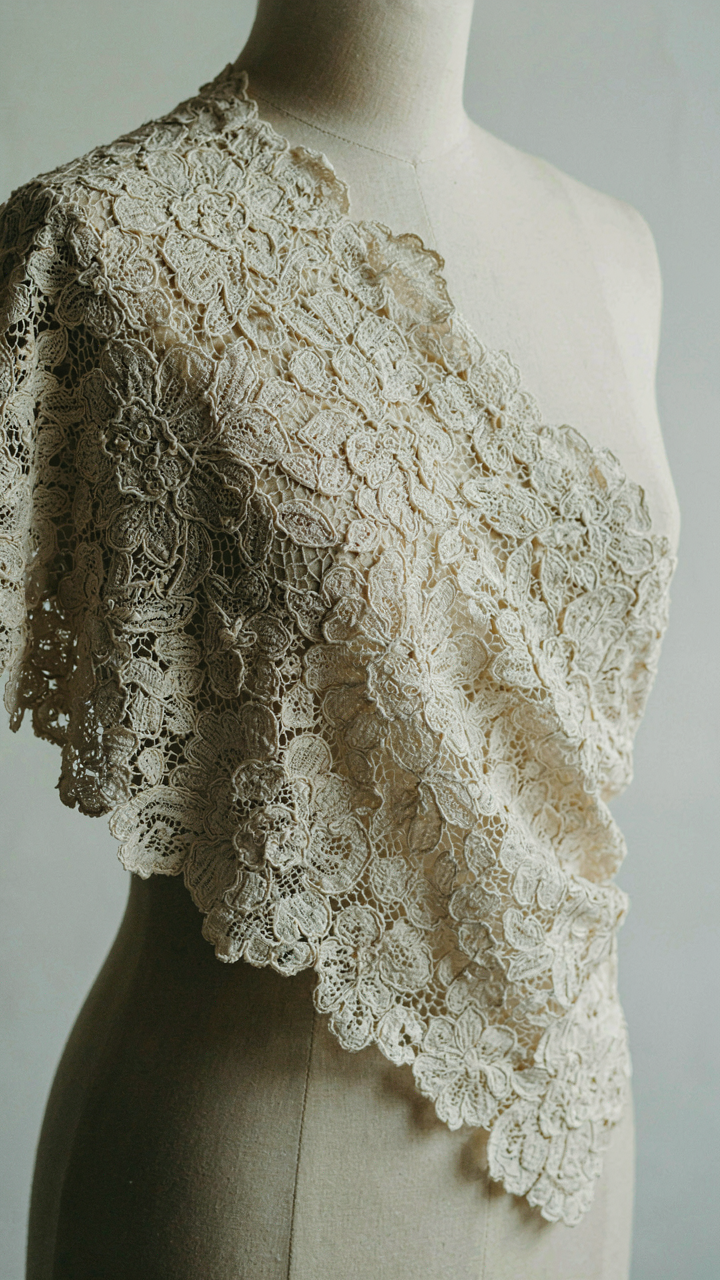
Construction dictates what a lace dress can do for you. Borrowing from textile engineering, you have three structural variables: lace density, underlay opacity, and seam placement. These determine whether the dress reads as romantic, professional, or confused. Most advice about lace cocktail dresses fixates on “color” and “occasion.” Meaningless. Your real control lives in these three inputs. Lightweight lace over skin reads one way. Lace over opaque slip reads another. Seams that follow your actual body shape matter more than the pattern printed on the lace itself. Fit is not about size. It’s about where the seams land on your frame.
The dress only works if the underlay stops the lace from creating transparency problems. Dense lace needs less slip protection. Sparse lace needs structured backing or you’ve built yourself a liability. Choose your lace weight first. Everything else cascades from that choice. Your accessories become simpler when lace is the statement. Your shoe height matters because lace affects how your body reads vertically. Your necklace matters because neckline exposure interacts with lace patterning. Each choice compounds. Start with lace density and seam placement. Everything else follows.
Why Your “Perfect” Black Lace Dress Is Probably Boring
The Safety Trap Nobody Names
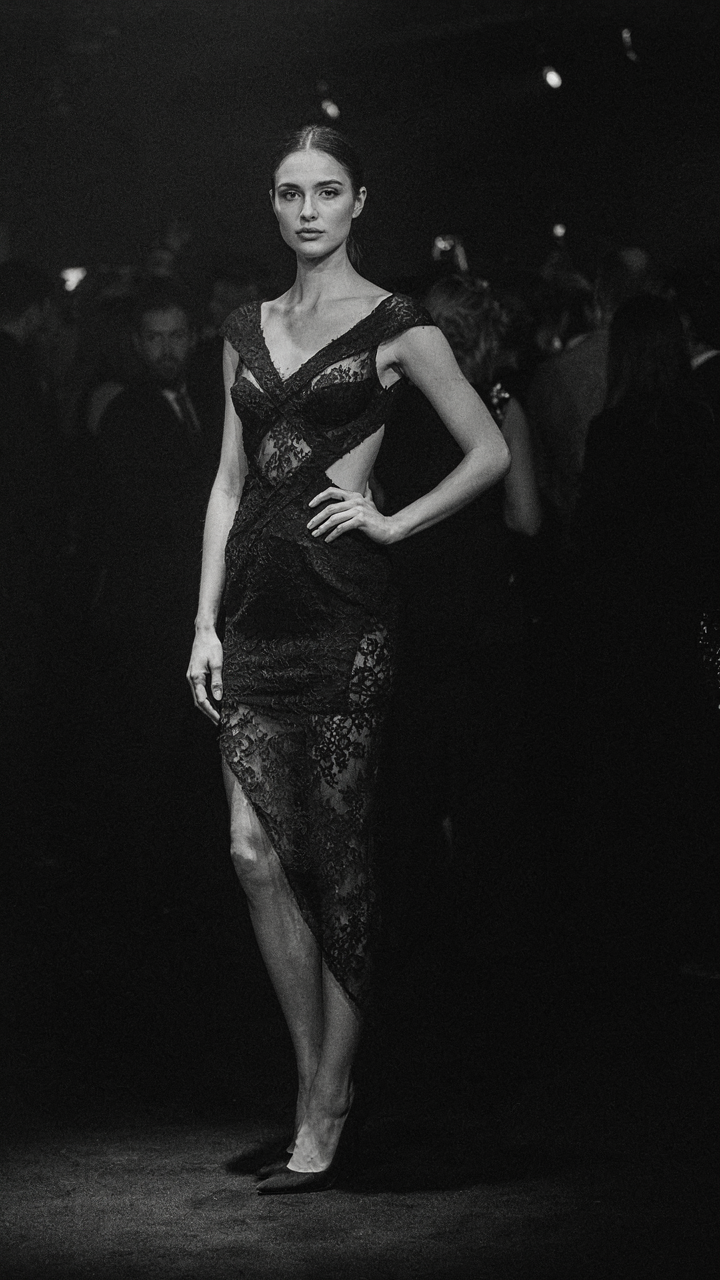
You want the black lace dress because it feels like the safe play, the option that won’t embarrass you. That’s the real mechanism at work. Black lace reads as “I know what I’m doing” without forcing you to make an actual choice. The problem isn’t black lace itself. The problem is that everyone else made the same calculation, so you vanish into the crowd the moment you arrive.

The tyranny here is economics: when everyone buys the same signal, the signal collapses. Black lace cocktail dresses saturate the formal market because they’re low-risk. You’re not paying for a dress. You’re paying for permission to blend in while looking intentional. That’s not romance. That’s insurance.
When One Detail Becomes The Entire Equation
Contrast works in fashion the same way it works in design: the eye lands where the pattern breaks. A lace cocktail dress with unexpected sleeve treatment, asymmetrical hemming, or an unexpected neckline cut commands attention because it violates the expected formula without looking like a mistake. This isn’t about adding more. It’s about strategic subtraction or repositioning.
The real deviation isn’t choosing colored lace over black, though that helps. The real deviation is choosing lace with intentional negative space, a dress that uses the lace as architecture rather than decoration. When the lace actually shapes the garment instead of covering it, you move from predictable to memorable. That distinction happens at the pattern level, not the color level.
The “Resonance” Method For Choosing Your Lace Dress

What Lace Actually Signals
You’re hoping a lace cocktail dress will make you legible to someone. That’s the real transaction happening here. Evolutionary psychology calls this honest signaling: displaying traits that prove something true about your fitness or status. In lace, the mechanism is transparency paired with coverage. Lace doesn’t hide. It reveals selectively. The wearer demonstrates confidence because she’s not afraid of scrutiny, only control over what gets seen.

Lace originated as a luxury good because producing it required extreme labor and skill. That scarcity encoded status directly into the fabric. Modern lace still carries that DNA even though it’s mass-producible now. When you wear it, you’re not consciously thinking about thread-work hours from the Renaissance. Your nervous system registers the visual complexity and reads it as investment in appearance, which the brain translates as investment in the interaction itself. That’s the honest signal.
Dress As Your Actual Operating Frequency
Forget the advice that tells you to choose lace based on body type or skin tone. That’s incomplete because it treats the dress as a tool for hiding problems instead of a tool for broadcasting truth. Your operating frequency is the specific combination of social energy, sexuality, risk tolerance, and intellectual confidence you actually project when you move through space. A lace dress either amplifies that frequency or creates static.
If your natural frequency is restrained and cerebral, heavy lace with ornate patterns will feel like costume. You’ll move differently in it, and people notice movement changes faster than they notice fabric. If your frequency is direct and sensual, thin lace and intentional skin exposure align with how you already conduct yourself. The dress becomes congruent instead of contradictory. Match the lace density, pattern scale, and coverage level to how you actually operate, not to what fashion media says you should wear. The fit becomes seamless when the garment’s visual complexity matches your social complexity.
Beyond Black Lace: The Unseen Power Of Color Psychology
Why Black Lace Fails You
You default to black because you think it’s safe. It’s not. Black lace reads as formal armor, not romantic intention. The real mechanism at work here is contrast: lace functions through negative space, through what you can see through the pattern. Black lace compresses that visual information. It closes doors instead of opening them. Strategic color deployment means choosing hues that amplify what lace already does—create visual depth and layering—rather than flatten it into a silhouette.

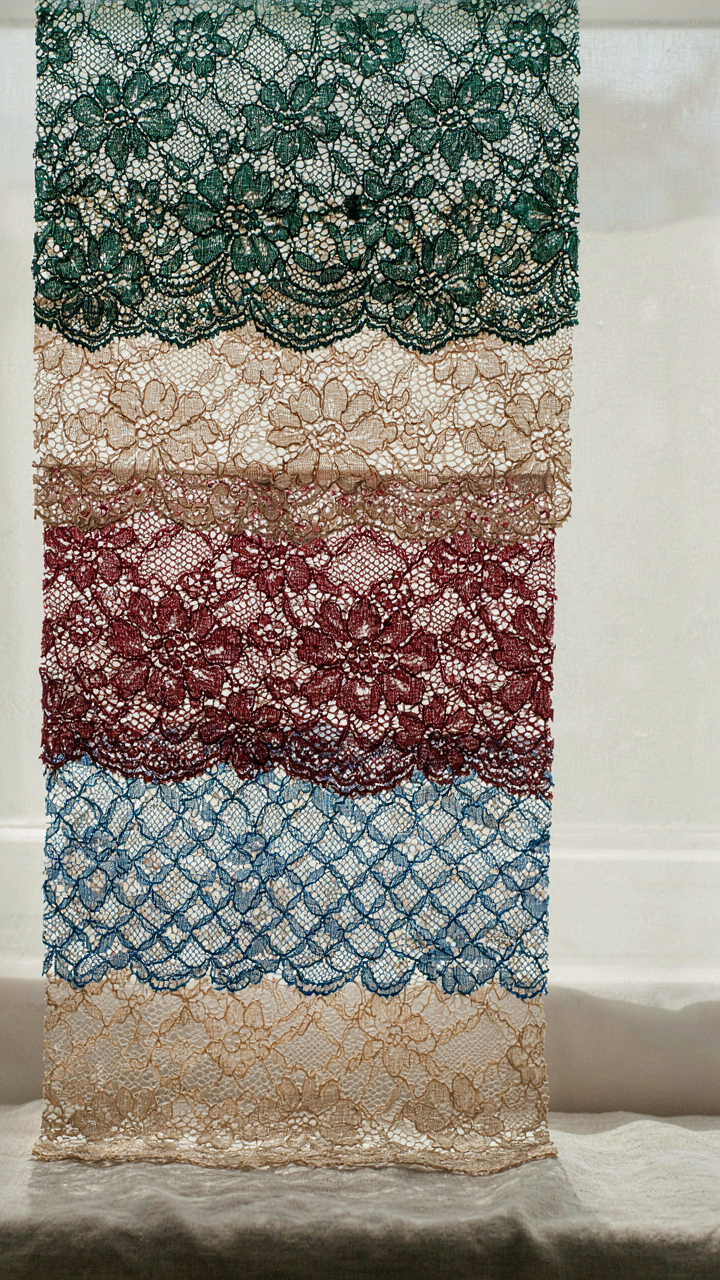
The shift from black requires recognizing that color in lace operates differently than color in solid fabric. With solid material, hue dominates perception. With lace, the color exists in threads while space exists between them. That interplay is where the actual work happens. Nude, champagne, and jewel tones don’t replace black—they unlock what black obscures. You’re not abandoning elegance; you’re multiplying its range.
The Emotional Language Of Hue Selection
Forget generic color psychology claims about “red means passion.” That’s marketing. What matters is how color functions within the specific context of lace structure. Blush and ivory lace creates visual softness because the light passes through both color and negative space without harsh contrast. This registers neurologically as approachable, not intimidating. Navy and emerald lace maintains sophistication while introducing personality because the darkness of the hue works with lace’s inherent delicacy rather than against it.
The selection process is simple: consider what the lace pattern itself communicates, then choose color that either reinforces or deliberately contrasts that signal. A geometric lace pattern in warm nude reads modern. The same pattern in deep burgundy reads intense and deliberate. Neither is better. The mechanism is matching intent to material. Before buying, hold the lace up to natural light. If the color disappears into the pattern, it’s working. If the color dominates the lace structure, you’ve chosen wrong.
Accessory Alchemy: Elevating A Simple Lace Dress Outfit
The Single Statement Piece Strategy
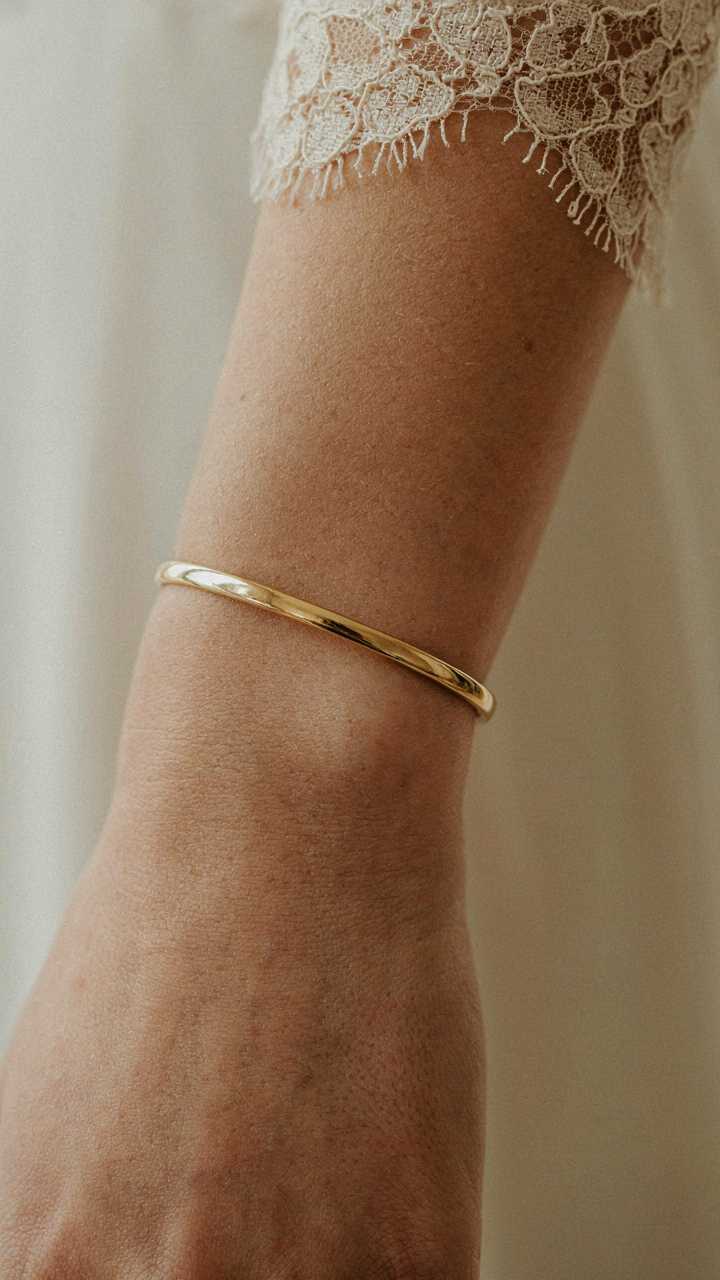
You want accessories to make people notice you looked intentional, not like you raided a jewelry box. Here’s the mechanism: lace already competes for visual attention because of its texture and pattern density. Add competing accessories and you create visual noise instead of polish. One strong piece anchors the outfit. A structured metal clutch, a statement ring, or a delicate drop earring forces the eye to land on that object and then settle on the dress. The lace becomes the context for the accessory, not the other way around.

The math is simple: lace cocktail dresses work best when accessories function as punctuation, not conversation. A gold cuff bracelet worn alone says more than three bracelets stacked together. A pair of satin heels in a single bold color gives the outfit direction. This is about constraint creating clarity. When you remove the excess, the dress gets its moment. The accessory you choose doesn’t compete with the lace’s pattern. It complements it by being clean, simple, and intentional.
The Paradox Of Restraint
Most people think “less is more” means buying fewer things. Wrong. It means buying the right things and wearing nothing else. Accessory overload happens because people fear the dress alone won’t communicate effort. So they layer earrings, rings, a necklace, a bracelet, and a brooch. The result is visual confusion. Your eye doesn’t know where to land. The lace gets buried under metal and competing details.
The real constraint is this: choose one focal point per outfit. If your earrings are the statement, skip the necklace. If the necklace matters, keep earrings minimal. If your hands are decorated, your neck stays bare. This isn’t restriction. It’s strategic placement. A lace dress with minimal accessories reads as deliberate. The same dress drowning in jewelry reads as insecure. The mechanism is attention scarcity. You have limited visual real estate. Spend it where it matters most.
The Uncomfortable Truth About “Feminine Dress” Fit
Why Off The Rack Never Fits Right
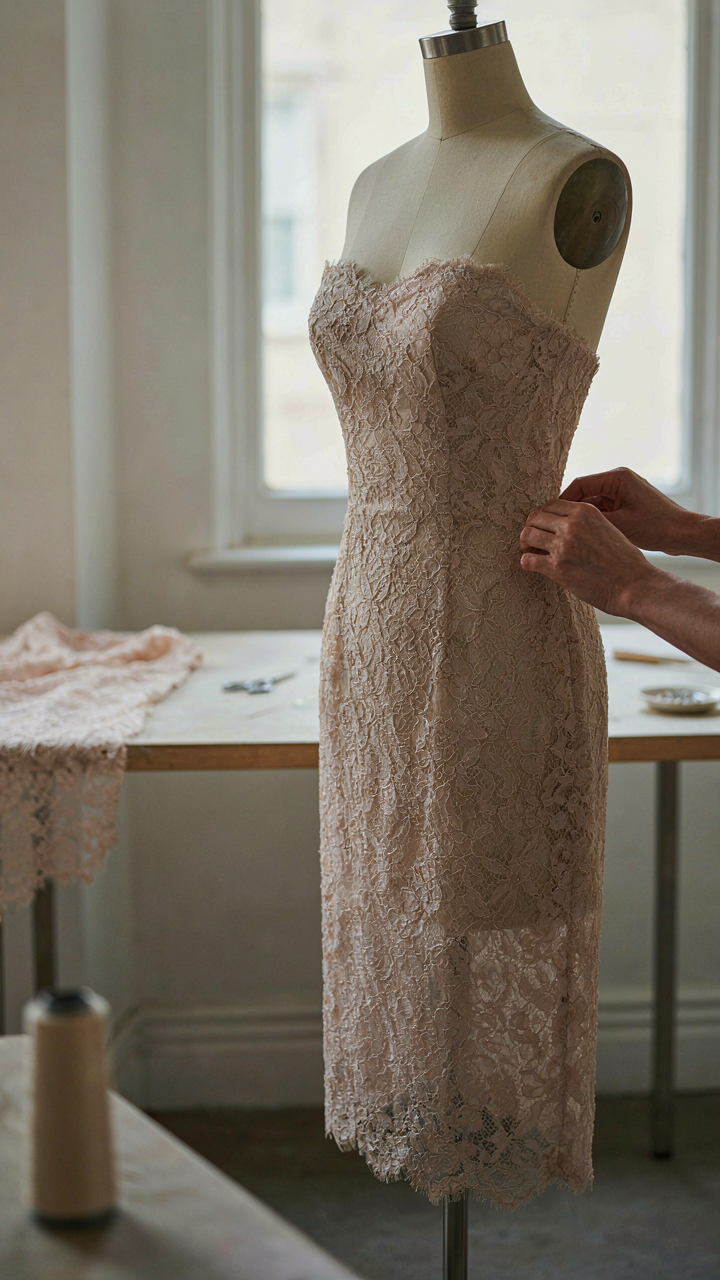
You’re hoping the dress alone will do the work. It won’t. A lace cocktail dress hanging on a department store rack exists in a state of compromise. Manufacturers cut for an average body that doesn’t exist. They prioritize production volume over the actual geometry of how a lace garment drapes across different frames. The lace itself compounds the problem: sheer panels expose fit flaws that structured fabrics hide. A band that sits half an inch too low, a cup that gapes, a waistline that rides up—all visible through transparency.

The mechanism is economic. Mass production requires standardized patterns. Lace cocktail dresses arrive pre-sized in increments, but your shoulders, bust, waist, and hip don’t follow industry sizing charts. Even within a single size, proportional differences are brutal. The dress fits you in theory. It doesn’t fit you in fact. This gap between theoretical fit and actual fit is where most women’s clothes fail, and lace broadcasts that failure instantly.
Tailoring As The Real Baseline
Think of tailoring in terms of economics, not vanity. You’re not adding luxury. You’re correcting market failure. A lace cocktail dress costs $150 to $400 retail. Tailoring runs $40 to $120 depending on complexity. That’s a 20 to 40 percent investment on top of the original purchase. Most people treat this as optional. It’s not. It’s the difference between wearing a dress and having a dress wear you.
The real protocol: buy the dress slightly loose in the areas that matter most (bust, hips, shoulders). Tight lace binds and creates visible tension lines. A skilled tailor removes excess fabric along side seams, adjusts straps, takes in waistbands, and shapes the garment to your actual body. For lace specifically, they work from the inside to preserve the pattern integrity. This single step transforms how the dress photographs, moves, and makes you feel. Tailoring isn’t an afterthought. It’s the completion of the purchase.
Midi Gown Vs. Cocktail: Understanding The Social Contracts
When The Dress Code Actually Matters
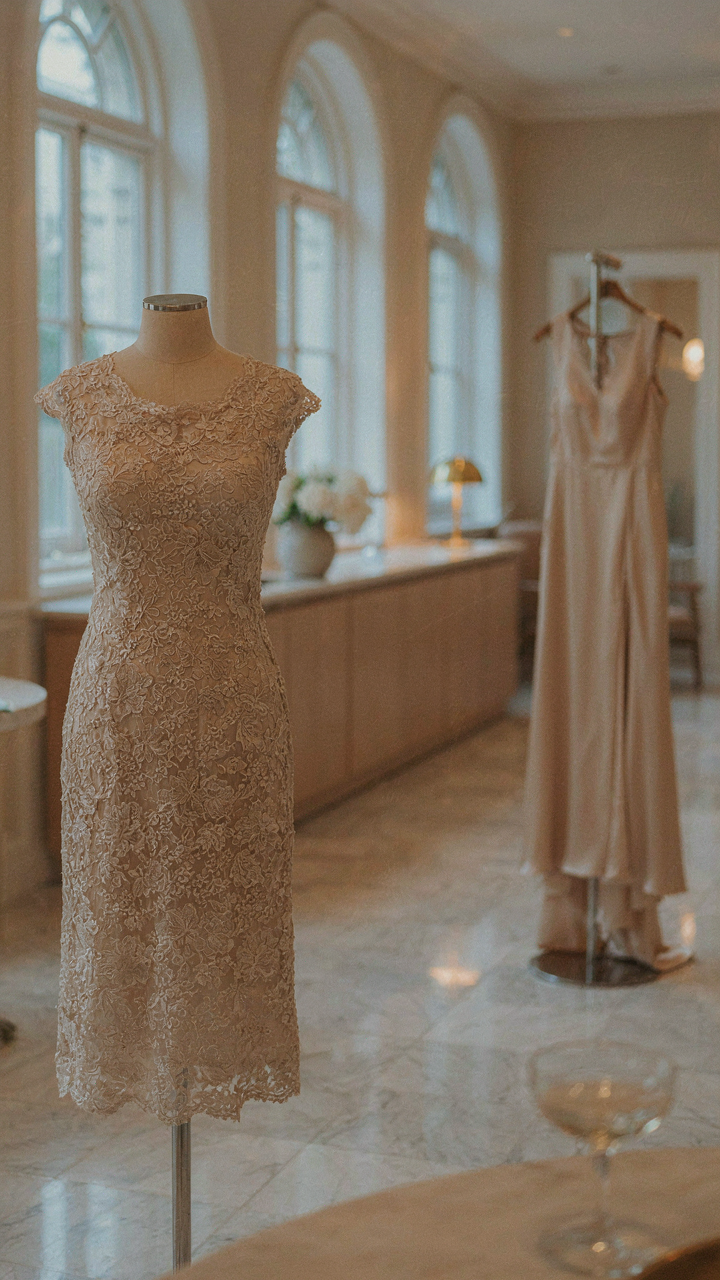
You’re worried about showing up wrong. That’s the real question underneath this section. The mechanism is simple: dress codes exist because they telegraph belonging to a specific social tier or event context. A lace cocktail dress operates in the 50-70 inch hem range—short enough to signal formality without the ceremonial weight of floor-length. The distinction isn’t aesthetic preference. It’s about reading what the host has signaled.

Most advice conflates “cocktail” with “semi-formal,” which oversimplifies the actual rule. Cocktail attire sits between business formal and black-tie, and it demands a lace dress that reads as intentional, not transitional. The lace itself carries weight here. Sheer lace over a structured slip suggests preparation. Thin lace over nothing suggests you didn’t plan. Context determines which you wear, and getting that wrong costs you credibility in rooms where credibility compounds.
Situational Accuracy Beats Flexible Fashion Rules
Event hosts communicate through language, and you must decode it precisely. “Cocktail attire” means knee-length or midi, closed-toe shoes, and a lace dress that covers your shoulders or uses a structured neckline. “Black-tie optional” means the lace cocktail dress becomes underdressed—reach for the full-length gown instead. “Smart casual” makes the lace dress overdressed, which reads as insecurity disguised as effort.
The real lever is asking the person who invited you what others will wear. One question eliminates ninety percent of social friction. If you cannot ask directly, check the event’s venue type and guest count. A lace cocktail dress works at restaurant receptions, gallery openings, and dinner parties. It fails at galas, weddings where you’re not in the wedding party, and corporate galas. Match the dress code to the space’s formality level, not your preference for how the dress makes you feel.
Lace Dress Styles That Actually Make A Statement
Lace Textures Beyond The Standard Pattern
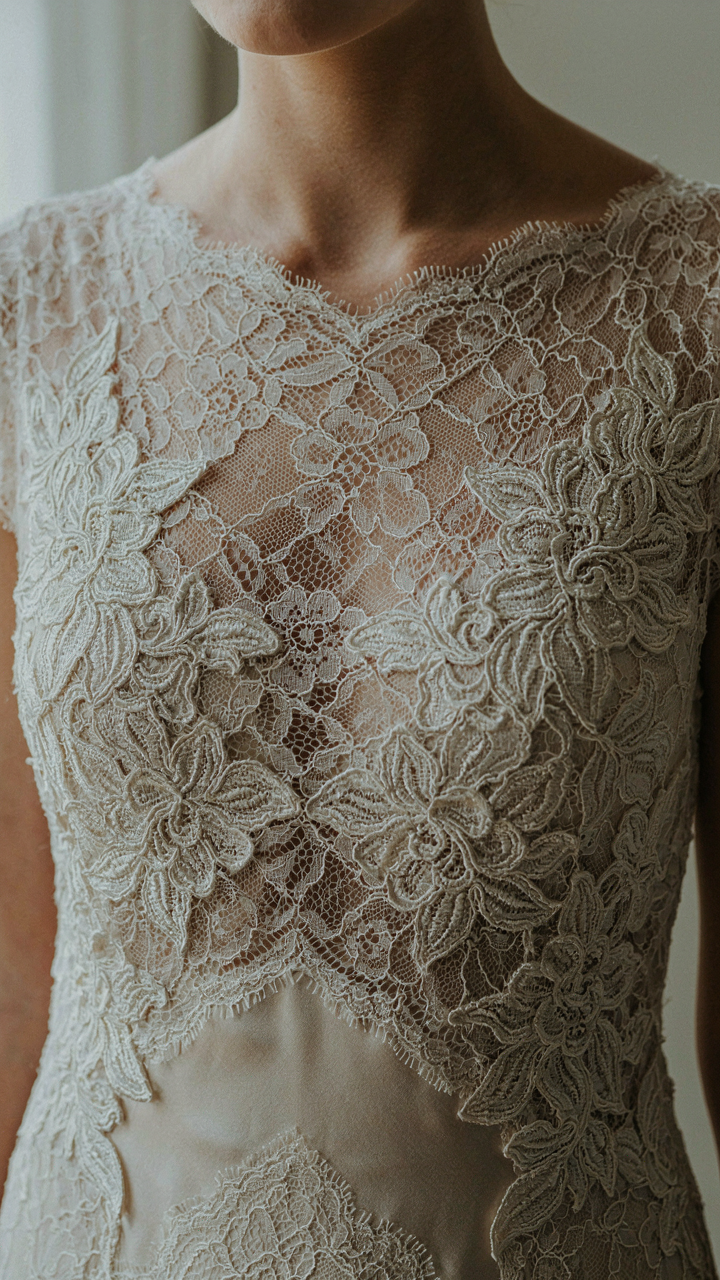
You want to look like you didn’t try too hard, which means you’re actually terrified of looking like you’re trying too hard. The mechanism here is texture contrast. Most lace cocktail dresses use uniform repeating patterns that flatten under light. The real play is layering different lace weights within a single garment. Chantilly lace over a silk slip creates depth. Alençon lace appliqués on tulle bases break up visual monotony and catch light differently across the dress.

The distinction matters because texture signals craftsmanship before anyone sees the fit or cost. Guipure lace, which is self-supporting and doesn’t require backing fabric, creates dimensional shadow play that flat lace cannot replicate. Venise lace, with its heavy thread structure and often three-dimensional florals, reads as intentional design rather than generic embellishment. When you layer these textures strategically at the bodice or hem, you move from “wearing a lace dress” to “making a specific aesthetic choice.”
Seaming And Silhouette As Architecture
Structural detailing separates a cocktail dress that photographs well from one that actually changes how you move. Engineering is the framework here: in architecture, load-bearing walls determine what the rest of the structure can do. In lace dresses, strategic seaming determines how the garment actually sits on your body and how the lace pattern reads. Diagonal seams cut across the grain of the lace, creating visual interruption that makes the dress feel tailored rather than draped.
Asymmetrical hemlines paired with structured boning create tension. The lace doesn’t just hang; it’s forced to do something. Cutout panels placed at the side seam or bust line break the visual weight of solid lace and prevent the dress from reading as costume. The key protocol: identify where the dress needs to anchor to your body, then place seams and structural elements at those exact points. This transforms lace from decoration into function.
The Subtle Art Of “Classy Outfits”: It’s Not Just The Dress
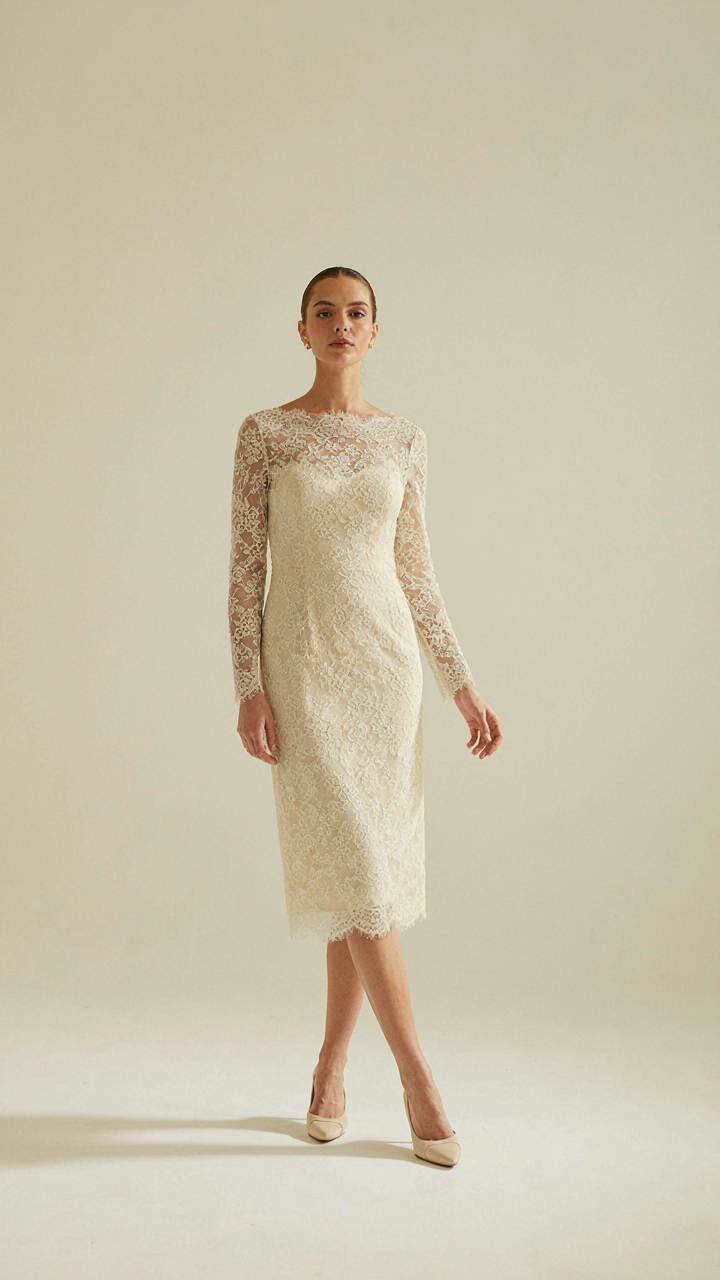
How You Carry The Lace Matters More
You’re reading this because you want the dress to do the work for you. It won’t. The lace cocktail dress is a tool, not a substitute for presence. Think of physics: a lace dress has surface tension, literally—the fabric’s structure creates visual weight and dimension. Your body creates actual tension through posture. Slouch in the best lace, and the dress collapses into the posture. Stand upright with shoulders back, and the lace becomes architecture. The dress reflects your frame; your frame determines whether anyone sees the dress at all.

Presence is a mechanical problem. Your spine controls where light hits the lace. Your shoulders control how the fabric drapes. Your gait controls how the pattern moves. None of these happen by accident. Walk into a room with your weight distributed evenly across your feet, not forward on your toes. Keep your shoulders level and back. Let your head follow your spine, not lead it. These are engineering problems with engineering solutions. Execute them, and the lace stops being decoration and becomes evidence of intention.
The Real Confidence Equation
Everyone says confidence comes from inside. That’s incomplete. Confidence is bidirectional. Your inner state shapes your outer behavior, but your outer behavior also rewires your inner state. Wear a lace cocktail dress that fits your actual body—not the body you want—and you stop managing discomfort. When you’re not thinking about the dress shifting or pulling, your attention goes external. You talk to people. You move through space. You take up room. That external behavior generates actual confidence because you’re not performing it, you’re living it.
The mechanism works like this: poor fit creates internal focus. Internal focus creates hesitation. Hesitation reads as uncertainty to others, which triggers their skepticism about you. Certainty in your own space triggers reciprocal certainty in them. The lace matters only insofar as it disappears. When a lace dress fits properly and you stand correctly, nobody sees the dress. They see a person who takes up space without apology. That’s the only multiplier that matters. Test it by checking your reflection before you leave: if you notice the dress, others will too.
The Deceptive Simplicity Of A Lace Dress Classy Look
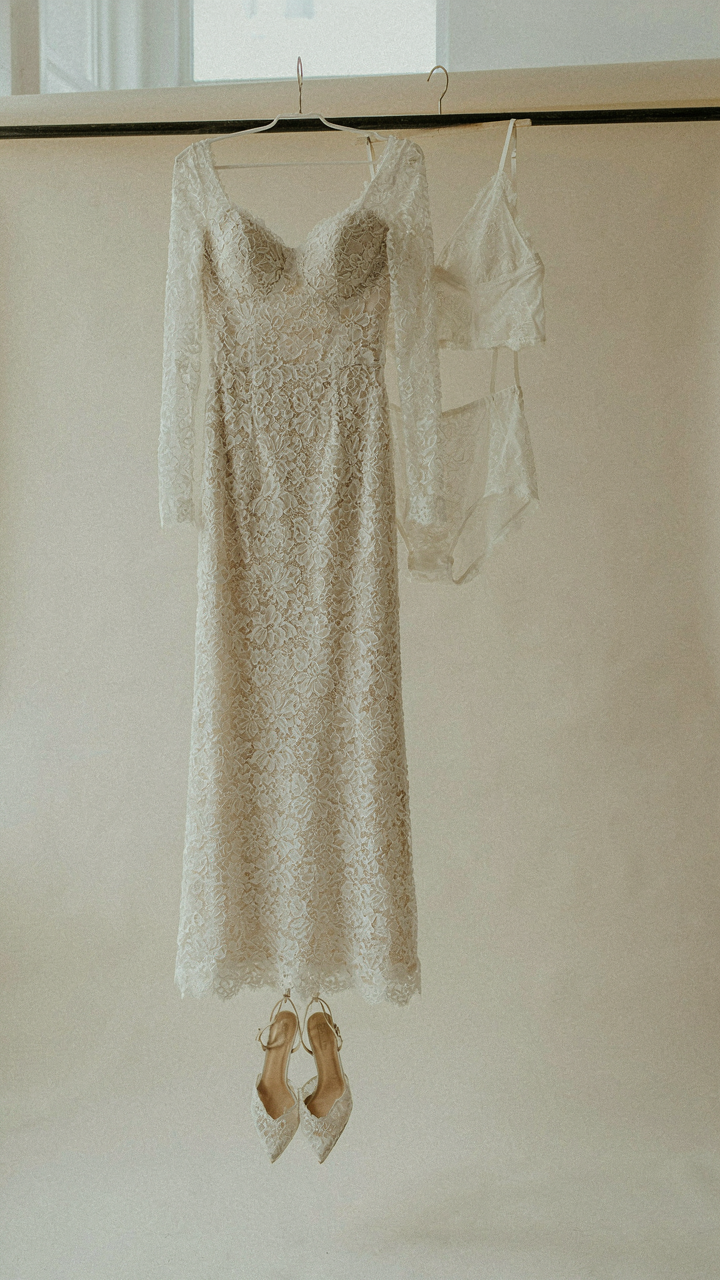
Strip Down To Signal
You want people to think you didn’t try. That’s the real mechanism at work here, and lace cocktail dresses exploit it perfectly. Think of signal-to-noise ratio from information theory: a lace dress transmits intentionality through restraint. Every element that stays removes clutter. Every element that goes amplifies what remains.
Most advice tells you to “add accessories” or “layer your look.” Wrong. The lace fabric already carries the visual weight. Your job is subtraction, not addition. A bare neck. No competing textures. Minimal jewelry. The lace pattern itself becomes the statement, not a foundation for more statements.
- Monochromatic Coordination: Match your shoes and undergarments to the lace tone to eliminate color competition and let the pattern command attention.
- Single Focal Point: Choose one area—neckline, hem, back detail—and let lace concentrate there, leaving other sections plain fabric or bare skin.
- Fabric Opacity Consistency: Keep the lace weight uniform. Mixing sheer and dense lace in one dress fractures focus and dilutes impact.
- Negative Space Intentionality: The gaps in lace create visual rhythm. Don’t fight them with underlayers that muddy the pattern’s geometry.
- Statement Through Absence: Skip the belt, the brooch, the scarf. Lace breathes only when nothing else competes for eye movement.
The lace cocktail dress works because it does one job well: it patterns the body without overwhelming it. Stop treating it as a canvas for decoration. Treat it as a finished thought that needs silence around it.
Curate, Don’t Consume
Most people shop for lace cocktail dresses the way they shop for everything else: scrolling, clicking, justifying. They own seven similar pieces and wear none of them consistently. Real curation means understanding why a specific lace density, color, and silhouette lives in your life, not in your closet.
Lace comes in weights: Alençon is structured and ornate. Chantilly is delicate and fluid. Guipure stands alone without backing. Cotton lace reads casual. Silk lace reads formal. These aren’t aesthetic choices. They’re functional categories. A Guipure dress moves differently than Alençon. It photographs differently. It communicates differently. Know which one solves your actual problem, then own one piece instead of three mediocre ones. Your evening looks compound when you build around a single strategic piece rather than spreading attention across multiple half-committed purchases.
The Only Real Fashion Crime Is Dressing For Someone Else’s Approval
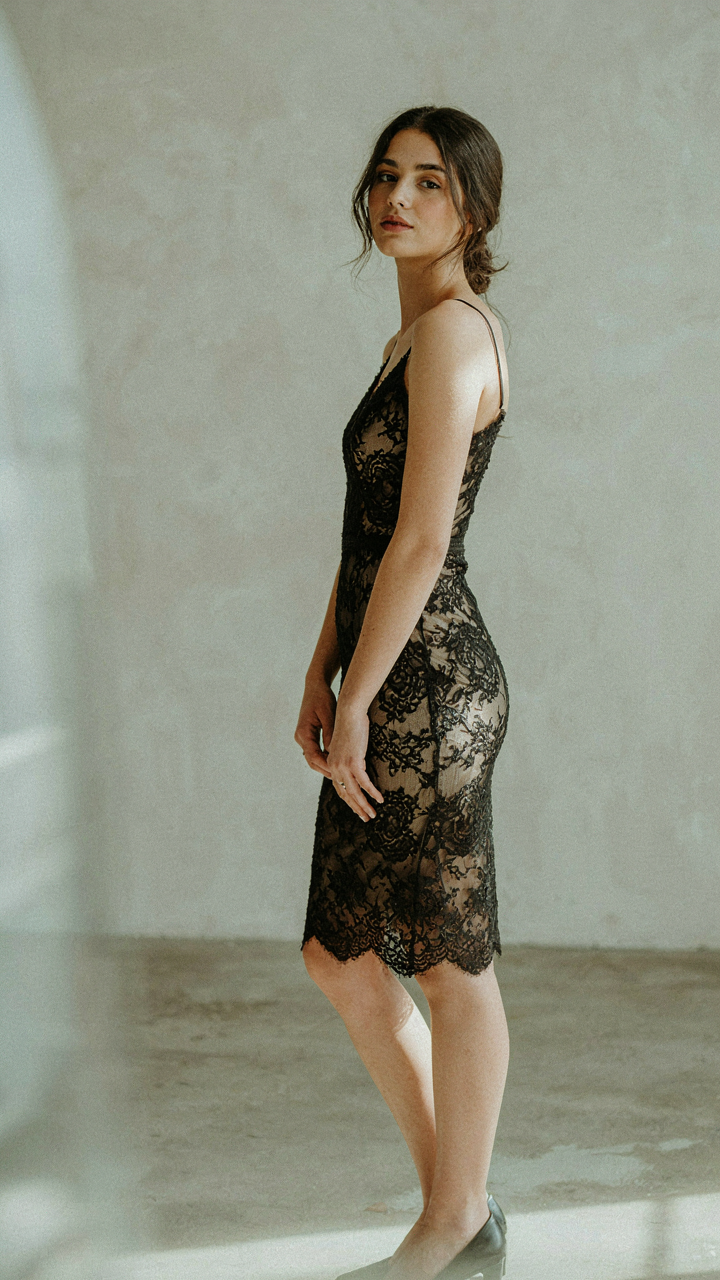
Stop asking if a lace cocktail dress looks good. Ask if it makes you feel dangerous. The fabric, the cut, the way it moves on your body—these details matter only because they matter to you. Buy one piece this week that contradicts what you think you should wear. Your body isn’t a billboard for other people’s opinions.



