

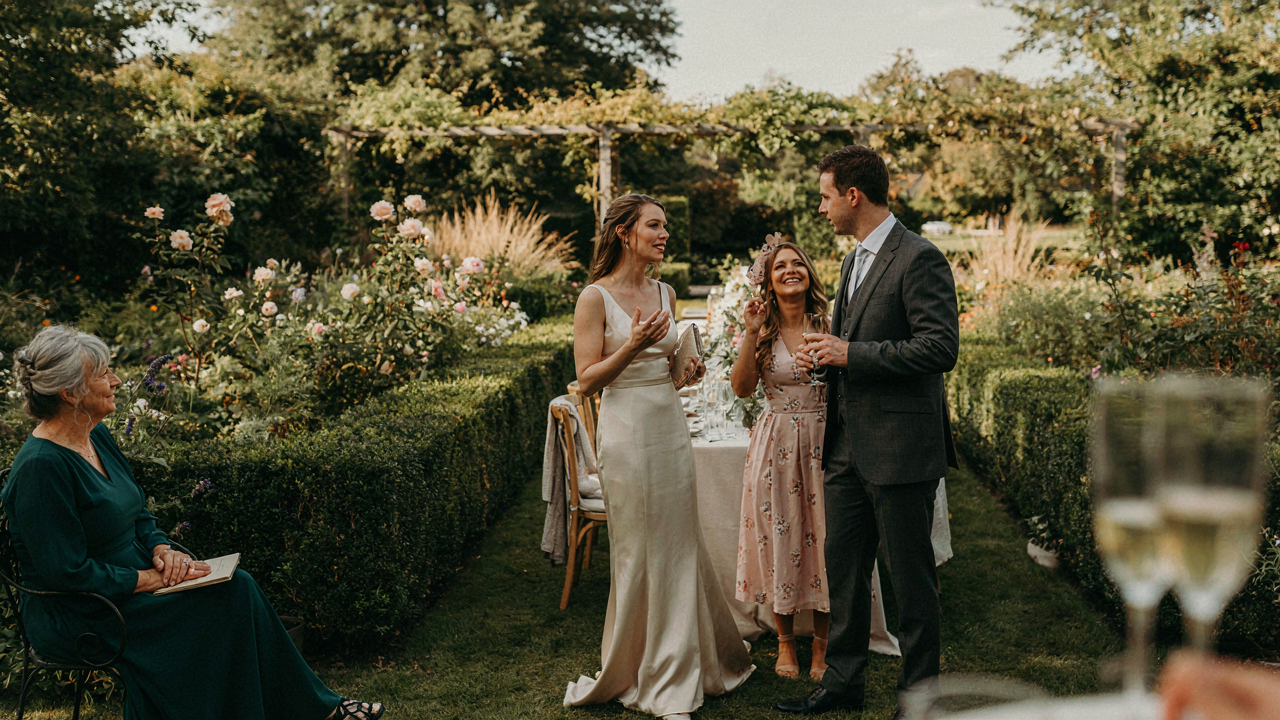
Beyond Basic Headwear: The Fascinator As A Power Play

Where Fascinators Actually Come From
You want to know if wearing one signals you belong. That’s the real question underneath this. Fascinators emerged in the 1950s as a deliberate break from structured millinery. Designers needed headwear that looked intentional without the labor of full hat construction. The form solved a practical problem: how to mark occasion and status without the commitment of a traditional hat.
British royal culture cemented the fascinator’s position. Ascot races made them visible at high-stakes events. The form spread because it communicated formality without formality’s burden. A fascinator says you know the code exists. You chose to acknowledge it without surrendering your face to fabric and structure.
The Signal In The Subtlety
This uses semiotics, the study of how objects communicate meaning. A fascinator operates as a signal because it’s optional and visible—you chose restraint over excess. Most wedding guests wear nothing. Some wear full hats. The fascinator sits between: proof you considered the event serious enough to prepare, but not so serious you’d sacrifice visibility or comfort.
That calibration is what people read. The fascinator tells them you understand hierarchy and nuance. You’re not trying too hard. You’re not ignoring the occasion. Wear one with confidence because the choice itself carries weight—people notice who makes these distinctions.
The “Unwritten Rules” Protocol: Decoding Wedding Fascinator Etiquette
Read The Venue Before You Dress
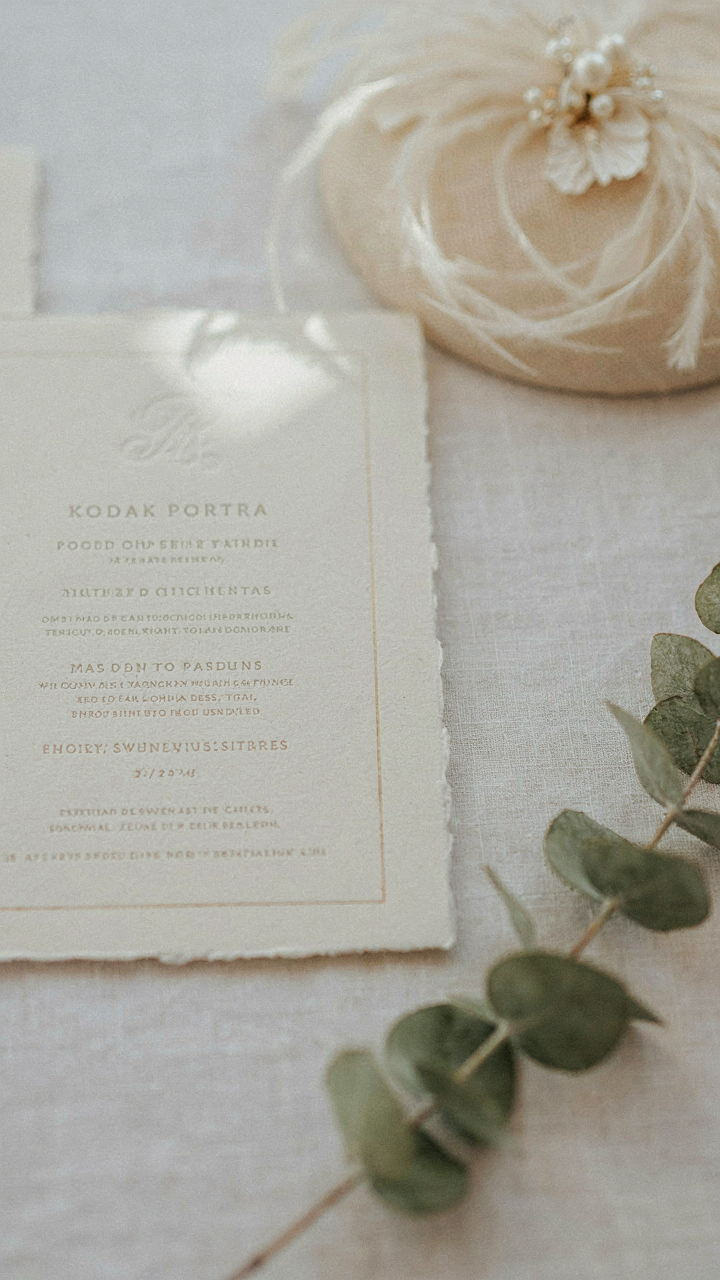
You’re worried about getting it wrong because getting it wrong means visible social failure. The mechanism is simple: formality lives in the room, not in tradition. A black-tie wedding at a country club demands different fascinator language than a garden ceremony at noon. Formal events reward structured, architectural pieces. Semi-formal settings tolerate playfulness. The venue itself signals what’s expected. A cathedral signals restraint. A barn signals permission to experiment. Your job is to match the energy of the space, not guess at invisible rules.

Most advice says “just ask the couple,” which is useless because most couples don’t think about fascinators at all. What matters is the dress code printed on the invitation and the location. Formal means your fascinator should be polished, minimal in color range, and positioned with precision. Semi-formal means you have latitude for texture, shape, and personality. Black-tie events almost always call for fascinators in black, navy, or metallics. Daytime semi-formal events tolerate pastels and bolder shapes. The binding rule: your fascinator should never suggest you’re attending a different event than everyone else.
Never Compete With The Bride’s Narrative
The bride isn’t your competition in the economic sense. She’s your reference point. Think of wedding attire like a film’s mise-en-scène: every element either supports or contradicts the story being told. Your role is supporting actor, not lead. If the bride wears a traditional white gown, her fascinator will anchor the visual hierarchy. Your fascinator must acknowledge that hierarchy, not challenge it. A smaller scale, a softer color, or a less ornate design signals you understand the structure. Outshining the bride means you misread the room’s power dynamics, and social cost follows immediately.
The cardinal sin isn’t wearing something beautiful. It’s wearing something that demands more attention than the bride’s headpiece. Size, color saturation, and structural drama all matter here. If her fascinator is understated, yours should be too. If hers is bold, yours should recede. This isn’t politeness. It’s structural awareness. You signal your understanding of hierarchy through restraint, and restraint reads as sophistication to everyone in the room. Check the wedding photos or ask a trusted guest who’s seen the bride’s vision. Then calibrate downward.
Fascinator Hats: Architecting Your Aesthetic
Face Shape And Fascinator Proportion
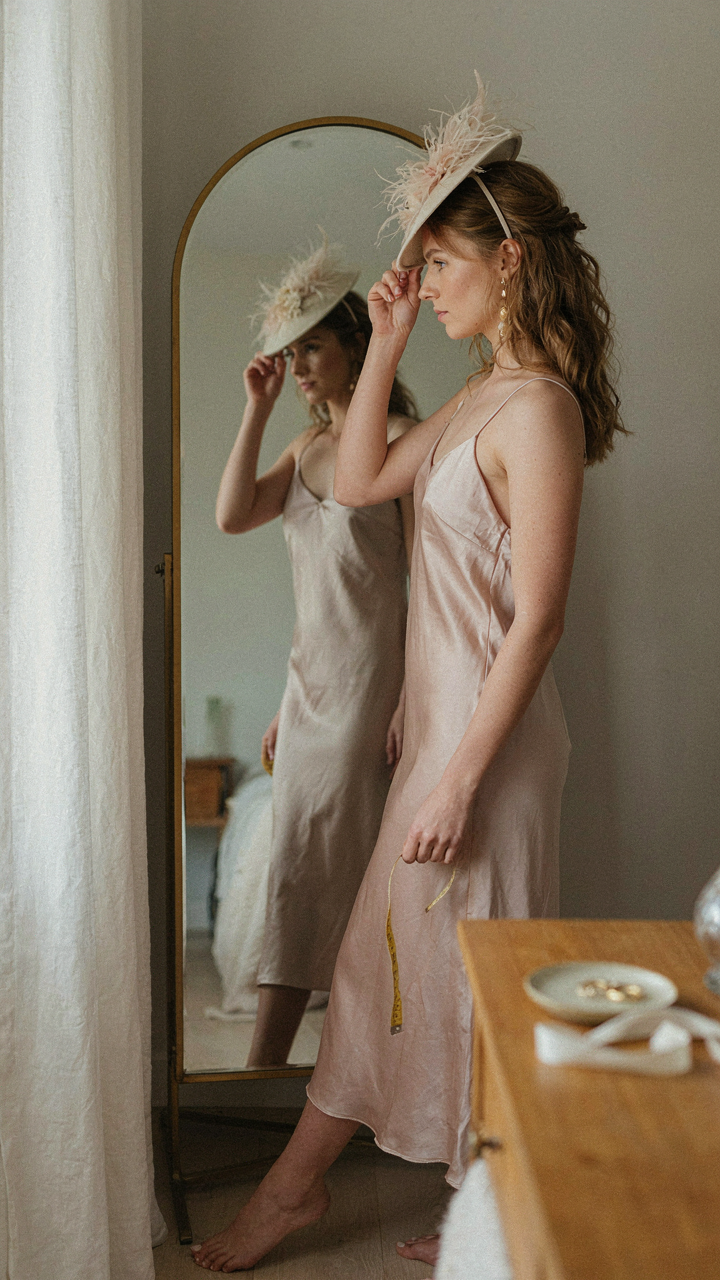
You want to know this because wearing the wrong scale makes you look like you’re compensating or hiding. Fascinator sizing obeys the same proportional logic as architecture: the ratio of the structure to the space it occupies determines whether it reads as intentional or accidental. A small delicate fascinator drowns on a wide face. An oversized statement piece crowds a narrow one. The mechanism is simple. Your face width and the fascinator’s visual footprint must harmonize or one cancels the other out.

Round faces need vertical lift and horizontal restraint. A fascinator positioned high on the crown with upward-reaching elements elongates the face. Square faces benefit from softer, angled pieces that counterbalance the jaw. Oval faces tolerate both scaled-up and scaled-down options because the proportions already work. Oblong faces need width, so side-swept fascinators or wider constructions prevent further narrowing. Measure fascinator width against your face width. If the fascinator extends beyond your face by more than an inch on either side, it dominates. If it sits completely within face boundaries, it recedes into invisibility.
Complementary Colors Against Your Palette
The common advice here is garbage: wear what matches your dress or go neutral. Wrong. Your fascinator competes with your face and hair before it competes with your outfit. Color theory from graphic design teaches us that contrast creates emphasis. A fascinator in high contrast to your skin tone draws the eye to your face directly. A fascinator in low contrast disappears. Your actual move is to choose a fascinator color that creates intentional visual hierarchy, not one that blends apologetically into your ensemble.
If your skin tone is warm, a fascinator in jewel tones or metallics punches harder than pastels. If your skin tone is cool, silvers and deep teals read cleaner than warm golds. Hair color matters as much as skin tone. Blonde hair allows bolder fascinator colors without visual noise. Dark hair demands either high-saturation colors to stand out or metallics that catch light. Test the fascinator against your face in natural daylight before committing. The venue lighting will shift the read, but daylight reveals whether the color reinforces or undermines your features.
Feather Fascinators: Adding Tactical Texture

The Hierarchy Of Feather Materials
You want feathers because they signal investment without screaming about it. That’s the mechanism. Feather quality operates on a straightforward hierarchy: ostrich plumes command the highest perceived value, followed by peacock, pheasant, and synthetic options. Ostrich feathers hold their shape, resist matting, and catch light deliberately. Peacock feathers deliver color saturation but require stable positioning or they collapse. Pheasant feathers work as filler and cost less but read as filler.

The decision isn’t aesthetic preference. It’s about density and durability under real conditions. A fascinator worn for four hours indoors at a country club demands different feather engineering than one worn outdoors in wind and humidity. Ostrich handles both. Synthetic feathers now replicate ostrich movement closely enough that most guests won’t detect the difference, but they don’t age the same way. Invest in real feathers if the fascinator enters your regular rotation. Buy synthetic if this is a one-time event.
Placement As Visual Leverage
Feather positioning works like load distribution in structural engineering: concentrate weight and visual mass where the fascinator anchors to the head, disperse texture outward. This prevents top-heavy collapse and creates the illusion of intentional design rather than accident. Asymmetrical placement reads more sophisticated than centered or symmetrical arrangements. Feathers clustered on one side with a clear sight line through the other side creates tension and focus simultaneously.
Height matters more than volume. A single tall ostrich plume positioned at the crown edge reads expensive and intentional. Multiple clustered feathers at varying heights create dimension without looking costume-like. The mechanism is simple: your eye tracks vertical lines first, then settles on the face. Use this. Position feathers to guide attention toward your face, not away from it. A fascinator that overwhelms the wearer defeats its purpose entirely.
The Halo Headband: Understated Authority

When Less Signal Means More Power
You want to look put-together without broadcasting effort. That’s the real calculation here. A halo headband works because it solves a design problem borrowed from architecture: load-bearing without visible support. The halo sits low on the head, distributes visual weight evenly, and requires no anchoring pins or combs. It frames the face through geometry, not decoration. The mechanism is restraint disguised as presence.

Halo headbands dominate wedding guest protocol because they telegraph intention without excess. They sit at the intersection of formal and wearable. The band itself can be metal, beaded, or fabric-wrapped, but the logic stays the same: it creates a defined perimeter around the head while leaving hair fully visible. This distinguishes it from traditional fascinators, which rely on placement drama. A halo demands no apology for existing.
Working With Your Actual Hair
The common advice here is wrong. You don’t “style around” a halo headband. You build the band placement into your styling plan before you start. If you wear your hair up, the halo sits at the crown or slightly forward on the hairline. If you wear it down, the band rests where it naturally would without tension. The fit matters more than the aesthetic coordination. A band that pulls creates visible discomfort and breaks the entire effect.
Test the headband with your chosen hairstyle the day before the wedding. Position it, move your head, sit down, stand up. If it shifts or feels unstable, it will show in photos. The halo works best when your hair already has texture or hold from styling products. Smooth, freshly washed hair lets the band slip. A light hairspray or texturizing spray beforehand ensures the band stays positioned without requiring tightening throughout the event.
Mother Of The Bride: Mastering The Matriarchal Message
Command Without Theft
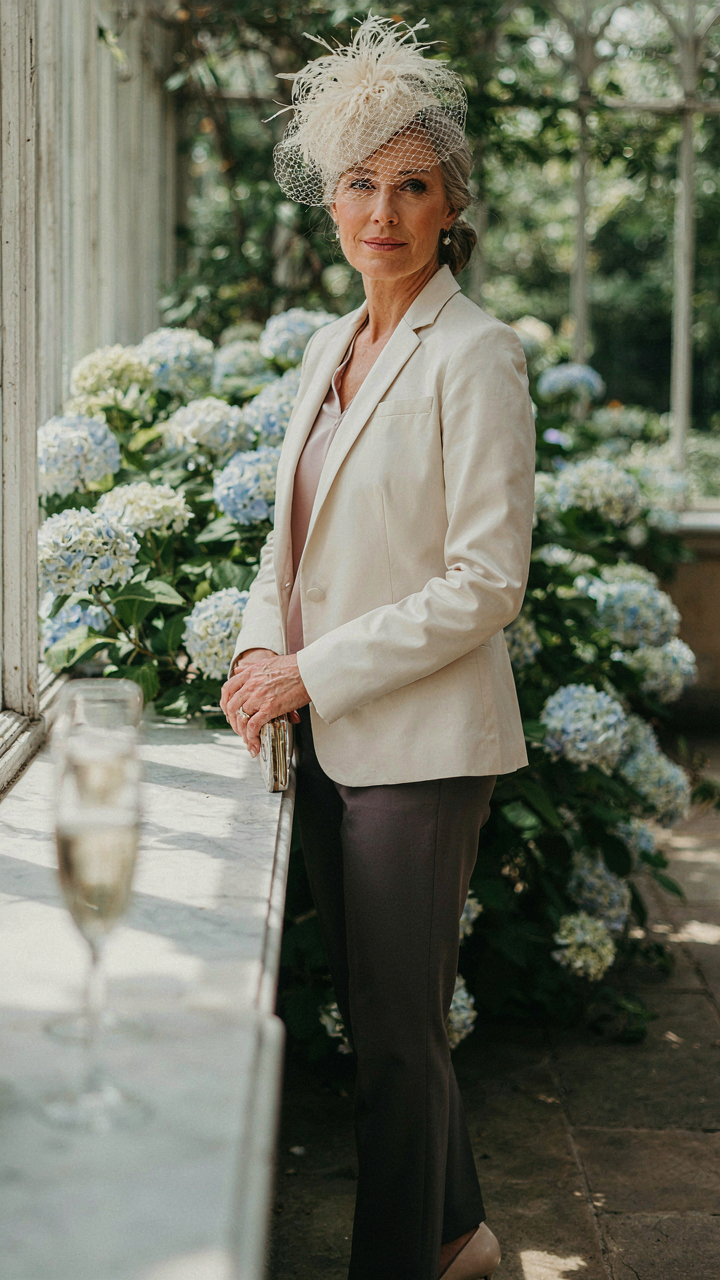
You’re worried the bride will think you’re trying to steal her moment. That fear drives the bad advice you’ve heard, the “tone it down” nonsense that turns mothers of the bride into background extras. Here’s the mechanism: dominance in hierarchies doesn’t come from volume or visual noise. It comes from permission. The bride grants you authority the moment the event starts. Your job is to occupy that authority visibly, not diminish it. A fascinator works because it signals you’ve earned the right to be noticed without competing for the spotlight the bride already owns.

The real play is clarity of role. A well-chosen fascinator on the mother of the bride positions you as a figure of stability and intentionality, not desperation. You’re not asking for attention. You’re declaring a position. The bride sees this and reads it as respect for hierarchy, not a challenge to it. Wear something that looks considered and purposeful. Avoid anything that reads as costume or costume-adjacent. When your fascinator choice aligns with the event’s formality level, you become a visual anchor that grounds the occasion, not a threat to it.
The Economics Of Elegant Restraint
Economics teaches us that scarcity increases perceived value. Apply that directly: Mother of the bride fascinators work because restraint itself signals status. The common advice says to wear something “subtle.” That’s incomplete. What matters is that restraint costs. The ability to choose a refined, minimal fascinator instead of an obvious statement piece proves you don’t need to shout. Wealthy people dress quietly because they don’t need your confirmation. Copy the mechanism, not the style.
The protocol is simple. Choose one focal point on your fascinator, not multiple competing details. If it features feathers, keep the metal minimal. If it includes beading or crystal work, eliminate ornamental flourishes elsewhere. This isn’t about being timid. It’s about demonstrating control through specificity. When your fascinator costs what matters to you but reads as effortless and restrained, you’ve signaled exactly what you intended: you belong here, you understand the rules, and you respect the hierarchy that placed your daughter at the center.
Blue Fascinator: The Strategic Color Choice
Why Blue Reads As Safe Authority
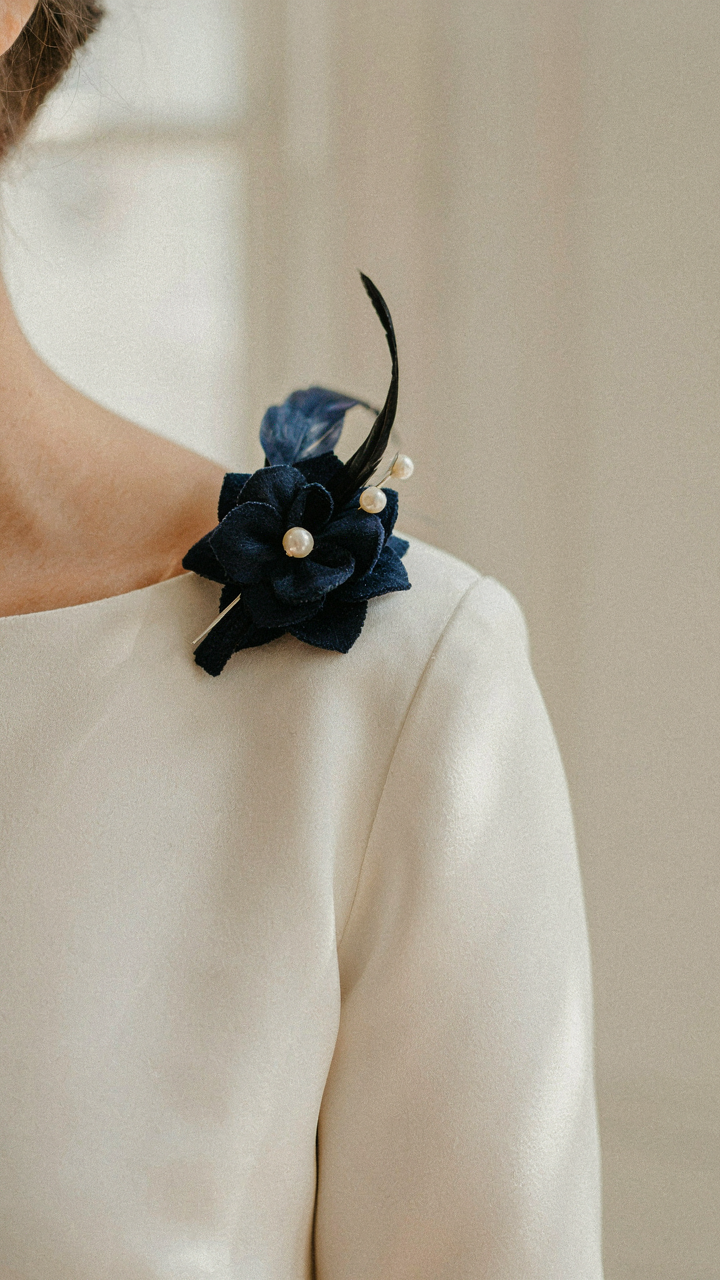
You’re picking blue because you want to disappear into competence. That’s the real calculation. Blue fascinators work because the color itself carries no risk—it signals restraint while still claiming presence through the hat itself. From a color psychology standpoint, blue operates like a defensive perimeter: it conveys trust and stability without demanding attention. The mechanism is simple. Your brain processes blue as “controlled,” which means the fascinator’s structural boldness gets interpreted as intentional rather than desperate. You’re not trying too hard. The wearer of a blue fascinator gets read as someone with taste who respects the room’s hierarchy, not someone fishing for compliments.

The psychology isn’t mystical. Blue has been coded into formal dress codes for centuries because it holds visual weight without aggression. A navy or cobalt fascinator sits on your head and your outfit becomes about proportion and line, not novelty. This matters because wedding guests exist in a strict social economy where standing out and fitting in occupy the same narrow space. Blue lets you occupy both. The color stays neutral enough that other elements—your dress, your posture, your timing—determine whether you land as elegant or overdone.
Pairing Blue With Everything Else
The generic advice says blue matches everything. That’s incomplete. Blue fascinators only work with specific adjacent colors because of how the eye processes saturation and contrast. A royal blue fascinator paired with pale pastels reads as costume. A navy fascinator with black, charcoal, or deep jewel tones reads as intentional. The mechanism is saturation harmony—your fascinator shouldn’t be the only saturated element in your outfit unless that’s your deliberate statement.
Blunt statement: most wedding guests pair blue fascinators wrong because they assume the hat does the work alone. It doesn’t. A blue fascinator demands a dress in a complementary saturation level. Ivory, cream, or soft grey dresses work because they create neutral ground for the blue to command. Metallics—gold, silver, champagne—operate as secondary focal points that don’t compete. Black works because it creates hard contrast that makes the blue read as a statement piece rather than an accident. The protocol is this: choose your dress first, assess its visual weight, then select blue only if it won’t create competing focal points at your head and torso simultaneously.
Race Day Vs. Wedding Guest: Differentiating The Dress Code
The Formality Gap Between Events
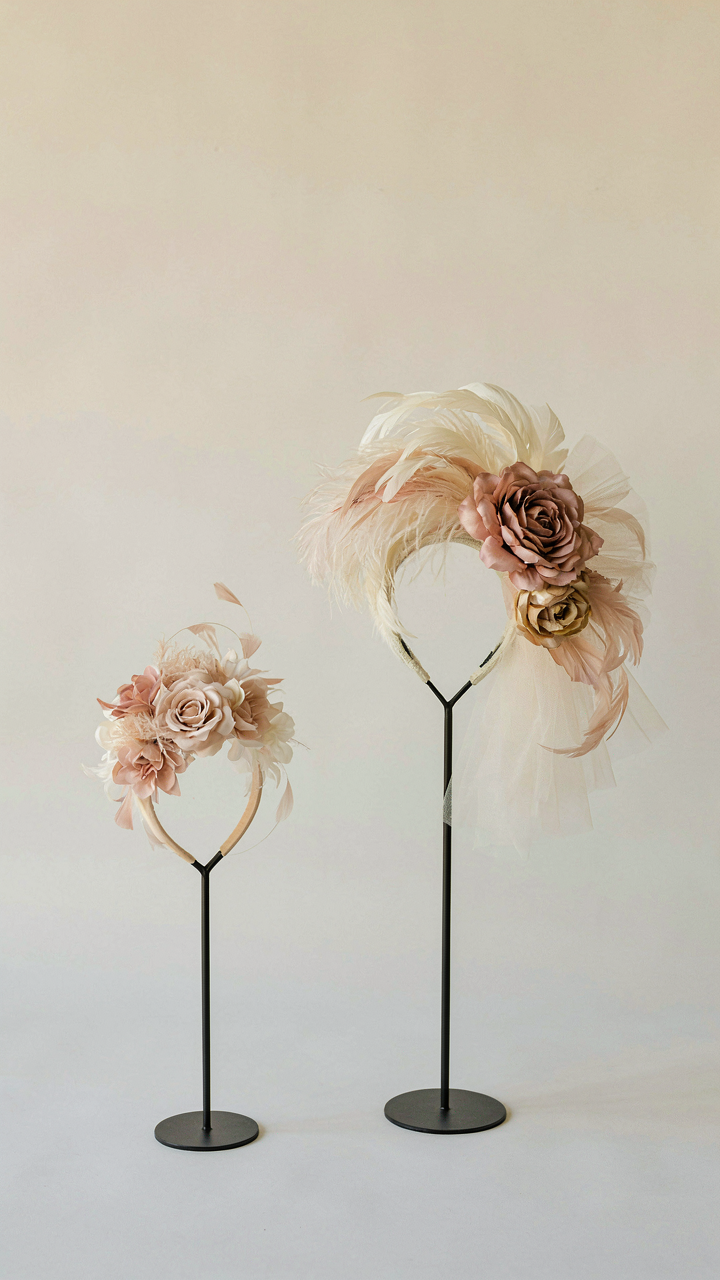
You’re worried people will think you don’t know the difference, that you’ll look like you grabbed the wrong invitation from the table. The real mechanism: formality isn’t about how much you wear—it’s about signal clarity. Using economics terms, you’re managing information asymmetry. At a royal ascot or racing event, a fascinator broadcasts sport-specific tribal membership. At a wedding, it communicates restraint and deference to the couple. The distinction lives in scale and positioning, not material. A racing fascinator projects outward; a wedding fascinator knows its place in the visual hierarchy.

Wedding fascinators sit smaller and tighter to the head, typically 4 to 6 inches in height or width. Racing fascinators sprawl—think wide brims, dramatic feathers, architectural designs meant to stand out in crowds. A wedding guest fascinator uses closed construction; racing versions explode into space. Your venue matters more than the event name. An outdoor garden wedding allows more volume than an indoor church ceremony, but neither matches the permissiveness of the paddock.
Missing The Obvious Cross Event Error
The conventional wisdom says “just tone it down for weddings,” which is useless because it doesn’t name what you’re actually doing wrong. People show up to weddings wearing racing fascinators and wonder why they look out of place despite technically following dress code rules. The error isn’t volume alone—it’s wearing an ornament designed to compete for attention in an environment where attention belongs elsewhere. At a race, your fascinator fights for visual real estate with thousands of other people and massive open fields. At a wedding, you’re competing with the bride and the architecture. That’s not competition; that’s a failure to read the room.
The practical correction: a wedding fascinator should have a singular focal point, not multiple competing elements. Choose between feathers, netting, or sculptural form—not all three fighting for prominence. Skip the wide-brimmed base unless the dress code explicitly states “formal daytime wedding” and you’re in a British country setting. The positioning protocol is straightforward: attach at the crown or slightly off-center, leaving the face and shoulders completely visible. This respects sightlines for photos and ceremony moments, which racing events don’t demand.
The Fascinator Integration Method: From Head To Toe
Building Cohesion Across Your Pieces
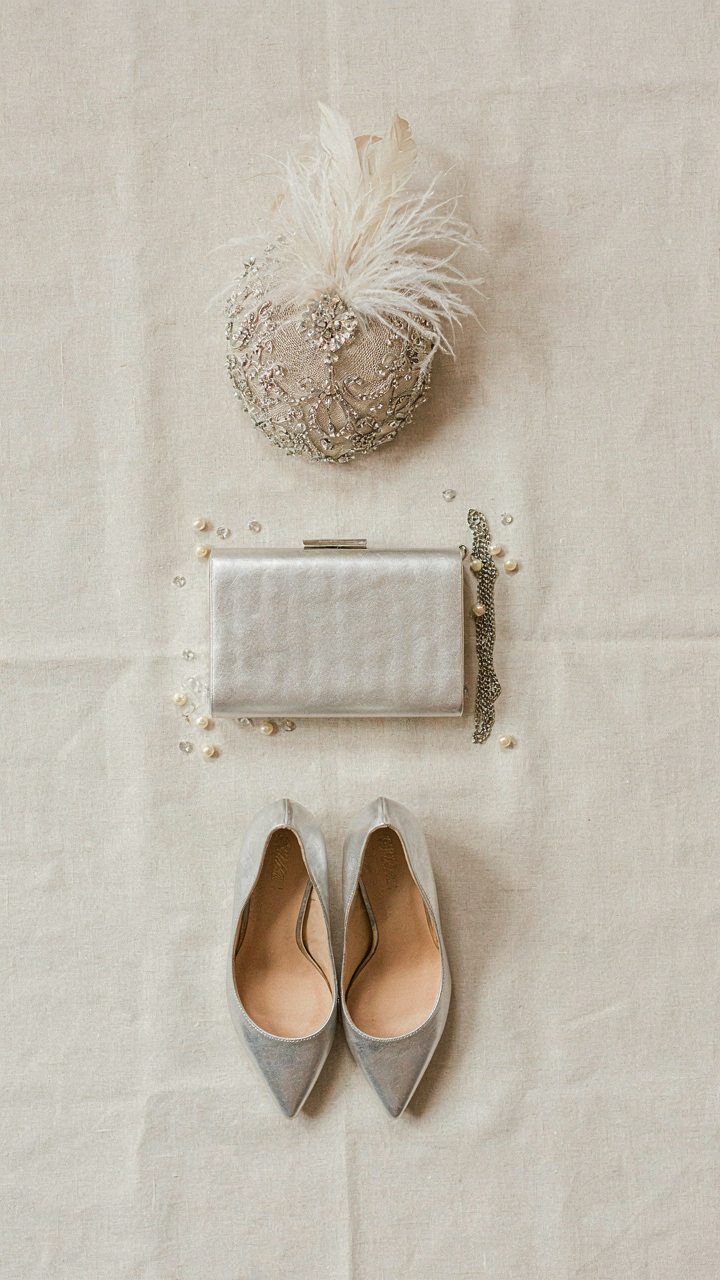
You’re worried the fascinator makes you look mismatched or costume-like. That fear is real, and it stems from one principle: contrast management. Think of outfit coherence like a load-bearing wall system in architecture. Your fascinator is the anchor point, and every other element either distributes that visual weight or amplifies it. Most people buy a fascinator, then grab random shoes and a bag. That’s the mistake. The fascinator sets the formality and color temperature. Everything else must acknowledge it.
- Metallic Matching: If your fascinator features gold or silver hardware, echo that metal in your shoes and jewelry. A silver comb pairs with silver pumps and a silver clutch. This creates visual continuity rather than collision.
- Color Blocking Strategy: Choose shoes and bag in one of three shades: the fascinator’s primary color, a neutral that grounds it, or a complementary tone that feels intentional rather than accidental.
- Fabric Weight Alignment: Delicate fascinators in silk or tulle demand refined accessories. Pair them with satin or leather bags and pointed pumps. Heavy beaded fascinators can handle structured bags and block heels without visual discord.
- Jewelry Restraint: A busy fascinator demands minimal neck and wrist jewelry. One statement ring or a simple bracelet. Stacked pieces compete for attention and dilute the fascinator’s impact.
- Shoe Height Logic: Taller fascinators (over four inches) need shoes with presence. Flats make top-heavy proportions worse. Heels ground the silhouette and restore visual balance.

The integration happens through repetition of either color, material, or finish across three zones: head, hand, and foot. When those zones speak the same visual language, the fascinator stops looking like an afterthought and becomes part of a deliberate outfit architecture.
Durability Without Sacrifice
Long wedding events expose what flimsy choices cost you. After four hours of standing, dancing, and heat from other bodies, cheap shoes create pain that radiates through your entire posture. A fascinator worn on a poorly anchored clip or comb slips. Your bag straps cut into your shoulders if they’re too thin. These aren’t minor discomforts. They destroy your ability to project the confidence that justifies wearing a statement piece in the first place.
Start with footwear that has genuine arch support and a secure heel. Gel inserts or padded insoles matter more than brand name. Fabric matters too. Breathable materials like linen, cotton blends, or mesh linings keep your feet from swelling. Your fascinator needs a grip that won’t loosen. Metal combs and clips with teeth hold better than smooth plastic. Test it by moving your head side to side before you leave home. Your bag’s strap construction determines whether you’ll feel it after two hours. Look for reinforced stitching at stress points and bag weight under three pounds to prevent shoulder fatigue.
Beyond The Wedding: Extending Your Fascinator Investment
Where Fascinators Work Beyond Weddings
You’re thinking about a fascinator as a one-time purchase because you’re afraid of waste. The real mechanism is this: formal occasions operate on uniform dress codes, and fascinators fit those codes across categories. Royal Ascot, garden parties, black-tie galas, and even certain corporate events all accept or expect the same headwear language a wedding does. A fascinator isn’t a wedding prop. It’s formal event infrastructure you already own.
The venues differ. The hat stays useful. A fascinator designed for a spring wedding works at autumn race meetings, charity galas, or state ceremonies. The formality threshold remains constant across these events. If the dress code requires or permits elevated headwear, your fascinator qualifies. This isn’t recycling. It’s understanding that formal dress codes create predictable patterns across different event types.
Storage And Care As Longevity Protocol
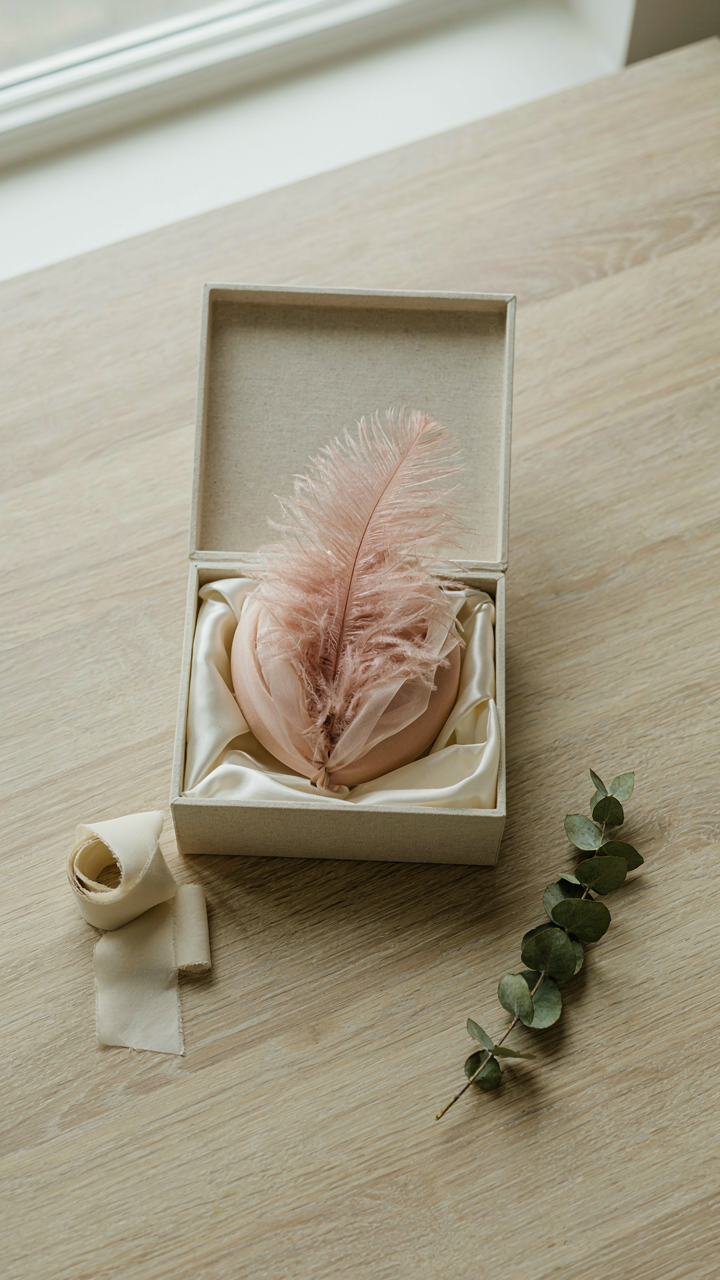
The conventional advice here is wrong: people treat fascinators like delicate artifacts. They’re not. They’re engineered accessories designed to handle repeated use. What matters is isolation and humidity control. A fascinator deteriorates when it contacts dust, moisture, and crushing pressure—not from handling itself. Store yours in a dedicated box, separate from other accessories, in a climate-controlled space away from direct sunlight.
Use acid-free tissue to wrap the piece before boxing it. This prevents color transfer and catches dust. Check storage annually for signs of humidity or pest damage. If your fascinator includes delicate elements like feathers or silk flowers, insert tissue between layers to prevent compression. This isn’t complicated. It’s a protective inventory system. Do this once, and your fascinator survives decades of formal events.
The Only True Fashion Faux Pas Is Playing It Safe
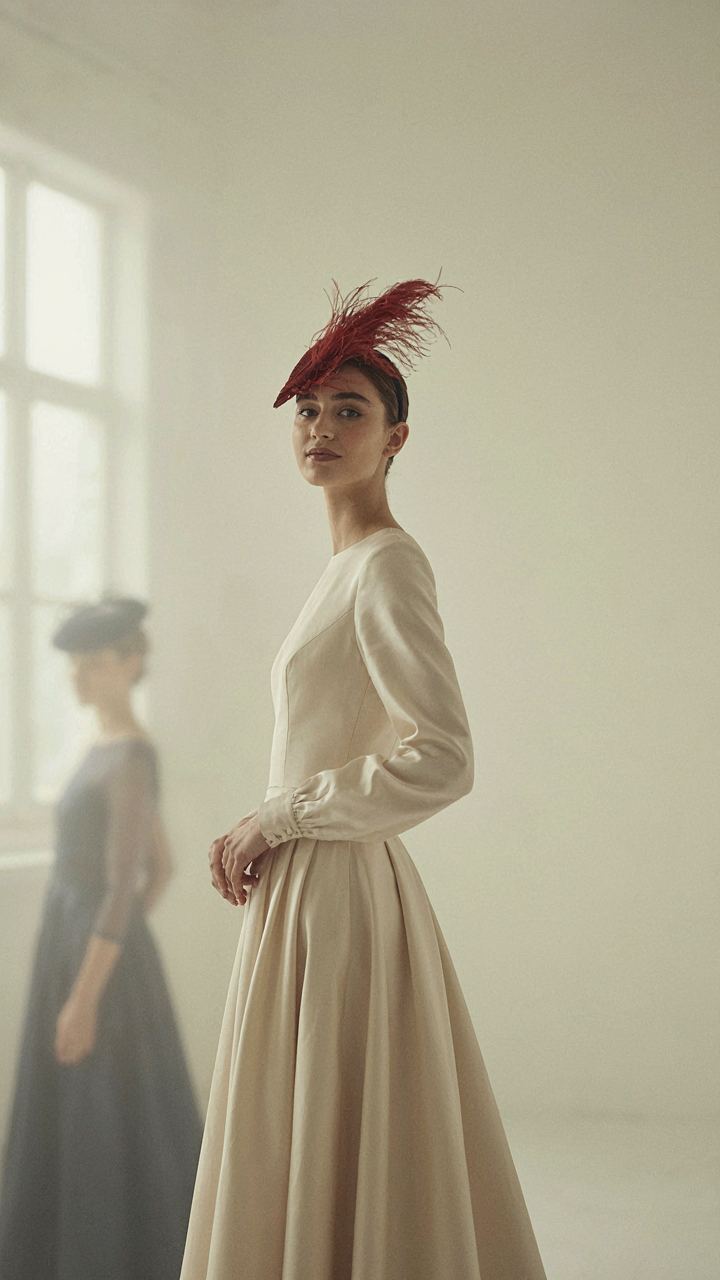
Most people wear a fascinator because the dress code demands it. You wear one because you’ve decided to be the person worth remembering in the room. The difference isn’t the hat. It’s the conviction. Stop asking if your outfit works. Start asking if it says something. Pull out your phone right now and screenshot three fascinators that make you feel alive, not safe. That feeling you get when you see something bold is your real dress code. The guests who fade into memory are the ones who matched the rules. The ones who stay are the ones who matched themselves.



