

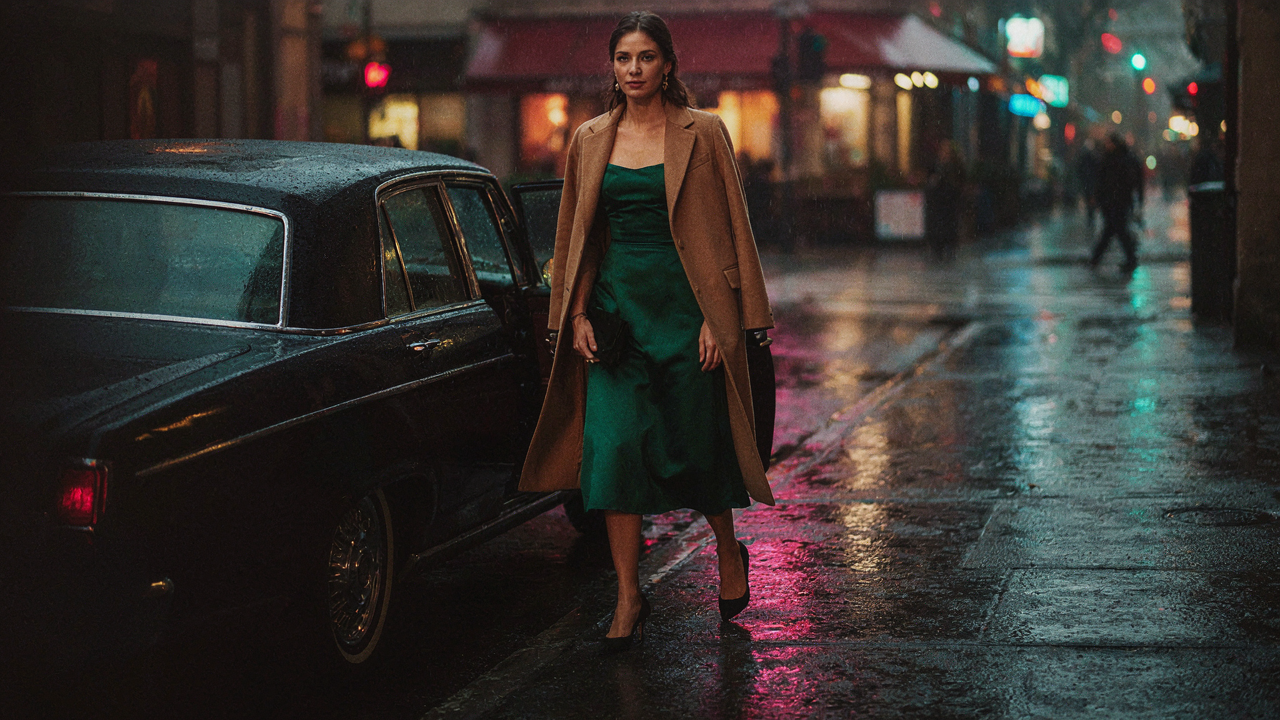
The Ignored Truth: Your Coat Is The Outfit
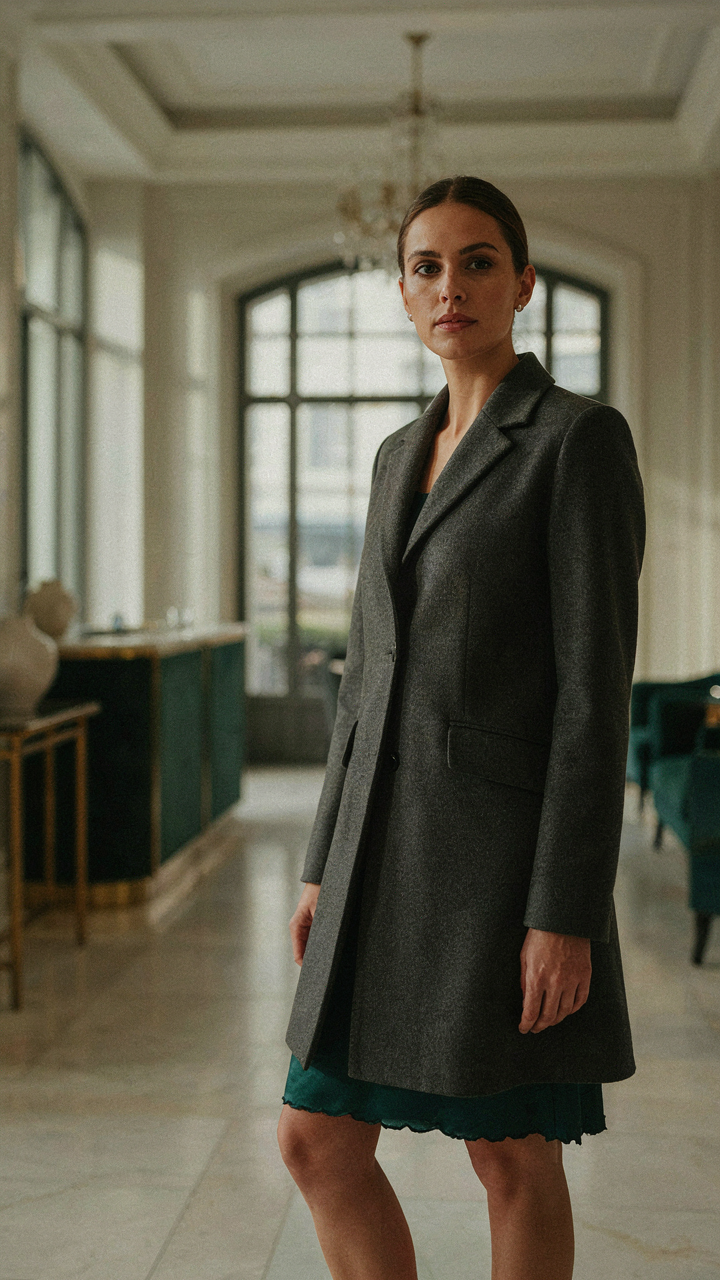
First Impressions Control The Narrative
You care about this because you’re worried people will judge you before you remove your coat. They will. The mechanism is simple: in fashion psychology, borrowed from retail environments, your “point of entry” determines how observers process everything that follows. Your coat arrives before your dress does. It sets the frame. Most advice tells you to match your coat to your dress’s color or vibe. That’s incomplete. Your coat should earn its own standing as a complete visual statement, not play supporting role to what’s underneath.
The coat functions as a status signal before intimacy allows anyone close enough to see fabric quality on your dress. Tailoring, weight, and material communicate faster than pattern or embellishment. A structured wool coat in black, camel, or charcoal over any cocktail dress reads as intention. A slouchy or ill-fitting layer reads as afterthought, and no dress underneath fixes that. The coat is the outfit because it’s the only thing strangers actually evaluate during the arrival phase.
The Mechanics Of Transitioning Spaces
Leaving your car or entering a building, you exist in public terrain before reaching the party interior. This transition period is where most people fail. You need a coat that removes cleanly without destroying your dress underneath or forcing a ten-minute readjustment in the foyer. Structured coats that hit at the hip or knee work here because they don’t compress fabric or trap your dress’s silhouette during removal. The coat must also function as a garment you’re comfortable holding or draping over your arm for the first thirty minutes while you acclimate to the space.
Coat over cocktail dress only works tactically if you can actually move between temperatures and spaces without the coat becoming friction. Wool or wool-blend materials hold shape during transitions better than silk linings that slip. Check your dress hemline before choosing coat length. A midi dress needs a coat that doesn’t exceed mid-thigh, or you create a bunching problem when you sit. The removal moment should feel casual, not like you’re shedding a second skin in front of everyone.
The “Visual Gravity” Method For Layering

The Coat As Anchor, Dress As Orbit
You’re worried the coat will swallow the dress and make you disappear into fabric. Here’s what actually happens: physics governs this. In physics, gravity creates a hierarchy where a heavier object anchors lighter ones around it. Your coat functions as that anchor. The cocktail dress orbits it, held in visual relation by the coat’s mass and structure. Without the coat’s frame, the dress floats alone. With it, the dress gains context and consequence. The coat doesn’t hide the dress. It completes a system.

The mechanism is proportion and containment. A structured coat creates visual borders that force the eye to read both layers as one composition, not competing pieces. The coat’s shoulders, length, and silhouette set the outer perimeter. The dress operates inside that boundary. This relationship works because the coat commits first. It declares shape. The dress then answers within that shape, rather than fighting against it. The hierarchy eliminates confusion. Viewers see a deliberate whole, not a woman trying to cover up a dress that wasn’t warm enough.
Weight, Texture, And Flow Dynamics
Nobody talks about this part because it’s boring to most people, but it’s where the outfit either coheres or falls apart. Weight distribution determines whether the layers feel like one piece or two pieces stacked on top of each other. A heavy wool coat over a lightweight silk dress creates tension, but that tension is useful. The weight of the coat grounds the delicate fabric beneath it, preventing the dress from looking fragile or incomplete. The coat’s mass makes the dress’s sheerness intentional, not accidental. A lightweight coat over a heavy beaded dress, by contrast, looks like the dress is wearing the coat, not the other way around.
Texture matters because it controls where light stops and where it continues. A matte coat creates a visual pause. A glossy dress underneath reads separately because the light behaves differently on each surface. Rough textures anchor. Smooth textures recede. When you layer them strategically, the coat’s texture tells viewers where to look first, then guides them toward the dress detail beneath the open front. The flow dynamic is simple: the coat’s lines should lead the eye toward the dress, not away from it. Button the coat open at the waist or leave the chest exposed so the dress becomes the destination, not the afterthought.
Formal Coat: Beyond The Basic Black
The Real Palette Strategy
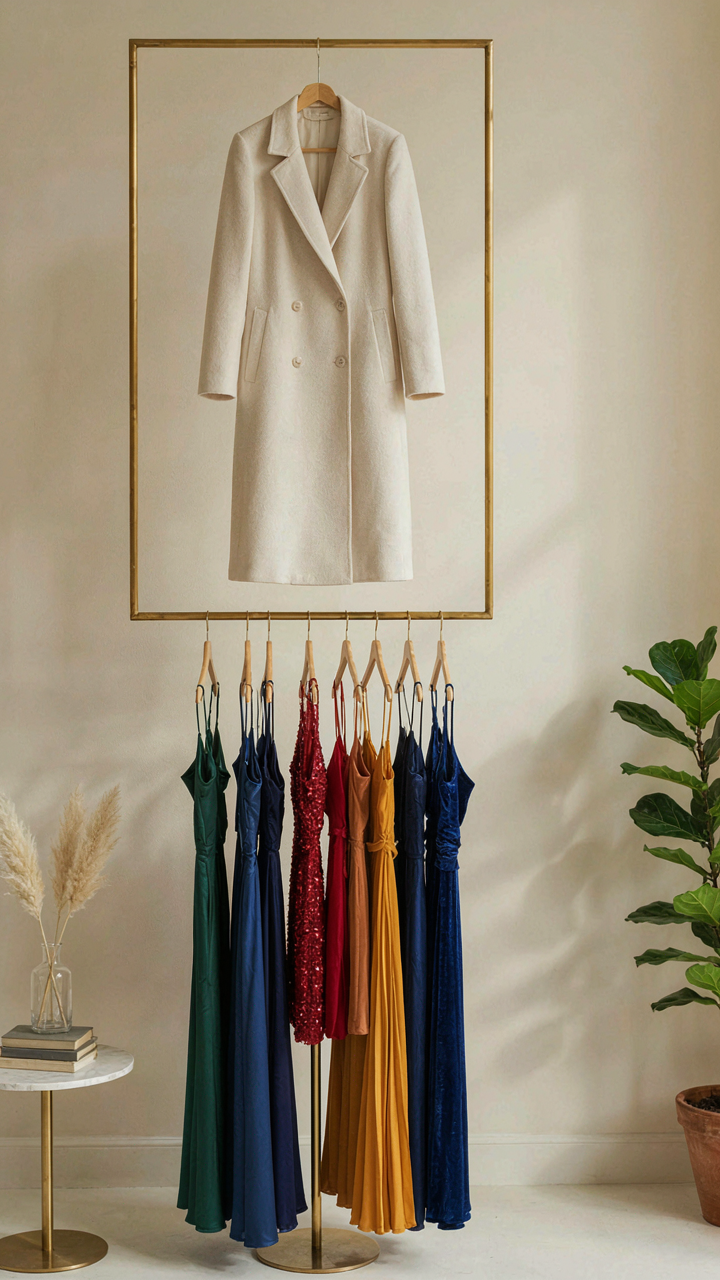
You want people to notice you’ve thought this through instead of defaulting to black because you’re afraid of getting it wrong. Here’s the mechanism: formal coats work in a contrast system. Dark cocktail dresses need coats that either match the dress’s undertone or deliberately oppose it. Light dresses need coats that anchor them. Jewel tones, charcoal, and cream beat black because they communicate intention. The coat-dress pairing creates a visual weight distribution that reads as deliberate or sloppy. Most people miss this and just grab whatever.

Wool remains the standard fabric for formal coats because it holds structure and ages well under party conditions. Silk blends add drape without sacrificing durability. Cashmere and wool mixes cost more but wear longer and feel different against formal fabrics. Pattern choices follow a simple rule: if your dress has visual complexity, keep the coat solid. If your dress is minimal, the coat can carry pattern through subtle textures like herringbone or small-scale jacquard. Avoid loud prints over cocktail dresses. The coat should frame, not compete.
Investment Pieces With Real Staying Power
A formal coat isn’t an accessory you wear for one season. Structure and cut matter more than trend cycles because a well-cut coat costs what it costs upfront, then lasts years. The distinction between disposable and investment is how the coat hangs on your frame when you’re standing still. Cheap construction shows immediately in the shoulder seams and hem behavior. Better coats use fuller linings, bound buttonholes, and weighted hems that don’t bunch. This isn’t luxury branding. This is engineering that prevents fabric from pulling or sagging over a cocktail dress.
Tailored coats in neutral shades work across multiple dresses because the dress changes, not the coat. A knee-length wool coat in ivory, camel, or charcoal pairs with different colors and necklines across seasons. Building one versatile formal coat is smarter than owning several trendy ones. When buying, test the coat over the dress you plan to wear most. Walk, sit, and raise your arms. If the coat restricts movement or pulls at the waist, it won’t survive the party intact. The coat must allow you to move without thinking about it.
Dress With Fur Coat: Calculated Opulence, Not Ostentation
The Real Trade Off Between Materials
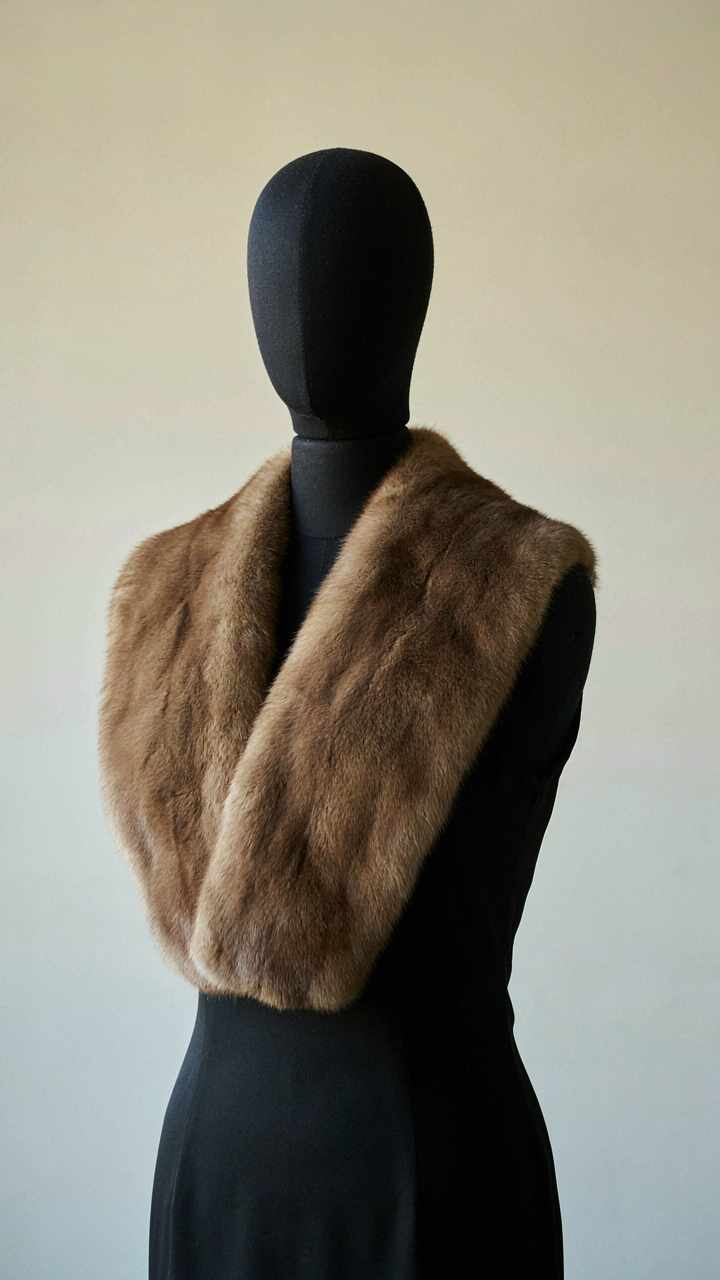
You want the fur coat because it signals you didn’t compromise, and that matters to you more than you’ll admit. Here’s the mechanism: fur holds thermal mass. Real fur traps dead air in the follicle structure itself, creating insulation that synthetic materials replicate but never quite match. Faux fur mimics this through microfiber layering, but the density degrades faster and redistributes unevenly after dry cleaning.

Real fur costs more upfront and demands specific care. Faux fur costs less initially but requires replacement sooner. The ethical argument flips annually depending on production standards. Pick based on your timeline: one winter versus five winters. If you’re wearing it twice, faux makes sense. If it’s your winter rotation, real fur holds its shape and warmth. The durability math determines the actual cost per wear.
When Luxury Becomes Dead Weight
People say “balance” here, which is useless advice. Balance means nothing without constraints. The real problem: a fur coat over a cocktail dress creates a silhouette problem, not a warmth problem. Logistics matter. Your car is heated. The venue is heated. You’re outside for maybe ten minutes total. A coat that works is one you remove without creating a coat-check bottleneck or a heat management crisis inside the party.
A lighter weight fur, mink or rabbit, drapes close to the body and doesn’t add volume. Heavy furs like fox or raccoon trap you in a larger silhouette that works against fitted cocktail dressing. Choose the coat based on the exact route you’re taking: car to venue to coat check. If coat check is slow or nonexistent, you need something you don’t mind wearing indoors for twenty minutes. The protocol is simple: measure your actual exposure time, then pick the weight that matches it.
The Micro Climate Protocol: Adapting To Any Venue
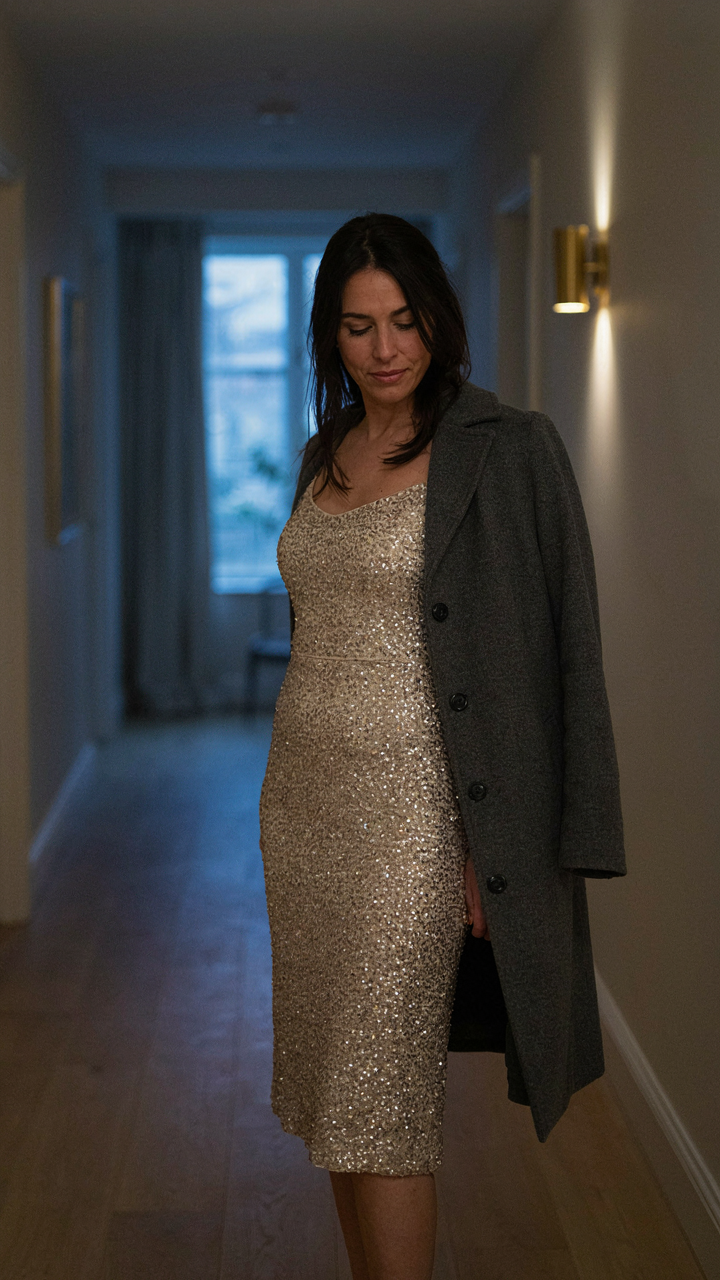
Timing Your Coat Around Temperature Zones
You’re worried about looking underdressed or overdressed at the exact wrong moment. The real mechanism is thermal zones: venues operate at different temperatures depending on whether you’re outside waiting, inside dancing, or standing near an open bar. Treat your coat like thermoregulation, not fashion. The coat protects your dress during transit and exposure. Once inside, it becomes dead weight or strategic layering depending on actual air temperature, not what the invitation says.
- Outdoor arrival in subzero temperatures: Keep the coat on until you reach the main venue. Remove it only after your body acclimates to indoor heat, roughly 5-10 minutes after entry.
- Covered entrance or valet scenario: Wear the coat through arrival but shed it immediately upon entering. No lingering in the foyer with it on.
- Extended outdoor cocktail hour: Leave the coat checked or draped over a chair inside. Retrieve it only when moving back outdoors, not before.
- Multi-space venues with temperature swings: Keep track of which room has the open bar area versus the dance floor. Coat goes to the cold zone. Dress shows in the warm zone.
- Late evening when outdoor smoking or patio time happens: Return to the coat station 30 minutes before you plan to leave the main event.

The mistake people make is treating coat removal as a statement. It’s not. It’s logistics. Check your coat at arrival if the venue offers it. If not, drape it over a chair back near where you’ll spend most time. You retrieve it when the temperature or location changes, not based on what looks better.
Repositioning Without Dissolving Your Look
Most advice tells you to simply remove your coat and stand there. That’s incomplete. The real problem is your dress has been compressed under wool or silk for 20 minutes, and removing the coat suddenly exposes wrinkles or awkward bunching that kills the silhouette you spent time creating. Reposition, don’t just remove. Smooth the dress down from shoulder to hip immediately after you shed the coat. Adjust the neckline, check the hemline, and if the dress rode up under your arms, fix it before anyone notices.
The second issue nobody mentions: your coat’s weight affects how your dress hangs. Without that weight on top, a cocktail dress sometimes sits differently than you planned. If your dress has drape or movement, give it thirty seconds to resettle into its intended shape. Stand still, let gravity work. Then move. This prevents the visible collapse that happens when fabric suddenly loses exterior pressure and repositions itself mid-conversation, which destroys credibility and makes you look unsettled. Take the coat off in a bathroom or discreet corner if you need those thirty seconds.
What Jacket To Wear With Burgundy Dress: Color Theory In Action
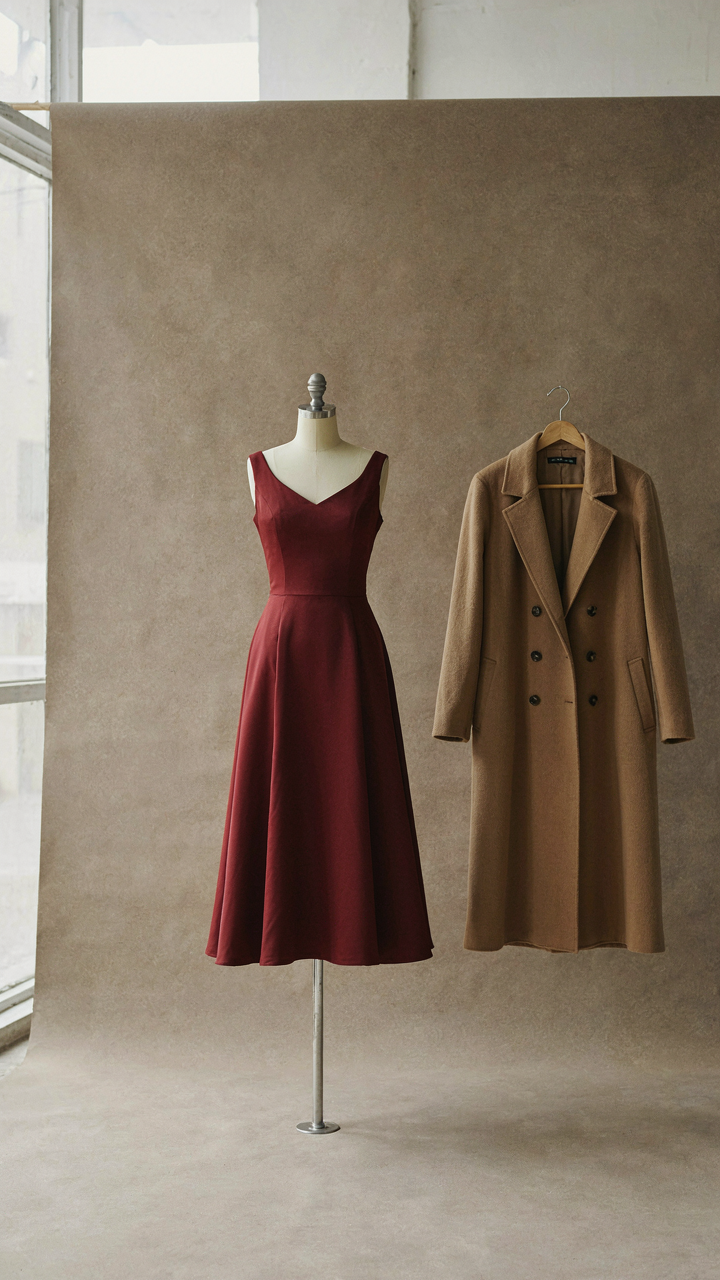
Complementary And Contrasting Palettes
You’re asking this because you don’t want to look like you don’t know what you’re doing. The mechanism is simple: color theory from physics tells us that complementary colors sit opposite each other on the color wheel and create maximum visual contrast. With burgundy—a red-violet hybrid—you have two strategic coat options: lean into contrast or lean into harmony.

Contrast works through a camel, cream, or warm tan coat. These exist in the yellow family, opposite burgundy’s red-violet position. The coat reads as intentional rather than random because the eye registers genuine opposition, not just “different colors.” Harmony works through a charcoal, black, or deep plum coat. These sit adjacent to burgundy on the wheel, creating visual unity without flatness. The dress and coat feel like they belong together because they share tonal language.
The Actual Rule For Not Clashing
Most advice says “match your coat to your dress” or “go neutral.” Both are incomplete. The real issue isn’t matching or neutrality—it’s value contrast and saturation alignment. Value means how light or dark something is. Saturation means how intense the color is.
A burgundy dress has moderate saturation and medium-dark value. If you wear a coat with wildly different saturation—say, a pale blush or an oversaturated wine red—the two pieces fight for attention instead of working as a unit. Your eye doesn’t know where to land. Wear a coat that holds similar saturation levels to the dress: rich blacks, deep grays, forest greens, or genuine camel tones. These sit at matching intensity, so the outfit reads as deliberate.
Slip Dress Outfit & Satin Dress Winter Outfit: The Underestimated Canvas
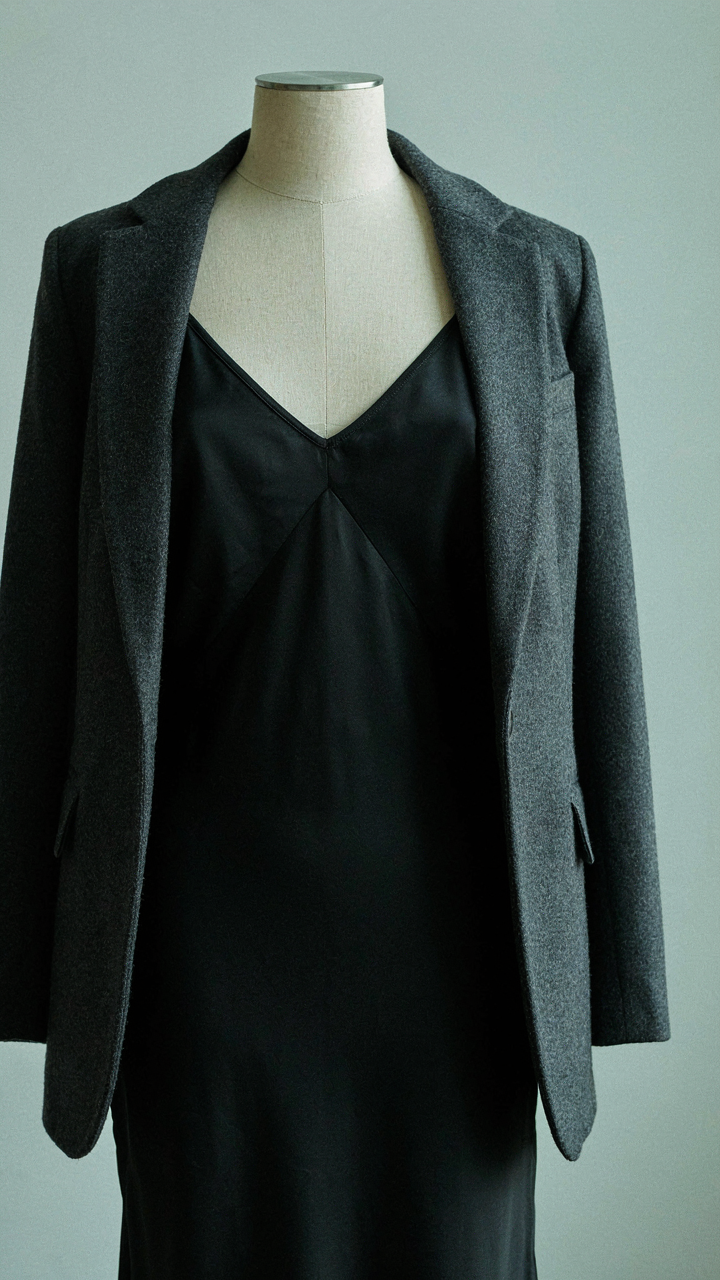
Build Warmth Without Breaking Silhouette
You’re worried a coat will wreck the dress you paid for. Here’s the mechanism: slip dresses and satin create zero insulation themselves, so the coat isn’t competing with bulk you already have. It’s the only layer doing work. This changes everything about how you approach the problem.

A slip dress under a tailored coat doesn’t add volume because the slip hangs close to your body. Satin compounds this advantage by reflecting light rather than absorbing it, so even a structured wool coat over satin reads as intentional contrast, not layering confusion. The dress stays visible at the neckline, wrists, and hem, anchoring the entire look to what you actually want people to see.
Surface Play: When Materials Speak Louder
Texture contrast in coat over cocktail dress follows the same principle as figure-ground perception in visual design. The coat is the ground. The slip or satin dress is the figure. They need to compete visually or complement deliberately, not merge into visual noise.
Velvet over satin creates depth through sheen opposition: one absorbs light, one reflects it. Wool over silk offers weight against fluidity. Leather creates hard edges that frame delicate satin at the dress’s openings. The mechanism works when you choose a coat texture that makes the dress texture more visible by contrast, not less. Start by identifying which texture your dress has, then select a coat material that photographs as distinctly different under warm light. This prevents the look from reading as one heavy mass.
Coat To Wear With Formal Dress For Wedding: Respecting The Occasion
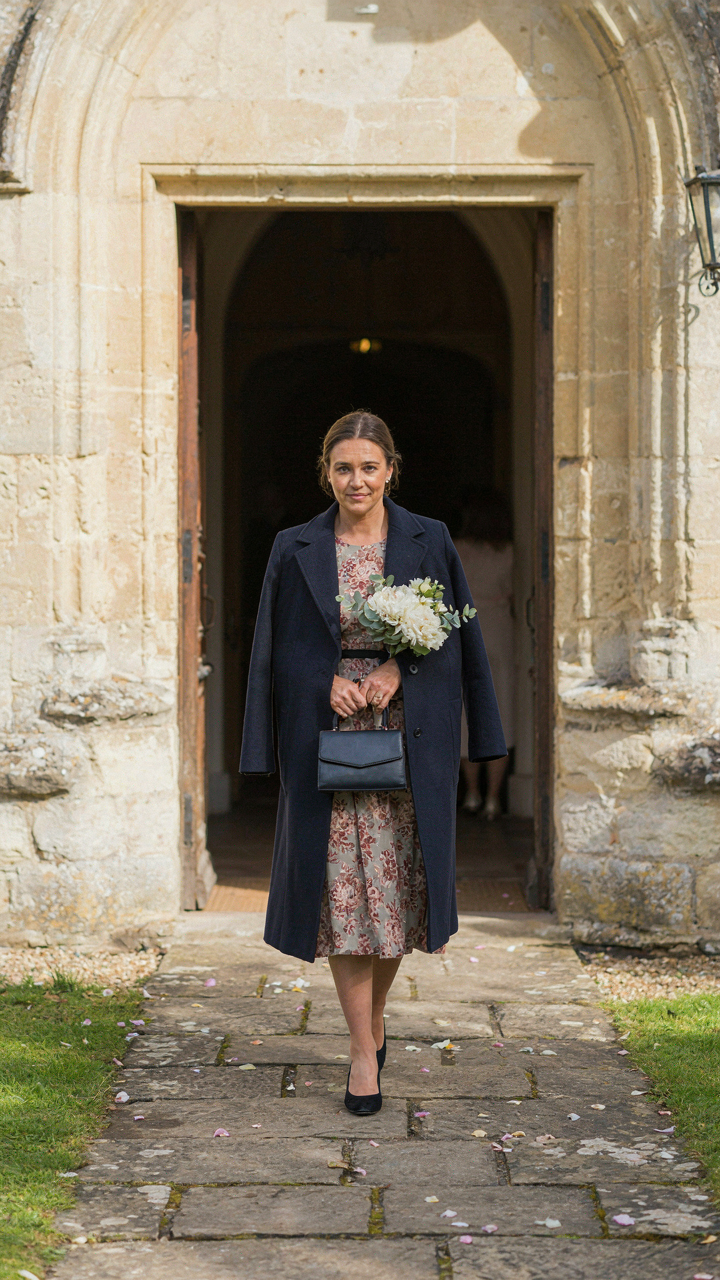
Guest Versus Bridal Party Protocol
You’re worried the coat kills your outfit’s polish. It doesn’t. The mechanism is hierarchy. Wedding dress codes exist to establish who matters most—the couple. Your coat either reinforces that structure or ignores it. Guests wear coats. Bridesmaids and groomsmen rarely do. The coat signals you’re not central to the event. That’s not a loss. That’s clarity. Wear it without apology.

A formal coat over a cocktail dress at a wedding works because it solves a practical problem without claiming attention. The dress remains visible when seated or indoors. The coat serves temperature control and arrival elegance only. This is different from black-tie events where you might skip outerwear entirely. Weddings demand flexibility. You arrive bundled. You shed the coat during the reception. The dress stands alone when it matters.
Symbolism Embedded In Fabric Choice
Think in semiotics—the field studying what objects communicate without words. Your coat is a sign, not just insulation. Formal weddings require coats that read as intentional, not borrowed-from-the-office. A structured wool coat in charcoal or navy signals respect for the occasion. A cashmere wrap reads differently than a leather jacket. The fabric choice tells guests whether you treat this as ceremonial or casual.
Cultural context matters more than fashion blogs admit. Some traditions expect women to cover arms during ceremonies. Others view a woman in a coat as unnecessarily formal during daytime events. Ask the couple or their family directly. Don’t guess. The specific wedding location, religion, and regional custom determine what “respect” actually looks like. Your coat choice must align with these realities, not override them.
The Real Problem Isn’t The Cold; It’s Your Fear Of Looking Out Of Place
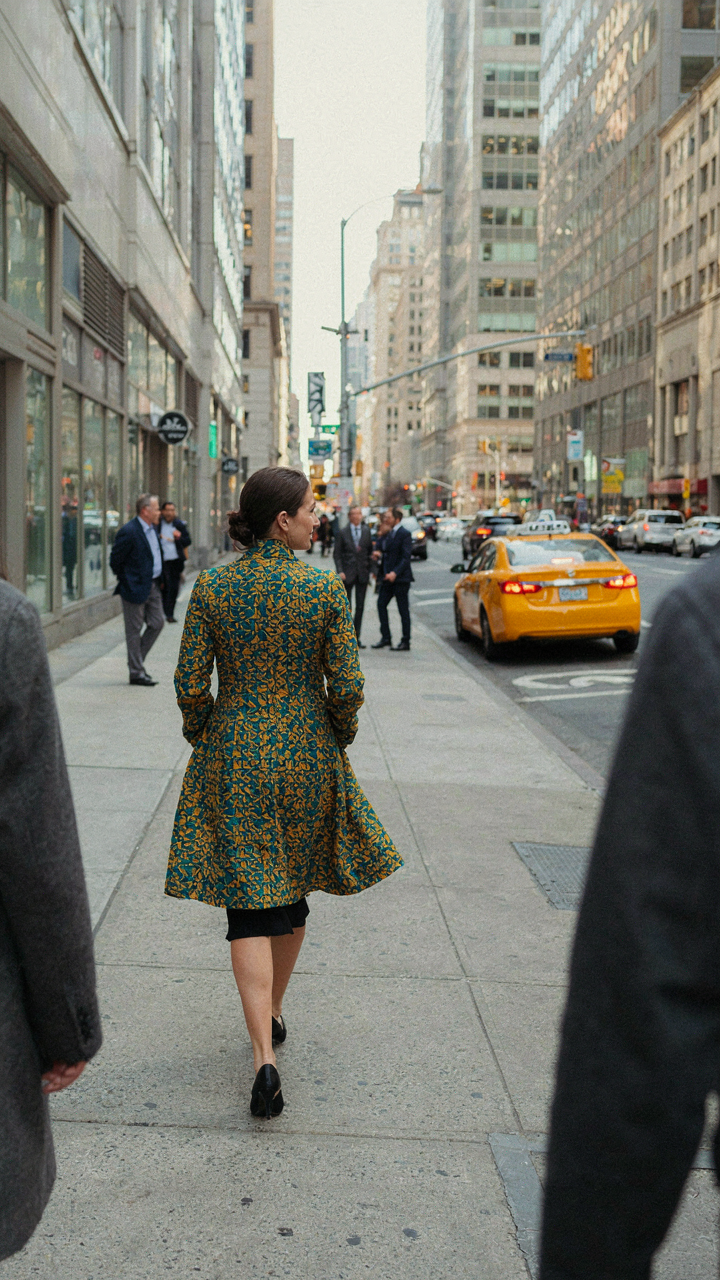
You’ve been trained to match. Coat matches dress matches shoes matches bag. The real move is breaking one rule on purpose. Wear the coat that feels slightly wrong. That’s where confidence lives. Open your closet today and pick the piece that makes you hesitate for two seconds. Wear it anyway. The people worth knowing don’t judge you for your choices; they judge you for having none.




