

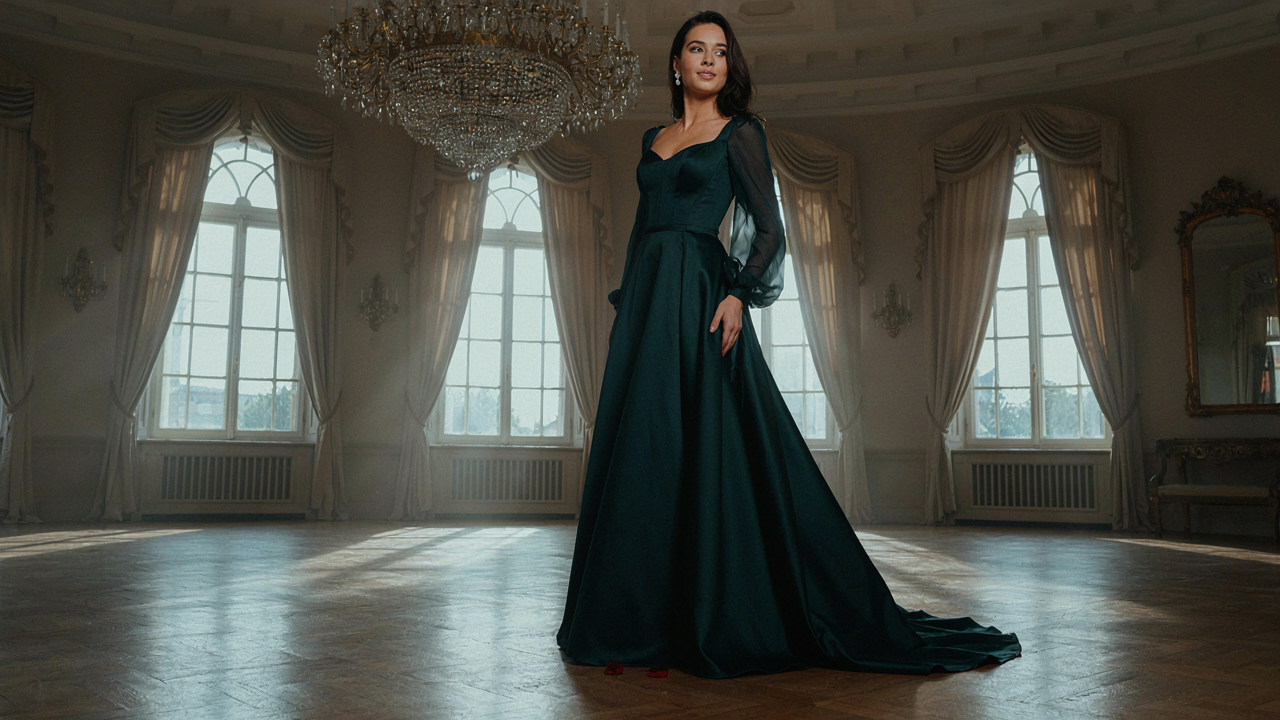
The Illusion Of Perfect Match: Why Necklines Are A Red Herring
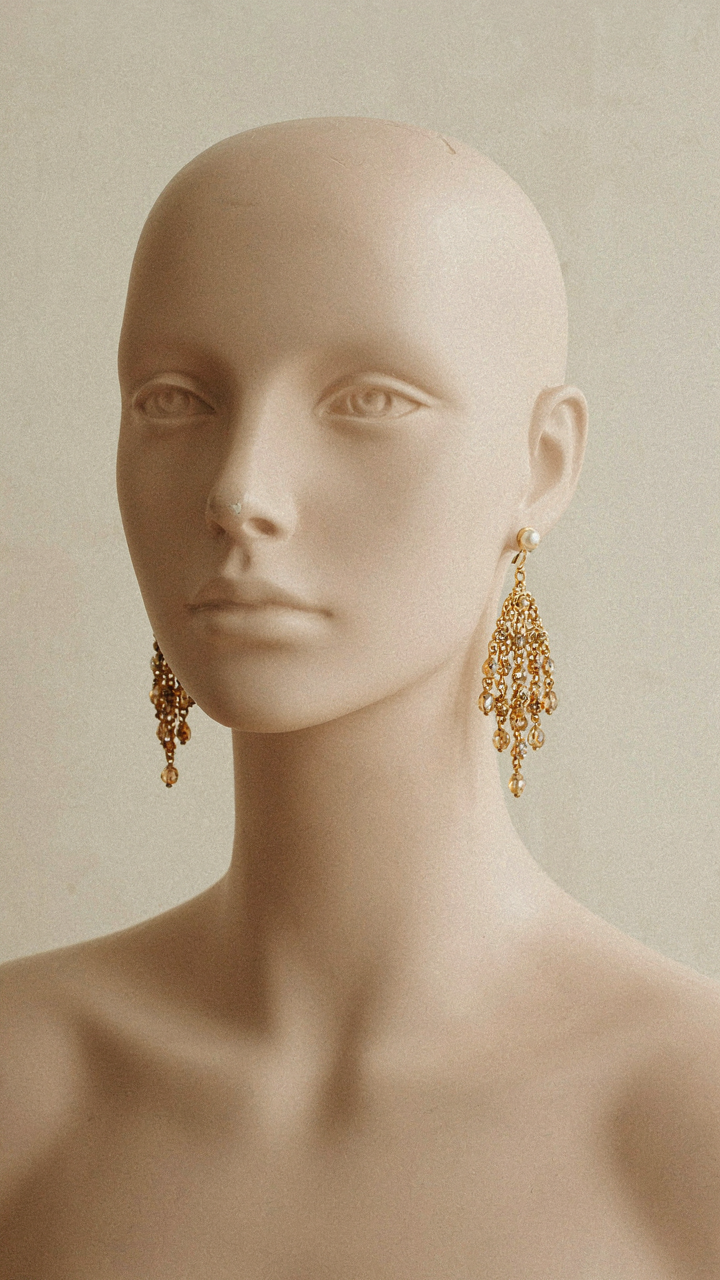
What Fashion Rules Actually Hide
You want a formula because formulas feel safe. They promise you won’t look wrong. But here’s what actually happens: neckline-earring pairing rules exist to sell you the idea that earrings are secondary to your dress. They’re not. Earrings function like contrast in visual design. They either amplify or diffuse facial attention. The neckline doesn’t control this. Your face does.
Fashion advice pretends necklines dictate earring size and style to create visual “balance.” This is lazy thinking dressed up as principle. A high neckline paired with chandelier earrings reads as intentional drama, not imbalance. A plunging neckline with studs reads as restraint, not inadequacy. The real variable isn’t the neckline. It’s whether you’re using your earrings to anchor attention or distribute it. The neckline is just fabric.
Breaking Down The Arbitrary Rules
Most formal earring guidance tells you this: high neckline equals dangling earrings, low neckline equals studs. This is incomplete. It assumes your frame, jaw structure, and coloring stay constant across all women, which they don’t. The rule exists because it’s easy to teach, not because it’s true.
What actually matters is neck exposure. If your neck is covered, your earrings compete less with the neckline itself, so scale matters less. If your neck is exposed, earrings sit in relationship to that open space. But this has nothing to do with “matching” and everything to do with spatial composition. Once you stop thinking about matching and start thinking about composition, you can break the rule deliberately instead of following it blindly. That’s when formal earring choices become tactical instead of generic.
The Silhouette Protocol: Governing Principles Of Visual Flow

How The Dress Silhouette Controls Everything Else
You want permission to wear statement earrings without looking like you’re trying too hard. What you actually need is a framework that removes the guessing. The dress silhouette is the primary driver of earring choice because it establishes the visual weight distribution of your entire outfit. The neckline, shoulder structure, and body of the dress create zones of visual attention. Earrings either compete with these zones or complement them. Most advice skips this step and jumps straight to “wear what matches your face shape,” which is incomplete and misses the structural logic that actually works.

The silhouette works like a visual hierarchy in graphic design. Your eye moves through the outfit in a specific order based on contrast and mass. A high neckline pulls attention upward and forward. A low neckline pulls it downward. Broad shoulders create horizontal weight. A fitted bodice creates vertical emphasis. Before selecting an earring, you must identify which zones already hold visual weight in the dress itself. This prevents the mistake of adding earrings that duplicate rather than balance the overall form.
Earrings As Extensions Of Form, Not Isolated Objects
Everyone talks about earrings as accessories that stand alone. That’s the error. Earrings function as a continuation of the neckline, shoulder line, and upper body composition. They extend the visual lines your dress establishes rather than adding a separate element to it. A sweetheart neckline with exposed collarbones creates a soft, inward-facing upper body line. Chandelier earrings that swing downward amplify that inward flow and create visual redundancy. Meanwhile, geometric studs add nothing and break the coherence of the form. The earring choice either reinforces the dress’s structural statement or it contradicts it.
The mechanism is this: identify whether your dress creates an open, closed, or directional upper body form. Open forms include square necklines, off-shoulder cuts, and wide collar structures. Closed forms include high turtlenecks, crew necks, and fitted collars. Directional forms include asymmetrical necklines, one-shoulder cuts, and plunging V-necks. Once you know the form type, select earrings that echo rather than fight that form’s visual direction. This is not about matching metals or being matchy-matchy. It’s about ensuring your earring choice serves the dress’s existing geometry instead of creating visual noise.
The “Bridal Bling” Fallacy: Beyond Dainty Gold Wedding Jewelry
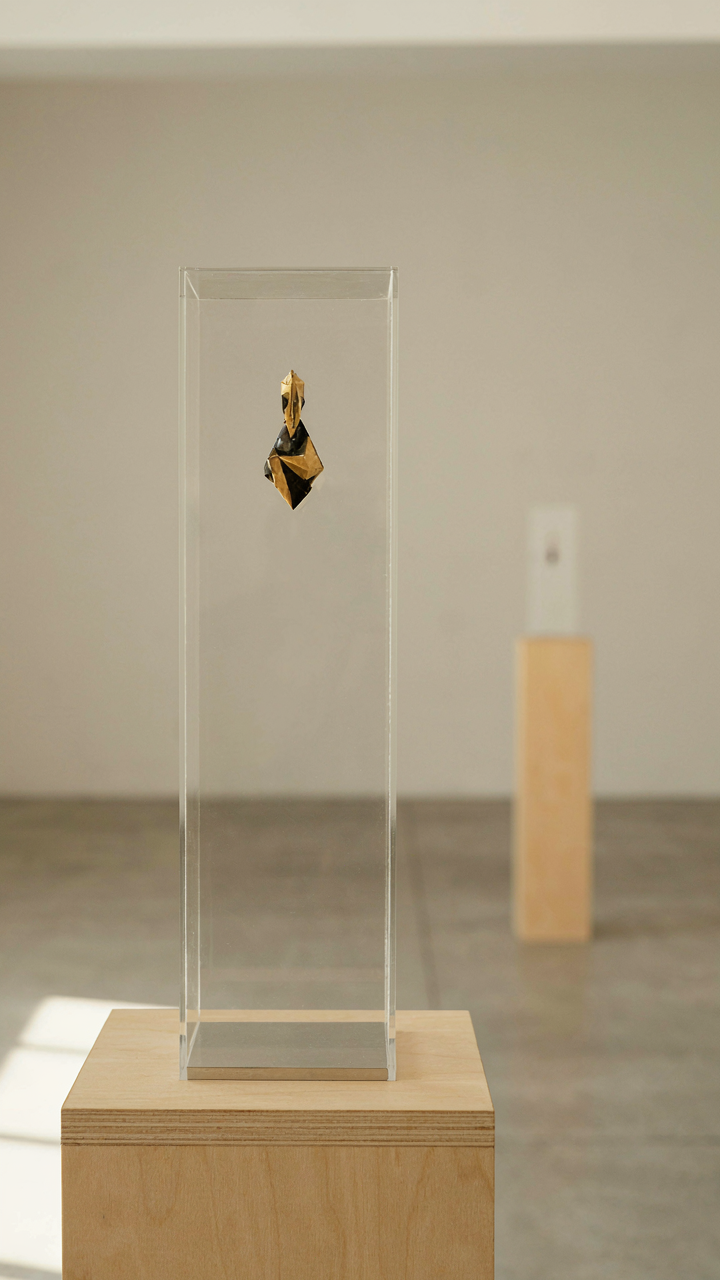
Challenging Wedding Earring Conventions
You’re afraid dressing formally means disappearing. The real mechanism: convention conflates “formal” with “invisible.” Bridal culture codified this into law. Small studs, barely-there pearls, nothing that might distract from the dress. But formal dress codes never required erasure. They required restraint. Those are not the same thing. Restraint means intentional. Erasure means absent.

The distinction matters because it changes what you can actually wear. A formal setting demands that your earrings operate with economy, not invisibility. A pearl stud and a structured statement earring both demand nothing from the viewer. One simply offers nothing. The other offers something specific. Formal dress rewards the second choice if you make it deliberately.
When Less Becomes Wasted Opportunity
This section applies economics thinking to earring strategy: opportunity cost is what you give up by choosing one option. Pick dainty earrings and you forfeit visual weight. Pick nothing and you forfeit presence. The real error isn’t choosing bold jewelry in formal settings. It’s choosing by default instead of by design.
Most formal earring advice skips this step. It says “keep it simple” without asking what simple accomplishes. A geometric drop earring, a structured chandelier in muted tones, or an angular bar can read as restrained and formal. They demand restraint in design, not in existence. The protocol: match earring structure to neckline exposure first, then scale materials to room formality, then execute one intentional focal point.
The Kinetic Energy Of Adornment: Applying Physics To Fine Jewelry

How Earrings Move With The Body
You’re reading this because you want to know if your earrings will betray nervousness through movement. Here’s the mechanism: physics defines momentum as mass times velocity. Earrings operate on the same principle—heavier pieces with longer drops accumulate more kinetic energy as you move, creating visible swing that broadcasts insecurity or intention depending on context.

Formal dress demands stillness, real or perceived. Drop earrings that swing visibly signal restlessness; they fight against the composed posture formal events require. Studs and close-hugging designs eliminate this problem because they move with your head, not against it. The weight matters. A two-carat diamond stud stays nearly motionless. A chandelier earring with multiple gemstone tiers swings on its own momentum even when you’re standing still, catching light and attention unpredictably. Choose based on how much movement your formal setting tolerates.
Where The Eye Actually Goes
The common advice is that earrings “frame the face.” Wrong. Earrings don’t frame—they vector attention along specific paths based on their shape, length, and contrast against your neckline. A vertical line earring pulls the eye down toward the collarbone and dress. A horizontal or clustered design holds attention at ear level. Against a strapless neckline, longer earrings create a visual line that extends the perceived length of the neck. Against a high neckline, they create competition for the eye’s focal point.
Long earrings against a bare collarbone create a visual axis that deepens perceived elegance. Your neckline is the stage; earrings are the sight line. A choker-height neckline already occupies the lower neck zone, so pendant earrings become redundant—they fight for the same visual real estate. Match your earring geometry to the empty space your neckline creates. If the neckline is open and minimal, use that void. If the neckline is already complex, keep earrings geometric and close to the ear.
The Unseen Architecture: Strategic Placement Of Long Statement Earrings

Where Your Eye Actually Goes
You care about this because long earrings make you visible, and visibility feels like control. Here’s what actually happens: earring length functions like a vector in compositional design. It creates a sightline. When you wear chandelier or drop earrings to a formal event, you’re not adding decoration—you’re establishing a visual pathway that either anchors attention or scatters it depending on what’s already occupying the space around your face and neckline.

The mechanism is simple. A long earring extends the vertical axis of your head and shoulders. This extension either completes an existing visual line (created by your neckline, hair, or posture) or it disrupts one. An asymmetrical neckline already pulling the eye downward and to one side gets worse when paired with long earrings on that same side. A high, centered neckline like a mock neck or choker creates stable visual real estate where length can work without competing. The earring’s job is to reinforce hierarchy, not fight it.
The Negative Space Discipline
Everyone says balance your earrings with your neckline. That’s lazy direction. What matters is blank space—the uninterrupted area where the viewer’s eye can actually rest. Negative space isn’t wasted real estate. It’s the reason certain combinations land and others create visual chaos.
A plunging V neckline already consumes the center of your chest and face. Adding long statement earrings compounds the problem because both elements demand attention vertically. Your viewer gets caught in a loop. Insert long earrings with a high, fitted neckline instead. The fitted collar creates a visual stopping point. Your earring then extends cleanly downward without competing for attention. The protocol: high neckline equals long earrings, open neckline equals short or close-to-face earrings. Anything else is fighting physics.
The Material Deception: Why Pearl Earrings Bridal Aren’t Always “Classic”
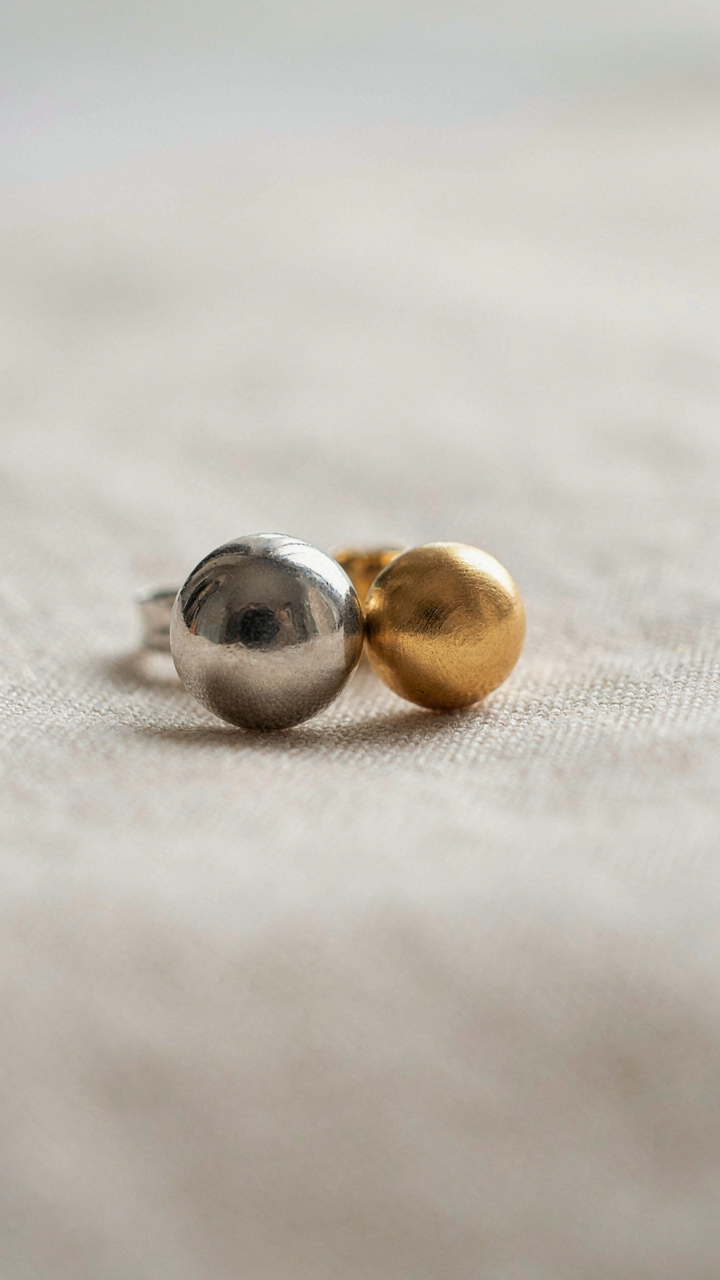
What Actually Signals Formality
You’re worried pearls will look cheap if they’re not real, or that picking the wrong material will signal you don’t belong. Here’s the mechanism: formality isn’t encoded in the material itself. It’s encoded in surface finish and light behavior. A polished metal catches light in controlled, predictable ways. A matte or textured surface absorbs it. Formal dress contexts demand high visual control, which is why reflective surfaces read as formal across nearly every culture and era. The material is secondary.

The common advice says “pearls equal formal.” That’s incomplete. Pearls work because their nacre creates soft, controlled luminescence. But so do polished diamonds, sapphires, and high-grade silver. A brushed gold earring reads less formal than a polished one, regardless of metal purity. The surface finish does the work. Choose based on how light bounces off the piece, not on whether it’s organic or synthetic.
The Status Trap Hiding In Your Choice
Psychology uses the term “signal value” to describe how objects communicate rank without words. Your formal earring is a signal. Pearl earrings acquired the bridal label because wealthy families used them as heirlooms and engagement gifts during specific periods. That historical association created false equivalence: pearls became synonymous with formality itself. Now people buy them reflexively, assuming the material carries meaning it doesn’t actually possess.
The real signal isn’t the material. It’s investment and intentionality. A pair of understated diamond studs signals the same thing as a pair of high-quality pearl studs: you made a deliberate choice for this occasion. Either works if the piece is well-constructed and the finish is polished. The mistake is buying pearls because you think the material itself guarantees formality, when what actually matters is whether the earring looks maintained and purposeful in its design.
The Accessory Inspiration Matrix: Decoding Your True Aesthetic Intent

Why You Actually Care About Matching Earrings To Necklines
You’re worried you’ll look like you don’t know the rules. That’s the real mechanism here. Formal dress operates on constraint, and earrings sit in the visual line between your face and the neckline itself. Borrowing from information theory, your earring choice carries bandwidth. The more cluttered your visual field, the less detail reads. A high halter neckline competes with dangling earrings for attention. A clean crew neck gives you room to work. The constraint isn’t about taste. It’s about signal clarity.

Most people reverse-engineer this backwards. They pick an earring they like, then wonder why it looks off. The real process works the other way. Your neckline shape determines what visual weight your earring can handle without creating noise. A low V-neck broadcasts horizontal openness. Drop earrings add vertical extension. Stud earrings disappear. The neckline essentially votes on what it can accommodate without competing. Your job is to read that constraint, not override it.
Personal Style As A System, Not A Collection
Generic advice says find your aesthetic and stick with it. That’s incomplete. Your aesthetic exists only in relation to the variables in play. Neckline, skin tone, face shape, and event formality are systems that change. A system approach means testing one variable at a time against your formal dress context. This is how you build actual knowledge instead of collecting random earrings that look good on Instagram.
Start by defining what formal means for you. Black tie differs from business formal differs from cocktail. Each has different neckline conventions. Your first earring choice should match the most common neckline you actually wear in formal settings. Once you own that combination, you can branch into variations. Document what works by photographing yourself in the full outfit under actual lighting. The data matters more than your instinct. Your visual memory lies. Pictures don’t.
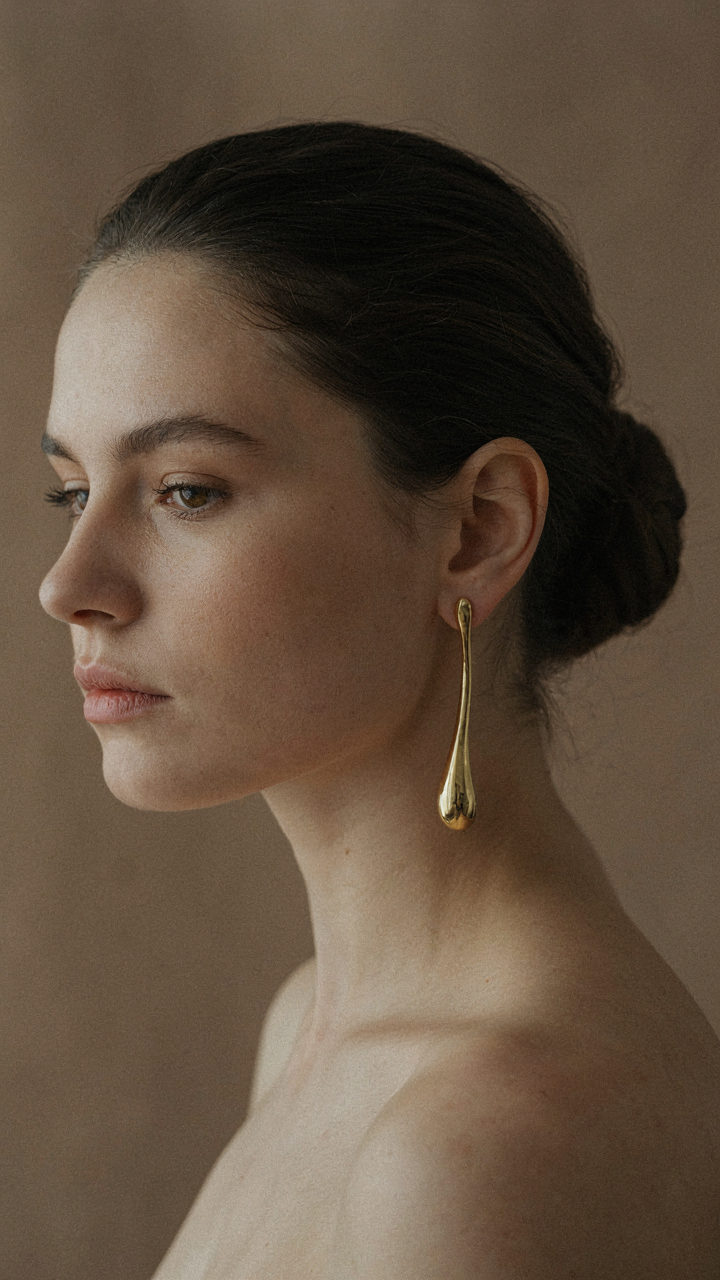
The One Earring Heresy: Embracing Asymmetry In Fine Jewelry Single Linear Earring For Wedding
Why Symmetry Isn’t Actually Elegant
You’re worried that wearing one earring will make you look incomplete or careless. That’s the real concern hiding under “what’s appropriate for formal dress.” Here’s the mechanism: symmetry reads as safe because it requires no decision-making. Asymmetry signals intentionality. When you wear a single statement earring for formal events, you’re not breaking a rule—you’re proving you understand the rule well enough to break it strategically. The bride who wears one dramatic linear drop on her left side isn’t underdressed. She’s made a choice.

Formal dress operates on a different logic than business casual. Formality isn’t about matching pairs or completing sets. It’s about presence and intention. A single pearl or diamond earring draws the eye to your face and collarbone—it creates a focal point instead of splitting attention between two sides. This works especially well with high necklines where paired earrings get visually buried. The asymmetrical approach has roots in modern jewelry design, not historical accident. Designers like Cartier and Van Cleef pushed away from identical pairs decades ago when they understood that imbalance creates visual weight.
The Mechanism Of Deliberate Imbalance
Asymmetry in design pulls from gestalt principles—the psychology of how we perceive visual elements. When you place a single earring on one side, your eye doesn’t search for its pair. Instead it anchors on that point and interprets the absence as intentional negative space. This is different from looking unfinished. One earring says you controlled the composition. Two says you followed instructions.
The power move: pair your single linear earring with a hairstyle that exposes the bare ear on the opposite side. This kills any ambiguity. You’re not hiding an incomplete look. You’re displaying deliberate asymmetry. For formal events, this works best with drop earrings, chandelier styles, or single geometric pieces in gold or platinum. When the earring itself is substantial enough—think a 3 to 5 centimeter drop—it commands enough visual presence that its singularity becomes a design statement rather than an oversight. Wear the single earring on the side that faces your date or primary camera angle.
The “Feminine Jewelry” Conundrum: Escaping Gendered Traps

What Femininity Actually Means In Formal Dress
You’re worried people will judge you for the “wrong” choice, so you’re looking for permission to wear what you actually want. Here’s the real mechanism: femininity in formal dress isn’t a fixed aesthetic—it’s a read of intentionality. When you wear earrings that match your neckline’s architecture rather than follow a rulebook, observers register competence and choice, not compliance. The rule “delicate equals feminine” exists because marketing departments weaponized fragility decades ago. Drop it.

Formal dress codes evolved to signal authority, not to limit expression. Pearls became coded as feminine not because of their inherent properties but because rigid social structures assigned them that meaning. A structured chandelier earring reads differently depending on context: aggressive in a boardroom, powerful at a gala. The difference isn’t the earring. It’s your understanding of what the space demands and your willingness to meet it on your terms, not on someone else’s comfort.
Earrings That Signal Intent, Not Apology
Power dynamics matter in jewelry selection, much like in game theory where visible commitment signals credibility. Your earring choice signals whether you’re playing defense or offense. Studs read as conservative, which works when you want to fade into formality. Drops and statement pieces read as deliberate, which works when you control the room already. The mistake most people make is thinking larger equals louder. A perfectly proportioned chandelier earring matched to a low neckline reads as restraint, not excess. You’re using scale as syntax.
When formal events demand presence, your earring strategy should match your actual role. If you’re there to be noticed, choose pieces with movement or architectural complexity. If you’re there to command attention through expertise, choose pieces that frame your face without competing with your expression. The mechanism is simple: subordinate your jewelry to your objective, not to tradition. Select earrings that make your neckline and collarbone a unified visual statement, then stop second-guessing the choice.
The Anti Recommendation Engine: What NOT To Wear
The Mistakes Everyone Makes
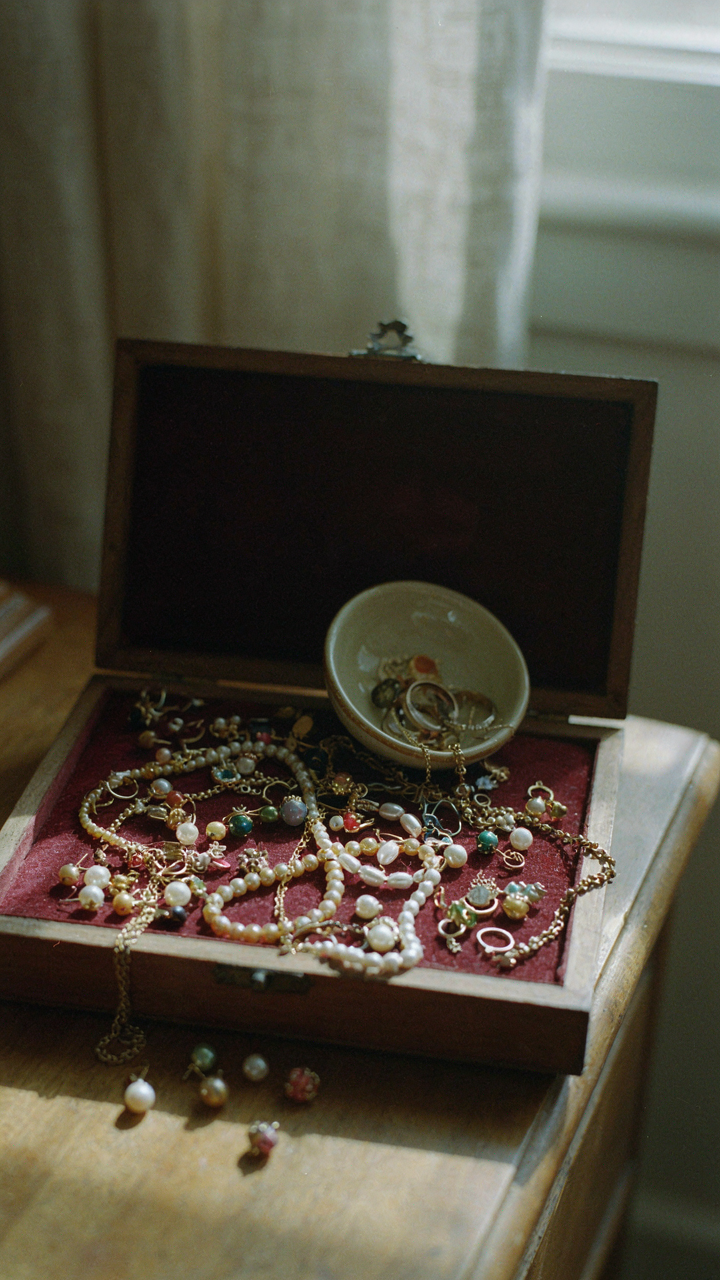
You want this section because you’re afraid of looking foolish in front of people whose respect you haven’t earned yet. That fear drives you toward the safe choice, which is exactly what kills formal earrings. The mechanism is simple: conventional wisdom tells you to play small, so you default to what you’ve seen a thousand times. Small studs. Pearls. Nothing that stands out. The advice works if your goal is invisibility.
Here are the moves that undermine formal presence:
- Chandelier earrings with high necklines: Creates visual clutter at the focal point. Your neckline and earring compete for attention instead of working as one unit.
- Pearls with modern cuts or asymmetrical necklines: Pearls anchor to tradition. Pairing them with contemporary silhouettes creates cognitive dissonance, not sophistication.
- Oversized statement pieces with plunging necklines: Both demand the room’s eye simultaneously. You dilute impact by forcing the viewer to choose between them.
- Mismatched metal tones without intention: Gold, silver, and rose gold in one outfit reads as indecision, not eclecticism. Formal dress requires decisive material choices.
- Dangling earrings with turtlenecks or mock necks: The neckline already commands vertical space. Dangles competing against it create visual noise instead of elegance.
The real cost isn’t looking bad. It’s looking undecided. Your earrings become a tell that you didn’t think through the relationship between neckline, ear placement, and overall silhouette. Formal dress demands that every element confirms a single visual strategy.
Why Consensus Kills Your Presence
Most advice on formal earrings skips the actual problem. It tells you what to wear instead of showing you why most people choose wrong. The gap between “safe” and “effective” is where status signals live. When you follow consensus, you disappear into it.
Formal dress fails when any single element demands more energy from the viewer than the total composition offers. Your earrings don’t exist in isolation. They exist in relationship to your neckline, the angle of your jaw, the light in the room, and the occasion’s unspoken dress code. The mistake isn’t choosing “too much.” It’s choosing without understanding how your choice impacts that relationship. Aesthetic mediocrity comes from stacking safe choices. Strategic presence comes from stacking intentional ones. Before you select earrings, identify which neckline you’re wearing, where that neckline falls, what focal points it creates, and what role your ears should play in the overall line. Then work backward to the earring. This reversal separates people who understand formal dress from people who follow it.
The Only Real Accessory You Lack Is A Clear Understanding Of Your Own Aesthetic Intent

Most people treat earring selection like a checklist instead of a statement. They pick what “matches” instead of what declares who they are. Your neckline doesn’t choose your earrings. Your intention does. The real move is this: stop asking what goes with your dress and start asking what you want people to remember about you when you leave the room. Pick one pair today that makes you uncomfortable in the best way. That discomfort is clarity disguised as doubt.



