

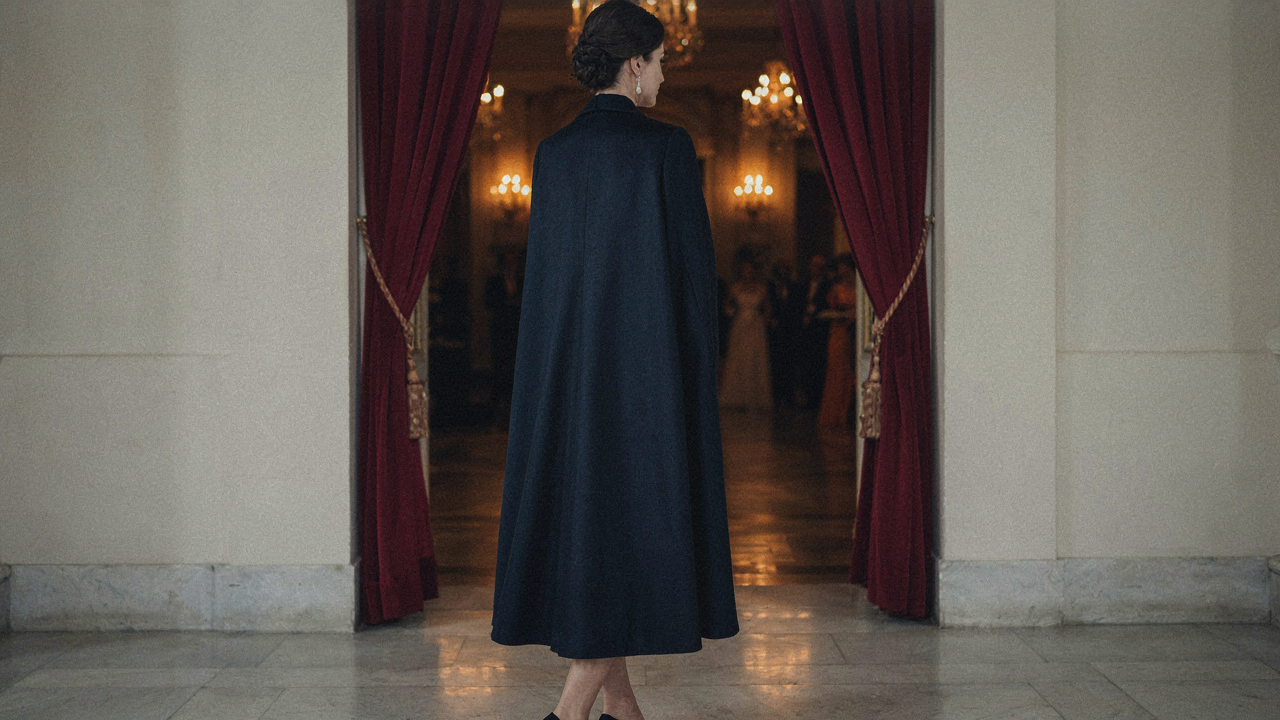
The Cape Silhouette: Beyond Basic Cover Ups
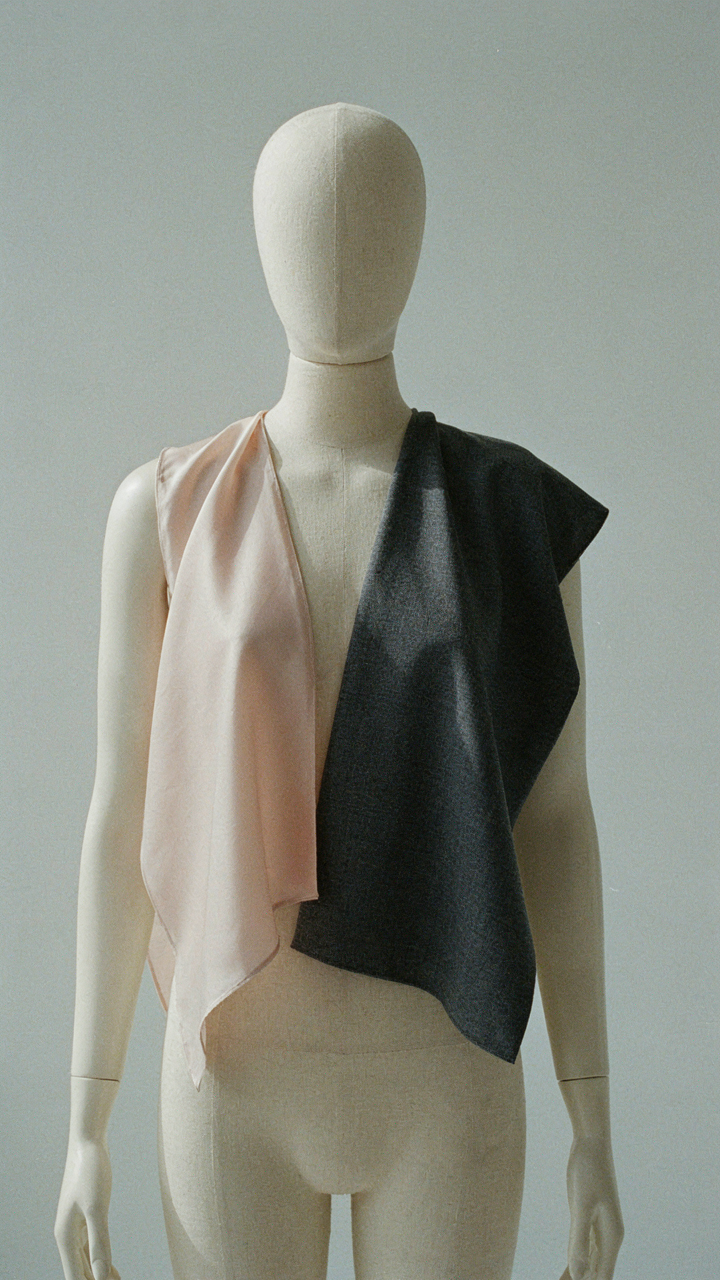
Volume And Drape As Visual Strategy
You want the cape to signal authority without looking like you’re hiding. The real mechanism is weight distribution. A cape that pools fabric at the shoulders creates visual mass where power dressing concentrates it, while a cape that tapers toward the hem disappears into the background. Most advice treats capes as interchangeable overlays. They’re not. The volume you choose either anchors your presence or undermines it.
Fabric weight determines everything. A silk charmeuse cape with minimal structure will cling and flatten. A structured wool crepe or a cape lined with internal stays creates architectural volume that reads as intentional. The drape happens in the back panel primarily, not the shoulders. If the back panel has enough length and the right weight, it creates a visual column that extends your silhouette downward and commands space.
Architectural Lines And Shape Control
In structural engineering, load-bearing depends on how weight distributes along a frame. The evening cape works the same way. The seams, the neckline attachment point, and the hem angle all control where visual weight lands and how your body reads to someone across the room.
Most capes fail because designers treat them like fabric draped over shoulders. Strategic capes position the attachment point slightly forward of the actual shoulder seam, which shifts the visual weight toward your chest and elongates the line through your torso. The side seams matter more than the back seam. If they angle inward as they drop, they narrow your silhouette. If they angle outward, they add volume. The hem matters most of all. A hem that hits at mid-calf creates proportion that works across different body types. A hem that sweeps the floor reads theatrical rather than formal.
Long Capes For Women: Maximizing Your Visual Footprint
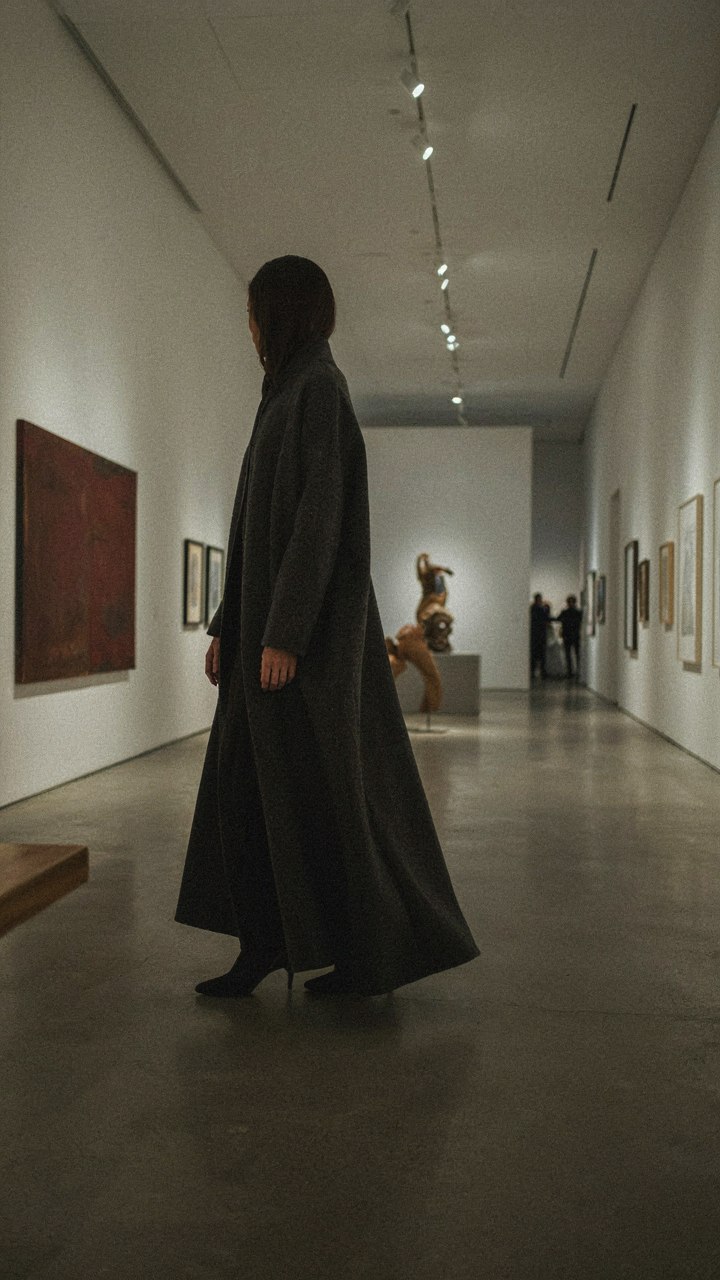
Floor Length Drama Versus Midi Elegance
You want the cape to do the work of making you memorable, not just fill space at a party. This is a problem of visual hierarchy: in architecture, the eye reads vertical lines as power because they demand more spatial real estate. Floor-length capes command the room by extending your silhouette downward, forcing observers to process more of you. Midi capes (hitting at the knee or mid-calf) preserve mobility and read as intentional restraint rather than costume.

Floor-length wins when the venue is static: seated dinners, gallery openings, award ceremonies. Midi works when you’ll move between spaces or want the cape to function as an accent rather than the statement. The choice isn’t about preference. It’s about whether you want to own the room or move through it with precision.
Weight And Movement In Fabric Selection
The physics of drape determines whether a cape flatters or founders. Heavier fabrics like wool blend, silk charmeuse, and structured satin hold their shape and move as one unit with your body. Lightweight fabrics like chiffon and crepe disperse movement, creating flutter that reads as nervous energy rather than control. This matters because observers unconsciously read fabric behavior as confidence or uncertainty.
Most advice says “choose what feels good.” That’s incomplete. Test drape by walking in the cape indoors before wearing it out. Observe how the fabric responds to your pace, how it settles when you stop, whether it clings to your legs or maintains distance. Poor fabric weight will betray hesitation through constant adjustment. The right weight moves when you move and stills when you do.
The Statement Of Intent Cape Style Protocol
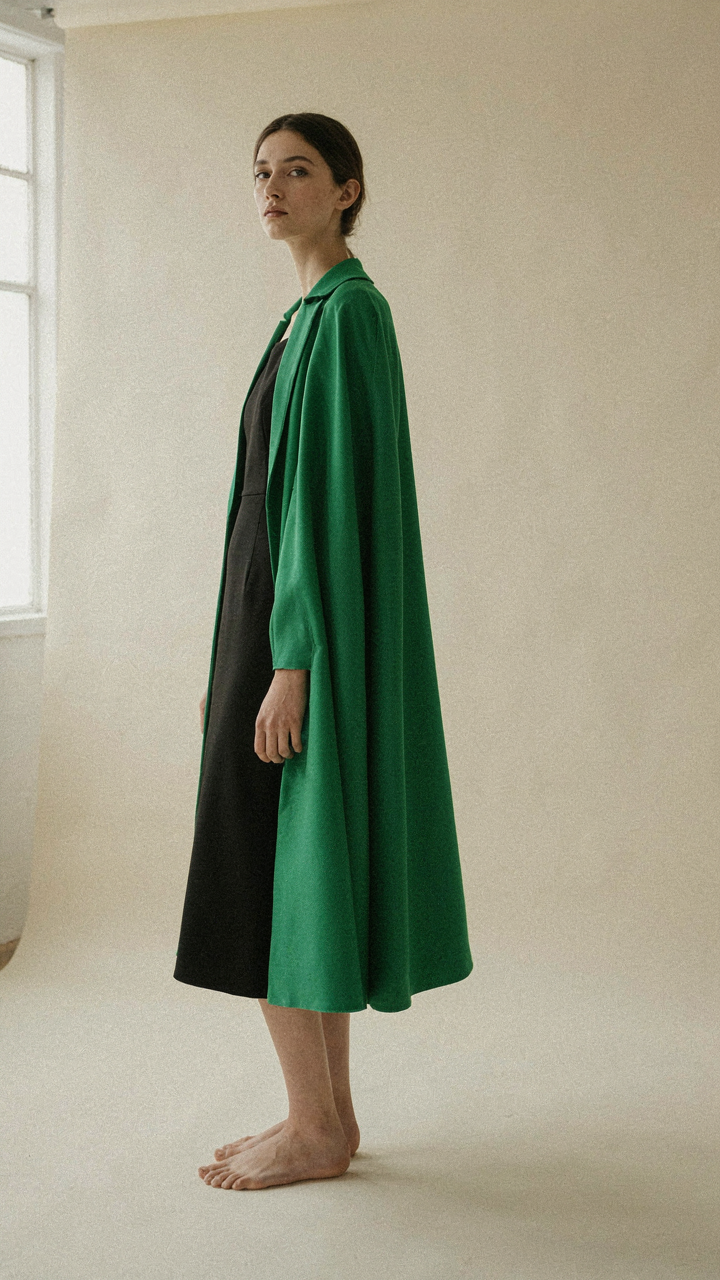
How To Command A Room Before You Speak
You want the cape to do the work you’re afraid to do yourself. Here’s the mechanism: authority operates on visual contrast. Everyone else at the event wears a dress or gown that stops at the body. Your cape extends the silhouette vertically and horizontally, occupying more space. That’s not decoration. That’s a territory claim.

The cut matters more than the fabric. A cape that drapes from the shoulders without a fitted bodice reads as costume. A cape anchored to a structured garment reads as intentional. The seam where cape meets dress determines whether you look like you’re wearing a statement or wearing a costume. Tailoring that connection is non-negotiable.
Why Color Does Half The Work For You
Military strategy calls this “force projection.” Your cape’s color projects force before your presence registers. Red commands attention and reads as confidence or anger depending on context. Black reads as control. Navy reads as authority without aggression. Jewel tones like emerald or sapphire read as wealth and deliberation.
Common advice says to match your cape to your dress. That’s incomplete. The real move is contrast that doesn’t clash. A navy cape over a charcoal dress disappears. A navy cape over champagne creates definition. The color should create a visual boundary between you and the background, making your silhouette unmissable. Test this: stand against the room’s wall color before the event and verify the cape reads as separate.
Satin Maxi: The Unfair Advantage Of Understated Sheen
Texture Play Against Solid Foundations
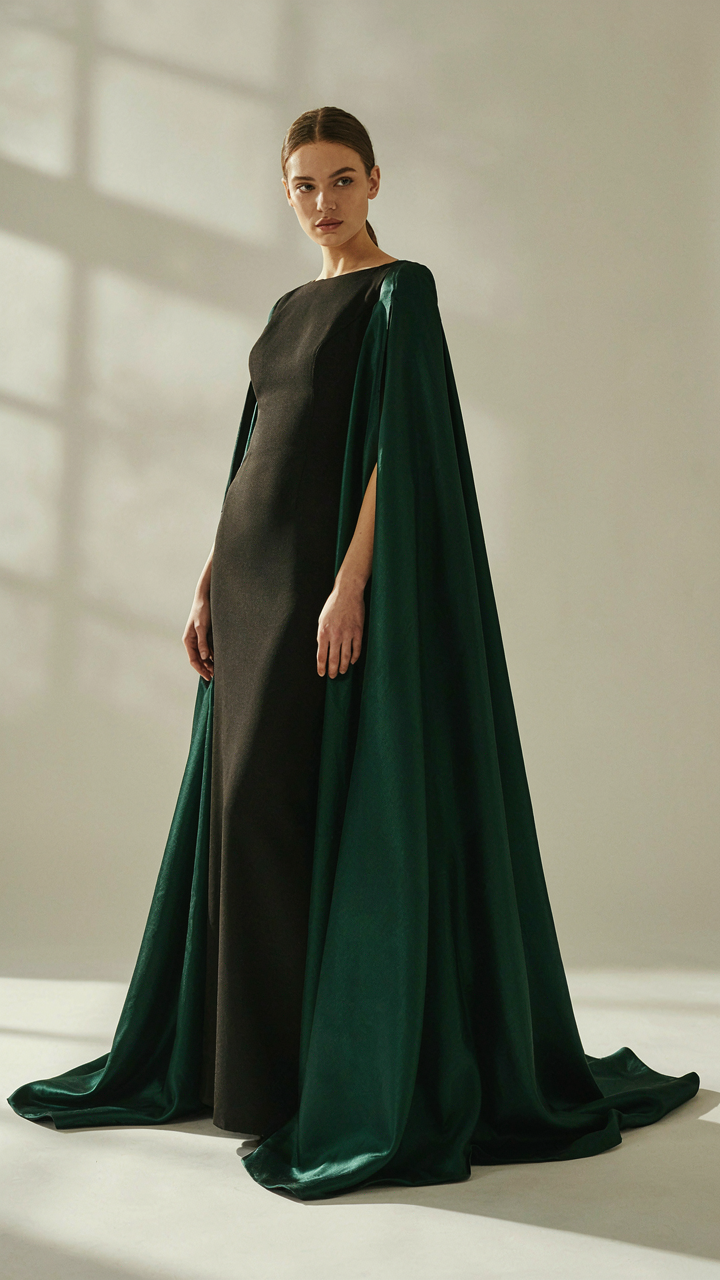
You want permission to stand out without looking like you’re trying. That’s the real ask. Satin solves this because it breaks the visual monotony that kills formal wear—most women default to one texture, one finish, one flat plane. Pair satin with matte crepe, structured wool, or raw silk. The contrast isn’t decoration. It’s contrast ratio. Your eye reads difference as intentionality, and intentionality reads as authority in a room full of people wearing the same formula.

The mechanism is simple: satin reflects light, other fabrics absorb it. When you place them adjacent on the same garment, you create visual separation without adding bulk or pattern. A satin cape over a matte gown doesn’t compete with itself—it clarifies. The cape becomes the statement because the base stays silent. This is why the generic advice to “mix textures” fails most women. They layer similar sheen levels and wonder why nothing lands. The distance between the textures is what works, not the pairing itself.
How Light Becomes Your Positioning Tool
Fabric physics matter here, so track this: satin’s weave structure creates specular reflection—light bounces predictably in one direction instead of scattering. Your cape moves through space differently than other fabrics. It catches light as you walk. It releases it. The formal event is a lit environment, usually designed to make people visible. Satin maxi capes exploit that lighting. You’re not brighter. You’re read as intentional because the fabric responds to the room’s infrastructure.
The second mechanism is movement velocity. Heavier satin (16-20 momme weight) moves slower than lightweight chiffon or silk. Slow movement reads as control. Fast, fluttering fabric reads as costume or nervous energy. A satin maxi cape that grazes the floor maintains tension with each step—it doesn’t flutter, doesn’t disappear. When you sit, it pools. When you stand, it resets. That consistency is what separates evening wear from party wear. The protocol: choose satin weight between 16 and 20 momme, and ensure the cape hits no higher than one inch from the floor.
Fashion Hacks Clothes: Integrating Cape As System
Cape As Layering Architecture
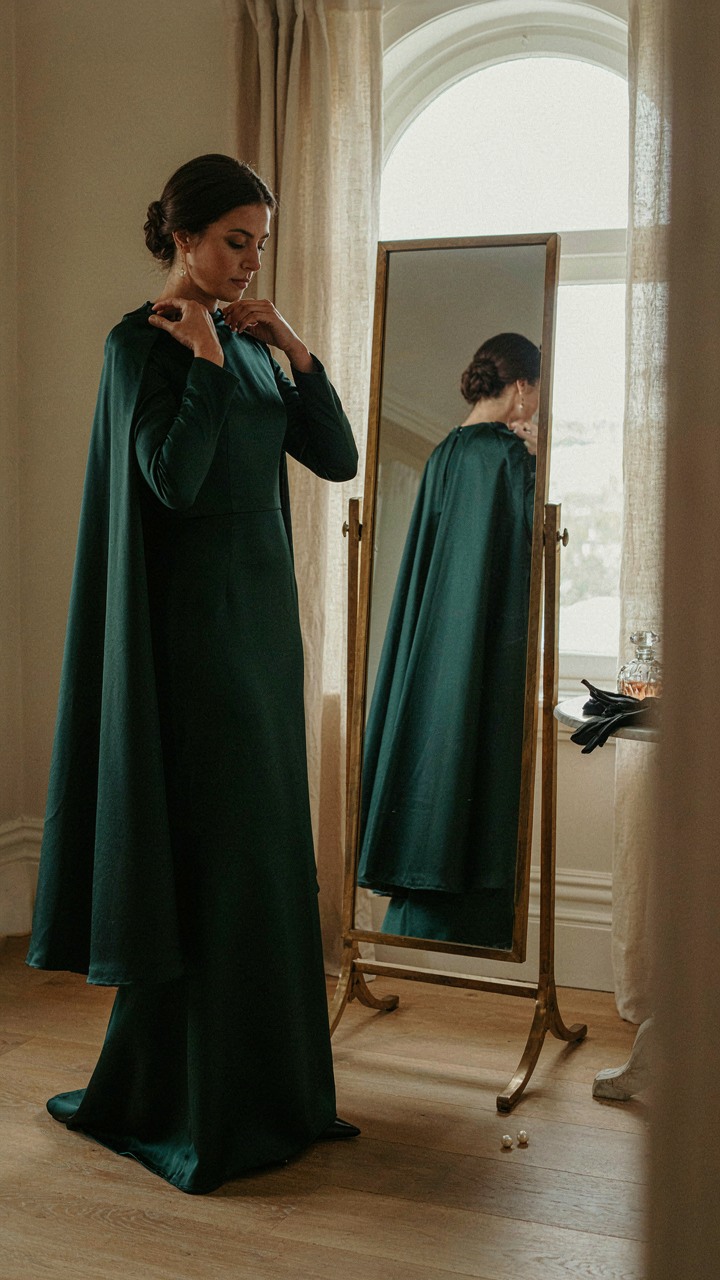
You want the cape to do work you’re not admitting: make you look taller, wider, more authoritative without saying so. The mechanism is proportion distortion through silhouette expansion. A cape doesn’t drape passively over your outfit like a blanket. It restructures the visual footprint of your body by extending lines downward and outward, which changes how the eye reads your actual dimensions underneath.

Think of the cape as a top-layer contract negotiation. Your base dress occupies one spatial volume. The cape adds volume and line weight without adding physical bulk to your torso or limbs. This is why a structured evening cape paired with a fitted gown reads “command” instead of “costume.” The cape’s weight distribution forces your posture straighter, which changes how your shoulders sit, which changes how your neck and face photograph. Stack these shifts and the entire outfit recalibrates.
Feedback Loops In Outfit Composition
Cybernetics teaches us that output becomes input in any system. Apply that directly: the cape’s drape affects how you move, which affects posture, which affects how the cape drapes next. This is a closed feedback loop most women never identify. You put on the cape and something shifts. That shift isn’t accident. It’s mechanical.
The real protocol works like this. Try the cape on, move three steps forward, stop, and observe where the fabric settles on your body in the mirror. Not how it looks. Where it actually rests. That position tells you something true about your frame and the cape’s weight distribution. Adjust your posture slightly, move again, and watch the cape respond. The garment is giving you data about optimal positioning. Most women skip this step and just wear it. That’s why they look uncomfortable. The cape knows what works. You have to listen to it by testing the loop.
Dress Sewing Patterns: Customizing Your Power Drape
Altering Patterns For Unique Cape Lines
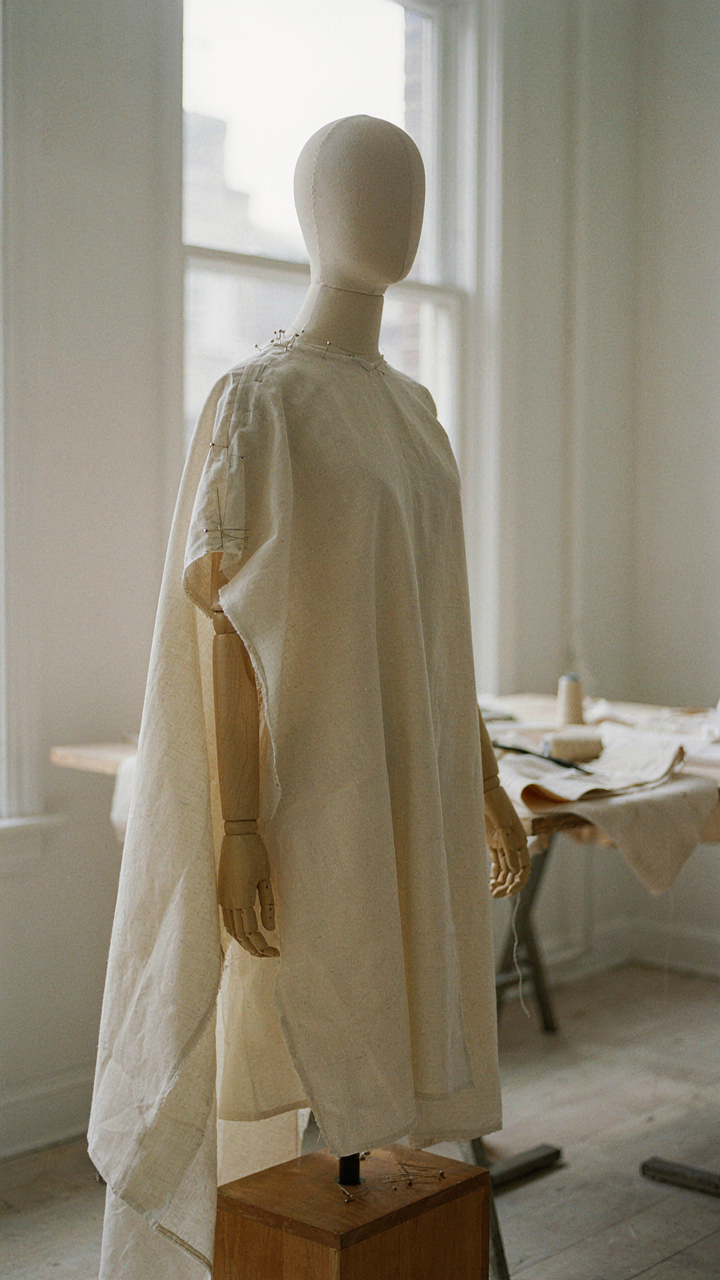
You want the cape to read as intentional rather than rented, which means you need to control how it moves off your shoulders. Most pattern instructions treat the cape as a static attachment, which misses the mechanism entirely: a cape’s authority comes from its relationship to gravity, not decoration. The neckline depth, armhole position, and back seam placement determine whether fabric falls like a statement or drapes like an afterthought.

Start by studying how the pattern’s shoulder seam sits relative to your actual shoulder point. A cape that begins too far forward reads costume. Move it back a quarter inch and suddenly it has weight and intention. The back neck circumference controls whether the cape hugs your spine or billows, so reducing it by two to three inches prevents fabric from bunching at the neck while maintaining volume at the hem. Test alterations on muslin before cutting into your final fabric.
Fabric Selection Beyond The Obvious
Conventional advice says “choose something draping,” which tells you nothing about why certain fabrics fail at formal events. Think in terms of mass and resistance like a structural engineer would: a cape needs enough weight to hold its form without becoming stiff or immobile. Lightweight silks move too much and read as nervous. Heavy wools read as costume unless properly cut. The sweet spot exists in fabrics with specific fiber density and weave structure.
- Silk faille: Medium weight with a subtle horizontal rib that prevents excessive movement while maintaining vertical fall, ideal for sharp geometric cape lines.
- Crepe back satin: Textured underside grips your dress while the satin face catches light deliberately, holding shape without rigidity.
- Wool crepe: Denser than silk options, absorbs movement, and reads formal without theatrical weight when cut on the bias.
- Linen blends: Unexpected choice that avoids predictability, holds structured lines, and performs well under stage or bright event lighting.
- Double-faced duchess satin: High-end option with body on both sides, prevents transparency issues, and maintains cape geometry through evening.
Always feel the fabric’s resistance when draped vertically before purchasing yardage. Hold it at neck height and watch how it settles. If it clings to your body or flutters erratically, find another option. The cape succeeds when fabric weight and pattern engineering work together, so test your chosen fabric against your specific pattern alterations on a sample piece before committing to construction.
Clothing Hacks: Making Your Cape Work For You
Keeping Your Cape In Place Without Looking Awkward
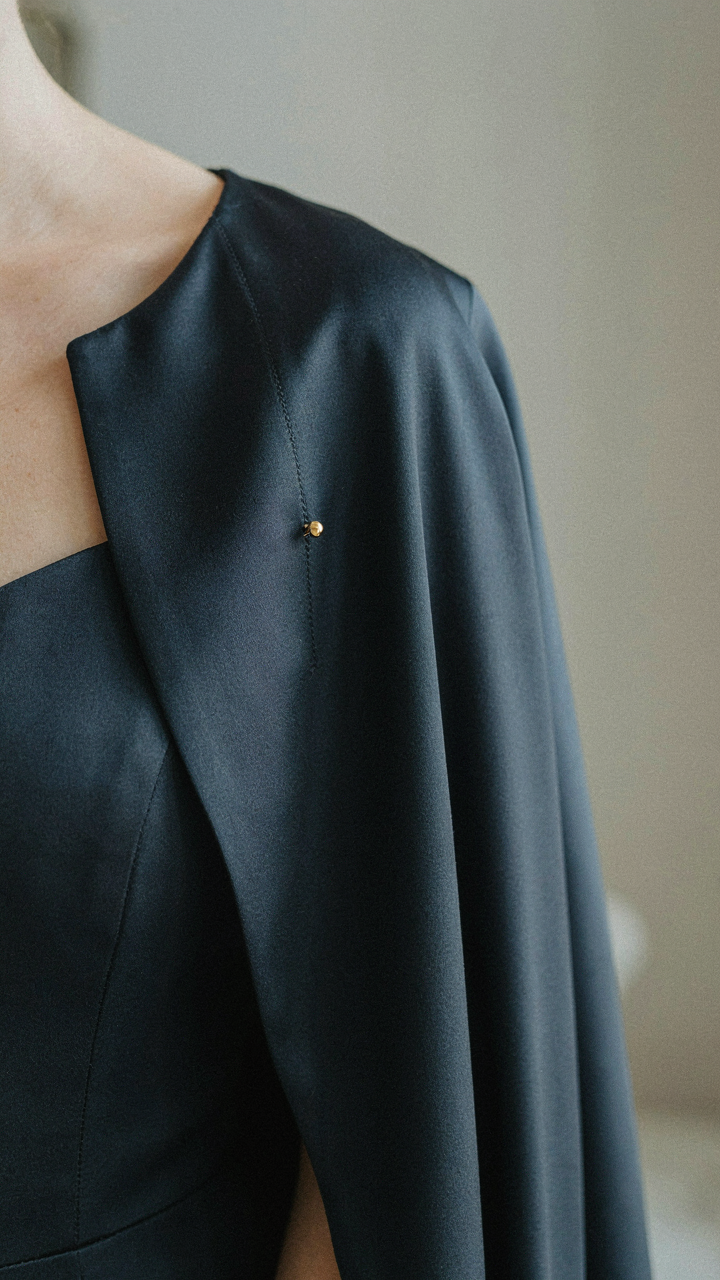
You’re worried the cape will slip, bunch, or require constant adjustment during the event. That’s the real fear underneath this question. The mechanism is simple: a cape needs anchor points, not just drape. Most formal capes use interior hooks or snap closures at the shoulders because that’s where weight naturally pulls. A properly secured cape sits still. You don’t think about it. It doesn’t telegraph insecurity through fidgeting.

The standard approach is a hook-and-eye closure at each shoulder seam, positioned where the cape attaches to your dress or gown. This keeps tension even and prevents lateral drift. For sleeveless gowns, the hook sits just inside the armhole seam. For sleeved dresses, placement moves slightly forward to anchor without creating a visible bulge under fabric. Test the mechanism before the event by wearing the complete outfit and moving your arms through a full range of motion. If the cape shifts more than an inch in any direction, the anchor points need adjustment.
Where Armholes Live In The Design
This is where borrowed thinking from engineering helps: load distribution. An armhole is where stress concentrates. A cape that battles your arm’s natural movement will either strangle your shoulder or slide off completely. The real problem most women face isn’t the cape itself. It’s that the armhole and cape attachment were designed separately without considering how you actually move.
A functional evening cape either has a cutout armhole that lets your arm move freely without disturbing the fabric, or it uses a flowing construction that drapes behind your shoulders and provides zero resistance when you lift your arms. Don’t settle for in-between designs that create drag. The cape should either work with your body’s mechanics or stay out of the way entirely. Before purchasing or tailoring, raise both arms overhead and assess how the cape responds. It should maintain its line without bunching at the neck or pulling at the attachment points.
Cape Styles: Beyond The Red Carpet Clone
Where Historical Influence Actually Comes From
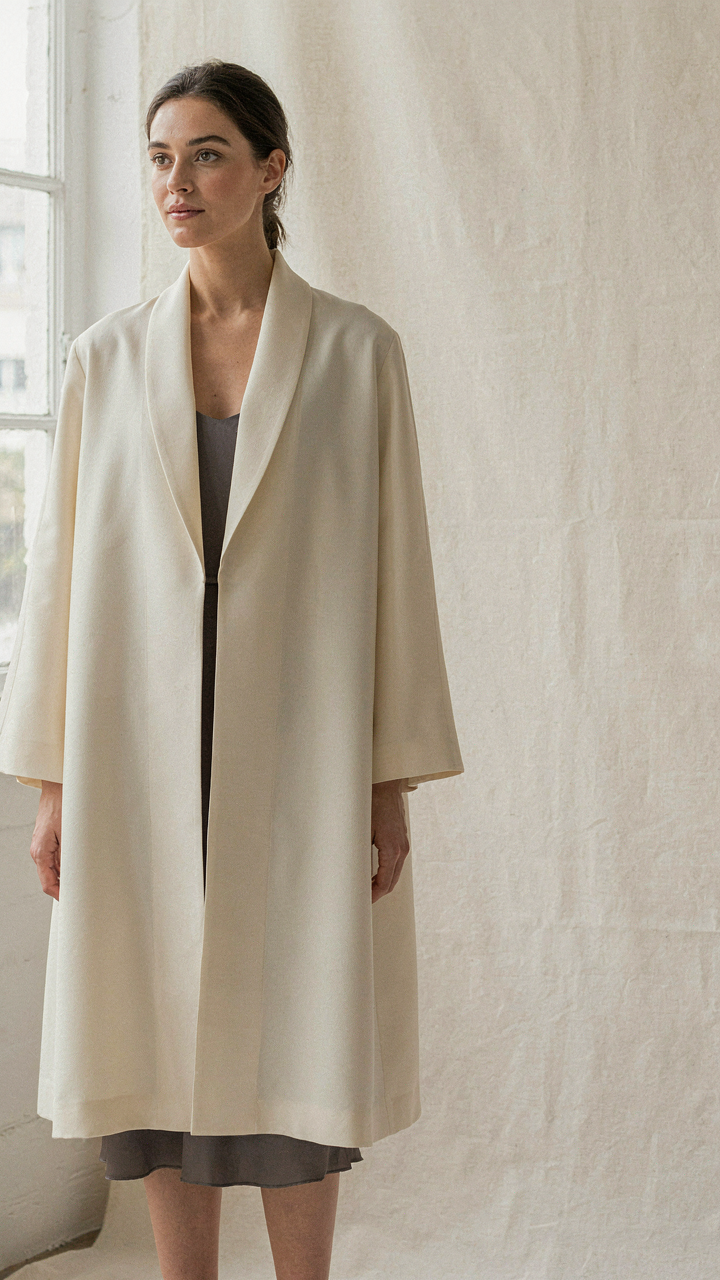
You want a cape that signals taste, not desperation. Here’s the mechanism: most formal capes copy red carpet moments from the last five years. Real distinction comes from understanding where capes function as structural elements rather than costume pieces. Medieval cloaks served mobility and armor. Victorian capes provided silhouette weight. Spanish capes in bullfighting demanded dramatic movement. Each served a physical purpose first, appearance second. When you reverse-engineer that purpose into modern fabric, you get something that actually works on your body instead of just hanging there.

The cape styles that endure pull from cultures where the garment solved a real problem. Japanese haori capes managed layering in seasons. Portuguese capas maintained formality while allowing arm freedom. Russian ceremonial capes used weight distribution to enhance posture. These designs aren’t dated because they’re built on biomechanics, not trends. When selecting an evening cape, trace back what problem the original silhouette solved, then ask if that solution applies to how you move, sit, and gesture at the event you’re attending. The cape that fits your actual body mechanics will read as intentional, not borrowed.
The Generic Cape Problem Gets Named
Everyone defaults to the same three moves: floor-length draping, symmetrical fastening at the neck, and fabric weight that reads expensive. This advice is incomplete. The real issue is that standard cape construction treats the garment as decoration bolted onto an outfit. It isn’t. A cape restructures how people perceive your proportions, stance, and the space you occupy. Most women wear capes that fight their natural body architecture instead of amplifying it. The mechanism at work is silhouette hierarchy. Your cape either competes with your core outfit or extends it.
Avoid the trap of matching your cape to your dress color or style. Instead, use contrast or tonal variation to create separation between the cape as its own garment and the formal wear beneath. A structured cape in a different fabric weight than your dress creates visual interest without clutter. Consider asymmetrical hemlines, alternative fastening points like the shoulder rather than the neck, or cutaway sides that expose the dress underneath. The cape that works is the one that makes your outfit look like a deliberate choice, not a covering. Test movement before purchase. If you can’t raise your arms or sit without the fabric bunching, the design is working against you.
شنل مجلسی: The Global Language Of Authority

When A Cape Stops Being Decoration
You want to know if wearing a cape will make people take you seriously. The mechanism is simple: a cape signals you’re not competing in the same game as everyone else. Traditional Persian formal wear, particularly the شنل مجلسی (formal cape), operates on semiotics, not sentiment. It communicates rank through constraint. You’re choosing coverage over exposure, formality over trend compliance. That choice alone rewires how a room reads you.

The شنل مجلسی translates to modern formal events by abandoning the impulse to update it. Most women make this mistake. They try to “modernize” traditional pieces by shrinking them, lightening them, or adding contemporary cuts. What actually works is keeping the cape architecturally intact while shifting fabrics and palette. A structured silk cape in deep jewel tones hits differently than a draped chiffon reinterpretation. The form carries the authority. The material carries the era.
How Global Markets Changed What Authority Looks Like
The cape returned to high-end Western formal wear not through nostalgia but through economic signaling. When luxury brands began sourcing design language from non-Western formal traditions, they weren’t being inclusive. They were solving a problem: Western evening wear had become visually interchangeable. A cape reads as deliberate. It reads as costly in both fabric and tailoring. Global cape adoption shifted the status marker from “how exposed are you” to “how much control do you project.” That’s a meaningful inversion in what formal authority communicates.
The evening cape for women now occupies a distinct category in formal dressing because it solves a real tension: you need formality without invisibility, coverage without submission. The cape does this through pure geometry. It frames the body without constraining it. When you wear one to a formal event, you’re not following a trend. You occupy a different spatial and social frequency than everyone in conventional gowns. The mechanism is immediate. The room adjusts its expectation of who you are before you speak.
The Unseen Mechanics Of Cape Power
How A Cape Restructures Presence
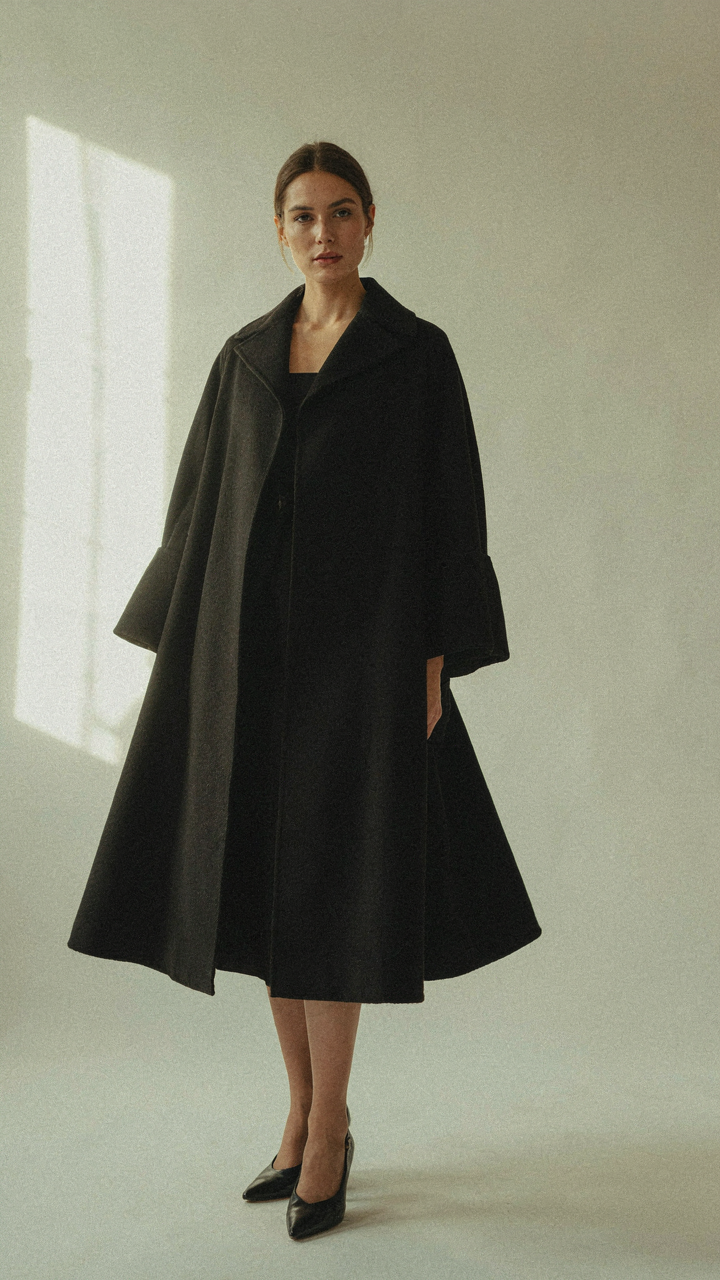
You want to know this because you’re afraid a cape makes you look costume-adjacent instead of commanding. Here’s what actually happens: a cape operates on the same principle as shoulder width in military uniform design. It extends your vertical and lateral boundaries without adding physical mass. Your silhouette occupies more space. The fabric creates movement independent of your body, so even standing still, you register as dynamic. This isn’t theater. It’s geometry applied to how human eyes process threat and status.
The cape forces a postural shift most people miss. When you wear one, your shoulders naturally pull back to prevent the fabric from bunching. Your chin stays level to avoid the cape riding up your neck. You move with deliberation because dragging fabric teaches you to control momentum. These aren’t conscious choices you make. The garment enforces them. The result is that your body language reads as more composed, more intentional, more bounded by a perimeter of authority.
The Compression Of Attention
Common advice says a cape draws the eye. That’s incomplete. A cape actually concentrates attention in a specific way: it creates a visual frame. The human brain processes faces and hands first, then clothing, then environment. A cape reorders this hierarchy by becoming the container that holds your upper body. Observers don’t see “a woman in a dress with a cape.” They see the cape-bounded figure as a single unit. This is cognitive efficiency, not mystery.
The psychological mechanism here is reduction of visual noise. Without a cape, formal wear competes for interpretation: neckline, waistline, fabric drape, movement. The cape resolves that competition by declaring a border. Your face and hands become the focal point because the cape eliminates ambiguity about where your silhouette ends. Wear the cape so it drapes past your elbows and falls at least to mid-thigh. This specific dimension creates the compression effect. Anything shorter fragments the frame again.
Your Fear Of Being Too Much Is The Only Thing Holding Back Your Sartorial Power

You think a cape makes you loud. It doesn’t. Invisibility makes you forgettable. Every woman who commands a room tonight wears certainty, not fabric. The cape is just permission you give yourself to stop shrinking. Pull one on tomorrow. Wear it somewhere ordinary. Notice how people’s eyes follow confidence, not clothing. The only thing between you and your power is the decision to stop apologizing for taking up space.



