

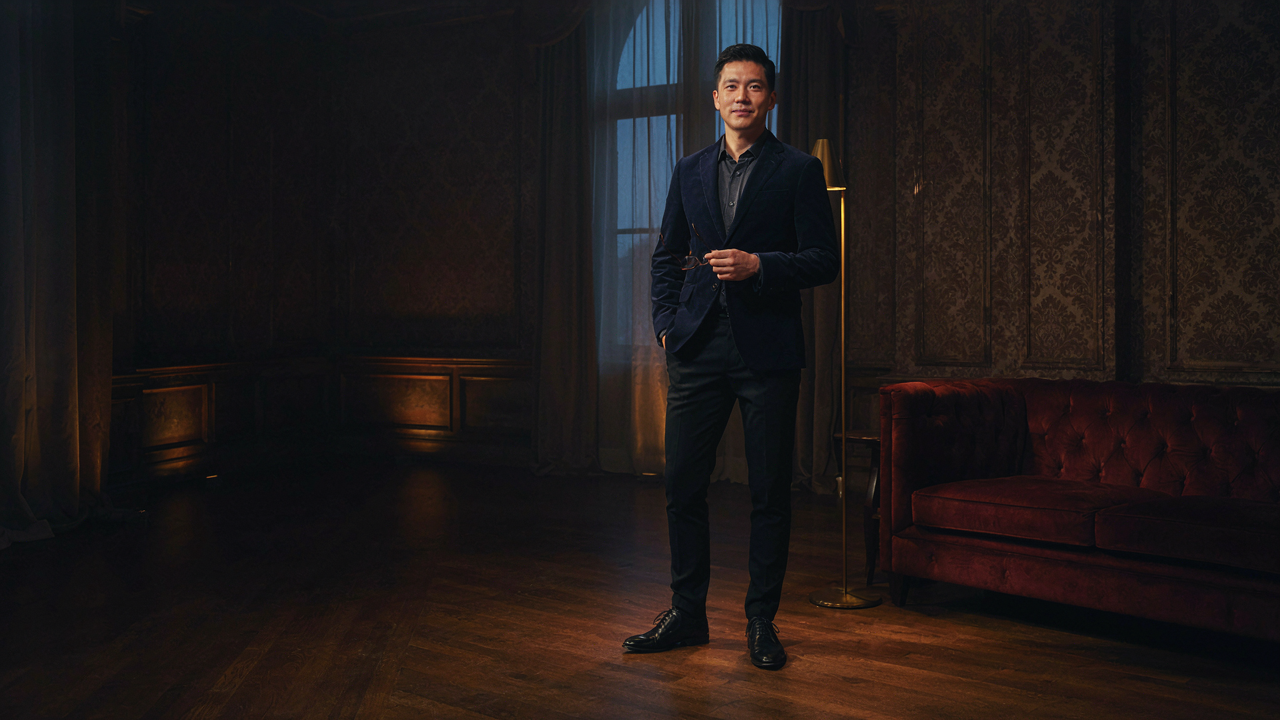
The Velvet Blazer: Beyond Basic Black
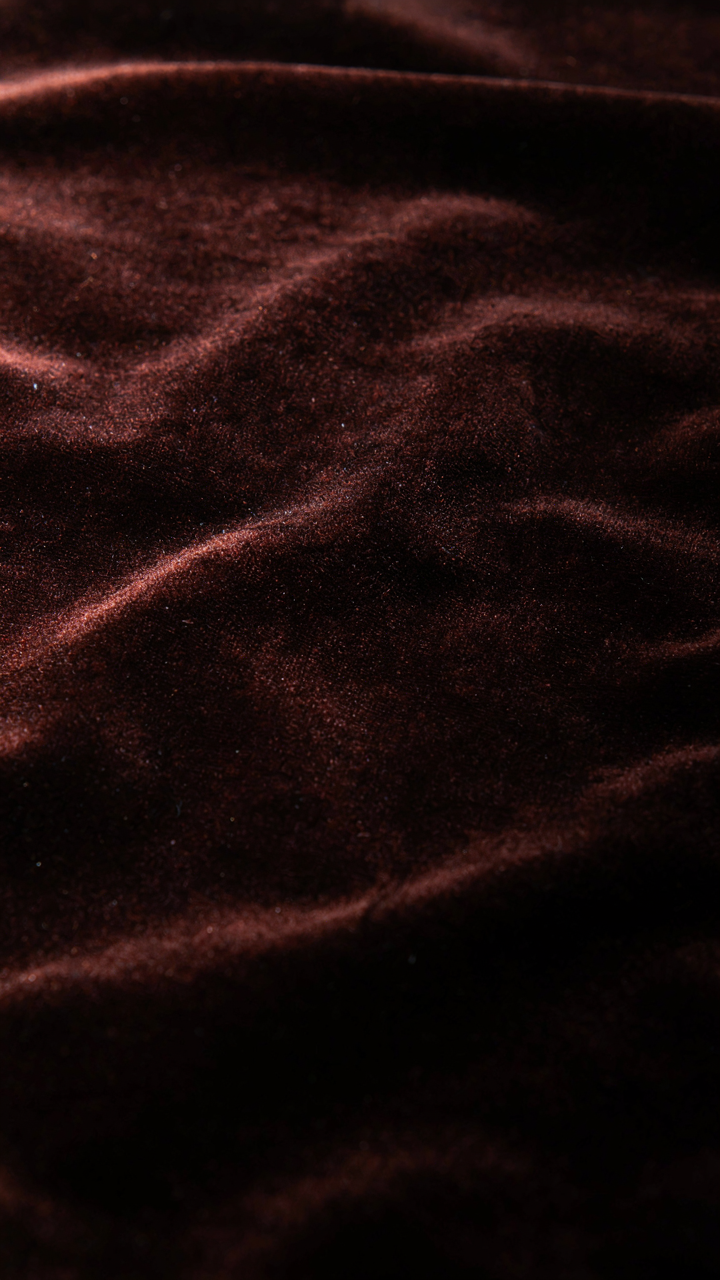
Why Velvet Stops People Mid Conversation
You want to be noticed without looking like you’re trying. That’s the real game here. Velvet works because it violates fabric expectations at evening events. Cotton blends and wool dominate formal wear. Velvet breaks that pattern. The pile structure catches and holds light differently than smooth fabrics. When someone looks at you, their brain registers “intentional” before it registers “formal.” That distinction shifts how they perceive your presence in the room.
The mechanism is pure optics. Velvet’s napped surface creates micro-shadows across its face. Those shadows compress and expand as you move, making the fabric appear to shift color slightly. Most blazers sit flat and static. Velvet reads as animate. Luminosity increases perceived status. The fabric choice alone signals that you understand visual hierarchy at evening events, which most people don’t.
The Surface As Strategic Element
Fabric dominance in formal wear works like signal theory in biology: the more costly the display, the more credible the message. Velvet requires maintenance. It shows wear. It demands care. This cost signals intentionality that synthetic blends cannot match. The tactile feedback matters too. When you move your arm, velvet feels different against your body than wool. You sense that difference. Others sense it too, whether consciously or not. That feedback loop reinforces your own conviction that the outfit works.
The visual dominance comes from velvet’s depth. Wool blazers have a surface. Velvet has dimension. Light penetrates the pile rather than bouncing off it. This creates perceived richness that price point doesn’t fully explain. A mid-range velvet blazer outperforms an expensive wool blazer in a dimly lit venue because the fabric itself generates visual interest. This is not subjective. The physics of how light interacts with pile fabrics is measurable. Position your velvet blazer in low light at an evening event and watch people move closer to you during conversation.
Decoding Winter Dinner Outfits: Context Is King
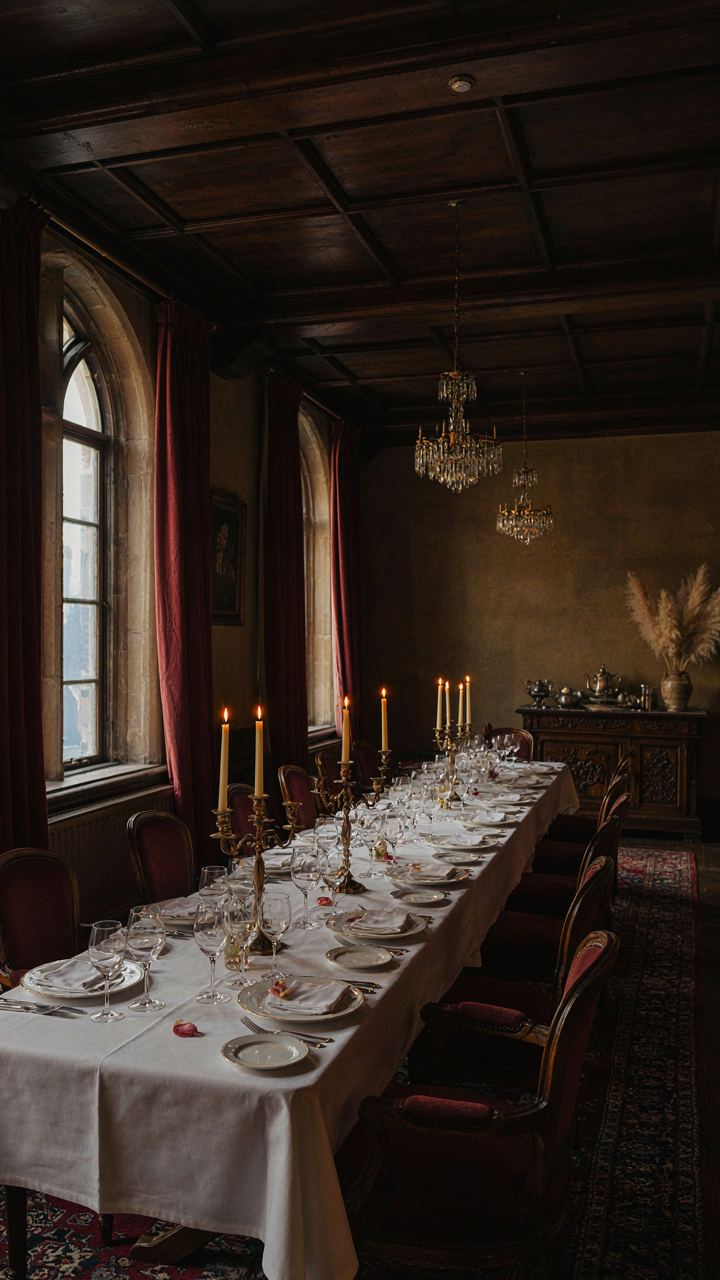
Formal Versus Semi Formal: The Real Distinction
You care about getting this right because showing up wrong signals you don’t belong in the room. The mechanism is simple: formal and semi-formal aren’t gradations of the same thing. They’re different codes entirely. Formal evening wear demands a velvet blazer paired with tailored trousers, dress shirt, and minimal accessories. Semi-formal relaxes the tailoring requirement but keeps the blazer non-negotiable. The blazer itself acts as the gate keeper.

The error most people make is treating semi-formal as “formal but easier.” Wrong. Semi-formal allows texture, pattern, and fabric choices that formal explicitly rejects. A velvet blazer in deep burgundy or forest green works in semi-formal settings because the material itself communicates intentionality without screaming formality. In formal contexts, velvet reads as a statement rather than standard protocol. Know which event you’re attending before you pick the blazer’s fiber or color.
The Room Dictates Your Fabric, Not Tradition
Environmental psychology shows that spaces trigger behavior patterns through their physical properties. A velvet blazer in a ballroom versus a velvet blazer in a restaurant lounge generates different psychological responses from observers. The blazer’s sheen, weight, and drape change how the room perceives you based on its own lighting, scale, and formality cues. Velvet absorbs light rather than reflects it, which works in high-ceiling formal venues but can flatten you in intimate or brightly lit spaces.
The protocol: scout the venue type first. Historic hotels and formal dining rooms have warm, directional lighting that makes velvet’s depth work in your favor. Modern lofts and minimalist restaurants have neutral or cool lighting that can make the same blazer look heavy or dated. Don’t choose your velvet blazer based on what looks good in your mirror at home. Choose it based on the light temperature and architectural scale of the actual space you’ll occupy.
The “Gravitas Protocol” For Velvet Black Blazer Outfit

Build Structure Around Silence
You want people to notice you without trying. That’s the real motive. The mechanism works like signal-to-noise ratio in engineering: remove everything unnecessary so the essential elements register. A velvet black blazer already demands attention through texture and sheen. Layering it correctly means stopping before your brain says to add more. Most people fail here because they treat the blazer as a starting point instead of the endpoint.

Wear a fitted black or white dress shirt underneath. Skip the visible undershirt. The blazer’s nap catches light differently than cotton, so it commands the room on its own. Add tailored trousers in black or deep charcoal. Nothing else. This constraint forces every piece to work harder and prevents the visual static that kills sophistication. The outfit reads as intentional because nothing competes for attention.
Restraint In Every Metal And Stone
Accessories are where people wreck a velvet blazer outfit. Common advice says layer delicate pieces. That’s backwards. One statement piece beats five dainty ones every time. A single substantial cocktail ring or structured metal cuff creates an anchor point. Velvet absorbs light and moves against the skin, so it needs weight to balance, not fragility.
Choose one piece of jewelry that commands space. A geometric ring in silver or gold works. A structured clutch in leather or suede handles the functional role without competing. Skip the necklace. Let the blazer’s collar and your neck breathe. The protocol: identify one accessory that serves both function and presence, then stop editing. Your hand goes to the exit before your eye finds something else to add.
Color Theory For Impact: Burgundy Velvet Blazer & Red Velvet Blazer Outfit
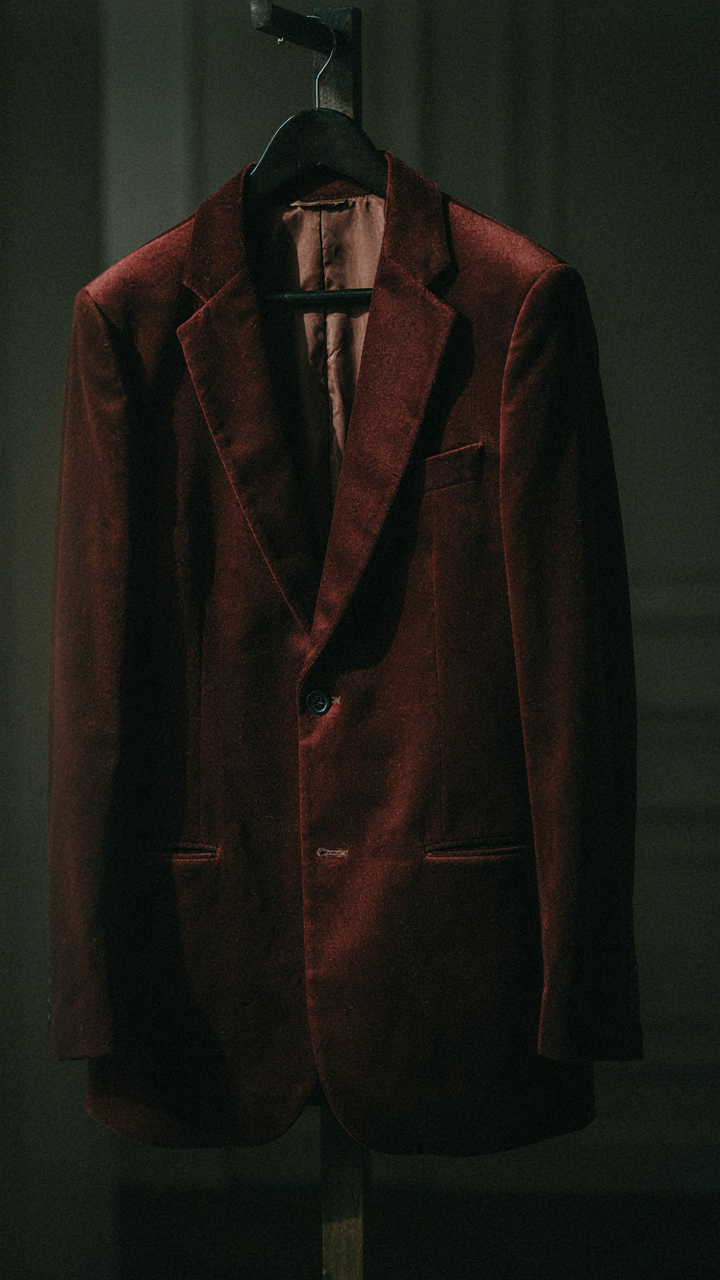
Why Deep Reds Work In Dim Light
You want people to notice you’re expensive without announcing it. Deep reds in velvet operate on a physics principle called absorption and reflection. Velvet’s pile structure traps light instead of bouncing it back evenly, which means burgundy and deep red velvet actually deepen under low winter lighting rather than flatten. The fabric becomes a light sink that reads as intentional wealth, not accident. Burgundy specifically sits in the red spectrum where human pupils dilate slightly, creating subconscious attention without aggression.

The mechanism is simple: burgundy velvet in evening settings triggers recognition of both formality and restraint. A bright red velvet reads loud. Burgundy reads controlled. Winter events happen indoors under artificial light, which strips saturation from most colors but intensifies velvet’s depth. The fabric’s texture adds value signaling that flat materials cannot match. Pair it with matte finishing elsewhere in your outfit to prevent the entire look from becoming shiny.
Signals Beyond The Holiday Season
Most advice tells you burgundy and red velvet only work in December. That’s incomplete. These colors avoid festive clichés when you strip the styling of its seasonal markers. Lose the metallic accents, the oversized bow ties, the gold piping. Remove every signal that screams “Christmas party.” The color itself has no holiday monopoly. Burgundy has been formal menswear since the 1600s. Deep red appears in formal British tailoring for decades. The problem isn’t the color. It’s how people style it.
Your velvet blazer evening outfit avoids the trap by treating burgundy or red as a neutral. Pair it with black trousers, not patterned or festive ones. Use simple silver or steel hardware. Choose shoes that extend the formal line rather than add texture. Avoid velvet in other pieces. One velvet statement piece commands the entire outfit. This protocol prevents the look from reading seasonal while maintaining the visual weight that makes these colors work at formal events year-round.
Velvet Blazer Outfit Women: Tailoring The Power Play

Silhouettes That Enhance Authority
You want people to think you earned the room you’re standing in. That’s the real reason you’re reading this. The mechanism is structural: a velvet blazer’s authority comes from how it breaks your body’s outline. Oversized cuts diffuse your shape into the fabric itself, which reads as confidence that doesn’t need to announce itself. Fitted cuts concentrate your presence into a smaller footprint, which reads as precision and control. Neither is inherently better. The choice depends on whether you want to occupy space or command it from within a tighter perimeter.

Velvet’s nap creates visual weight that standard wool doesn’t. When you move, the fabric catches light differently depending on angle, which makes you harder to mentally quantify at a glance. This works tactically in evening settings where most attendees wear predictable materials. A structured shoulder in velvet reads sharper than the same cut in a matte suiting. The blazer’s length matters here too: hitting at the hip gives you control over leg-to-torso ratio, while longer cuts anchor you closer to the ground, which translates to stability in the room’s social hierarchy.
Psychology Of Fit: Projection Versus Comfort
This is where consensus advice fails. You’re told to prioritize comfort, that fit should feel natural and loose. That’s incomplete. Projection and comfort operate on different circuits in how others read you. Projection means tight enough that movement happens with intention, loose enough that you’re clearly not restricted. You need the blazer’s arm length at your wrist bone with zero excess fabric bunching. Shoulder seams sit exactly where your shoulder ends, not floating inward. This isn’t vanity. It’s the difference between looking dressed and looking like you’re wearing someone else’s clothes.
The real protocol: try the blazer buttoned. Walk. Raise your arms to chest height. The front panels should not pull or gap. Sit down. The back shouldn’t bunch into horizontal lines. Stand again and check if the jacket settles back to its original position without adjustment. If you’re readjusting every few minutes, the fit isn’t working, and no amount of confidence will override what others visually register. A velvet blazer that fits correctly doesn’t require you to think about it, which is the entire point.
The “November Outfits” Anomaly: Beyond Seasonal Norms

When Velvet Breaks The Temperature Rule
You want permission to wear velvet in November without looking like you’re confused about what season it is. The real mechanism here is contrast—velvet’s visual weight and texture create formality independent of temperature. Traditional fashion rules tie fabric choice to climate, but velvet operates on a different axis: it signals occasion, not weather. A velvet blazer in November works because the garment announces “evening event” before your brain registers “but it’s not that cold yet.” The social reading happens faster than the logical objection.

What most people miss is that velvet blazers became evening staples during the 1970s and gained consistent ground through the 1980s luxury market, precisely because they solved a specific problem: how to signal elevated status without relying on formality codes tied only to temperature. November in most climates still permits layering underneath without absurdity. Your job is to layer a thin merino turtleneck or silk base layer underneath and treat the blazer as the visual anchor, not a thermal one. The outfit reads as intentional, not desperate.
Texture Opposition Creates The Real Edge
Velvet against consensus says the outfit should be “soft” and “cohesive”—that’s wrong, incomplete, and safe. Velvet’s power comes from opposition. The fabric consumes light differently than surrounding materials, which means strategic contrast elevates the entire composition. Think in terms of material friction: velvet requires sharp counterpoints to avoid looking costume-like. A velvet blazer with standard cotton trousers fails because there’s no tension. Velvet blazer with wool suiting works because both materials have weight and competing textures.
The counterintuitive move is pairing velvet with genuinely stark elements: black silk pants, slim tailored cuts, minimal jewelry, minimal color variation. Burgundy velvet blazer, charcoal trousers, white dress shirt, black oxford shoes. Every element competes for attention through texture and proportion, not through pattern or color noise. The velvet becomes a focal point because the rest of the outfit refuses to distract. Construct the supporting pieces first, then place the velvet blazer as the final contrast layer that grounds the entire visual hierarchy.
Dinner Party Outfits: The Social Calibration Matrix
Reading The Room Before You Dress
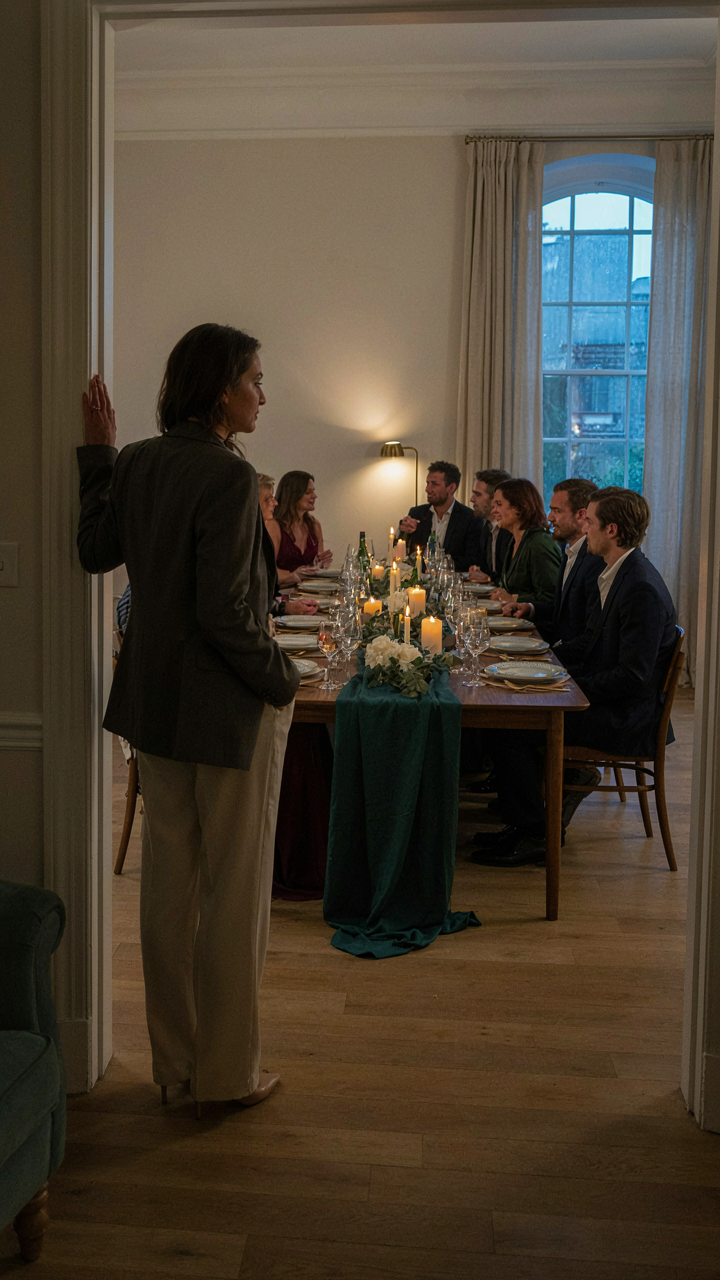
You want to wear the velvet blazer without looking like you’re trying too hard, and that fear is costing you the actual leverage. Cybernetics teaches feedback loops: systems maintain stability by comparing output against environmental conditions and adjusting input. Your velvet blazer evening outfit operates the same way. The room’s formality level, lighting temperature, and attendee dress codes are data points. You gather this intel before committing to fabric weight, color depth, and layering choices.

A dinner party’s social temperature isn’t fixed. You text the host, check previous photos from their events, or ask arriving early to observe. Velvet’s inherent formality works against casual gatherings but anchors refined ones. The blazer’s sheen communicates deliberation. In dim lighting, deep burgundy or charcoal velvet reads as intentional. In bright rooms, the same pieces telegraph overdressing. This isn’t preference. This is system calibration.
Adjusting Intensity Based On What You See
Most advice says “dress for the occasion you want.” That’s incomplete and wastes your advantage. Gain, in control systems, means how much the system amplifies a signal. Your velvet blazer’s visual weight is high gain. Pair it with matte fabrics, minimal jewelry, and neutral undertones in low-intensity rooms. Pair it with structured pieces and subtle contrast in high-intensity spaces. The mechanism is simple: dampen or amplify based on existing conditions.
Watch the first fifteen minutes. If attendees wear button-ups under unstructured jackets, your velvet blazer needs grounding through flat-front trousers or a minimal silk camisole underneath. If you see tailored pieces and statement accessories, the velvet can breathe without competition. The blazer’s pile texture already demands attention. You decide whether that attention competes with the room or completes it. Adjust fabric weight underneath, not the blazer itself.
Beyond The Event: Sustaining The Velvet Blazer Aura
Keeping The Piece Alive
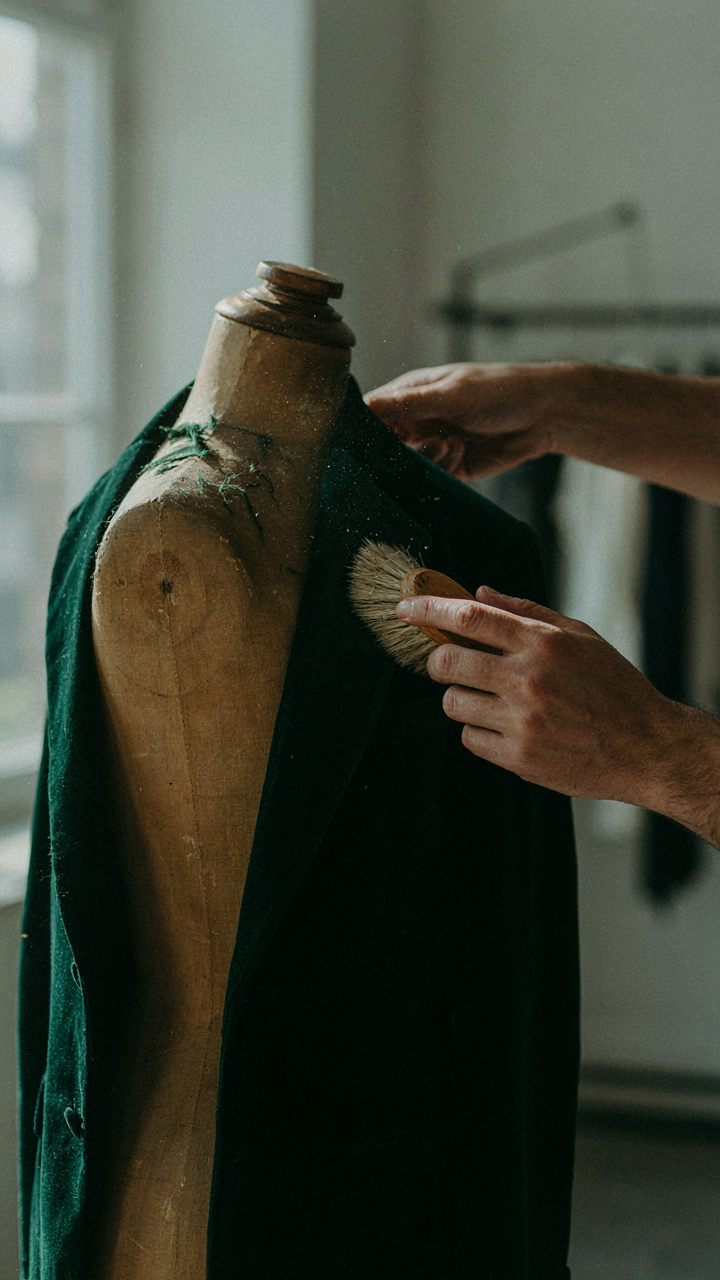
You care about this section because you’re afraid the blazer will deteriorate and prove your investment stupid. Here’s the mechanism: velvet loses its pile through friction and moisture exposure. The fabric doesn’t degrade from age alone—it degrades from use without protocol. Treatment determines whether your piece lasts one season or becomes a genuine tool for years.
- Brush against the nap after wear: Use a soft-bristled garment brush or lint roller and stroke in one direction only. This resets flattened pile and removes dust particles before they embed themselves into fibers.
- Dry clean sparingly: Most velvet handles water and mild detergent better than you think. Reserve professional cleaning for stains or end-of-season storage. Excessive dry cleaning degrades the pile through chemical exposure.
- Store flat or loosely hung: Never pack velvet in compressed spaces. Use wide hangers with padding or lay it flat in a breathable garment bag. Crushing creates permanent creases that won’t recover.
- Protect from moisture before events: Hang the blazer in open air for at least four hours before wearing. Velvet absorbs humidity, which flattens the pile. Dry conditions restore lift and reflectance.
- Keep it away from friction zones: Avoid wearing it under outerwear or near rough furniture edges. Velvet shows wear patterns quickly on high-contact areas. Strategic placement extends visual impact across multiple seasons.

The common advice says dry clean velvet regularly and store it in plastic. This is wrong. Plastic traps moisture and accelerates deterioration. Treat your blazer like an active piece that demands specific conditions, not a museum artifact that demands isolation.
The Blazer As Your Signal
Integration isn’t about owning the piece—it’s about the piece owning your visual identity. Velvet signals deliberation and risk tolerance simultaneously. Casual dressers default to safety fabrics. You choosing velvet for winter events tells people you prioritize presence over blending. This positioning compounds when you wear it consistently in the same context.
Your goal is making the blazer unremarkable in your wardrobe. That means wearing it to enough events that people begin associating it with you specifically, not with the occasion. Stop rotating it with other blazers. Pick it as your statement piece for winter and commit. Repetition builds recognition, and recognition becomes status. The mechanism is simple: visibility plus consistency equals brand.
The Real Obstacle Isn’t Finding The Right Blazer; It’s Your Fear Of Owning The Room
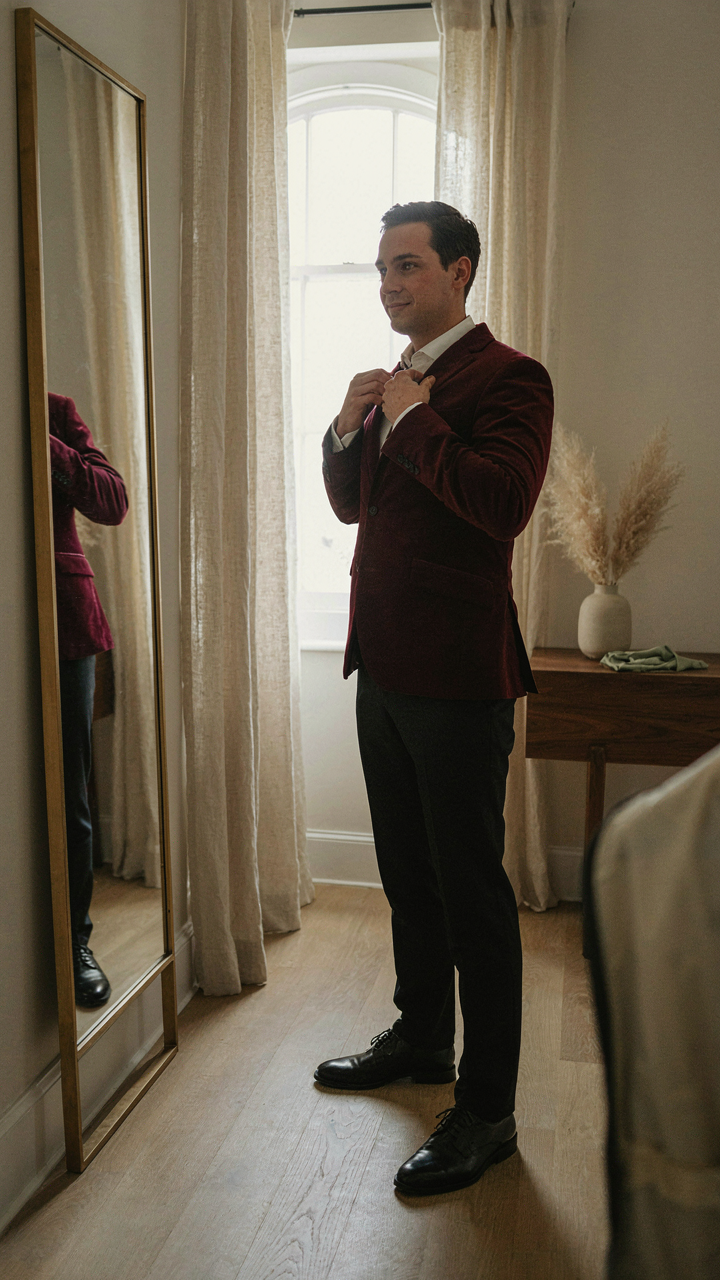
Most people don’t buy a velvet blazer because they’re waiting for permission. They’re waiting to feel ready. Stop waiting. Buy the blazer this week. Wear it to the next event without overthinking the fit or the color. The second you stop treating it like a costume and start treating it like armor, everyone else stops noticing the blazer and starts noticing you. Confidence doesn’t come from the clothes. The clothes just give you permission to stop apologizing for taking up space.




