

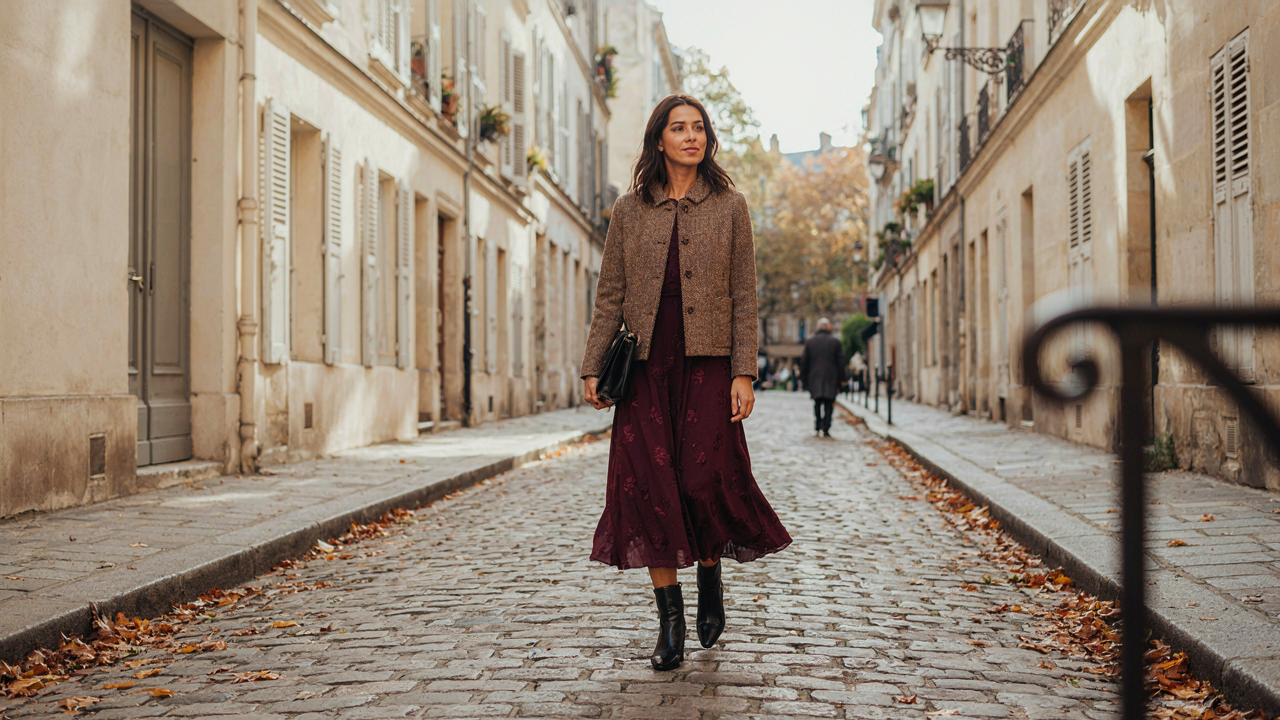
The Unseen Language Of Tweed: Why Conformity Fails
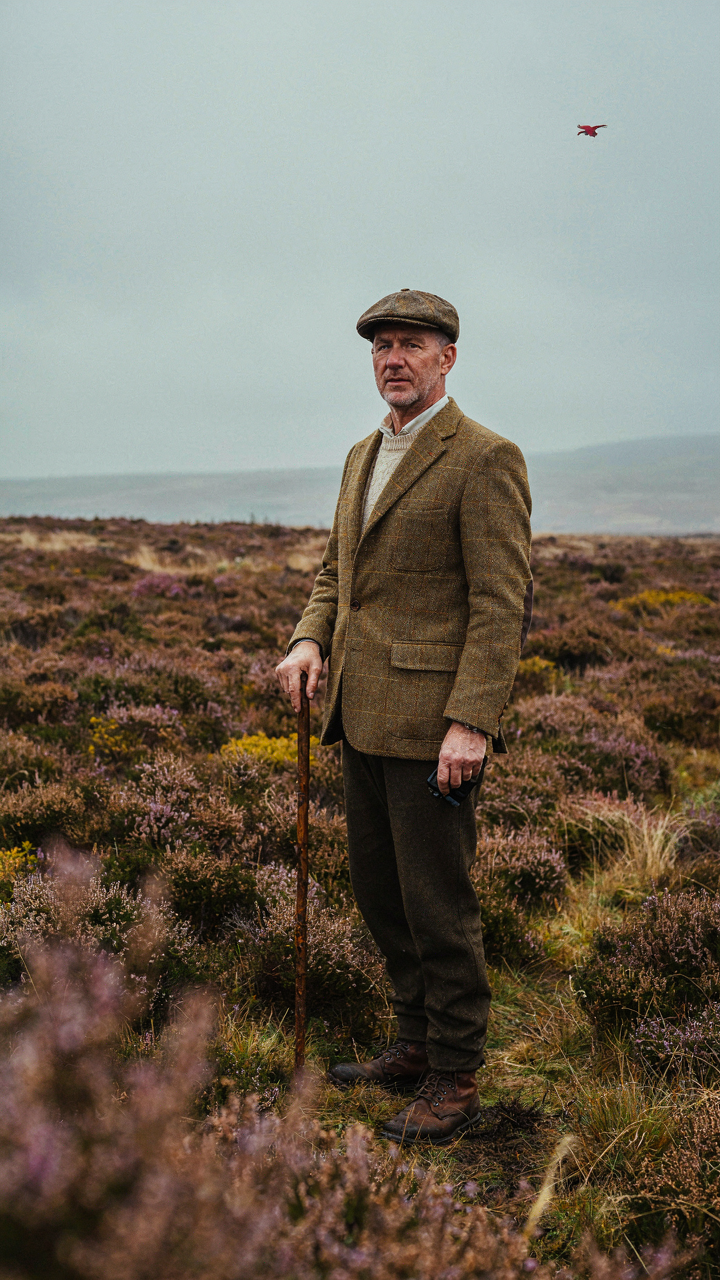
Tweed’s Real Origin Story
You want to know the “correct” way to wear tweed because you’re afraid of looking out of place. Here’s the mechanism: tweed originated as workwear for Scottish gamekeepers and hunters, not as formal dress code. The fabric’s irregular weave and mixed fibers served a practical function—durability in wet weather and brush. That rebellious utility DNA never left it. When you layer tweed over a dress today, you’re not breaking a rule. You’re activating the original purpose: protection without pretension. The formality came later, imposed by fashion institutions that wanted to domesticate the fabric.
Styling guides treat tweed like it’s always been “elegant” or “refined.” That’s backwards. Tweed earned elegance through function first, then appearance. The fabric doesn’t care about matching your pearls or your hem length. It exists to work. When you pair a tweed jacket with a dress, the tension between them creates visual interest because you’re merging two opposing intentions: structured utility meets flowing femininity. That collision is what reads as sophisticated, not the other way around.
When Guides Betray The Garment
Every article about tweed with dresses says the same thing: balance proportions, stick to neutrals, keep it classic. This advice strips tweed of what makes it worth wearing. You don’t need rules. You need to understand that tweed’s texture already communicates authority. The moment you add a dress underneath, you’ve created a statement. The standard guidance assumes you’re nervous about the combination and need permission. You don’t. The actual mechanism is simple: tweed’s density absorbs visual weight, so it anchors any silhouette below it.
Stop asking whether your dress should be midi or knee-length, patterned or solid. Instead, ask what the tweed needs to do in that moment. Is it defending against cold while you want to wear something lighter? Then the pairing works. The fabric handles the heavy lifting while the dress handles the form. Most guides treat this as a math problem to solve. It’s not. Tweed with dress becomes powerful when you use the jacket’s texture to control the visual narrative, not when you follow someone else’s proportion rules.
The Boucle Jacket And Silk Slip Dress: An Asymmetric Advantage
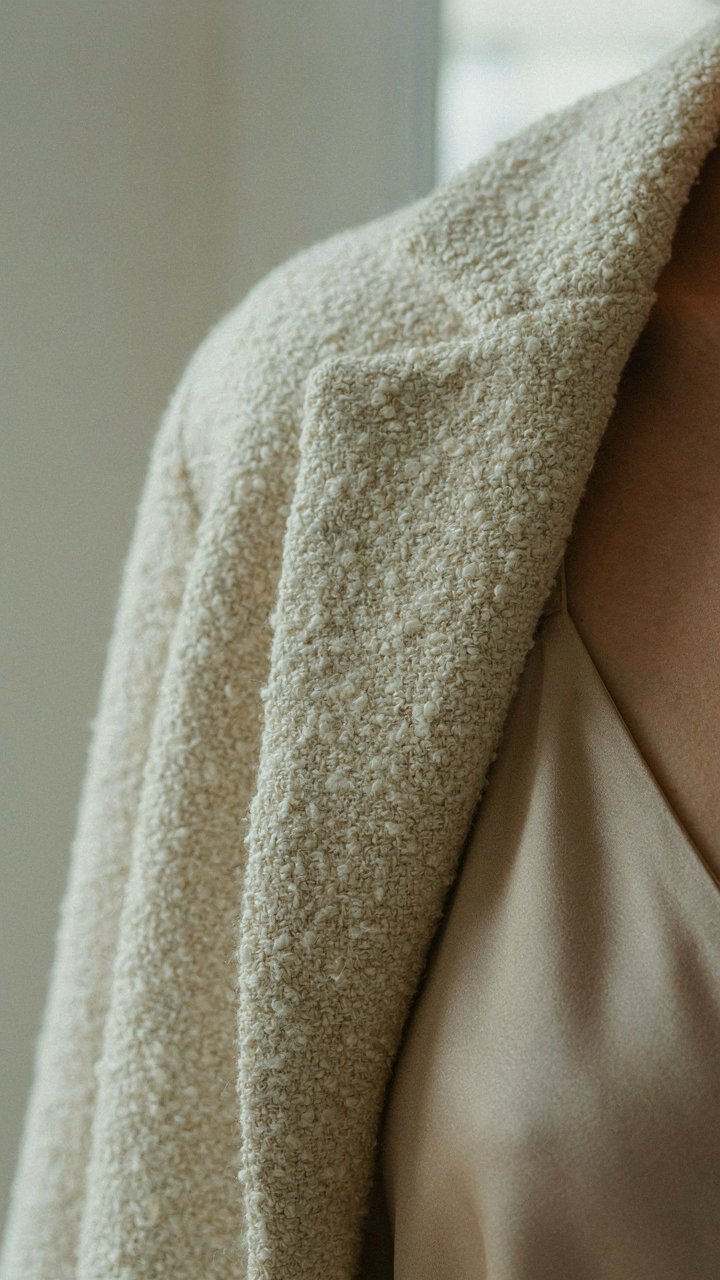
When Texture Becomes The Real Story
You want this combination because it signals you understand proportion and restraint—that you didn’t just grab matching fabrics and call it a day. Here’s the mechanism: boucle and silk occupy opposite positions on the material spectrum. Boucle is dense, nubby, built from looped yarns that scatter light. Silk is smooth, reflective, absorbs light unevenly. When you place them against each other, they don’t blend. They compete for attention without canceling out.

The textural clash stops people mid-conversation because their eyes don’t know where to land first. Most advice says “match your fabrics for cohesion.” That’s wrong. Cohesion comes from color and fit, not sameness. A cream boucle jacket over a champagne silk slip dress works because the eye reads them as intentional contrast, not accident. You’re using material opposition as a design tool, the same way architects use rough concrete against polished steel. The weave density does the heavy lifting while you stand there effortlessly.
Opposition That Holds Structure
Visual tension in design isn’t vague—it’s structural. The boucle provides surface area and weight; the slip dress provides drape and negative space. Boucle stops at your shoulders and ribs, framing the body. Silk falls straight, following gravity. One resists shape, one accepts it. Together they create what painters call “compositional balance through contrast”—your silhouette becomes defined not by one piece but by how they push against each other.
The slip dress needs to hit at knee length or longer to prevent the eye from reading this as a layering accident. If the dress is too short, boucle dominates and the silk becomes an afterthought. If the dress is too long and voluminous, it drowns the jacket’s structure. The mechanism: your eye needs just enough silk visible—at the neckline, the sides, the hem—to register that two materials are talking to each other. That’s when the outfit stops being “jacket plus dress” and becomes a single visual statement. Nail the proportions and the tension does the work.
The 3 Tiered Tweed Outfit Women Classy Protocol
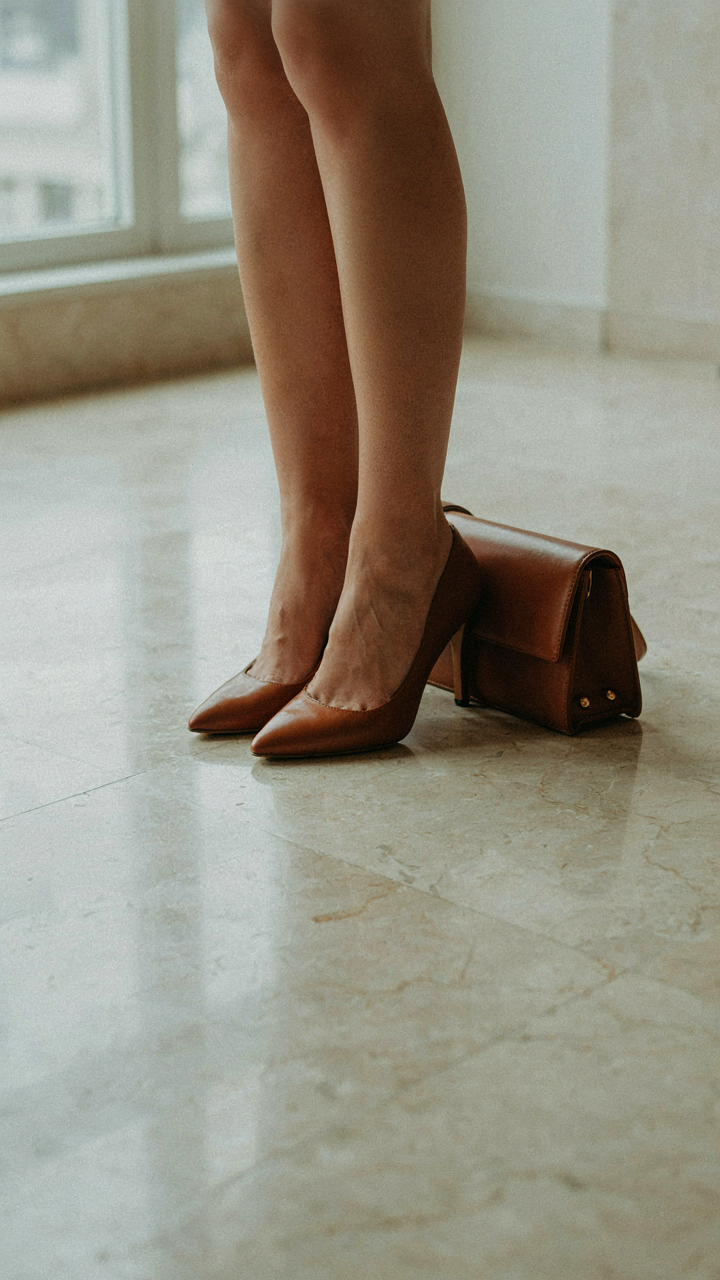
Build Visual Weight From Bottom Up
You want people to register your outfit as intentional, not assembled. That’s the real game here. Think of tweed layering as force distribution in architecture: you’re not stacking random elements, you’re creating load-bearing points that make the whole structure stand. The jacket sits on top, but the dress underneath determines whether it reads as cohesive or chaotic. Start with a fitted dress in a solid color or subtle pattern, then layer the tweed over it. The dress becomes the foundation. The jacket becomes the statement.

A midi or knee-length dress in navy, charcoal, or jewel tones pairs cleanly with tweed because both fabrics compete for texture. Let one dominate. If your tweed is loud (bold checks or mixed weaves), wear a plain dress. If your dress has pattern, choose a tweed in muted tones. This isn’t style preference. It’s visual economy. Your eye can only process one focal point at full volume before the outfit becomes costume.
Anchor Points Over Embellishment
The common advice about accessories is backwards. Everyone says add jewelry, add a scarf, add personality. That’s how you dilute a tweed-and-dress combination that already has all the visual information it needs. Instead, think like a designer reducing a palette: every accessory must do structural work or it goes. A leather belt cinches the waist and separates the dress from the jacket visually. A single statement brooch on the lapel signals intentionality without noise.
Your shoes, bag, and belt should match or coordinate in undertone. If your tweed is warm-toned brown, your leather goods stay warm. If it’s cool gray, go silver hardware and cool metallics. This creates visual continuity that reads as polish, not effort. One piece of jewelry per category: earrings or a necklace, not both. Skip the scarf unless the jacket lacks a collar to frame your face. Every item you add either strengthens the outfit’s line or weakens it.
Tweed Jacket Outfit: From Obligation To Opportunity
When Obligation Becomes Your Edge
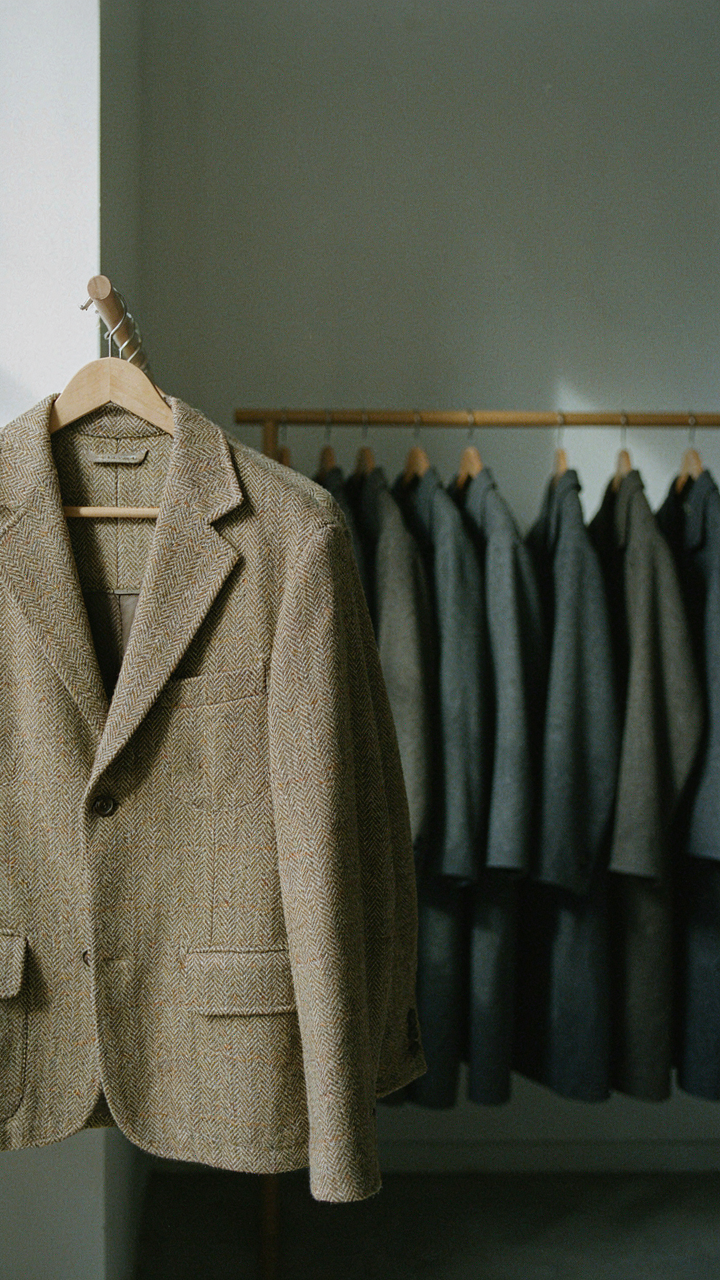
You’re worried these events matter less than they actually do. The mechanism is simple: most people show up to cool weather events in the same uniform everyone else wears. They treat it as a box to check, not a filter to stand behind. A tweed jacket with a dress flips this. It signals you didn’t default to consensus. You made a choice. That choice compounds across every interaction at the event because people notice when someone isn’t trying to blend in with a purpose.

Tweed itself carries weight here. It’s structured, intentional, expensive-looking without screaming for attention. The fabric resists fast fashion logic. When you pair it with a dress, you’re not following a trend cycle. You’re using a material that has survived fashion for over a century because it works. The dress becomes the variable you control. The jacket becomes the anchor that says you understand proportion, formality, and staying power.
The Power Of Contrast
Designers call this principle “opposition” in visual hierarchy. You load all your bet on one unexpected pairing and let everything else support it. Most advice says to match your jacket to your accessories or your shoes. That’s wrong. That’s actually how you disappear. The move is harder: use the tweed jacket to interrupt what people expect from a dressed-up look, then let the dress ground it back to logic.
A lightweight or silk dress against structured tweed creates immediate visual tension that reads as intentional, not accidental. People can feel the difference between someone who thought about contrast and someone who just grabbed pieces that technically fit. The tension makes the outfit work harder. It makes you memorable in a room full of people wearing the same safe combinations. You’re not trying to blend. You’re creating a reason to be looked at twice.
The Art Of The Tweed Blazer Outfit: Borrowed Authority

Positioning Your Silhouette For Dominance
You want people to read you as intentional before they decide if they like you. That’s the real game here. Military strategy treats positioning as the mechanism that determines outcome before engagement begins. Apply the same logic to your silhouette: the tweed jacket with dress works because it creates a visual hierarchy that controls how the eye moves through your frame. The jacket narrows your shoulders slightly while anchoring weight at the torso. The dress below extends the line downward. Together they form a vertical rectangle, which reads as authoritative because it mirrors how we perceive power in formal settings. This isn’t accident. Tweed’s texture compounds the effect by breaking up visual space, making you harder to dismiss as decoration.

The mechanism is simple: constraint creates authority. When you pair a structured tweed jacket over a dress, you eliminate visual chaos. The jacket’s weight pulls focus inward. Your silhouette becomes a contained statement instead of scattered elements. A dress alone reads as one thing. Add tweed and you’ve created intentional composition. The viewer processes this as control. That’s the entire mechanical advantage. Wear the jacket fitted through the ribs and shoulders, allowing the dress hem to show at least two inches below the jacket’s edge. This ratio locks the visual hierarchy in place.
Texture Layering As Strategic Contrast
Generic advice says mix textures for interest. That’s incomplete and misses why contrast actually works. Flanking moves in military doctrine rely on drawing attention to one position while creating vulnerability elsewhere. Reverse this in dressing: tweed’s rough surface deliberately conflicts with dress fabric to force the eye to engage actively rather than settle passively. A silk dress beneath wool tweed creates tactile opposition that registers as sophistication because it requires the viewer’s brain to process two competing materials simultaneously. Smooth fabrics next to rough ones signal expensive restraint. Cheap combinations feel accidental.
The contrast operates on attention economics. Tweed consumes visual weight through its nubby weave and matte finish. Pair it with a dress in crepe, jersey, or structured cotton and you’ve created a tension that holds focus. Satin or silk dresses beneath tweed feel overwrought because both materials demand attention. The goal is asymmetry that lands as intentional. Matte tweed plus matte dress reads flat. Tweed plus subtle sheen reads calculated. Choose dress fabric that absorbs light slightly differently than the jacket does. This single principle determines whether the combination feels deliberate or cobbled together.
Beyond The Obvious: Unconventional Dress Pairings
Clashing Weights For Visual Tension
You want permission to break the rules because you think it proves you have taste. The real mechanism is contrast. In design, contrast creates hierarchy and draws the eye exactly where you intend it. Pair a structured tweed jacket with a lightweight silk slip dress or bias-cut fabric. The weight difference forces both pieces into focus instead of blending into generic formality. The tweed’s texture becomes sharper. The dress’s drape becomes more noticeable. Neither disappears.

The trick isn’t randomness. Tweed’s density demands it pair with something that yields visually. A heavy crepe dress absorbs the jacket and you get mud. A fluid midi or slip silhouette creates push-pull tension that reads as intentional, not accidental. The fabric conversation becomes the outfit’s actual statement. This works because opposing weights occupy different visual planes.
The Color Inversion Play
Conventional advice says match neutrals with neutrals or choose one bold piece. That’s incomplete. Take a charcoal tweed jacket and wear it with a jewel-tone dress in emerald or sapphire. The darkness of the tweed doesn’t compete because the dress’s saturation pulls focus downward. The jacket becomes structure. The dress becomes event. They serve different functions instead of fighting for attention.
Reverse it: a tan or oatmeal tweed with a deep burgundy or forest dress creates the same separation through temperature, not just tone. Cool tweed grounds the warmth of the dress. The eye reads them as complementary components of a single intention rather than two separate garments compromised into one look. Commit to the color choice fully. A half-measure neutralizes both pieces.
Blazer Outfits: The Non Negotiables Of Impact
Fit As Your Primary Weapon
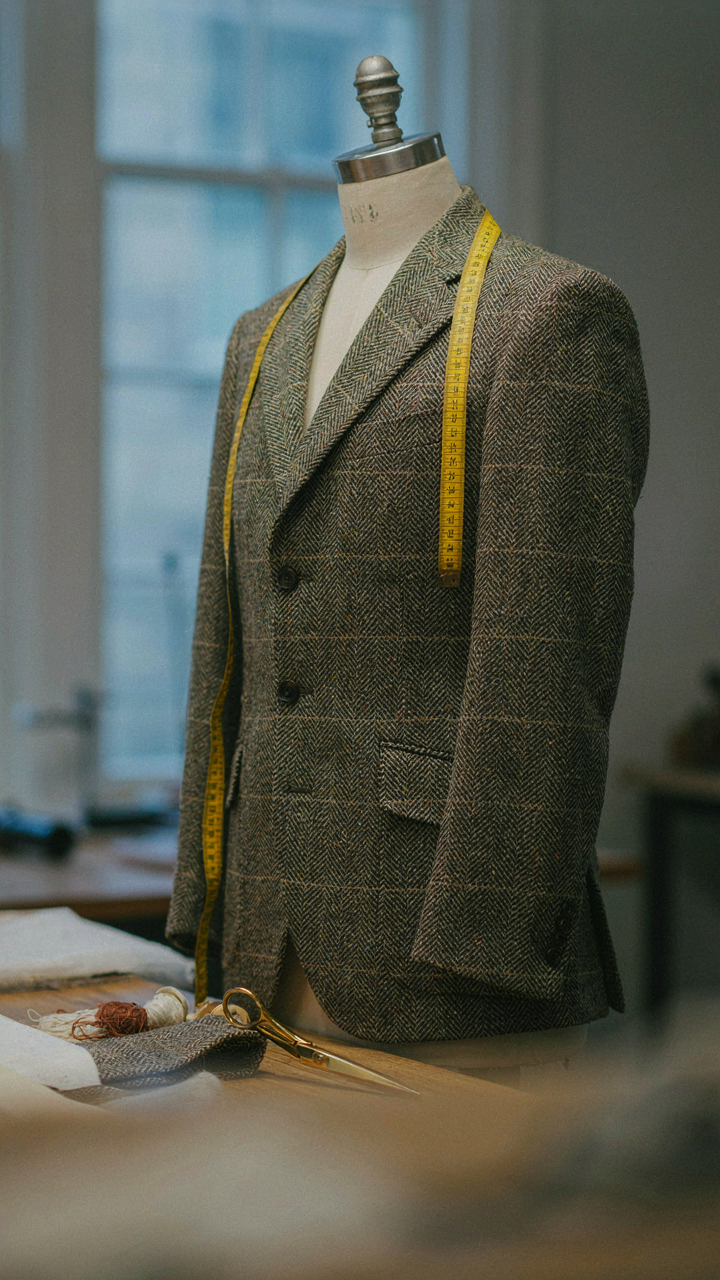
You’re hoping fit will solve a status problem. It won’t. But it will expose every other problem you ignore. In tailoring terms, fit operates like load-bearing architecture—it determines whether the structure holds or collapses under its own weight. A tweed jacket with dress fails not because tweed is wrong, but because the jacket doesn’t match the dress’s silhouette. Oversized tweed over a fitted dress creates visual conflict. Tight tweed over volume reads as compression, not intention.

The mechanism is simple: fit controls readability. When shoulders sit correctly, the eye lands where you want it. When the jacket length matches the dress’s proportions, the outfit reads as one thought instead of two competing pieces. Most people blame the pieces themselves. The real issue is the relationship between them. Measure your jacket’s natural shoulder point against your actual shoulder. Compare jacket length to dress hem. These three decisions determine whether the combination registers as deliberate or accidental.
Ignoring Transient Trends For Timeless Power
Fashion cycles reward recency bias, not strategy. The common advice says to update your tweed every season. Ignore it. A well-fitted tweed jacket in neutral tones outlasts trend cycles because it operates on form, not decoration. Herringbone or plain weave tweed holds authority without the gimmicks that date pieces. Pairing it with a classic dress silhouette removes the expiration date from the entire outfit.
What you’re actually buying when you invest in timeless pieces is permission to stop thinking. A structured tweed jacket over a simple midi dress works in 2020, 2025, and beyond because the combination solves a real problem—layering elegance for cool weather—without relying on what’s currently Instagram-famous. The formula stays operative: quality material plus correct fit plus neutral color palette equals an outfit that functions regardless of what trend cycle is ending. Build your cool-weather events around this core combination, then accessories shift with seasons.
The Unspoken Rules Of Elegant Cool Weather Dressing
Layering Doesn’t Mean Hiding
You want permission to add bulk without looking sloppy. Here’s the actual mechanism: cold weather dressing isn’t about removing layers, it’s about controlling their visibility. A tweed jacket operates like a load-bearing wall in architecture—it must support visual weight above and below without collapsing the silhouette. The jacket’s texture and structure already command attention, so everything underneath compresses into a tighter narrative rather than expanding it.

The mistake most people make is thinking elegance requires simplicity. It doesn’t. Elegance requires intentionality. With a tweed jacket and dress, you’re not stripping down to basics. You’re building a hierarchy where the jacket dominates, the dress supports it, and nothing competes for focus. A fitted dress under a structured jacket reads as refined. A shapeless dress under the same jacket reads as undecided. The tweed controls whether your layers add sophistication or just add fabric.
Texture Contrast Creates Definition
Tweed’s raised surface demands opposition to prevent visual flatness. Pair it with dress fabrics that have distinct hand—smooth silk crepe, brushed cotton, or lightweight wool. When surfaces contradict each other, the eye processes boundaries instead of blur. This is basic visual physics: contrast creates separation, separation creates form, form creates elegance.
The dress fabric should never echo the jacket’s texture. If you choose a tweed with pronounced nubby weave, select a dress in flat weave or jersey. This single decision determines whether you look coordinated or confused. The boundary between jacket and dress becomes the visual anchor. Without deliberate texture opposition, the whole outfit dissolves into one undifferentiated mass, and mass reads as weight, not style.
Tweed Outfit: Cultivating Your Signature Aesthetic
Stop Copying What Works For Others
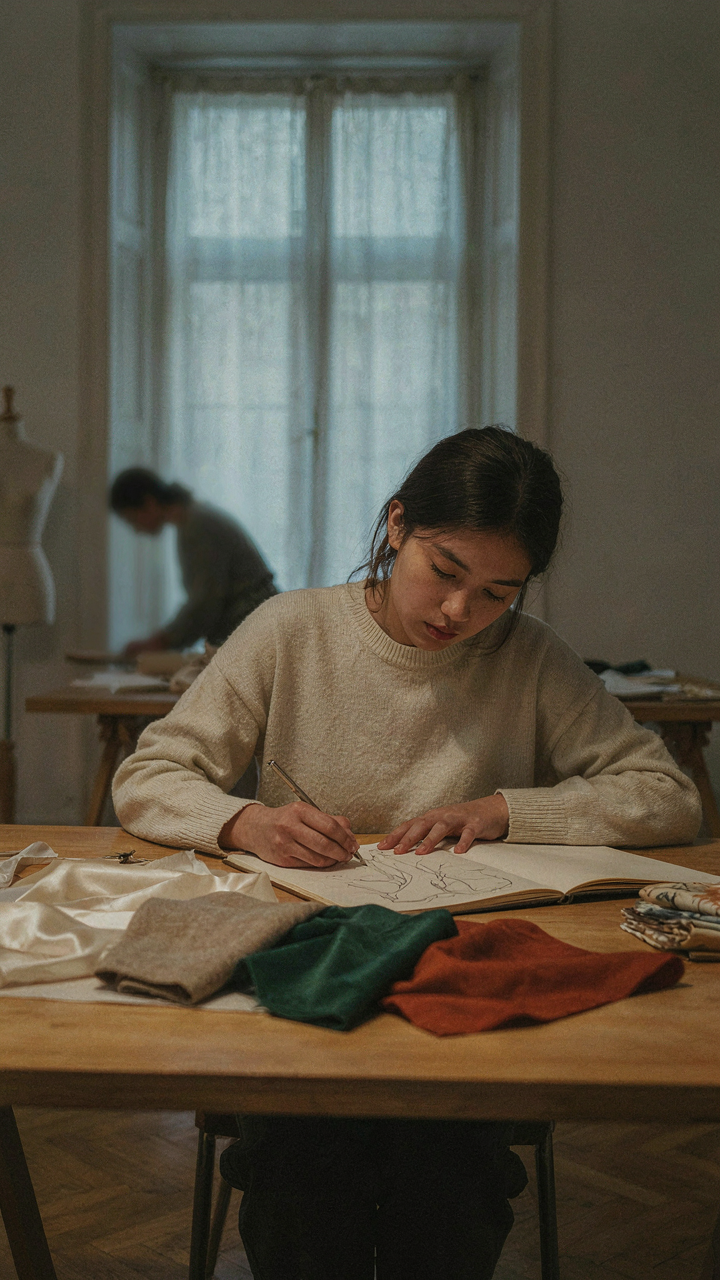
You want a formula because formulas feel safe. They’re not. The mechanism that matters is constraint, not imitation. When you wear a tweed jacket with a dress, you’re layering two separate design languages. Most people freeze here and copy someone else’s solution instead of building one that works for their actual body, climate, and schedule. That’s how you end up looking like a costume instead of a person.

Tweed jackets exist in different weights, weaves, and constructions. A lightweight herringbone reads differently than a heavy hopsack. A dress’s drape, length, and neckline all change how the jacket sits on you. Your version won’t look like the Pinterest board because it shouldn’t. The goal is to understand the mechanism—how fabric behaves, how proportion works, how your specific frame moves through space—then make decisions from there.
Build From Your Actual Pattern
Forget the generic “know yourself” advice. That’s incomplete. You need to identify which variables actually control how you look in a tweed jacket with a dress. This isn’t psychology. It’s pattern recognition from your existing wardrobe.
Pull five outfits you’ve worn where you felt sharp and took a photo. Notice what repeats: Is the silhouette always fitted or loose? Do you favor neutral tones or color? Is the proportion always balanced or do you skew toward volume on top? Do you layer or dress simply? Write down three specific observations about what your body naturally gravitates toward and what actually works in your daily life. Tweed isn’t an exception to your pattern. It’s an application of it. Now test one tweed jacket with a dress that mirrors these variables, not contradicts them. Wear it three times in real conditions before adjusting anything.
The Only Real Fashion Misstep Is Failing To Recognize Your Own Untapped Sartorial Leverage
Most people treat a tweed jacket like a costume they wear when forced. You don’t. You wear it because it signals you’ve thought about your presence. That signal compounds. Pull one tweed jacket from your closet today and pair it with one dress you already own. Notice how the room recalibrates around you. That’s not vanity. That’s leverage. People trust what they can’t quite figure out, and elegance is just competence wearing the right clothes.



