
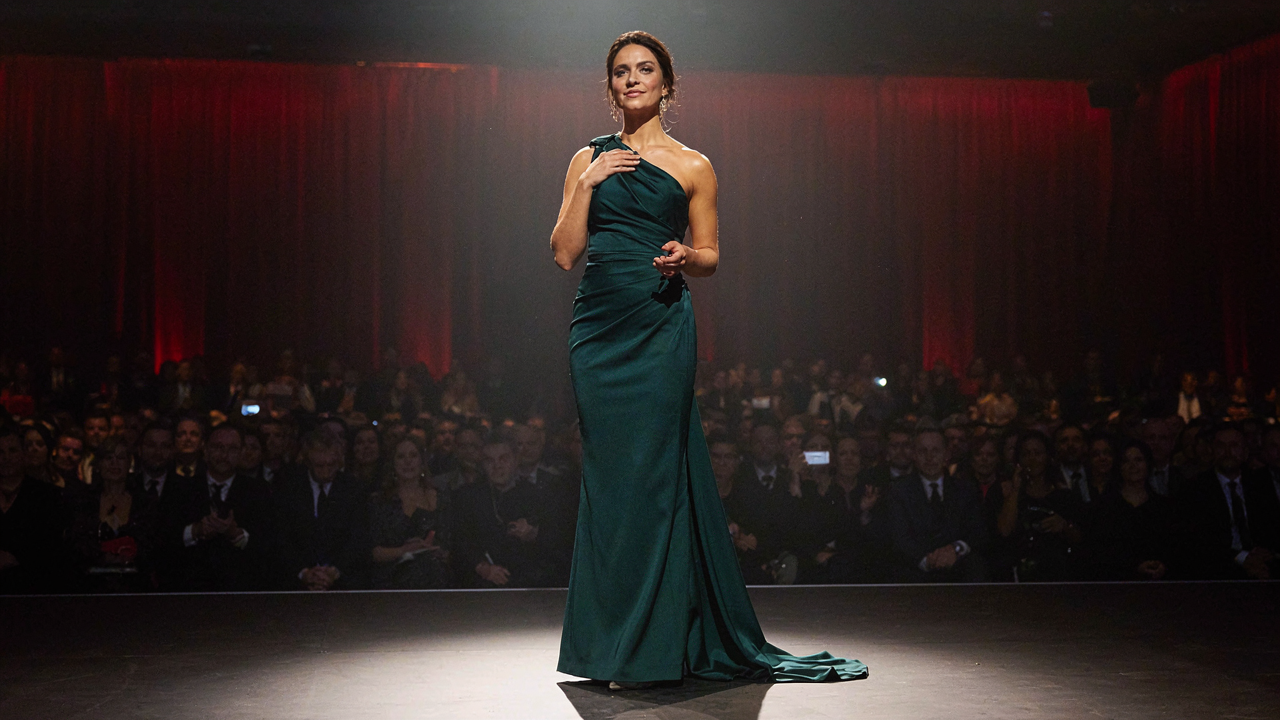
Beyond The Gown: The Anti Uniform For Awards Ceremony
Why Conventional Formalwear Fails To Impress
You care about this because you’re afraid a standard gown makes you invisible. Here’s the mechanism: formal wear became standardized precisely because it removes decision-making. Black tie, floor length, understated jewelry, neutral makeup. These rules exist to make dressing effortless for people who don’t want to stand out. That’s the opposite of what you need at an awards event where visibility matters.
The consensus approach treats formal wear like a uniform that signals respect through conformity. It doesn’t. It signals compliance. Awards ceremonies reward distinctiveness, not obedience to dress codes. Most women follow the rulebook and blend into a sea of similar silhouettes. The mechanism is psychological: when everyone looks the same, your brain stops registering individual people. You become scenery.
Unexpected Silhouettes And Textures Change How People See You
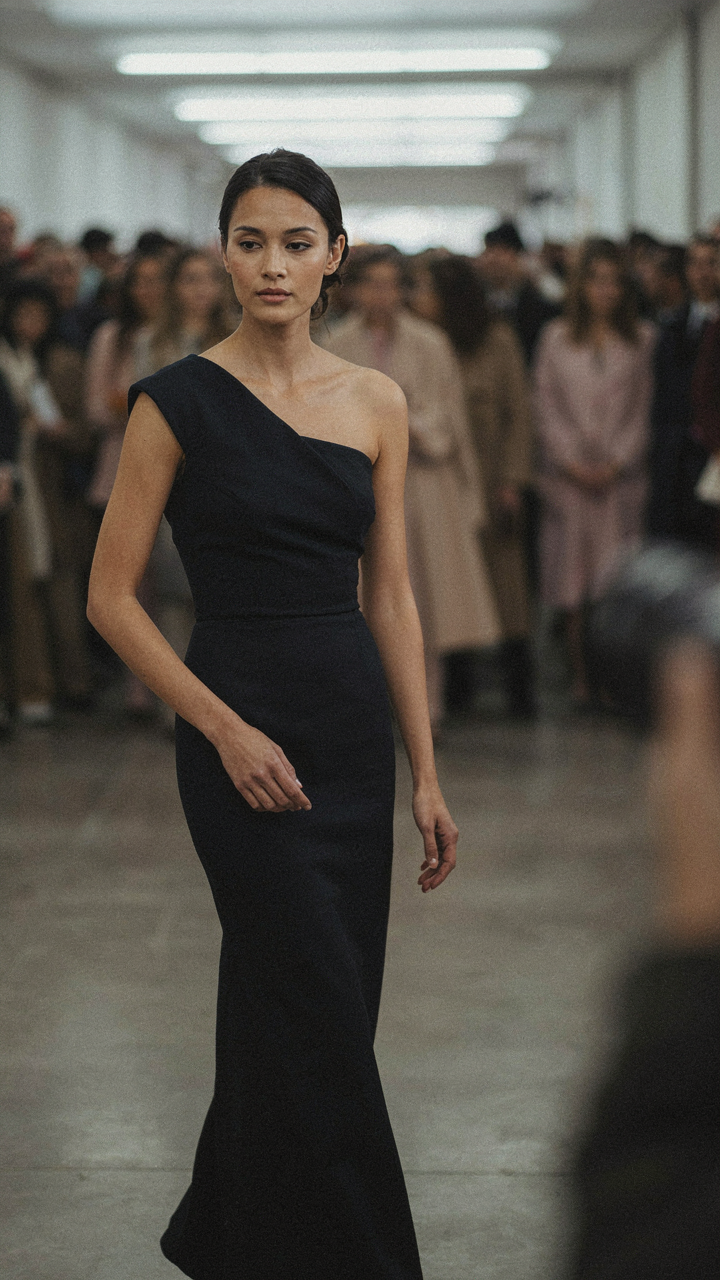
Contrast works like a signaling system in visual hierarchy. When your outfit breaks the expected pattern, it triggers attention. A sharp, geometric cut among flowing gowns. A textured fabric like corduroy or wool among silks and satins. Matte finishes next to glossy ones. These aren’t decorative choices. They’re cognitive interrupts that force viewers to actually process your presence instead of filing you into the background category.
The error most people make is adding unexpected elements to an otherwise conventional base. That’s window dressing. Real impact comes from building the outfit around the unexpected element first, then refining outward. A sculptural neckline in an asymmetrical cut becomes the architecture. Everything else serves that structure. Choose one statement piece that violates expectation, then let everything else support it cleanly without fighting for attention.
The “Un Dress” Code: Woman Suit Fashion Redefined
Tailoring That Commands Attention, Not Conforms
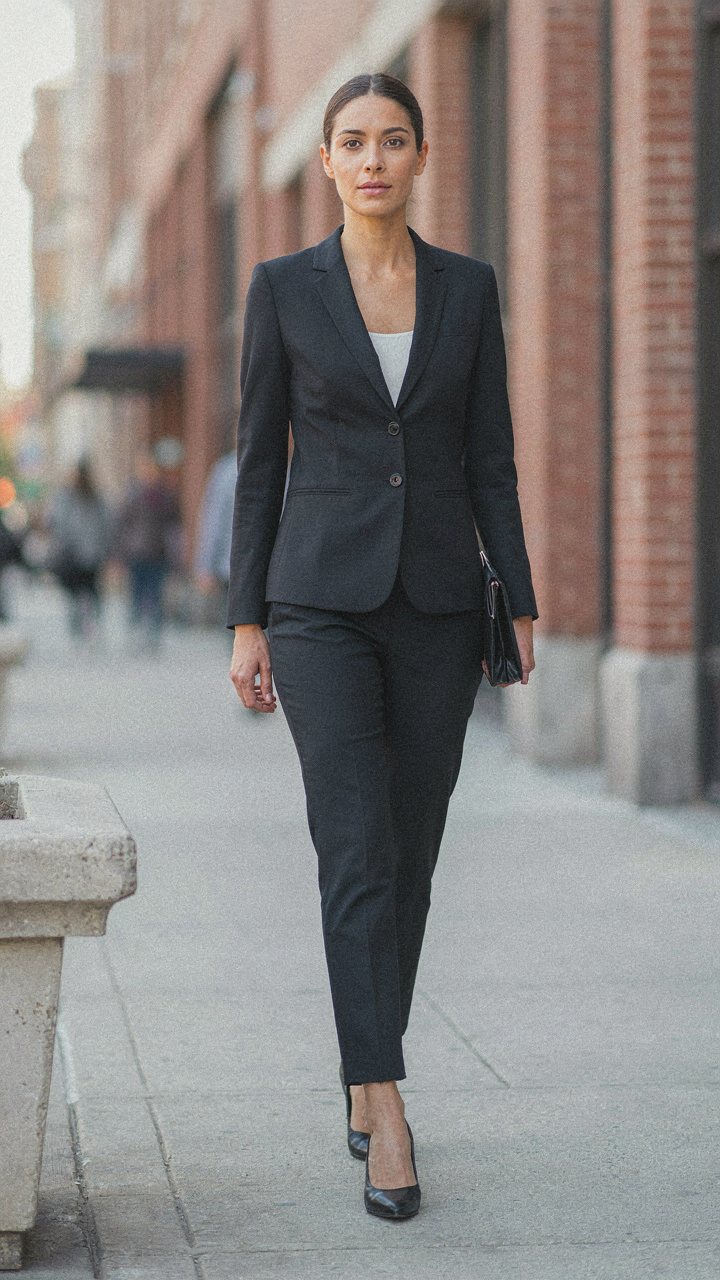
You want the suit because you think it signals power. That’s backwards. The suit signals nothing until the fit breaks the frame everyone expects. Tailoring works like signal processing in communication systems: the message only transmits when you remove noise. A woman’s suit off the rack is noise. The jacket pulls at the shoulders because menswear patterns anchor the armhole too far back. The waist sits where it shouldn’t. These aren’t minor details. They’re the mechanism that separates “wearing a suit” from “the suit working.”

Professional tailors who understand suiting architecture can reposition the armhole, taper the side seams, and adjust the jacket length to hit at your natural waist. This costs money upfront but it’s non-negotiable. A bespoke or heavily altered suit creates visual coherence that reads as intentional. The fit becomes the message. At award ceremonies, this distinction matters because you’re competing for visual real estate in a room full of people dressed in things that fit the same way they do everyone else.
The Subversion In Proportion
Everyone tells you to “add a feminine touch” to a suit. Ignore that. The real leverage sits in proportional mismatch. If your suit jacket is sharp and tailored, wear a camisole underneath instead of a shirt. If you keep the shirt, drop the tie entirely and leave two buttons open. These moves work because contrast creates visibility. A woman in a perfectly conventional suit reads as costume. A woman in a suit with one deliberate deviation reads as editorial choice.
The pants demand the same attention as the jacket. A cropped or straight-leg pant paired with a structured blazer holds weight differently than the same suit in traditional proportions. Footwear amplifies this. A pointed-toe heel elongates the line. A flat or loafer grounds it and shifts the power dynamic to the upper body. You’re not breaking norms for rebellion’s sake. You’re using proportion as a tool to make the silhouette impossible to ignore while maintaining the authority the suit provides.
The Signal To Noise Protocol: Dressing For Impact

Outfit Choice Controls What People Remember
You want to matter in a room full of people dressed expensively. That’s the real calculation here. In cybernetics, signal strength measures what comes through clearly while noise obscures it. Your outfit is the signal. Everything else at the ceremony is noise. A dress that fights for attention against the venue, the lighting, and two hundred other women fails on arrival. The mechanism is simple: contrast wins perception. High contrast between you and the environment registers faster in human vision than subtle coordination. Choose one dominant element that breaks the visual pattern of the room, then build restraint around it.

Most advice says “wear what makes you feel confident.” This is incomplete. Confidence without strategy is just visibility that doesn’t convert to impact. You need a deliberate constraint. Pick a single focal point—silhouette, color, or texture—that stands apart from what you predict others will wear. Then strip everything else down. Minimal jewelry. One texture. Neutral undertones elsewhere. This creates signal density. The eye lands on the element you chose, stays there, and associates it with you. When people recall the evening, they recall that specific choice, not a blur of options competing for space.
Perception Loops Require Active Adjustment
Feedback loops in cybernetics describe systems that measure output and recalibrate input to hit a target. Your outfit performs the same function at an award ceremony. You cannot control how people perceive you in real time, but you can design your appearance to force a specific type of feedback. Arrive early enough to observe the room’s actual color palette, lighting temperature, and how other attendees positioned themselves. This is your baseline data. If the room skews darker than you anticipated, a jewel tone reads differently than a pastel. If lighting is warm, metallics shift. Adjust your interpretation of your outfit accordingly before the event’s main hours begin.
The mistake is treating your outfit as a fixed choice made at home. It’s a living system that needs monitoring. Carry a compact mirror or phone camera. Check your appearance in the venue’s actual lighting before entering the main space. Notice what elements read as you intended and which fade into the background. If your hemline or neckline reads more conservative than planned due to lighting or angle, you have time to shift how you carry yourself or adjust accessories. If your color punch lands too hard against the room’s palette, dial back emphasis elsewhere. This isn’t vanity. This is closing the gap between intended signal and received signal.
Corporate Awards & The Illusion Of Conformity
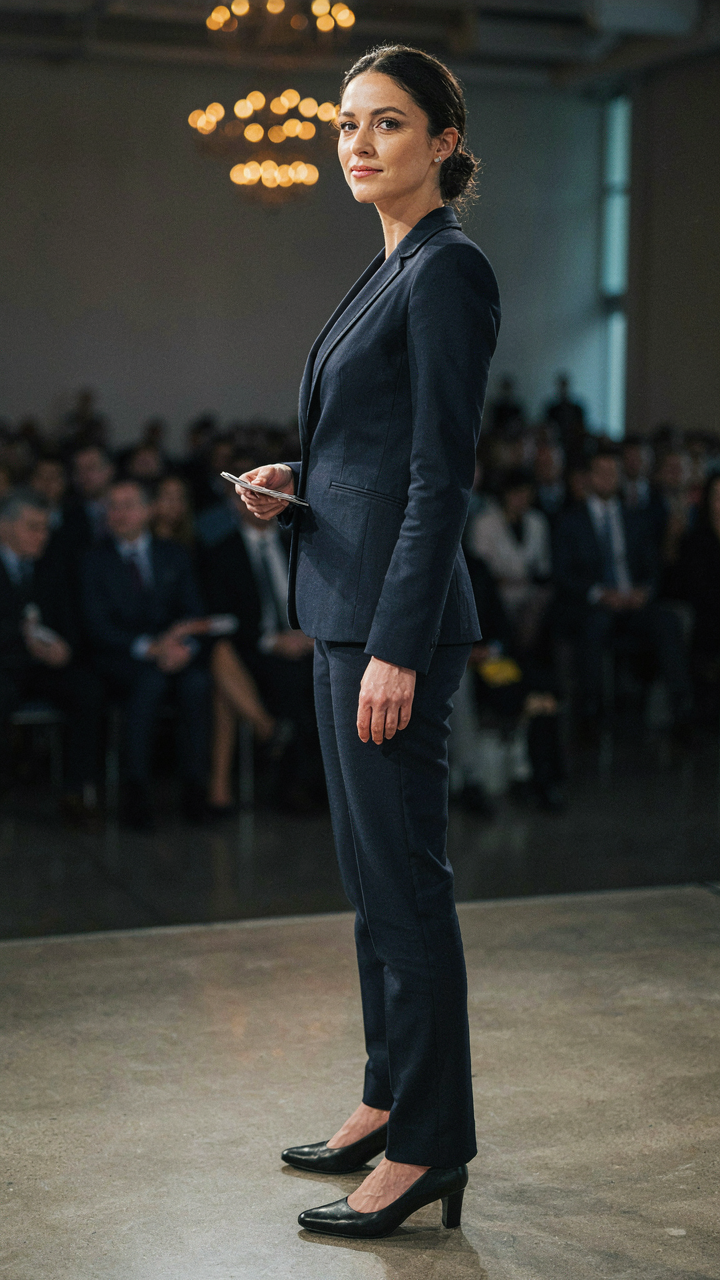
Navigating Corporate Events Without Losing Identity
You’re worried that standing out gets you fired. That’s the real tension here, and it’s backwards. The mechanism is simple: corporate dress codes exist to reduce decision fatigue for leadership, not to punish individuality. The conformity you see is performance, not law. Most executives wear the same suit because it’s easier, not because deviation triggers consequences. Your outfit at a corporate award ceremony signals two things simultaneously: competence through coherence with the room, and confidence through controlled deviation. A navy blazer reads as safe. Navy with architectural tailoring or an unexpected texture reads as someone who thinks. The distinction lives in specificity, not rebellion. Pick one element that breaks pattern—fabric weight, cut precision, or a single unexpected color note—and execute it flawlessly. Hesitation kills the move. Commitment makes it read as intentional rather than confused.

Corporate events reward those who understand the room’s actual stakes: visibility without threat. This means dressing at the peer level of people you want to influence, then adding one deliberate marker of difference. That marker must be professional enough that it signals taste, not poor judgment. A matte finish instead of shine. Unexpected sleeve proportion. A fabric with weight that moves differently. These choices communicate that you respect the context enough to participate in it, but you don’t need the uniform to prove your competence. The outfit becomes a filter: people who notice the detail are people worth talking to.
The Real Power Move In Boardroom Dressing
This contradicts most advice you’ll hear about corporate power dressing, which treats it as armor. It’s not. Armor protects you through invisibility. Real power in corporate spaces comes from being memorable while remaining appropriate. Borrowing from military strategy, the concept of “concentration of force” applies here: don’t spread impact across ten outfit elements. Concentrate it in one deliberate choice. A tailored silhouette that fits perfectly is more powerful than five statement pieces competing for attention. The boardroom elite don’t dress to blend in—they dress to control how they’re perceived by dressing with intention that appears effortless. This requires knowing your body’s proportions and investing in construction quality, not trend-chasing or loud branding.
The most effective corporate award ceremony outfit for women operates on constraint, not explosion. Choose a base that reads as stable: neutral color, clean lines, quality fabric. Then add structural interest through cut or unexpected layering. A white shirt worn under a dress. A blazer with seaming that catches light. Shoes with architectural heel placement. Each element serves precision, not ornamentation. When you leave a corporate event, people should remember your competence first and describe your outfit second, not the reverse. That ratio is where real power lives in professional spaces.
The Midi Dress Outfit: Not So Basic After All
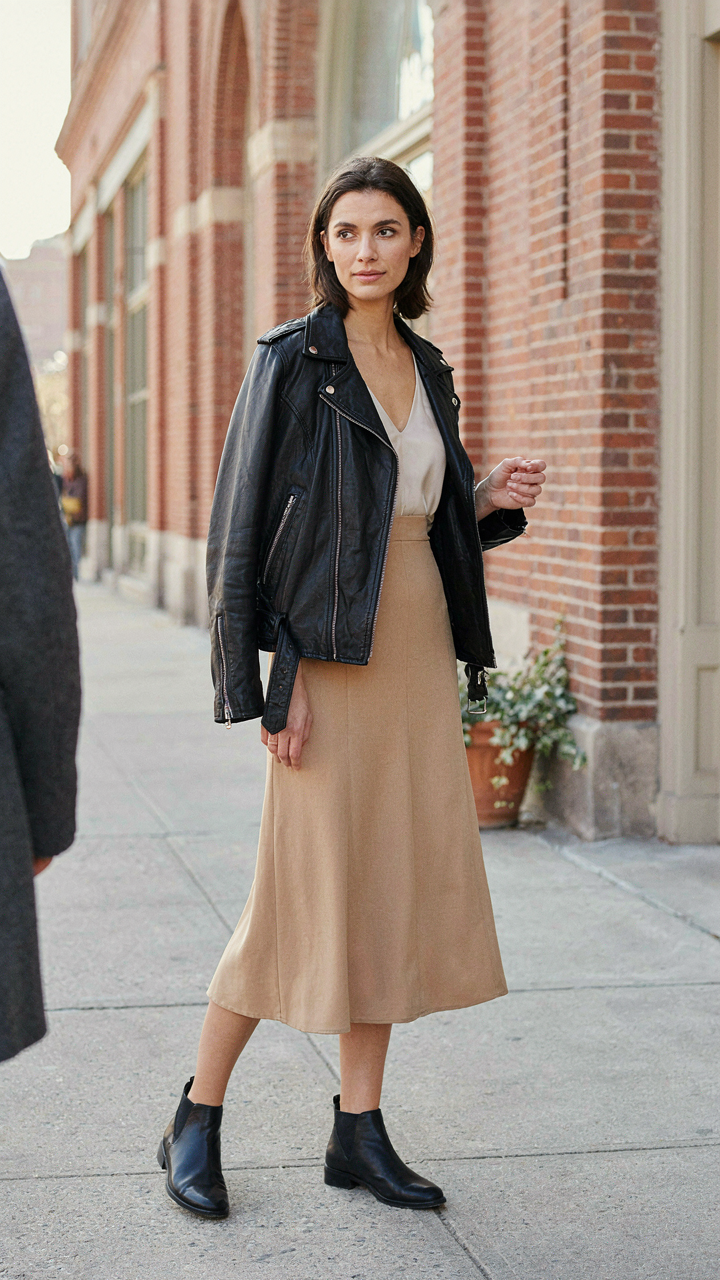
Choosing A Midi That Transcends The Expected
You want a midi because it feels safe. That’s the real reason. It promises to work on every body type and every occasion without demanding you make a choice. But a midi only works if you break one rule everyone else follows.

The mechanism is contrast. In design, contrast is what creates visual weight and holds attention. A midi dress at an award ceremony reads as invisible precisely because it matches the crowd’s baseline expectation. Everyone wears one to these events. The dress that moves people is the one that violates a single assumption about what a midi is supposed to do. That violation can be fabric, silhouette, or color saturation, but it cannot be missing.
Layering And Footwear As Structure
Layering works here like load-bearing architecture works in construction. You’re not adding pieces randomly; you’re distributing visual mass so the outfit doesn’t collapse into blandness. A midi alone has no tension. Add a structured blazer, a cropped leather jacket, or an oversized shawl, and you create planes and angles that interrupt the vertical line.
Footwear choices determine whether your outfit reads as deliberate or default. Heels under a midi are expected. Flat shoes or boots force the eye to recalibrate what the outfit is trying to do. The protocol is simple: choose footwear that contradicts the dress’s natural vibe, then commit fully to that choice.
Maxi Dress Outfit: Beyond Boho, Into Bold
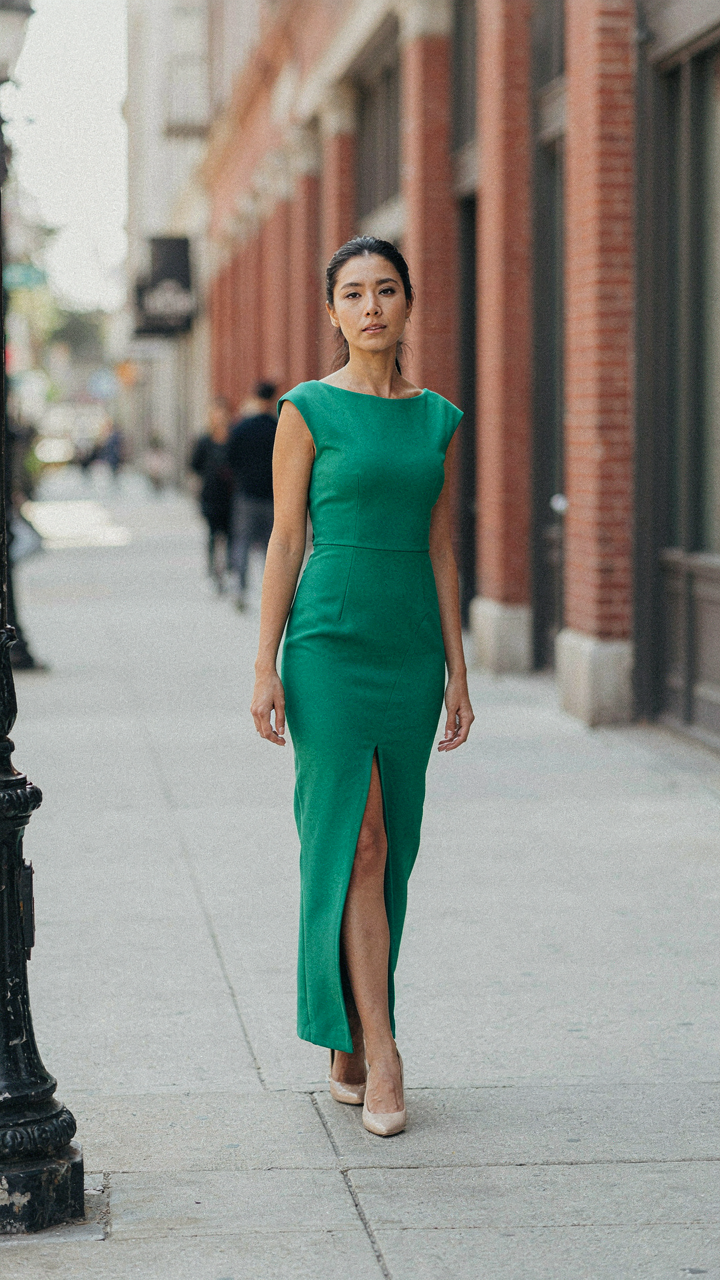
The Maxi As Narrative Control
You want the maxi because it promises elegance without exposure, authority without trying too hard. The real mechanism: a maxi controls the visual story you tell by anchoring attention upward. Think of it like signal amplification in physics—you’re narrowing the bandwidth of where eyes can land, which forces them to process your face, shoulders, and upper body first. The maxi isn’t modest. It’s strategic compression of the viewer’s attention span.

Most advice treats the maxi as a safe choice. That’s lazy. A maxi becomes a statement only when you reject its default quietness. Pair it with structured shoulders, a cutout that breaks the line, or a slit that reveals intentional skin. The fabric weight matters more than length. A limp maxi in lightweight jersey reads as avoidance. A maxi in controlled fabric reads as choice.
Fabric Weight Over Fashion Labels
Drape is physics, not poetry. Heavy fabrics hold shape and create clean silhouettes that photograph well under stage lighting. Silk charmeuse, crepe, or structured cotton blends maintain their geometry through movement. Lightweight fabrics—chiffon, voile, jersey—move unpredictably, which translates to visual noise on camera and in person. Award ceremonies demand fabrics that obey, not fabrics that float around your body like they’re still deciding what to do.
The slit or cutout strategy matters most with heavy fabric because the contrast becomes visible. A slit in a flimsy maxi disappears into motion. A slit in structured crepe reads as deliberate. Choose vertical slits over horizontal ones—they elongate and create a clean line rather than chopping your silhouette into sections. When fabric drapes without clinging and moves without wavering, the outfit commands the space instead of negotiating it.
Velvet Gown: The Underestimated Power Play
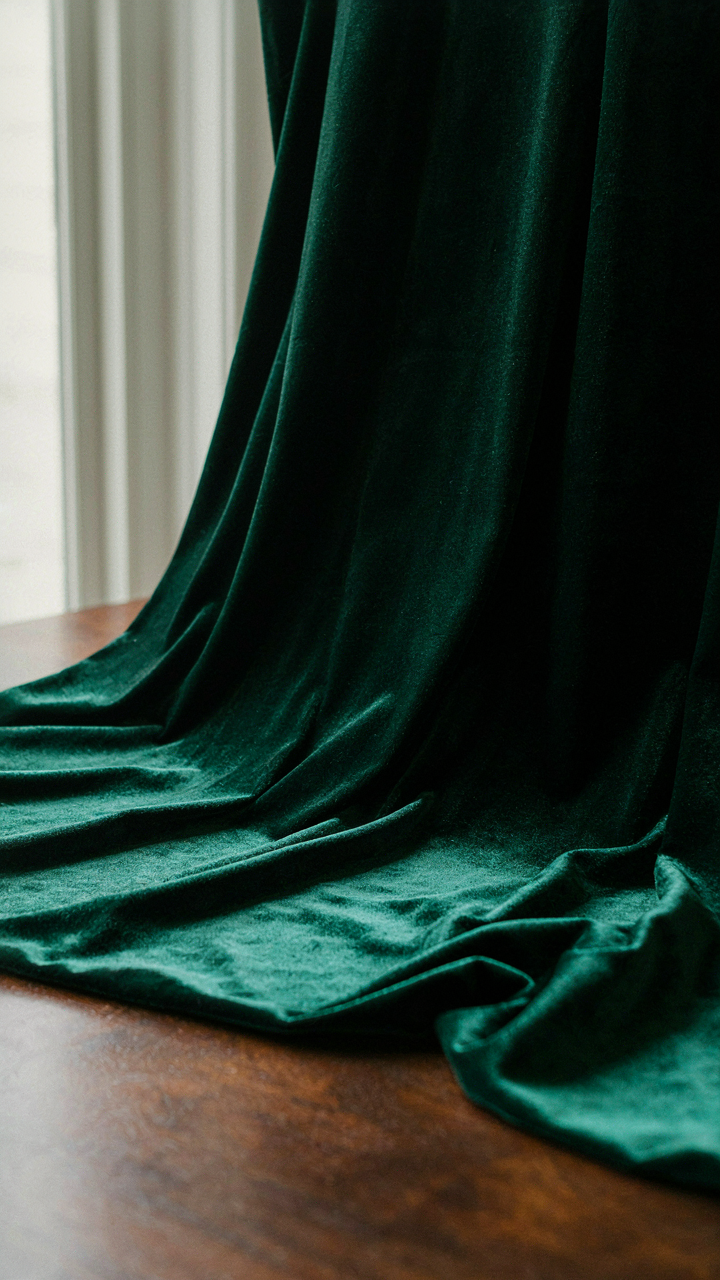
When Texture Becomes Your Actual Advantage
You want velvet because it reads as expensive without screaming for attention. That’s the real mechanic at work here. Velvet operates like compound interest in fashion: the fabric does the work for you through light absorption and depth, not through noise. Everyone else is fighting for visibility with sequins and shine. Velvet sits in the room and lets people come to it. The material’s nap creates dimension that photographs capture—and that’s the mechanism stage lighting amplifies. Fabric choice isn’t decoration. It’s strategy.

Everyone talks about velvet as a winter or holiday choice. Wrong. Velvet works year-round because the fiber itself creates presence, not because of season. Summer velvet in jewel tones performs the same function as winter velvet. The weight and drape change, but the power doesn’t. What matters: cotton velvet breathes better than silk velvet for warm venues. Silk velvet holds color deeper and reads richer under stage lights. Pick based on venue temperature and lighting, not calendar date.
- Jewel Tones Over Neutrals: Deep emerald, sapphire, and burgundy velvet cuts through neutral backgrounds. They anchor a room visually without competing with other attendees.
- Floor Length With Intent: A full-length velvet gown photographs better and moves with authority. It eliminates the distraction of footwear and leg positioning.
- Minimal Embellishment: Velvet already has texture. Adding beads or embroidery fights the fabric’s actual strength and dilutes the effect.
- Side Or Back Slits: Movement matters for stage presence. A strategic slit lets velvet flow and prevents the rigid look that comes from overconstrained fabric.
- Structured Bodice: Velvet drapes heavily. A boned or seamed bodice prevents shapelessness and keeps the silhouette defined as you move through the room.
The cut determines whether velvet reads as elegant or costume. Most women choose velvet then pair it with poor proportions—oversized sleeves, too much gathering, dropped waistlines that fight their frame. Velvet demands precision because the fabric’s weight exposes fit problems. A well-cut velvet gown in the right color makes you visible without effort. You enter, the room registers you, and the fabric does the heavy lifting for the rest of the night.
Velvet Entrance Strategy Through Color And Silhouette
Color choice in velvet isn’t about preference. It’s about contrast ratio against the venue and other attendees. Burgundy velvet at a black-tie event where everyone wears navy or black creates visual separation instantly. The same burgundy at an event full of warm jewel tones blends instead. Scout your venue’s typical palette if possible. If not, choose colors that sit outside the predictable range for that event type. Deep teal, oxblood, and charcoal velvet perform better than predictable choices like classic red or black.
Cut determines whether the gown enhances or obscures your presence. A column silhouette in velvet photographs sharply and moves cleanly. A ballgown cut in the same fabric reads theatrical and pulls focus away from your face. For stage appearances, fitted through the bodice and hips with a slight A-line skirt or straight leg maximizes movement while maintaining definition. For seated or mixed crowd situations, you have more flexibility. The mechanism is simple: fitted fabric reads intentional and confident. Loose velvet reads either costume or like you’re hiding. Choose your message, then cut accordingly.
Wide Leg Jumpsuit Outfit: The Modern Power Stance
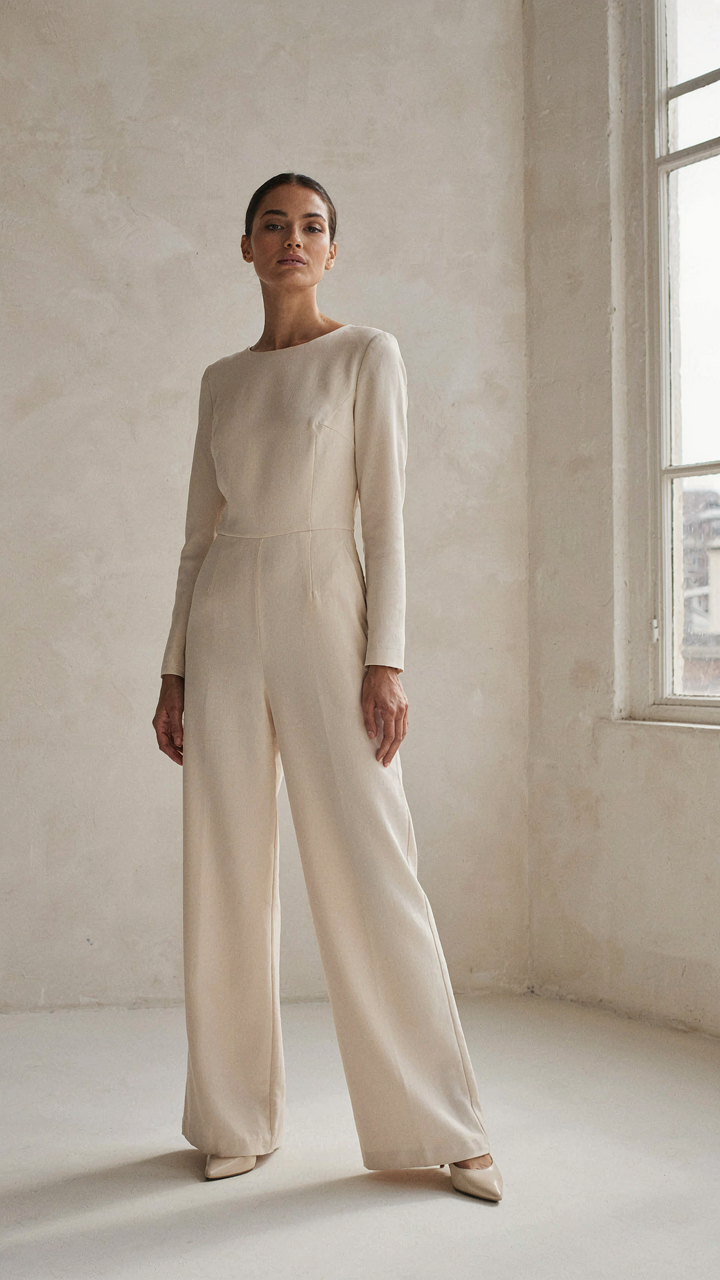
Why The Jumpsuit Works When Nothing Else Does
You want the jumpsuit because it solves a mechanical problem: you need to read as authoritative without looking like you tried too hard. Here’s the mechanism. A jumpsuit collapses the visual distance between your upper and lower body into one unbroken line. Physics calls this continuity. Your eye doesn’t break the silhouette to reassess different pieces. The observer processes you as a single unit before they process details. That’s power. That’s why it works on stage and in a crowd.

The wide leg specifically matters because it contradicts the assumption that fitted equals formal. A fitted silhouette reads as available for inspection. A wide leg reads as taking up space intentionally. Tailors knew this in the 1970s when palazzo pants entered formal wear. The extra fabric forces confidence into your movement. You can’t wear a proper wide-leg jumpsuit in a apologetic posture. The geometry won’t allow it. Your body adapts to the outfit, not the reverse.
The Fit Protocol That Separates Intention From Accident
Forget what you’ve heard about jumpsuits being “easier” than separates. That’s incomplete. An ill-fitted jumpsuit reads worse than almost any alternative because there’s nowhere for mistakes to hide. One piece means one chance. The inseam must break at your shoe exactly. If it pools, you look uncertain about your own proportions. If it hits too high, the line gets chopped and you lose the authority the silhouette provides. Measure from your natural waist straight down the outside of your leg to your ankle bone. Add half an inch. That’s your anchor measurement.
The waistline positioning determines whether you read as controlled or costume. Position the waist seam at your actual waist, not your hip bone. This creates the long vertical line that makes you visually taller and the silhouette more formal. The jumpsuit’s power collapses the second you shift where the seam sits. Shoulder seams land at your actual shoulder point. Armholes sit close enough that you can move without fabric bunching under your arm. Get this protocol locked in during alterations. Wear structured heels with a minimum two-inch heel to complete the line and anchor the wide legs against your ankles.
Formal Looks For Women Classy: The Anti Trend Playbook
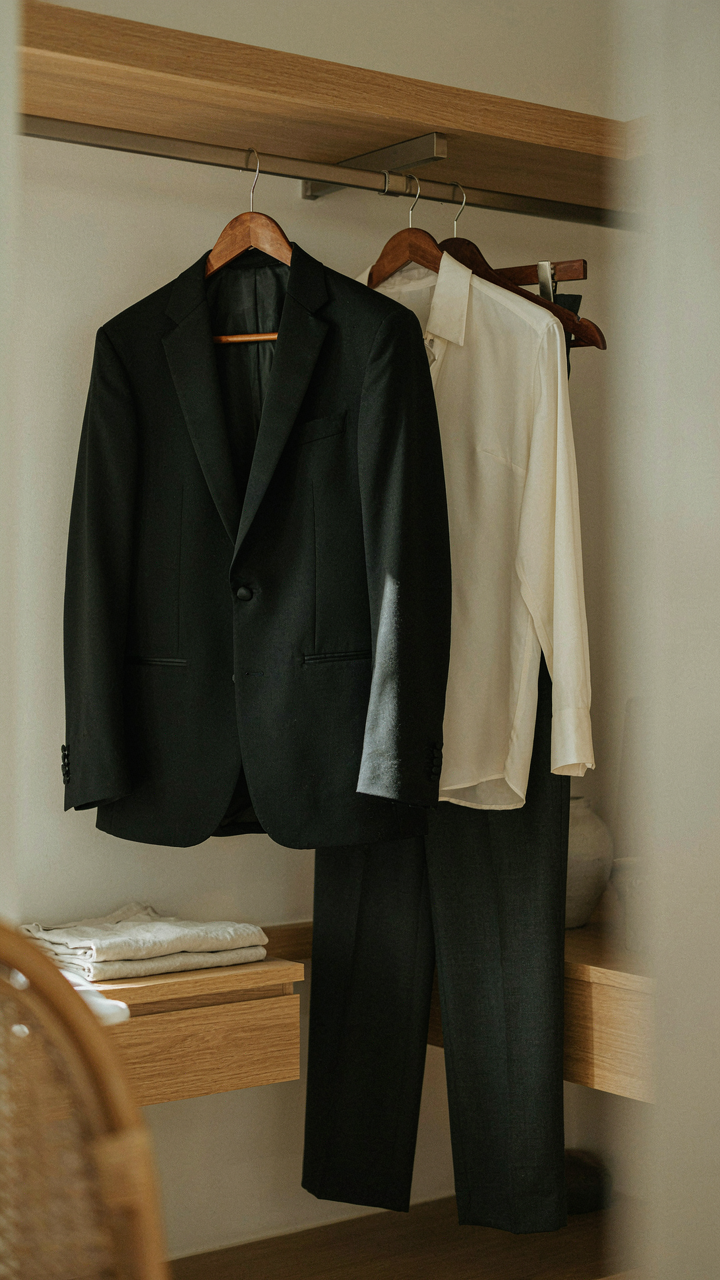
The Core Pieces That Never Expire
You’re reading this because you’re afraid of looking outdated the moment you step off stage. The real mechanism is this: trends die, but proportion never does. Economics teaches us about sunk costs—and fashion operates the same way. Most women treat each award season like a new spending cycle, chasing whatever emerged last month. That’s the trap. A well fitted black tuxedo jacket, a cream silk blouse, and tailored trousers form the foundation because they follow the laws of human perception, not Instagram. These pieces work across decades because they align with what reads as intentional rather than desperate.

The reason timeless looks land harder than trend pieces is structural. Quality fabrics drape consistently. Cut remains relevant because good tailoring is about body proportion, not seasonal preference. A structured blazer in wool crepe stays sharp for fifteen years if you maintain it. Most women own five outfits that scream “I bought this last week” instead of five that say “I know exactly what works.” Building a wardrobe means identifying your silhouette first, then filling it with pieces that earn their space through repetition and real function at events, not novelty.
The Economics Of Buying Less More Often
Forget the advice that says buy cheap and replace often. That math is backwards. One quality evening gown in a neutral color costs more upfront but survives five award seasons without pilling, fading, or losing shape. A cheaper alternative requires replacement twice in that span. You’re actually spending more money, plus time, plus the cognitive load of perpetual shopping. The material difference between a polyester blend and pure silk isn’t just feel—it’s durability. Silk holds dye, breathes, and moves with weight. Polyester stretches unevenly and creates shine in wrong places.
Strategic investment means buying pieces in colors that don’t require outfit coordination. Black, cream, navy, and charcoal pair with everything else in your closet. You reduce decision friction and increase outfit combinations without adding inventory. A tailored wool trouser in navy works with ten different tops. Buy pieces that layer. A fine knit sweater under a structured dress extends the season and the garment’s life. This isn’t about minimalism as aesthetics—it’s about maximizing wearability per dollar and eliminating the need to shop before every single event.
The Real Award Is Never The Trophy; It’s The Unwavering Conviction In Your Own Signal
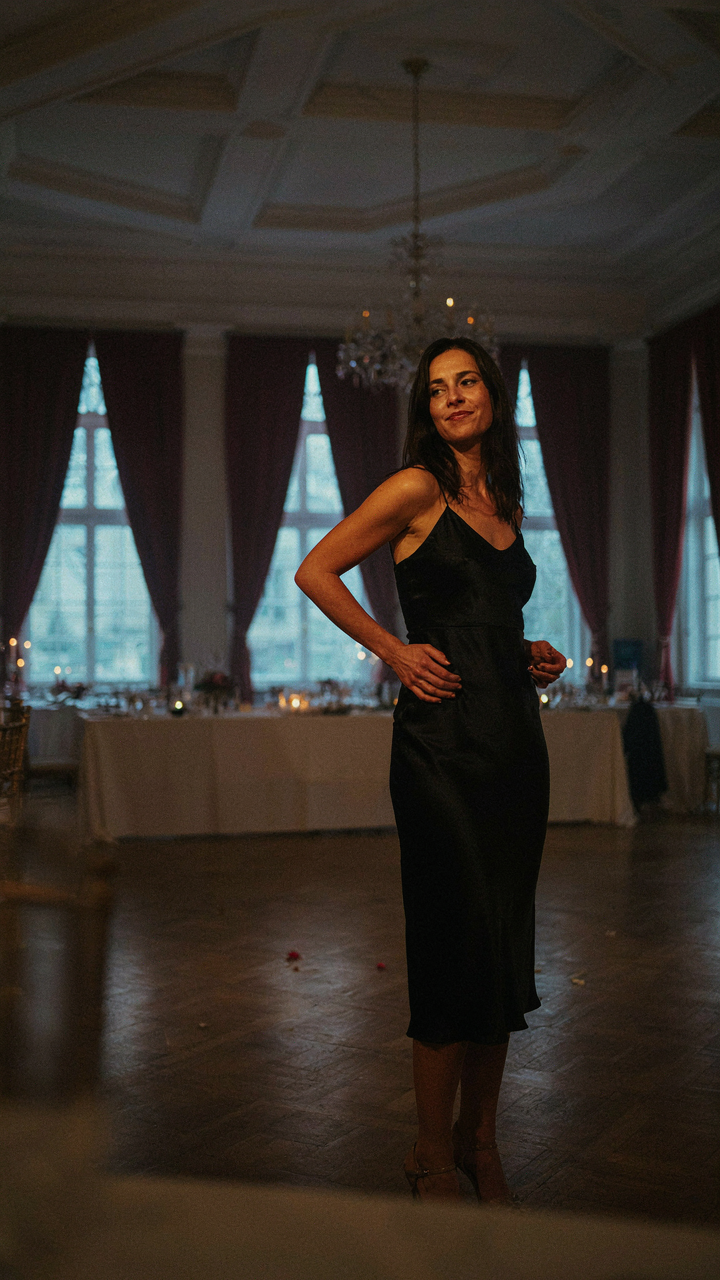
Most women spend more energy matching the room than commanding it. Stop. Your outfit works when it makes you feel like you already won before you walked in. Pick one piece today that makes you uncomfortable in the best way, wear it, and notice how differently people respond. They’re not reacting to fabric. They’re reacting to someone who stopped asking permission.