


The Unseen Pressure Cooker: Why Your Dress Code Anxiety Is Misplaced

The Dress Code Nobody Actually Enforces
You care because you’re terrified of being wrong in front of people who matter. Here’s the mechanism: dress code anxiety exists in the gap between what you think others expect and what they actually notice. Using game theory terms, you’re playing a coordination game where you overestimate the cost of deviation. Most graduation dinners operate on loose social signals, not rigid rules. The dress code is real, but the enforcement is almost nonexistent. What you wear matters far less than you’ve constructed in your head.
The truth is people attend graduation dinners focused on one person: the graduate. Family members scan the room for the honoree, not to grade your outfit. You can show up in business casual or elevated casual dress, and nobody registers the difference because the attention is elsewhere. The anxiety you feel is self-generated. It stems from confusing “what if someone judges me” with “what will actually happen.” These are not the same. Strip the narrative and you find a simple fact: graduation dinners have no dress code police.
The Milestone Belongs To One Person
Graduation marks a specific transition. The dinner celebrates the graduate’s achievement, not your fashion choices. When you treat it as a personal styling test, you’ve misidentified what the event is. This confusion leads to overcomplicated dress selections. You spend mental energy on details the room will never process. The graduate needs you present and appropriate, not impressive. Appropriate means you dress for the venue formality level and call it done.
Ask one question: what would allow the graduate to feel proud and supported? The answer has nothing to do with whether your dress hits mid-calf or your blazer has peak lapels. It has to do with you showing respect for the occasion through clean, fitted clothing that matches the dinner’s formality. If the dinner is at a country club, dress like you belong at a country club. If it’s at a restaurant, match that environment. Then stop optimizing and actually attend the event.
Deconstructing “Elegant Graduation Dress”: It’s Not What You Think
What Elegance Actually Means
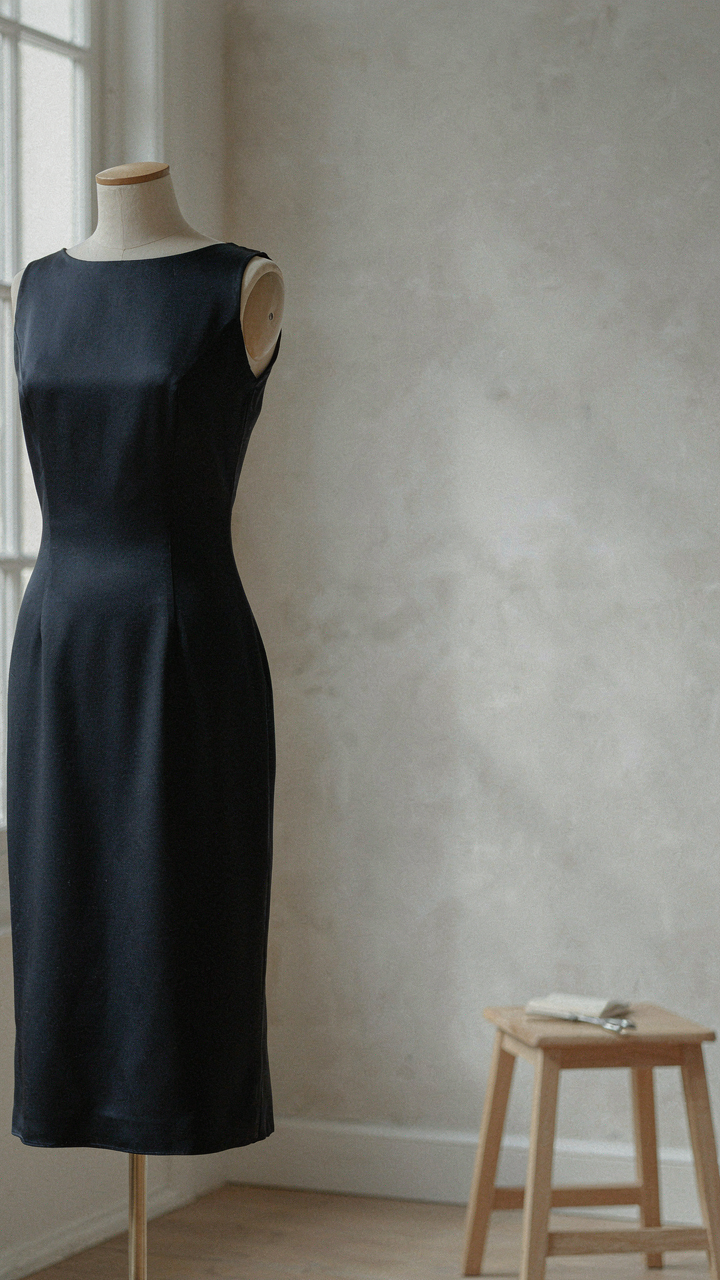
You want to look good because you’re afraid people will judge you for looking mediocre on someone else’s important day. That’s the real mechanism at play. Elegance isn’t a trend—it’s restraint. It’s the opposite of what fashion magazines sell. True elegance means your outfit doesn’t demand attention; it earns respect through fit, fabric quality, and appropriateness to context. A well-tailored navy dress in silk charmeuse beats a trendy piece in polyester every time because the fabric and construction do the heavy lifting, not novelty.

The consensus advice says “dress for the occasion.” That’s incomplete. The real rule is: dress for the people in the room and the specific purpose of the event. A graduation dinner isn’t a fashion show. Your role is to celebrate, not compete. Choose pieces that let the graduate remain the focal point. Neutral colors, clean lines, and zero visible wrinkles communicate respect faster than any statement piece ever will. The outfit that works is the one nobody notices you’re wearing.
Comfort Unlocks Actual Confidence
Psychology borrowed from performance research shows this: physical discomfort creates cognitive load, which tanks confidence. Wear a dress that pinches and you spend the entire evening managing pain instead of presence. Graduation dinner dress success depends on one thing: can you forget you’re wearing it? If you’re constantly adjusting, tugging, or aware of restriction, you’ve already lost. Pick fabrics with natural stretch or give. Breathable materials matter because sweat-induced anxiety isn’t confidence. Shoes you can walk in without thinking about your feet are non-negotiable.
Confidence isn’t a feeling you conjure—it’s a symptom of removing friction. When your dress fits properly at the shoulders, waist, and hem, you move without restriction. When the fabric breathes, your body doesn’t fight the garment. When you can sit through dinner without standing up to readjust, you stay mentally present. Test every piece in advance by wearing it for at least three hours. If you notice the dress, it’s wrong. If you forget about it completely, you’ve found your option.
The Pragmatic Parent’s Protocol: Dressing For Function, Not Fads

Venue, Climate, And Activity Shape Everything
You’re worried people will judge you for getting it wrong. Stop. The real mechanism is this: your outfit must solve a physical problem before it solves a social one. Venue dictates everything. An outdoor garden ceremony in July demands breathable fabric and sun protection. An indoor banquet hall in November requires layering for variable temperature control. Indoor venues run cold from air conditioning. Outdoor venues expose you to weather and ground conditions. Most people choose clothes based on how they look in a mirror, not on whether they function for eight hours of standing, sitting, and moving between spaces.

The activity level determines fit and shoe choice. If you’re walking across uneven grass to a pavilion, your shoe needs real grip and your hem needs clearance. If you’re seated at a table for three hours, compression matters less than circulation and comfort. If you’re moving between a ceremony, cocktail hour, and reception, you need pockets or a bag that doesn’t require hand-holding. Examine the actual schedule and logistics before choosing fabric weight or silhouette. This prevents the common mistake of dressing for the photo instead of dressing for the day.
Pieces That Work Across Multiple Events
Versatility is an economics problem. You’re buying for one event but the piece must generate value across several occasions. A navy blazer works for graduation, holiday gatherings, business events, and casual-formal dinners for years. A cream or taupe dress in a classic cut survives trend cycles and works with different jackets and accessories. The math breaks down when you buy something you’ll wear once.
Choose neutral bases, not novelty colors or statement cuts. Avoid anything with heavy embellishment, bold patterns, or trend-dependent silhouettes. Quality natural fibers like wool, cotton, and linen age better than synthetics and work across seasons. A well-fitted pair of dress pants in black or charcoal becomes your foundation for multiple outfits. The protocol: if you can’t name three other events you’d wear it to in the next two years, don’t buy it for graduation.
Beyond The Black Tie Dress For Women: Options For Actual Humans
When A Jumpsuit Beats A Dress
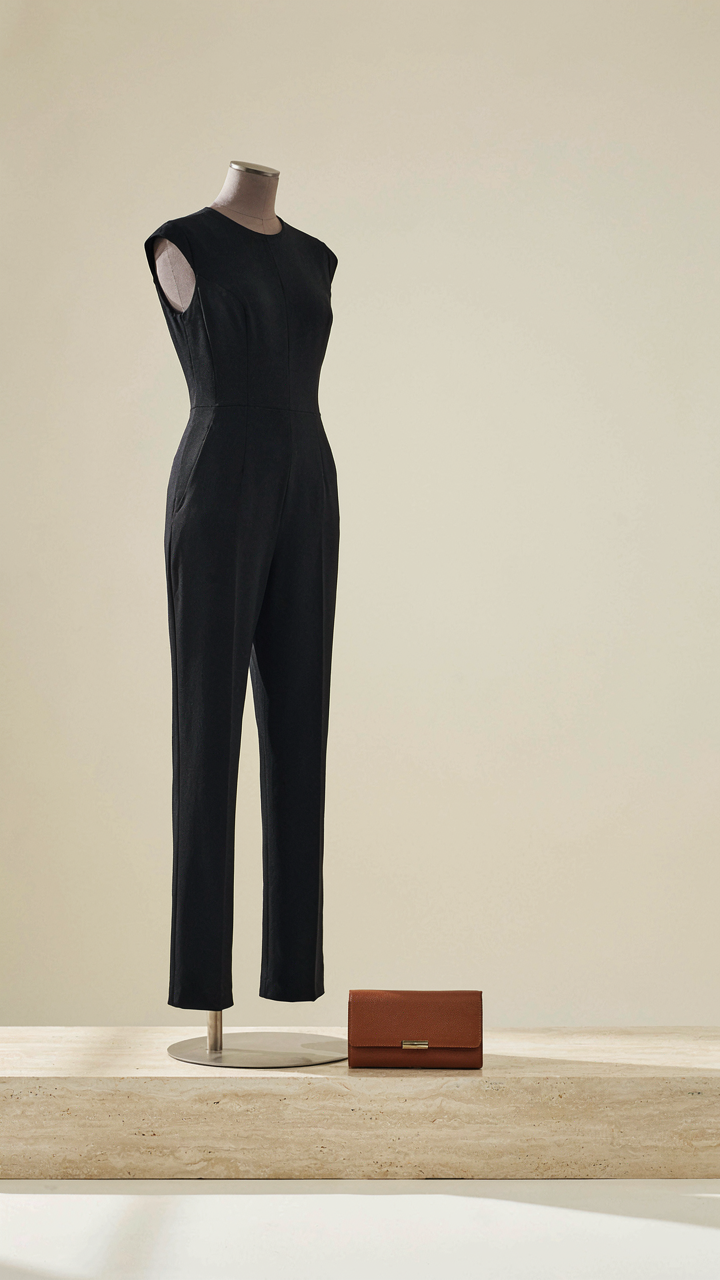
You’re scanning graduation dinner dress codes because you want permission to wear something that doesn’t require spanx and three hours of prep. Here’s the mechanism: formal wear conventions exist to signal deference to an institution, but institutions care about coherence, not compliance. A well-fitted jumpsuit reads as formal when it has the right fabric and cut, because formality is about intentionality and structure, not gender-coded silhouettes.

Separates work the same way. A tailored blazer paired with elevated trousers creates formal presence without forcing you into a dress. High-quality wool, clean lines, and proper tailoring do the communicative work. Chic trousers in neutral tones paired with a structured top signal respect for the occasion while ditching the dress formula entirely. The material matters more than the garment type.
Less Jewelry, More Intent
Most advice says “add statement pieces” and leaves you confused about what that means. Wrong direction. One strong accessory beats five mediocre ones because restraint reads as confidence. When you limit yourself to a single focal point, you force yourself to choose something with actual presence instead of padding your outfit with trinkets.
A structured clutch, one watch or bracelet, minimal earrings—these choices require you to edit rather than accumulate. Start with the outfit, then identify one element that genuinely coordinates rather than distracts. Remove everything else. This isn’t about fashion rules. It’s about your presence not competing with your accessories at a moment that belongs to the graduate.
My Dress Type: The Grad Mini Dress Fallacy
The Mismatch Between Body And Trend
You’re worried people will think you’re trying too hard to stay young. Here’s the mechanism: retail marketing targets families during graduation season by flooding social feeds with mini dresses on models aged 22 to 28, then runs the same ads to mothers and aunts aged 45 to 65. The algorithm doesn’t segment. You see the dress, assume it’s the baseline option, and feel pressure to match a standard that was never designed for your body or life stage.

Age appropriateness isn’t about rules. It’s about fit leverage. A mini dress on someone with 30 years of different body composition, skin texture, and proportions reads differently than the same dress on the model. The common advice says “wear what makes you feel confident.” Wrong. Confidence is secondary. Wear what actually fits your frame without requiring constant adjustment, without exposing areas you’re managing with foundation or compression, and without creating visual tension between the garment and your body’s actual geometry.
Signal Your Taste, Not Desperation
Marketing wants you to believe personal style means following trends that happen to flatter nobody over 40. It’s a lie designed to move inventory. Real personal style is recognizing which silhouettes, colors, and necklines your body actually carries without working against you, then executing those choices consistently across different contexts.
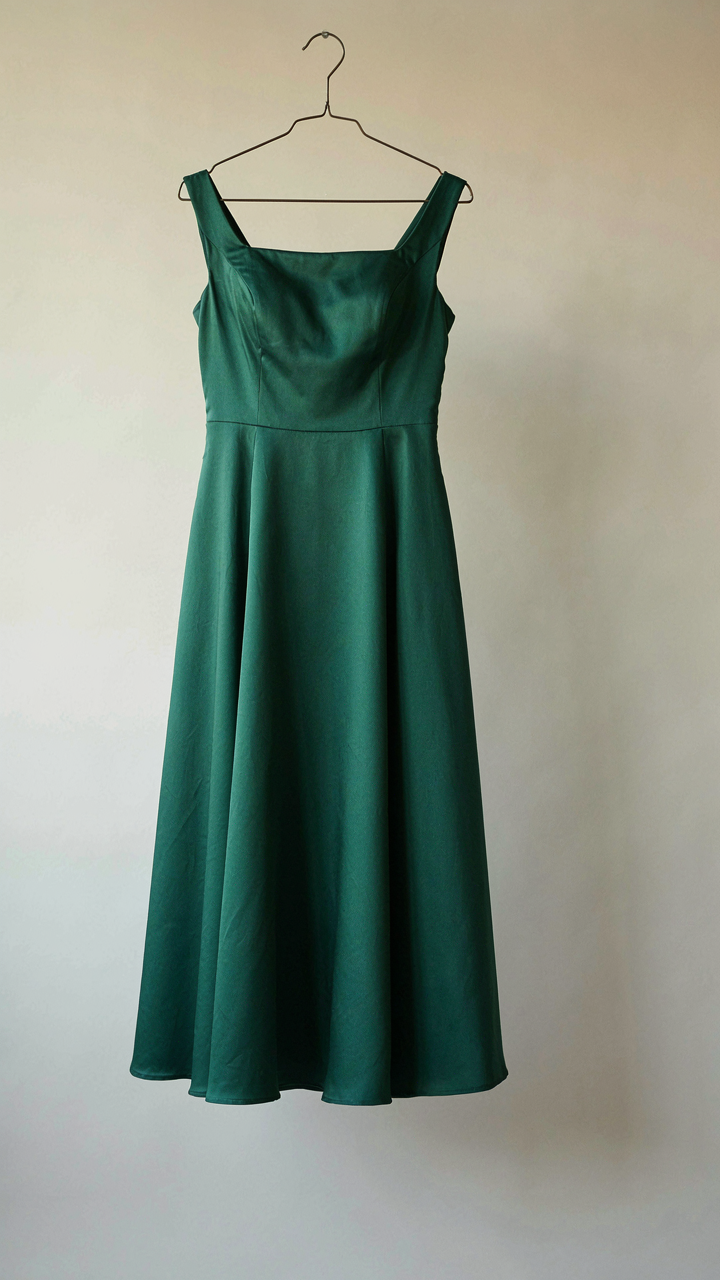
The mechanism here is differentiation through constraint, not abundance. You narrow your options to what genuinely works for you, then you stop second-guessing. A knee-length A-line dress in a solid jewel tone with a structured neckline will do more for your presence at a graduation dinner than a mini dress you’ll mentally adjust all evening. Decision clarity beats trend compliance every single time.
The Beige Dress And Its Many Misconceptions
Beige Works Because It Disappears
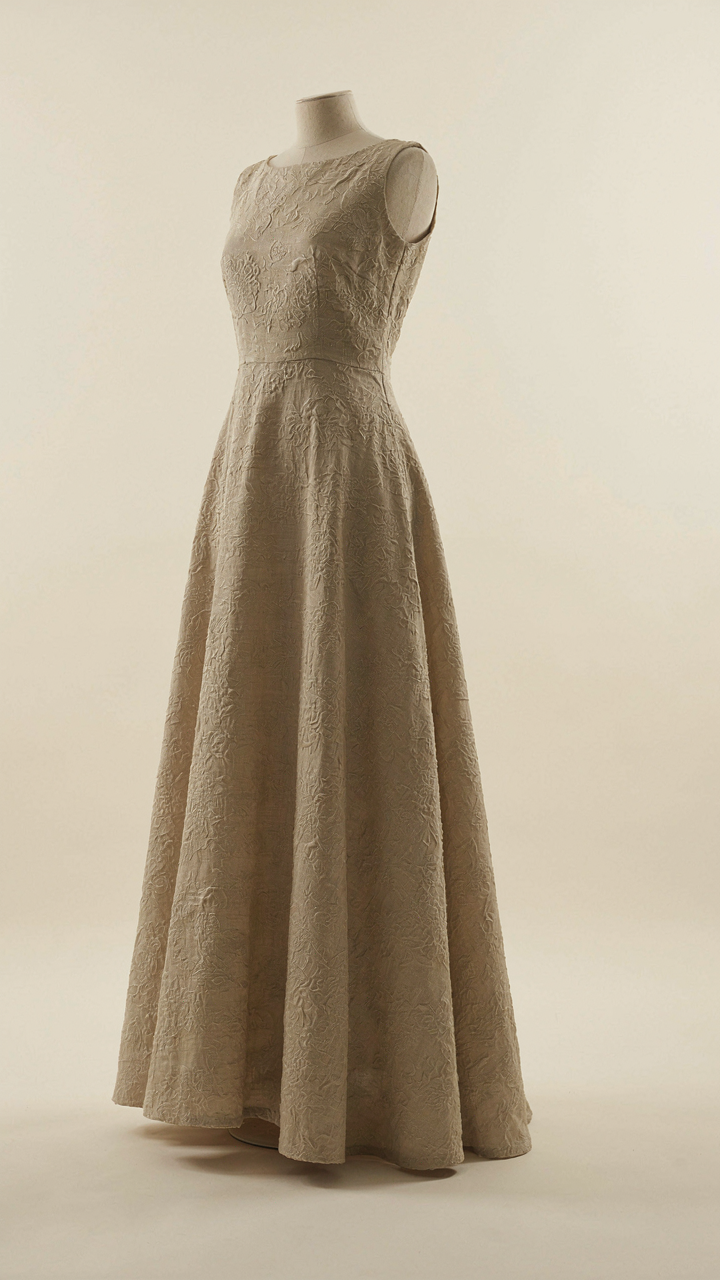
You’re worried beige makes you invisible at an event where you want to matter. The real mechanism is the opposite: beige doesn’t compete for attention, so it amplifies whatever you pair it with and how you carry yourself. This is borrowed from signal theory in communication. In a noisy room, a weak signal gets lost. In a room of patterns and bold colors, a clean neutral becomes the antenna that broadcasts your presence without distraction.

Beige isn’t bland because it lacks color. It’s neutral because it contains all colors in muted form. This quality makes it the rare dress choice that works across skin tones, lighting conditions, and time of day without looking washed out or trying too hard. The fabric weight and cut matter infinitely more than the shade itself. A poorly constructed beige dress fails for structural reasons, not color reasons.
Texture Separates Beige From Forgettable
The mistake most people make is treating beige as a flat, uniform surface. This is incomplete thinking. You generate visual interest through material choice, not by fighting the color. Linen introduces visible weave structure. Crepe creates subtle surface movement. A satin weave catches light directionally. Layering a fitted beige base under an open structured layer adds dimension without introducing clashing colors.
Subtle pattern compounds this effect without breaking the coherence beige provides. A jacquard weave, fine pinstripe, or tonal damask pattern stays within the color family while giving the eye something to focus on beyond the silhouette alone. The protocol: select one textural element as your anchor, then add one supporting detail. Two textures maximum. More than that and you’ve abandoned the strategic advantage beige gives you.
Decoding “لباس بله برون اروپایی”: Cultural Context Over Blind Imitation
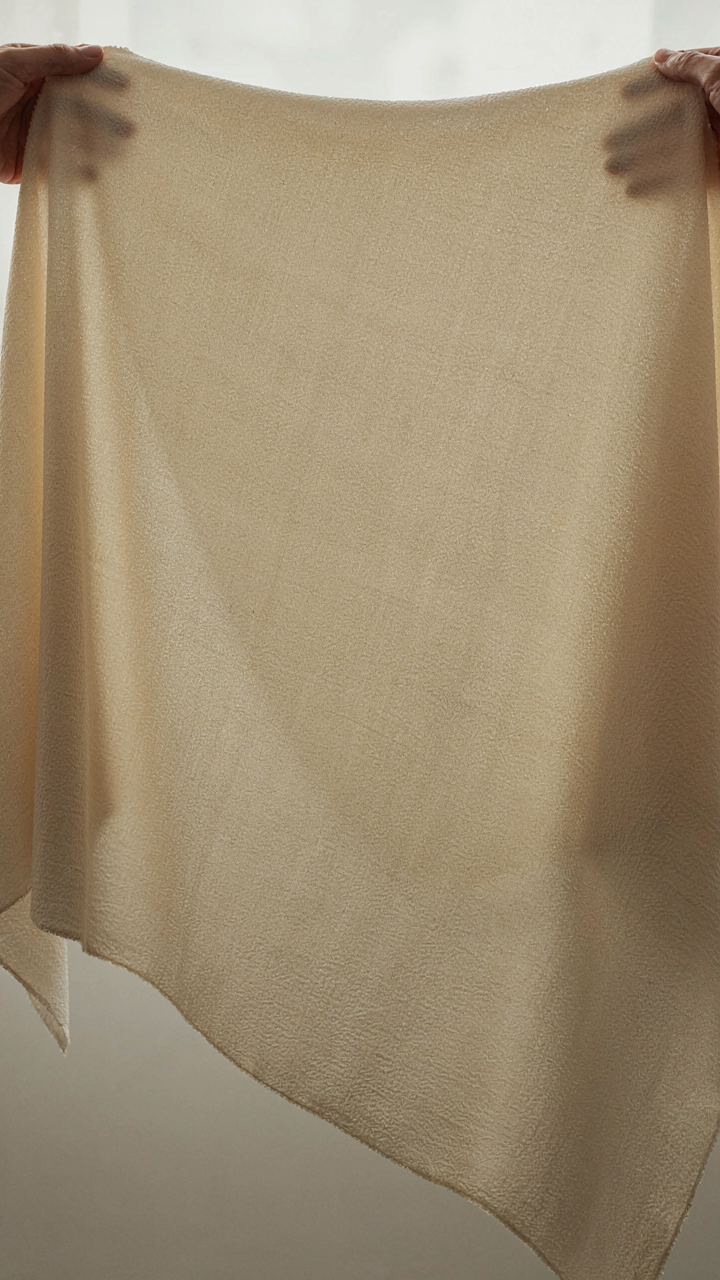
What The Dress Code Actually Signals
You’re worried you’ll get it wrong and look ignorant in front of people who know the rules you don’t. That fear is the mechanism that makes you susceptible to generic advice. The Persian phrase “لباس بله برون اروپایی” refers to Western formal wear worn at engagement celebrations, but the term itself reveals the real stakes: it’s a deliberate choice to adopt non-traditional dress within a cultural moment. This isn’t about following a universal formula. It’s about recognizing that your choice of formality level, silhouette, and fabric communicates whether you respect the occasion’s actual function, not its Instagram version.

The common mistake is treating graduation dinner dress like a checkbox. You find a “formal dress code” listicle, buy something that fits the category, and assume you’re done. Wrong. The dress works only if it acknowledges the specific cultural or family context you’re entering. A Western formal gown serves different purposes at a secular graduation dinner than at one embedded in cultural tradition. The mechanism is this: context determines appropriateness, not category. Your job is to identify which context applies, then dress for that specific scenario, not for “formal” in general.
Tradition Meets Actual Comfort, Not Compromise
The standard advice says to “honor tradition while staying comfortable,” which is useless because it assumes those things naturally conflict. They don’t if you’re strategic. In many cultural contexts, formal dinner dress evolved over decades to be both visually significant and wearable for hours. A well-fitted traditional formal gown or Western formal wear shares the same engineering: constructed to distribute weight evenly, allow reasonable movement, and handle temperature fluctuation. The problem emerges when you choose clothes that look formal but sacrifice function, like a dress too tight to sit in or shoes that guarantee pain after ninety minutes.
Research the specific dress expectations by asking family members directly, not by assuming. If Western formal wear is appropriate, choose structured fabrics like crepe or wool blend over flimsy materials that wrinkle or shift during dinner. Ensure sleeve length, neckline depth, and hem length align with both the event’s formality and your family’s actual standards, not imagined ones. Test the outfit: sit, stand, eat, and move in it before the event. This isn’t compromise. It’s engineering your appearance to survive the occasion without distraction.
The “Short Modern Wedding Dress” Trap: Re Evaluating Occasion Specific Attire
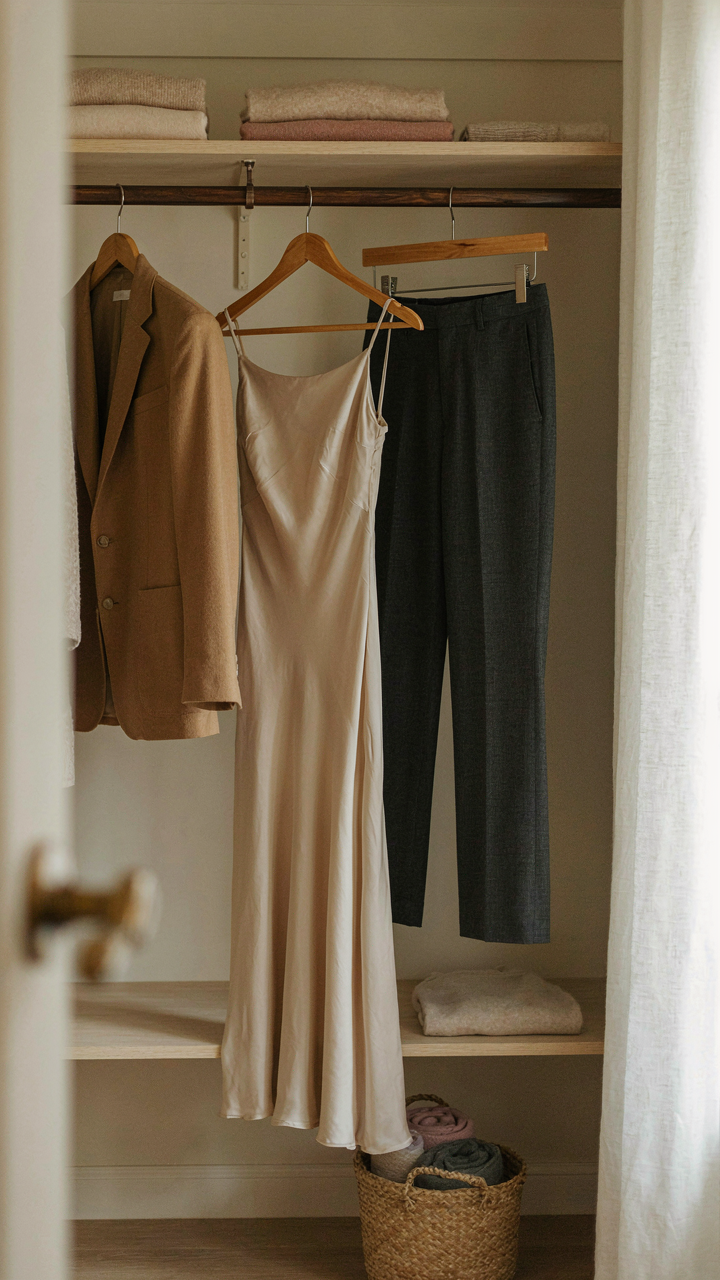
When One Outfit Solves One Problem
You’re afraid you’ll look wrong, so you buy a dress that exists only for this single event. Military strategy calls this mission creep: you expand your objective beyond what the core mission demands, and suddenly you’re fighting battles you didn’t plan for. A short formal dress marketed as “graduation appropriate” becomes a garment with zero utility after graduation dinner ends. You own it for four hours. The mechanism is simple: the fashion industry profits when you believe each occasion requires exclusive attire. They’ve convinced you that a graduation dinner dress differs fundamentally from a cocktail dress, a semi-formal dinner dress, or a nice date-night dress. It doesn’t. The actual functional requirements are identical.

What matters is fabric weight, neckline structure, and fit. A dress that works for a celebration dinner works for a graduation dinner. The distinction exists entirely in marketing copy. When you chase occasion-specific labels instead of garment fundamentals, you trade versatility for status signaling. The real play is owning fewer pieces that function across multiple contexts. Evaluate any dress candidate by asking: where else will I wear this in the next two years? If the honest answer is nowhere, you’ve already lost money before you’ve worn it once.
The Real Cost Of Specificity
Buying a “graduation dinner dress” locks capital into a single-use asset. Economics teaches opportunity cost: every dollar spent here is a dollar unavailable elsewhere. A family member might spend 80 to 150 dollars on a dress worn once. That same budget, redirected toward a quality cocktail dress or semi-formal piece in neutral color, produces a garment you’ll wear dozens of times. The graduation dinner requires appropriate formality, not a label that says graduation. A knee-length or midi dress in black, navy, or burgundy works for rehearsal dinners, holiday parties, work events, and date nights. Specificity masquerades as thoughtfulness. It’s actually inefficiency dressed as intention.
The mechanism that catches people: they evaluate the purchase against the single event instead of against their total wardrobe usage. Before buying, map out three other occasions where the dress functions. If you can’t name them, the garment is a liability, not an asset. This forces a discipline that protects both your budget and your closet. The graduation dinner is meaningful, not because it demands unique clothing, but because it deserves appropriate respect shown through polished, well-fitting pieces you already own or pieces with future utility built in.
Timeless Vs. Trendy: Avoiding The “لباس شب جدید ۲۰۲۶” Obsession
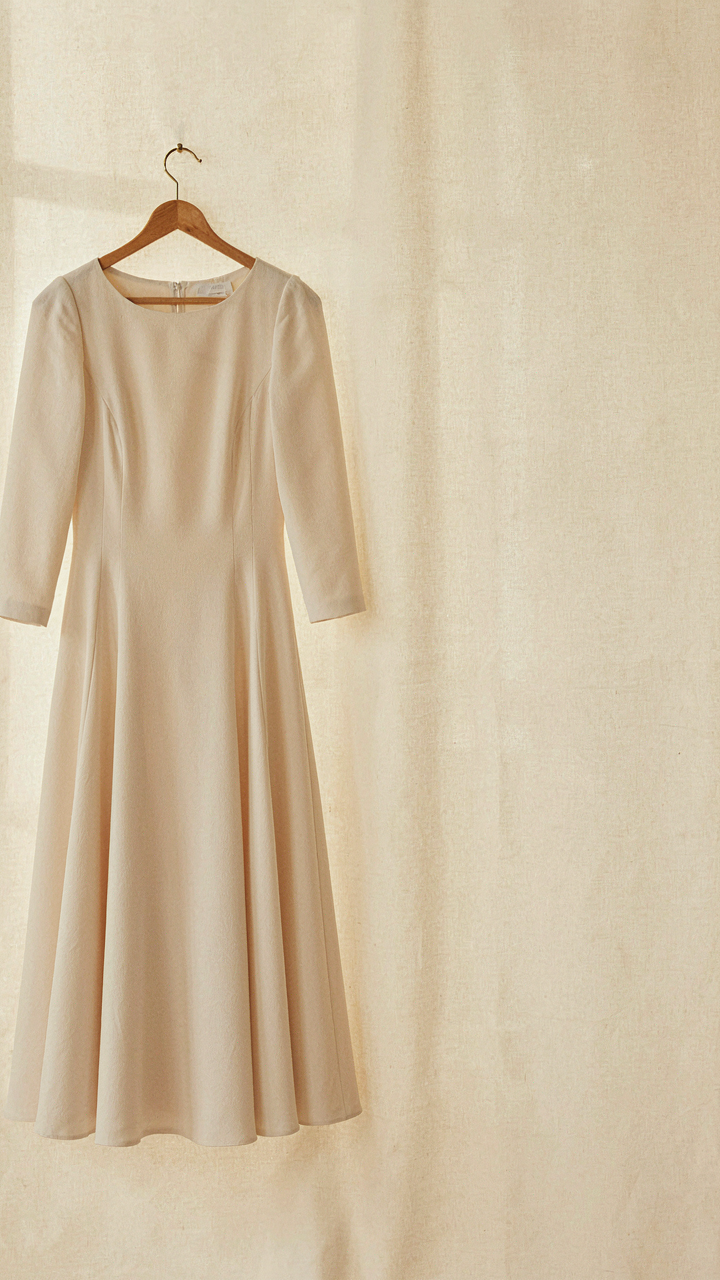
The Case For Constructed Permanence
You’re worried your outfit will look dated in photos. Here’s the mechanism: trends accelerate because social media rewards novelty, not because the clothes themselves improve. A graduation dinner dress from 2015 that cost $200 still functions perfectly in 2025. Trends exploit your status anxiety by reframing last year’s cut as obsolete. The real play is understanding that classic silhouettes—A-line, sheath, column—have survived fifty years because they accommodate body movement and photograph well across decades. They don’t require you to hunt for the “latest” every season.

Investment in durable silhouettes means selecting dresses built on structural principles, not fleeting color palettes or hem lengths. A well-cut, neutral-toned dress in natural fiber (silk, linen, cotton blends) outlasts fast fashion alternatives because the construction handles repeated wear. You’re not buying into a trend cycle; you’re buying into a garment that serves its function at multiple events. The cost-per-wear drops dramatically when you wear it to a family event, then again in five years at another milestone.
Building For Repeat Use, Not Disposal
Sustainable fashion isn’t about feeling virtuous—it’s inventory discipline. Fast fashion exploits the false economy of “cheap,” then buries the true cost in landfill volume and replacement cycles. A graduation dinner dress made from synthetic microfibers designed for one-season wear creates logical waste. Durable fabric construction and neutral colorways solve this problem mechanically: you choose pieces because they work with existing items in your closet, not because they replace them.
When you select a graduation dinner dress, verify fiber content (silk, linen, high-quality cotton, wool blends hold structure and age well), construction quality (seams should be finished, hems reinforced, not glued), and neutral tones or patterns that pair across seasons. This process takes thirty minutes of research instead of hours chasing trend cycles. You execute one purchase decision that works for five years instead of abandoning a dress after two wears because the trend shifted.
The “Lباس مجلسی دخترانه 2026 پوشیده” Paradox: Modesty And Modernity
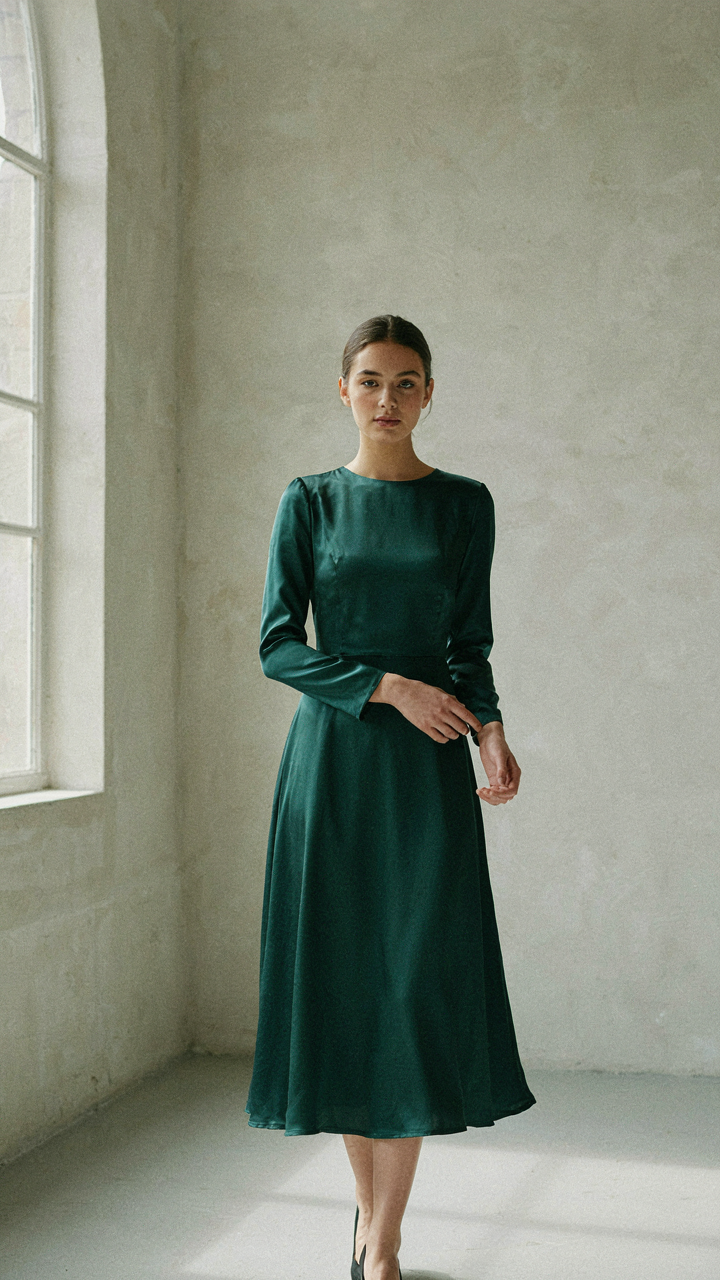
Modest Cuts That Fit Every Frame
You’re actually worried about looking outdated, not about modesty itself. The real mechanism: coverage and fit are two separate variables. Most people conflate them. You can drape fabric strategically without drowning the wearer’s proportions. That’s the difference between a graduation dinner dress that works and one that broadcasts uncertainty.
- A Line Silhouettes With Long Sleeves: Creates vertical flow that elongates shorter frames while skimming over midsection without clinging. Works across weight distributions because the cut creates shape through movement, not compression.
- High Necklines Paired With Open Backs: Covers the front collarbone and chest completely while exposing the back strategically. Balances modesty with visual interest. Flatters pear-shaped bodies by drawing focus upward.
- Layered Fabrics With Structured Bodices: Uses opacity through layering rather than loose draping. Keeps fabric close to the body without revealing shape. Works for plus-size wearers because structure prevents bunching.
- Midi Length With Tapered Waists: Hits below the knee or at the ankle while defining the narrowest part of the torso. Elongates taller frames and adds formality. Proportional fit makes smaller chests read as intentional, not inadequate.
- Wrap Dresses In Dense Knits: The wrap mechanism adjusts to actual body dimensions. Dense knits prevent transparency issues. Modest by design while remaining sharp and intentional.
The dress works when it solves a specific body problem, not when it hides everything. Measure shoulder width, torso length, and hip fullness first. Then choose the cut that uses coverage as a feature, not a disguise. That distinction determines whether relatives compliment the dress or just the person wearing it.
When Traditional Meets Contemporary Design
Modern modest dressing didn’t invent coverage—it borrowed the constraint and weaponized it. Think of it like constraint-based product design: the limitation forces innovation. A closed neckline forces designers to build visual interest through construction, drape, or fabric texture instead of relying on skin exposure. That’s exactly what happened in contemporary interpretations of traditional coverings.
Iranian couture houses designing for 2026 aren’t recreating grandmother’s formality. They’re using high necklines and long sleeves as a starting point, then layering modern tailoring, unexpected fabric combinations, and asymmetrical hemlines on top. A midi dress in silk charmeuse with a structured bodice reads contemporary. The same silhouette in matte jersey with hand-stitched details reads slower, more expensive. Modest coverage became the canvas instead of the ceiling. You’re not choosing between tradition and modernity—you’re choosing which design problem the coverage solves. A graduation dinner dress that respects modest expectations while feeling current uses precision construction as its primary tool, not just fabric volume.
The Real Obstacle Isn’t What You Wear; It’s The Fear Of Being Seen As Ordinary

You already know what looks good on you. The graduation dinner dress you choose matters less than the decision to stop playing it safe. Most people wear beige to blend in, not to celebrate. Pick something that makes you feel like you earned a seat at that table because you did. Open your closet today and grab the outfit that actually excites you instead of the one that disappears into the room. Your presence should announce something the moment you walk in.