
The “Effortless” Illusion: Why Your Best Intentions Fall Flat

The Casualness Trap
You want to believe that looking good requires no planning because planning feels calculating. The mechanism is simple: your brain treats preparation as evidence of trying too hard, which feels inauthentic. This is backward. An anniversary dinner outfit demands the opposite of spontaneity. Strategy precedes execution. The best results look effortless because they were built on decisions made days before, not minutes before. Casualness that lands is always constructed.
Real effortlessness requires constraint. You cannot curate an outfit while standing in your closet at 6 PM. The decision fatigue alone sabotages fit and color harmony. Choose your core pieces one week ahead. This eliminates the scramble that produces outfit failure. You already know what works on your frame and what doesn’t. Use that knowledge systematically instead of hoping the right combination emerges under time pressure.
The Calibration Problem
Underdressing and overdressing operate on the same mechanism: mismatch between context and signal. Most people miss the actual calibration point. The common advice to “dress up from your normal clothes” is useless because it depends entirely on what your normal is. Dressing up from sweatpants looks different than dressing up from business casual. The real variable is the venue and the statement you want to make about the occasion itself.
An anniversary dinner outfit signals that this moment matters. That signal travels through fabric weight, finish, and silhouette. Casual fabrics like cotton jersey read as everyday regardless of cut. Structured fabrics like satin or tailored cotton read as deliberate. The fit must be precise enough to suggest intention. Loose or sloppy silhouettes undercut the message no matter how expensive the piece. Measure yourself against the venue’s formality level, then add one intentional element: a silk fabric, a structured cut, or a deliberate accessory that wouldn’t make sense for a regular Tuesday.
The Signal To Noise Ratio: Dressing For Impact, Not Approval
What Your Partner Actually Sees
You care about this section because you’re afraid your outfit won’t matter—that it’ll be invisible or worse, wrong. That fear is backwards. The mechanism is simple: your partner’s brain processes visual information in layers, and most of what you wear operates below conscious awareness. They don’t catalog your outfit. They register energy, proportion, and whether you look like you chose deliberately or defaulted to habit.

The signal-to-noise ratio from physics applies directly here. Signal is what communicates intention: fit that suits your frame, color that flatters your skin tone, silhouette that moves with confidence. Noise is everything else—trend pieces that fight your body, colors that drain you, fabrics that restrict movement. Your partner reads the signal first, always.
Cutting Through What Others Expect
The conventional advice says wear what makes you feel confident. That’s incomplete and often wrong. Most people confuse comfort with confidence, then default to what they’ve worn a hundred times. Societal pressure doesn’t come from strangers at the restaurant—it comes from the internalized voice telling you to play it safe, match the “anniversary dinner” aesthetic, or copy what worked for someone else’s relationship.
Authentic expression in an anniversary dinner outfit means rejecting the template. Identify one element that’s actually yours—the cut you prefer, the color that tracks with your personality, the fabric that feels like your skin—and build the outfit around that. Everything else follows that anchor. Strip the noise and what remains is what your partner will actually see.
The 3 Tiered Aesthetic Protocol For Your Anniversary Dinner Outfit
Understated Elegance
You’re worried people will judge you for not trying hard enough. That’s backwards. The mechanism is constraint: fewer pieces force each one to carry weight, so nothing fights for attention. A fitted dark blazer, tailored trousers, and one quality accessory win over a closet emptied onto your body. Restraint reads as intentionality. This tier works because it removes decision friction while signaling competence.

The real skill is fit over decoration. Most people own clothes that fit badly and compensate by adding more. Start with one garment that actually fits your shoulders and waist, then build around it. Everything else is noise. Choose neutral colors: black, navy, charcoal, cream. A single fitted piece worn well beats three trendy pieces worn poorly.
Bold Statement
Strategy borrowed from design: the hero element. One item carries the visual load while everything else retreats into support. Your anniversary outfit needs one reason people remember it, not five competing reasons. A jewel-toned dress, a structured metallic clutch, or a statement coat becomes the anchor. Everything else fades to backdrop. Deploy this when you want presence without trying to fill space with busy patterns or clashing textures.
The protocol is simple: pick one piece that feels like a choice, not a default. Pair it with basics that don’t negotiate for attention. If your statement piece is dramatic, your shoes and bag flatten to neutral. If your statement piece is subtle, you can afford one tonal variation in texture. The mistake everyone makes is adding three statement pieces and wondering why they look fractured. One hero element. Everything else serves it.
Color Theory For Attraction: Beyond The Basic Red Dinner Dress
Why Red Doesn’t Own Romance
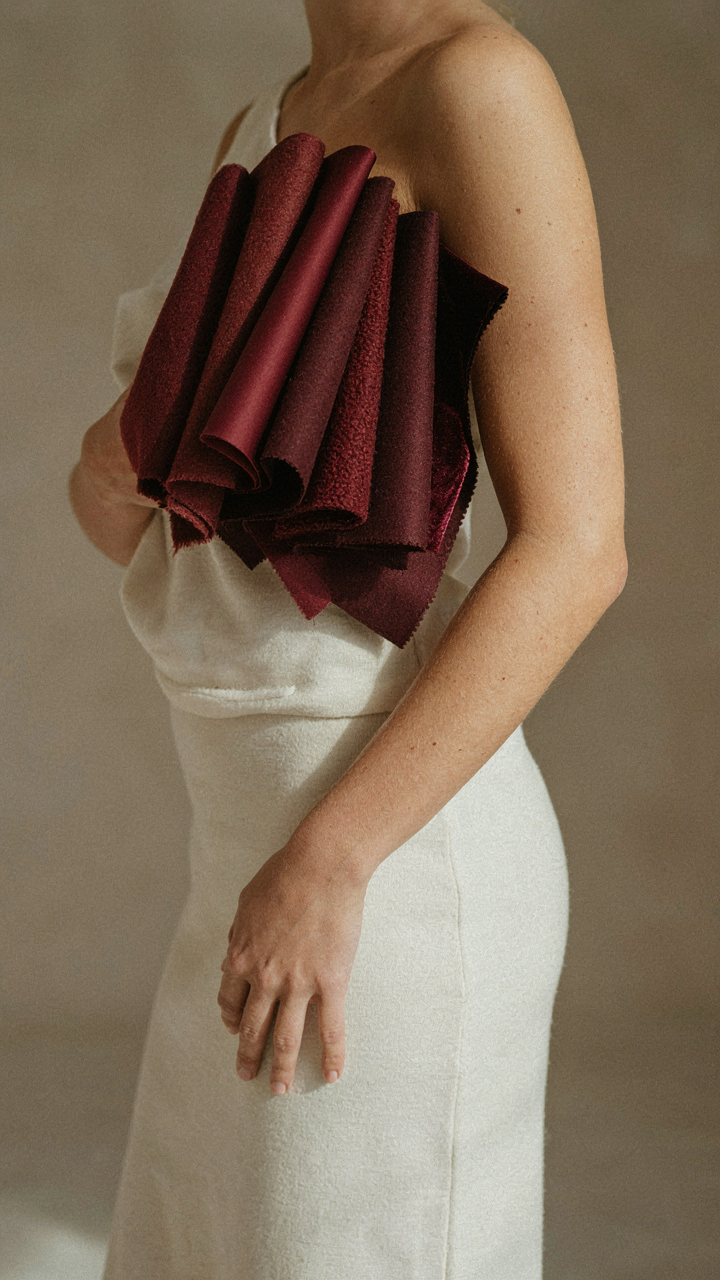
You want the red dress because you think it signals desire. That’s not the mechanism. Color psychology in romantic settings works through contrast and context, not through inherited meaning. Red has no inherent romantic power—it’s cultural imprinting. What actually moves perception is how a color reads against skin tone, lighting, and what the wearer communicates through confidence in wearing it.

Red works on some people because it creates high contrast and holds attention. On others, it flattens the face or reads as costume. The real play is substrate compatibility. A deep burgundy on warm skin tones with yellow undertones creates visual harmony. The same dress on cool skin reads harsh. Nobody talks about this because it requires you to know your own coloring first, which demands honest assessment instead of trend-following.
Mood Elevation Through Strategic Saturation
Saturation is the intensity lever in color theory. Full saturation demands attention—it activates. Desaturated tones (muted, dusty) create calm. For an anniversary dinner where you want to feel present rather than performing, this distinction matters. Completely saturated jewel tones work if you’re signaling energy and want to dominate the visual field. Muted versions of those same hues create intimacy without ego.
The mechanism is simple: your nervous system responds to color intensity before your conscious mind registers the color itself. A muted emerald allows conversation to feel like connection instead of spectacle. A saturated emerald makes the wearer the focal point of every room. Neither is wrong. Pick based on what psychological state serves the actual goal of the evening—which isn’t looking perfect, it’s feeling grounded enough to be present with another person. Choose saturation level before choosing the hue.
Fabric As Function: The Kinetic Energy Of Your Anniversary Dress
How Fabric Moves With Your Body
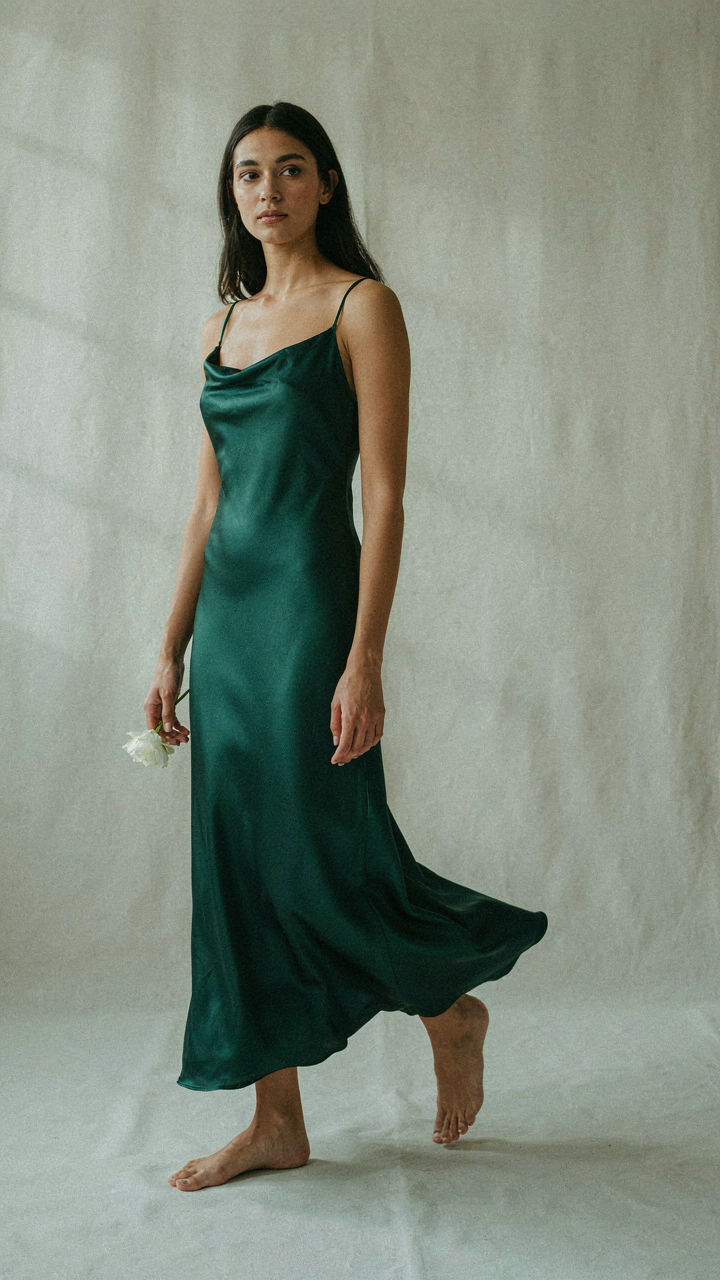
You care about this because fabric choice determines whether you look composed or frantic. Here’s the physics: drape is momentum. In textile mechanics, fabric weight and weave density control how material responds to your movement. Silk charmeuse falls differently than cotton. Linen moves faster. Heavier fabrics—like crepe or structured wool blends—resist sudden motion and read as intentional. Lighter fabrics telegraph every shift. Your dress either stabilizes your presence or amplifies your nervousness.

The practical mechanism: test movement before purchase. Raise your arms. Walk. Sit. A fabric that clings to your thighs when you sit signals poor choice. A fabric that swings freely but settles quickly when you stop shows control. Satin and silk charmeuse have high recovery—they return to shape fast. Cotton and linen have slower recovery but feel more substantial. For anniversary dinners, you want fabric that absorbs your motion without broadcasting it.
Touch Before You Buy
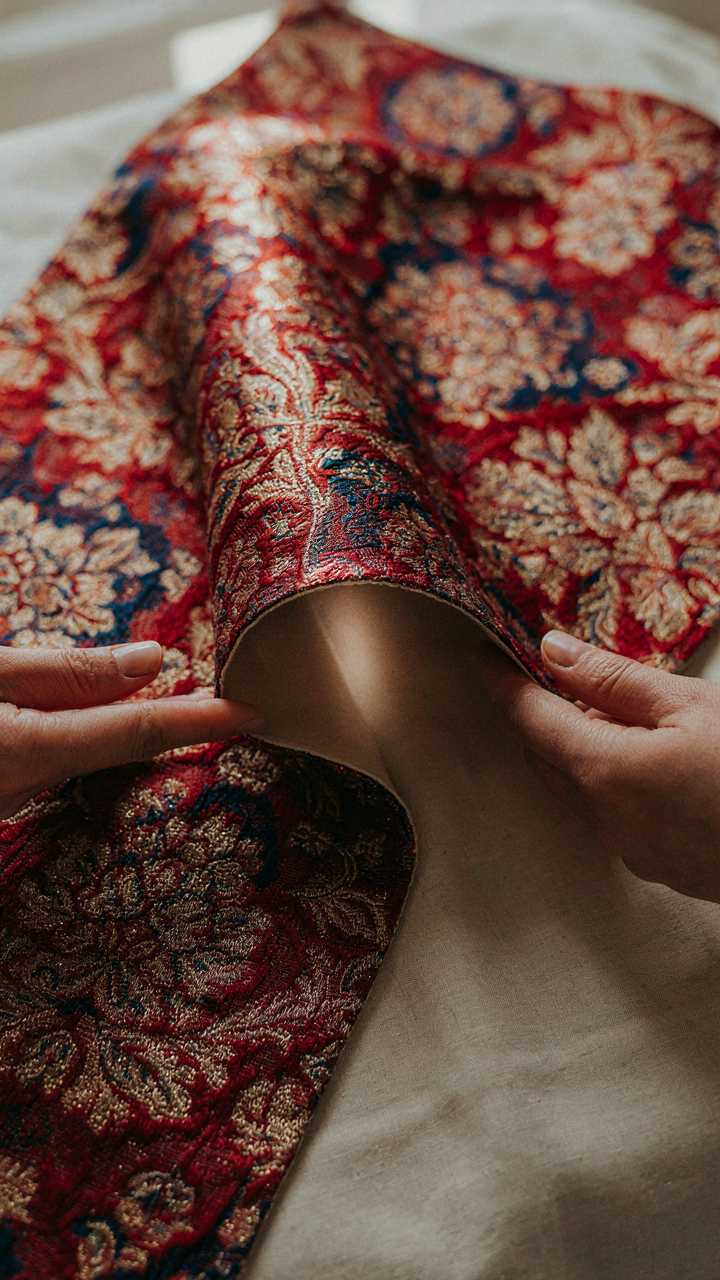
The common advice here is wrong: “choose what feels good” misses the actual mechanism. Tactile intelligence means matching fabric behavior to the interaction environment. Silk invites touch because it’s smooth and warm—your partner’s hand slides across it naturally. Velvet invites touch through texture but can feel costume-like in dim lighting. Cashmere invites closeness but wrinkles under pressure. Cotton feels approachable but can read as casual.
The real filter: fabric should reward touch without demanding maintenance during dinner. You don’t want a dress that requires constant smoothing. You don’t want material that cools to the touch—silk stays warm, polyester doesn’t. Run the back of your hand across candidates. Notice if your hand wants to pull away or stay. That instinct predicts how your partner will interact with the garment. Silk charmeuse and high-quality crepe pass this test. Rough synthetics fail immediately.
The Black Maxi Dress: A Misunderstood Power Play (Anniversary Dinner)
Why Black Works When Everything Else Fails
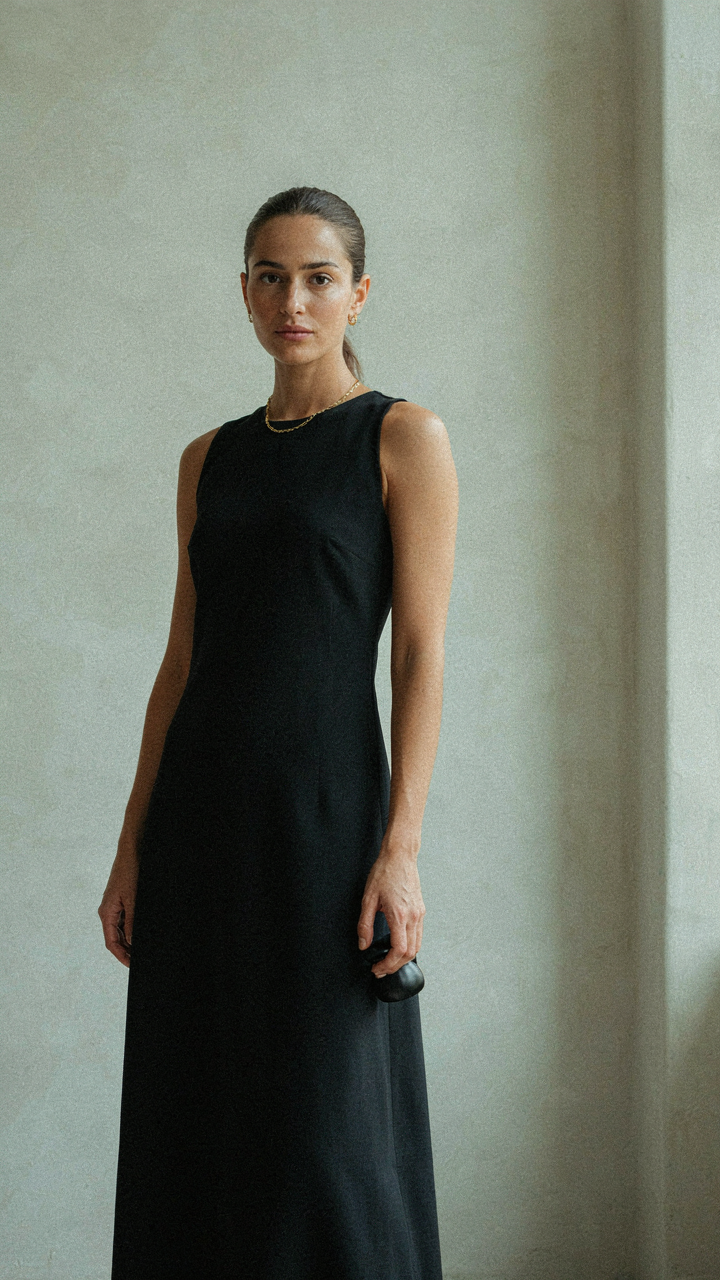
You’re worried a black dress reads as funeral wear instead of romantic. That fear drives you toward color, which then forces you to overthink the entire outfit. Here’s the mechanism: black maxi dresses became timeless because they solve a constraint problem. The Minimalist design movement of the mid-20th century proved that removing visual noise creates psychological permission to focus on what remains. A black maxi isolates three things: your silhouette, your accessories, and your partner’s attention. You’re not fighting the dress for space in the room.

Black maxi fabrics matter more than cut because the color itself demands material discipline. A cheap polyester black maxi looks cheap. Quality linen, silk charmeuse, or structured cotton reads expensive because light hits the fabric differently. The dress becomes a platform, not the performance. This is why black dominates formal dining across cultures and decades, not because it’s “safe,” but because it performs a job: it makes everything you pair with it look intentional.
Build The Accessory Stack Deliberately
Accessorizing a black maxi isn’t about adding pieces. It’s about creating contrast zones that guide the eye toward your face and hands, the two places your partner actually focuses during dinner.
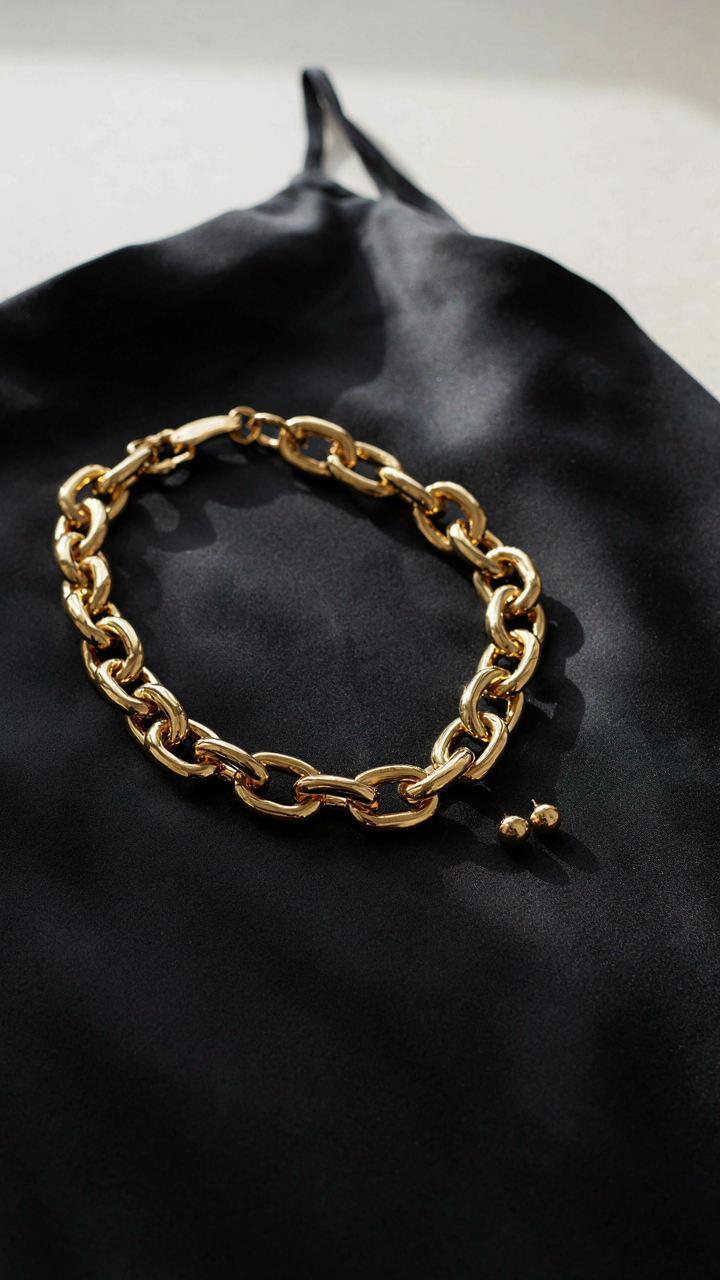
- Gold or Rose Gold Jewelry: Metal warm enough to complement skin tone. Silver reads clinical against black. Stick to one statement piece: either a bold necklace or structured earrings, not both.
- Structured Evening Clutch: A small, defined handbag in leather or metallic adds visual weight without bulk. Chain strap or handle forces good posture across a table.
- Heeled Sandal or Pump: Open toe or strappy design. Black heels disappear. Nude, metallic, or jewel-tone heels create definition at your feet and extend your leg line visually.
- Shawl or Wrap in Contrasting Texture: Silk charmeuse, faux fur, or linen. Drape it early in the evening, remove it once seated. Creates a two-outfit visual without changing clothes.
- Minimal Updo or Sleek Ponytail: Exposes your shoulders, neck, and face. Black maxi demands clear architecture above the neckline. Loose waves compete with the dress instead of complement it.
The rule: each accessory must solve a function first, look good second. A wrap keeps you warm. Heels give you height. Jewelry frames your face. When every piece serves dual duty, nothing looks decorative, and the outfit reads cohesive instead of assembled. Choose two to three accessories maximum, then stop.
Beyond The Outfit: The Full Dinner Outfits Ecosystem
The Invisible Support System
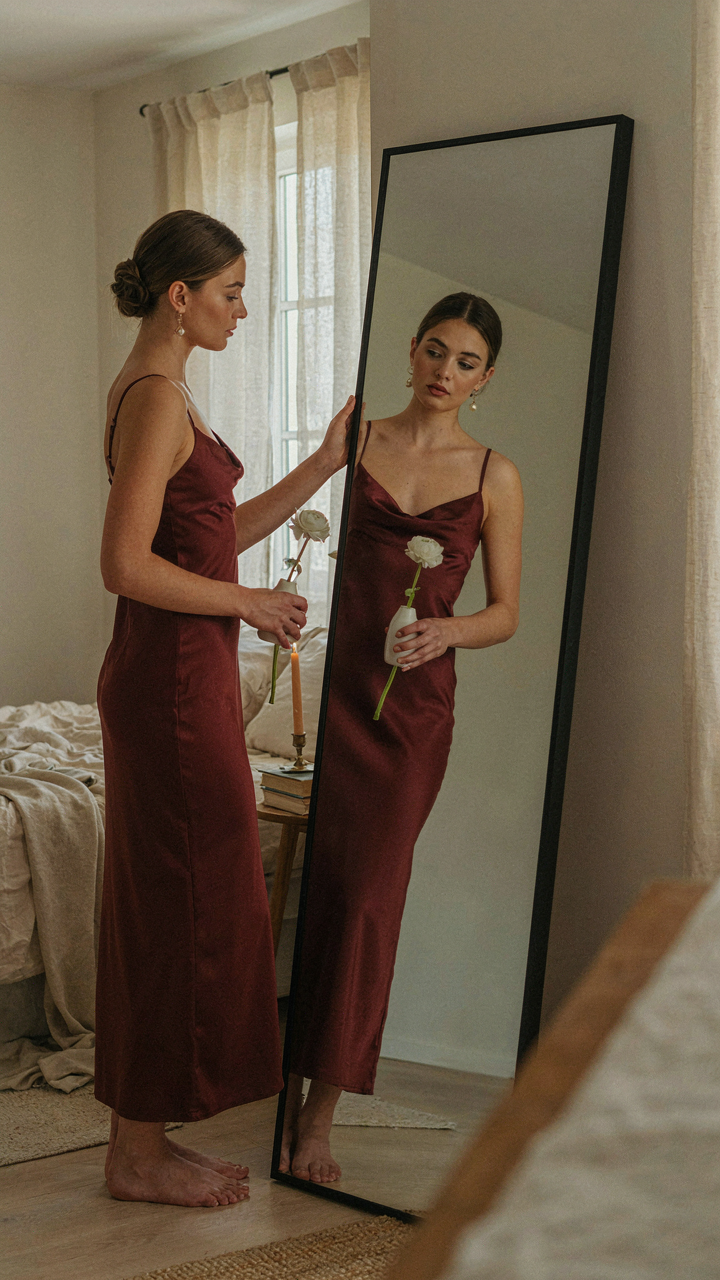
You’re worried people will notice what’s wrong with how you look instead of noticing you. That fear drives the real mechanism here: hair and makeup aren’t decoration. They’re the frame that either amplifies or diminishes what you’ve already chosen to wear. A sharp outfit collapses if your hair looks neglected or your makeup contradicts the formality level you’re aiming for.

Think of hair and makeup as signal clarity. In communications theory, signal clarity determines whether your message lands or gets lost in noise. Messy hair or heavy makeup that clashes with your outfit creates visual static. Your anniversary dinner outfit works only when these elements operate as a unified system, not competing for attention. Grooming consistency matters more than perfection.
The Real Confidence Play
Confidence isn’t an accessory you add on top. It’s the result of knowing your outfit sits right on your body and matches the context you’re walking into. This comes from fit validation and environmental alignment, not from self-talk or motivation. You either know the outfit works or you don’t.
Test this before the dinner: move in your outfit for ten minutes. Sit down, stand up, reach for something. If you catch yourself adjusting, tugging, or second-guessing the fit or formality level, that friction becomes the thing people read as nervousness. When clothes move with you without thinking, that’s when presence shows up. Wear something you’ve already tested in similar contexts.
The Post Dinner Playbook: What Your Outfit Communicates Later
From Restaurant Floor To Private Space
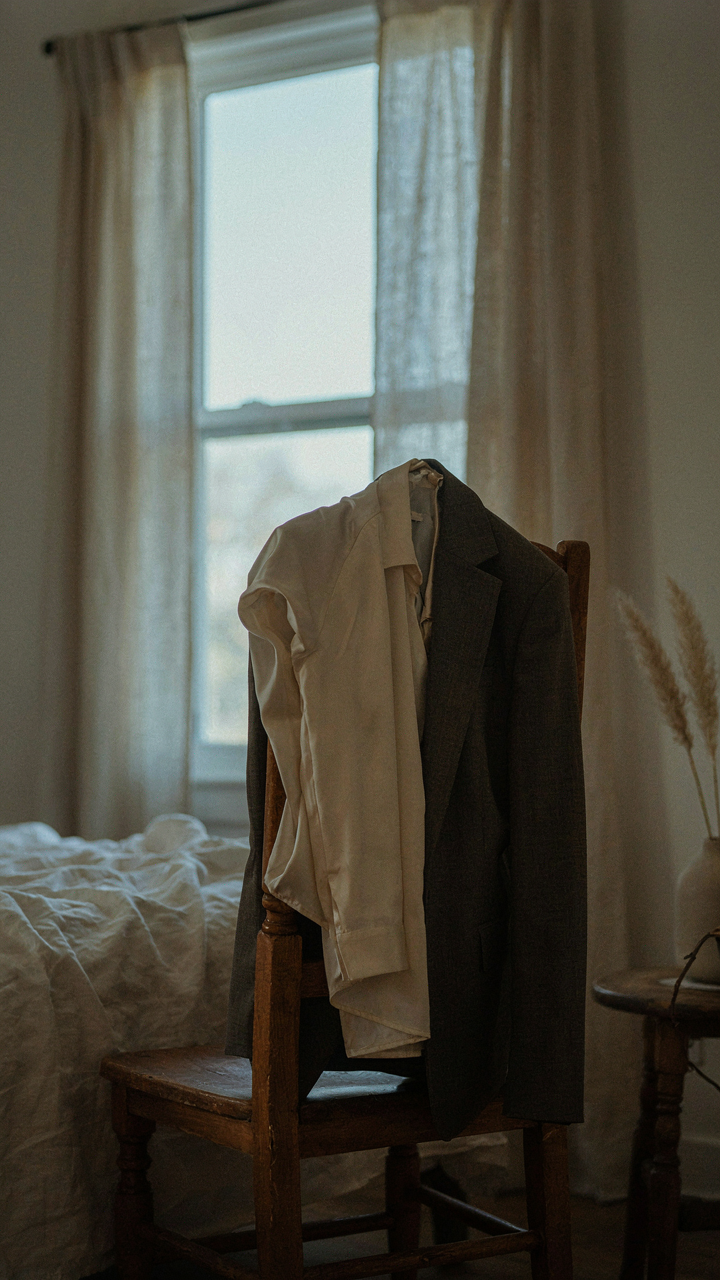
You care about this section because you sense that what happens after matters more than what happens during, and you’re right. In semiotics, the study of signs and meaning, we call this the shift from public code to private signal. Your dinner outfit doesn’t end when you leave the restaurant. It transitions. The fabric, fit, and layering you chose earlier now communicate accessibility and intent in a completely different context. Most advice stops at the restaurant door. It shouldn’t.

The mechanics are simple: structured fabrics that photograph well under restaurant lighting become restrictive in intimate spaces. A silk blouse that commands attention at a table signals constraint when you’re moving freely. This is why construction matters more than aesthetics here. You need pieces that work as a display system in public and a removal system in private. The outfit isn’t one thing. It’s a sequence of reveals.
Layering As Narrative Structure
Layers create pacing. You remove the blazer, the tension drops. You undo the clasp, something shifts. This is basic theater, but most people dress for the dinner and ignore the after. The real players dress for the transition. A fitted dress works better than separate pieces because it holds its form when you shed the outer layer. A statement necklace comes off. Earrings stay. Shoes come off first, always, and that matters because it signals comfort and surrender.
The specifics: choose a base piece that looks intentional undressed. That means the neckline matters more than you think. A sweetheart neckline reads differently when the blazer comes off than a crew neck does. Fabric weight matters too. Heavy crepe holds shape and drape when you’re moving. Thin silk clings in ways that telegraph anxiety rather than confidence. The outfit works backward from the end state, not forward from the beginning. Dress for the moment of transition, not just the moment of arrival.
Your Outfit Isn’t The Problem. Your Self-doubt Is
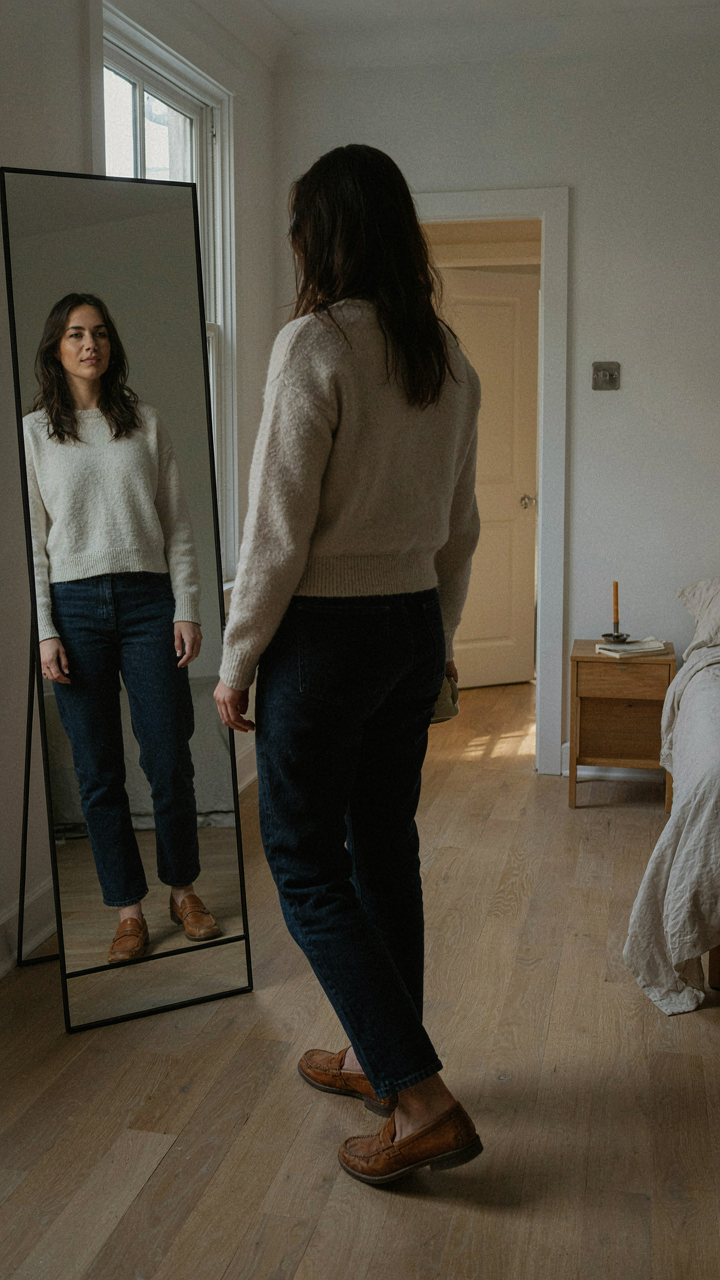
You’ll spend hours picking the perfect anniversary dinner outfit, then sabotage yourself the moment you catch your reflection. That hesitation kills the vibe faster than anything you wear ever could. The real move? Stop auditing yourself and start owning the choice. Pick one piece that makes you feel dangerous, then stop thinking about it. Your partner didn’t say yes to a outfit. They said yes to you. Dress like you believe that.