
The Contextual Resonance Protocol: Decoding The Dining Scene
What The Room Actually Tells You
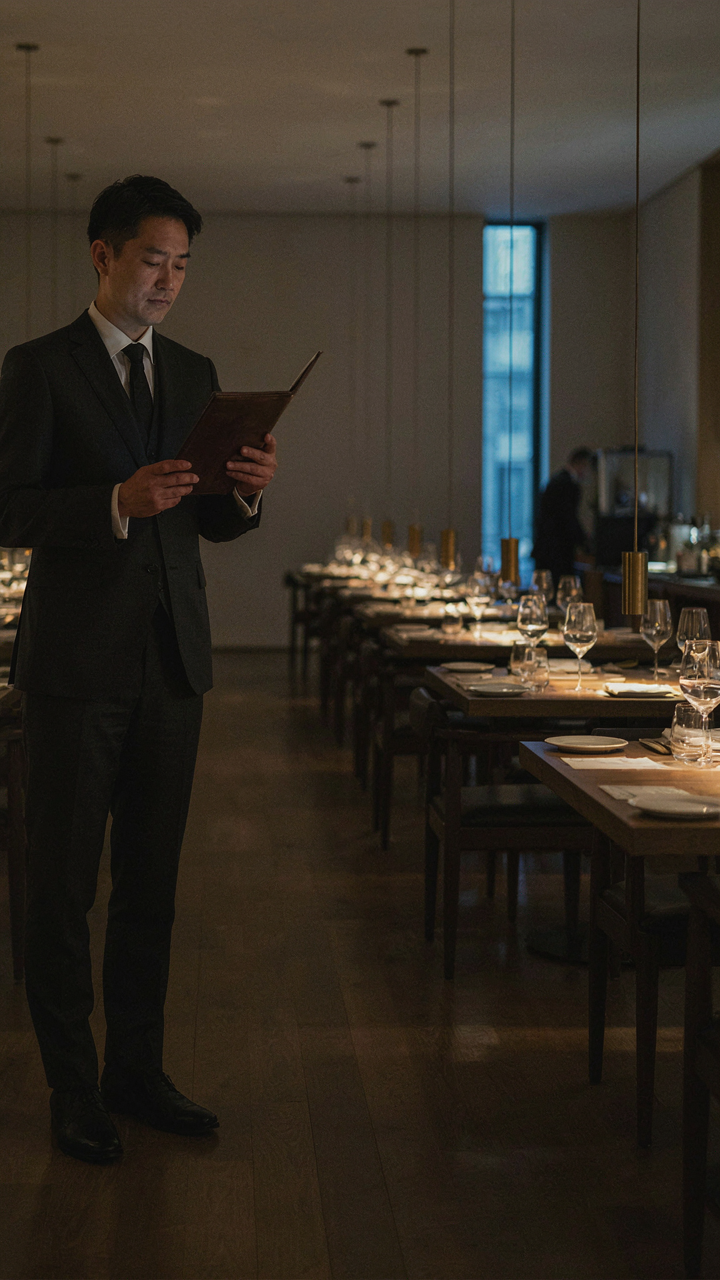
You’re worried that showing up underdressed signals you don’t care enough. That’s the real fear. But here’s the mechanism: fine dining establishments encode expectations through their physical environment like a biologist reads environmental pressure. The space itself communicates a dress code through lighting, material density, table spacing, and staff formality. Your outfit needs to acknowledge this signal, not because you’re performing obedience, but because you’re reading the room and responding intelligently.
A Michelin-starred restaurant built around minimalist design and soft lighting operates under different rules than a high-end steakhouse with dark wood and brass fixtures. The first demands restraint and precision in fabric choice. The second tolerates richer textures and bolder colors. Most people miss this entirely and apply a generic “fancy dinner” template everywhere. That kills the resonance between your appearance and the environment you’re entering.
Match Intent Without Mimicking The Room
The standard advice is “dress as formally as the space” which is incomplete and backwards. You’re not supposed to blend into the walls. The real play is dressing one level more intentional than the average guest, without announcing effort. This separates you from people who show up in their “nice clothes” versus people who dressed with a specific venue and companion in mind.
Notice the staff’s baseline formality. If servers wear black tie, you match or exceed it in intention, not identical styling. If they wear sharp but unstructured pieces, you bring precision to tailoring and fabric weight instead of mimicking their exact uniform. Your outfit exists in dialogue with the space, not as a copy. This is where most date night outfits fail: they try to disappear when they should command quiet respect through coherence.
Beyond “Fine Dining Outfit”: The Unseen Signals Of Status
Fabric Choice Speaks Before You Do
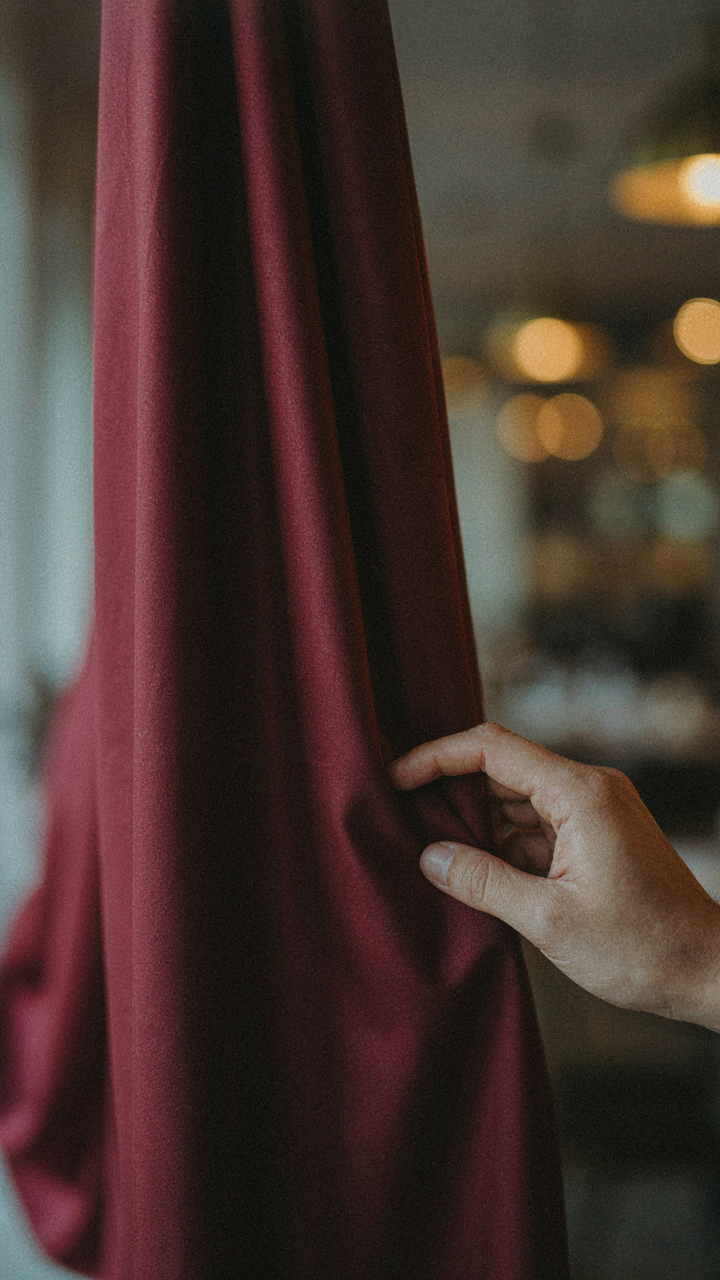
You care about this section because you sense fabric matters but can’t name why. Here’s the mechanism: fabric weight and texture function like acoustics in architecture. Sound travels differently through dense materials. Perception travels the same way through dense fabrics. Heavy silk, fine wool, structured cotton tell a story about intention and budget before conversation starts. Cheap polyester reads thin and rushed. Natural fibers read deliberate.

The untold rule: natural fibers catch light differently than synthetics. Linen reflects with irregularity. Wool absorbs and releases with depth. Silk moves with your body instead of against it. Fine dining venues are lit specifically to reveal these distinctions. Wear natural fibers in appropriate weights for the season. Avoid anything clingy or translucent unless intentional. The fabric your date notices is the fabric doing its job.
Color Creates Instant Hierarchy
Most advice says wear black or dark colors to fine dining. That’s incomplete. Color psychology uses a term from behavioral economics called “signal cost.” The cost of wearing a bold or unexpected color in a formal setting signals you’re confident enough to absorb attention. People notice you because you chose differently.
Neutrals work because they don’t compete with the venue. But burgundy, forest green, or deep navy communicate control without aggression. Avoid colors that flatten under warm restaurant lighting. Test your outfit under dim light before the date. Wear color that holds its depth when artificial light hits it. Your color choice should feel intentional, not accidental or safe.
The “Old Money Dinner Outfits Women” Fallacy: It’s Not The Label
Buy Pieces That Survive Seasons
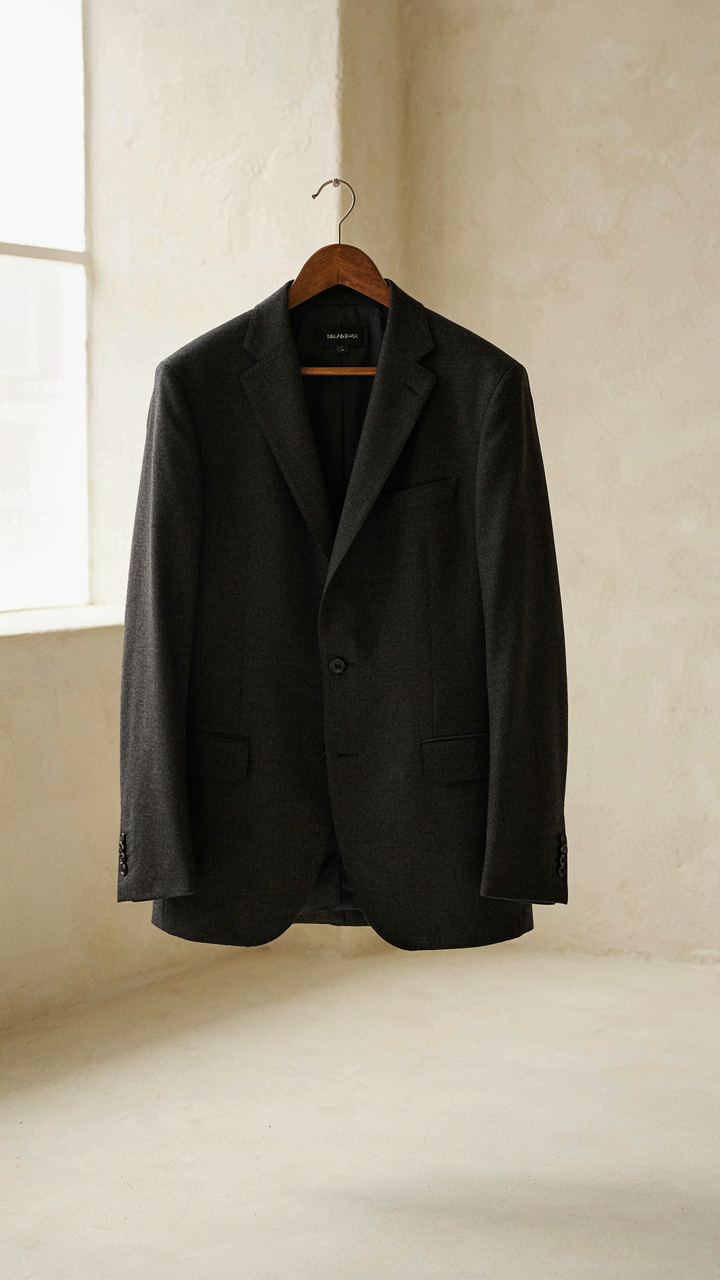
You think the brand name protects you from looking wrong. It doesn’t. The mechanism is simple: a garment survives multiple wears and multiple years because of its construction and silhouette, not because of who made it. Economics calls this “durability as competitive advantage.” A well-cut black blazer from an unknown maker outlasts a trend piece from a luxury house if the seams hold and the fabric doesn’t pill. You’re paying for consistency when you should be paying for longevity.

The difference between investment and waste is whether the piece still works in three years. A structured wool blazer with natural fibers, clean lines, and reinforced seams stays relevant. A trendy cut or cheap construction guarantees obsolescence. Fine dining requires pieces that compound in value through use, not depreciate the moment the season changes. Pick fabrics like silk charmeuse, merino wool, and linen over synthetics. Natural fibers age better and signal restraint, which is what old money actually wears.
Classic Shapes Never Need Replacing
Silhouettes that worked in 1985 work now because they’re built on human proportions, not trend cycles. The fitted column dress, the tailored trouser, the simple shift silhouette, these don’t date because they solve a problem that doesn’t change. A fitted midi dress in solid color beats any patterned statement piece because it works for this dinner and the next one five years from now. You don’t need a new outfit strategy annually. You need pieces that fade into the background of your life instead of screaming for attention.
The real play is building a rotation of silhouettes you already know work on your body, then varying them through fabric weight and color. A sleek wrap dress, a tailored column, a structured sheath, a clean jumpsuit. These four templates handle every fine dining scenario without redesign or replacement. When you buy classic, you stop thinking about your outfit and start thinking about the conversation. That’s when you actually look special.
The Effortless Elegance Algorithm: Subtraction As Strategy
Minimize Visual Noise
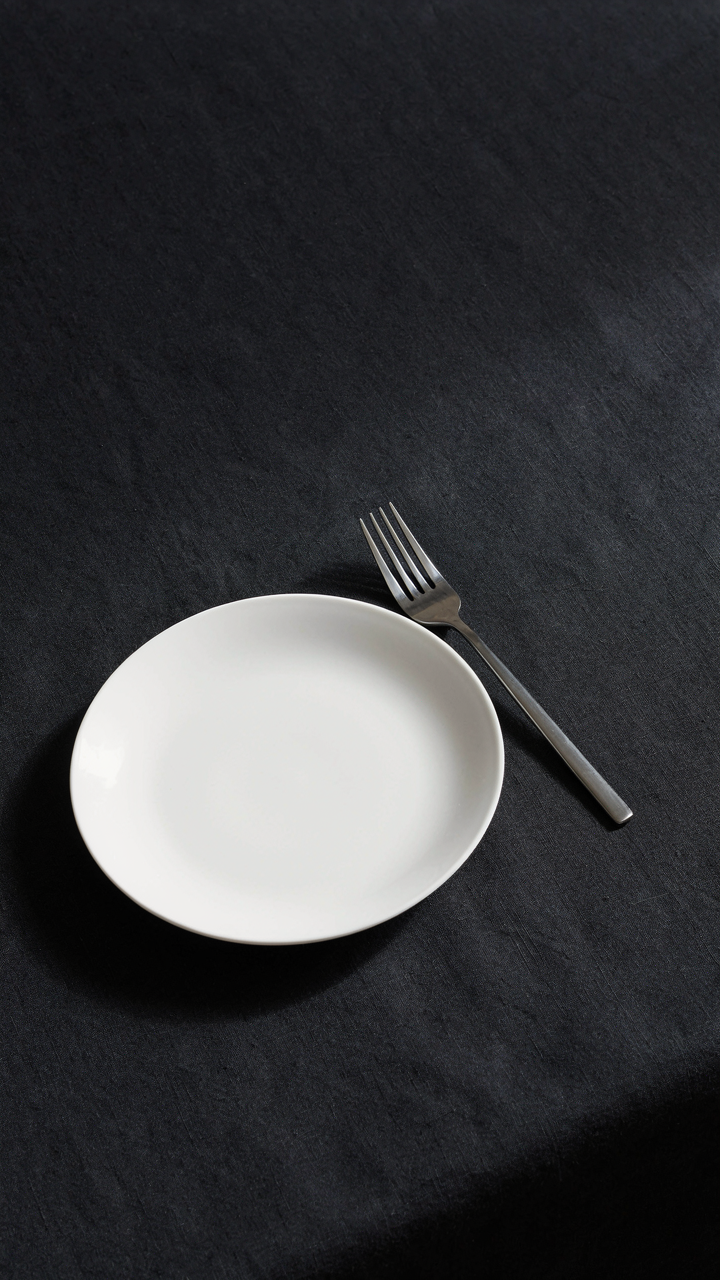
You’re worried that showing up underdressed will tank the night. Here’s the mechanism: your brain processes visual information in layers, and too many competing elements force it to work harder. This exhausts attention before your date even registers what matters. Fine dining outfits fail not because they’re simple, but because they try to do too much at once. Every color, pattern, and texture you add fights for dominance. The fix is brutal subtraction. Pick a neutral base, one accent color maximum, and zero patterns. This isn’t boring. It’s how you actually become visible.

Most advice says “let your personality shine through your outfit.” Wrong. At a fine dining table, your outfit should disappear so your presence doesn’t. The mechanics of luxury spaces demand this. Refined environments punish visual chaos. A monochrome base with quality fabric reads immediately as intentional. Your date notices you, not your clothes. Build outfits by removing options, not adding them. Start with black or charcoal as your foundation. Then ask what single element your outfit actually needs. Everything else is noise.
One Standout Element Creates Impact
Focal points work on the same principle as contrast in design: isolation amplifies perception. When every piece competes, nothing stands out. When one element breaks the restraint, it commands attention. This is why a single standout works in fine dining where maximalism fails. That one element becomes the story your outfit tells. It might be a silk pocket square, a structured blazer with subtle sheen, refined jewelry, or shoes with deliberate character. Not many. One. The element you choose should require zero explanation and demand exactly one compliment.
The tactical move is this: identify your standout before you build the outfit. Don’t assemble pieces and hope something emerges. Start with the one thing you want noticed, then construct everything else to support it. If it’s a luxury watch, the rest stays dark and minimal. If it’s a textured fabric on your jacket, the shirt underneath neutralizes. If it’s statement jewelry, your base becomes a blank canvas. This protocol prevents the common mistake of creating a visual accident that reads as indecision. One focal point. Everything else defers to it. That’s the mechanism that transforms a fine dining outfit from acceptable to memorable.
Chic Date Night Outfit: The Embodiment Of Confidence

Posture And Presence: The Ultimate Accessory
You want people to notice you. That’s the real reason you care about this. But here’s what actually works: physics calls it center of gravity. In outfit terms, it’s how you hold the space you occupy. Slouching nullifies every expensive piece you wear. Standing with your shoulders back and spine neutral signals control before you speak. The outfit becomes irrelevant if your body language reads as apologetic.

Fine dining rewards visible self-assurance because servers and other diners mirror it back to you. When you move deliberately through a restaurant, you command attention without demanding it. Your date responds to that energy before they process what you’re wearing. Sit upright at the table, engage with deliberate hand movements, maintain steady eye contact during conversation. These actions cost nothing and amplify whatever outfit you’ve chosen by a factor of three.
Comfort As A Foundation For Self Assurance
Discomfort is a liar that tells you something is wrong with you. In reality, it’s just a signal that your outfit doesn’t fit your body properly. Tight blazers, shoes that pinch, pants that ride up all broadcast internal tension that reads as insecurity to everyone watching. Your nervous system knows when fabric is wrong, and your posture collapses to accommodate the irritation.
Pick pieces that let you forget you’re wearing them. A well-fitted dress shirt doesn’t tug at the shoulders. Quality trousers sit at your natural waist without cutting off circulation. Shoes broken in before the date mean you walk smoothly instead of adjusting your gait every thirty seconds. The outfit disappears, and only your presence remains. Arrive at the restaurant already settled in your clothes, not fighting them for the first two hours.
The “Personal Brand” Metric: Your Outfit As An Extension
Stop Dressing For The Room
You want people to remember you. That’s the real reason you’re reading this section. Here’s what most people miss: your outfit isn’t a costume you wear to fit in. It’s a signal system. In branding, we call this consistency across touchpoints. Your fine dining outfit works the same way. People don’t remember generic elegance. They remember the person who shows up the same way every time, who has a point of view.

The mechanism is simple. Your date notices your shoes before they notice your intentions. They notice whether you look like yourself or like someone trying. Trying reads as low status faster than any wrinkled collar. The outfit that works is the one that extends what people already know about you, not the one that apologizes for who you are. Dress like an extension of your actual life, not an exception to it.
The Signal That Sticks
Repetition beats perfection. Most dating advice tells you to find the perfect outfit for the occasion. That’s incomplete. What actually works is developing a visual signature so consistent that your date can spot you in a crowded restaurant without looking up. Think of it like a personal uniform. Steve Jobs wore the same black turtleneck. You need the equivalent in fine dining.
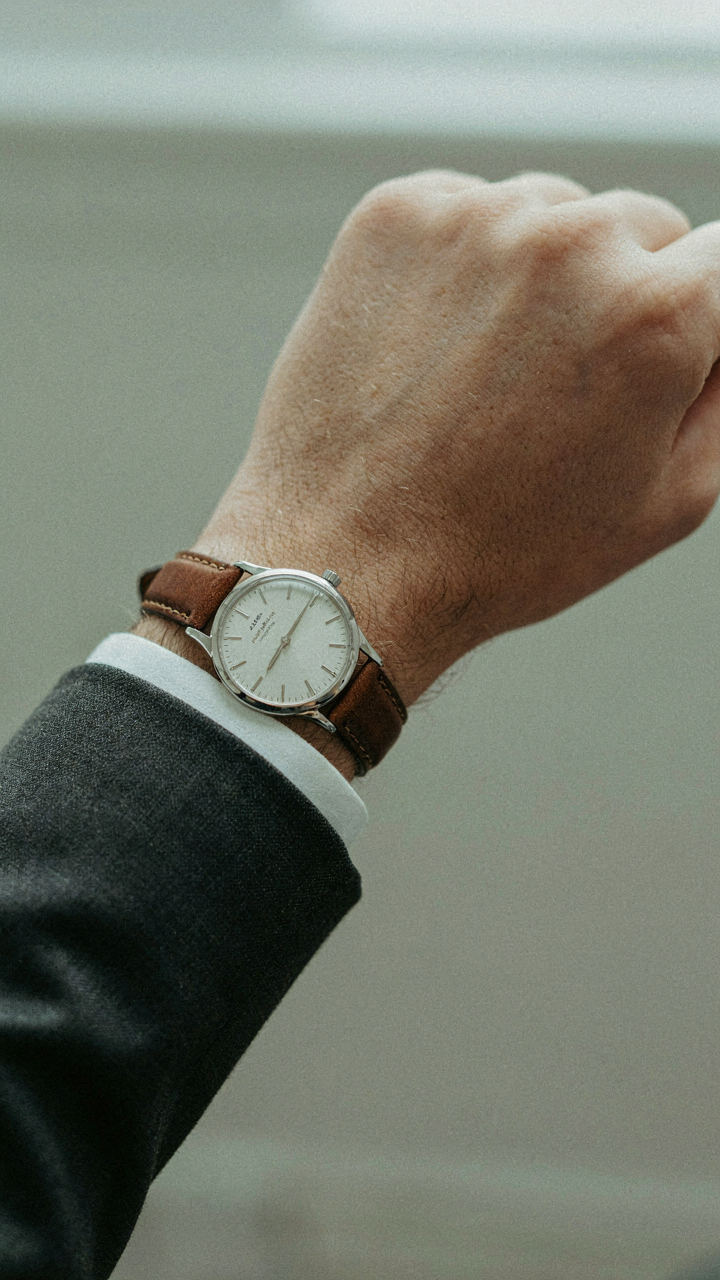
Pick two core elements and keep them. Maybe it’s always a specific watch and always tailored pants. Maybe it’s the same brand of dress shoe and always a fitted shirt. The specificity doesn’t matter. The consistency does. When your date sees you across the table in that outfit, their brain registers recognition and trust, not effort or confusion. That recognition is what translates into perceived status and attraction. Build one strong visual signal, then wear it.
The “Dinner Date Outfits” Game Theory: Signaling Intent
What You’re Actually Paying For
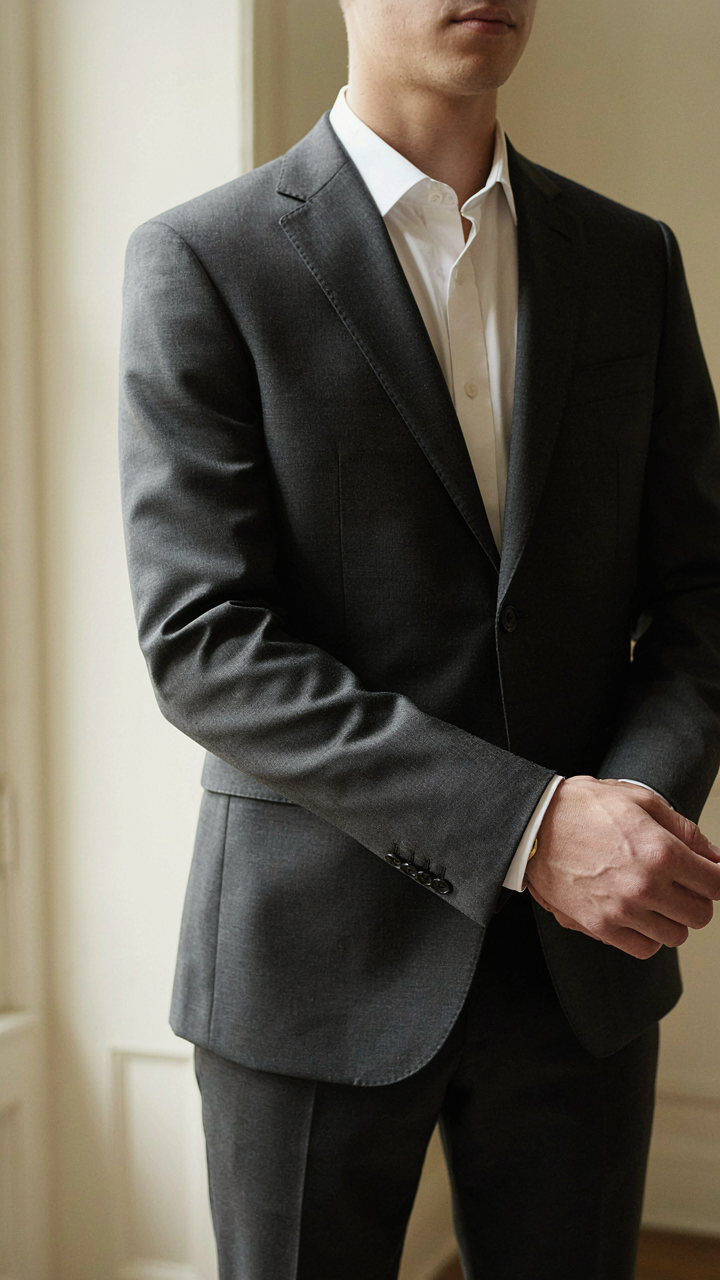
You care about this because you’re terrified the other person won’t take you seriously. That fear drives everything. Here’s the mechanism: game theory treats clothing as a cost signal. You invest time, money, and taste into an outfit to prove you’re worth the other person’s investment. The signal only works if it costs you something real. A wrinkled shirt signals you didn’t care enough to prepare. A tailored blazer signals you did. The payoff isn’t the compliment. It’s the shift in how they perceive your seriousness.

Economics calls this “costly signaling.” You can’t fake it cheaply. A knockoff luxury item fails because observers know the real cost was low. But a well-fitted vintage piece or quality basics work because the effort required to source and maintain them is genuine. Your outfit doesn’t need to scream money. It needs to scream intention. The person across the table is running the same calculation you are: did they prepare for this moment or phone it in?
The Art Of Controlled Mystery
Everyone says “be yourself” at dinner. That’s incomplete advice that guarantees mediocrity. Strategic ambiguity is the real play. You reveal enough to intrigue without overexposing your entire hand. A monochromatic outfit with one unexpected texture creates a question mark. All black with a single statement piece does the same work. The other person notices and fills the gap with their own interpretation. That gap is where attraction lives.
Leave room for them to wonder about the choices you made. Why that color? What’s the story with that fabric? A completely explained outfit is boring. One that has a thread of mystery keeps them engaged past the appetizer. This doesn’t mean cryptic or pretentious. It means choosing pieces that hint at depth without broadcasting your life story through fabric. The mechanism is simple: people are drawn to what they don’t fully understand. Give them just enough coherence to feel your intentionality, then let them project their own meaning onto the gaps.
Date Outfits: The Sunk Cost Fallacy Of Trend Following
Why Trends Die Before Your Outfit Does
You’re afraid you’ll look dated. That’s the real lever here. Fashion marketing works because it convinces you that last season’s cut is now a liability. Economics calls this the sunk cost fallacy: you keep buying because you’re trying to escape the feeling that your existing clothes are already obsolete. They’re not. Trends collapse fast. What you’re actually buying is temporary permission to feel current, not an outfit that functions on a date.

The mechanism is simple. Fast fashion brands release new silhouettes every six weeks. Media amplifies them. Your brain registers them as the new standard. You buy to match the signal. Six months later, a different silhouette dominates, and your recent purchase feels wrong. This cycle accelerates every year. Meanwhile, the fundamentals of fine dining dress code haven’t shifted in decades. You don’t need trend velocity. You need stability.
The Timeless Foundation
Build these five pieces first. They form the backbone of every date night outfit that works across contexts and time.
- Dark tailored trousers or a midi skirt in wool or a wool blend: Neutral, structured, works for years. Quality matters here because fabric holds shape through multiple seasons. Avoid anything trendy in the cut.
- White or cream silk-like blouse with a simple neckline: Reflects light well in restaurant settings. Long sleeves or cap sleeves perform better than sleeveless across different seasons and body preferences.
- Structured blazer in navy, black, or camel: The single most stabilizing piece. A well-fitted blazer makes basic pieces read as intentional. Invest in natural fiber if possible.
- Leather belt in black or brown: Defines waist, anchors proportions, creates polish without effort. Quality leather ages visibly well, which means it looks better over time, not worse.
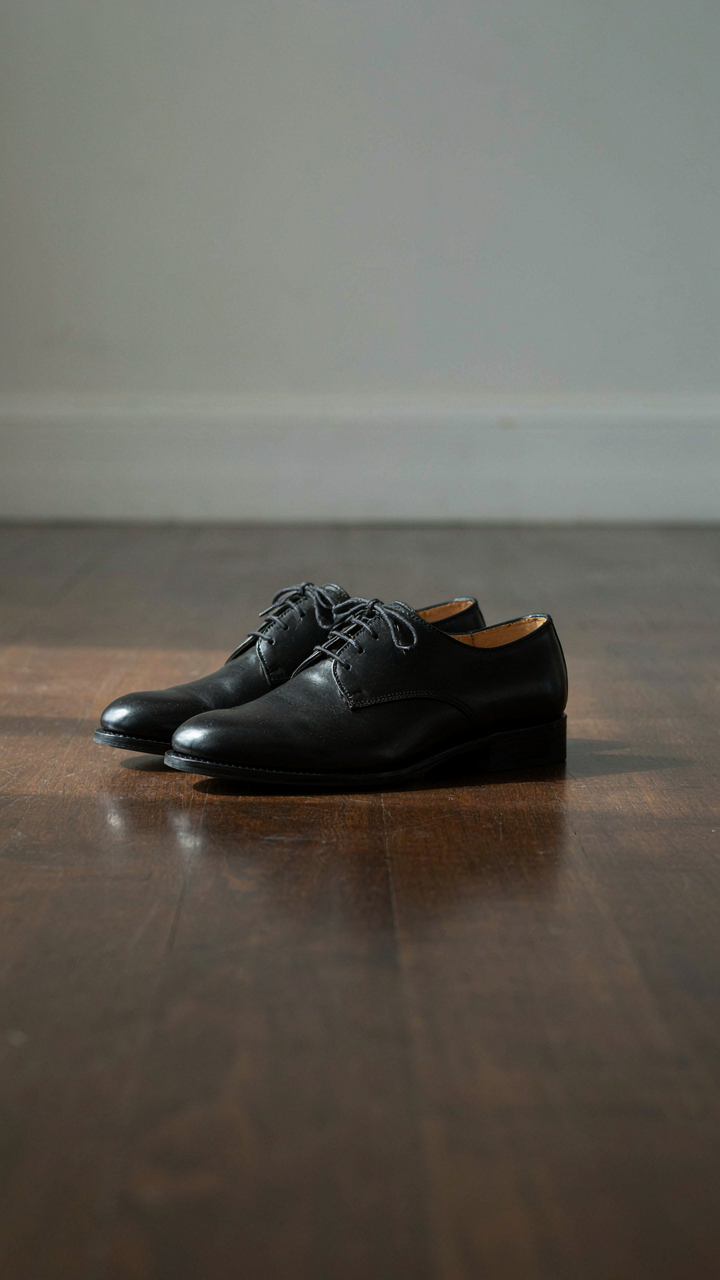
- Closed-toe shoes in black leather or suede: Flat or low heel. Fine dining doesn’t require height. Comfort and stability matter more than any visual trick.
These pieces survive trend cycles because they’re not tied to a specific era. They’re tied to function. A well-cut blazer from 1995 reads as classic now. A trendy blazer from 2019 reads as dated now. The difference isn’t about quality alone. It’s about restraint in design. Restraint doesn’t trend.
The “Outfit Fancy Dinner” Investment: Maximizing ROI
Garment Care As A Value Multiplier
You’re worried you’ll spend money on something you wear once. That’s the real concern hiding under questions about fine dining outfits. Borrow economics terminology: depreciation is what kills ROI on clothes. A silk blouse depreciates fast if you treat it like cotton. Proper storage, washing, and repair practices stop that erosion.

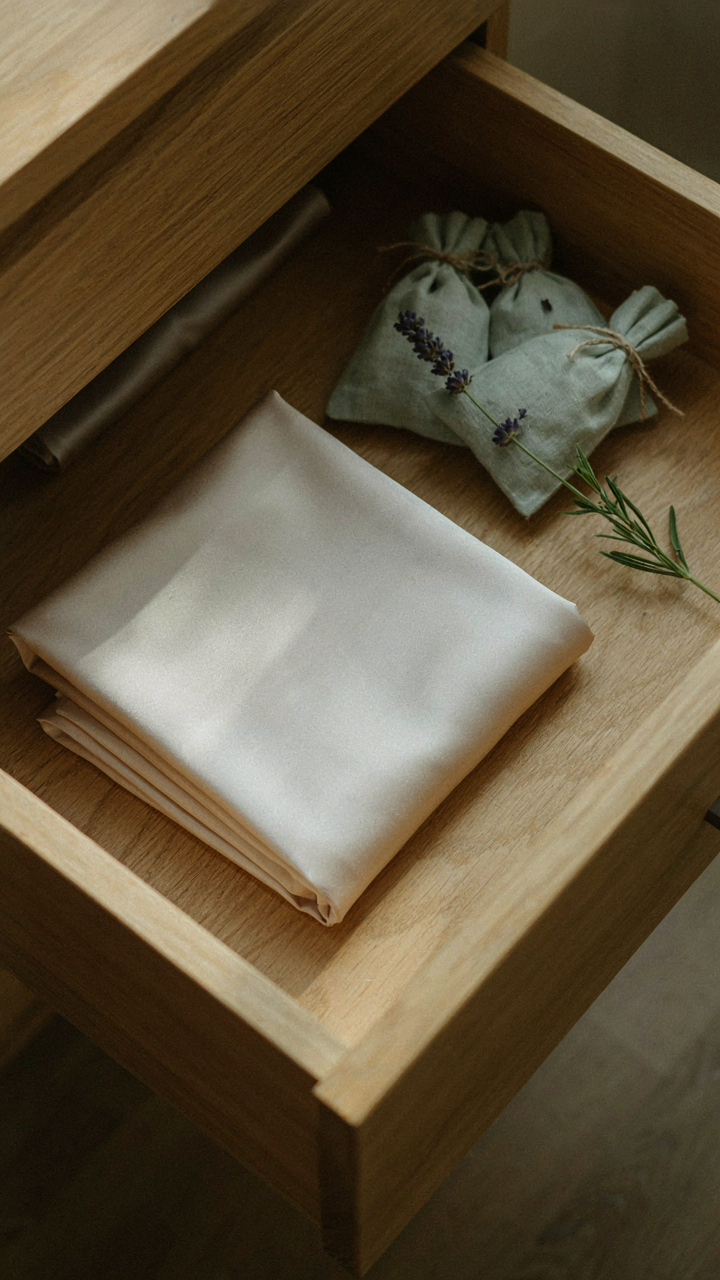
Fine dining pieces demand specific handling because their materials are intentional. Wool needs to rest between wears to recover its shape. Silk requires cold water and gentle detergent, not machine cycles. When you follow care protocols, a quality piece holds its value and appearance across multiple events. This transforms a one-time purchase into a five-year asset instead of a one-night expense.
Outfit Combinations Beyond The Single Occasion
Most advice says “buy something versatile,” which is lazy and incomplete. Real versatility means the piece works across different contexts: casual lunch, work meeting, second date, anniversary dinner. A structured blazer in navy does this. Pair it with jeans for brunch. Wear it over a silk camisole for fine dining. Layer it with a turtleneck for winter drinks.
This multiplier effect compounds when you choose neutral bases and swap in occasion-specific pieces like jewelry or shoes. A black silk pant works for eight different outfits if you change the top and accessories. Before buying anything for fine dining, map it against your existing closet and name at least four other contexts where you’d wear it. If you can’t find three, skip the purchase and invest in something with actual range.
Dinner Outfits: The Feedback Loop Of Self Perception

How Feeling Good Influences Presence
You care about this section because you’re afraid your outfit won’t make you feel confident enough to actually show up as yourself. That fear is backward. Your outfit doesn’t create confidence. It removes friction between your nervous system and the environment. When fabric fits right and your shoes don’t hurt, your body stops sending distress signals to your brain. You become present because nothing is competing for your attention.
This is basic neurobiology. Your nervous system runs a constant threat assessment. Tight collars, pinching waistbands, and shoes that slide trigger the same low-level alarm system that evolved to detect predators. A well-fitted jacket, smooth fabric against your skin, and shoes that feel stable send the opposite signal: safety. Your brain allocates the processing power it would waste on discomfort back to the actual conversation. Presence isn’t earned through willpower. It’s unlocked by removing the noise.
The Compounding Effect Of Confidence
Everyone says confidence comes from within, which is useless advice because it ignores how perception actually works. Confidence is a feedback loop with a material starting point. You put on an outfit that fits well and looks intentional. Other people respond differently to you because visual signals changed. Their response shifts your behavior. That behavioral shift compounds over multiple dates and interactions. Small upgrades in how you dress create measurable changes in how people treat you and how you subsequently treat yourself.
The mechanism is social mirroring. When someone sees you’ve invested in your appearance, they unconsciously reciprocate that energy. They sit straighter, make more eye contact, engage more deeply. You feel that difference immediately. Over time, repeated positive responses reshape your baseline self-perception. You stop performing confidence and start operating from it because the external world has given you consistent evidence that you’re someone worth taking seriously. The outfit is the initial condition that triggers everything else.
Stop Dressing For The Room, Start Dressing For The Reflection
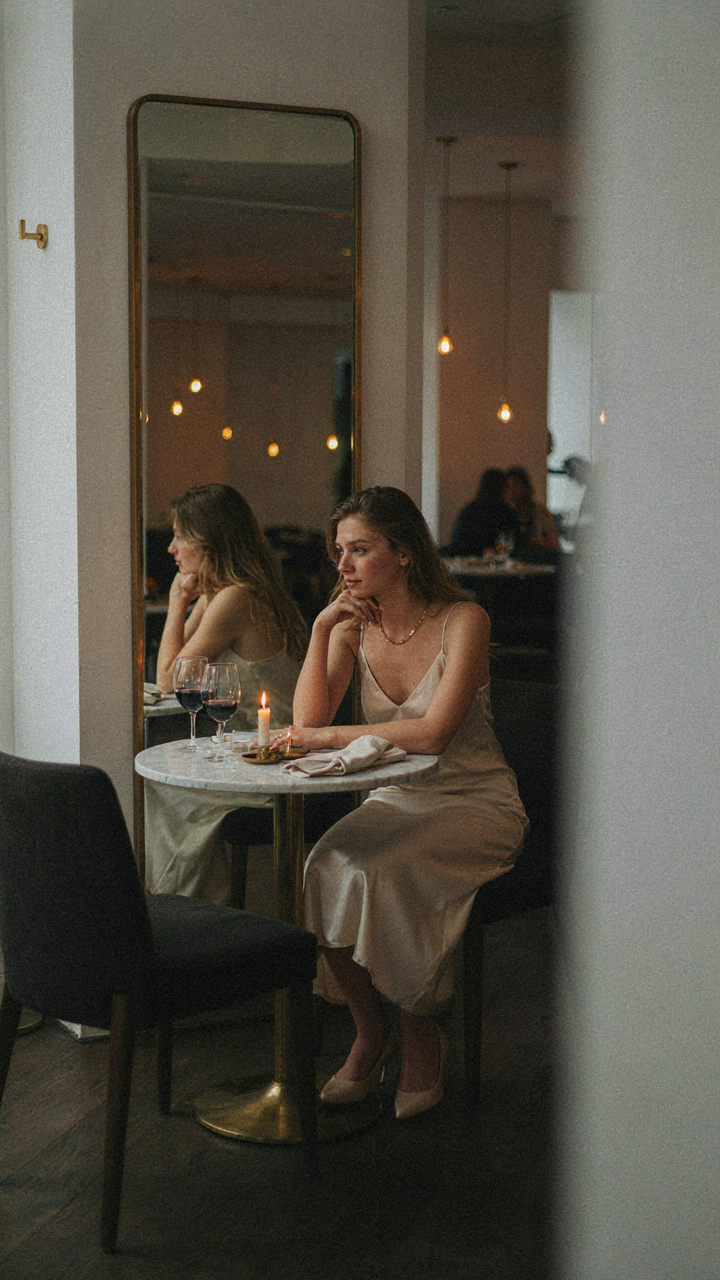
Most people dress for the table. They wear what they think fine dining demands. But you’re not dressing for the waiter or the ambiance. You’re dressing for the person across from you. That person sees your clothes before anything else hits them. Pick one piece today that makes you feel like someone worth looking at, then build around it. Everything else is noise. The fit of your clothes is the only first impression that matters.