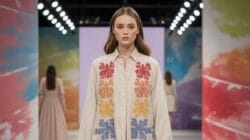


The “Effortless” Illusion: Why Less Is Actually More
Dressing Down Without Looking Sloppy
You want permission to wear less. That’s the real reason you’re reading this. The paradox of casual cocktail attire operates like signal compression in information theory: you remove the noise to make the signal stronger. The fewer pieces you wear, the more each one broadcasts intentionality. Most people misunderstand this and confuse casual with careless, then wonder why they look underdressed instead of refined.
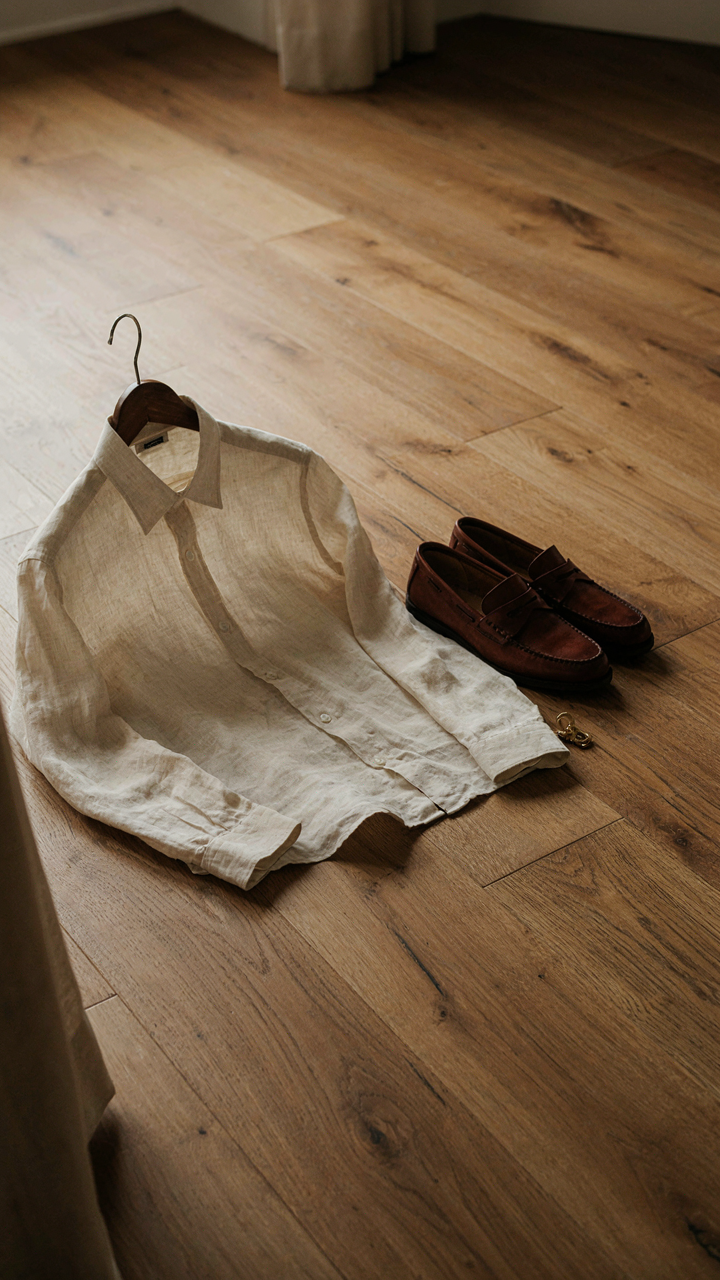
The mechanism is simple. A t-shirt, jeans, and sneakers read as lazy because they’re what you wear when you didn’t think. Swap the t-shirt for a linen camp collar shirt and the sneakers for leather loafers, and suddenly the same casual foundation reads as deliberate. You’ve removed visual clutter without removing formality. The constraint forces precision. Every piece now carries weight because there are fewer pieces competing for attention.
Restraint As The Actual Power Move
The common advice says add layers and accessories to look polished. That’s backwards for casual cocktail settings. Restraint is the status signal that amateurs miss entirely. A single good watch beats three average ones. One quality belt beats a collection of mediocre options. This isn’t minimalism as aesthetic choice. It’s minimalism as proof that you know what matters and what doesn’t.
Understated elegance works because it requires knowledge. You need to know fabrics, fit, and proportion well enough to skip the safety net of more. A tailored linen shirt in neutral tone, slim trousers, and leather slip ons requires you to understand that fabric weight, seam placement, and shoe proportion are doing the work. The absence of visual distraction forces the room to register quality instead. This is why people trust someone in minimal, intentional dress more than someone in complicated outfits. Start with one strong neutral piece, then add exactly what serves it.
Decoding The Room: Social Physics Of Relaxed Evening Parties

Energy States Of The Event
You’re worried you’ll look wrong. The real mechanism: every event exists in one of two energy states, and your clothes either match that state or signal you didn’t understand the room. Thermodynamics teaches us that systems seek equilibrium. A relaxed evening party is a low-energy state. Your outfit either reinforces that equilibrium or disrupts it. Overdress and you become friction. Underdress and you signal disrespect for the host’s effort.

The distinction nobody states: casual cocktail attire requires you to read the specific party’s temperature, not follow a formula. A backyard gathering at seven PM operates differently than a loft event at ten PM. Both are “relaxed,” but one demands approachability and the other demands presence. Your job is detecting which one before you arrive. Text the host if you’re uncertain. Guessing wrong costs you social capital that’s harder to rebuild than choosing better pants.
Movement And Fabric Response
Relaxed evening parties have kinetic flow. People migrate between conversation zones, move toward food and drink, shift between standing and sitting. Your fabric choices determine whether you move with that flow or against it. Cotton blends, linen, and structured knits accommodate this movement without bunching, wrinkling excessively, or demanding constant adjustment. Rigid fabrics or overly tailored silhouettes create friction with the event’s actual rhythm.
This is where the common advice fails: “just wear what’s comfortable” misses the point entirely. Comfort is not the same as movement compatibility. A t-shirt is comfortable but signals the wrong intention. A button-up shirt that pulls when you reach for a drink is technically comfortable but functionally broken. Choose fabrics and fits that let you gesture, lean, sit, and stand without thinking about your clothes. That absence of self-consciousness is what reads as genuine relaxation to others.
Comfy Cocktail Attire: The Comfort Confidence Loophole
Fabrics That Signal Your Real State
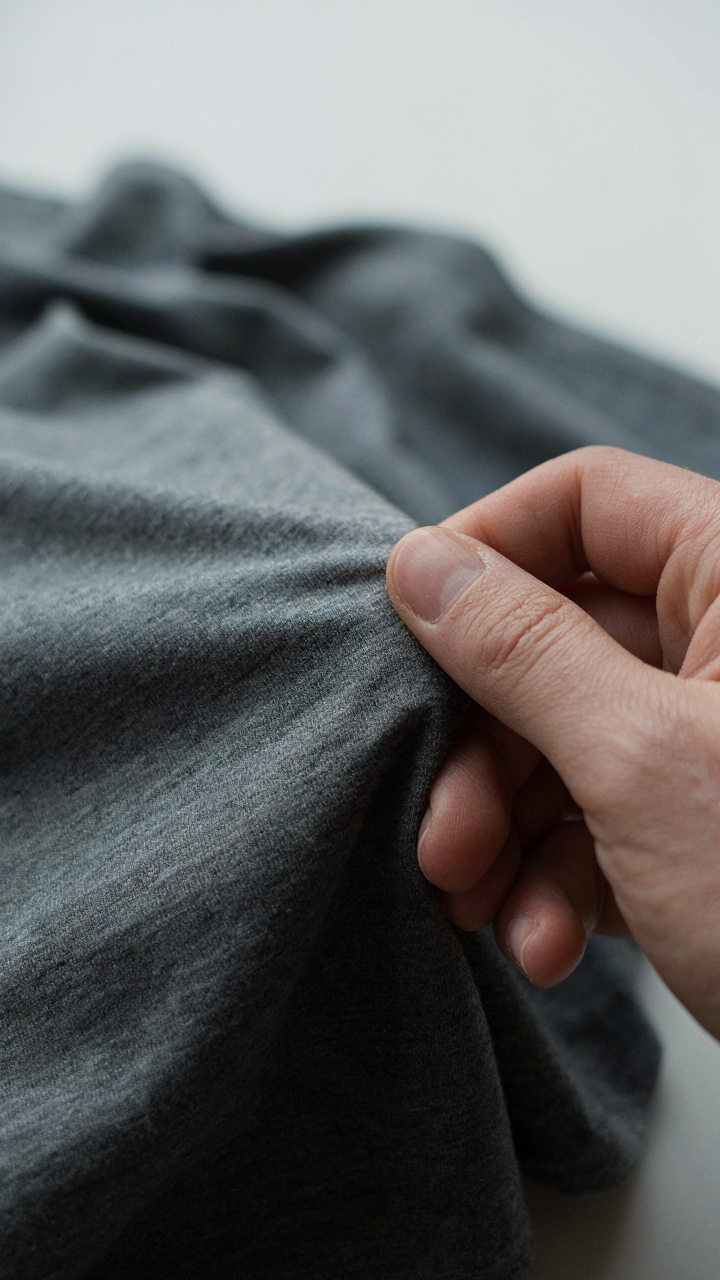
You’re buying comfort because you’re terrified people will clock your anxiety. The mechanism is biomechanical: your nervous system reads fabric tension the same way it reads threat. When material clings or restricts, your body stays in low-level alert. Casual cocktail dressing works when fabric gives you permission to actually relax, which means you stop broadcasting stress through your posture.

The common advice here is garbage. Nobody tells you that “breathable” fabrics matter less than tension. What matters is elasticity and weight. Heavy fabric that moves with you creates a buffer between your body and the room. Light fabric that moves independently of you creates anxiety because your nervous system treats it as instability.
- Cotton blends with stretch: Four-way stretch cotton holds shape and moves with your body without riding up or shifting. Creates consistent pressure without constriction.
- Linen: Wrinkles deliberately, signals relaxation, and has inherent give that prevents the stiffness of pure cotton. Reads as intentional, not sloppy.
- Merino wool: Regulates temperature across room changes, doesn’t retain odor, and drapes without clinging. Works for both warm and cool venues.
- Modal blends: Smoother than cotton, softer against skin, and maintains shape better than pure cotton without feeling synthetic. Bridges formal and casual.
- Jersey knits: Provide constant gentle compression without restriction. Move with your torso and allow full range of motion for gestures and sitting.
Fabric choice is how you engineer your own composure. Pick materials that move with your body, not against it. Your confidence will follow because your nervous system will stop fighting you. Test fabric by wearing it for thirty minutes before the event, moving through multiple positions. If you’re aware of the material after five minutes, it’s wrong.
The Footwear Protocol For Standing And Sitting
Extended engagement means you’re on your feet for two to four hours, then sitting, then standing again. Most people ruin this by choosing shoes with zero support architecture, thinking “casual” means no structure. That’s how you end up limping, which tanks your social presence and steals attention from conversation.
The mechanism is proprioception: your brain reads foot position as either grounded or unstable. Shoes with minimal arch support or heel drop force your calf muscles into constant micro-corrections. By hour two, fatigue sets in and your posture collapses forward. You shrink. You sit more. You leave earlier. Choose footwear with genuine arch support and a heel-to-toe drop between half an inch and one inch. Leather or suede uppers conform to your foot over time instead of fighting it. Break them in two weeks before the event. During the party, your feet stay stable enough that you forget about them, which is the entire point.
The “Un Formal” Formula: Casual Cocktail Party Attire For Impact
Mixing Fabric Weight And Cut
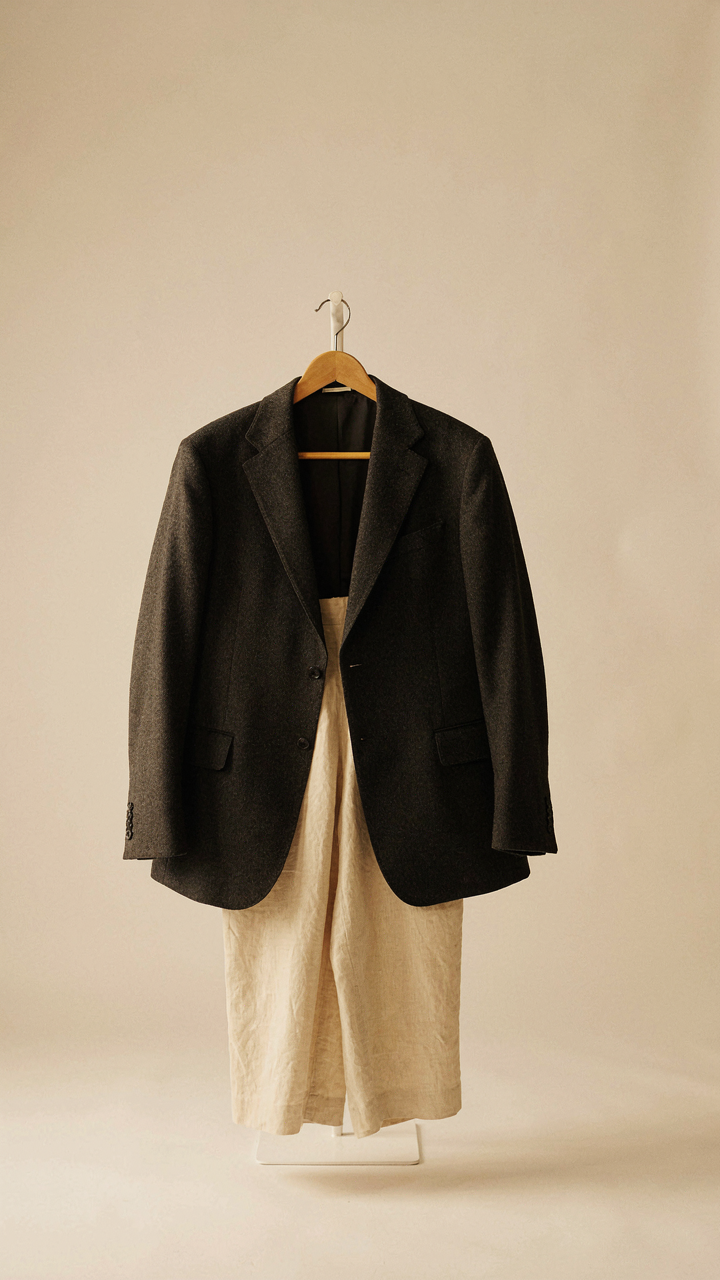
You want permission to stand out without looking like you’re trying. That’s the real anxiety here. The mechanism is contrast: formal fabrics paired with relaxed silhouettes bypass the brain’s pattern-matching and register as intentional instead of confused. Suiting fabric in an oversized or unstructured cut reads differently than the same cut in jersey. The eye catches the discord and interprets it as choice.

Textiles carry weight literally and perceptually. Linen wrinkles intentionally. Wool holds structure. Cotton feels approachable. Casual cocktail attire weaponizes this by pairing a structured wool blazer with unpleated linen trousers, or a crisp cotton shirt left deliberately unbuttoned over a fitted tank. The formula works because you’re not breaking the dress code, you’re reframing it. Mixing heavier suiting fabric with relaxed tailoring or an oversized cut signals sophistication without formality.
Accessories That Anchor The Outfit
Stop treating accessories as decoration. They’re the narrative logic of your outfit. A single piece that breaks theme tells the story of who you are beyond the event. Without this, casual cocktail attire becomes generic: you blend into every other person trying to look put-together by doing the minimum.
Pick one accessory that contradicts the expected formula. A vintage watch with a modern outfit. A structured leather belt that hints at workwear precision. A silk pocket square that reads editorial instead of traditional. This piece becomes the conversation starter and the reason the outfit doesn’t feel assembled from a template. The mechanism is specificity: one deliberate choice makes the entire outfit feel curated rather than default.
Cocktail Casual Outfits For Women: Beyond The Dress Default

The Jumpsuit: Calculated Defiance Of Norms
You want to wear a jumpsuit because you’re tired of the unspoken rule that cocktail means a dress, and you’re right to feel that friction. The mechanism is simple: a jumpsuit operates like a power move in game theory—it signals competence and intention while removing the assumption that formality requires femininity. The garment forces deliberate styling choices, which reads as control.

A well-fitted jumpsuit in neutral tones (black, navy, cream) works the hardest at casual cocktail events because it requires nothing else to justify itself. Pair it with flat shoes or minimal heels, keep jewelry spare, and you’ve solved the equation entirely. The jumpsuit doesn’t need validation through accessories or layering—it’s complete by design, which is exactly why it works when other pieces might feel like you’re trying too hard.
Tailored Separates: Strategic Mix And Match
This approach lets you stack pieces intentionally rather than default to what hangs together. Tailored separates work through the economic principle of fungibility—each piece holds independent value while gaining multiplied utility when combined with others. A silk camisole, a structured blazer, and high-waisted trousers aren’t an outfit until you make them one.
The math is straightforward: buy separates in complementary colors and fabrics, then rotate them across events. A cream silk top with tailored black trousers becomes one outfit. Add a linen blazer in ecru and swap the top for a burgundy silk piece—you’ve doubled your options without doubling your closet. This strategy wastes neither money nor mental energy on occasion-specific garments. The protocol is to select three anchor pieces per season, then build outward only after those three earn their keep through repeated wear.
The “Event Horizon” Protocol: What Is Cocktail Attire For A Wedding (and Not)
Read The Invitation First
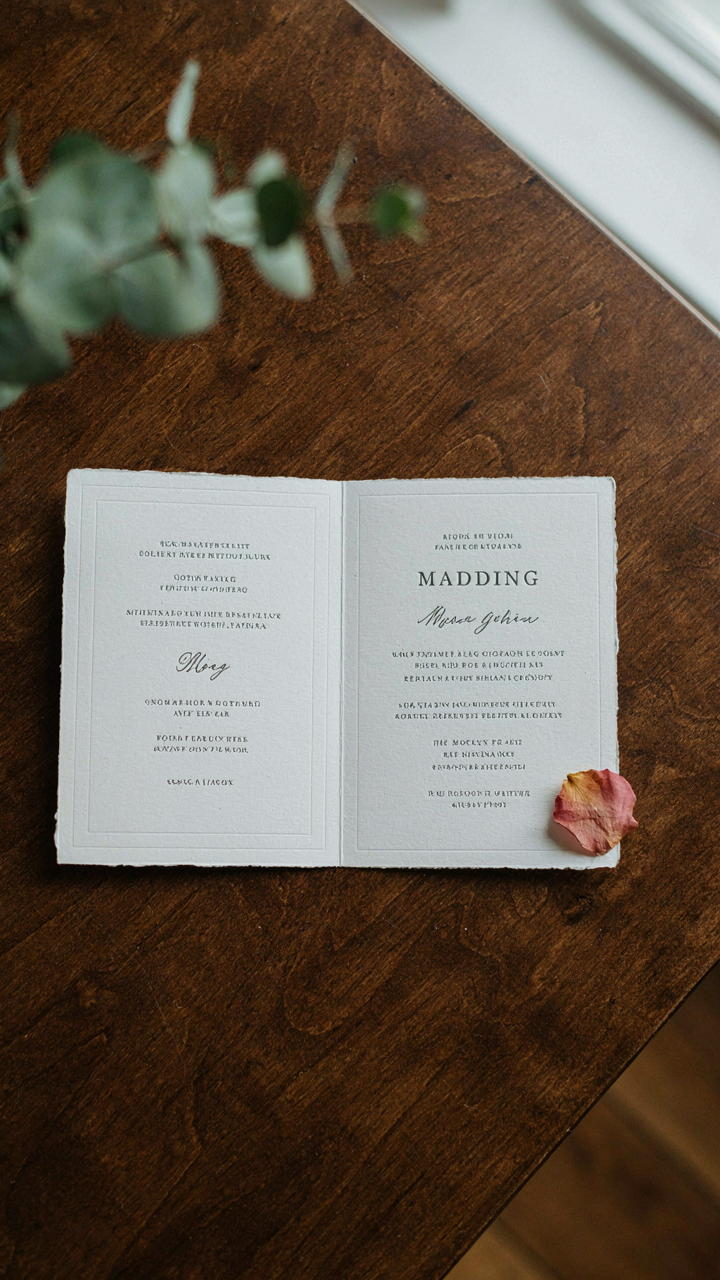
You’re anxious about looking stupid. That’s the real reason you’re reading this. The mechanism is simple: the host signals their intent through specific language, and you’re either matching it or you’re not. Wedding invitations contain a dress code line. Read it. If it says “cocktail attire,” that’s not a suggestion. If it says “black tie optional,” you have permission to dress down. If it says nothing, you ask. Most people skip this step and guess, which is how you end up overdressed at a backyard reception or underdressed at a formal affair.

The signal matters because it reveals the host’s event design. A wedding with “cocktail attire” printed on the card is different from one that says “semi-formal” or “formal.” The host has already decided the tone. Your job is to decode it and comply. Don’t project your comfort level onto someone else’s event. The invitation is not a starting point for negotiation. It’s a constraint. Work within it.
When Formal Isn’t What You Think It Is
Most people overcorrect at weddings because they confuse “formal” with “maximum formality.” Here’s what nobody says directly: formal cocktail attire for a wedding is not the same as black tie. Black tie requires a tuxedo. Formal cocktail attire requires a dark suit, dress shirt, and tie. The distinction matters. You don’t need a bow tie. You don’t need cufflinks. You don’t need to rent anything. A well-fitted charcoal or navy suit from your closet solves the problem.
The cardinal error is adding layers when you should stay minimal. An extra pocket square, a vest you never wear, boutonniere-level accessories. These signal uncertainty, not respect. The host isn’t grading your effort. They’re checking whether you understood the assignment. A clean suit, a conservative tie, and shoes that aren’t sneakers communicate that you read the invitation and showed up appropriately. That’s the entire mechanism.
Summer Cocktail Attire For Women: Mastering The Heat Paradox
Fabrics That Hold Their Shape In Humidity
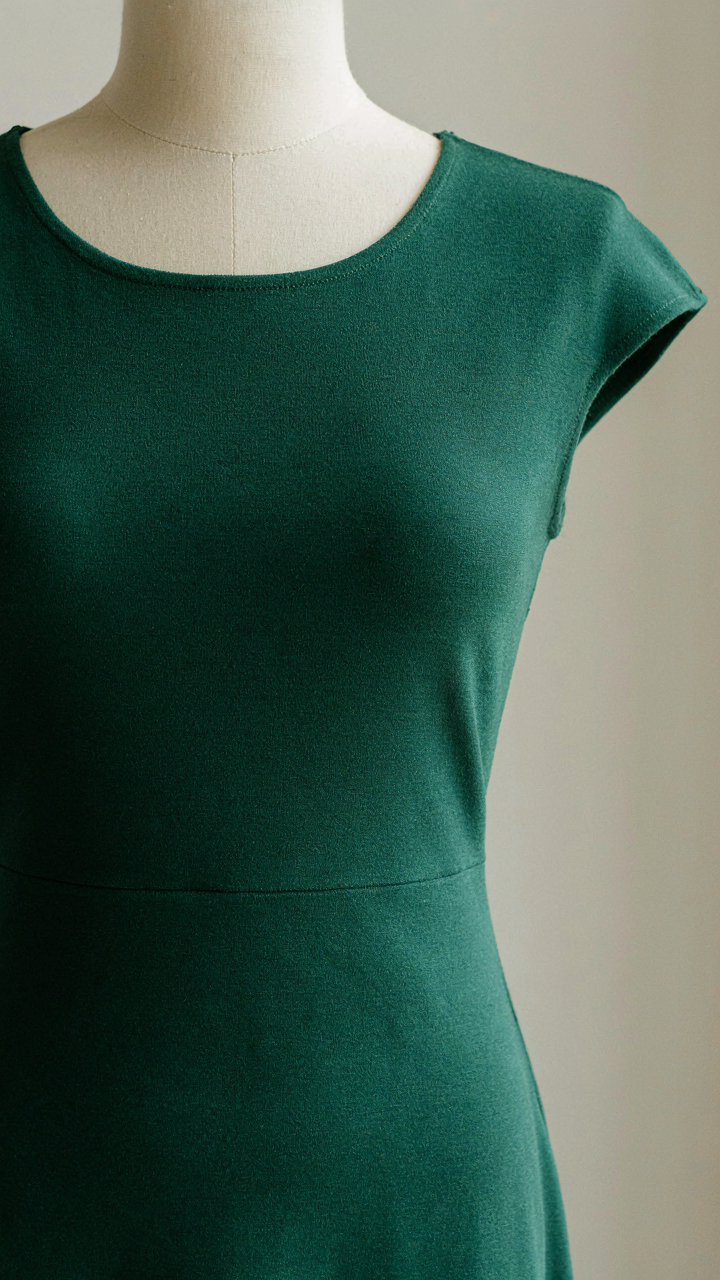
You want to look composed when sweat is working against you. That’s the real problem here, and fabric choice is the mechanism that solves it. Cotton absorbs moisture and collapses. Linen wrinkles by design. The fabrics that retain structure in heat are those with synthetic blends or natural fibers engineered for recovery: cotton-linen blends with at least 40 percent synthetic content, high-quality rayon, or performance blends marketed for wrinkle resistance. These materials repel humidity rather than trap it, which means your silhouette stays defined instead of clinging and sagging by 9 PM.

The distinction matters because casual cocktail settings still demand a put-together appearance. A dress in 55 percent linen, 45 percent polyester will hold pleats and seams where pure linen fails. Ponte knit, technically a cotton-synthetic blend, maintains structure through the evening without feeling stiff or synthetic against skin. Check fabric composition on tags before buying. If the label shows 100 percent natural fiber in summer weight, expect collapse. Aim for blends that list “wrinkle resistant” or “recovery” properties on the tag itself.
Color Strategy For Presence Without Heat Absorption
Light colors reflect temperature, but they also read as passive. Use physics here: lighter fabrics have lower thermal mass, meaning they absorb less solar radiation, but the color you choose still sends a signal about authority. Cream, white, and pale neutral tones keep you cooler, but they also flatten presence in dim bar lighting. The solution is contrast and saturation, not brightness alone. Pair white or cream base pieces with one saturated accent: deep navy, forest green, burgundy, or charcoal. This combination keeps core body temperature manageable while maintaining visual weight in low light.
Soft pastels fail the casual cocktail test. They read as undecided. Instead, choose pastels with gray undertones (dusty rose, muted sage, soft taupe) paired with darker accessories, or skip pastels entirely and use the white-plus-saturation model. Your color choice should answer one question before you arrive: am I here to blend or to be noticed? That answer determines whether you lead with pale base or bold centerpiece. If the event skews intimate, white dress with a structured navy jacket works. If you need presence, reverse it: navy base with cream accent pieces and defined jewelry.
Vêtements Stylés: Curating Your Signature Cocktail Event Outfit
Build A Rotation, Not A Wardrobe
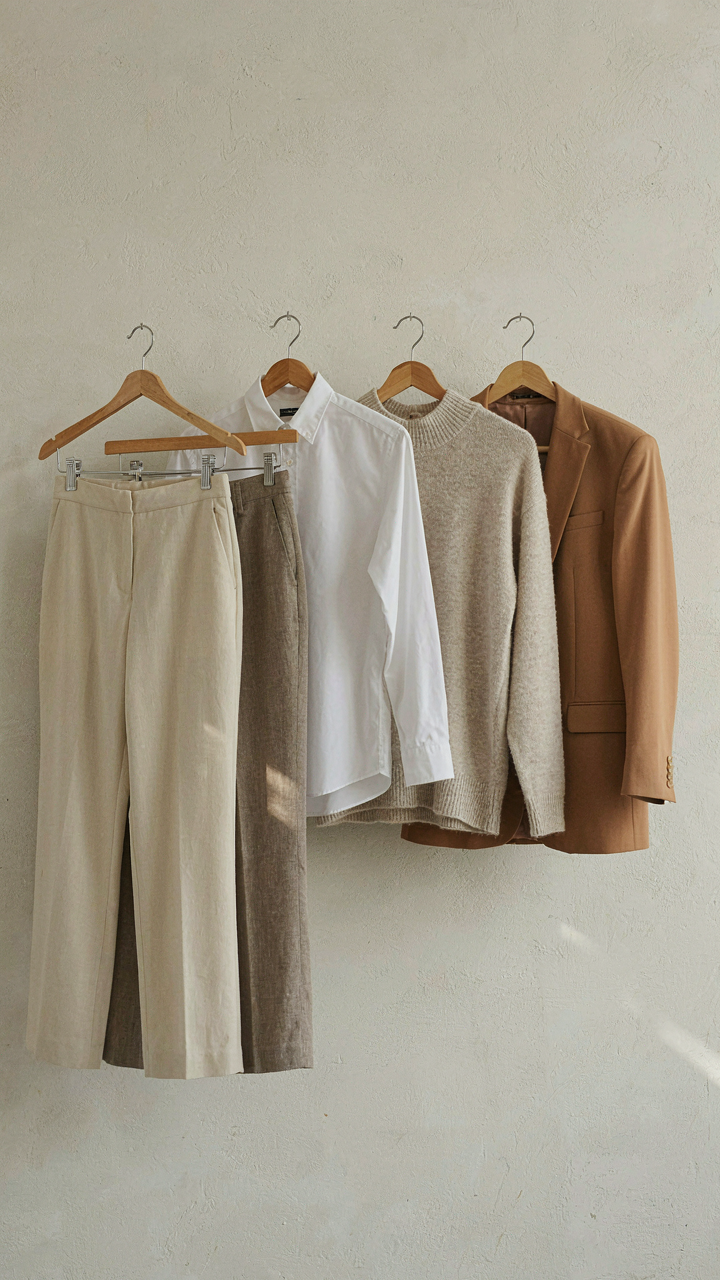
You want to look effortless without the mental overhead. That’s the real problem here. The mechanism is constraint. Fewer pieces mean faster decisions and more consistent results. A capsule works because it removes the paralysis of infinite choice while keeping you visibly prepared for any casual cocktail scenario.

Start with a foundation: two neutral trousers (one charcoal, one navy or black), one quality white button-up, one lightweight knit in a neutral tone, and one structured blazer in a complementary shade. Add three shirts in solid colors that bridge formal and casual. These pieces mix and match without friction. You’re not building fashion, you’re building a system that works.
Signal Alignment, Not Costume
Everyone says “dress for the occasion.” That’s backwards. You dress to show your own relationship to formality, not to perform someone else’s expectations. In semiotics, coherence matters more than category. Your clothes must signal that you chose this deliberately and it matches your actual life. Misalignment shows immediately—you either overdress (appearing anxious) or underdress (appearing indifferent). Neither reads as confidence.
Before you leave, run a single check: Does this outfit reflect how you actually move through the world? Not how you think you should look. Not safer or smaller. Your real intent. If your job demands precision, your casual cocktail fit should show controlled details: creased trousers, fitted proportions, quality fabrics. If you work in creative fields, slightly looser structure and interesting texture choices work. The fit lives or dies on this alignment. Get it wrong and the whole ensemble broadcasts inauthenticity.
The Only Attire Mistake Is Not Knowing Your Own Game

Most people bomb casual cocktail attire because they chase someone else’s rules instead of building their own uniform. Stop copying Instagram. Pick three pieces you actually wear and feel confident in, then rotate them. Dark jeans, a structured shirt, one good jacket. That’s it. Show up as yourself, not as a costume. The only real mistake is showing up as nobody at all.