


Beyond Basic Black: Deconstructing The Holiday Party Outfit
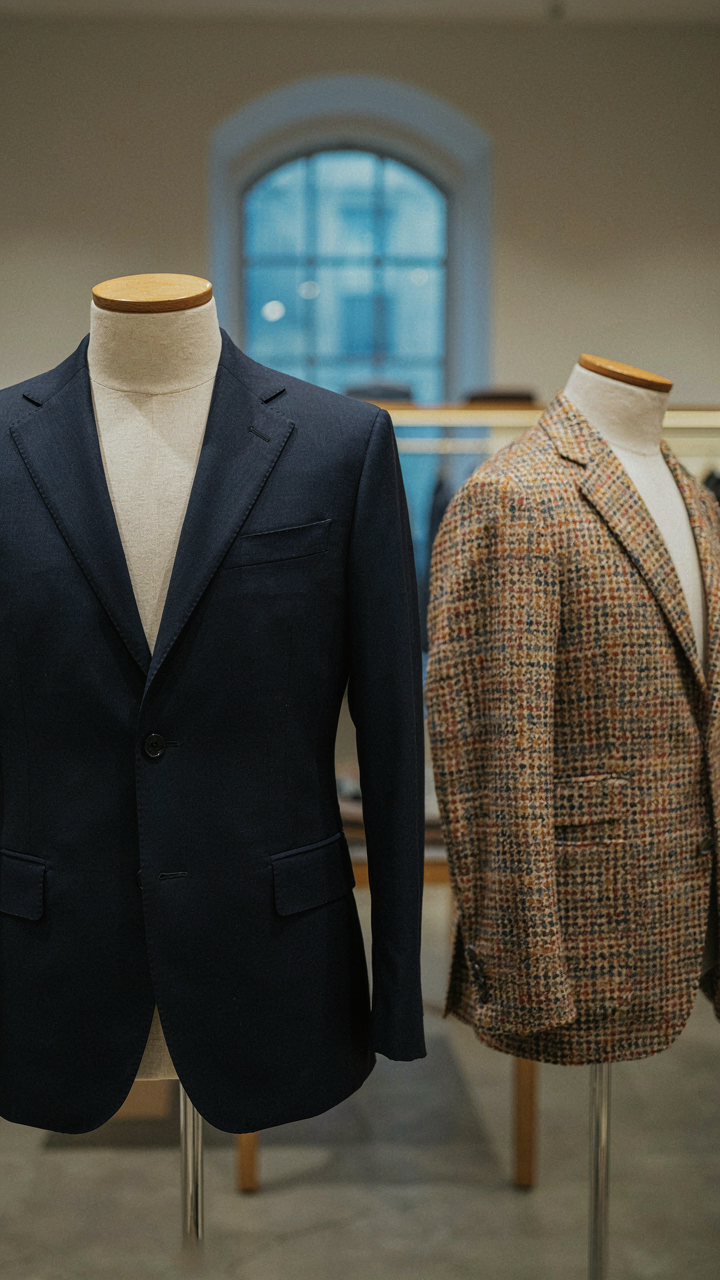
What “Appropriate” Actually Means
You’re worried people will judge you for wearing the wrong thing. That fear is real, but the actual mechanism is simpler: dress codes exist to communicate rank and group membership, not to enforce arbitrary rules. Corporate environments use formality as a sorting mechanism—like a biological pecking order where plumage signals status. Black tie means something different at a Fortune 500 firm than at a startup. Most people wear black to holiday parties because they think formality equals safety, but formality actually signals whether you belong to the group hosting the event or you’re observing from outside it.
The common advice to “dress one level above casual” is incomplete. It misses the point entirely. What matters is matching the event’s actual culture, not some generic rulebook. A tech company’s holiday party expects different attire than a law firm’s, even though both call themselves “business casual.” Read the venue, the company size, and who’s attending before you pick anything. If the invitation says casual or business casual, ask yourself: who benefits from you dressing formal? Nobody. Who benefits from you blending in? Everyone—including you.
The Real Function Of Holiday Attire
Holiday party clothing serves one concrete purpose: it removes friction from social interaction by establishing a predictable visual language. Think of semiotics—the study of signs and symbols—where your outfit functions as a signal, not decoration. When everyone wears similar formality levels, people stop noticing what you’re wearing and start engaging with who you are. Contrast that with someone overdressed or underdressed: everyone notices the violation first, your actual presence second.
The mechanism works through consistency, not perfection. You don’t need expensive clothes or on-trend pieces. You need alignment with the environment. Wear tailored, clean items in solid colors when formality matters. Wear relaxed-fit clothing in patterns when the event is casual. The difference between blending in and standing out isn’t quality or brand—it’s whether your formality level matches the room’s unspoken agreement. That agreement determines whether people engage with you as a peer or as an outlier.
The Work Party Playbook: Navigating Corporate Christmas Cocktails
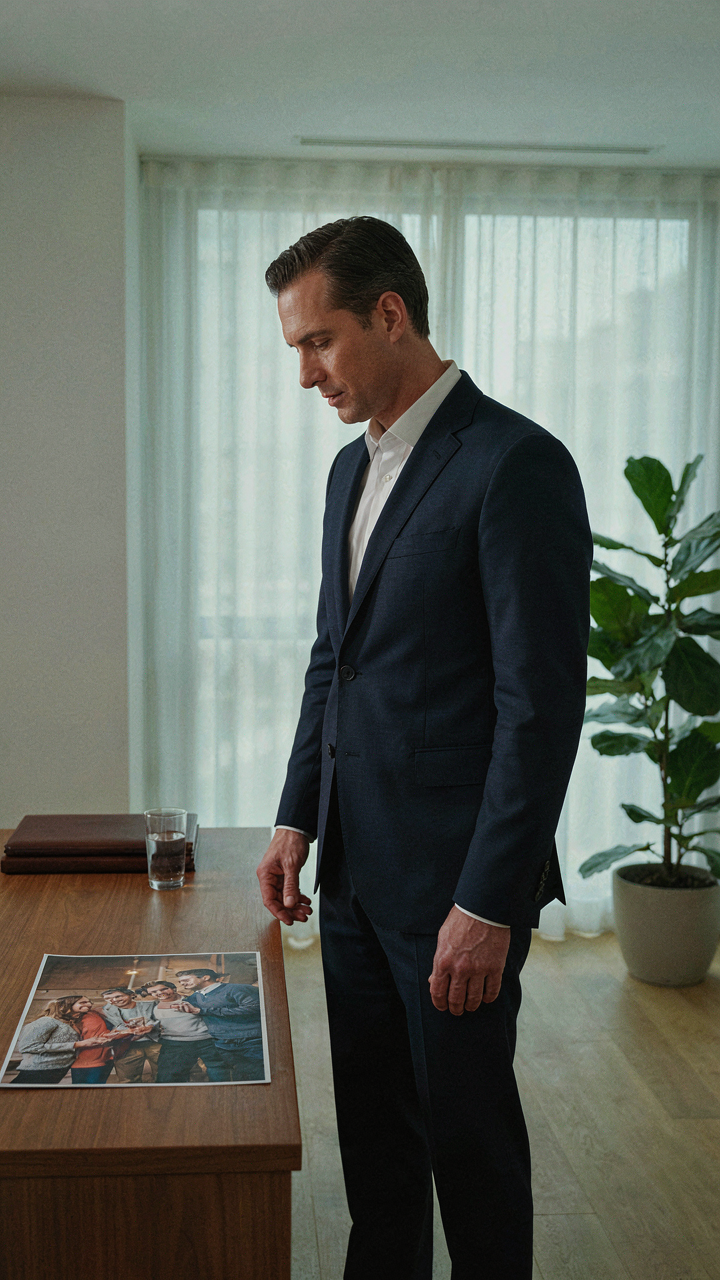
Read The Room Before You Dress
You’re anxious about whether you’ll look out of place or underdressed, and that anxiety costs you strategic advantage. The mechanism is simple: your company’s dress code at the holiday party reveals what leadership actually values, not what the employee handbook claims. A CEO in a blazer and jeans while everyone else wears suits tells you the hierarchy is flatter than advertised. A formal event where senior people dress business casual signals that appearance doesn’t drive advancement in that culture. Spend 30 seconds observing before committing your outfit choice.

The unspoken rules matter more than written ones. If last year’s party photos show executives in dark suits and you show up in a statement dress, you’ve signaled either ignorance or defiance. Neither helps you. The real tell isn’t the invitation wording. It’s what people at your level wore last year, and what people two levels above you wore. That gap between your peers and your future bosses is where you calibrate. Text a colleague. Check LinkedIn photos from company events. Don’t guess.
Dress For The Influence You Want, Not The Role You Have
The common advice is to match the crowd and blend in. That’s wrong. What you actually do is dress one level above your current position in a way that feels native to your company’s culture, not borrowed from somewhere else. This borrows from signaling theory in economics: you’re sending information about your trajectory and your understanding of organizational norms simultaneously. A junior account manager wearing a well-cut blazer in a room of blazers isn’t standing out. They’re confirming they belong one step up.
The trap is overcorrection. You don’t wear a tuxedo to a business casual event to “stand out” or “show ambition.” That reads as tone deaf, and tone deafness costs you more than it gains. Instead, execute the dress code of the next level with better materials and fit. If your peers wear slacks and a sweater, wear slacks and a sweater in better fabric with tailoring that shows you invest in yourself. Show up sharp in a way that mirrors what you observe upward. That’s the actual protocol.
Family Gatherings: The Subversive Art Of Christmas Cocktail Attire

What Your Family Actually Cares About
You’re worried your relatives will judge you. That fear is legitimate, but it’s not about the clothes. Family reads your outfit as a statement about whether you respect the occasion enough to prepare, and whether you’ve moved up or down since last year. The mechanism is simple: people use your appearance to place you on their mental hierarchy, then spend the night either validating or challenging that placement.

Most families operate on an unspoken dress code that shifts based on who’s hosting and what their financial situation looks like. A casual family gathering at someone’s home usually calls for clean casual wear—dark jeans, a button-up shirt or sweater, no wrinkles, no logos. A formal family dinner at a restaurant or upscale venue demands business casual minimum, often moving to cocktail attire. The mistake people make is assuming their family’s code is universal. It’s not. Ask directly what the host is wearing, not what guests should wear. That tells you everything.
The Gap Between What You’ll Wear And What You’ll Regret
Family events create pressure to signal conformity while standing out just enough to matter. This tension breaks people. They either overdress to prove something, underdress to reject the premise, or wear something so forgettable it reads as apathy. None of these work. The common advice to “be yourself” is lazy. You’re not being yourself at a family gathering, and pretending otherwise is self-sabotage.
The trap is choosing clothes that generate commentary instead of credibility. Novelty ties, statement jewelry, or anything that requires explanation puts you on defense for the entire night. Wear pieces that land in the acceptable range for that specific family’s baseline, then ensure they fit perfectly and cost money. Fit and condition matter more than brand names. A well-fitted thrift store blazer outperforms a wrinkled designer piece. Your target is invisibility in terms of “wrong choice,” and noticeability in terms of “put together.” Pick one neutral color family, add one quality layer, confirm the fit in a mirror before you leave, then stop thinking about it.
The “Classy Cocktail Attire” Illusion: Real Signals Vs. Generic Advice

Status Isn’t What You Wear, It’s What You Don’t Have To Prove
You’re reading this section because you’re worried you’ll look poor or stupid. The real mechanism at work is signaling theory from economics: you’re competing for perceived status through visible markers that cost money or taste to acquire. But here’s what dress codes actually do—they remove the burden of constant status negotiation by setting a floor, not a ceiling. When an invitation says “cocktail attire,” it’s not asking you to perform wealth. It’s asking you to demonstrate restraint and literacy about social context.

The mistake most people make is equating expensive with appropriate. A three-hundred-dollar dress that screams for attention violates the code faster than a seventy-dollar one that sits quietly in the room. High-status people at holiday parties wear pieces that signal belonging to a group that doesn’t need to announce itself. The fabric matters less than the fit, the cut, and whether the garment reads as intentional rather than aspirational.
What “Classy” Really Obscures
The word “classy” is a trap designed to extract money from people who don’t know what they’re actually looking at. Event planners and retailers use it to avoid specificity while sounding helpful. In reality, “classy” is a stand-in for “understated, well-fitted, and appropriate to your role in the room.” It’s neither a compliment nor a dress code—it’s an abdication of clarity.
Professional holiday parties reward proportion and editing over embellishment. A tailored blazer, neutral colors, minimal jewelry, and shoes that don’t announce themselves accomplish more than a statement piece ever will. The protocol is simple: if your outfit makes people look at it first and you second, it’s wrong. If people remember what you said instead of what you wore, you read the room correctly.
The Signaling Theory Of Style: Your Christmas Cocktail Party Outfit
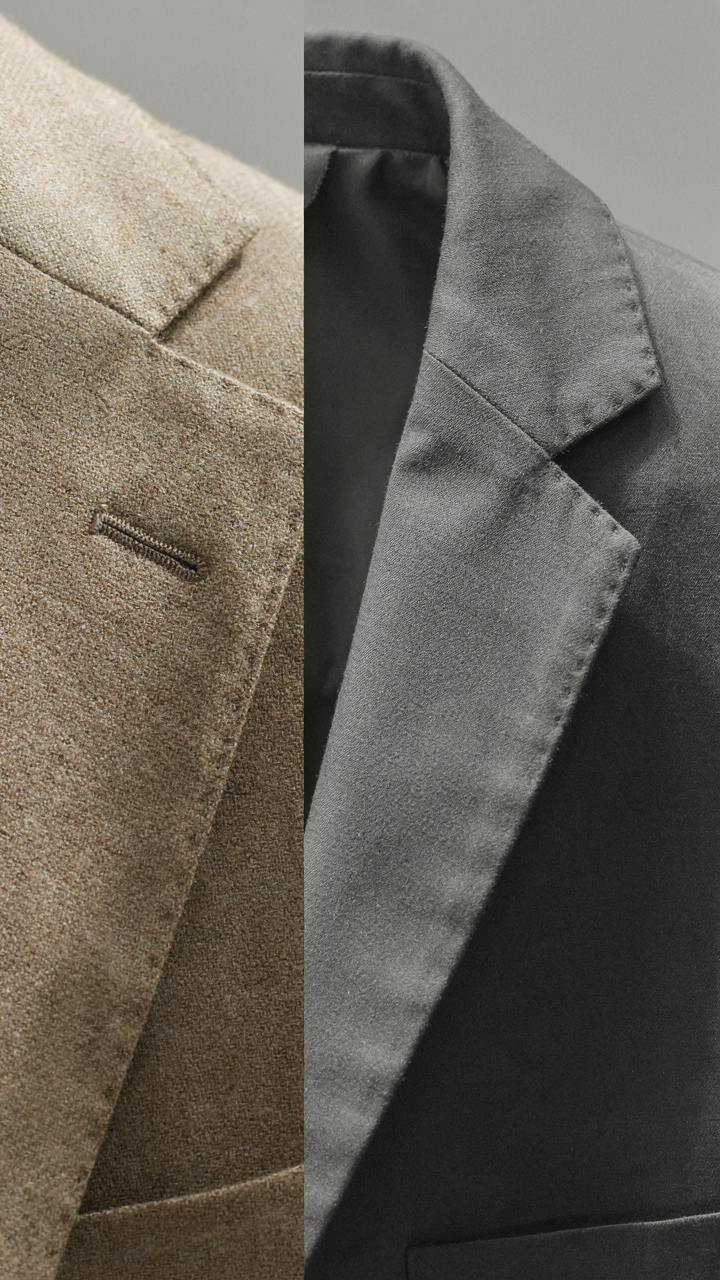
Cost As Credibility
You care about this because you’re afraid people will judge your status by what you wear, and you’re right to worry. Economics calls this signaling theory: you use observable costs to communicate qualities observers cannot directly verify. At a holiday party, your outfit signals whether you understand the event’s formality level and whether you respect the host enough to show up prepared. Cheap fabric reads as disrespect faster than it reads as budget-conscious.

The mechanism is simple. People cannot see your bank account or your taste directly, so they infer both from the cost signals embedded in fabric, construction, and fit. A wool blazer costs more to produce than polyester. Tailored seams cost more than glued hems. A dress that holds its shape costs more than one that wrinkles by 8 PM. The observer doesn’t need to know this consciously. Their brain registers “this person invested in durability” and maps that onto “this person takes this seriously.”
Why Expensive Signals Stick
The honest version of dress code advice says “wear what makes you feel confident,” which is useless because confidence is the output, not the input. Real confidence comes from knowing you sent the right signal. A tailored garment that fits your frame costs more because it requires labor. A natural fiber that maintains its appearance costs more because it resists degradation. These aren’t luxuries. They’re reliability. Your outfit communicates whether you show up half-finished or complete.
The math works this way: the more someone has to spend to achieve a look, the harder it is to fake. Fast fashion can copy the visual of a style, but it cannot copy the durability or fit precision of an expensive alternative. An observer at a work holiday party spots this gap instantly. They see the garment’s longevity coded into every seam. Spend on construction and fabric weight, not on brand logos or trendy cuts that will read as dated in six months.
The Lunch Outfit Protocol: From Casual To Calculated

When Casual Becomes Currency
You’re worried people will judge you for trying too hard at a midday event. Here’s the mechanism: casual settings are actually status theaters disguised as low-stakes moments. The dress code tension exists because everyone’s pretending the event doesn’t matter while simultaneously using it to measure each other. A lunch party operates like a game theory scenario where the player who reads the room correctly signals belonging without announcing it. The real tell isn’t what you wear—it’s whether your outfit matches the energy level of the host’s intention, not the event’s label.

Most advice says “keep it simple” at casual lunches. That’s incomplete. You need to read whether the host is hosting casually or hosting an event that happens at lunch. One requires baseline effort. The other rewards someone who looks like they made a choice without visibly laboring over it. The distinction matters because appearing effortless requires more precision than appearing formal. Study the invitation language, the venue choice, and the guest list composition before deciding whether “casual” means jeans or means trousers with no blazer.
Layering Strategy Over Formality Levels
The textile industry calls this “dressing in levels,” and it applies directly to lunch events because you control temperature and visual weight independently. A wool sweater under a linen shirt reads differently than the sweater alone, though both feel equally comfortable. The mechanism is that formal elements stay readable when anchored to casual pieces, while casual elements need containment to avoid looking unintended. You’re not aiming for a single dress code—you’re building an outfit that shifts its own perceived formality based on what the room demands in real time.
Start with a base piece that costs you nothing to remove or adjust. A cardigan over a simple shirt lets you calibrate instantly. Swap a casual bag for a structured one if the room feels more polished than expected. Keep shoes neutral—leather is readable as intentional across nearly every lunch event context. The protocol is simple: one piece should be upgradeable, one piece should ground the outfit in casualness, and one piece should be removable. This gives you three variables to adjust without changing your core appearance or appearing to fuss with your clothing.
Mastering The Cocktail Party Outfit: The Art Of Intentional Impression
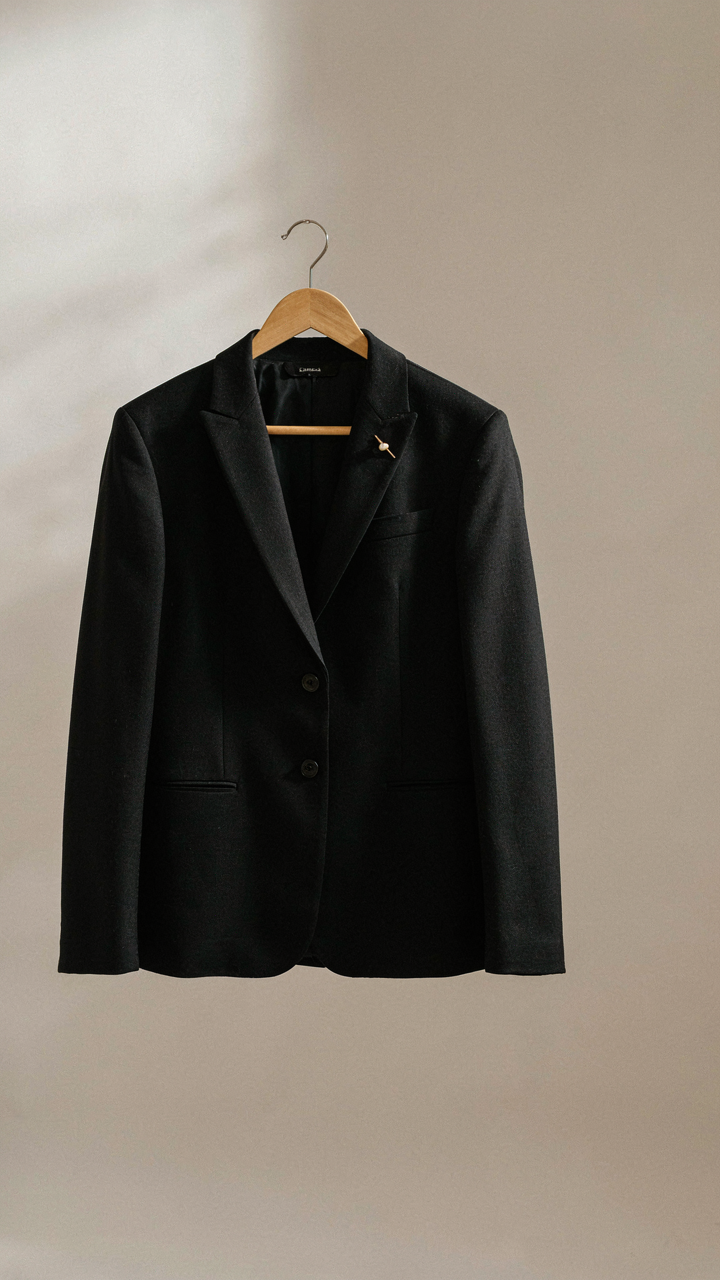
What Actually Signals Competence
You want people to assume you have authority before you speak. That’s the real reason you’re reading this. The mechanism is contrast. In a room where most people dress to blend in, visible intention stands out. Intention signals control. Control reads as competence. This isn’t psychology—it’s visual hierarchy. Your outfit either commands attention or it dissolves into the background.

The cocktail party exists in a specific dress code zone: too formal feels rehearsed, too casual feels indifferent. Most people panic and choose safety. That’s the mistake. Safety is invisibility. A commanding presence requires you to make one deliberate choice that breaks pattern—not violently, but noticeably. This one choice becomes the story people remember instead of forgetting you existed.
- Tailored fit over trends: Clothes that fit your actual body create clean lines. Tailors fix off-the-rack proportions in two weeks. Most people skip this. That’s why tailored stands out instantly.
- One saturated color as anchor: Black, navy, or charcoal provides stability. Add one piece in a deeper jewel tone or structured neutral. This creates visual weight without screaming for attention.
- Elevated basics with texture: A silk blend shirt, structured wool, or refined cotton reads differently than standard fabric. Texture signals investment. Investment signals standards.
- Accessories that function: A quality watch, structured bag, or metal-framed glasses serve a purpose and signal precision. Decorative accessories read as trying. Functional ones read as intentional.
- Proper grooming over perfection: Clean nails, controlled hair, and fresh shoes matter more than designer labels. Grooming discipline communicates respect for the room.
Your outfit succeeds when each element justifies its presence. This isn’t minimalism—it’s efficiency. Remove one item and the outfit weakens. Add one more and it clutters. The exact threshold where intention becomes visible is where you stop.
The Mistakes Everyone Makes But Won’t Admit
Most advice on cocktail party dressing ignores the real problem: people choose items they like instead of items that work. This is lazy. Your preference is irrelevant. The room’s expectations and your goals are all that matter. You can like something and still wear something else because you’re an adult.
The fatal move is overdressing the accessories. A woman in a simple black dress with statement jewelry doesn’t look elevated—she looks anxious about being boring. A man in neutral colors with a loud pocket square reads as costume. Accessories amplify intention. Use them to clarify your outfit’s direction, not to rescue it. If your base outfit needs rescue, the base outfit is broken. Fix that first, not the accessories. One clean detail beats three competing ones every time.
Seasonal Strategies: Beyond The Single Holiday Parties Event
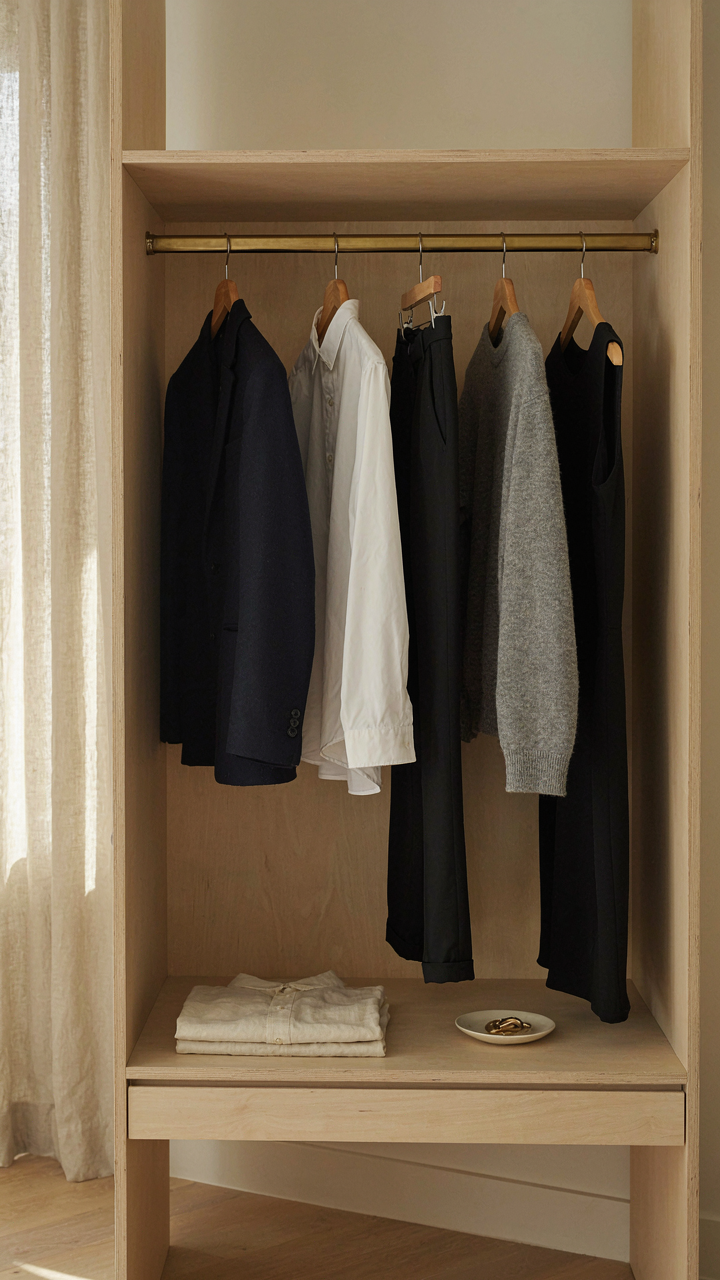
Build Your Uniform Before December Arrives
You want permission to stop thinking about what to wear. That’s the real problem here, and it’s legitimate. The mechanism is simple: people with consistent personal style frameworks make faster decisions, spend less money, and project more authority than people who improvise for each event. Borrow from systems thinking in organizational design, where “standardization” means establishing predictable outputs without sacrificing quality. Your wardrobe standardization works the same way: define core pieces that work across multiple dress codes, then layer event-specific items on top rather than starting from scratch each time.

The mistake most people make is treating holiday party dressing as a one-off problem. You buy something in November, wear it once, and never think about it again. Instead, build backward from your professional and social life. Identify which dress codes you actually encounter repeatedly: business casual, smart casual, cocktail, black tie. For each, own three to four foundational pieces that fit you properly and that you’ve already worn. Add seasonal color palettes and textures once your base is locked in. This framework runs year-round because professional environments don’t change their standards on January 2nd.
Rotate Pieces Into Recurring Visibility
What you wear to the company holiday party gets remembered. Wearing the same two blazers to four different events across twelve months gets noticed differently. In behavioral economics, this is called the “frequency illusion,” but it works in your favor when you understand it. You’re not trying to appear limitless in your wardrobe. You’re building recognition through consistency in quality pieces that signal attention to detail.
The protocol is straightforward: own five to seven reliable outfit foundations and cycle them across events. A well-fitted navy blazer works at work parties, family dinners, and casual cocktail events. Swap the shirt underneath. Change the shoes. The blazer carries the weight of looking intentional while you’re actually just reusing one piece. This isn’t laziness. This is the opposite. You’re freeing up mental and financial resources to focus on fit, fabric quality, and the actual interaction at the event instead of the costume.
Your Biggest Obstacle Isn’t The Dress Code; It’s Your Inability To See Social Events As Strategic Battlegrounds
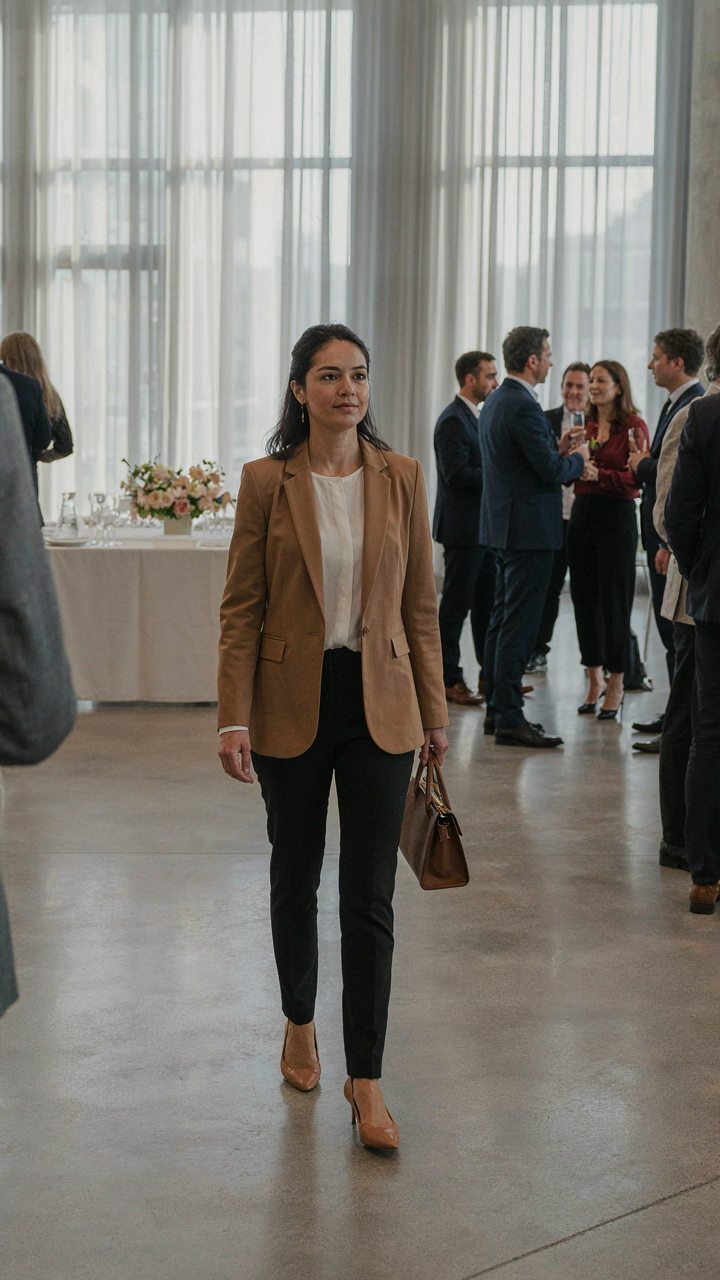
Most people treat holiday parties like obligations. You should treat them like auditions. Your outfit is your opening line. The holiday party dress code isn’t about following rules—it’s about signaling you understand the room’s hierarchy and respect it enough to play the game strategically. Stop asking what you should wear. Start asking what message you need to send. Today, pick one event and decide what single thing your appearance needs to communicate about you. People don’t remember what everyone wore. They remember who looked like they belonged.