
Why “Elegant Casual” Isn’t A Dress Code, It’s A Mindset Shift
The Real Problem With How People Define It
You’re looking for permission to spend money on clothes without feeling like you’re trying too hard. That’s the actual question underneath this search. The problem is that most advice treats elegant casual as a fixed set of rules—when it’s actually a constraint that forces you to make better decisions about what you own. Traditional dress codes (business formal, black tie) prescribe what to wear. Elegant casual does the opposite. It eliminates options by removing costume-like formality while keeping intentionality. You can’t hide behind a blazer and tie. You have to know why each piece exists in your closet.
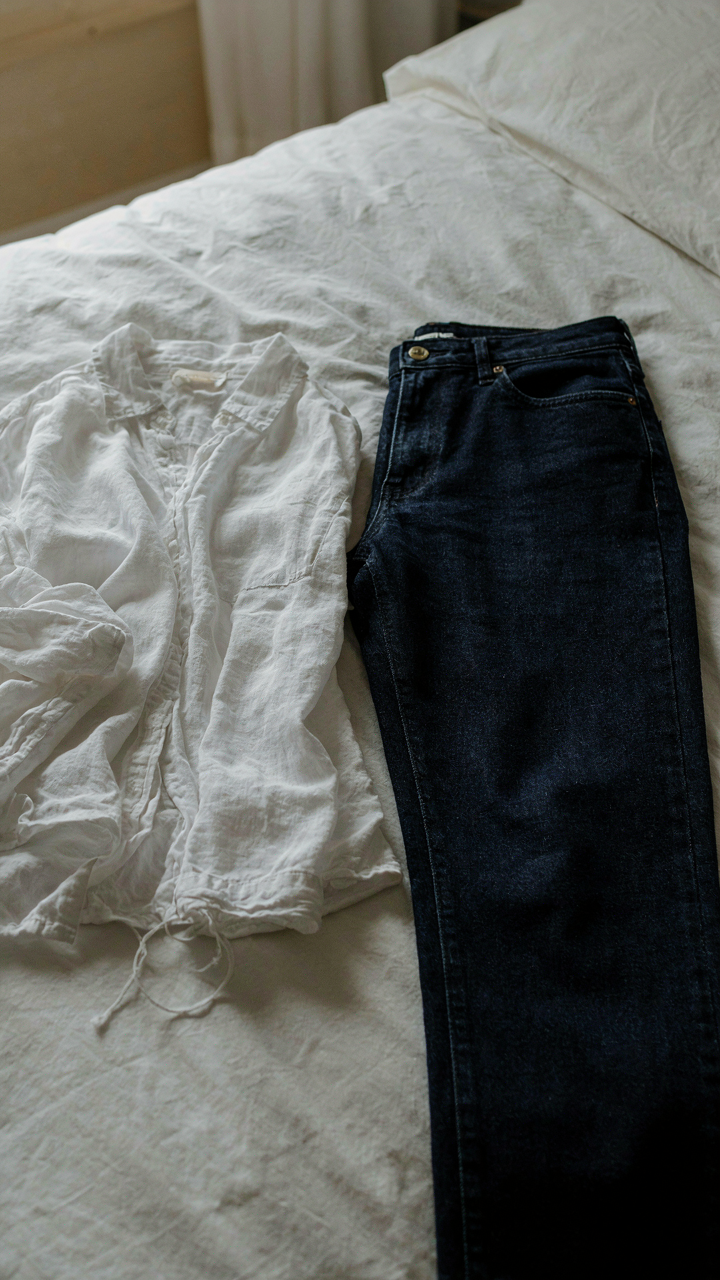
Most guides will tell you “dress up jeans with a blazer” or “add a watch for polish.” Generic garbage. Here’s what actually separates elegant casual from sloppy casual: the absence of contradiction in your outfit’s fabric, fit, and finish. A wrinkled linen shirt paired with stiff dark denim signals confusion, not sophistication. The mindset shift is moving from “does this look nice” to “do these pieces belong together functionally.” Material weight, drape, construction quality, and proportional fit have to align. You’re not building a look. You’re assembling a coherent object.
The Illusion Of Comfort That Locks You In
Sociology calls this conformity bias, and your closet proves it works. You wear what everyone around you wears because friction disappears. Elegant casual disrupts that completely. It removes the uniform. Suddenly you’re visible. Most people mistake this visibility for discomfort and retreat to athleisure or oversized basics—which is just a different uniform. The real discomfort is psychological. You’ve spent years letting context decide your clothes, and now context is ambiguous. That ambiguity creates anxiety, not sophistication.
The mechanism is simple: your brain craves low-stakes decisions. Uniforms provide that. Elegant casual demolishes uniforms and forces daily micro-decisions about proportion, texture, and appropriateness. This is why people fail at it. They want the aesthetic of intentionality without the cognitive load of intention. The only way through is acceptance. Stop expecting elegant casual to feel automatic. It shouldn’t. The day it becomes automatic is the day you’ve either solved your personal style or defaulted back into a new uniform without noticing.
The Inverted Pyramid Of Dress Code Rules
Start With The Room, Not The Rulebook
You’re worried that getting this wrong signals you don’t belong. Here’s the actual mechanism: dress codes exist to match the energy of a space, not to trap you in arbitrary restrictions. Elegant casual describes a range, not a uniform. The occasion determines your ceiling and floor, not some external authority. A casual dinner at a Michelin restaurant requires different choices than a casual Friday at a creative agency. Your first move is naming the context. Everything else follows from that single input.

The rulebook approach fails because it treats all elegant casual environments as identical. They aren’t. A rooftop bar in Miami operates on different visual rules than a gallery opening in Portland. The formality level, the crowd’s age, the lighting, the time of day, the season—these variables determine what “elegant casual” actually means in that specific room. Skip the generic checklist. Identify the occasion first. Your outfit emerges from that foundation, not from memorized dress code language.
Fit Beats Everything Else On The Board
People say fit matters. What they don’t say: fit is the only variable that directly reveals your attention to detail. Tailoring translates to respect. An expensive shirt that doesn’t fit your shoulders reads as careless. A mid-range item tailored to your frame reads as intentional. This is basic economics applied to clothing: the perceived value of a garment multiplies by how well it conforms to your specific body. Fit is where your money should go before anything else.
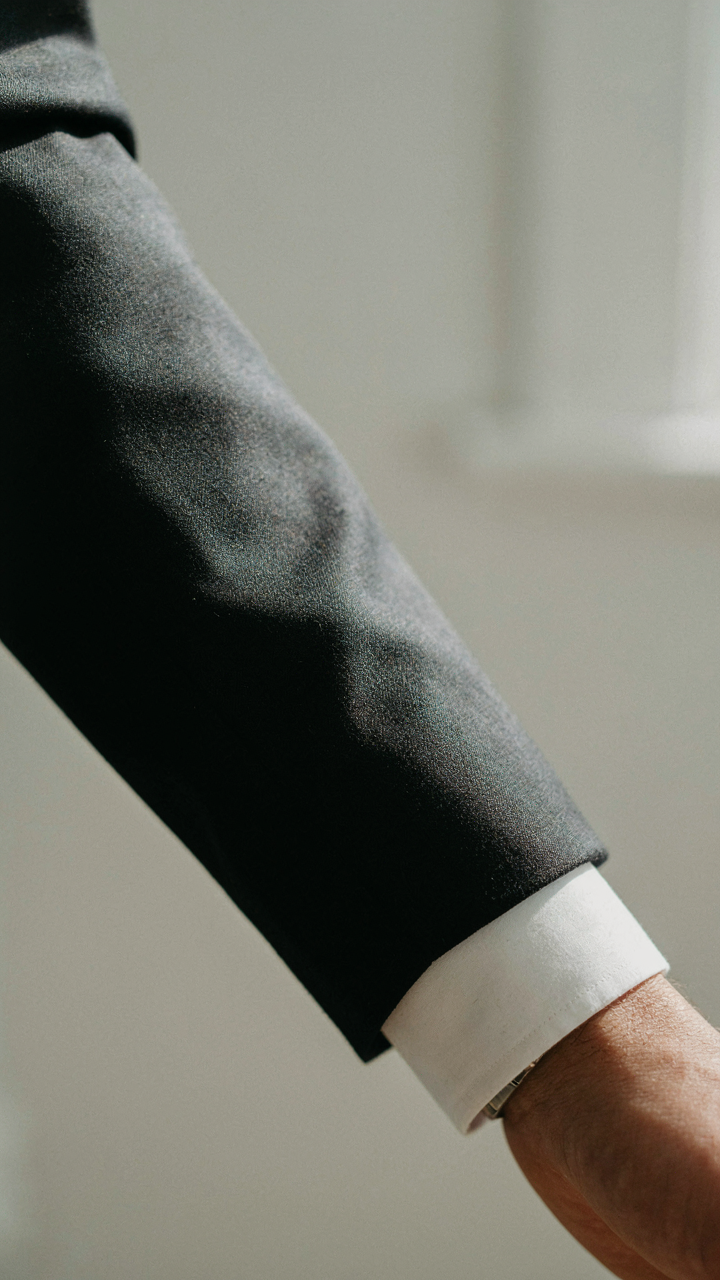
The brand conversation is a distraction. Elegant casual doesn’t require labels that announce themselves. It requires proportions that work. Shoulders should sit at your natural shoulder point. Sleeves should break at your wrist. Pants should taper without strangling. A shirt that fits properly costs less to acquire than one that doesn’t and requires tailoring. Start with fit as your non-negotiable baseline. Everything else is refinement built on top of that foundation.
Decoding “Dress Code Casual”: Beyond Jeans And A Tee
What Actually Separates Casual From Elegant Casual
You care about this because you sense that looking competent matters, and generic casual makes you invisible. The mechanism is simple: elegant casual works through constraint, not addition. Most people think casual means relaxed standards. It doesn’t. It means removing visible effort while maintaining intentional choices. The difference between a t-shirt and a casual shirt isn’t comfort. It’s construction. Button-ups have structure. Seams are finished. Collars hold shape. These details signal someone who thought before getting dressed.

Elegant casual lives in the gap between effort and ease. You’re not trying hard, but you’re not negligent either. This requires knowing what to strip away and what to keep. Jeans work because denim has inherent weight and finish. A plain tee doesn’t work because it reads as default, not chosen. The rule: every piece must look intentional without looking formal. That’s the actual skill. Wear a linen shirt untucked, and you’re there. Wear the same shirt with visible wrinkles, and you’ve failed the test.
The Material Intelligence Nobody Mentions
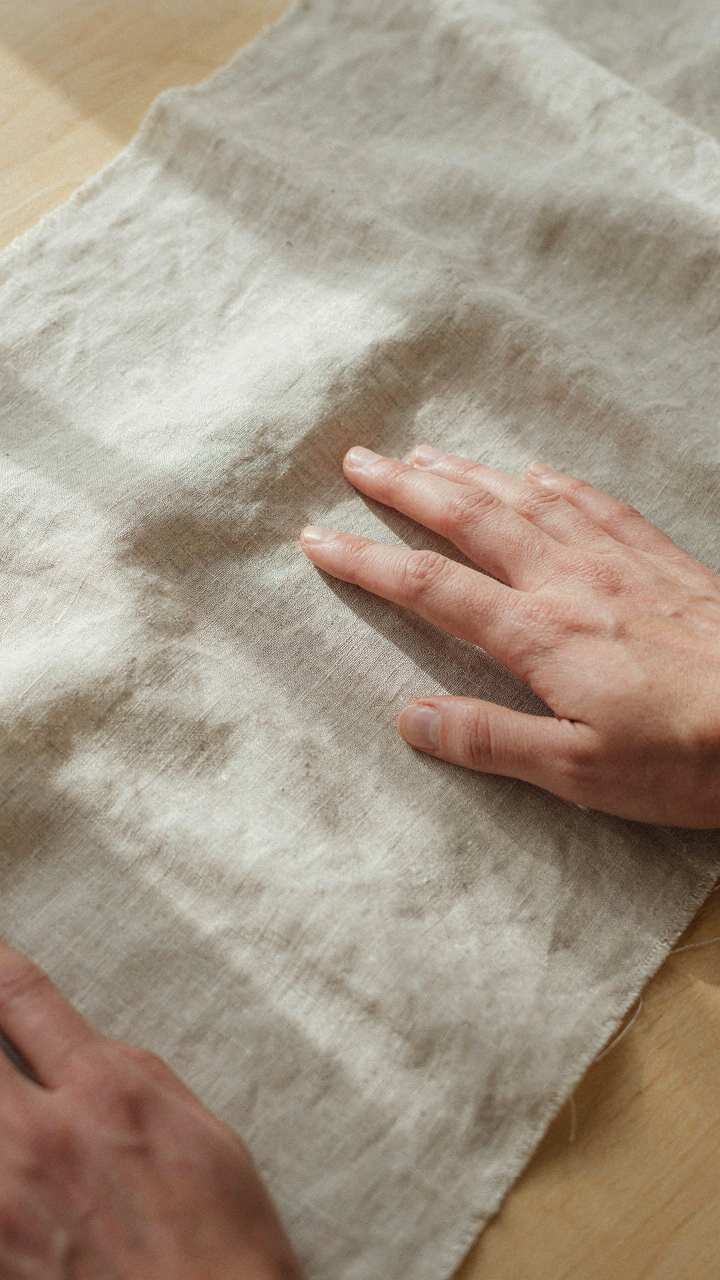
Fabric choice operates like signal transmission in engineering, where the medium determines what message gets through. Cheap cotton disappears into wrinkles within hours. Premium cotton holds shape because the fiber density is higher. That’s not luxury talk. That’s physics. The fibers are tighter together, so the garment resists collapse. Linen, wool blends, and structured cottons all communicate differently than basic jersey knit.
The common advice says “wear natural fabrics.” That’s incomplete. Natural fabrics perform differently based on construction. A quality linen wrinkles intentionally, creating texture that reads as refined rather than sloppy. A cheap synthetic blend doesn’t wrinkle at all, which makes it look plasticky. Elegant casual requires fabrics that age well and respond to movement without looking destroyed. Run your fingers across the fabric before buying. If it feels thin or plasticky, it will broadcast that feeling every time you wear it. Buy pieces that feel substantial and maintain their structure through a full day.
The Business Casual Deception: When “Casual” Means “Intentional”
The Corporate Gray Area
You want permission to dress down without looking like you stopped trying. That’s the real question here. The mechanism is simple: business casual exists because companies needed a middle ground between formal authority and relatable approachability. Neither extreme works in modern offices. Formality signals distance. Pure casual signals incompetence. Business casual is the compromise that lets you look competent without the friction of a suit.

The trap most people fall into is treating business casual like a permission slip to ignore proportion and fit. It’s not. Business casual demands more intention than either extreme because you’re balancing two opposing forces at once. A poorly fitted blazer over jeans reads as confused, not casual. The pieces need to work together deliberately, which is why this dress code actually requires better judgment than formal wear. You can’t hide behind rules because the rules are deliberately vague.
Strategic Layering For Impact
Layering in elegant casual borrows from architecture’s load-bearing principle: each layer must support the structure above it without collapse. The base layer sets visual weight and formality. The middle layer adds dimension and breaks the silhouette. The outer layer controls the overall impression. Most people skip this framework and just throw on whatever’s clean, which is why they look accidental instead of intentional.
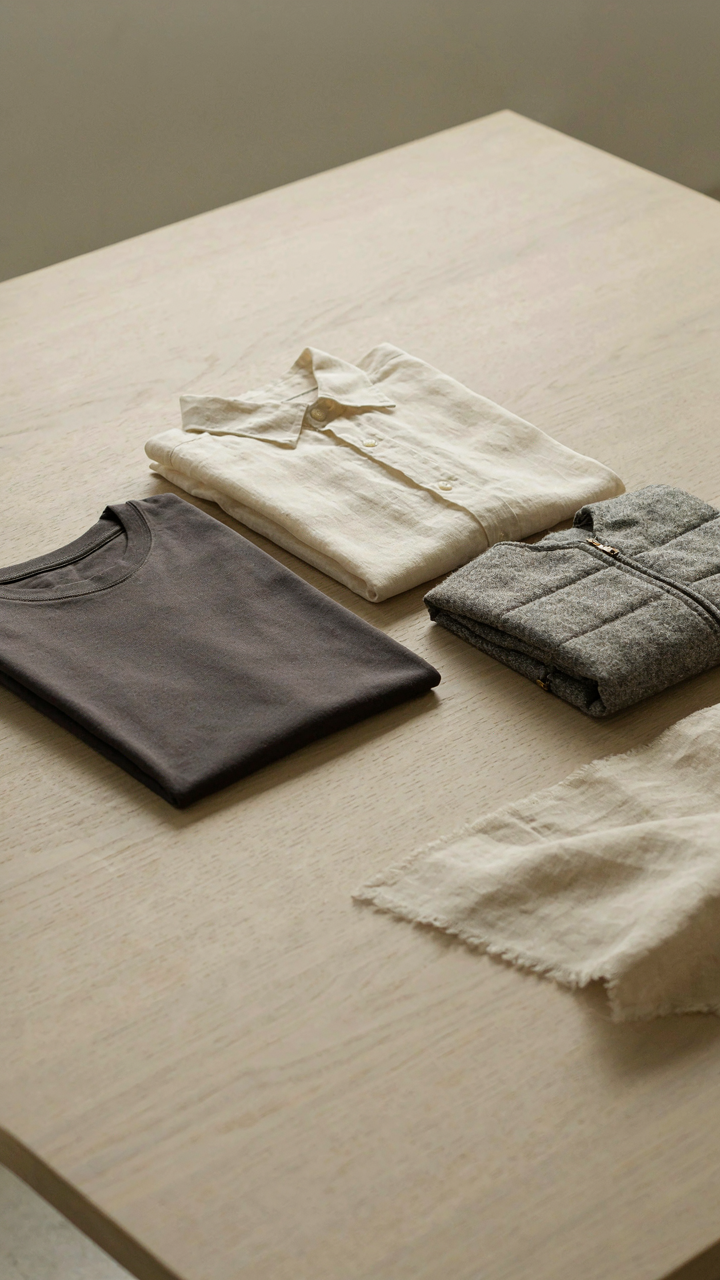
The protocol is specific. Start with a fitted base in a neutral or muted tone. Add a middle layer that introduces texture or a secondary color without competing for attention. Close with an unstructured outer piece in a complementary weight. A fitted charcoal t-shirt, a linen overshirt in cream, and a wool gilet in gray creates visual hierarchy without formality. The outer layer should feel optional, not required, which signals the casual part. Execution determines whether you look composed or careless.
The Chic Dress Algorithm: A Systems Approach To Outfit Building
Watch What Actually Happens, Not What You Think Should
You want permission to stop guessing. Here’s the mechanism from cybernetics: feedback loops correct drift. Your outfit either works in the environment or it doesn’t. You see the result instantly in how people respond, how you move, whether the clothes fight you. Most people ignore this data and repeat the same mistakes because admitting failure means rethinking their choices.

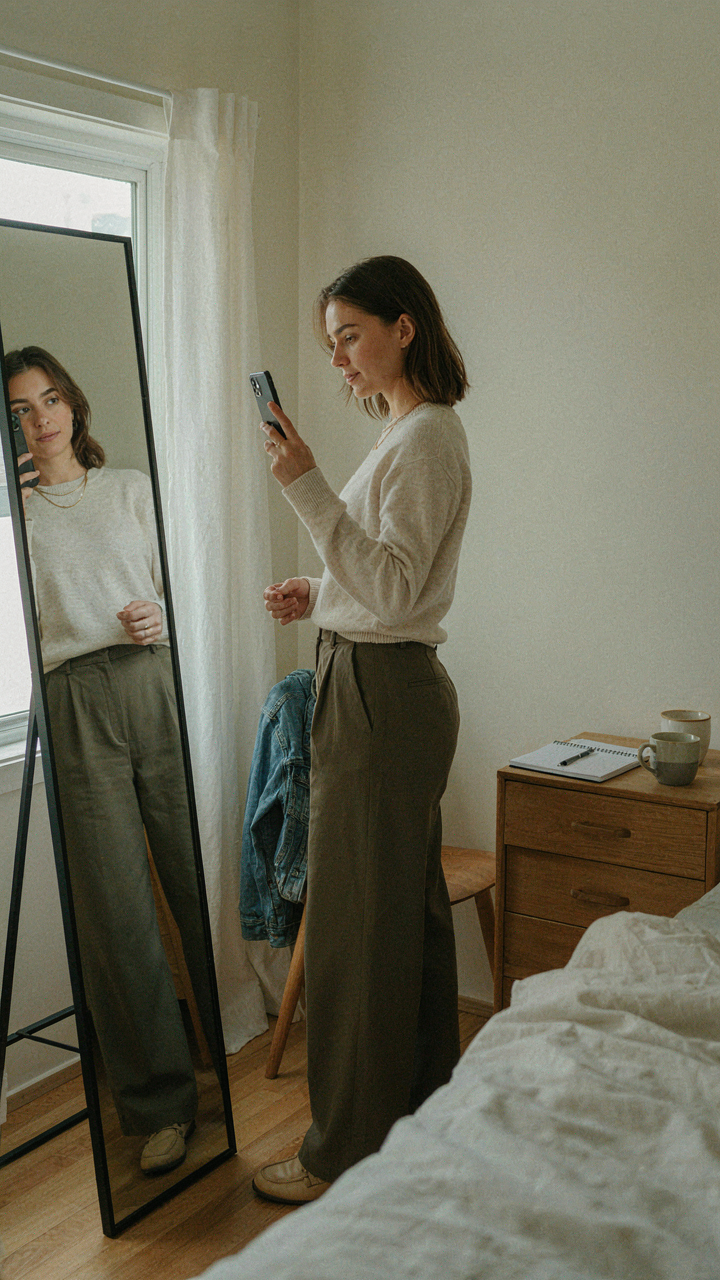
Build a deliberate feedback system. Wear an outfit. Document it with photos. Note the context: location, temperature, social tier of the event, how you felt moving through it. Did the fit restrict your posture? Did colors read as cohesive or scattered? Did people engage differently? After three to five real-world tests, patterns emerge. You’ll see which combinations actually work versus which ones look good in the mirror but fail under social pressure. The feedback loop is not optional. It’s how you stop wasting money on pieces that sit unused.
When Pieces Become Something Else
Complexity theory teaches that systems produce emergent properties: qualities that don’t exist in individual components but appear only when elements interact. A neutral blazer plus fitted trousers plus a quality watch equals a coherent presence. Separately, they’re just items. Together, they signal intentionality. This is not mystical. It’s mechanical. The combination creates a readable message that none of the pieces generate alone.
The common advice stops at “mix textures and colors.” Wrong. That’s decoration. What actually matters is constraint. Each piece must earn its place by reducing visual noise rather than adding it. A casual linen shirt works in elegant casual because structure emerges from restraint, not abundance. The watch grounds the outfit. The fit of the trousers establishes order. The blazer unifies the visual weight. Stack pieces that solve for each other, not pieces that compete. Test this by removing one item at a time. If the outfit still reads as intentional, you’ve achieved emergence. If it collapses, you have redundancy.
Elegant Casual Dress Code: The Understated Power Of “Dressy Casual”
Accessories As Strategic Accents
You want permission to look like you didn’t try. That’s the real fear here. Accessories solve this by creating the illusion of intentionality without effort. In visual hierarchy, accessories function as the weighted counterbalance—they anchor an outfit’s sophistication without screaming for attention. A single quality piece redirects the eye and transforms casual foundation pieces into something deliberate.

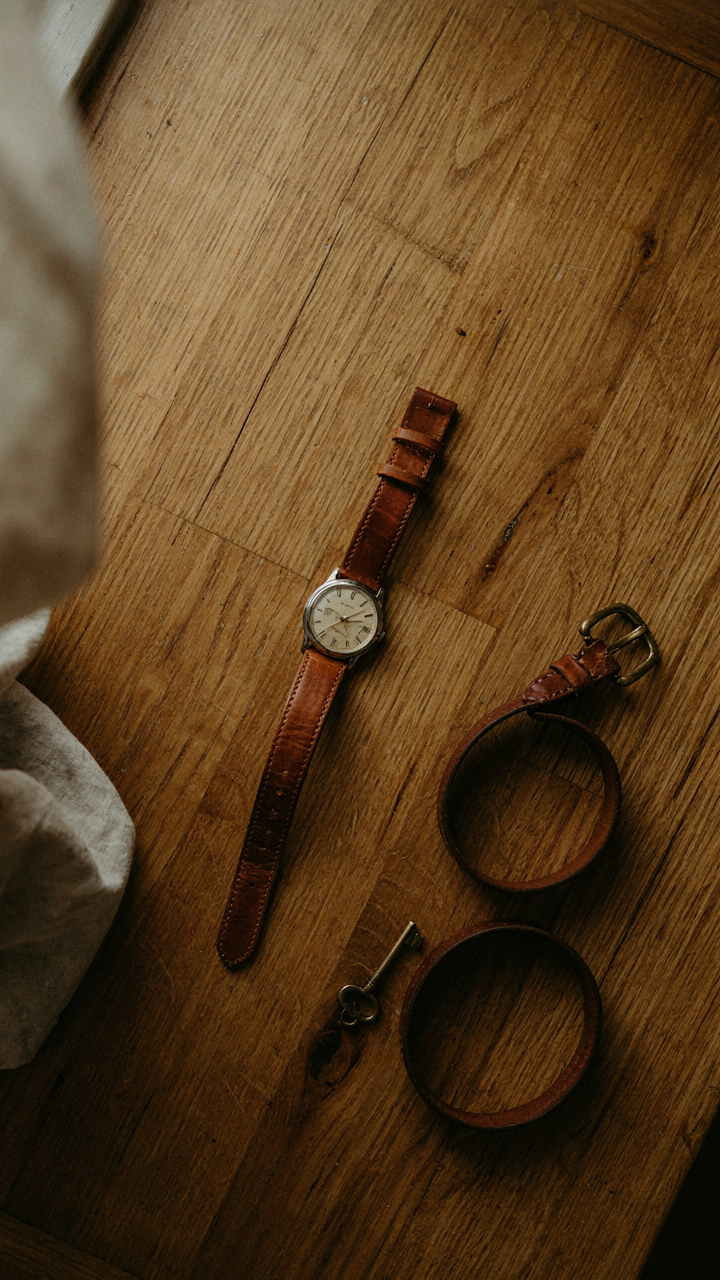
The common mistake is treating accessories as decoration. They’re not. They’re the mechanism that transforms a plain oxford shirt and chinos into something with presence. A leather belt that matches your watch metal, a structured leather bag, or a silk scarf signals that you made a choice. These don’t need to be expensive. They need to be coherent. Match your metals. Limit yourself to two statement pieces maximum per outfit.
The Footwear Hierarchy For Elegance
Shoes determine whether elegant casual reads as lazy or refined. Most advice says “wear nice shoes with casual clothes” which misses the actual mechanism. Footwear sets the formality ceiling for the entire outfit. Slip into a loafer and your t-shirt gains credibility. The same t-shirt with sneakers reads differently regardless of fabric quality. Elegant casual demands shoes that sit between casual and formal—leather that shows wear pattern, not pristine newness.
Oxfords, loafers, and clean leather sneakers work because they communicate decision-making. Brown leather wears better and hides scuff marks than white or pristine black. Wear shoes that show character, not shoes that demand constant maintenance. Your footwear choice is the final signal about whether you understand the code or you’re just wearing nice things.
The Dan Koe Protocol For Effortless Style
The Foundation Pieces That Actually Work
You want this to feel automatic because you’re afraid that overthinking your clothes signals weakness. The mechanism is constraint. Elegant casual works because you’ve removed decisions, not added them. Start with five core pieces that share a color story and fabric weight. These aren’t trends. These are tools that solve a specific problem: looking intentional without looking like you tried.
- Neutral crew neck sweater: Merino or cotton blend in charcoal, navy, or cream. Works layered or solo. The foundation of every legitimate casual outfit.
- Flat front chinos: Natural fiber in stone, olive, or navy. Sits between jeans and dress pants. Elevates without performing.
- Oxford cloth button down: Linen or cotton oxford weave, untucked or half tucked. The workhorse shirt that reads refined in any context.
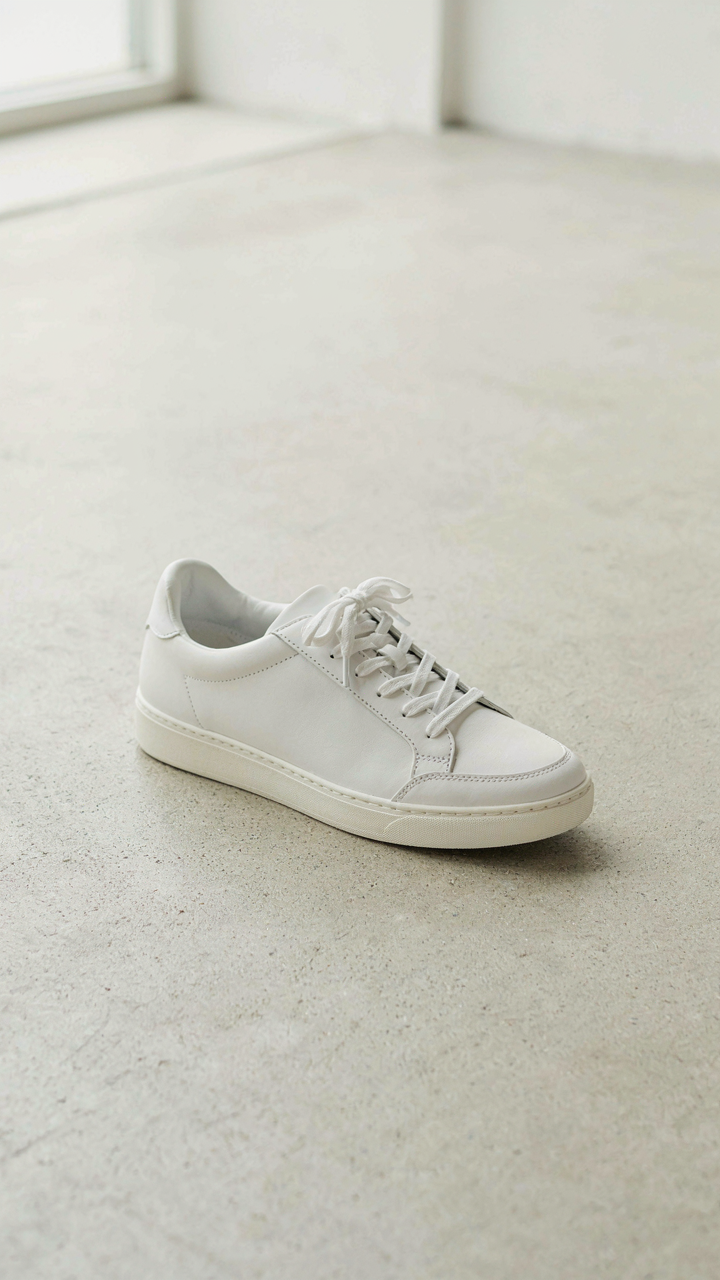
- White leather sneaker: Minimal design, clean lines. Not a fashion statement. The only casual shoe that doesn’t default to invisible.
- Structured blazer: Unlined or half lined, natural shoulder. Cotton or linen blend. This single piece turns casual into elegant casual.

These five pieces combine into twelve distinct outfits without repetition. You’re not building a wardrobe. You’re engineering a system. The color restraint matters more than the individual items. Buy pieces that talk to each other, not pieces that stand alone.
The Power Of Strategic Omission
Most advice tells you to add more. More layers, more texture, more personality. That’s backwards. Elegant casual is economics applied to dressing: maximum output from minimum input. Remove one element from what you think you need. Skip the belt. Drop the second layer. Leave the watch off. Each omission creates visual breathing room and signals confidence.
The practice is friction testing. Wear the outfit. Notice what feels like excess. That sensation is the signal to remove it next time. A second pocket square, an extra chain, cufflinks on casual wear, that boutique-brand tote when a simple bag works. These aren’t failures. They’re data. Strip them away and the fit improves because your silhouette becomes the focus, not the accessories.
Beyond Trends: Cultivating Your Personal Style Rules
Find Your Visual Constants
You want permission to stop worrying about whether you’re dressed right. That fear burns calories. The mechanism is simple: elegant casual works because it narrows choices down to repeatable elements, and repetition builds recognition. Your aesthetic anchor isn’t about taste—it’s about constraint. Pick three to four visual constants that appear in every outfit you build: a specific color palette, a fabric weight preference, a silhouette shape. This isn’t limitation. It’s the opposite. It eliminates decision fatigue and makes coordination automatic.

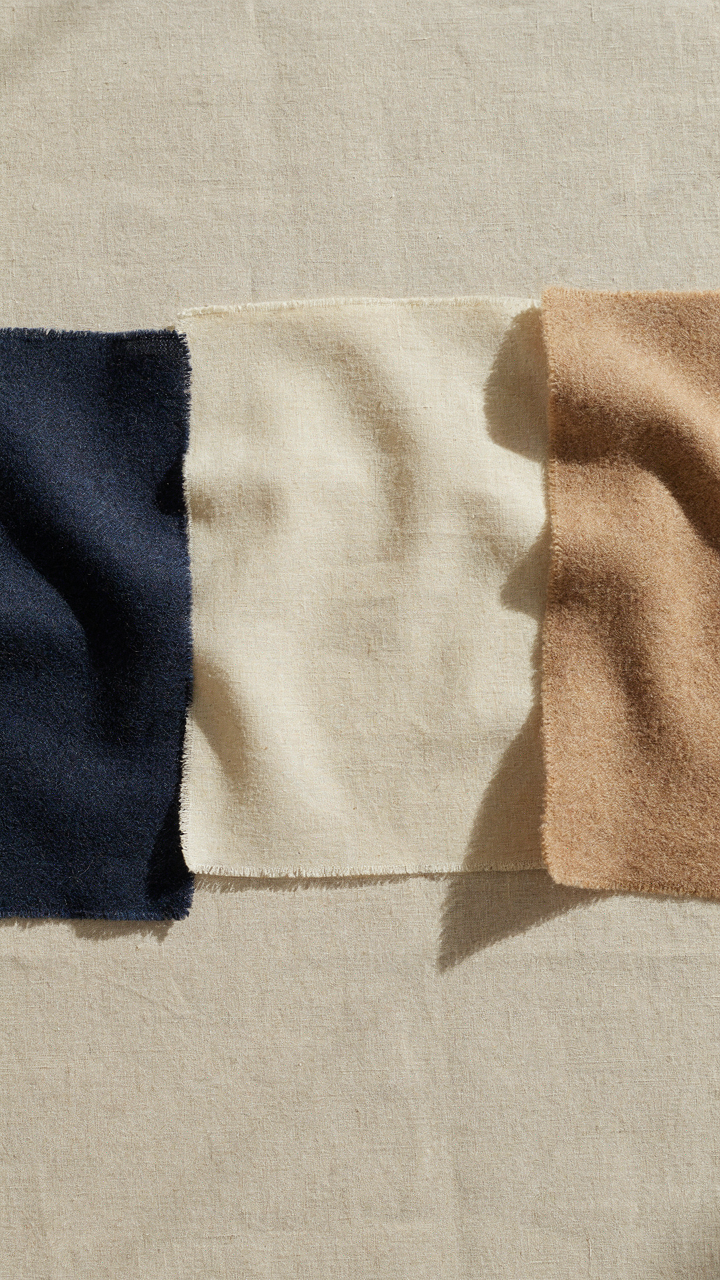
Navy, cream, and camel work together because you decided they do. Structured cotton over loose linen. Straight lines over curves. These rules stay fixed while everything else rotates. The person wearing the same three colors across different pieces looks intentional. The person chasing trends looks reactive. Your anchor answers the core question before you open the closet: what do I actually wear, not what should I wear?
Stop Following Fashion Cycles
The common advice says stay current. That’s incomplete. Current is a moving target designed to make you consume. Elegant casual survives because it exists outside hype cycles. A well-cut oxford shirt from five years ago works today and will work in five more years. The distinction between trends and timeless structure matters tactically: trends require active participation and capital. Timeless pieces require one decision, repeated.
Watch what fashion editors actually wear off-duty. They don’t reconstruct their closets quarterly. They add one or two pieces yearly and discard based on wear, not calendar dates. Your job is different: identify the silhouettes and materials that have remained stable in menswear and womenswear for the past decade. Linen, cotton blends, neutral grounds, fitted proportions. Build from there. One new piece every season tops out at four additions per year. At that pace, your personal uniform takes shape faster than you abandon it.
The Subtle Art Of Casual And Elegant: Standing Out Without Shouting
Confidence As The Ultimate Accessory
You want this section because you’re afraid people will think you’re trying too hard. The mechanism is simple: confidence isn’t about believing in yourself. It’s about moving through the world like your outfit was a decision, not an apology. Elegant casual requires you to own the gap between formal and relaxed. That gap makes people uncomfortable because it defies the social script they’ve memorized.

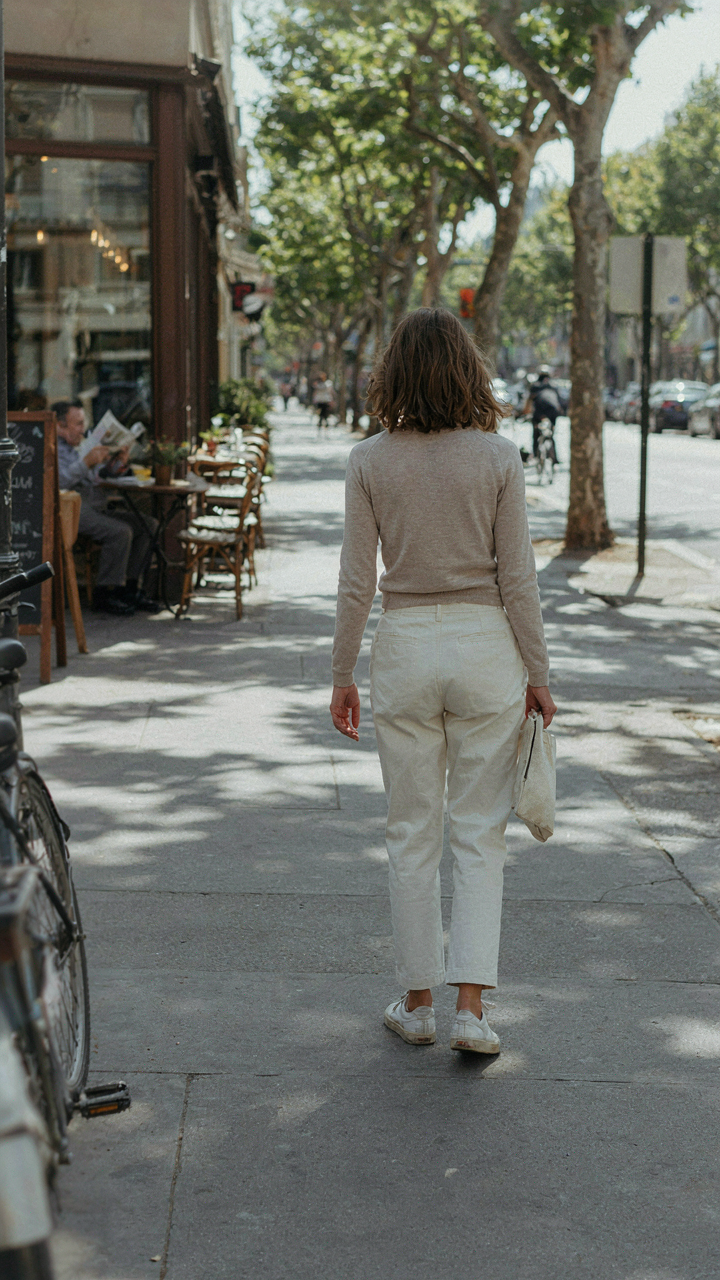
The person in tailored linen and clean sneakers doesn’t fidget or over-explain their choices. They don’t glance down at their shirt to confirm it’s acceptable. They move with the same ease whether they’re in a boardroom or a coffee shop. This consistency sends one message: the outfit serves the person, not the other way around. That’s what reads as elegant, not the fabric or the brand.
The Non Verbal Cues Of Good Taste
Semiotics borrowed a term from linguistics: signaling. Elegant casual dress uses intentional signals that say “I understand the rules well enough to bend them.” A wrinkled linen shirt reads different than a wrinkled cotton one. A visible seam or imperfection on a designer piece reads different than the same flaw on a cheap garment. The code isn’t about perfection. It’s about signaling that you chose this specific imperfection.
Good taste whispers instead of shouts. It lives in proportions that work together without matching, in a leather watch that’s worn without being destroyed, in shoes that are clean but not pristine. Most people get this backward and think elegance means adding more. You subtract until nothing looks accidental. Then you stop. The outfit that doesn’t need defending is the one that works.
The Only Dress Code Rule That Actually Matters: Your Internal Compass
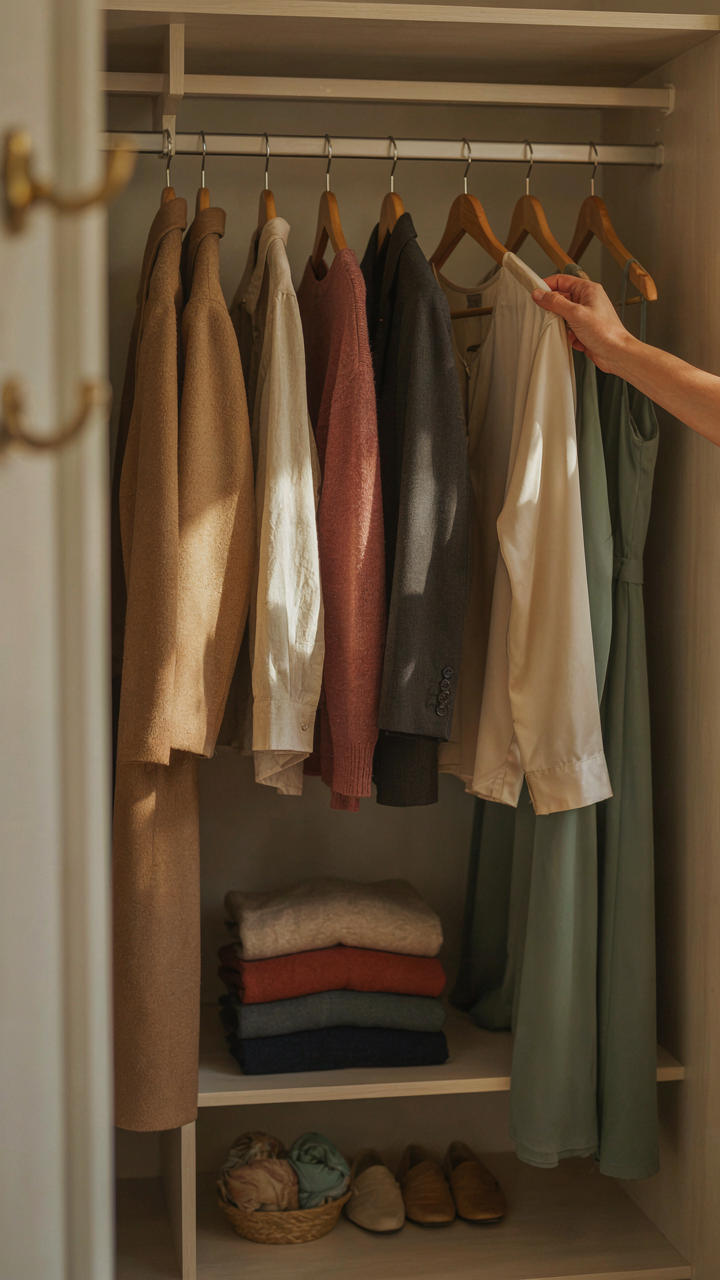
Most people dress to disappear into a crowd. You’re not most people. The elegant casual dress code works because it strips away the noise and forces you to make real choices. Stop asking what elegant casual means. Start asking what you actually want to project. Go pull three pieces from your closet today that make you feel like the version of yourself you’re building. The clothes you wear are a vote for who you’re becoming.