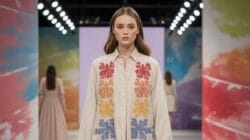


The Illusion Of The All In One Wedding Outfit
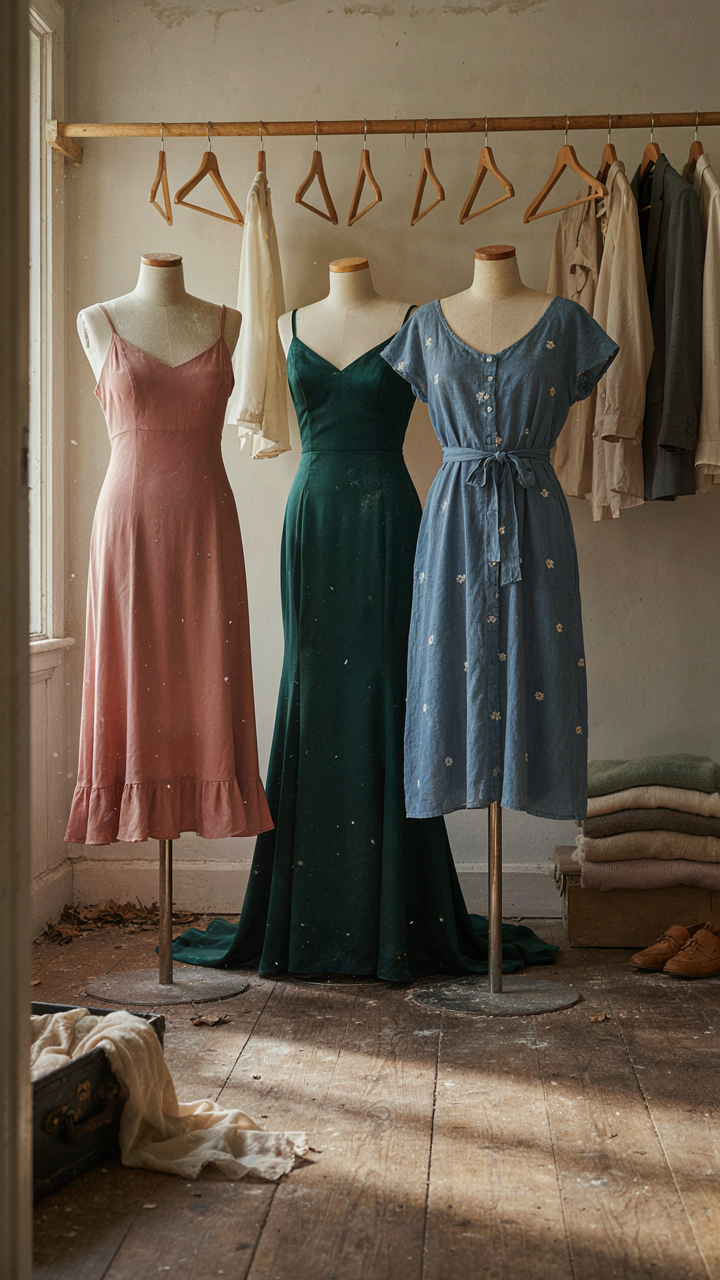
Why A Single Dress Constrains Rather Than Expands Your Options
You want permission to buy fewer things and feel smart about it. Here’s what actually happens: a single dress forces you into a narrow slot. You wear it once, maybe twice if you’re strategic. The math doesn’t work. Economics calls this “constraint optimization”—the more rigid your boundary, the fewer solutions you can generate. One dress is a boundary that kills flexibility, not creates it.
The dress-as-solution mentality comes from fast fashion marketing. Brands sell you the myth that one piece solves multiple occasions. It doesn’t. A navy midi dress works for a summer wedding. It doesn’t work for winter. It doesn’t work for black-tie. It doesn’t work for casual garden events. You end up owning multiple dresses anyway, each gathering dust between weddings, because no single piece adapts to the actual range of wedding contexts you’ll encounter.
The Real Tax Of Pretending Simplicity Exists
The conventional wisdom says “one dress simplifies things.” False. It creates invisible costs instead. You buy a dress hoping it covers everything. It covers nothing well. You stress about shoes, accessories, and outerwear because the base piece is too rigid to pair cleanly. You end up buying compensatory pieces—a blazer, a wrap, new shoes, a different bag—to force the dress into different contexts.
Separates eliminate this tax by design. A quality blazer pairs with five different bottoms. A well-cut pant works with three different tops. You’re not solving for one occasion; you’re solving for a system. The real mechanism at work is reusability. Each piece works across multiple weddings, multiple seasons, multiple dress codes. You actually spend less overall while dressing better because every item in the mix serves multiple functions. The first step is inventorying what you own that already translates across occasions, then building the gaps from there.
The Modularity Protocol For Wedding Guests

Breaking Down The Wedding Outfit Into Core Units
You’re worried about looking underdressed or overdressed, which means you’re actually worried about signaling the wrong social rank. Stop. The real mechanism is this: every wedding outfit is just layered combinations of five functional units—base, layer, statement, transition, and anchor. Fashion calls this modular design. Treat it like a system, not a puzzle.

These five units stack predictably. A dress or suit forms the base. A jacket, shawl, or cardigan acts as the layer. One piece—a bag, shoes, or jewelry—signals occasion-appropriateness as the statement piece. A belt, scarf, or structured accessory handles the transition between proportions. An outer layer or finishing piece anchors the entire visual hierarchy. Once you see the framework, you stop buying random items and start buying against a plan.
Building From Anchor Pieces Backward
Most advice says start with a dress. Wrong. Start with what stays—your anchor pieces. These are the items you’ll wear to multiple weddings unchanged: quality shoes, a structured bag, a tailored blazer. Anchors span seasons and repeat across different outfits because they’re neutral-toned, well-constructed, and expensive enough to justify rotating them.
Once your anchors are locked, you build backward. Add one statement piece that changes per wedding—a top, dress, or colored bottom. Then fill the gaps with transition pieces you already own. This method cuts shopping time by two-thirds because you’re not rebuilding from scratch each time. Your anchors do the heavy lifting; everything else is interchangeable fill.
Beyond The Skirt Top: The Power Of Intentional Pairing
When A Satin Skirt Becomes The Anchor
You want permission to spend money without looking like you’re trying too hard. Here’s the mechanism: a satin skirt signals occasion and investment, but only if you pair it with pieces that respect its weight. The fabric demands balance. Satin reflects light and reads formal by default. Pair it with a casual cotton tank, and you’ve created visual confusion. The eye doesn’t know what event you’re attending. Pair it with a structured silk blouse or a fitted knit top, and the satin skirt becomes intentional rather than desperate.

The rule is symmetry of effort. Your top must match the skirt’s formality level in construction, not necessarily in color or print. A satin midi skirt with a basic crew neck tee fails because the tee reads unfinished. That same skirt with a tucked linen shirt or a bodysuit works because the top shows the same deliberate tailoring. The satin skirt isn’t the statement piece here. It’s the permission structure that lets you wear pieces with actual construction to a casual event.
Texture Contrast Creates Visual Authority
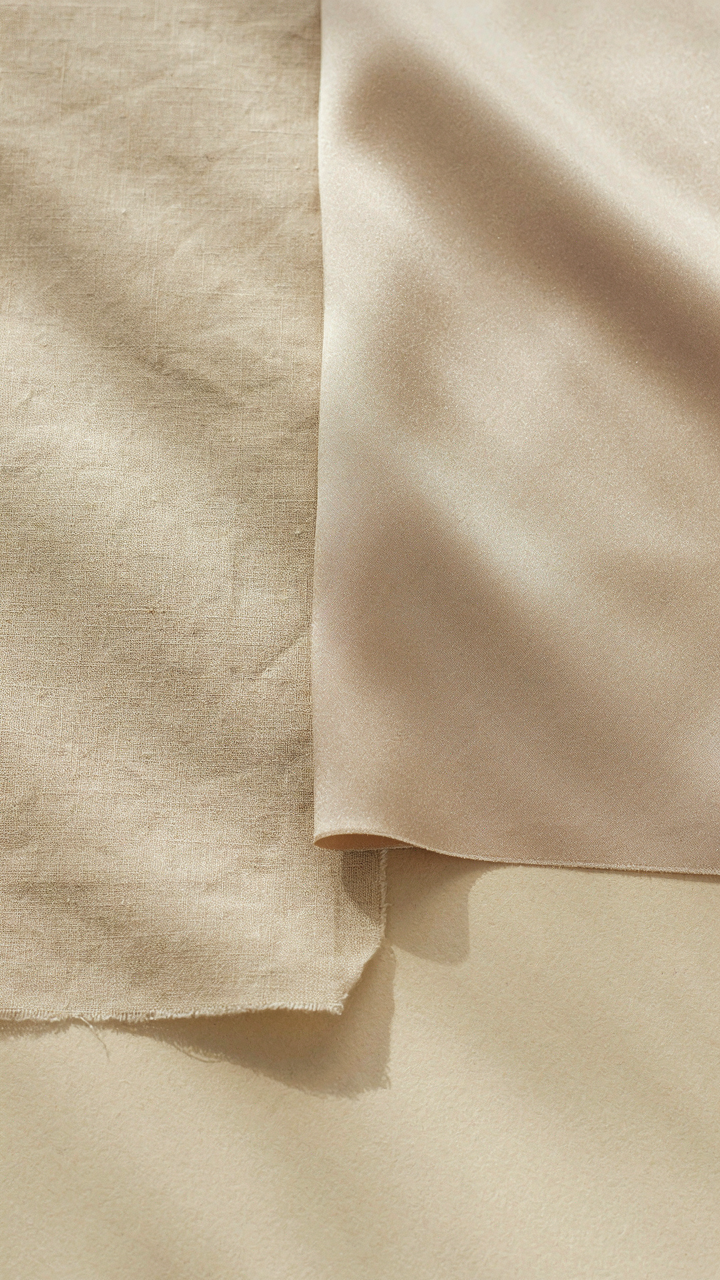
Design uses proportion and contrast to signal intention, and wedding guest separates operate on the same principle. Mixing textures deliberately prevents your outfit from reading as monochromatic accident. A fluid satin skirt paired with a matte crepe top creates visual separation without relying on color alone. The eye tracks the boundary between fabrics. That boundary communicates that you considered the combination.
Matte and sheen never compete. Linen plus silk. Cotton plus satin. Knit plus taffeta. These pairings work because each fabric absorbs light differently. The common advice says mix casual and formal, but that’s incomplete. You’re not mixing formality levels. You’re mixing light reflection. A matte finished top grounds a shiny bottom. A textured knit jacket over a smooth silk shell adds dimension without chaos. Test this: hold two fabrics together and watch how your eye moves between them. If the movement feels natural and stops at fabric change rather than color clash, the pairing works. Choose your top based on how its surface finish interacts with your skirt’s surface finish, not based on what category each piece belongs in.
The “Wedding Guest Outfit Skirt And Top” Algorithm

Proportion Rules That Actually Work
You’re reading this because you don’t want to look like you’re trying too hard or failing to try hard enough. Here’s the mechanism: proportion isn’t aesthetic preference. It’s visual balance operating like physics. In architecture, the Golden Ratio (1:1.618) governs what feels stable versus chaotic. Apply this to skirt and top separates by treating your torso as a unit. A fitted top paired with a voluminous skirt requires the top to anchor visual weight at your frame’s center. A looser top demands a more structured skirt to prevent the outfit from collapsing into formlessness. The ratio works because your eye registers balance before your brain registers opinion.

Match top volume to skirt volume inversely. If your skirt is A-line or full, wear a fitted or tapered top. If your skirt is pencil or straight, you can layer a slightly looser top without breaking equilibrium. Sleeve length and neckline also factor into this calculation. A sleeveless top with a statement skirt reads intentional. A long-sleeved top with that same skirt reads costume. The specificity matters because wedding guests occupy a visual hierarchy. You’re not the focus, but you’re not invisible either. Proportion keeps you in the correct visual lane.
Color Combinations That Signal Competence
The common advice about matching is incomplete. People tell you to pair neutrals with prints or pick complementary colors from a wheel. That misses the real problem: most wedding guests fail because they’re either too cautious or too confident without understanding contrast and saturation. Saturation is the intensity of a color. High-saturation tops (bright jewel tones, vivid primaries) pair well with lower-saturation skirts (muted, desaturated, or neutral). This creates visual hierarchy without noise. A saturated emerald top with a cream or soft gray skirt reads polished. The same top with a saturated print skirt creates visual competition and reads uncertain.
Monochromatic dressing (multiple shades of one color family) works because it compresses visual information. A blush top with a mauve skirt, both in the pink-to-red spectrum, creates dimension through tone rather than clashing. Avoid pairing two high-saturation colors unless one is significantly darker. White separates from everything, which makes it safe but often invisible. Black separates similarly but reads more formal. The mechanism is simple: your eye registers high contrast first, then tone, then texture. When color saturation clashes, contrast takes over and overwhelms the outfit. Control saturation and you control how the outfit reads to anyone observing you.
Satin, Silk, And The Subtlety Of Status
What Fabric Really Signals
You care about this section because you sense that material choice matters for how people perceive you, and you’re right. Fabric operates like signal theory in economics: it communicates wealth, taste, and effort through a channel most people don’t consciously register. Satin and silk aren’t just comfortable. They catch light differently than cotton or polyester, and that light reflection tells a specific story about investment and intention.

The mechanism is simple. High-quality fabrics drape with weight and fluidity. They move as a single unit rather than clinging or bunching. Cheaper synthetics lack the molecular structure to hold that form. A silk charmeuse skirt paired with a structured linen top doesn’t whisper luxury. It announces it without saying a word. The guest notices the difference before they know why.
The Separates Advantage Over Dressing
Most wedding guest advice says wear a dress and stop thinking. That’s incomplete. Separates let you control fabric psychology at two points instead of one. Your silk camisole paired with tailored trousers creates a hierarchy of materials. The camisole draws attention first because silk catches more light. The trousers ground the look because structured fabrics read as intentional and deliberate. A monolithic dress forces you into a single fabric statement.
The real win is flexibility within the same occasion. You pair a matte crepe blazer with a satin slip skirt, and you’ve created textural contrast that reads as sophisticated, not confused. This isn’t about matching. It’s about orchestrating how light and drape work together. The eye moves across your outfit and sees someone who understands proportion and restraint. That’s what separates deliver that dresses cannot.
The ROI Of Reusability: Maximizing Your Wedding Guest Wardrobe
Buy Pieces You’ll Actually Wear Again
You’re afraid of wasting money on something that only works for one event. That fear is legitimate, but it’s also the exact mechanism that keeps people trapped in fast fashion cycles. Economics calls this concept “asset velocity”—how many times an asset generates value. A dress worn once has zero velocity. A blazer worn to five events has exponential returns. Wedding guest separates succeed because they’re built for velocity from day one.

The math is simple. A quality silk blouse costs forty to eighty dollars more than a disposable one. Wear it to two weddings, three work events, and one dinner. That blouse now costs you six to thirteen dollars per wear. A dress worn once costs everything upfront. Separates eliminate the sunk cost trap because you build your own combinations instead of buying complete outfits designed to die after one use.
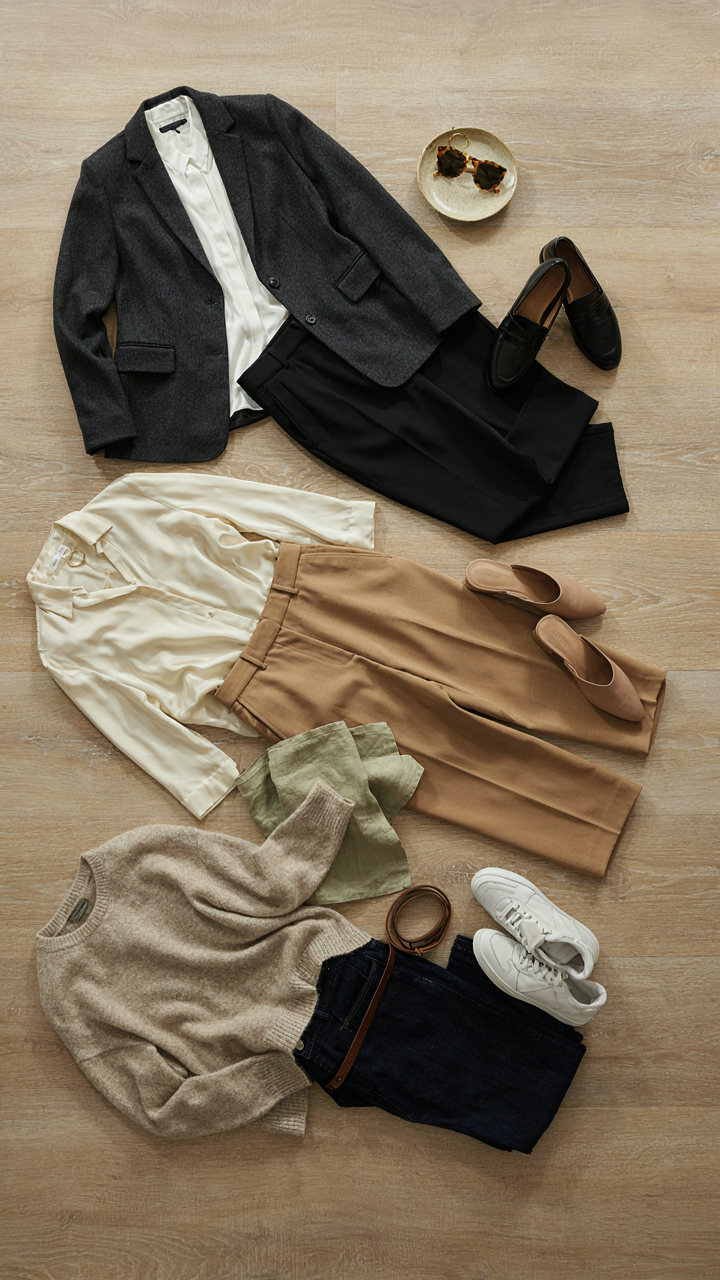
- Neutral blazers: Charcoal, navy, cream, or black. Pair with dress pants, skirts, or jeans. Works for weddings, client meetings, date nights, and casual events without looking overdressed.
- High-waisted trousers: Structured fabrics in black, navy, or cream hold shape across seasons. Layer under sweaters, pair with blouses, or wear with tucked tees for maximum outfit combinations.
- Silk or satin camisoles: Jewel tones and metallics transition from evening to layering pieces. Wear under blazers, alone with skirts, or tucked into day pants for subtle formality.
- Tailored skirts: Midi or knee-length in solids. A-line or pencil silhouettes work with different body types. Swap between blouses, sweaters, and tops to create fifteen plus outfits from three pieces.
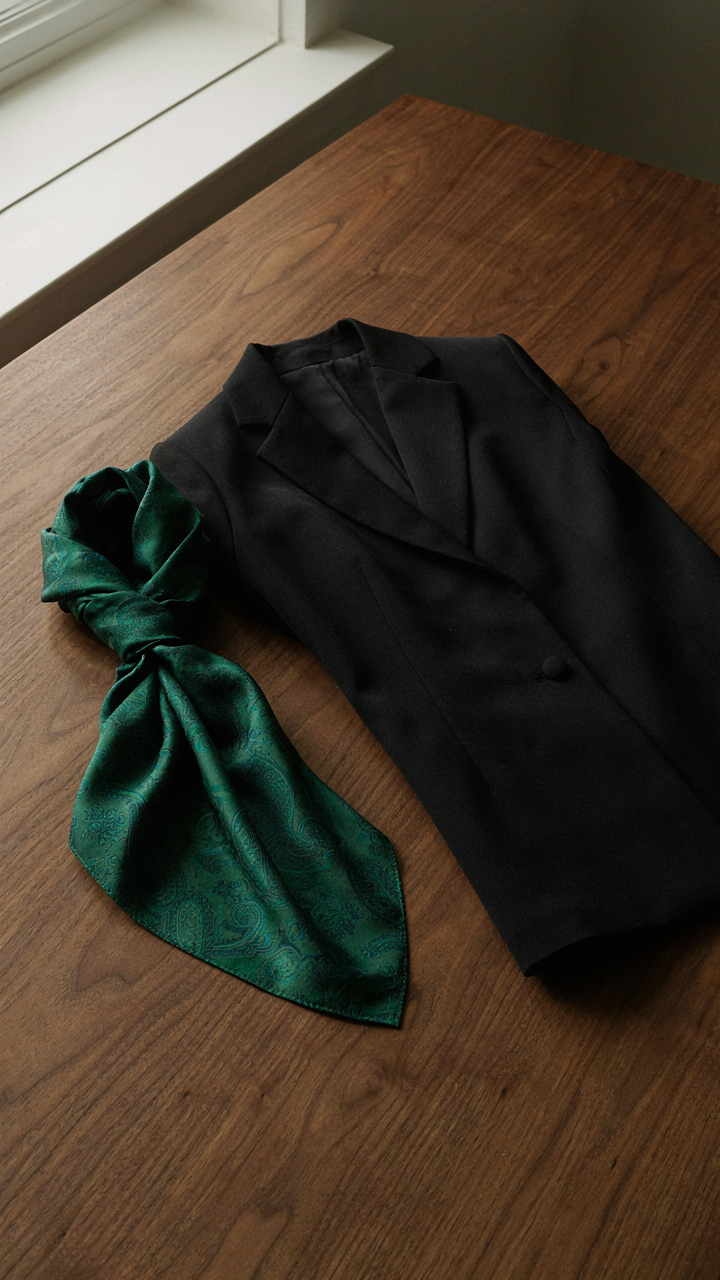
- Statement outerwear: A structured coat or tailored vest in a standout color or texture. Elevates casual base layers instantly and extends your season without buying new separates.
You’re not building a wedding wardrobe. You’re building a foundational layer that works before, after, and between weddings. That’s the only purchase philosophy worth your money.
Rewearing The Same Pieces Across Different Dress Codes
The common advice tells you to “adapt your look to the occasion.” Vague nonsense. The real mechanism is context switching. Your nervous system doesn’t care that it’s the same blouse. Your brain reads environmental cues: lighting, companion pieces, accessories, silhouette changes. You wear the same black trousers to a casual brunch and a formal dinner. Nobody notices because the blazer, shoes, and jewelry tell entirely different stories.
A cream blouse worn untucked under a linen blazer at a garden wedding reads casual. Tuck it, add a structured skirt and heels, and it becomes formal cocktail attire. Pair it with jeans and a cardigan for weekend drinks. Layer it under a sweater for office days. The piece stays the same. The context transforms it. Your closet suddenly holds four times as many outfits because you’re engineering combinations, not buying complete looks. Start by choosing three base pieces that feel neutral to you, then build combinations by changing one variable at a time: top layer, bottom, footwear, or accessories.
The Dan Koe Method: Disrupting Traditional Wedding Attire

Ignore Trends, Build Personal Consistency
You care about this because you’re terrified of being underdressed or looking out of step, and that fear keeps you locked into whatever the wedding industry tells you to wear. The real mechanism is simple: trends expire, but personal style compounds. Every piece you buy should work across multiple weddings, seasons, and contexts. This is economics applied to your closet. Inventory turnover. You want pieces with velocity, not one-off purchases gathering dust.

The common advice says follow the dress code and add personality through accessories. That’s incomplete. The dress code is a floor, not a ceiling. What matters is building a repeatable formula that works for you specifically, then executing it consistently. A well-fitted blazer in navy or charcoal functions across formal and smart casual weddings. A quality pair of trousers or a structured skirt becomes your base. Accessories rotate, but the foundation stays. You’re not reinventing yourself for each event. You’re systematizing your appearance.
Define Your Aesthetic Beyond The Room
You don’t need permission from the couple or other guests to know what looks good on you. Most people outsource this decision entirely to Pinterest boards and magazine spreads. They wear what they think they should wear, not what actually works with their body, coloring, and movement. Your aesthetic is a decision you make once, then execute repeatedly. It’s not about being different. It’s about being deliberate.
Start by identifying which silhouettes, colors, and fabrics make you feel like yourself, not like you’re playing a role. Test combinations across multiple weddings. Notice which pieces you reach for repeatedly and which sit unworn. The repeated pieces become your working palette. Formal wedding? Navy blazer, cream silk blouse, tailored trousers, leather belt. Semi-formal garden wedding? Same blazer, linen pants, different shoes. You’re not creating outfits. You’re managing variables within a consistent system.
Mastering The Art Of The Unconventional Wedding Guest
Confidence As Your Real Competitive Edge
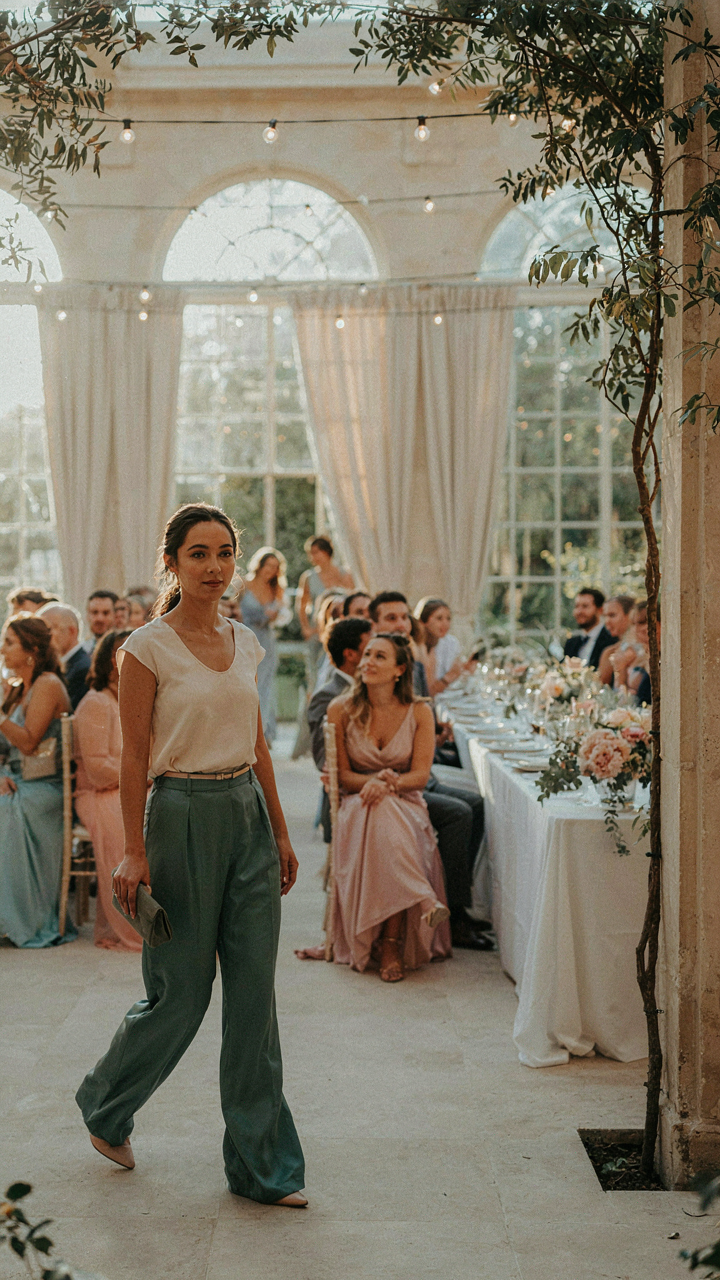
You want permission to wear what you actually like without looking foolish. That’s the real question hiding behind all the “rules.” Here’s the mechanism: confidence reads as intentionality. When you wear separates that don’t match the herd, people decode your outfit through your bearing, not through a checklist. A blazer and trousers that don’t coordinate will look either lazy or bold depending entirely on how you move through the room.

The separates game rewards decisiveness. Most wedding guests default to “safe” because they’re waiting for external validation. You skip that step. Pick pieces that solve your actual problem, then wear them like you meant it. That signal matters more than fabric content or brand recognition. Convention exists because it requires zero choices. Breaking it requires exactly one: stop pretending uncertainty reads as humility.
Your Aesthetic Is Not A Liability
The common advice here is useless: “wear what makes you feel confident.” That’s circular. Real answer: convention is a tax on people without a developed aesthetic. You’re not breaking rules when you wear mismatched separates well. You’re simply refusing to pay the tax.
Design history proves this. The Savile Row tailors built their reputation on precision fitting and quality construction, not on coordinating everything into a single narrative. When your jacket fits correctly and your trousers have proper weight, they work together regardless of whether they came from the same collection. The wedding venue isn’t a conformity checkpoint. Your separates are fabric and fit, not a statement requiring justification.
The Real Obstacle Isn’t The Dress Code; It’s Your Fear Of Standing Out
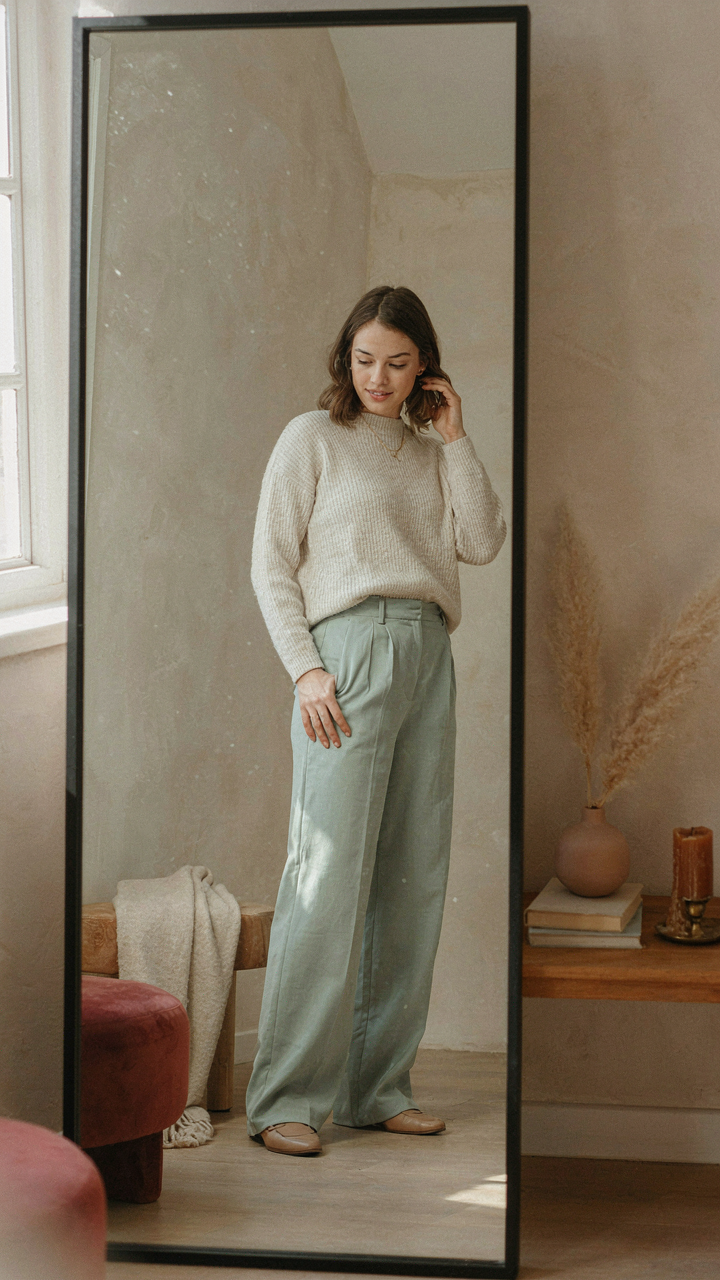
You don’t need another outfit formula. You need permission to stop dressing like everyone else at the reception. The couples getting married don’t care if you match the aesthetic they didn’t ask you to create. They want you there. So stop borrowing confidence from the crowd and go find a wedding guest separate that feels like you. Tomorrow, pull three pieces from your closet that don’t belong together. Wear them anyway. You’ll realize the only person keeping you small is the one staring back in the mirror.