
The Intentional Layering Protocol: Beyond Just Keeping Warm
Strategic Fabric Combinations For Warmth And Texture
You want to look intentional, not like you grabbed whatever was available because you were cold. The real mechanism here borrows from material science: thermal resistance. Fabric layering works on a single principle—trapping air between materials slows heat loss. Your wedding guest dress isn’t exempt from physics. The first layer needs to wick moisture away from skin without bulk. Merino wool or silk blend underpinnings do this. The outer layer provides the visual statement while the middle creates the thermal pocket.
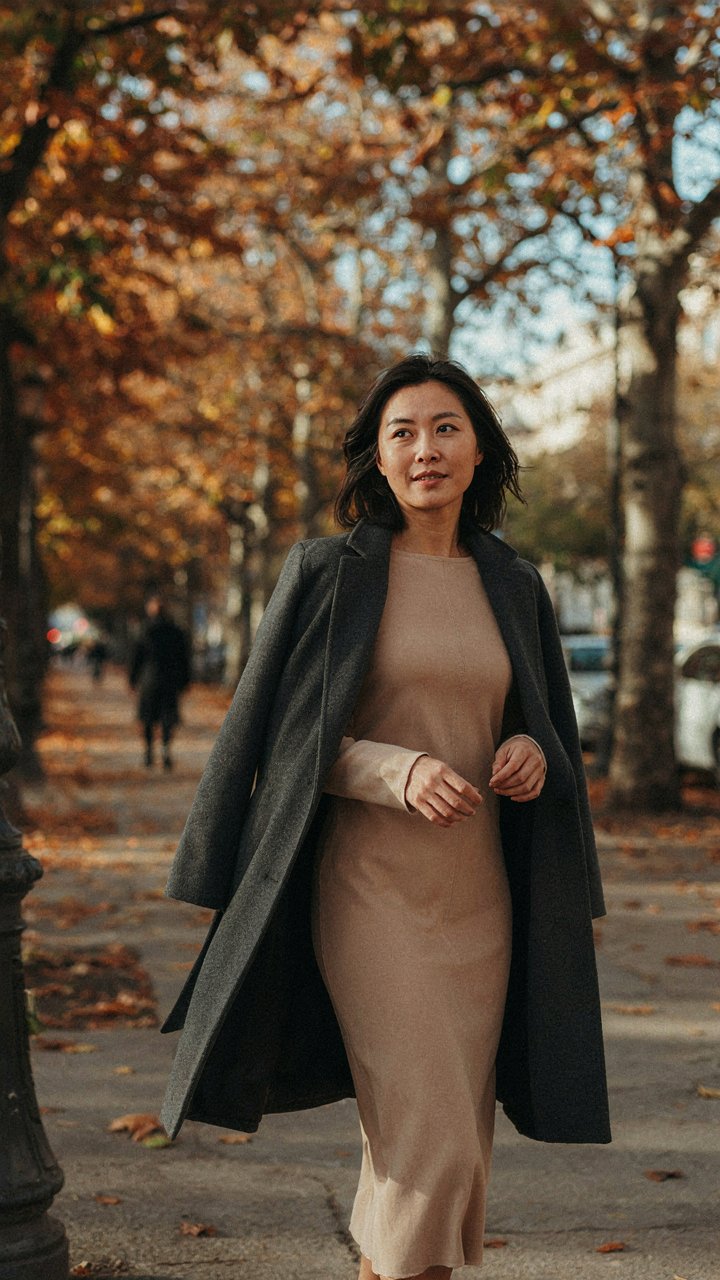
Most wedding guest advice stops at “wear tights and a shawl.” That’s incomplete. Fabric weight stacking matters more than fabric type alone. A lightweight crepe long sleeve dress paired with a structured wool coat creates genuine warmth without air pockets creating visible puffiness. Linen blends in long sleeves trap less air than you’d think, so they pair better with thicker outerwear. Silk-lined wool jackets preserve drape while adding insulation. Test combinations at home before the event. Your silhouette determines which fabrics work together without creating visual chaos.
Avoiding Bulk: Silhouette Preservation Techniques
Here’s what people miss: most bulk problems come from wrong layering order, not from layering itself. The visible dress shape must stay intact while everything underneath creates thermal value. Tapered long sleeves in the guest dress itself accomplish this—they give you warmth from the garment without requiring a separate layer underneath. A fitted bodice with long sleeves eliminates the need for additional coverage on your torso, letting you add volume only where it reads as intentional.
Outerwear choice makes or breaks this. A cropped structured blazer maintains your dress’s waistline and hemline visibility. A floor-length coat works if it’s tailored to your frame—oversized coats create tent silhouettes that swallow your actual outfit. Cardigans work only if they’re as fitted as the dress itself. The protocol is simple: measure your dress’s width at key points, then choose layers that match or reduce that width rather than expand it. Never layer loose over fitted or fitted over loose without a specific tailoring reason.
Satin Maxi & The Art Of Visual Weight
How Satin Drape Commands The Room
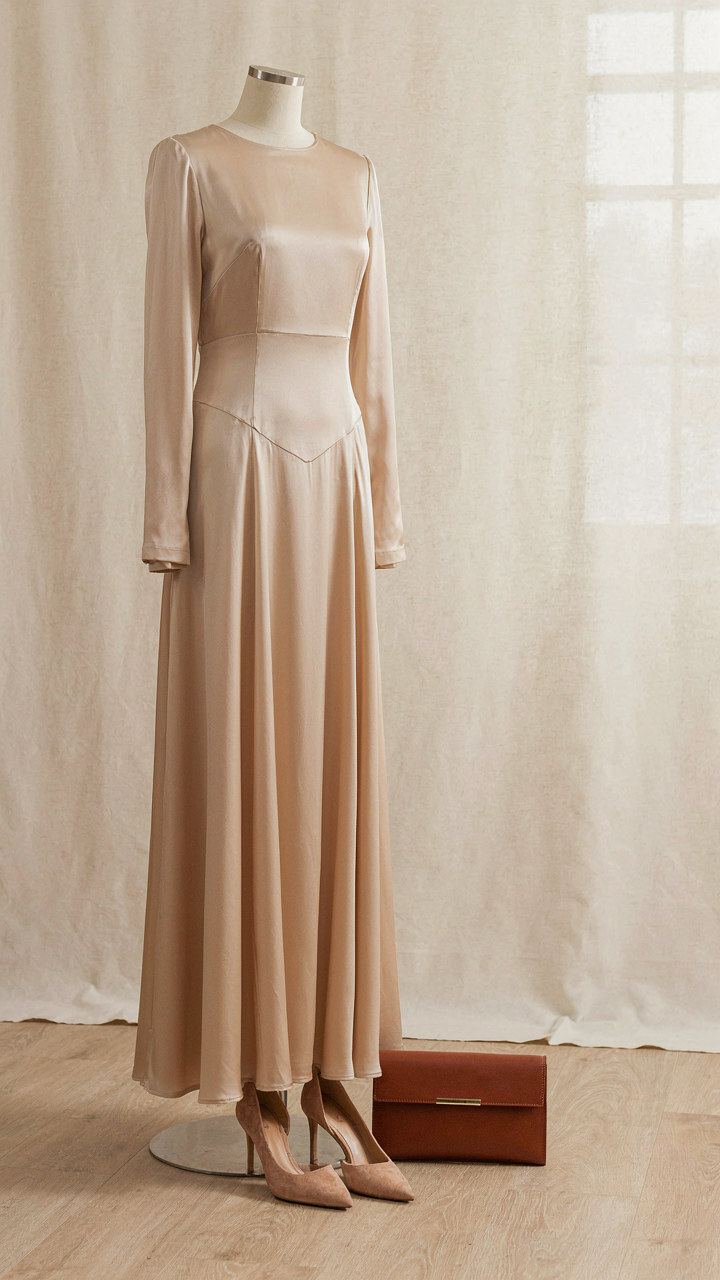
You want the dress to do the work so you don’t have to think about how you look. Satin achieves this through physics, not magic. Drape refers to how fabric falls under its own weight and the body’s contours. Satin’s smooth surface reduces friction between layers, so the material slides rather than clings. A satin maxi gathers at strategic points—waist, hips, shoulders—creating visual anchors that read as intentional structure instead of fabric hanging there.

The coldness of satin works against you in winter if you misread what it does. Everyone assumes satin equals elegant, so they buy it and wonder why they look either shapeless or overdressed. The real mechanism: satin reflects light uniformly, which flattens your silhouette unless the cut compensates. In a cooler season, you need satin with architectural seaming, a defined waistline, or a wrap detail that creates shadow and dimension. The fabric’s weight naturally pulls downward, so longer maxi lengths anchor the look rather than float it.
Sheen Against Matte Creates Contrast
Pairing satin with matte accessories isn’t about balance in the decorative sense. It’s about preventing visual noise. Matte surfaces absorb light while satin reflects it, so together they create a focal point instead of a glare war across your entire body. The common advice here is wrong: people say to choose “complementary finishes” as if all sheens are equal. That’s lazy thinking. You choose matte accessories because they stop the eye from moving restlessly across too many reflective surfaces.
A satin maxi with a matte leather clutch, suede heels, and a wool wrap creates visual separation and hierarchy. Your eye lands on the dress first, then rests on defined accessory points. In cooler seasons, this matters more because layering compounds the shine problem—add a metallic shawl over satin, and you’ve created visual chaos. Use a single matte anchor piece: a structured bag or shoes that ground the outfit. This stops your silhouette from reading as one undifferentiated shimmer.
Dress Long Sleeves: Statement, Not Sacrifice
Sleeve Designs That Command Attention
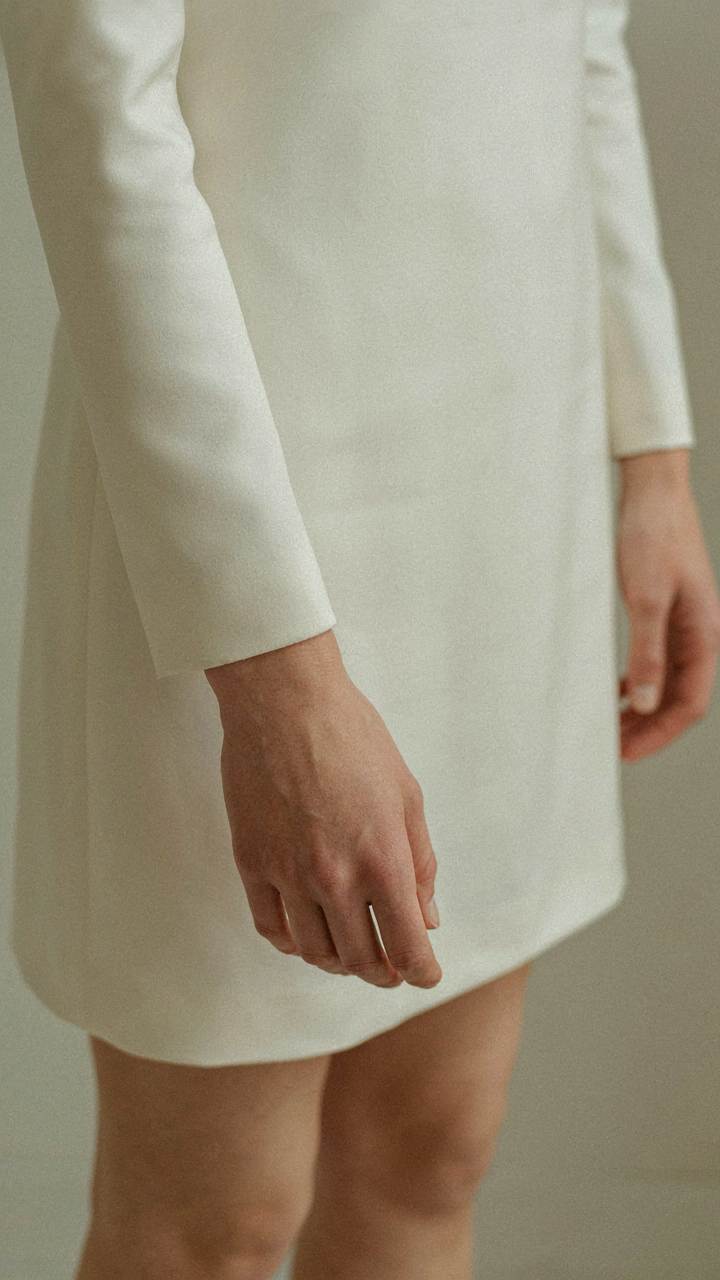
You want the sleeves to do work so you don’t have to explain yourself. The real mechanism is this: sleeve design controls how your frame reads to the room before anyone registers your face. Fashion borrows from architecture’s load-bearing principle. A sleeve carries visual weight. The cut, drape, and fabric density determine whether that weight lands as elegance or bulk.

Bell sleeves, tapered cuffs, and layered constructions aren’t decorative. They redirect the eye upward and outward, enlarging perceived shoulder width and creating proportion contrast against the torso. Structured fabrics like crepe and wool blends hold shape better than limp jersey. Sheer overlays on solid sleeves add dimension without adding mass. The sleeve becomes the outfit’s anchor point, not an afterthought.
Fitted Sleeves Versus Voluminous Ones
The common advice is to choose based on body type. That’s incomplete. Choose based on the dress code formality and your proximity to the couple. Fitted sleeves telegraph precision and restraint, signaling you took the event seriously enough to wear something tailored. Voluminous sleeves broadcast confidence and command space, which works at casual fall weddings or garden ceremonies where the setting absorbs movement.
Fitted sleeves demand clean lines and quality seams because there’s nowhere to hide construction flaws. Voluminous sleeves forgive imperfect tailoring but require confident posture to wear without looking buried. Measure your upper arm circumference at the fullest point, then compare it to the dress spec sheet. If fitted, you need 0.5 inches of ease maximum. If voluminous, 2 to 3 inches of ease prevents the fabric from binding at the bicep when you raise your arm.
Beyond Black: Color Theory For Cooler Climates
Jewel Tones Command Attention Because Contrast Works
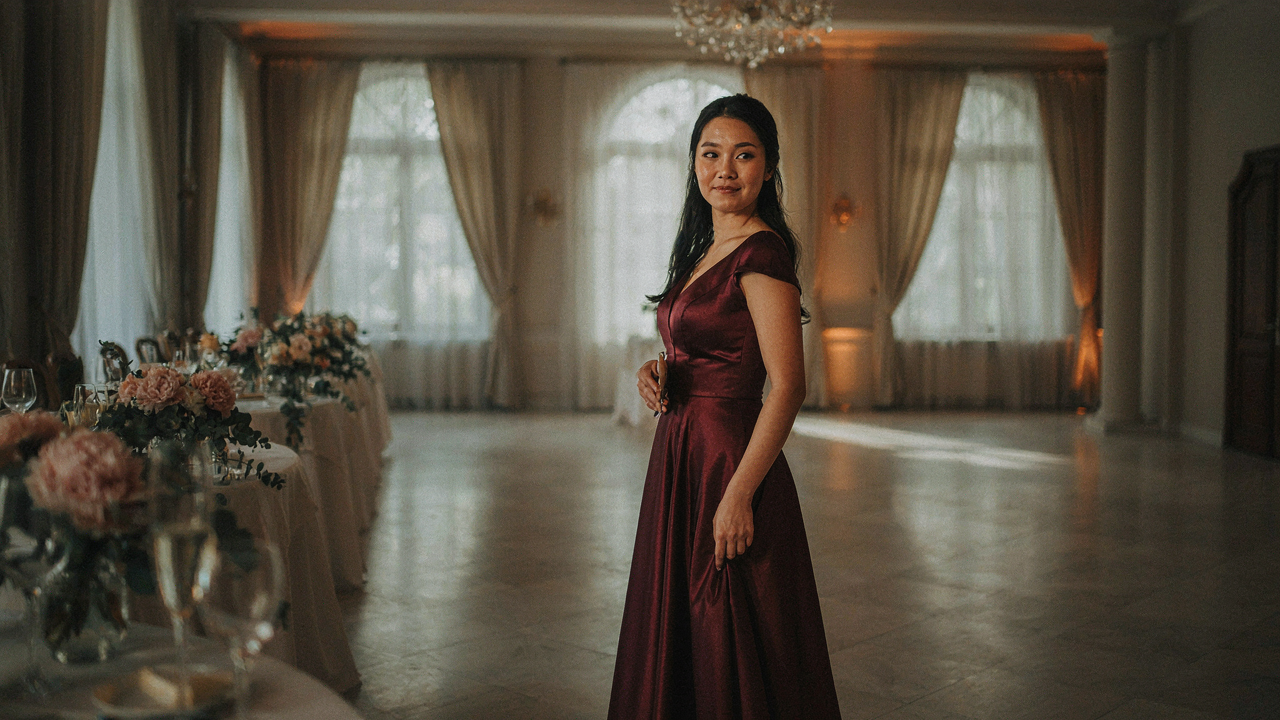
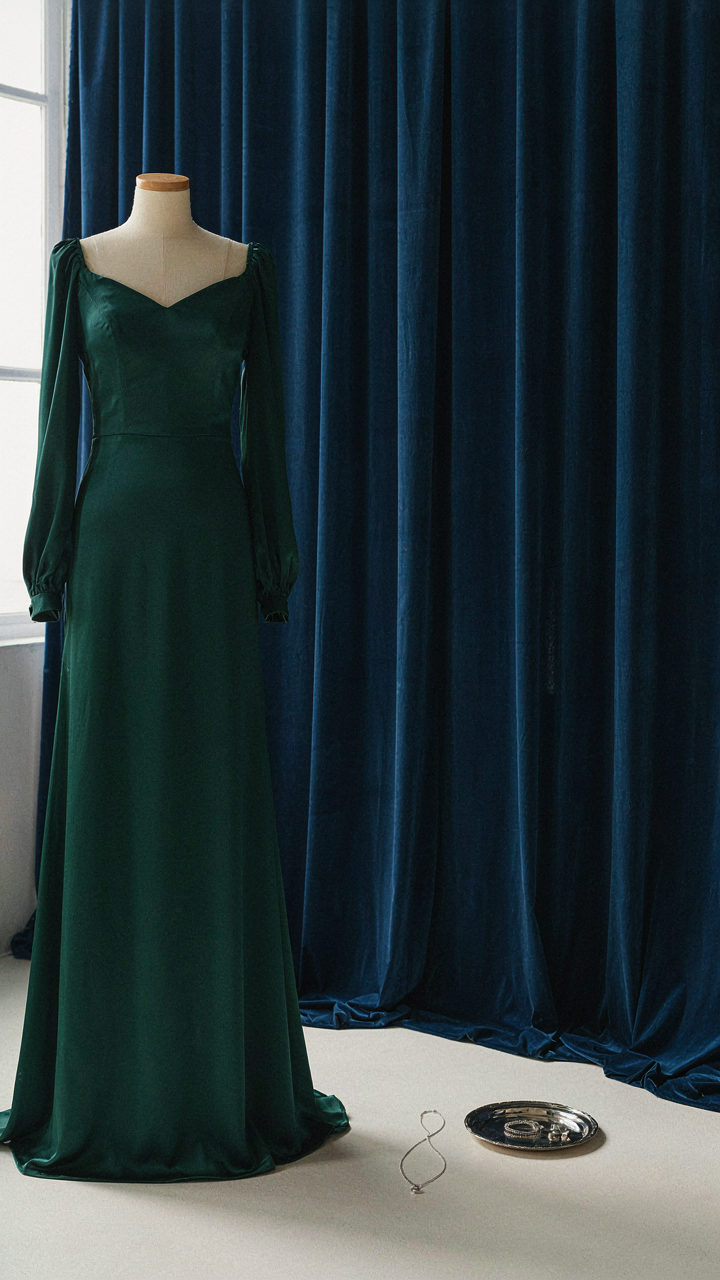
You want to stand out without looking desperate. That’s the real calculation here. Jewel tones work because they operate on color contrast theory borrowed from physics: saturation and value create visual weight. A deep emerald or sapphire long sleeve wedding guest dress absorbs and reflects light differently than neutrals, forcing the eye to register it as intentional rather than safe.

Cooler seasons amplify jewel tones instead of washing them out. Autumn and winter lighting has less intensity, which makes deep purples, teals, and burgundies read as richer and more sophisticated. The mechanism is simple: darker fabrics with high saturation hold their visual power in low-light conditions. Pair them with minimal jewelry and you control the entire narrative of your presence at the event.
Unexpected Pairings Signal Strategic Thinking
The common advice is wrong. Matching your dress color to standard season palettes is lazy and keeps you invisible. Real sophistication comes from pairing colors that shouldn’t work together but do when you understand undertones and intensity levels. A muted mauve long sleeve wedding guest dress with deep teal accents, or charcoal paired with jewel-toned accessories, signals you made deliberate choices rather than followed a formula.
The mechanism works because contrast creates cognitive friction that reads as intentionality. When two colors seem mismatched at first glance but the outfit holds together, people register that as confidence. Test pairings by photographing them under indoor lighting before the event. If the combination still feels cohesive in dim conditions, you’ve found your anchor. Wear the pairing exactly as tested.
The “Classy Prom Dresses” Fallacy: Redefining Formal
Why Conventional Formal Often Misses The Mark
You’re worried people will judge you for not looking “formal enough.” Here’s the mechanism: conventional formal wear relies on visual volume and embellishment to signal occasion, which means most guests default to prom aesthetics dressed up slightly. Sequins, heavy draping, statement necklines, and floor-length skirts with structured fabrics dominate wedding guest recommendations. This approach confuses visibility with elegance. A long sleeve wedding guest dress doesn’t need to announce itself. Restraint reads as confidence.

The industry pushes maximalism because it’s easier to sell. More fabric, more beading, more “wow factor” justifies higher prices and wider appeal. What gets lost is that formal actually means controlled. Professional dressers understand this. A well-cut long sleeve in a solid color with precise tailoring commands more attention than a dress drowning in pattern and texture. The real signal isn’t what you wear to weddings, it’s whether you know the difference between dressing for an event and dressing for attention.
Restraint Reads As Confidence
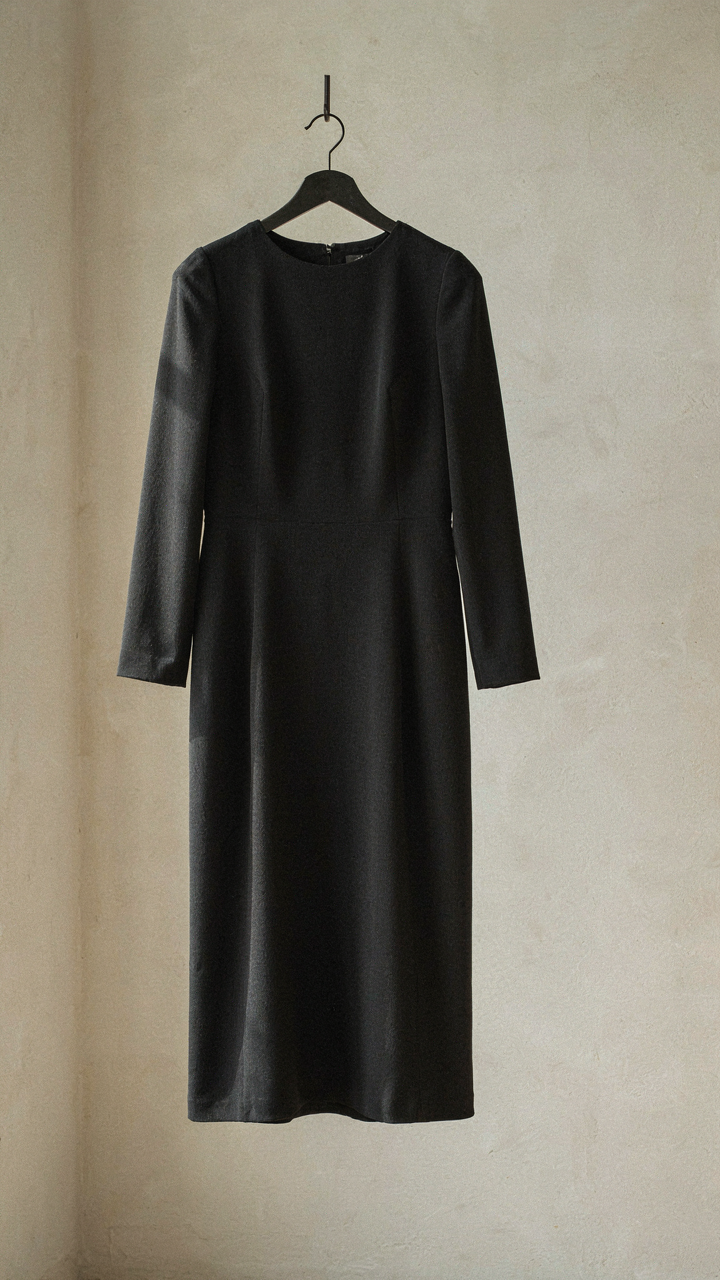
Understated elegance in a long sleeve wedding guest dress operates on the principle of negative space from design thinking. The empty areas matter as much as the filled ones. A clean neckline, minimal jewelry, and fabric that drapes rather than clings create room for the wearer’s presence instead of competing with the dress. Long sleeves become an asset here because they extend the line and demand tailoring precision. Sloppy execution shows immediately on structured simplicity. That’s the point.
The elements that work are texture, fit, and color depth. A matte crepe long sleeve holds its shape better than satin and photographs without gloss. The sleeve length matters: hitting the wrist bone looks intentional; bunching at the wrist reads careless. Jewel tones and deep neutrals age better in photos than pastels. You’re not adding anything to a long sleeve wedding guest dress at this level. You’re removing everything that doesn’t serve the line. Start by selecting a single focal point, whether that’s sleeve detail, a strategic cutout, or a statement hem, then leave the rest untouched.
Party Dress Modest: Owning The Cover Up
Modesty As Strategic Design, Not Constraint
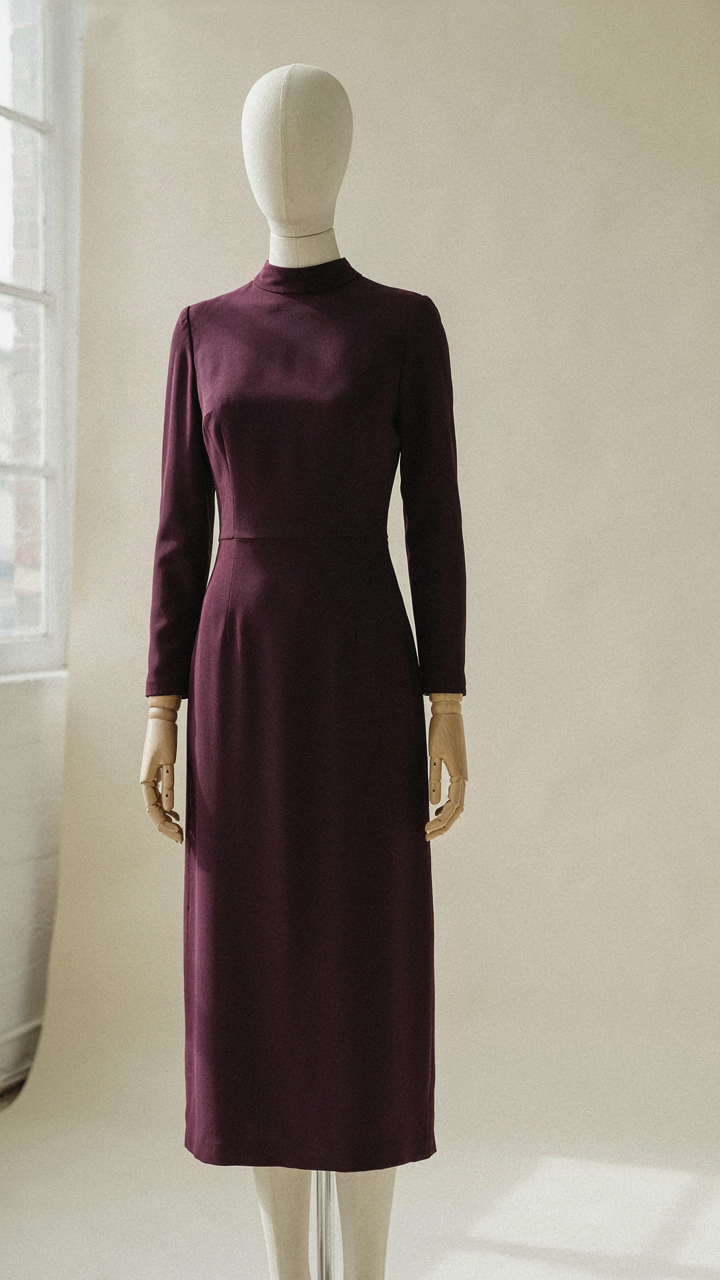
You’re worried modest equals invisible. That’s the real fear. But modesty in design is a constraint that forces specificity, the same way a sonnet’s structure produces better poetry than blank verse. A long sleeve wedding guest dress with high necklines and covered legs demands precision in cut, fabric choice, and proportion because you can’t rely on skin exposure to create visual interest. The mechanism is simple: restricted coverage forces the designer to build sophistication into structure, drape, and material weight instead of relying on conventional signals.

The common advice treats modest dressing as a limitation you suffer through. Wrong. Modest silhouettes command attention precisely because they’re uncommon at weddings. A well-cut long sleeve dress with a crew neck and knee-length or maxi hemline creates contrast and intentionality. High necklines frame the face and shoulders. Longer sleeves ground the outfit and add formality. These aren’t compromises. They’re the actual variables that determine whether a dress reads as elegant or forgettable. The dress works harder when it covers more.
Necklines And Hemlines That Signal Intent
High necklines function as focal points, not obstacles. A crewneck, mock neck, or bateau neckline directs the eye upward and demands quality in the shoulders and upper back construction. Long sleeves extend visual line and create the illusion of a taller frame, which is why tailored long sleeves in structured fabrics outperform loose, flowing sleeves at formal events. Hemlines at or below the knee provide balance with long sleeves and avoid the awkward proportions that come from mismatched coverage.
The execution matters more than the concept. A high neckline needs proper shoulder seaming to sit without pulling. Long sleeves require adequate sleeve cap ease and proper armhole depth or they’ll bunch at the shoulders. Hemlines longer than midi demand the right leg proportions and heel height to avoid swallowing your frame. The dress only works when every measurement aligns. When choosing your long sleeve wedding guest dress, verify that sleeve length reaches your wrist bone, necklines sit flat without gapping, and hemlines hit at a natural break in your leg without dragging.
The Cynefin Framework For Wedding Guest Outfits
When Dress Codes Actually Mean Something
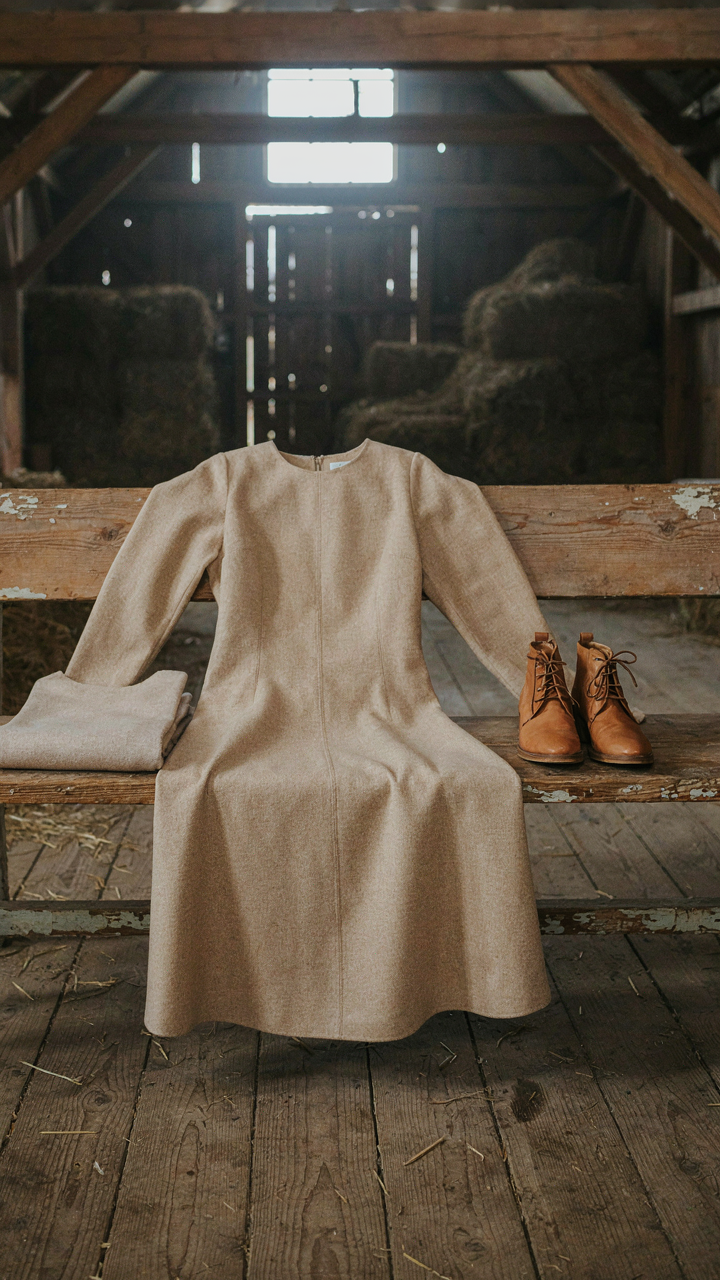
You’re worried the wrong outfit signals you don’t belong in that room. That’s the real fear. Here’s the mechanism: dress codes exist on a spectrum between complicated and complex. Complicated problems have right answers you can find if you research enough. A black-tie wedding with a stated code is complicated. You follow the rules. Complex problems have no single right answer because human judgment and context matter more than rules. Most modern weddings fall here. A long sleeve wedding guest dress in a complex scenario requires you to read the room’s actual values, not the invitation’s words. The stated code tells you the minimum. Your job is detecting what the hosts actually respect. Winter weddings at formal venues typically prefer structured fabrics like crepe or wool blends over thin materials. But a winter wedding at a barn demands something different entirely, even if both say “cocktail attire.” You’re solving for culture and environment, not just fabric weight or sleeve length.

The mistake everyone makes is treating dress codes like math problems with one solution. They’re not. A long sleeve midi dress works at a formal winter wedding, but so does a long sleeve jumpsuit if the hosts value modernism over tradition. Your research step is concrete: find the couple’s social media, check their aesthetic, see what their close circle wears. If they follow minimalism, lean minimal. If they post maximalist art, adapt accordingly. Then choose your long sleeve piece based on that signal, not based on generic wedding guest rules you read online. The code on the invitation is a floor, not a ceiling.
When Everything Changes At The Door
Venue surprises kill most outfit plans. A wedding listed as “outdoor garden ceremony” that moves indoors due to weather requires different temperature management than you planned. Your long sleeve wedding guest dress must function across temperature ranges you didn’t anticipate. Chaotic conditions demand fabric that adapts. Merino wool blends and technical fabrics regulate temperature better than silk or cotton alone. Obvi fabrics perform worse in humidity and heat swings than blended materials. An all-silk long sleeve dress looks elegant in the ceremony but becomes uncomfortable if the reception moves to an unheated barn. Most people ignore this and wear what looks good in a still photo, then suffer through the event.
The protocol is simple: build for the worst-case scenario your venue could produce, then let the outfit perform if conditions improve. Layer your long sleeve dress with a structured blazer or shrug that removes easily. Choose midi length over floor length for venues with unclear flooring or outdoor sections. Bring a backup layer that fits your aesthetic but handles heat and cold equally. Before the wedding day, check the venue’s actual capabilities: Is the ceremony heated? Does the reception have climate control? How much outdoor time is mandatory? Your long sleeve piece should handle the full range without becoming a liability you’re managing all night instead of enjoying the event.
Dresses: Fabric As Your First Principle

Wool, Velvet, Brocade: The Material That Signals Intent
You want people to know you cared enough to show up properly dressed—that’s the real calculation here. Fabric selection is where that intention becomes visible. The material you choose tells the room whether you understand the season and the occasion before anyone hears you speak.

Wool serves as your baseline for cooler months. It’s durable, takes structure well, and doesn’t require apologetic layering underneath. Velvet absorbs light and creates depth—it reads as intentional, not desperate. Brocade (a jacquard weave with raised patterns) adds texture that photographs well and signals you didn’t grab something off-season. Each material handles temperature differently, and that distinction matters tactically.
- Wool crepe: Dense weave holds shape through the event. Drapes cleanly without clinging. Works at 45-60°F indoor and outdoor settings.
- Velvet (cotton or silk blend): Absorbs body heat efficiently. Creates visual interest in neutral colors. Best for formal evening events in 40-55°F environments.
- Brocade or jacquard: Structured enough to wear without a slip. Pattern complexity masks minor fit issues. Suitable for 50-65°F conditions.
- Ponte knit: Technical fabric that moves with you. Resists wrinkling better than natural fibers. Works 55-70°F, bridges seasons.
- Silk blend (85% silk, 15% synthetic): Thermoregulates without feeling cheap. Wrinkles less than pure silk. Ideal for 45-65°F indoor venues.
The mistake most guests make is treating fabric weight as optional. They buy spring dresses and add a shawl, which creates bulk without authority. Pick the material first based on temperature range, then build the silhouette around it. Your fabric choice eliminates 80% of fit problems before you step into the fitting room.
Fabric Weight And Movement For Impact
Physics governs how fabric behaves—heavier materials hold structure, lighter ones expose every flaw in cut and body positioning. A long sleeve wedding guest dress lives in a specific bandwidth: heavy enough to look intentional, light enough to move without resistance. Most advice skips this tension entirely.
Winter-appropriate fabrics need enough weight to stand on their own. A 200+ gram per square meter wool or velvet-blend won’t cling to your body through temperature changes or sitting. It also won’t develop the saggy appearance that thin fabrics get after two hours of wear. The dress maintains its intended silhouette because the material supports it structurally.
Movement becomes your second filter. Test any candidate dress by raising your arms overhead, sitting in a chair, and walking briskly. Fabric should return to its original shape within three seconds. If it doesn’t, the weight-to-drape ratio is wrong for your body. A dress that moves with you looks expensive because it fits properly; a dress that fights your movement looks like a costume. Heavy fabrics forgive minor fit errors because their mass carries intention regardless of your exact shape.

Cute Wedding Outfits: The Accessory Multiplier
Statement Jewelry That Balances Sleeve Weight
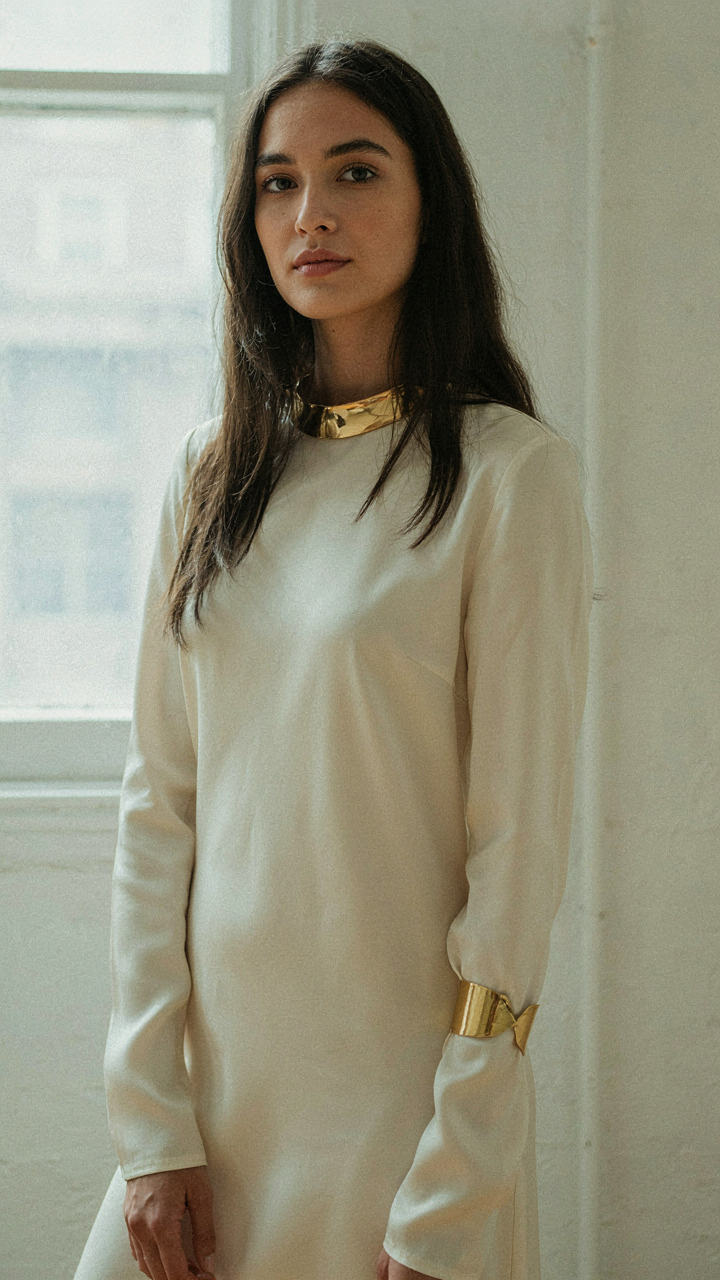
You want people to notice you tried. The real mechanism here borrows from visual hierarchy: jewelry operates as a counterweight in composition, the way a fulcrum distributes load. Long sleeves consume visual real estate on your arms, which means heavy or delicate jewelry shifts where the eye actually lands. Bold necklaces, cuffs, or drop earrings pull attention upward and outward, breaking the sleeve’s visual mass instead of adding to it. This prevents the “bundled” effect that makes cooler-season dressing feel heavy.
Thin, delicate jewelry paired with long sleeves reads as timid. The common advice to “let the dress speak” is incomplete—it ignores that sleeves already dominate. You need jewelry with actual presence: chunky metals, geometric shapes, or layered pieces that create definition at the collarbone and wrists. A structured bracelet worn over a sleeve cuff, or a statement necklace in silver or gold, creates visual breaks that anchor the proportions. The goal is contrast, not harmony.
Footwear That Grounds The Entire Silhouette
Shoes either complete the line or they don’t. Long sleeves extend down your arms, so your footwear needs to echo that vertical proportion or deliberately interrupt it. Boots that extend to the knee or mid-calf continue the covered aesthetic and create cohesion—they tell the same story the dress does. Heeled sandals or strappy heels actually fight against long sleeves because they expose the ankle and lower leg, creating visual confusion about whether you’re dressing for cold or warmth.
Flat shoes work here too, but only if they’re intentional: pointed-toe flats, loafers, or structured mules that feel deliberate rather than convenient. The footwear choice signals whether you understand proportion or you’re guessing. A long sleeve dress paired with bare-ankle heels and no tights reads as an accident. The same dress with boots or covered footwear reads as a decision. Pick footwear that mirrors the coverage philosophy of your top half.
The “Wedding Guest Dress Summer” Deception: Why Seasonality Matters Less Than You Think
Trans Seasonal Pieces That Actually Work
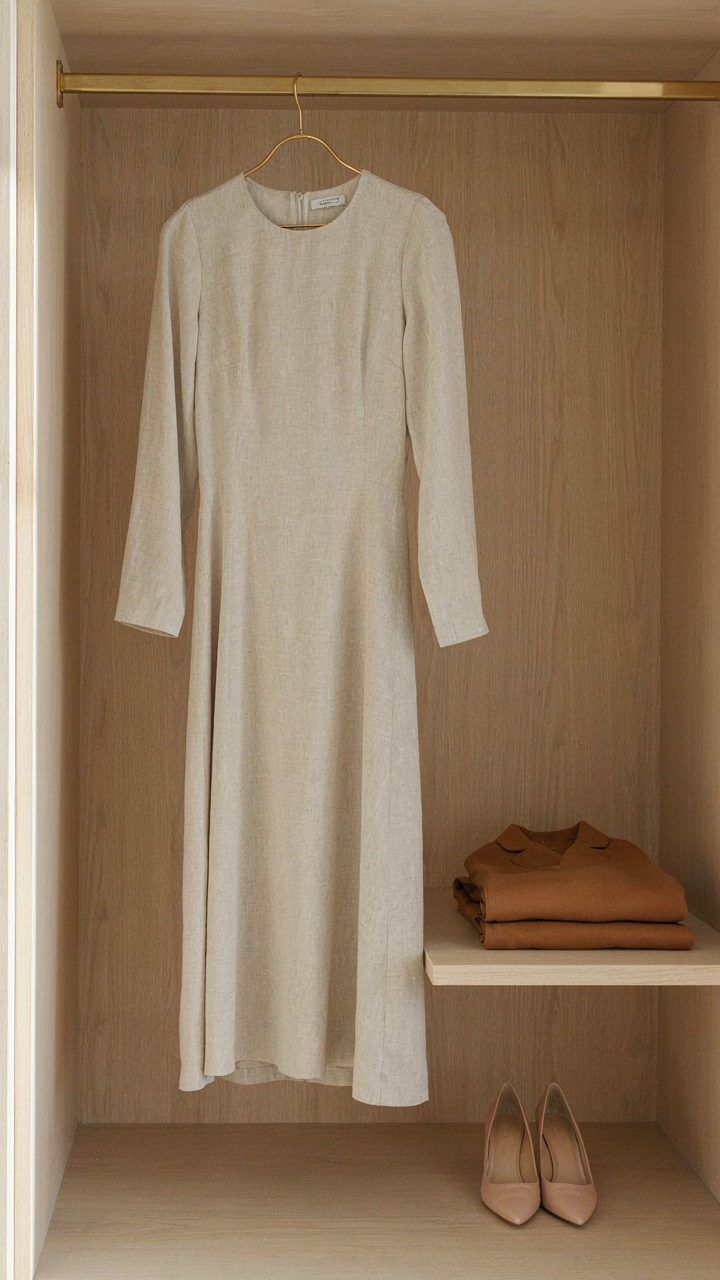
You’re afraid you’ll look out of place wearing the wrong thing, so you buy separate wardrobes for each season. The actual mechanism: fabric weight and sleeve construction determine function far more than the calendar does. A long sleeve wedding guest dress works year-round when you choose materials that breathe instead of insulate. Lightweight silk charmeuse, cotton blends, and rayon don’t trap heat. Heavy wool crepe stays relevant in cooler months. The sleeve itself is the variable that matters. A long sleeve in thin fabric works in June. The same dress in dense material works in November. You’re not buying two dresses. You’re learning to read fiber content.
The real play is purchasing pieces that shift across seasons without looking seasonal. A long sleeve midi dress in neutral linen works from April through October in most climates. In winter, layer it under a structured blazer or add hosiery and heels for weight. Designers built this into their construction decades ago because people didn’t have infinite closets. The garment adapts. Your job is choosing base pieces that don’t scream “this is only for March” through their design. Avoid heavy satin finishes, velvet textures, and ornamental details that lock a dress into one thermal window.
Build For Longevity, Not Trends
The common advice says to chase timeless classics, which is incomplete. What actually matters is understanding which design elements age gracefully and which don’t. A long sleeve wedding guest dress stays relevant when it avoids three things: hemlines that trend, necklines that signal a specific era, and colors tied to seasonal palettes. A knee-length long sleeve dress in navy or black works at weddings in 2015, 2020, and 2028 because those constraints didn’t change. A midi-length dress with a crew neck in jewel tones follows the same logic. Trends move fast. Core guest dress construction doesn’t.
Build your piece around silhouette, not decoration. A fitted or A-line long sleeve dress in solid fabric outlasts anything with heavy beading, dramatic ruffles, or cutout details. Those embellishments anchor the dress to the specific year it was purchased. Solid fabrics and simple construction read as intentional, not outdated. When you buy the dress, ask yourself whether you’d wear it if the same design returned in five years unchanged. If the answer is no, the trend is doing too much work. The dress should carry itself. Buy once, wear for a decade, then donate to someone who will wear it another decade.
The Only Real Fashion Disaster Is Letting External Conditions Dictate Internal Conviction
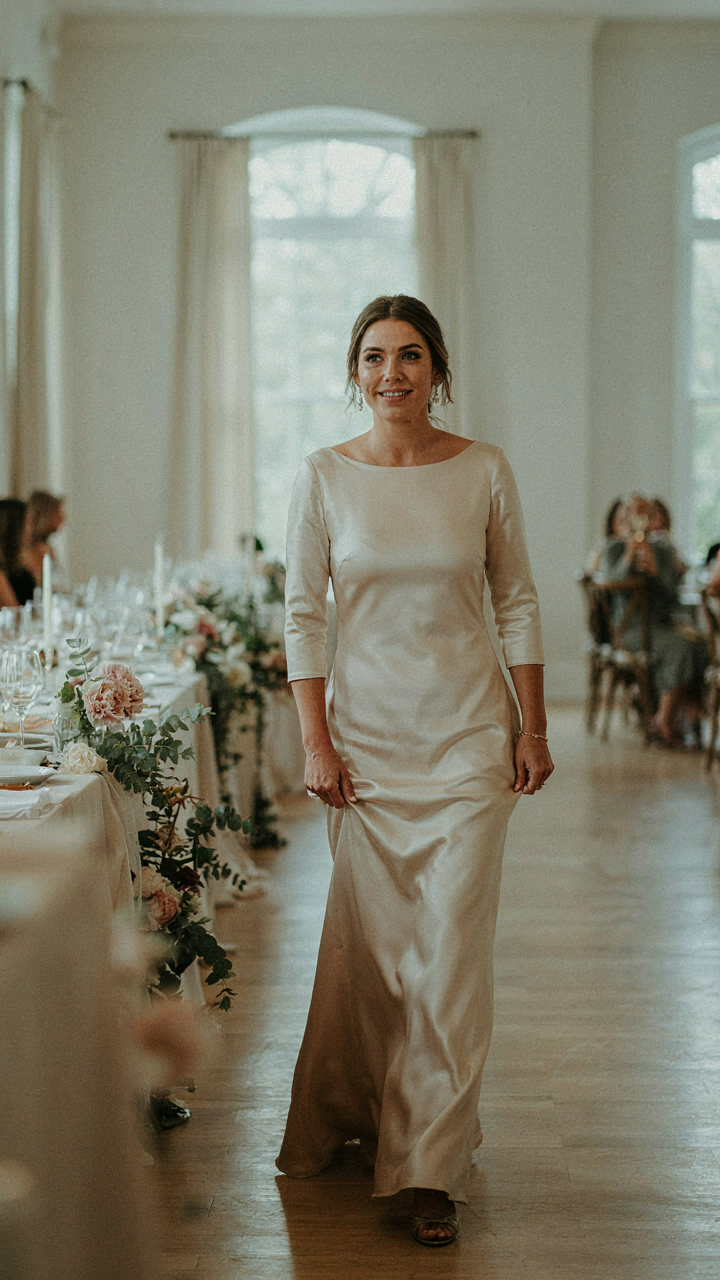
Most people treat a long sleeve wedding guest dress like a consolation prize for winter. They’re wrong. The fabric, the cut, the drape—these become your competitive advantage when everyone else is shivering in sleeveless mistakes. Stop shopping for excuses. Go find one dress that makes you feel like you own the room, regardless of temperature. Your conviction matters more than the season.