

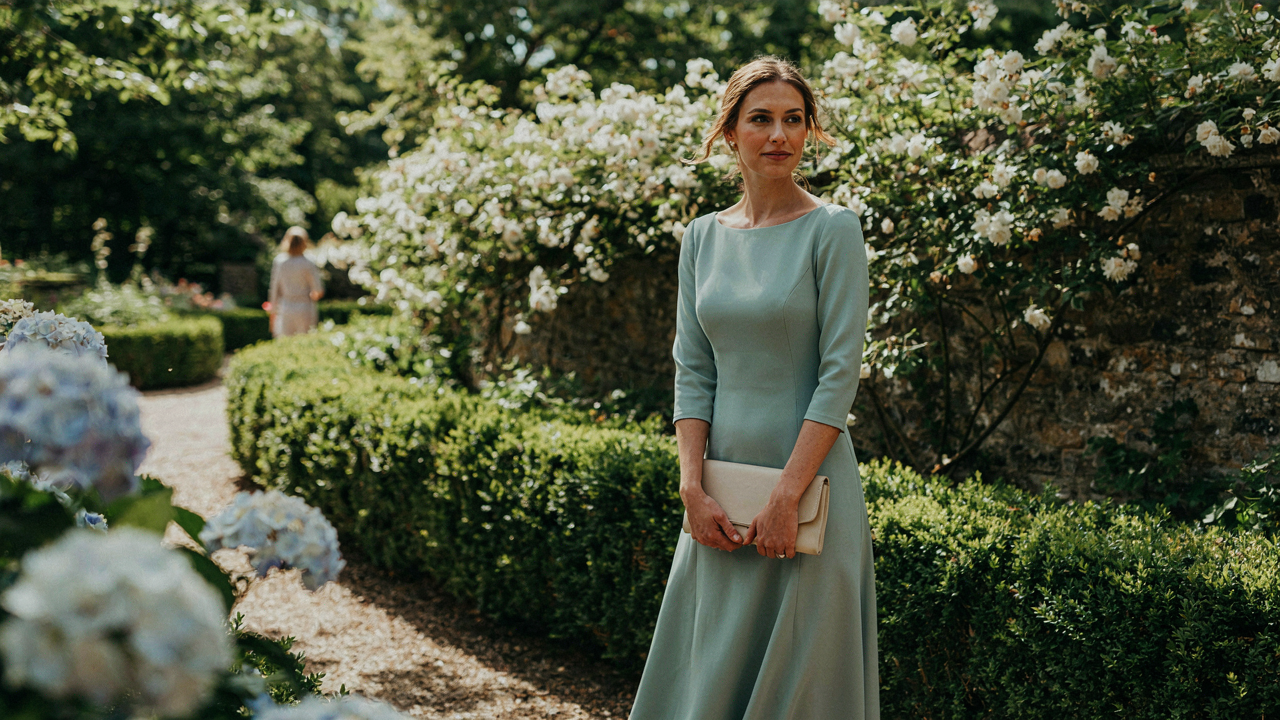
The Strategic Silhouette Protocol: Modest Wedding Guest Dresses With Sleeves
How Fabric Behaves On Your Body
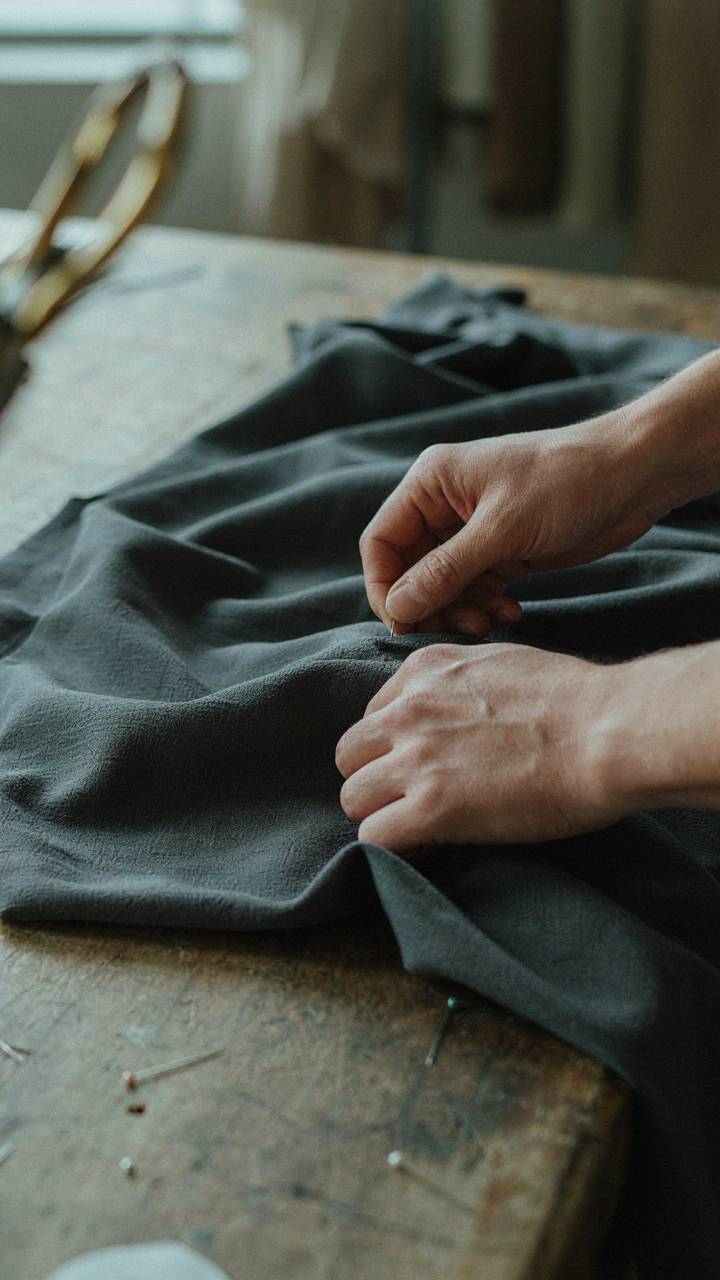
You want to look intentional, not constrained. That’s the real reason you’re reading this. The mechanism is simple: fabric choice determines whether sleeves and coverage read as elegant restraint or awkward restriction. Physics governs how cloth moves. A dress that drapes follows gravity predictably. One that clings fights it. Heavier fabrics like crepe, ponte, and structured cotton blends move away from your body. They create silhouette through suspension, not compression. Lightweight fabrics like chiffon and jersey cling until air moves them. Choose the first category when sleeves are involved. The fabric does the work of making coverage look deliberate.
Sleeve construction amplifies fabric choice. A flutter sleeve in heavy crepe looks architectural. The same sleeve in thin jersey looks tentative. Test drape by holding fabric samples vertically. Watch how quickly they fall. Faster fall means better movement and cleaner lines through the torso and arm. When you try on a dress with sleeves, move your arms through their full range. Reach overhead, cross your chest, lower your arms to your sides. Bad fabric will bunch at the underarm or shoulder. Good fabric maintains its shape through motion.
Structure Creates Shape, Not Size
The common advice says modest means loose. That’s incomplete. Restrictive cuts betray coverage faster than tight ones do because they fight your body’s natural lines. Think in terms of engineering, not fashion. Load-bearing structures distribute weight efficiently. Dresses work the same way. A strategic seam, dart placement, or panel division carries visual weight without pulling fabric tight. Princess seams running vertically from shoulder to hem create shape through line, not compression. Side panels that taper slightly define waist without clinging. A-line cuts from the hip distribute volume intentionally. Architectural lines make coverage look chosen, not enforced.
Sleeve construction is where structure matters most. Set-in sleeves with modest cap ease sit flush at the shoulder without pulling. Raglan sleeves connect from neckline to underarm, eliminating the tight shoulder crease. Batwing or bell sleeves add volume that reads as intentional design rather than accommodation. The seam placement tells the story. A structured dress with strategic seams in the right places moves through a room with control. An unstructured dress with loose sleeves reads as you hiding. One declarative principle: seams should lead the eye downward, never trap it.
Beyond Basic Black: Color Theory For Modest Outfit Ideas
The Actual Risk Of Wearing Power Colors
You think wearing burgundy or emerald instead of navy makes you memorable. It doesn’t. It makes you visible, which terrifies you because visibility at a wedding means scrutiny. The mechanism is simple: color communicates status and intention before fabric or fit does. In color theory, saturation measures how pure a hue is, separated from gray. A fully saturated jewel tone in a modest dress signals intentionality and control. You’re not trying to disappear or fade into the background—you’re choosing presence with boundaries.

Safe neutrals work because they require no defense. Black, navy, beige, and gray demand nothing from you or the room. Power colors demand different logic. They work in modest wedding guest wear when the silhouette stays conservative and the fabric stays matte or structured. A saturated emerald in a high-neckline, knee-length shift dress reads as sophisticated choice, not costume. The depth of the color itself anchors the modesty. Muted or desaturated versions of jewel tones collapse this effect entirely—they become muddled and apologetic, which defeats the purpose of color altogether.
Strategic Combinations That Don’t Compete
The advice that you should “match your skin tone to color” misses the actual mechanism. What matters is contrast ratio and how that contrast moves the eye. Complementary palettes in design create visual tension that reads as intentional. Pair a muted plum with soft gold accents in jewelry or a scarf. Combine sage green with warm bronze tones in shoes and a structured clutch. These combinations work because they occupy different zones of the color wheel, creating hierarchy without visual noise.
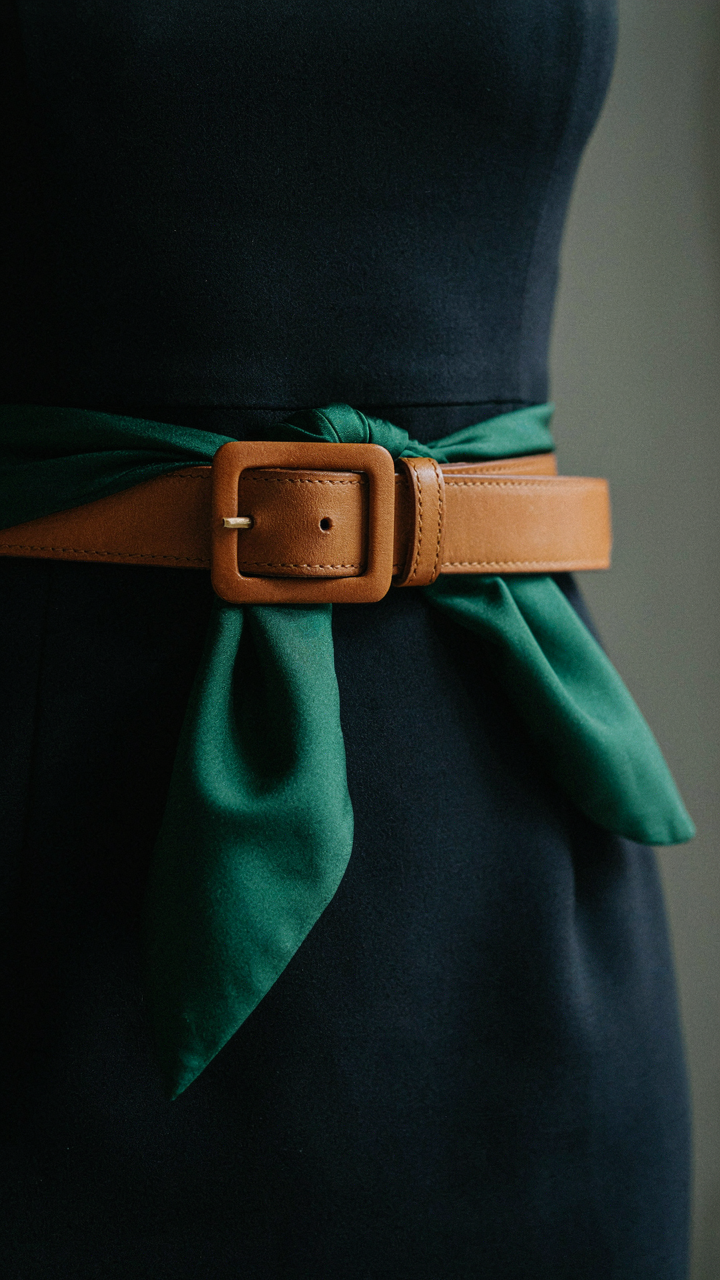
Start by choosing your primary color based on the wedding formality and venue, not your skin tone alone. Then select your second color from the opposite zone of the color wheel. Keep the primary color in your main piece—the dress—and introduce the secondary color through accessories that stay modest in scale. A neckline scarf, a structured belt, or layered jewelry become the delivery system. This prevents color from reading as random and keeps the outfit from fragmenting across your body.
The Unseen Advantage: Undergarment Engineering For Dresses
How Structure Prevents The Dress From Failing You
You care about this because the dress itself will betray you if the foundation isn’t engineered correctly. Here’s the mechanism: undergarments work like load-bearing walls in architecture. They distribute weight, control fabric movement, and prevent the dress from shifting or bunching. Without deliberate engineering underneath, even expensive modest dresses gap at seams, ride up, or create visible panty lines that destroy the entire effect. You’re not buying undergarments. You’re buying insurance against public failure.

The right foundation garment depends on your dress’s fabric weight and construction. Lightweight fabrics need minimal support to avoid showing everything. Structured fabrics like ponte or taffeta handle more compression without collapsing. Heavy crepe or structured knits need proper shaping to maintain their intended silhouette. Start by matching undergarment density to dress density. A sheer overlay dress needs different engineering than a dense wool sheath dress. The fit of the dress itself won’t matter if the base layer doesn’t anchor it in place.
Preventing What Most People Get Wrong
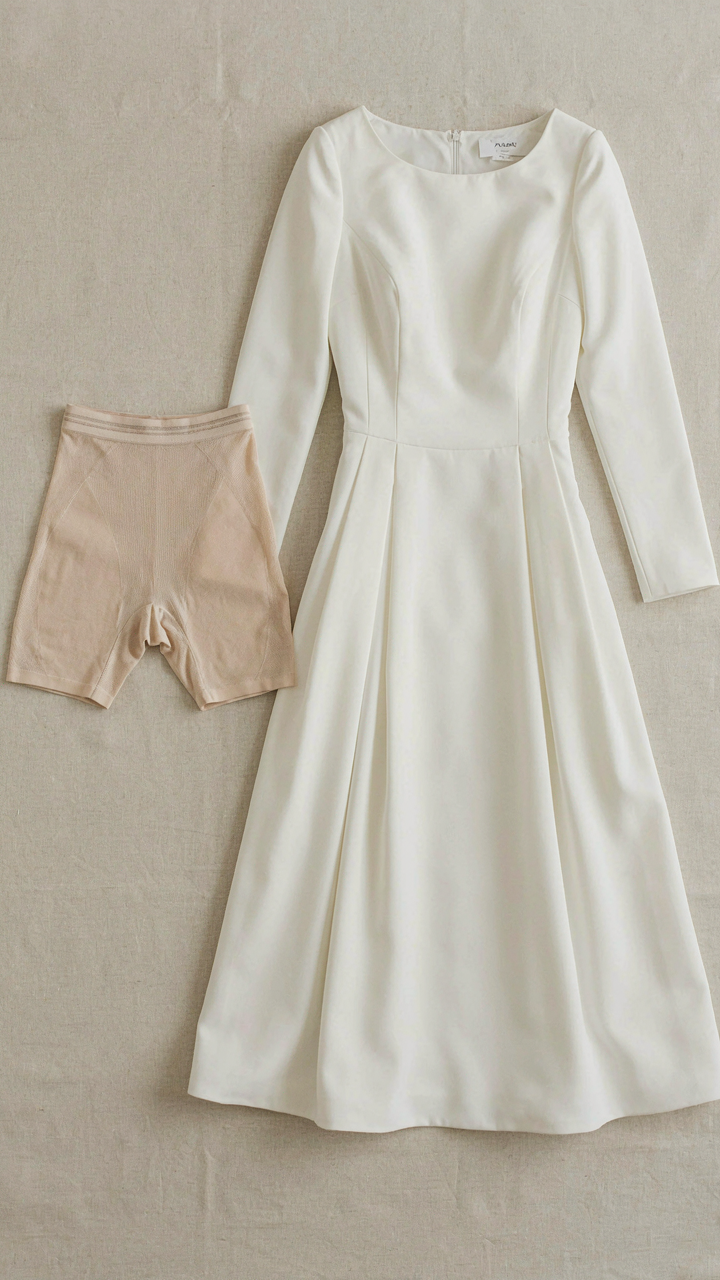
Everyone says “just wear a slip” and leaves it there. That’s incomplete. Slips prevent friction and clinging, but they don’t solve structural problems. If your dress pulls across the chest, bunches at the waist, or creates visible panty lines, a slip alone won’t fix it. You need both a slip and targeted shapewear in the zones where the dress actually fails on your body. Most modest dresses sit close to the body for coverage. That proximity means every undergarment layer matters tactically.
Start with a fit test before the event. Put on the dress with every undergarment you plan to wear. Sit, stand, reach, and move as you would at the wedding. If anything rides, gaps, or pulls, you’ll catch it now. Adjust by changing undergarment brands, sizes, or styles until nothing moves during normal motion. This is your protocol: identify the failure zone, test the fix, lock it in. Don’t show up to the wedding discovering your dress has structural problems for the first time.
Accessorizing With Intent: The “Gala Dress Modest” Approach
Statement Pieces Vs. Clutter
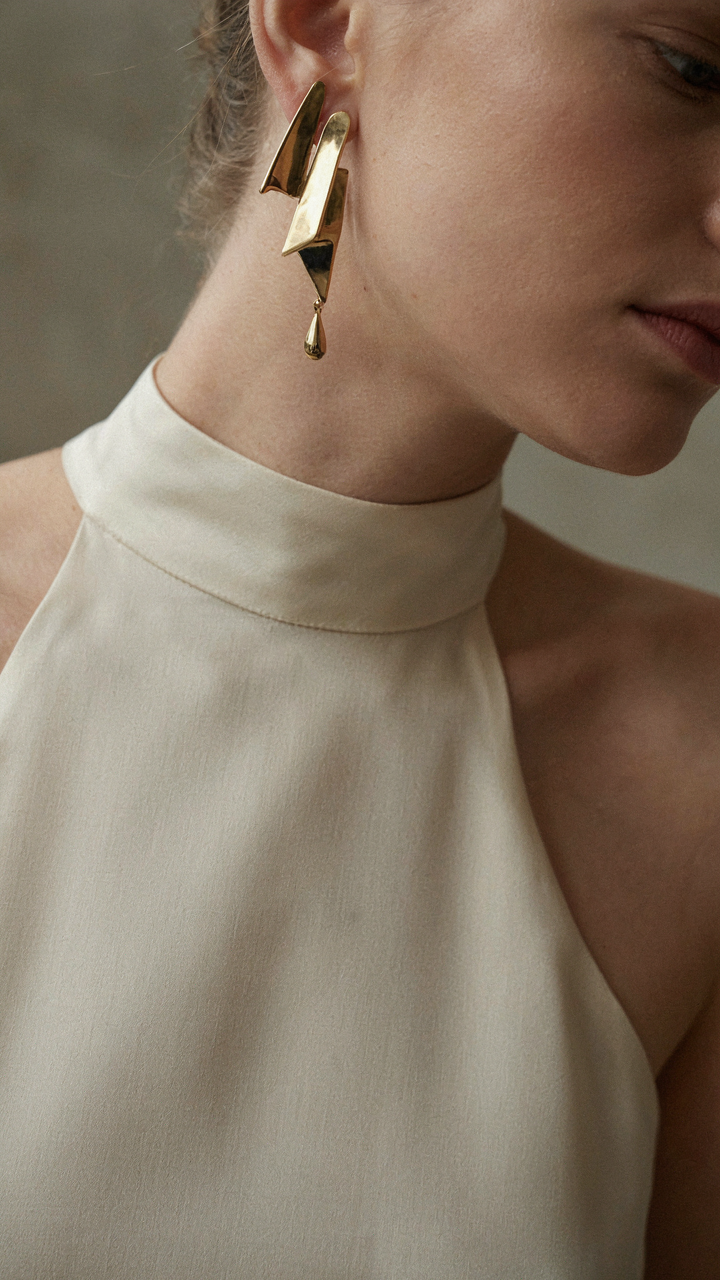
You want people to notice you’re well-dressed without announcing it, which means you’re afraid of looking either invisible or desperate. The real mechanism is constraint. One focal point works because it forces attention to concentrate. Multiple pieces scatter that attention and create visual noise that reads as uncertainty, not elegance. A modest wedding guest dress already covers more surface area than a formal short dress, so your accessory real estate is limited by design. Use that limit as strength.

One statement piece per category works best: either bold earrings, or a structured clutch, or a distinctive shoe. Not all three. The dress does the heavy lifting on coverage and proportion, so accessories exist to anchor the eye, not compete. Pick the single element that suits your face or frame best, then let everything else fade to neutral tones and clean lines. This creates the visual clarity that reads as intentional restraint.
Jewelry Placement For Focal Points
Jewelry placement borrows from portrait composition: you direct the viewer’s gaze by controlling where light and detail concentrate. A long necklace on a modest dress that covers the collarbone actually lengthens the torso and breaks up that coverage in a calculated way. A clustered bracelet or watch on one wrist creates a lower focal point that balances a high neckline. Earrings work when they’re proportional to face size and dress neckline height, not when they’re automatically assumed to be appropriate because they’re “delicate.”
Test your accessory choices against the specific neckline and sleeve length of your dress before the event. A mock turtleneck kills dangling earrings. Three-quarter sleeves mean bracelets compete with fabric, so opt for a ring or no wrist jewelry instead. Stacked rings on one hand work better than spread jewelry across both hands because they create unified visual weight. This is the protocol: dress silhouette determines accessory placement, not personal preference.
Bridesmaid Dresses With Sleeves: Lessons In Unified Elegance
The Paradox Of Matching And Standing Out
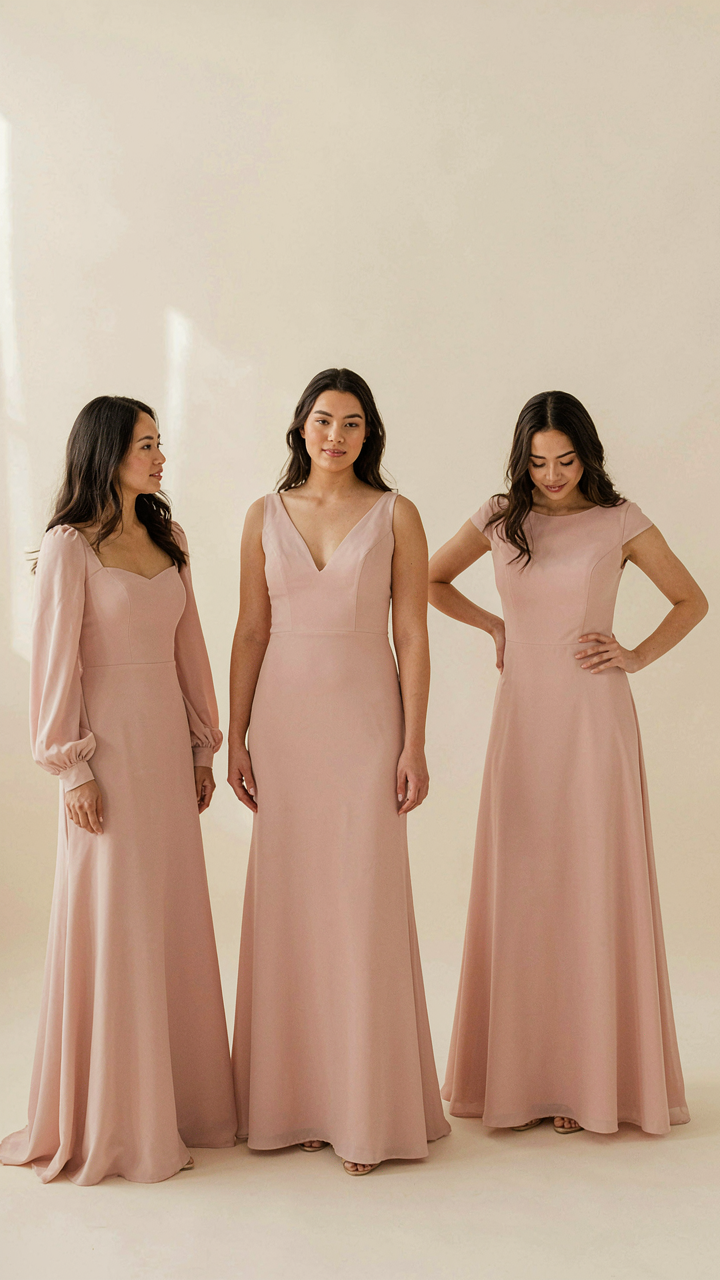
You want to look like you belong in the wedding party without disappearing into the backdrop. That’s the real tension here. The mechanism is simple: bridesmaid dresses with sleeves work because they establish a visual boundary that says “I’m part of this” while sleeve length and fit details still allow individual variation within that frame. The sleeve becomes the anchor that makes everything else coherent.

Matching doesn’t mean identical clones. A sleeved dress creates enough structural constraint that different body types and skin tones still read as intentional coordination rather than random formal wear. The sleeve enforces the group aesthetic while neckline, hem length, and fabric weight give you room to pick what actually works for your frame. This is why sleeve-forward designs dominate professional bridesmaid collections: they solve the coordination problem without requiring every guest to fit the same mold.
Fabric Creates The Visual Bond
The common advice is to match the dress. The real answer is to match the fabric weight and finish. Borrowing from materials engineering, fabric has tensile strength and surface properties that either cohere or clash. Two dresses in the same color but different fabrics—say, matte crepe versus glossy satin—look like mistakes because the light behaves differently on each body. Sleeved dresses amplify this problem because sleeves catch and show every variance in how fabric moves.
Pick one fabric type across all bridesmaid selections. Crepe holds structure and travels well. Chiffon photographs softer but wrinkles in cars. Polyester blends resist movement and shine. Once you lock in fabric, sleeve length and neckline variations read as intentional design choices, not oversights. The wedding party looks curated instead of assembled from different stores. The fabric decision is where visual unity actually lives, not the color alone.
Seasonal Adaptability: Warm Wedding Guest Dress Strategies
The Layering Equation
You’re worried you’ll look either overdressed or underdressed, and layering feels like a cop-out. It’s actually the opposite. Layering is signal control. You remove or add pieces based on real-time venue conditions, not guesses made eight hours before the ceremony.

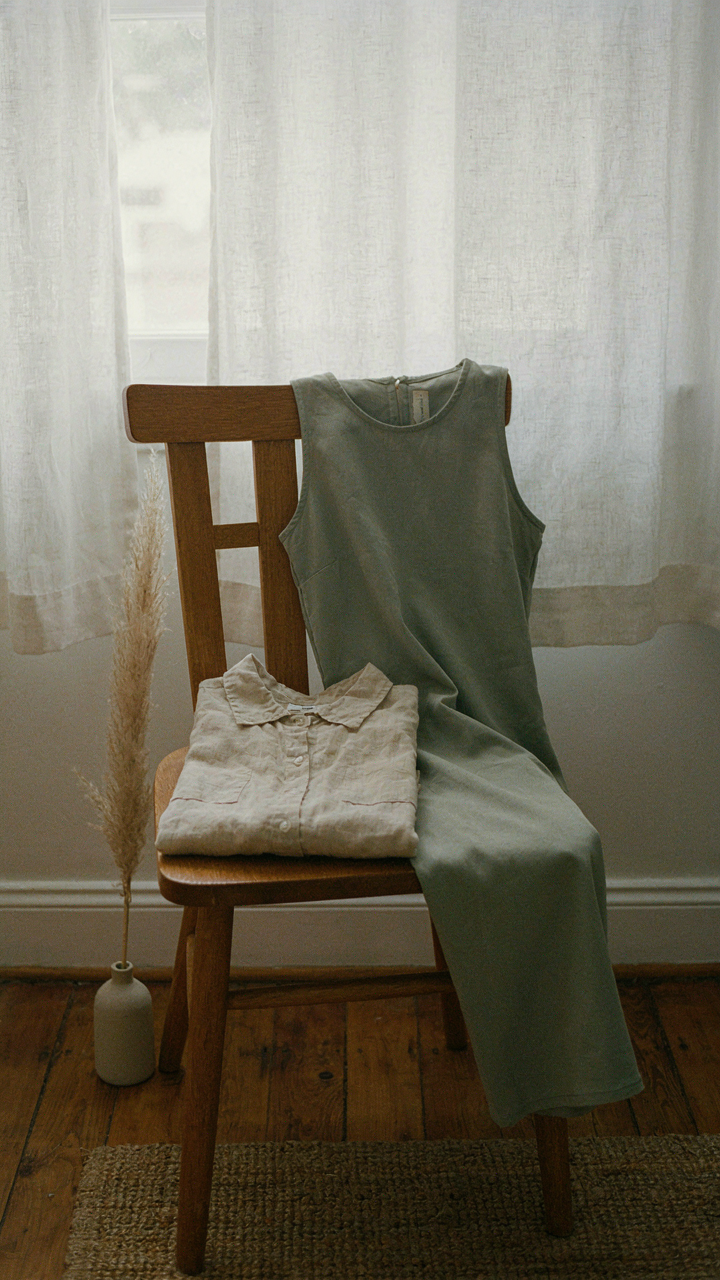
Start with a sleeveless or short-sleeved modest dress as your base. Add a lightweight cardigan, linen shirt, or structured shawl that you can remove during the reception. This gives you two complete outfits without changing clothes. The base dress carries the visual weight; the layer handles temperature without breaking the dress code.
Fabric Selection For Heat Management
The physics of heat transfer applies directly here. Thermal conductivity determines how fast fabric moves heat away from your skin. Cotton and linen conduct heat outward efficiently. Polyester blends trap it. Most modest wedding guest dresses use cotton or blended fabrics, but the weave density matters more than fiber type alone.
A loose weave in cotton breathes better than a tight weave in the same fiber. Check the garment care tag: lightweight fabrics under 4 ounces per square yard work for warm weather. Avoid heavy crepes or structured wools in summer venues. For outdoor ceremonies in heat, prioritize open weaves and natural fibers that won’t cling to skin or require constant adjustment.
The “Visual Flow” Principle: A Cybernetics Approach To Modest Wedding Guest Dresses

How Constraint Creates Optical Direction
You want people to notice you without looking like you’re trying. That’s the real tension here. Cybernetics teaches us feedback loops, and modest wedding guest dresses operate on the same principle: limited variables force the observer’s eye to move in predetermined paths. When you remove skin, you add fabric surface. When you add fabric surface, you control where light lands and where shadow pools.

The mechanism is simple. A high neckline forces the gaze upward to the face. Long sleeves direct attention along the arm’s line toward the hands or torso. Maxi length creates vertical emphasis. Every constraint removes noise from the visual signal, making what remains impossible to ignore. Layering, texture shifts, and strategic cutouts become louder because the canvas is controlled.
Strategic Placement Of Visual Weight
Most advice tells you to “balance” your proportions. That’s incomplete. You need to place visual weight where it serves the event’s social hierarchy, not your insecurity. A jewel neckline concentrates light on the collarbone and shoulders. A belted waist creates horizontal interruption that shortens or lengthens perceived vertical space. Fabric drape at the hip adds dimension without exposure.
The placement principle works because the eye tracks contrast. In modest dressing, you engineer contrast through fabric choice, not skin. Matte paired with sheen. Smooth paired with texture. A fitted bodice paired with flowing skirt. These moves signal intentionality and design awareness. Install one strong focal point per outfit. Let everything else recede into supporting structure.
Beyond Trends: Timeless Appeal Of A Sage Green Dress
Why Sage Green Survives Market Cycles
You’re drawn to sage green because you fear looking dated in photos five years from now. The mechanism is simple: muted earth tones operate like financial assets in fashion. They don’t fluctuate violently with seasonal trend cycles. Sage green sits in the middle of the color spectrum where saturation stays stable. Bright greens spike and crash. Sage maintains its visual weight across decades because it mirrors natural plant matter, which humans never stop seeing as neutral.

The reason this matters for a modest wedding guest dress is durability of perception. You wear this dress to multiple events over years. Sage green doesn’t demand you explain your color choice to anyone in 2030. It performs the same function in 2024 and 2034 because the color itself doesn’t belong to any single moment.
Build Around Foundational Architecture
Most style advice tells you to “invest in basics.” That’s incomplete. You need signature pieces, not fleeting fads. A sage green dress works as architecture because it accepts layers and accessories without becoming costume-like.
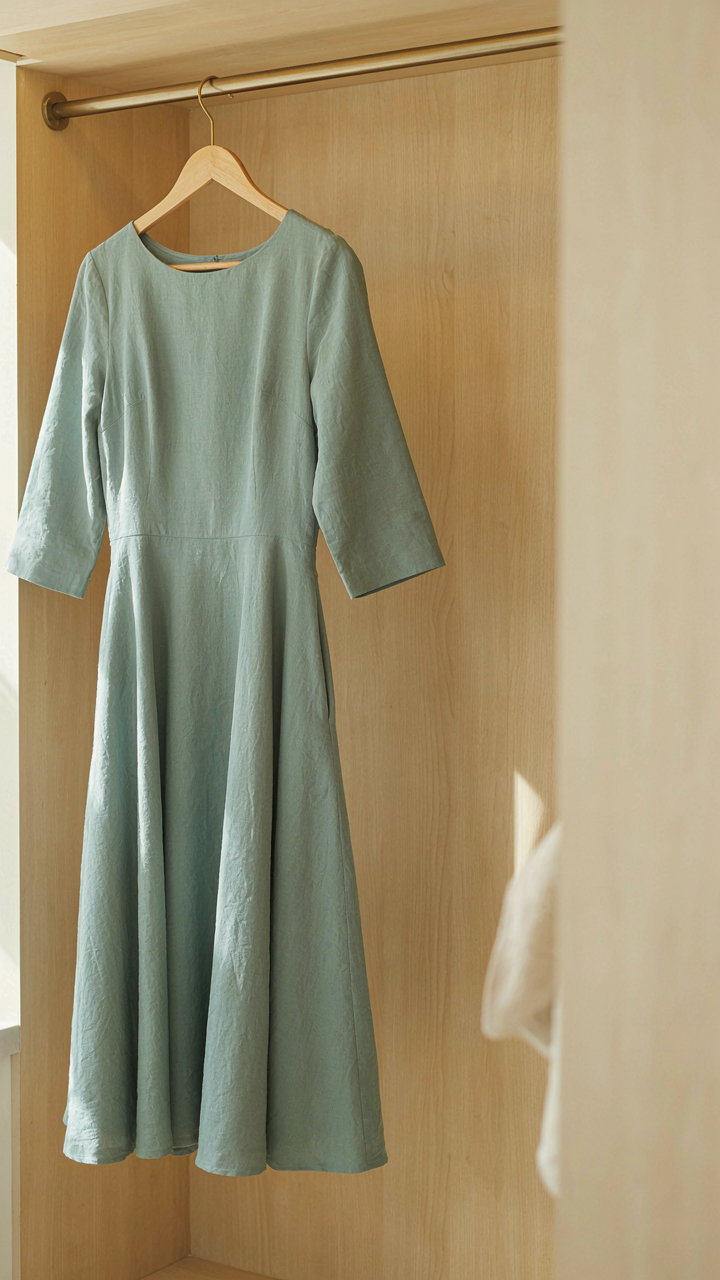
The structural value comes from the cut, not the color. A sage green A-line dress with three-quarter sleeves and a knee-length hem can anchor fifty different outfits across five years. You shift shoes, add a blazer, change jewelry. The dress never reads as trend-dependent because its silhouette follows established proportion rules, not seasonal whims. When you buy the piece, you’re not buying color fashion. You’re buying a container for modest styling that outlasts whatever trend cycle arrives next.
The Authority Of Intentionality: Green Formal Dress With Sleeves

Your Outfit As A Signal
You’re worried people will judge you for covering up. Here’s the mechanism: a sleeved green formal dress doesn’t communicate restriction or apology. It communicates decision. In semiotics—the study of how signs create meaning—clothing is a transmitter. When you choose sleeves deliberately, you’re not hiding. You’re declaring that your aesthetic choices matter more than conforming to whatever trend dominates the room.

A formal sleeve isn’t a compromise. It’s a material statement. The weight of fabric on your arm, the structure of a tailored cuff, the color green itself (historically associated with formality and stability in Western dress codes)—these are active choices. They say: I know what I look like. I chose this. That’s the opposite of passive.
The Mechanism Of Deliberate Selection
Most advice about wedding guest dressing treats choice as anxiety management. Wear this so you blend in. Wear that so you don’t offend. Wrong framework. This is about command. Military strategists call it “initiative”—the power that comes from acting first, not reacting. When you select a green formal dress with sleeves before the wedding, you’ve already established your position. You’re not scanning the room to see what others wore. You’ve already moved.
The deliberate choice eliminates the mental tax of in-the-moment decisions. You’ve solved the problem. You’re free to focus on the actual event. Sleeves mean your arms stay consistent temperature. Green formal fabrics hold their shape through the ceremony and reception. You’re not adjusting, not fidgeting, not managing. When you stop managing your appearance, people perceive you as more present. That presence reads as authority, whether you intended it or not.
The Real Obstacle Isn’t Modesty; It’s Your Fear Of Standing Out By Refusing To Chase Fleeting Attention
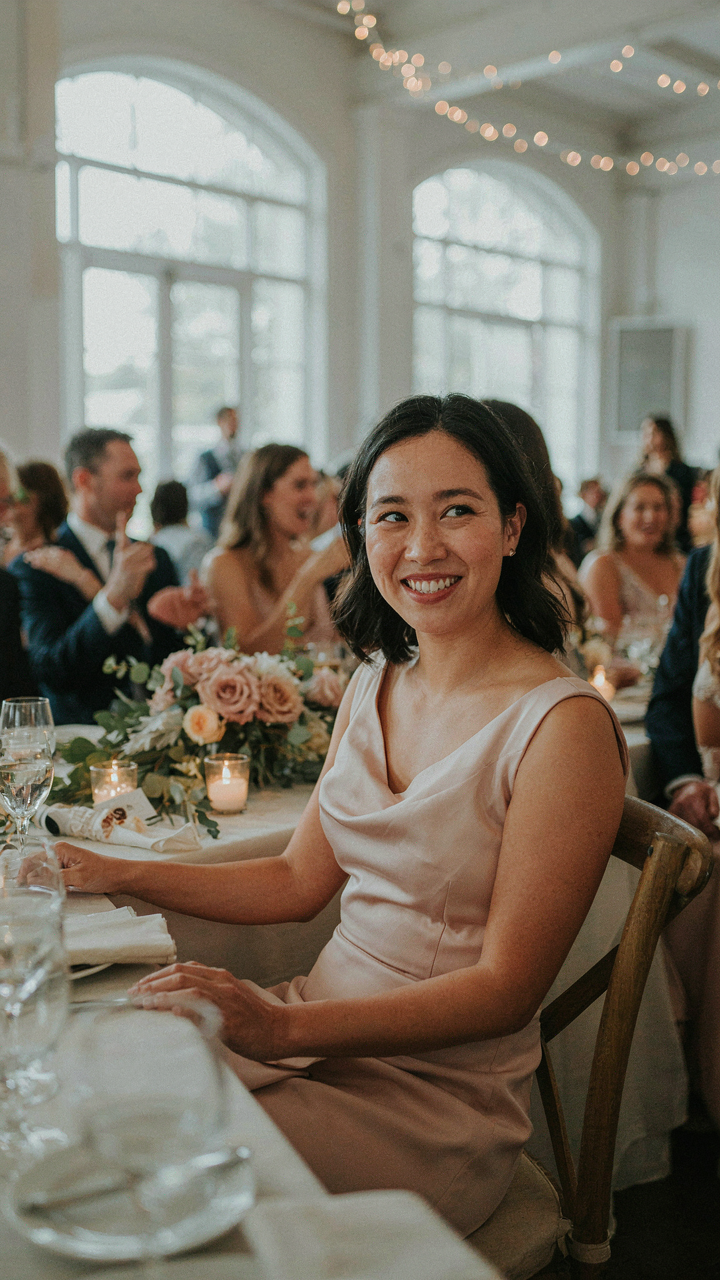
You already know what a modest wedding guest dress looks like. You’ve seen it. The real problem is you think choosing it means disappearing. It doesn’t. It means you stopped performing for people who forget you existed the moment the event ends. Pull one outfit together today. Wear it. Notice how the right clothes let you actually enjoy the wedding instead of managing your image. Confidence isn’t about exposure; it’s about not caring who’s looking.