

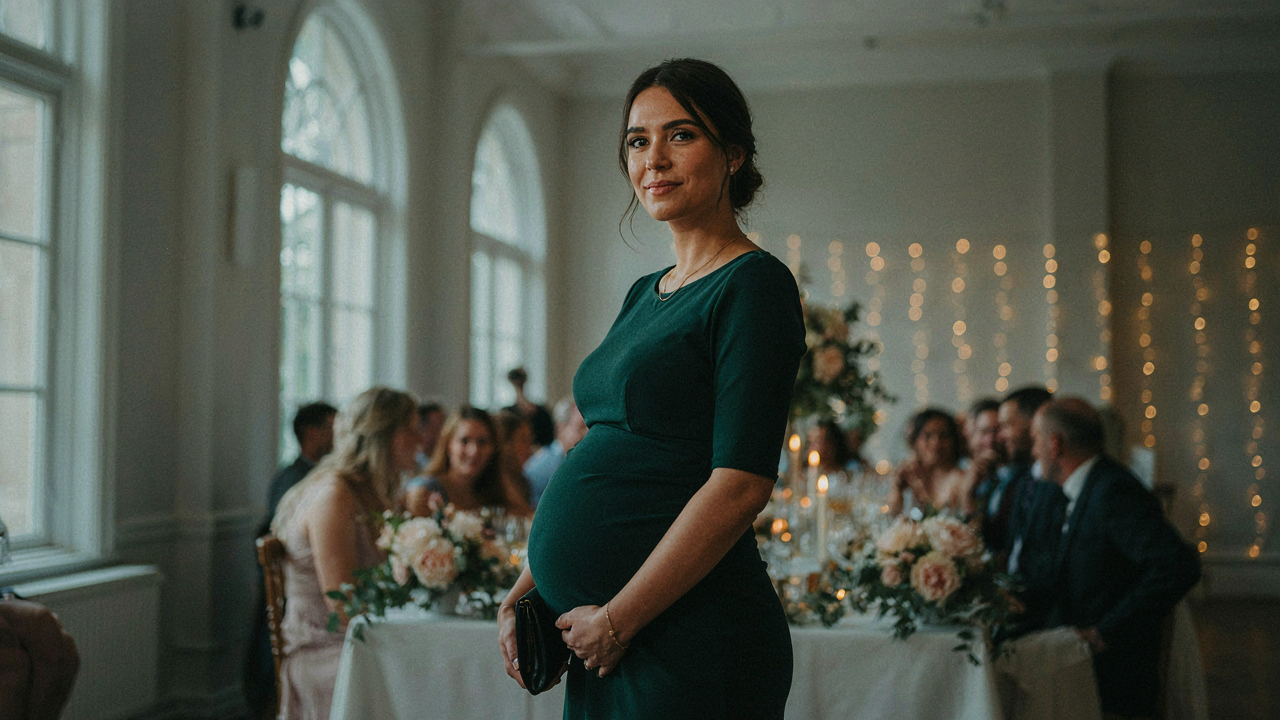
The Bump Centric Wardrobe Manifesto: Rejecting Generic Maternity
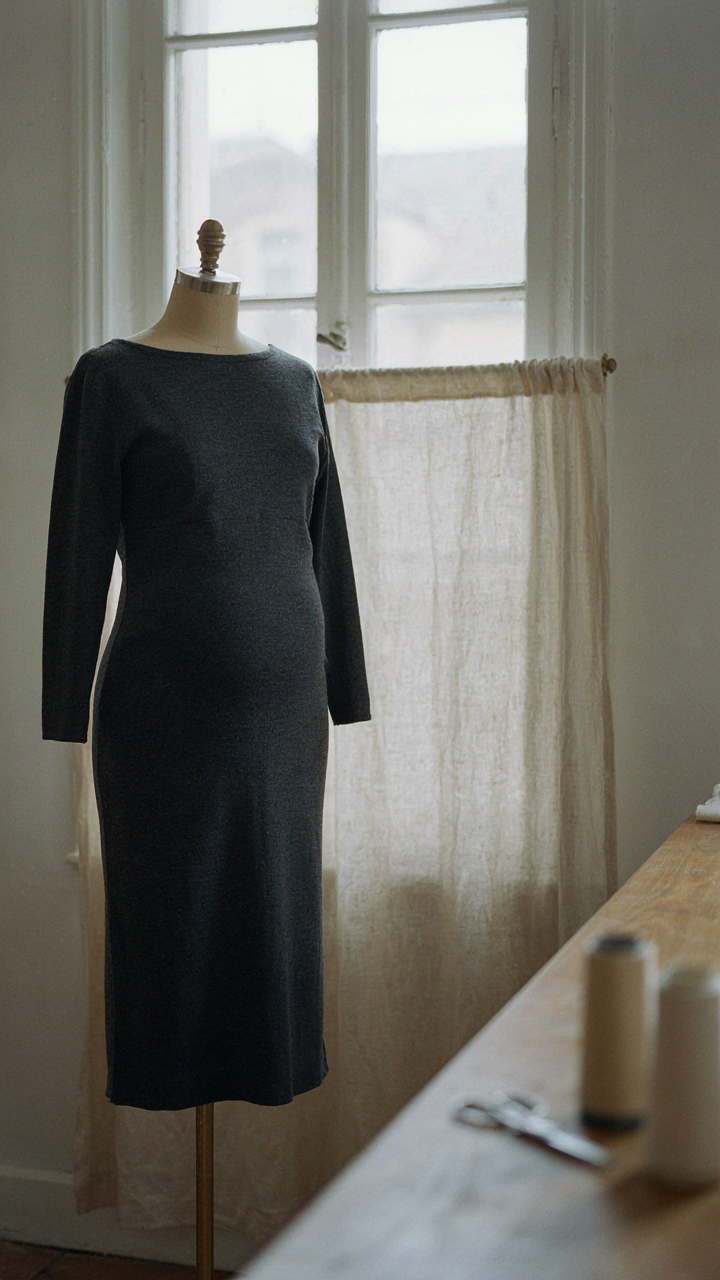
Why Most Maternity Clothing Fails
You’re worried people will judge you for looking sloppy at someone else’s wedding. That’s the real fear underneath all this. Here’s the mechanism: standard maternity wear treats pregnancy as a temporary medical condition to hide, not a body state to dress. It adds bulk where it should subtract, hides shape instead of anchoring it, and defaults to tent silhouettes that read as shapeless rather than intentional. The result is clothing that makes you look smaller in all directions except the one that matters. Maternity brands assume you want to disappear. You don’t.
The actual problem is fabrication and construction logic. Regular pregnancy dresses use elastic panels that sit too high or too low, creating bunching zones around the ribs and hips. They prioritize maximum expansion over proportion, which means the dress grows before you do and stops fitting correctly by month six. The drape collapses instead of moving with you. Most maternity wedding wear also ignores the fact that pregnant bodies have an altered center of gravity and need balance points that standard A-line cuts don’t provide. You need fabric engineering that works with your actual shape changes, not against them.
Embracing Your Evolving Silhouette
Your body isn’t broken right now. It’s operating under different geometry and weight distribution. The standard approach to pregnant wedding guest dressing is to choose something that “works” throughout pregnancy, which guarantees nothing works well at any single point. Instead, abandon the static dress. Design your look around the specific event date and where your body actually is at that moment. This means measuring yourself three weeks before the wedding, not buying something loose enough for month nine when you’re at month six. Strategic ruching, wrap construction, and empire-waist placement work because they acknowledge the bump as a design feature, not a flaw to conceal.
The real tactic comes from apparel engineering for athletes: fit the garment to your primary load point. For a pregnant guest, that’s the abdomen. Fabrics like ponte, structured jersey, and ponte-cotton blends hold their shape and move with expansion without stretching out permanently. Avoid anything flowy that relies on drape for structure—it collapses under a changing load. Employ a fitted bodice through the shoulders and ribs, then let structured fabric take the bump. This isn’t about hiding pregnancy. It’s about wearing clothes that fit your actual body at the actual event.
The Kinematic Dress Code: Adapting To Your New Physics
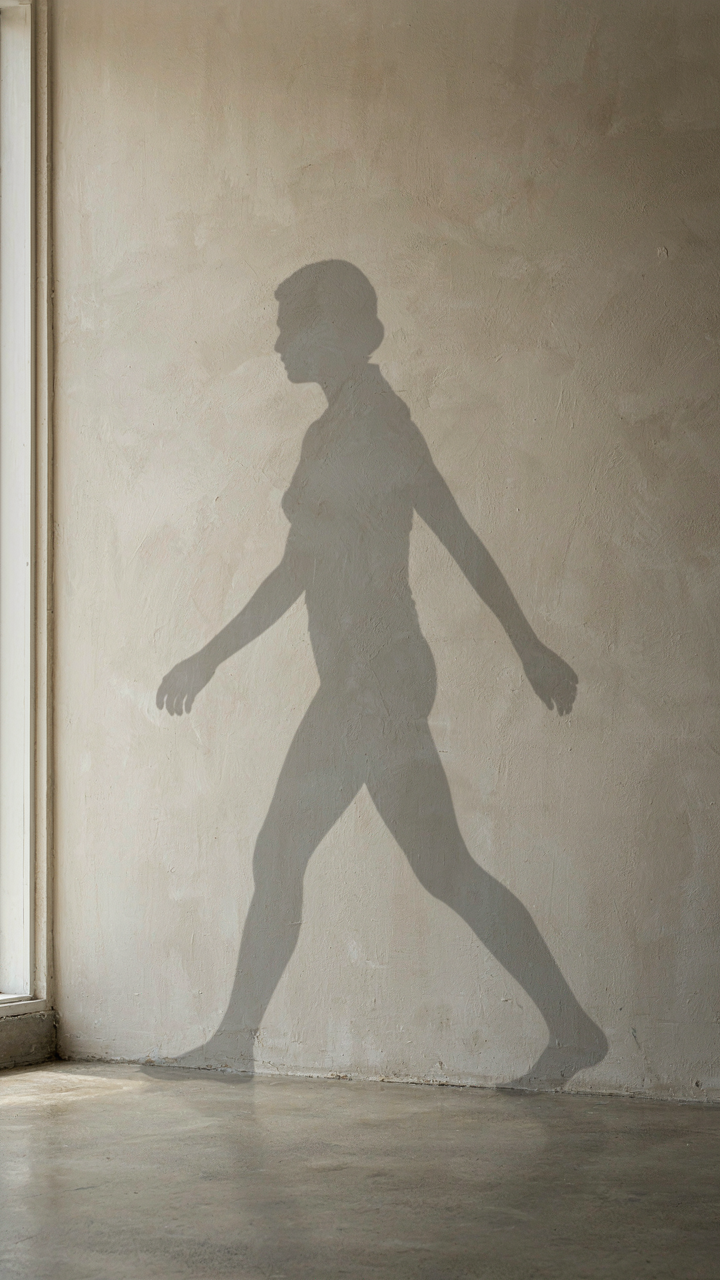
How Your Center Of Gravity Actually Changed
You’re worried about looking acceptable instead of acknowledging the real problem: your body moved. Pregnancy shifts your center of gravity forward by three to four inches in the third trimester. Biology calls this postural compensation. For dress design, it means fabrics that hang from your shoulders will pull away from your body in front while bunching at the back. Standard A-line cuts fail because they assume your baseline hasn’t moved.

The mechanism is mechanical, not aesthetic. Fabric drapes along a vertical axis relative to where weight concentrates. When your weight distribution changes, the fabric’s relationship to your body changes first. Empire waists and ruching at the side seams work because they redirect fabric flow from the new center point rather than the old one. Choose structured materials over fluid ones in the third trimester. Fluidity amplifies the gap between your body and the garment.
What Fabric Weight Does To Comfort
People tell pregnant guests to “go loose and flowy” without explaining why this backfires. Light fabrics pool and shift because they follow air currents and body movement, forcing constant adjustment. Heavy fabrics maintain their shape relative to your body regardless of how you move or sit. Duchess satin, cotton blends above 200 thread count, and structured knits stay where you place them. This removes a decision loop from your brain every time you shift in a chair.
Fluid dynamics in textiles means lower-weight fabrics need higher tension to hold structure. At a wedding, you’re seated intermittently, standing, navigating crowds. Light materials force you to police your own appearance throughout the event. Medium to heavy weaves establish structure independently. A cotton-blend midi dress in 250 thread count or higher handles four hours of sitting and standing without requiring adjustment. Test fabric drape when you’re standing and when you’re sitting. One position doesn’t tell the full story.
Beyond The Tent Dress: Structured Elegance For Pregnant Wedding Guest Dress
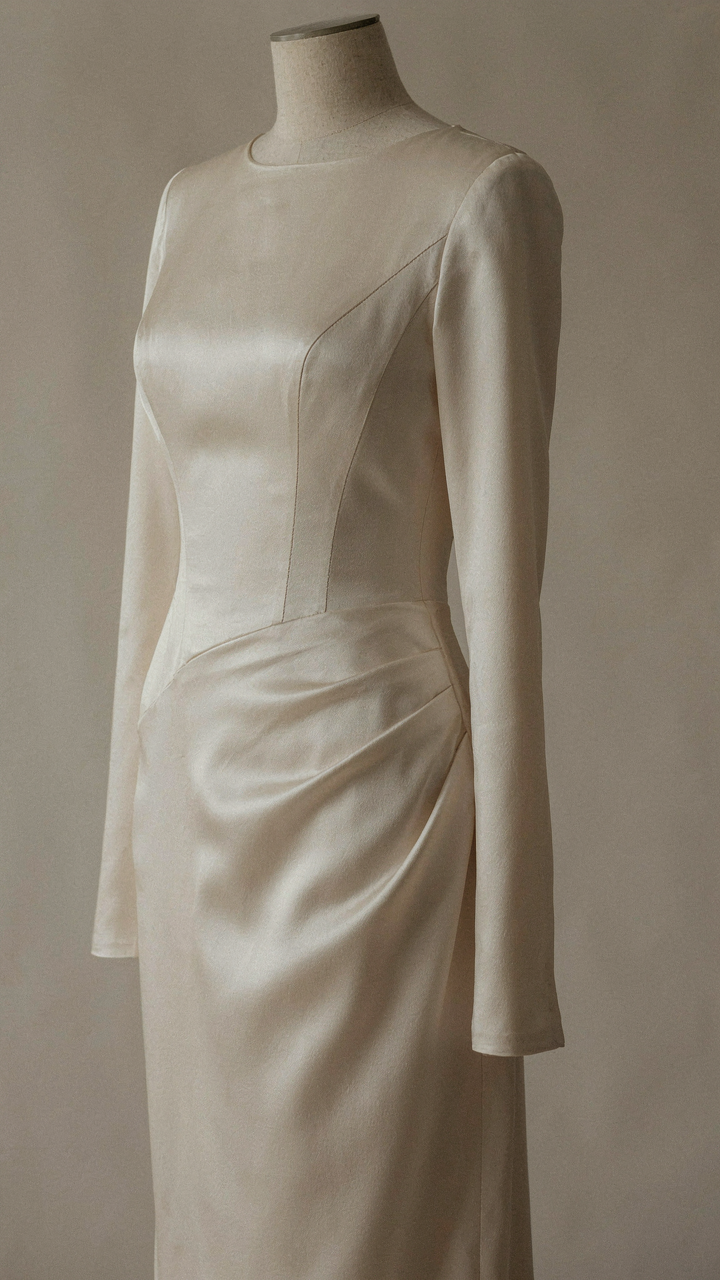
Architectural Lines That Actually Work
You want to look intentional, not like you’re hiding. That’s the real driver here. The mechanism is simple: structured silhouettes use geometry to redirect the eye and create definition where your body has none right now. This isn’t about concealment. It’s about control through form. Empire waists, strategic seaming, and princess cuts work because they establish visual hierarchy. Your eye lands on line, not mass.

Forget what you’ve heard about A-line dresses being the only option for pregnant bodies. A-lines scatter attention and often read as passive. Fit-and-flare cuts with defined waistlines at the empire point create actual shape. Wrap dresses with structured panels do the same. The key is seaming that runs vertical or from a defined point outward. This creates optical compression without compression itself. Vertical lines make silhouettes read as taller and narrower because human eyes follow them naturally.
Strategic Ruching And Draping That Holds
Ruching isn’t decoration. It’s directional weight distribution. Ruched fabrics create texture that breaks up flat expanses and channels light unevenly. This prevents your entire midsection from reading as one continuous curve. Side ruching specifically works because it creates asymmetry, and asymmetry always looks more intentional than symmetry.
Draping functions differently. Good draping follows gravity while creating folds that compress visually and flow in a way that suggests movement rather than bulk. Ruching at the sides paired with smooth fabric at the front creates a false sense of flatness without actually being flat. The wedding context matters here: fabric that moves slightly in ambient air looks more deliberate than static fabric. Ask your tailor or alterations specialist to add ruching specifically at the side seams, not across the back, where it photographs poorly. This single placement decision determines whether the dress reads as styled or as struggling.
The Comfort Illusion: Why “Comfort” Often Leads To Frump
Oversized Garments Destroy Your Silhouette
You want to feel invisible at this wedding because you’re afraid of being the center of attention for the wrong reason. The trap is real: pregnant people are sold the lie that bigger fabric equals comfort, when the actual mechanism is the opposite. Oversized garments don’t hide pregnancy. They erase your shape entirely, creating bulk where definition existed. You look heavier, not safer. The fabric pools and bunches where it shouldn’t, drawing the exact eye you were trying to avoid.

The standard recommendation to “size up two or three sizes” is incomplete guidance born from lazy retail thinking. What matters is not the total volume of fabric but how fabric relates to your actual body geography right now. A dress cut for pregnancy sits where your belly is, not where a non-pregnant person’s belly would be. That’s the difference between looking pregnant and looking like you swallowed the dress. Fit, not size, determines whether people see you or see fabric.
Engineered Stretch Maintains Shape
Textile engineering gives us a real tool here: spandex or elastane creates what engineers call “elastic recovery,” meaning fabric returns to its original form after stretching instead of sagging. Apply this principle: a dress with engineered stretch built into the weave holds your body’s contours even as your body changes. This is not the same as a stretchy fabric that simply expands. The material fights back, supporting you rather than draping loosely around you.
Engineered stretch fabrics cost more for a reason. The fiber blends are designed to handle pregnancy’s specific demands: forward expansion, increased water retention, skin sensitivity. A 95% polyester, 5% spandex blend performs differently than 85% polyester, 15% spandex. The higher spandex ratio maintains structure longer and bounces back faster. When selecting a pregnant wedding guest dress, check the fiber content tag. If it’s pure cotton or linen, it will sag. If it’s engineered stretch, it will hold your shape for eight hours straight.
The Accessory Amplifier: Elevating Simple Maternity Wedding Guest Outfit
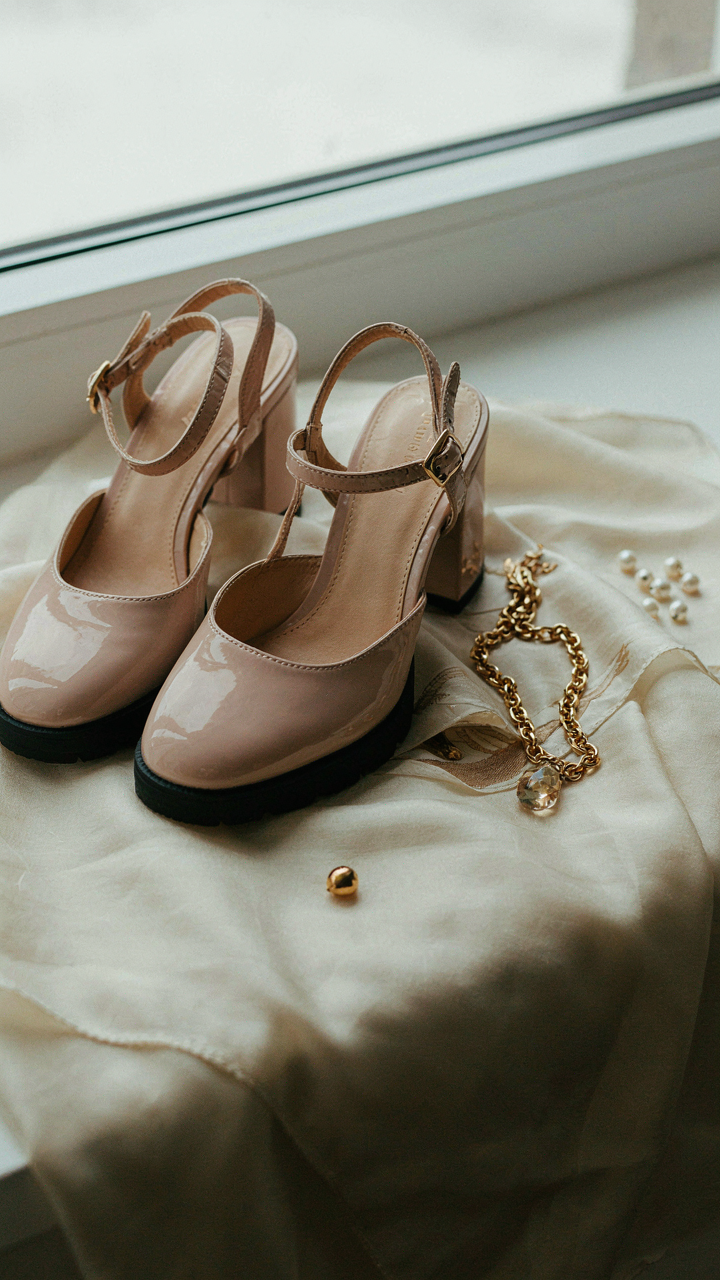
Statement Jewelry And Strategic Scarves
You want accessories to do the work so you don’t have to think about your body changing. Here’s the actual mechanism: jewelry functions like a visual anchor point. Your eye moves to it first, not to silhouette. A chunky necklace, bold earrings, or layered bracelets creates a focal point above the bump. This isn’t decoration. It’s directional control of attention.

Scarves operate differently. A silk scarf draped across the chest or tied at the neck breaks up the vertical line of a simple dress. The fabric movement adds visual complexity that distracts from fit issues. Wrap one around your shoulders for coverage without adding bulk. The key is choosing pieces in colors that contrast with your dress, not match it. Contrast forces the eye to land on the accessory first.
Footwear For Support And Style
Pregnancy changes your center of gravity and swells your feet. Generic advice says “wear flats” and calls it a day. Wrong. The real issue is that your arch flattens and your weight shifts forward. You need shoes with actual arch support, not just comfort claims. A shoe without structure will leave you hobbling by cocktail hour.
- Supportive metallic flats: Gold or silver flats with cushioned insoles and firm heel counters provide stability while matching formal wear. Avoid completely flat ballet-style options that offer zero arch support.
- Wedges with ankle support: A 1.5 to 2-inch wedge distributes weight evenly across your foot, easier on joints than heels. Look for closed-back styles with padding.
- Dressy loafers or pointed ballet flats with ortho inserts: Slip an aftermarket orthotic insert into any formal flat to add arch support without changing the shoe’s appearance.
- Embellished sandals with structured soles: Formal sandals with beading or metallic details offer breathability and visual interest while maintaining the support of a firm sole and adjustable straps.
- Low block heels with rubber soles: A 1-inch block heel with a rubber sole grip prevents slipping on polished floors and reduces strain compared to thin heels.
Bring a second pair of shoes to change into after the ceremony. Your feet will thank you, and you’ll actually enjoy the reception instead of managing pain. Start wearing your chosen shoes now during normal activities to break them in and confirm they work for three hours of standing.
The Pre Emptive Strike: Planning Your Pregnancy Outfits Strategy
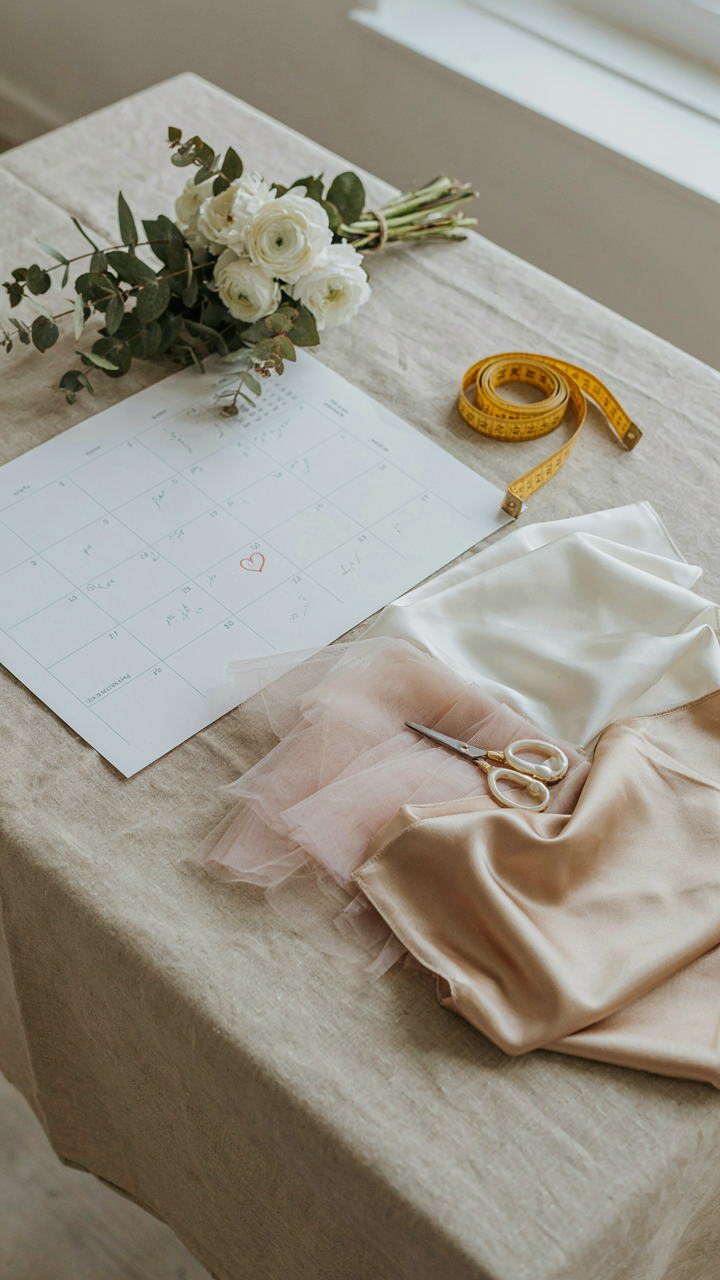
Shop Early, Not Last Minute
You want to avoid looking like you scrambled. That’s the real fear here. The mechanism is simple: your body changes week to week during pregnancy, so shopping in your second trimester gives you a stable window to find pieces that fit now and have room to grow. Buying at seven months pregnant means you’re guessing at your final size and running out of tailoring time. Start shopping between weeks 16 and 22 when most women have stabilized in their pregnancy weight and still have visibility into their third trimester silhouette.

The practical timeline works like this: identify the wedding date, count back sixteen weeks, and begin your search then. This gives you four to five months to try things on, order replacements if needed, and handle any alterations without rush fees. Most seamstresses charge premium rates for expedited work. You’re also shopping during seasons when the dress actually exists in inventory rather than hunting clearance racks in desperation.
Alterations Are Not A Luxury, They’re Engineering
Everyone says get alterations done. Nobody says why it actually matters for a pregnant body. Think of alterations as load distribution, a mechanical engineering term. Where a regular guest needs hemming and seam adjustments, a pregnant wearer needs strategic fabric placement to accommodate shifting weight and changing proportions. Darts, panels, and strategic let-outs prevent strain on seams and distribute fabric tension across the garment, not just at stress points like the belly or back.
Budget for alterations the moment you buy the dress. A good seamstress can add panels to empire waists, adjust side seams to grow with you, or create subtle expansion zones that don’t scream “maternity.” This costs between 50 and 150 dollars depending on complexity, but it’s the difference between a dress that fits for one hour and one that functions across your entire pregnancy. Get the alterations done by week six before the wedding, not the week of.
Decoding Dress Codes: From Black Tie To Bohemian Bump Friendly
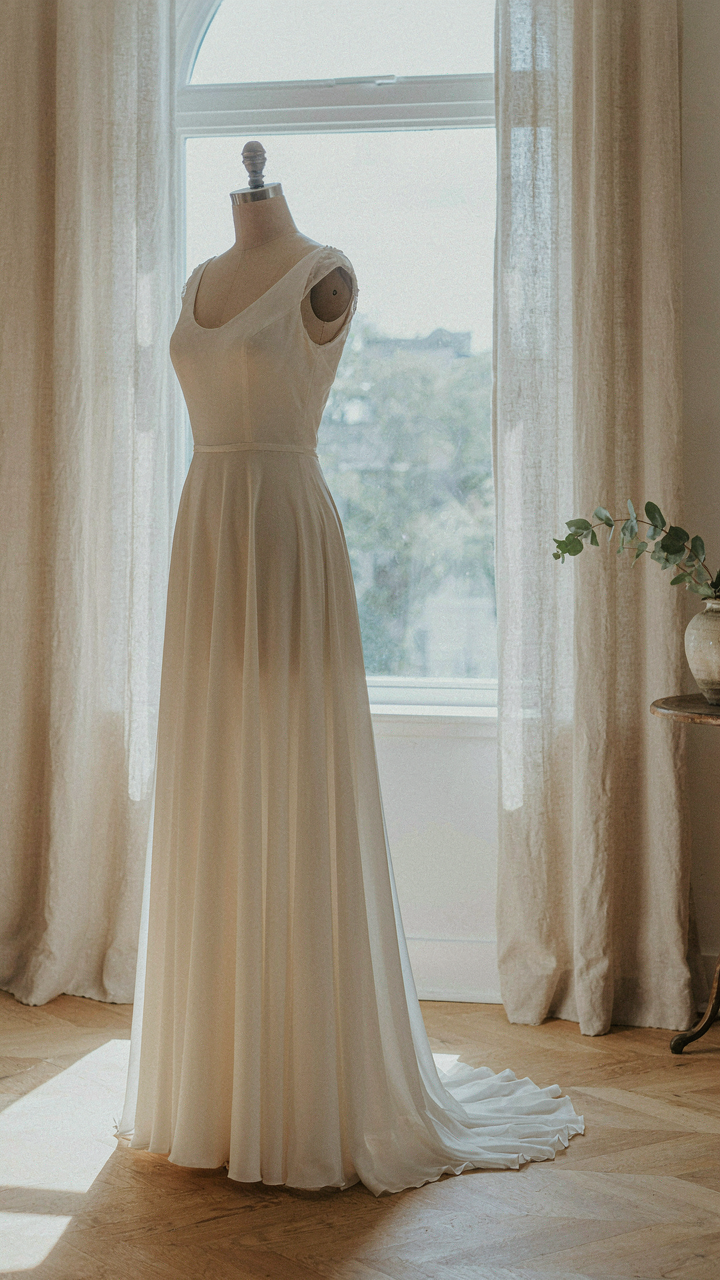
Formal Events Demand Strategic Fabric Choice
You’re worried the dress code will expose you as the pregnant guest who didn’t try hard enough. The real mechanism: formal events operate on visibility and line. Long, flowing silhouettes work because they create unbroken vertical lines that elongate your frame. This isn’t about hiding your pregnancy—it’s about controlling how light and fabric movement direct the eye. Fluid fabrics like chiffon, crepe, and jersey drape without clinging, which formal settings actually require.

Avoid stiff materials that bunch or create horizontal breaks across your torso. Empire waists and wrap necklines aren’t shortcuts; they’re structural solutions that anchor the garment above or at your widest point, then release downward. Floor-length dresses in neutral tones or jewel colors read formal because they follow the constraint of the dress code, not because of ornamentation. The dress code itself becomes your framework: work within it by choosing fabrics that respond to movement rather than fight it.
Casual Venues Need Proportion, Not Perfection
Casual dress codes trick pregnant guests into thinking rules don’t apply. They do, just differently: casual still requires intentional proportion. Maxi dresses work because they create the same vertical line as formal wear, but in relaxed fabrics like cotton blends, linen, and knit materials. Smart separates—high-waisted pants or skirts paired with fitted tops—establish clear separation between sections of your body, which casual events actually reward more than formal ones do.
The leverage in casual events is specificity. Your separates need defined seams, visible waistbands, or distinct color blocking to read intentional rather than thrown-together. Layered pieces work strategically: an open cardigan or linen shirt over a fitted maternity tank creates visual structure that reads polished, not pregnant and resigned. Choose one focal point per outfit—bold pattern, statement neckline, or distinctive fabric—then keep the rest neutral. This keeps the eye moving and prevents the eye from settling on your midsection.
The Confidence Code: How Mindset Outshines Fabric
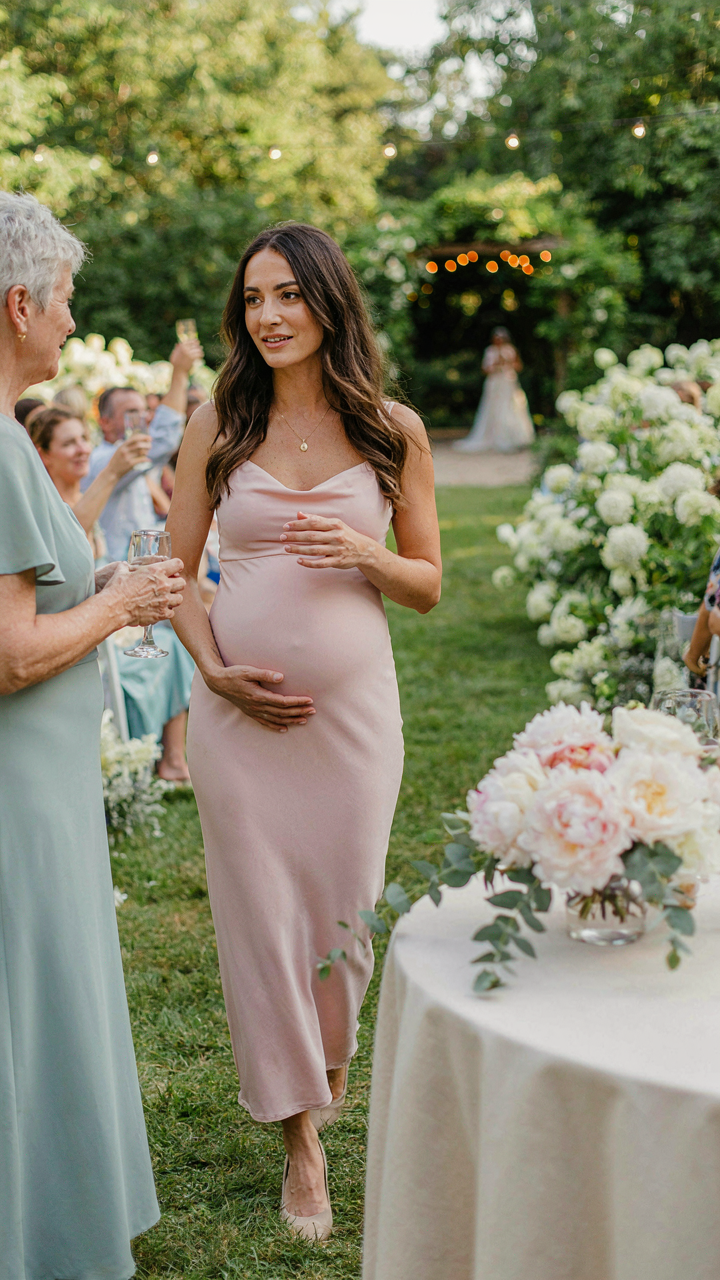
Stop Hiding, Start Showing
You’re worried people are judging your body instead of celebrating the marriage. That’s the real fear beneath all the dress shopping. Here’s the mechanism: confidence isn’t about hiding your pregnant body under layers and strategic draping. It’s about deciding what you’re communicating with your presence before you pick fabric. The dress becomes irrelevant the moment you settle the internal negotiation.

Pregnancy reshapes how you occupy space. Most pregnant wedding guests respond by contracting, choosing clothes that minimize visibility. This backfires. The smaller you try to make yourself, the louder your discomfort reads to everyone in the room. They don’t notice the bump. They notice you apologizing for existing in it. Owning your pregnant body means wearing something that lets you move naturally, sit comfortably, and forget about the fit during the ceremony. That’s what changes the actual dynamic.
The Room Remembers Presence, Not Perfection
Physics recognizes that matter occupies space and exerts force through presence alone. Apply this to social dynamics: your presence at a wedding has gravitational weight, regardless of what you’re wearing. People absorb whether you’re genuinely there or mentally distracted by your appearance. Authentic presence dissolves the performance of “looking right.”
The common advice is to choose dress styles that flatter and blend. Wrong. You’re not trying to blend. You’re trying to participate. A pregnant wedding guest who sits up straight, engages in conversations, and moves through the reception without checking her reflection commands more authority than a non-pregnant guest hunched over her phone. One deliberate choice: before the wedding, decide you’re there to experience the event, not to manage perception. Then wear the dress that supports that decision. The confidence reads first. Everything else follows.
The Real Obstacle Isn’t Finding The Right Dress; It’s Understanding That True Confidence Is The Ultimate Accessory
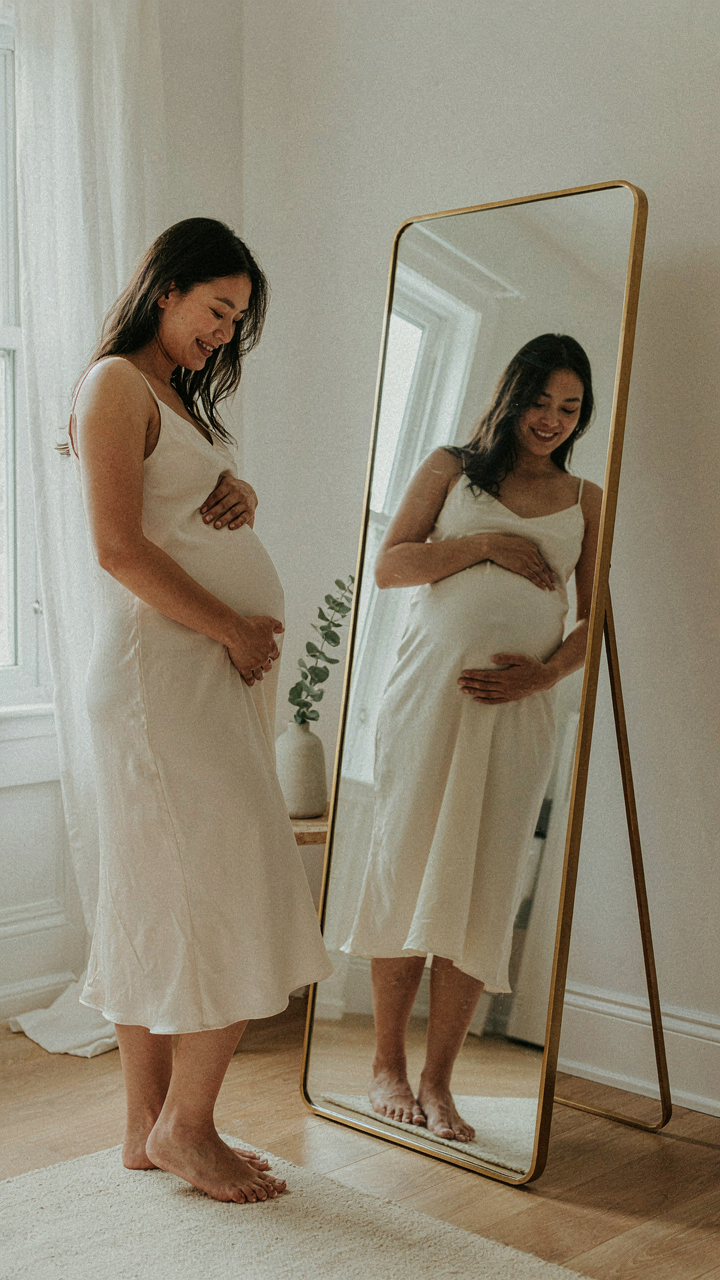
You already know what looks good on you. Stop pretending you don’t. The pregnant wedding guest dress doesn’t exist until you decide it does. Buy one thing today that makes you feel like yourself, not like you’re hiding. That’s it. Confidence doesn’t hide. It occupies space.