

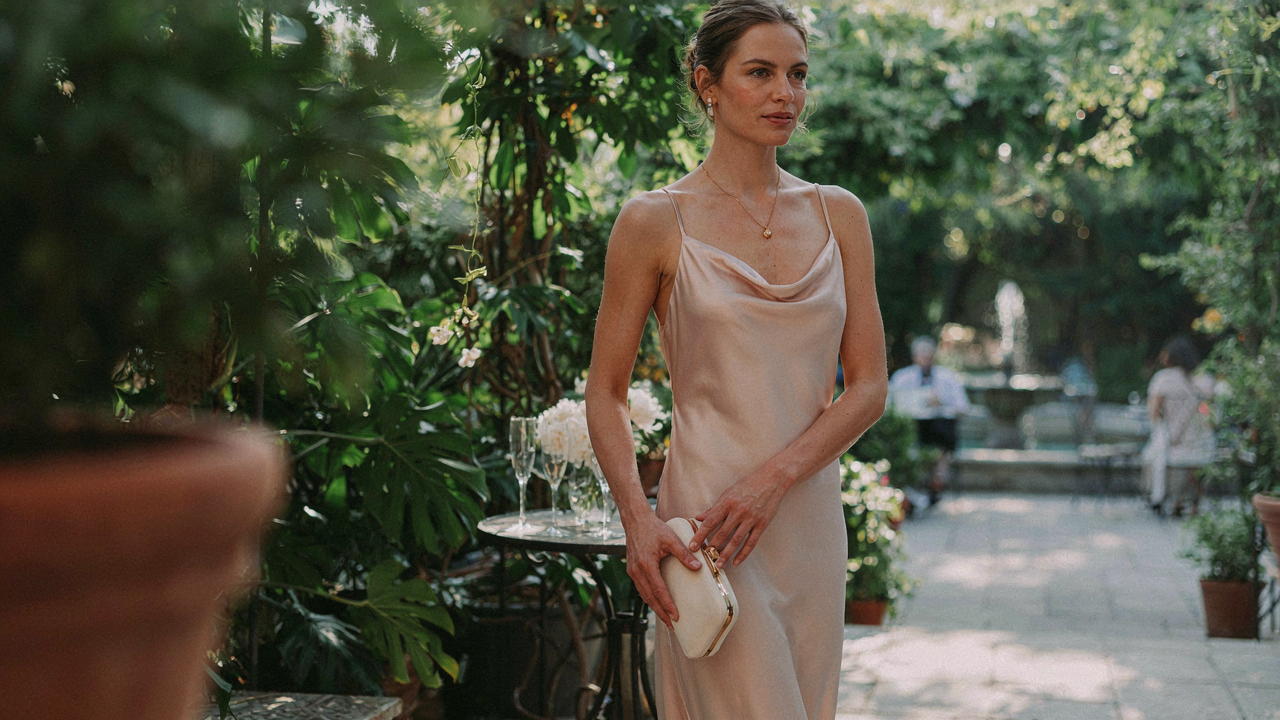
The “Dressy Casual” Delusion: Why Most Guests Miss The Mark
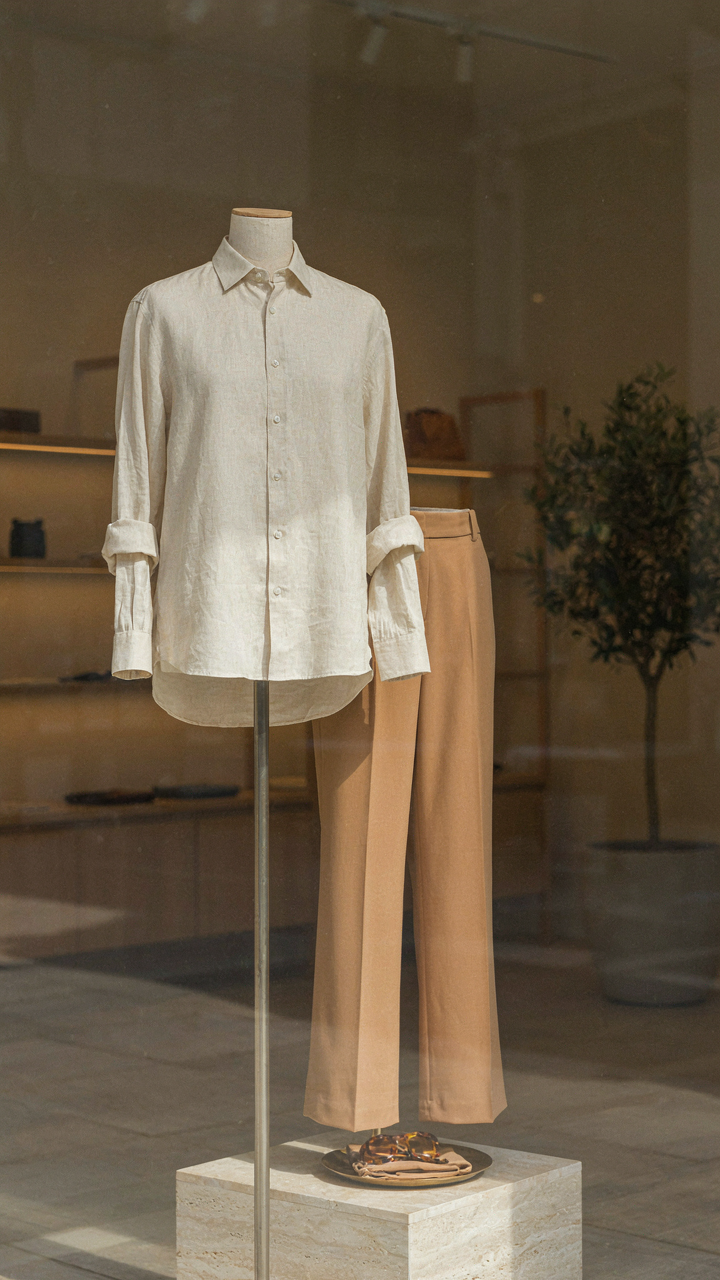
What Dressy Casual Actually Means
You’re worried you’ll look underdressed and get quietly judged, so you’re searching for permission to split the difference between formal and relaxed. Here’s the mechanism: “dressy casual” isn’t a style—it’s a constraint. Wedding brunches sit between black-tie events and weekend errands. You need clothes that signal intentionality without the rigidity of a suit jacket or the carelessness of weekend wear. Most people interpret this as business casual with slightly nicer shoes, which is precisely wrong.
The real move is understanding that brunch happens during daylight, indoors or on a patio, and the couple chose it specifically to lower formality. This changes the fabric weight, color palette, and silhouette rules that apply at evening weddings. Your outfit should feel composed, not assembled. That distinction lives in fabric choice, fit precision, and the absence of contradiction between pieces. Don’t think “dressed up casual.” Think “casual that respects the occasion.”
The Uniformity Trap
The bad advice is simple: wear neutral colors and a blazer over anything and you’ll look fine. That’s how you become invisible. Most guests choose beige, gray, or navy in safe, forgettable cuts because fear pushes toward blandness. The mechanism here borrows from visual hierarchy: everything fights for attention, so nothing gets it. You show up looking like every other guest trying not to stand out, which paradoxically makes you stand out for the wrong reason—as someone trying too hard to not try hard.
The actual problem isn’t the neutrals themselves. It’s pairing them with clothes that have zero personality or fit. A perfectly tailored cream linen shirt paired with high-waisted trousers reads intentional. That same shirt in a generic fit with shapeless pants reads like you grabbed whatever was clean. One detail—a structured fit, a deliberate texture mismatch, a single strong color—changes whether your outfit says “I considered this” or “I defaulted to this.” Start by picking one element that isn’t beige, then build around it.
The “Chic Deviation” Protocol: Mastering The Art Of Calculated Subversion
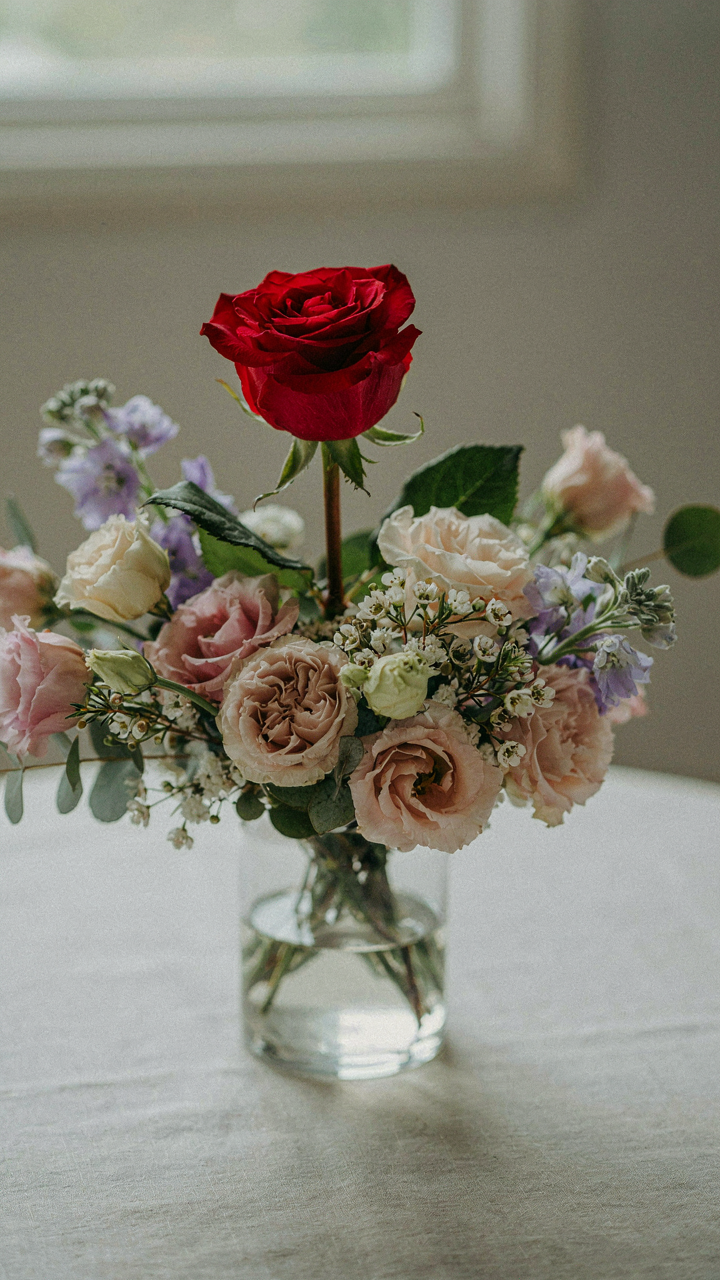
What Everyone Gets Wrong About The Dress Code
You care about this because you don’t want to look like you tried too hard or missed the mark entirely. The real mechanism is contrast. Wedding brunch dress codes exist on a spectrum, and most guests cluster in the middle—safe, forgettable, interchangeable. The ones who stand out aren’t breaking the code. They’re identifying where the consensus sits, then moving one deliberate step away from it. Deviation works because it reads as intentional, not reckless. You’re not ignoring the occasion. You’re acknowledging it while refusing to disappear into it.

The common advice says to “split the difference between casual and formal.” That’s lazy. What you actually need to do is pick one element of the dress code—fabric, silhouette, or color temperature—and shift it strategically. If the brunch leans business casual, elevate the fabric but keep the cut relaxed. If it’s semiformal, introduce texture instead of adding layers. The goal is to occupy a visible position within the acceptable range, not to step outside it. Your outfit becomes a calculation, not a guess.
How Single Details Compound Into Presence
One piece change does almost nothing. Two pieces change begin to register. Three pieces change create a recognizable silhouette that reads different even from across a room. Think of this like contrast ratio in design—you’re not changing the entire palette, you’re shifting the relationship between elements to create visual separation. A silk blouse with structured trousers reads different than cotton with the same trousers. Swap the trousers for linen, and the whole outfit shifts again. Each change is small. Together, they compound into something that looks intentional and cohesive.
The mechanism is accumulation. You don’t need to overthink individual choices. You need to stack them so they reinforce one direction. If you choose a richer fabric, pair it with a cleaner silhouette. If you choose an unusual color, keep the cut traditional. If you choose a looser fit, anchor it with structured accessories. The outfit doesn’t scream. It reads. That’s how you stand out in a room full of people who all read the same memo and dressed inside the same box.
Beyond Dresses: Crafting An Unconventional Brunch Wedding Ensemble
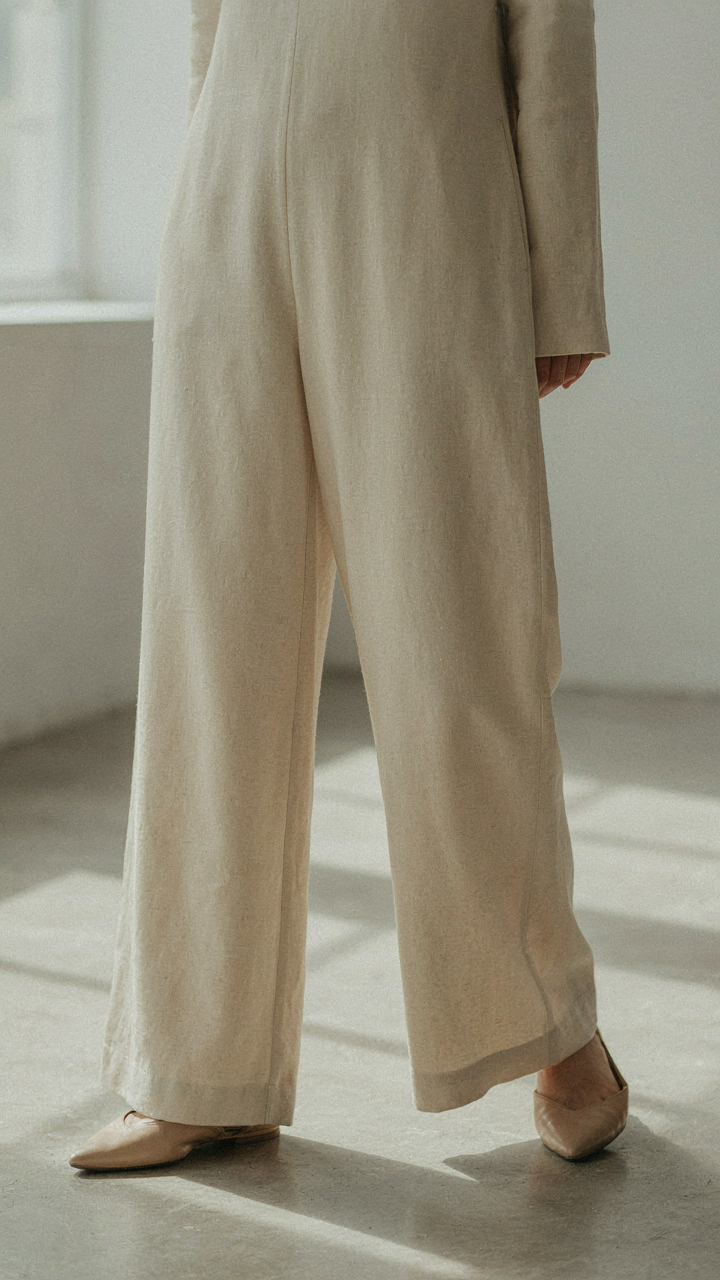
The Jumpsuit Advantage
You want permission to stand out without looking like you’re trying too hard. Here’s the mechanism: a jumpsuit collapses the mental distance between “formal” and “relaxed” in a single garment. Dress codes evolved from military rank systems where fabric weight and coverage signaled authority. A jumpsuit hijacks that same signal—it reads structured and intentional without the predictability of a dress. The cut matters. Wide legs ground the piece in casualness. Tailored fit keeps it from feeling like pajamas. Choose neutral tones or subtle patterns for a brunch setting where you’re a guest, not the event.

The fabric choice determines how the jumpsuit lands. Linen blends wrinkle authentically and breathe in warm months, signaling comfort and control simultaneously. Cotton-poly blends hold their shape through the meal. Avoid anything that bunches at the waist or pulls across the shoulders. A fitted jumpsuit worn with pointed flats or minimal sandals reads intentional. Add a structured blazer if the dress code skews formal. The jumpsuit itself is the statement, so keep accessories minimal and let the cut do the work.
Separates Over Matching Sets
The conventional advice here is dead wrong. Mismatched separates don’t mean you couldn’t afford a set—they mean you understand proportion and movement. A skirt and top combination lets you recalibrate based on venue and season in ways a dress never will. You control the silhouette in real time. Pair a midi skirt with a tucked blouse for deliberate formality, or untuck it and shift to dressy casual instantly. The mechanism is flexibility disguised as intentional design.
A-line skirts in structured fabrics pair with fitted tops for balance. High-waisted cuts elongate and ground the look without requiring a belt. Linen midi skirts pair with silk or cotton blouses tucked at the front only for movement and visual interest. Keep the color story cohesive—neutrals, complementary tones, or a single pop of color in the skirt—and let the pieces do their job separately rather than as a costume unit.
Color Theory For The Unconventional Brunch Outfit
How Fabric Changes What People See
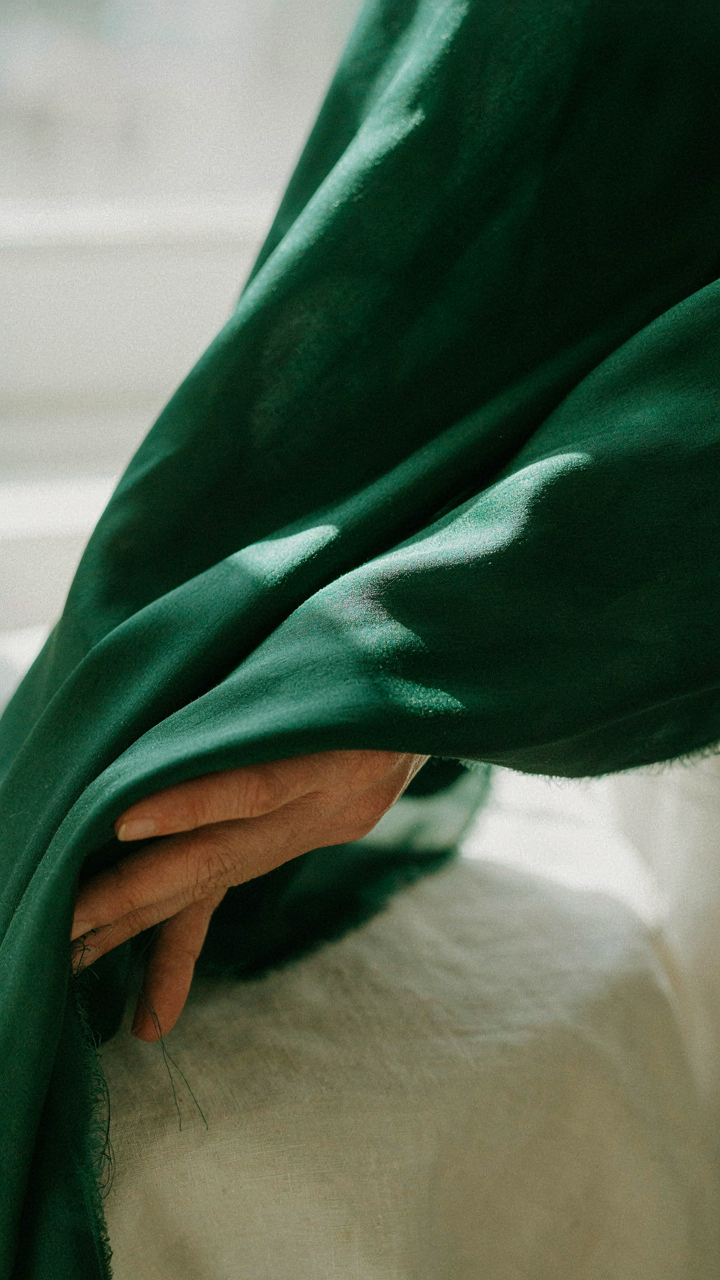
You want to look expensive without trying too hard. The mechanism is simple: light doesn’t behave the same across all materials. Physics dictates that matte fabrics absorb light while glossy surfaces reflect it. A cotton blend reads as flat and safe. Silk or linen catches light differently, making the same color appear richer and more intentional. The fabric choice controls how your color lands before anyone consciously registers it.

Brunch crowds sit in natural morning light, usually indoors near windows. This matters because matte finishes flatten colors under inconsistent illumination, while structured weaves create dimension. Linen holds its color integrity in variable light. Cotton can look washed out depending on angle and time of day. Choose fabric first, then color, because the material determines whether your shade reads as deliberate or accidental.
Signal Through Color Choice
Biology uses the term aposematism to describe warning signals in nature, and color selection in brunch outfits works the same way: you’re broadcasting your social positioning through deliberate contrast. Most people wear safe palettes because they fear standing out. The real move is controlled visibility, not invisibility. A saturated jewel tone on structured linen signals intention. Muted or neutral tones on cheap fabric signal cost-cutting.
The unconventional play is pairing unexpected colors with expensive-looking fabrics. Deep emerald or rust on high-quality linen reads as curated, not reckless. Your color choice must align with fabric weight and finish, or the signal breaks. When both elements work together, observers read confidence. When they conflict, they read indecision. Match your color intensity to your fabric’s reflective quality and you control how people interpret your outfit.
Texture As A Silent Statement: Elevating Your After Wedding Brunch Outfit
Unexpected Fabrics That Add Depth And Luxury
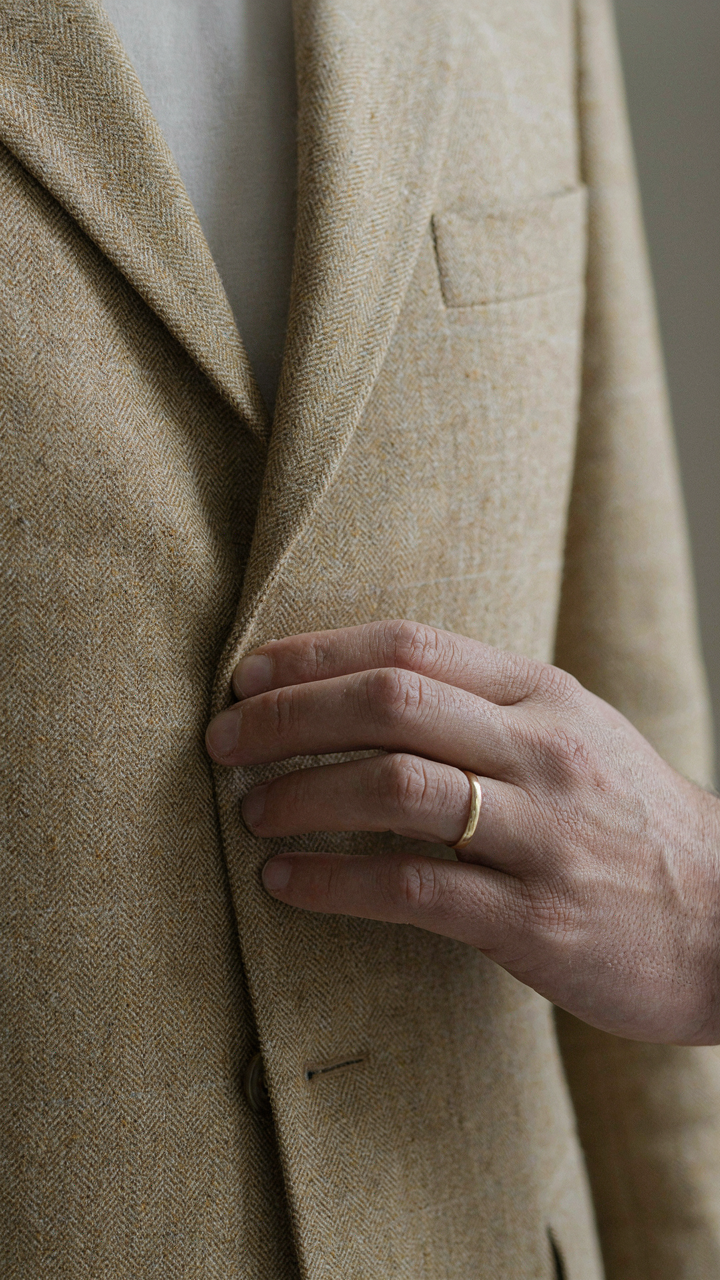
You want people to notice you worked harder than everyone else without looking like you tried. Texture does that work. When fabric has visible weave, sheen variance, or surface dimension, it triggers the eye to spend more processing power on what you’re wearing. Linen, cotton jacquard, corduroy, and silk blends all create this effect. The mechanism is simple: smooth fabrics disappear into the background. Textured ones demand attention because they interact with light differently across their surface.

Most guests show up in flat cotton or polyester blends. A textured blazer in a neutral tone reads as intentional without reading as costume. Linen shirts wrinkle in ways that feel deliberate and expensive if the overall fit is sharp. Texture compensates for a simpler color palette. If your outfit is navy, cream, and tan, the weave patterns keep it from feeling flat or boring. This is the fastest way to signal you understand proportion and composition.
Mixing Textures For A Sophisticated, Tactile Appeal
Combining two different textures in one outfit requires a deliberate rule or it collapses into visual chaos. Think of it like acoustics: conflicting frequencies create noise, but complementary frequencies create harmony. A smooth silk camisole under a structured linen blazer works because one texture is directional and one is organic. A smooth pant with a ribbed knit works for the same reason. The pairing needs contrast, not competition.
Texture combinations fail when both fabrics are trying to do the same job. Two heavy, nubby pieces clash. Two smooth, reflective pieces feel costume-like. Pair rough with smooth, matte with subtle sheen, structured weave with fluid drape. The outfit reads as considered because the textures actually serve different functions. Button a textured blazer over a smooth shell. Layer a flat silk blouse under a jacquard vest. This creates visual rhythm and proves you understand how pieces interact.
The Celebrity Secret: Accessories That Transform Generic To Glamorous
Statement Jewelry And Footwear For Instant Elevation
You want people to notice you without looking like you tried too hard. That’s the real tension here, and it’s why most guests default to boring. The mechanism is simple: jewelry and shoes operate on contrast. When your base outfit is neutral or muted, one bold piece rewires how the entire look reads. It signals intention without screaming.

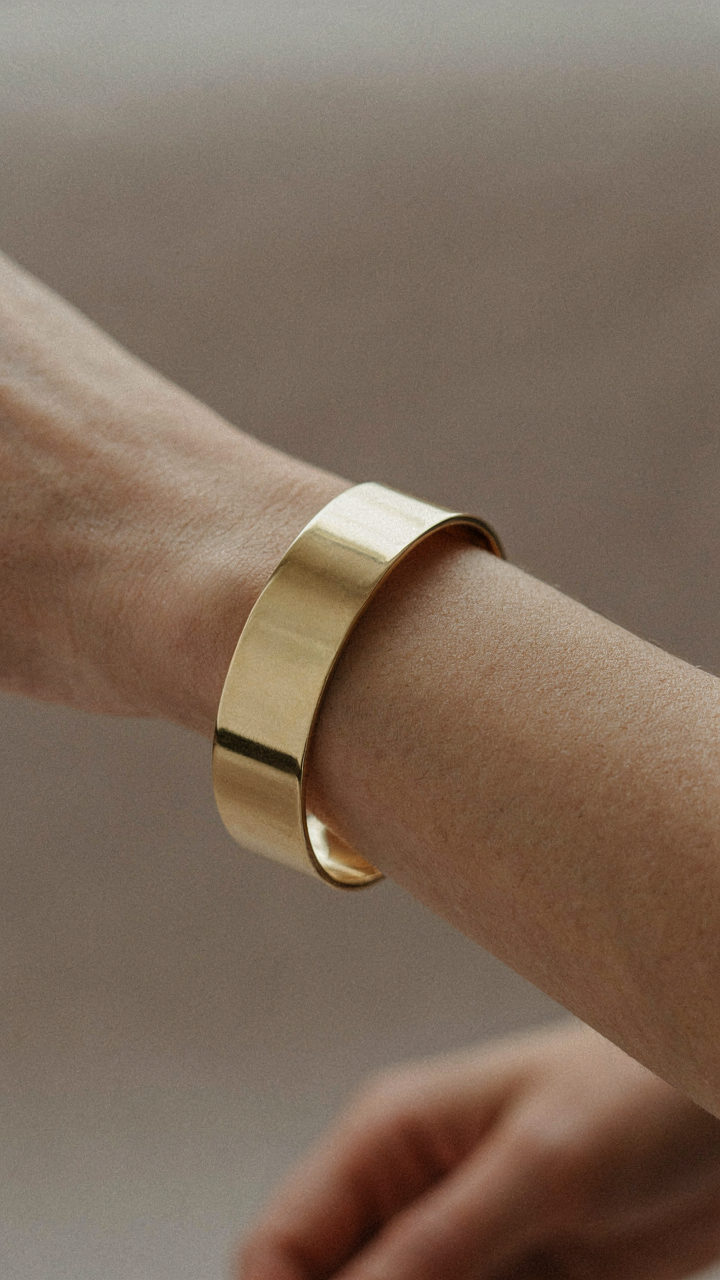
This is not about stacking every piece you own. Pick one focal point. A structured gold cuff or chandelier earrings work because they demand attention while staying appropriate for daytime. Footwear matters equally. A metallic heel, a structured pump in an unexpected color, or even a polished flat with detail shifts your entire silhouette upward.
- Structured Gold Or Silver Cuff Bracelets: Wide cuffs catch light and ground an outfit. Wear alone or stacked with one thin band. Metals stay visible and create geometry that plain bracelets cannot.
- Statement Chandelier Or Drop Earrings: These create vertical movement and draw the eye upward. Choose ones that complement your face shape. They work on bare shoulders or partially hidden under hair.
- Metallic Block Heel Or Pointed Pump: A gold, silver, or champagne heel elevates casual fabrics instantly. Block heels work better for brunch comfort than thin stilettos. Pointed toes extend the leg line further than round toes.
- Pearl Or Gemstone Cocktail Ring: A larger ring on one hand creates a focal point. Pearls read classic and formal. Colored stones like emerald or sapphire add personality without being costume-like.
- Structured Leather Sandal With Hardware: Flat sandals with metal buckles or chain details replace casual flip-flops. They maintain dressy casual balance and photograph well in natural light.
The real win comes from restraint. Celebrities wear bold accessories because they remove everything else. Your base stays simple. Your shoes stay controlled. One piece becomes the conversation, and that piece tells people you understand proportion.
Bags And Headwear That Complete A Truly Chic Mode Inspiration
The mistake most people make is treating the bag as an afterthought. It’s not. A bag either anchors the look or undermines it. For wedding brunch, size matters more than you think. You need enough room for phone and wallet, but a oversized tote reads casual. A structured clutch or a medium shoulder bag in leather keeps things elevated. Skip novelty shapes and fabrics. Stick to real materials. Leather ages well and photographs with depth that synthetics cannot match.
Headwear shifts the entire energy. A fascinator or fascinator-adjacent piece feels forced at brunch. Instead, consider a structured hat if the wedding culture supports it, or skip it entirely. Wide-brimmed hats work outdoors but can overwhelm indoor spaces. If you choose headwear, commit fully to the silhouette and ensure it complements your jewelry, not competes with it. The bag and hat should whisper the same design language as your jewelry, which means they follow the same color and metal logic you established in your primary pieces.
Weathering The Brunch: Practicality Meets Undeniable Style
The Layering Game
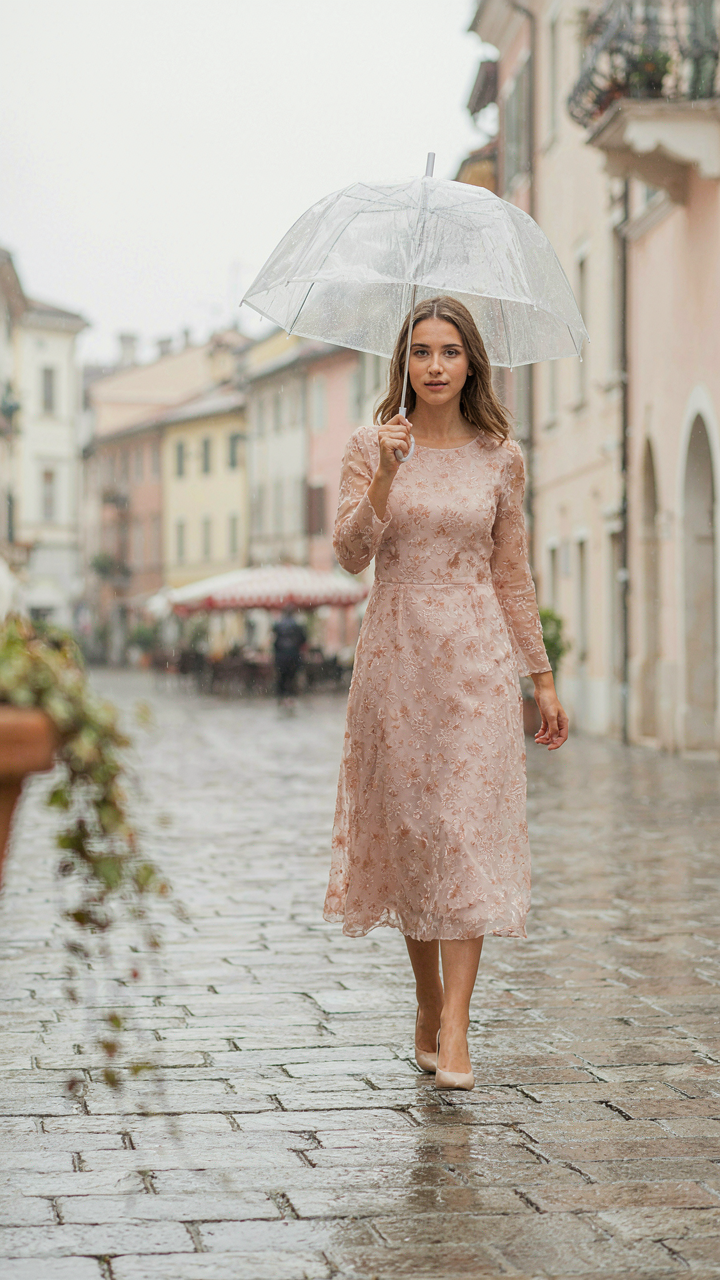
You’re worried about looking underdressed or overheated, which means you’re actually worried about losing control of your appearance midway through the event. The real mechanism is thermal regulation through strategic fabric weight and removal points. Think of layering like systems redundancy in engineering: each layer serves a specific function and can be deployed or removed without compromising the overall structure.

A lightweight blazer or structured cardigan works as your control valve. Wear it unbuttoned over your base outfit so you can shed it if the venue warms up without signaling discomfort. The fabric matters more than the garment type. Linen and cotton blends breathe faster than wool. Silk linings in a jacket also regulate temperature better than cotton, since silk doesn’t absorb moisture the way cotton does. Start with your base outfit, add the layer, assess the room temperature after ten minutes, then commit to keeping it on or removing it entirely. Half-measures look uncertain.
Shoes That Won’t Betray You
The common advice here is backwards. You don’t choose footwear based on “comfort versus style” as if they’re opposing forces. You choose based on surface conditions and duration. A wedding brunch typically lasts two to three hours on a single floor. Most venues have climate-controlled interiors with predictable flooring: polished concrete, tile, or wood. This changes everything about what works.
Pointed-toe flats or loafers handle polished surfaces without slipping and let you walk naturally without adjustment. Avoid thin soles on hard flooring because impact travels up your legs and creates visible tension in your posture by hour two. Heels work fine if they’re block or wedge style and the heel sits at least two inches. Thin heels register as precarious even when they’re stable, which undermines the entire outfit’s credibility. Test your footwear on a similar surface for five minutes before the event. If you shift your weight or adjust your stance, those shoes don’t work.
The Investment Mindset: Curating A Capsule Of Power Pieces
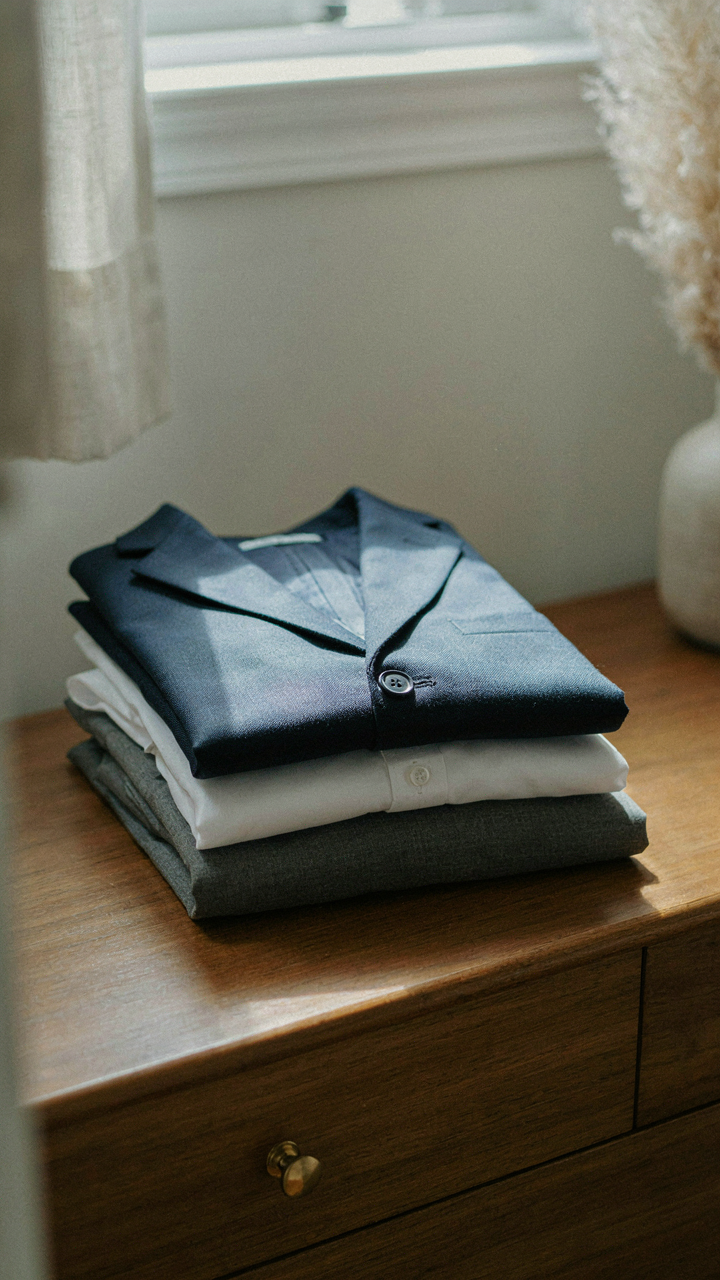
Pieces That Work Across Multiple Events
You want permission to spend money on clothes without feeling wasteful. Here’s the mechanism: a piece only costs money once, but it generates value every time you wear it. The math is simple but most people ignore it. A blazer worn to five weddings, two client dinners, and three brunches costs less per wear than a disposable trend piece worn twice. Dressy casual wedding brunches demand neutrals and structure—the exact same qualities that anchor a professional wardrobe. Invest in a tailored blazer in navy or charcoal, well-fitted trousers, and a cream or white button-up. These pieces survive context shifts because they solve a consistent problem: looking intentional without overdressing.

The fabric choice matters more than the brand. Natural fibers—cotton blends, wool, linen—age well and maintain their shape through repeated wear and cleaning. Synthetic fabrics pill, stretch out, and look cheap faster. A fifty-dollar blazer in a cheap poly blend costs more than a hundred-dollar one in wool when you factor in replacement cycles. Buy pieces that fit your actual proportions, not aspirational sizing. Tailoring costs thirty to fifty dollars and transforms a mediocre fit into one that reads expensive. This isn’t luxury psychology—it’s cost per wear math.
Building A Wardrobe For Repeated High Stakes Moments
Wedding brunches aren’t one-off events for most people. You’ll attend multiple. The real advantage goes to someone with a rotation of outfit foundations already built, not someone scrambling to assemble something new each time. Think in terms of economics and supply chains: you’re building inventory. Your inventory consists of base layers that mix and match, not standalone outfits. Three pairs of trousers in neutral tones, two blazers, four shirts, two pairs of shoes—that’s your supply. From those components, you generate fifteen different combinations that all read as intentional and dressy casual.
The compounding effect starts after your third event. By your fifth wedding brunch, you’ve worn pieces multiple times and know their real value. You’ve identified which pieces feel confident on your body, which ones need tailoring, which shoes actually stay comfortable for six hours. You stop making emotional purchases based on magazine spreads. You make systematic replacements when something wears out. Your cost per event drops dramatically because you’re maintaining an existing system, not building from scratch each time. Track what you actually wear and when. After three events, discard anything you didn’t reach for.
Stop Chasing Appropriate And Start Demanding Unforgettable
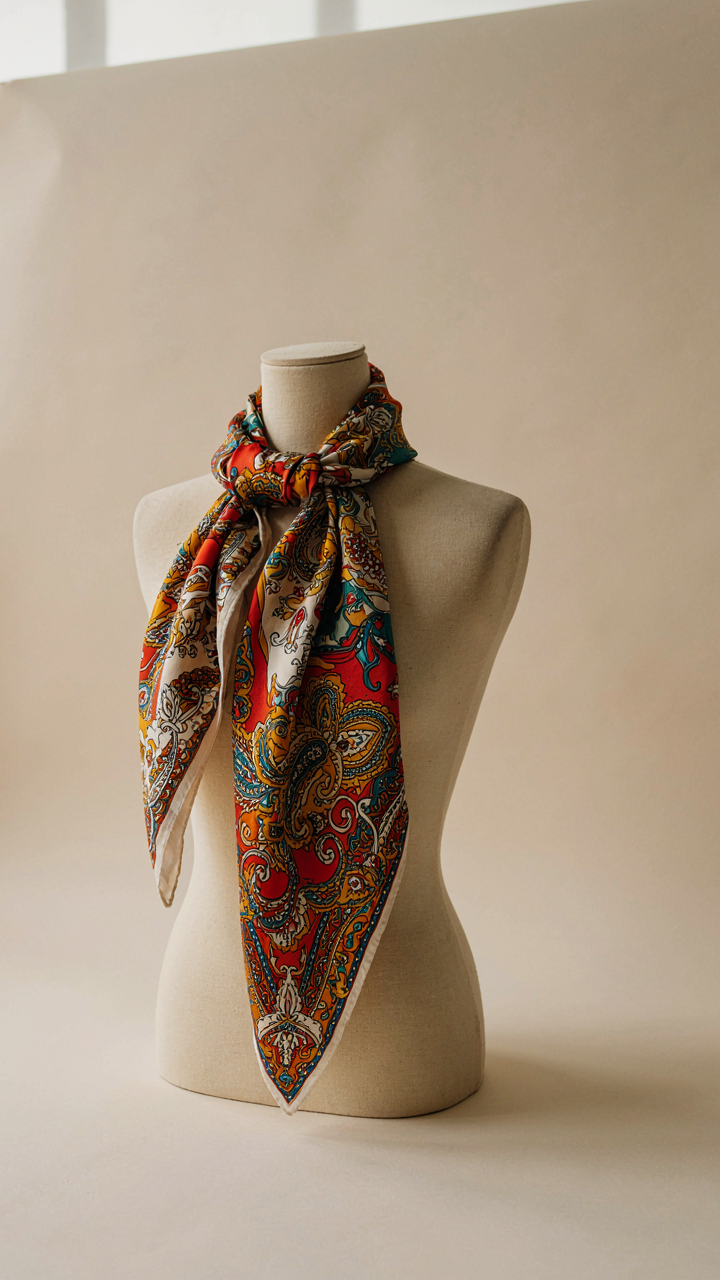
Most guests wear a wedding brunch outfit designed by committee consensus. They pick what won’t offend anyone and vanish into the crowd. You already know this trap. The real move is flipping the equation: build an outfit around what makes you feel alive, then dress it down just enough to fit the setting. Pull one statement piece from your closet today. Something that makes you pause. That’s your anchor. Everything else bends around it. You won’t blend in. That’s the entire point.




