
The Black Tie Blueprint: Decoding The Winter Formal
When The Dress Code Actually Means Something
You care about this because you’re afraid of getting it wrong and looking like you don’t belong. The mechanism is simple: black tie has a rigid definition, and winter amplifies every deviation. Most people treat dress codes as suggestions. They’re not. Black tie is a contract. You either fulfill it or you signal that the invitation didn’t matter enough to follow instructions.
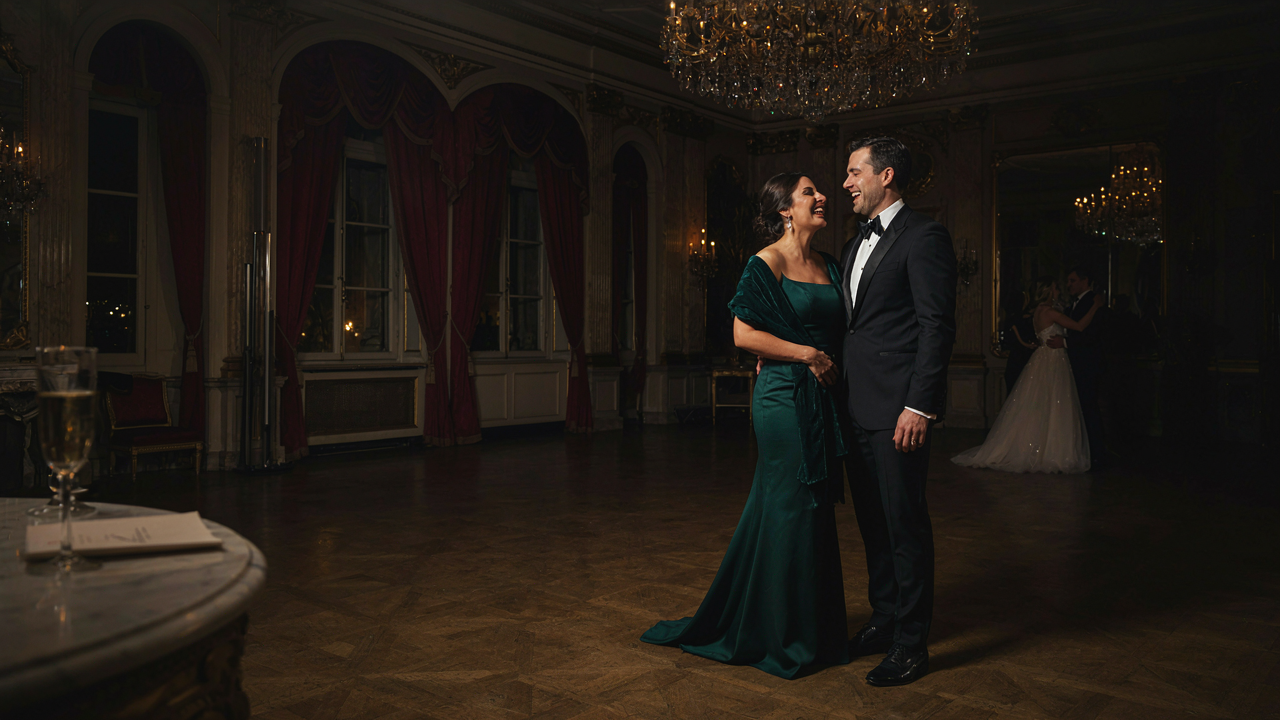
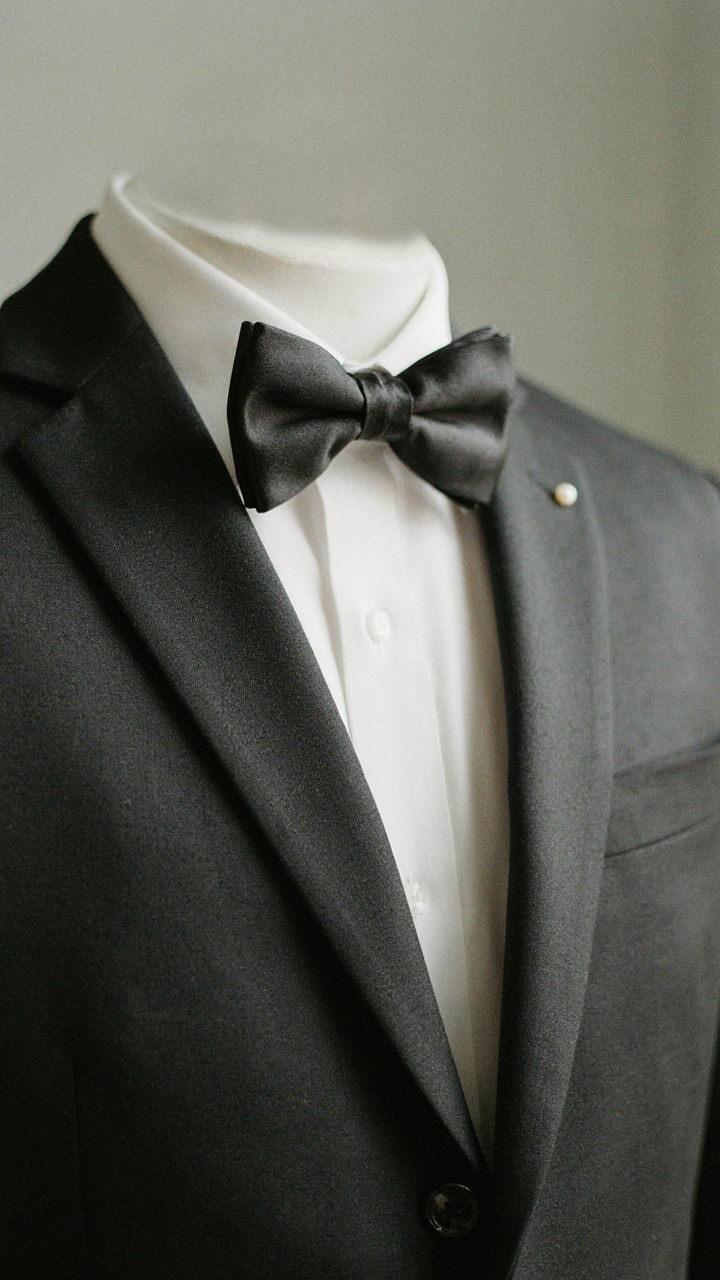
Black tie means a tuxedo for men, a formal gown for women. The winter context changes nothing about the code itself, only what materials and layers fulfill it without breaking the visual line. The distinction between “Black Tie” and “Black Tie Optional” is not a sliding scale. Black Tie Optional means you can wear a dark suit instead of a tuxedo. That’s the only variance the code permits. Treating it as permission to dress less formally is how you end up underdressed at a winter formal wedding.
Fabric Selection As Economic Signaling
Borrowing from materials science, weight and hand are the constants that determine performance, while weave pattern is the variable. A heavier wool broadcloath signals preparation and investment in a way lightweight suiting cannot, regardless of price. The common advice says to just pick warm fabric. Wrong. You can wear lightweight fabric in winter and signal wealth by owning multiple formal pieces for different seasons. Or you can wear seasonally appropriate weight and signal you understand proportion and context.
Merino wool and fine cashmere blends outperform standard suiting for winter black tie because they drape cleanly while holding structure in cold air. Silk linings deteriorate faster in damp conditions, so linen or wool linings are practical choices that maintain aesthetic integrity. The jacket still requires the traditional black bow tie, waistcoat or cummerbund, and trousers with a single stripe. Winter demands you upgrade the baseline materials, not abandon the dress code’s visual architecture. Choose fabric weight and fiber content that survive the actual climate while maintaining the formal line.
Beyond The Gown: The Power Play Of Outerwear
Topcoats And Wraps Matter More Than You Think
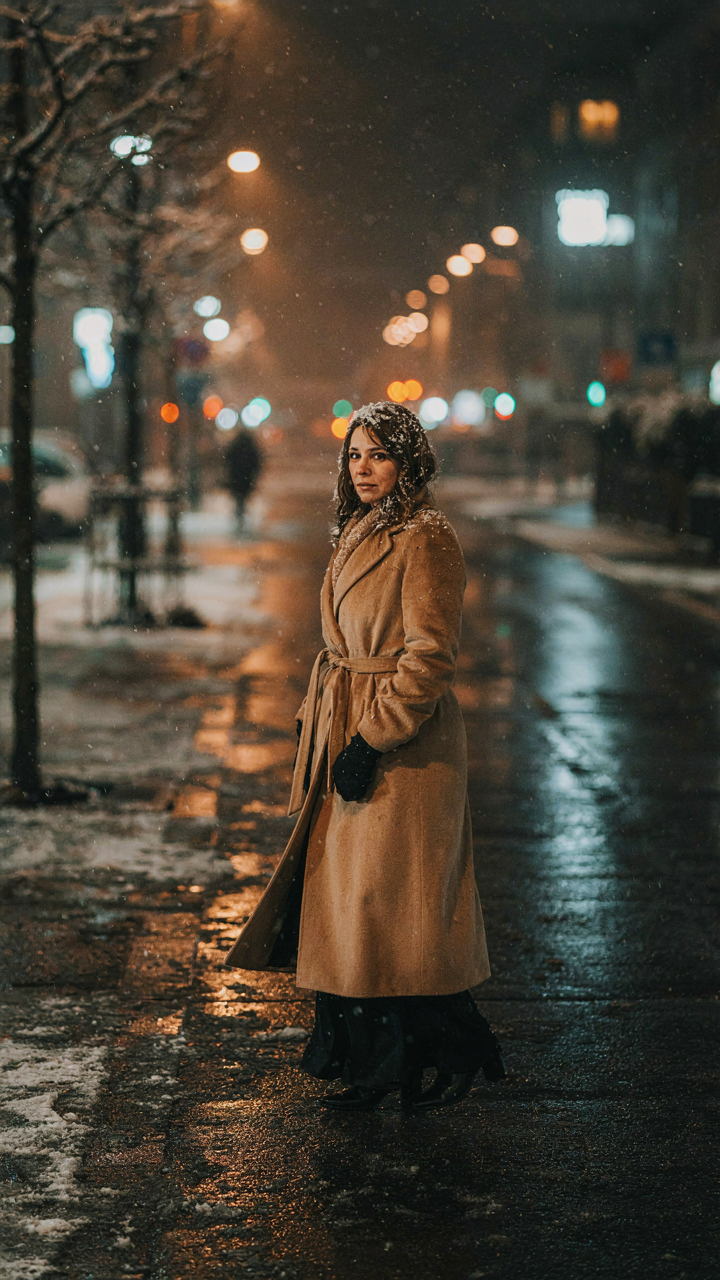
You’re worried the outerwear will undermine hours spent on the actual outfit. It won’t, but only if you understand the mechanism: outerwear operates like load-bearing architecture in construction. It holds visual weight and establishes first impression before anyone sees what’s underneath. A carelessly chosen coat collapses the entire structure. A deliberate one amplifies it.

Formal winter weddings demand outerwear that functions as a planned extension, not an afterthought. The topcoat or wrap must exist in the same visual universe as your formal wear. Black tie calls for coats in black, charcoal, navy, or deep jewel tones. Fabric matters: wool, cashmere blends, or structured synthetics that hold their shape in cold. Skip anything with novelty textures, patterns, or trim. The coat should be long enough to clear the hem of your gown or reach the knee on tailored trousers. This isn’t preference. It’s proportion.
Strategic Layering For Sustained Presence
Layering in formal winter wear isn’t about staying warm, though that helps. It’s about maintaining silhouette integrity from arrival through exit. Thermal underlayers or silk blended base layers compress against skin without adding bulk under structured fabric. Wear them under your primary garment, never visible. This keeps lines clean while solving the practical problem of temperature control.
The visible layer strategy determines whether you look composed or rushed. A formal shawl, pashmina, or structured wrap worn over the shoulders works only if it doesn’t slide off mid-ceremony. A properly fitted topcoat solves this entirely. If the venue transitions from cold exterior to heated ballroom, you need a garment you can remove and hand to coat check without disrupting your appearance. The mechanism is simple: remove the outer layer, and your formal wear should look intentional and complete underneath, not like an undressed body waiting for coverage.
The Thermal Advantage Protocol: Engineering Comfort
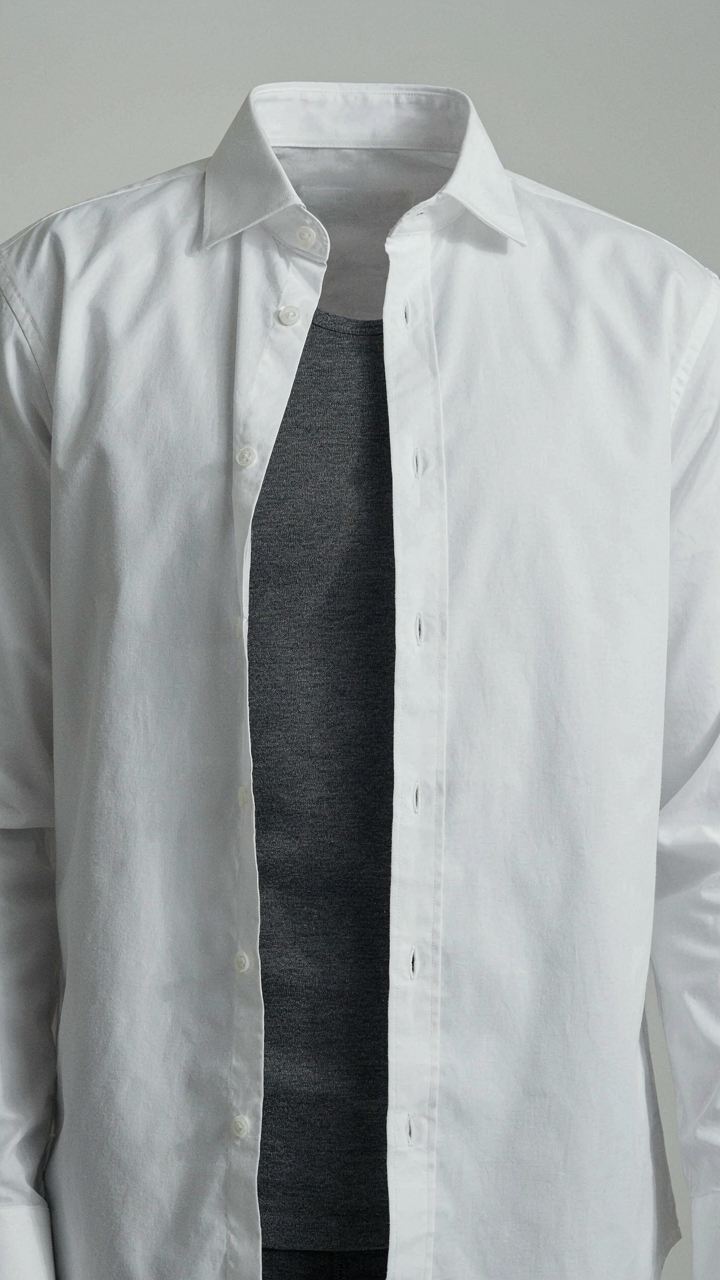
The Unseen Foundation
You care about this section because you’re terrified of shivering through formal photos or sweating through your jacket during toasts. Here’s the reality: thermoregulation is biology, and your body’s ability to maintain core temperature depends on what sits between your skin and your dress shirt. Merino wool and synthetic blends manage moisture and insulate simultaneously. Cotton absorbs sweat and loses all thermal properties when wet. Choose merino base layers in black or neutral tones that vanish under formal wear and regulate temperature across the 50-degree-to-70-degree range you’ll encounter moving between outdoors and heated reception spaces.

The fit of underlayers matters as much as the material. Tight compression creates the opposite effect you want: it restricts blood flow and traps moisture against skin. Merino works best in a snug but non-restrictive fit that allows micro-movement. A single layer under your dress shirt handles winter wedding conditions better than stacking multiple thin layers, which creates bulk under tailored jackets and disrupts the silhouette. Buy one quality merino piece sized correctly for your frame. Test it under your formal wear before the event.
Active Moisture Management
Ventilation isn’t the enemy of warmth in formal settings. Homeostasis requires your body to shed excess heat without losing core temperature, and this balancing act demands fabric that moves moisture away from skin while retaining insulating dead air space. Most formal winter wedding guests fail here: they choose only insulation and overheat indoors, then feel cold stepping outside. Merino wool naturally wicks moisture and regulates differently than synthetic blends. It pulls sweat away from skin, allows it to evaporate through the fabric, and maintains warmth even when damp. Synthetic blends like polyester-nylon combinations do this faster but provide less insulation.
Layering strategy controls this mechanism. Wear merino base layer, then your dress shirt, then your jacket. Remove the jacket indoors during dinner if you warm up. Keep it on during cocktail hours and outdoor moments. Your dress shirt alone won’t regulate temperature properly and will show sweat marks under formal lighting. The protocol is simple: base layer wicks, dress shirt breathes slightly, jacket insulates and controls airflow. This three-part system keeps you dry and stable from arrival to departure without visible signs of temperature stress.
Color Theory For Winter Formal Wedding Guest Attire
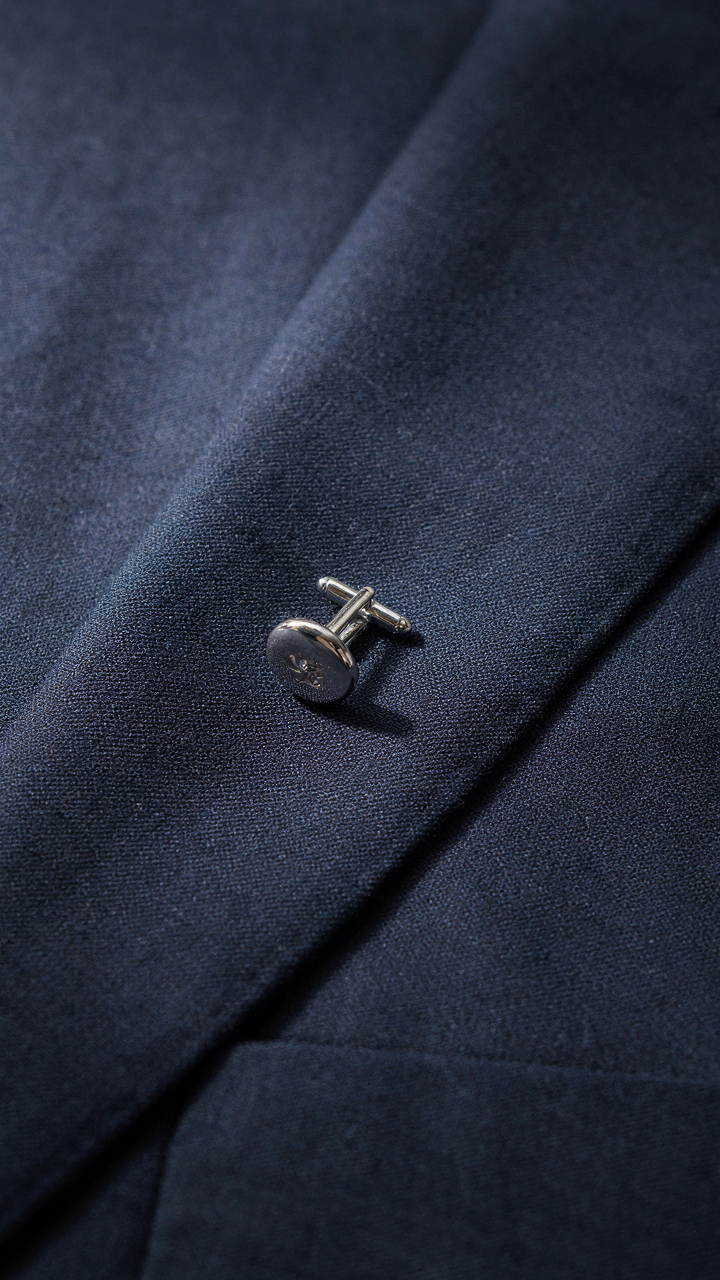
Beyond Black: The Calculated Alternative
You’re afraid black reads as either invisible or like you’re working the event. That fear is backwards. The real mechanism: black tie doesn’t mandate black. It signals formality through construction and fit, not color. Winter formal events exploit contrast. Black absorbs light in dim ballrooms. Charcoal, midnight blue, and deep burgundy work harder because they reflect fractionally more light while maintaining the same tonal weight. You’re not choosing safety when you skip pure black. You’re choosing visibility.

Charcoal and midnight blue hold their own against formal lighting because they sit one shade lighter than true black without breaking formality codes. Burgundy reads differently depending on undertone, which is why it works in winter settings specifically. The fabric weight matters more than the shade itself. A lightweight black wool broadcasts amateur. A structured charcoal suiting broadcasts intention. Pick your alternative first, then find the weight and weave that holds the line. The color choice is secondary to the fabric’s ability to hold form under winter lighting conditions.
Jewel Tones And Metallics: Calculated Risk, High Reward
Jewel tone dressing operates like color temperature theory in photography: you’re controlling contrast ratios between skin, fabric, and environment. Emerald, sapphire, and deep plum work in formal winter settings because they sit in the high saturation range without entering costume territory. Most people avoid them because they fear standing out. The actual problem is different: poor execution kills jewel tones faster than any other formal color choice. A dull emerald looks sickly. A muted sapphire looks washed. You need depth, not pastel.
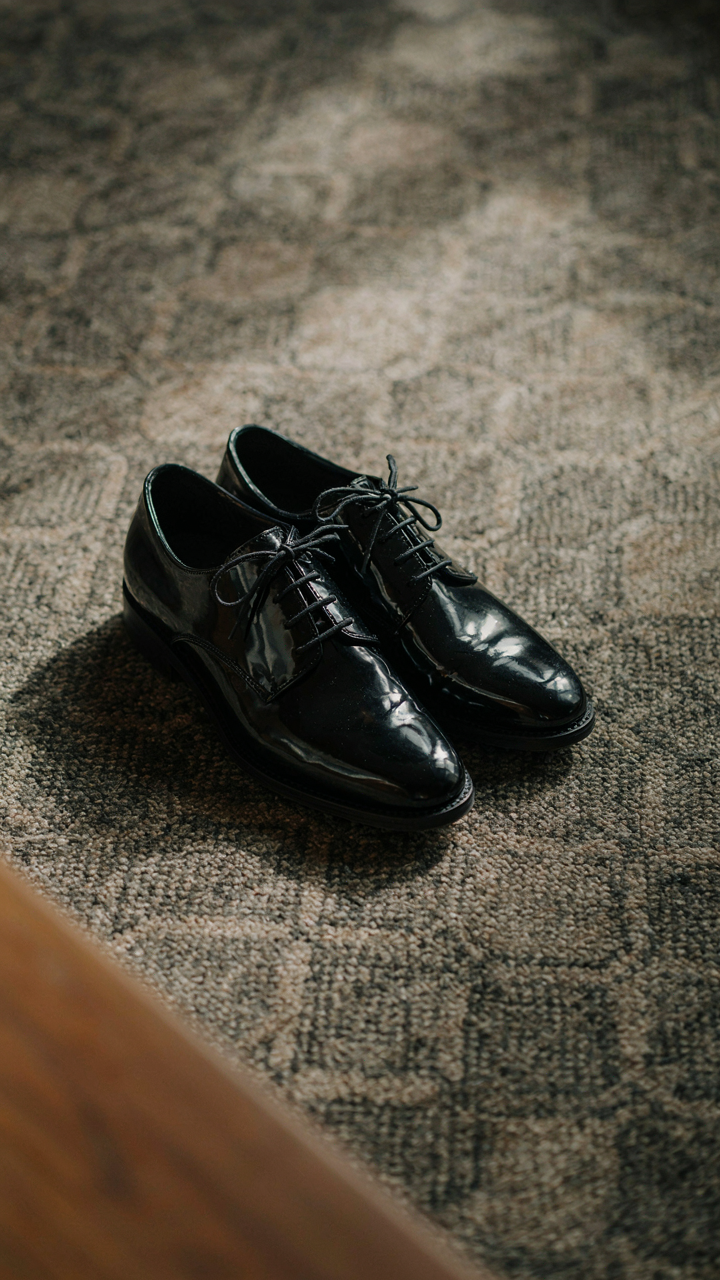
Metallics in winter formal contexts work best as secondary elements, not primary. Silver cufflinks, gold watch cases, and structured metallic accessories create points of articulation without dominating the outfit. A full metallic suit reads as novelty. Metallics as hardware read as intentional restraint. Pair deep jewel tones with polished metallic accessories, and you’ve moved beyond the default black-tie aesthetic without breaking any formal codes. The protocol: choose one jewel tone as your base, then anchor it with exactly two metallic contact points on the upper body.
Accessories As Amplifiers: Small Details, Big Statement
Jewelry: Select Pieces That Command Attention
You care about this section because you’re worried one wrong move tanks your presence in the room. The mechanism is simple: jewelry at black tie functions operates like signal amplification in acoustics. You’re not adding volume. You’re clarifying the existing signal. Most advice says “go minimal” or “let your outfit speak.” That’s incomplete. Your jewelry either reinforces the formality you’ve already committed to or it undercuts it.

For men, cufflinks are the only jewelry expected. They must be solid metal, typically gold, silver, or platinum. Avoid stones, enamel, or anything ornate. A simple fixed pair signals you understand the code. A watch is not jewelry at black tie. It’s expected. Wear one that sits flush under your cuff. For women, the math is different. One statement piece beats three small ones. A pair of diamond or pearl drop earrings, a single bracelet, or a brooch work. The rule isn’t about quantity. It’s about intentionality. One clear choice proves you made a decision.
Footwear: Comfort And Elevation For The Long Haul
Black tie footwear isn’t about looking good standing still. You’ll be on your feet for hours. The protocol determines the shoe, not your preference. Men wear patent leather oxfords or dress pumps in black only. Leather must shine. Patent leather is standard because it reflects formality visually. Women wear heeled pumps or heeled sandals in black, silver, or nude. Heel height matters less than stability. A three-inch heel you can walk in beats a four-inch one that forces you to sit all night.
The real mistake people make is choosing based on how shoes look in photos. You need shoes that let you move through a venue without thinking about your feet. Break in formal shoes before the event. Scuffed or squeaking footwear destroys the entire impression you’ve built. Check the sole before you attend. Wet floors at winter venues are common. Ensure your soles have grip and won’t slide. Your shoes anchor everything else. Polished, stable, and silent is the only acceptable state.
The “Winter Wedding Guest Dress” Fallacy: Beyond The Dress
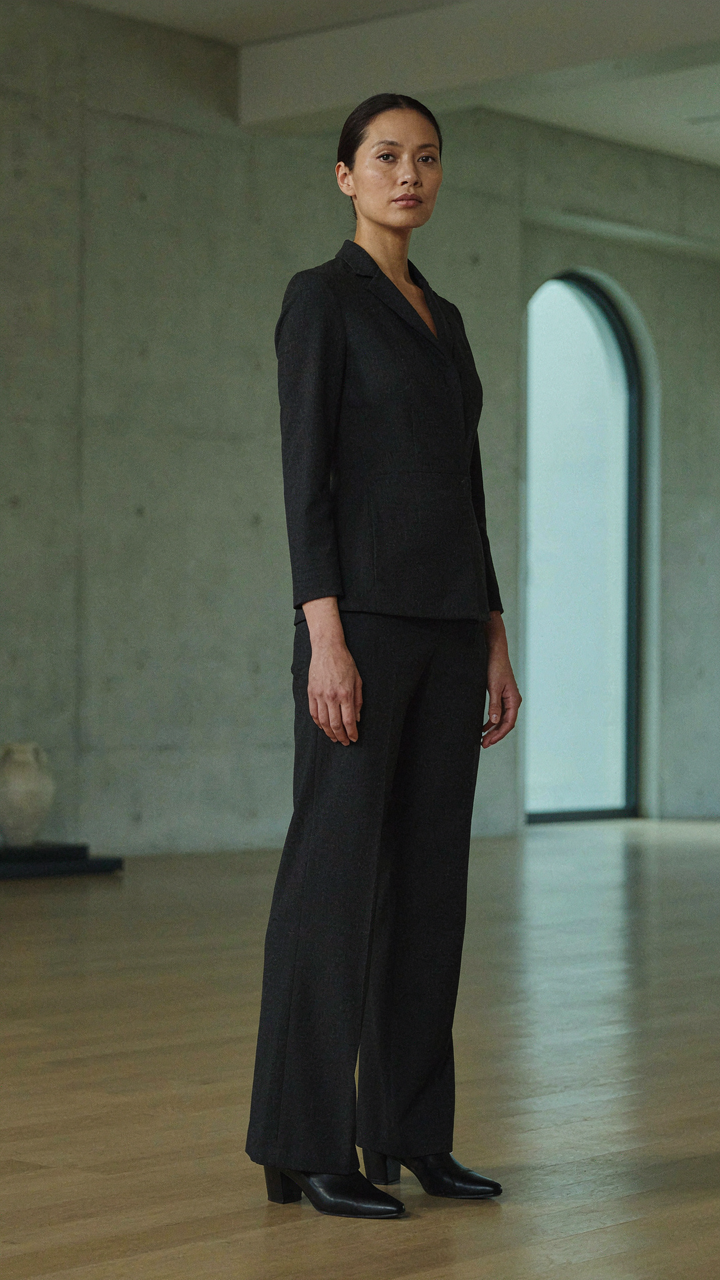
Jumpsuits And Tailored Separates
You’re looking at this section because you think a dress is mandatory, and you’re afraid of standing out. Here’s the mechanism: formal winter wedding guest attire isn’t about garment category. It’s about construction and fabric weight. Black tie demands structure, and a well-cut jumpsuit in wool crepe or silk-blend suiting delivers that with zero compromise to formality.

The common advice stops at “wear a dress.” That’s incomplete. A jumpsuit with a shaped waistband, lined bodice, and tailored legs reads formal because the construction mirrors evening wear standards. Separates work identically: a high-waisted silk or wool pant paired with a structured top creates the same visual authority. Fabric matters more than silhouette. Cheap knit jumpsuits fail because they lack structure. Quality tailored separates in natural fibers succeed because they hold form and photograph with appropriate formality.
Power Suits For Women
A power suit operates on signal theory borrowed from military dress codes. The double-breasted jacket and coordinated trouser project rank and authority because tailoring creates visual hierarchy. For formal winter weddings, a sharp wool or silk-blend suit in black, charcoal, or deep jewel tones reads as refined confidence, not boardroom aggression, when executed correctly.
The tailoring standard is non-negotiable: jacket seams must sit at the shoulder point, not float, and trousers must break one-half inch on the shoe. Pair the suit with evening-appropriate fabrics like wool gabardine or silk-blend suiting, never cotton or casual weaves. A silk camisole or fitted shirt underneath replaces standard business wear. This combination maintains formality while rejecting the default assumption that women must wear dresses to signal respect for black tie protocol.
Menswear: The Art Of Subtle Differentiation
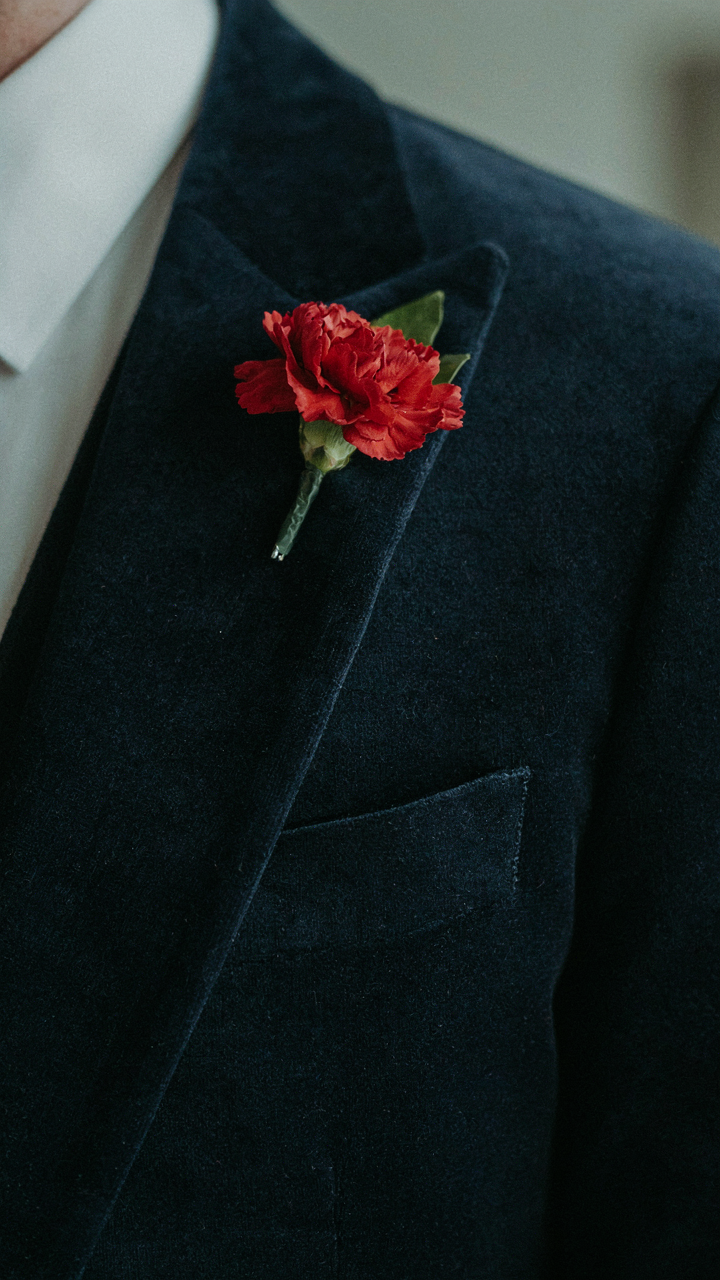
Velvet Jacket: A Calculated Deviation
You want permission to stand out without getting called out for breaking the rules. Here’s the mechanism: velvet absorbs light instead of reflecting it, which reads as intentional restraint rather than decoration. A charcoal or midnight velvet dinner jacket operates in the same field as camouflage in military strategy—it breaks up the visual monotony of standard black while staying within the formal envelope. The fabric itself signals you understand formality deeply enough to know where the real boundaries live.
Velvet works at black tie because it respects the event’s gravity while rejecting uniformity. Pair it with a standard white dress shirt, black bow tie, and black trousers. The texture does the work. Avoid royal blue, deep green, or patterned velvet—these read as costume choices. Stick to jewel tones so dark they appear black until light hits them. Winter’s low-angle sunlight will show the depth you chose; indoor lighting will keep it understated.
Accessories For Men: Pocket Squares To Cufflinks
Accessories exist to signal you paid attention, not that you have disposable income. They operate on a protocol, not preference. Every piece either reinforces the formality or dilutes it. Most men treat accessories as optional flourish. Wrong approach. They’re the difference between looking like you own formal wear and looking like you borrowed it.
- Pocket Square: White or black silk, folded into a three-point or simple rectangle. Avoid patterns unless they’re subtle geometric. The square sits one inch above the jacket pocket opening, visible but not aggressive.
- Cufflinks: Silver, gold, or platinum with minimal ornamentation. Mother of pearl, onyx, or enamel work. Avoid branded logos or novelty designs entirely. Match the metal to your watch if you’re wearing one.
- Studs: For formal shirts with stud holes instead of buttons. Use the same metal as your cufflinks. Four studs down the front, one at each shoulder if the shirt has side closures. Consistency signals competence.
- Watch: Understated is mandatory. Black leather or metal band only. Dial should be simple with minimal complications showing. The watch disappears into the formal structure rather than announcing itself.
- Boutonniere: Accept what the wedding provides if offered. If choosing yourself, use a single stem—rose, carnation, or seasonal flower in white, cream, or deep red. Pin it through the lapel, not into the buttonhole.
The rule that most men miss: accessories work in descending order of visibility. The pocket square is most noticeable, so it carries the least decoration. Cufflinks come next and can hold slightly more character. Studs are seen only when you move, so they can be marginally more detailed. This hierarchy prevents visual chaos while keeping you intentional at every scale.
Grooming And Presentation: The Unseen Polish
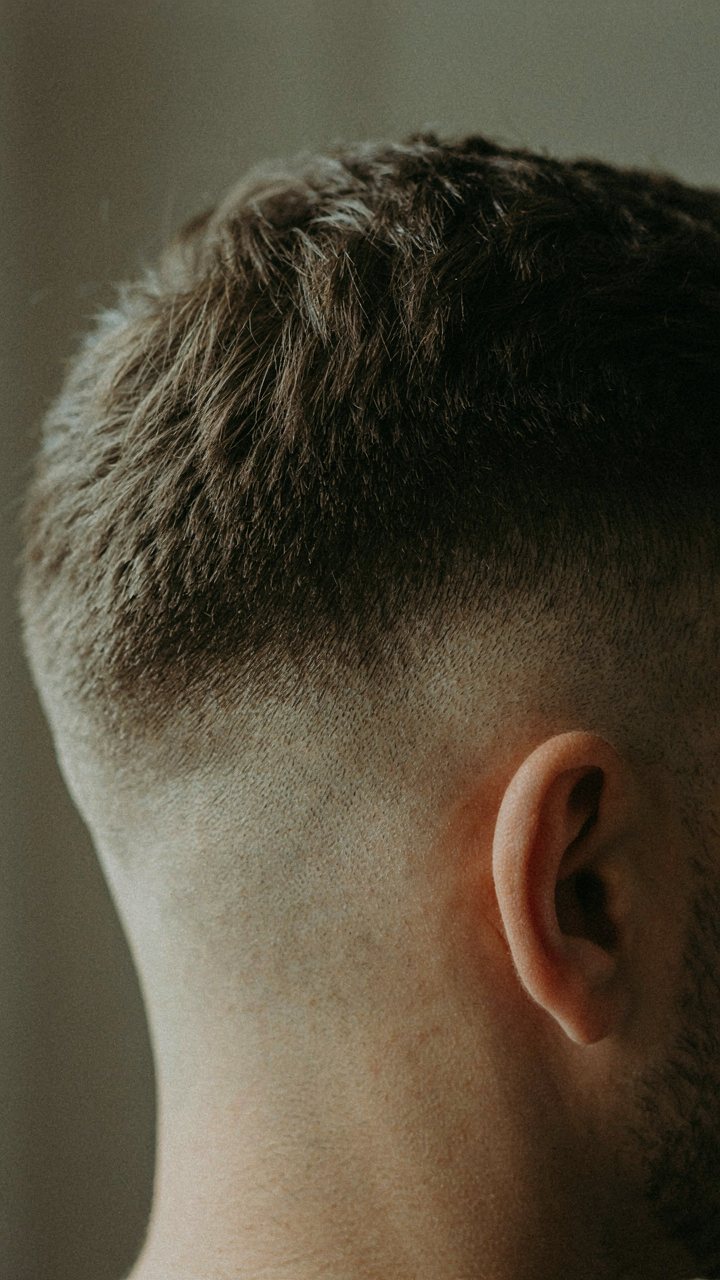
Hair And Makeup: Strategic Impact, Not Distraction
You care about this section because you’re afraid someone will notice you didn’t belong there. Hair and makeup work like signal processing in engineering: they either amplify the correct frequency or introduce noise. A formal winter wedding demands grooming that disappears. The goal isn’t to look groomed. The goal is to look like you didn’t have to try.

For men, this means a fresh haircut two to three days before the event, shaped to your head’s natural lines. Hair should sit flat and intentional, never textured or deliberately tousled. Facial hair must be either cleanly shaved or maintained with precision, never patchy or in transition. For women, hair pinned or styled in a way that stays fixed through the evening eliminates the distraction of adjustment. Makeup follows black tie’s core rule: enhance, don’t announce.
Scent: A Subtle, Powerful Signature
The common advice here is garbage. People say “wear what makes you feel confident” or “choose something you love.” That’s consumer marketing dressed as guidance. Scent at a formal black tie event operates on proximity and context. You’re standing in enclosed spaces with strangers. Your fragrance must project less than twelve inches.
Apply fragrance to pulse points: wrists, neck, inner elbows. One or two spritzes maximum, applied to skin before dressing, not onto fabric. Select a fragrance with moderate rather than high projection, favoring woody or citrus notes over gourmand or floral intensity. Reapply once during the event if necessary, but understand that scent fatigue affects you more than others. The protocol: less is calibrated correctly when someone notices nothing until they stand directly beside you.
The Only Real Rule For Winter Formal Wear? Your Comfort With Breaking All The Others

Most people treat formal winter wedding guest attire like a rulebook. It’s not. It’s a starting point. The guests who actually stand out aren’t the ones who nail every detail perfectly, they’re the ones who break one rule deliberately and own it. Pull out your phone right now and text the couple one question: what matters more to you, my comfort or my compliance? Their answer tells you everything. The best dressed guests aren’t following the dress code, they’re respecting the moment.