

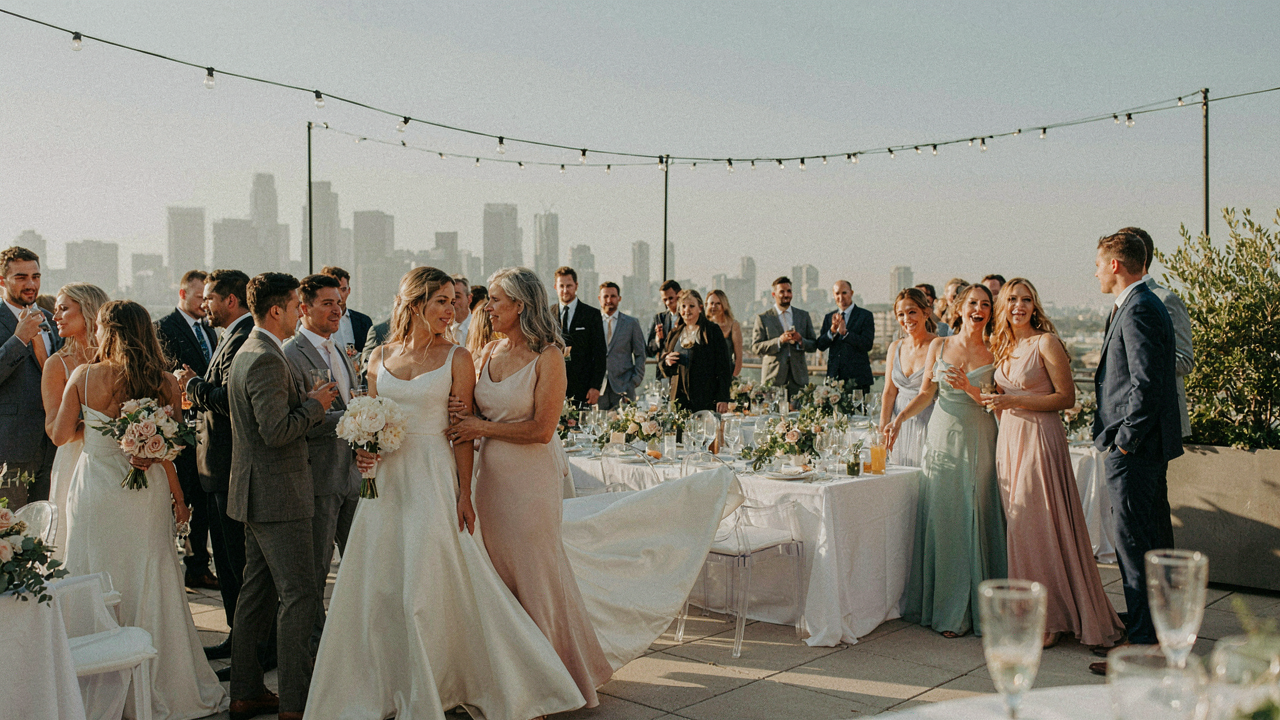
The Unseen Enemy: Why “Dress Code Wedding” Is A Lie On A Rooftop

Formal Expectations Collapse In Open Air
You’re worried about looking out of place. That fear drives you to follow the dress code card exactly. But here’s the mechanism: a rooftop is not a ballroom. Physics doesn’t care about your invitation. Wind speed, temperature swing, and sun exposure create variables no indoor venue has, and most dress codes ignore them entirely. The static expectation of “black tie” or “cocktail attire” assumes a controlled environment that doesn’t exist forty stories up.
A formal gown designed for still air becomes a liability when gusts hit. Structured fabrics that hold their shape indoors wrinkle and flap. Shoes chosen for carpeted floors slip on rooftop surfaces. Hair products that work under air conditioning fail under direct sun and wind. The dress code sets the aesthetic baseline, but it has no answer for the actual conditions you’ll face. This is why most rooftop wedding guests look either overdressed and uncomfortable or underdressed and cold.
Wind Rewrites The Rules
Windy City isn’t just Chicago’s nickname. It’s a design constraint that ruins most rooftop wedding strategies. Average wind speeds on Chicago rooftops run higher than street level, and gusts spike during evening receptions when thermal updrafts accelerate. A flowing dress becomes a visibility problem. A lightweight blazer flaps open every three seconds. Hair that took an hour to style becomes unmanageable within minutes of stepping outside.
The common advice says to “just wear what makes you feel confident.” That’s incomplete. Confidence means nothing when your dress tangles around your legs or your collar keeps flipping up. The real protocol is this: choose fabrics with weight and structure over drape. Pick shoes with grip and low heel height. Secure any loose elements before you arrive. Rooftop attire is not about following the dress code perfectly—it’s about anticipating what will fail in open air and choosing materials that won’t.
The “Guest Attire” Fallacy: Your Comfort, Not Their Aesthetic

Practicality Over Status Signaling
You care about this because you’re terrified of being underdressed and judged for it. The real mechanism is simple: rooftop conditions strip away your ability to perform formality. Wind destroys fabric control. Altitude amplifies temperature swings. Exposure creates physical stress your body reads before your brain registers the event. Formal wedding guest attire fails on rooftops because it prioritizes visual hierarchy over the thermodynamic and kinetic reality you’re actually in. A silk tie becomes a liability when gusts reach fifteen miles per hour. Stilettos become unsafe on wet composite decking. The dress code doesn’t change the physics.

Your job isn’t to match an aesthetic. Your job is to stay functional while respecting the occasion. This means choosing fabrics that move without billowing, footwear with actual traction, and layers you can adjust without looking disheveled. The hosts hired a rooftop venue knowing the constraints. They expect guests to adapt, not suffer for appearance. When you dress for the environment instead of the dress code, you actually look more composed because you’re not visibly fighting your clothes.
Form Follows Wind Resistance
Engineering borrows from aerodynamics the concept of drag coefficient, which measures how much an object resists movement through air. Your rooftop wedding guest attire has one too. A flowing gown or oversized jacket creates drag. Heavy fabric creates instability. Loose patterns create visual noise when they move against their will. The inverse is true for fitted, weighted materials that stay in place and don’t flap.
This isn’t about looking cheap or casual. Structured fabrics like wool blends, ponte, and heavier cottons maintain their shape in wind while looking formal and intentional. Choose clothes cut closer to your body without being tight. Avoid anything untethered: loose wraps, flowing scarves, or unanchored hems become adversaries at height. The concrete protocol is this: before choosing an outfit, perform the wind test. Hold the garment at arm’s length and simulate a strong breeze with your other hand. If it moves erratically, it’s not rooftop ready, regardless of how formal it appears.
The Aerodynamic Imperative: Lessons From Aeronautical Engineering
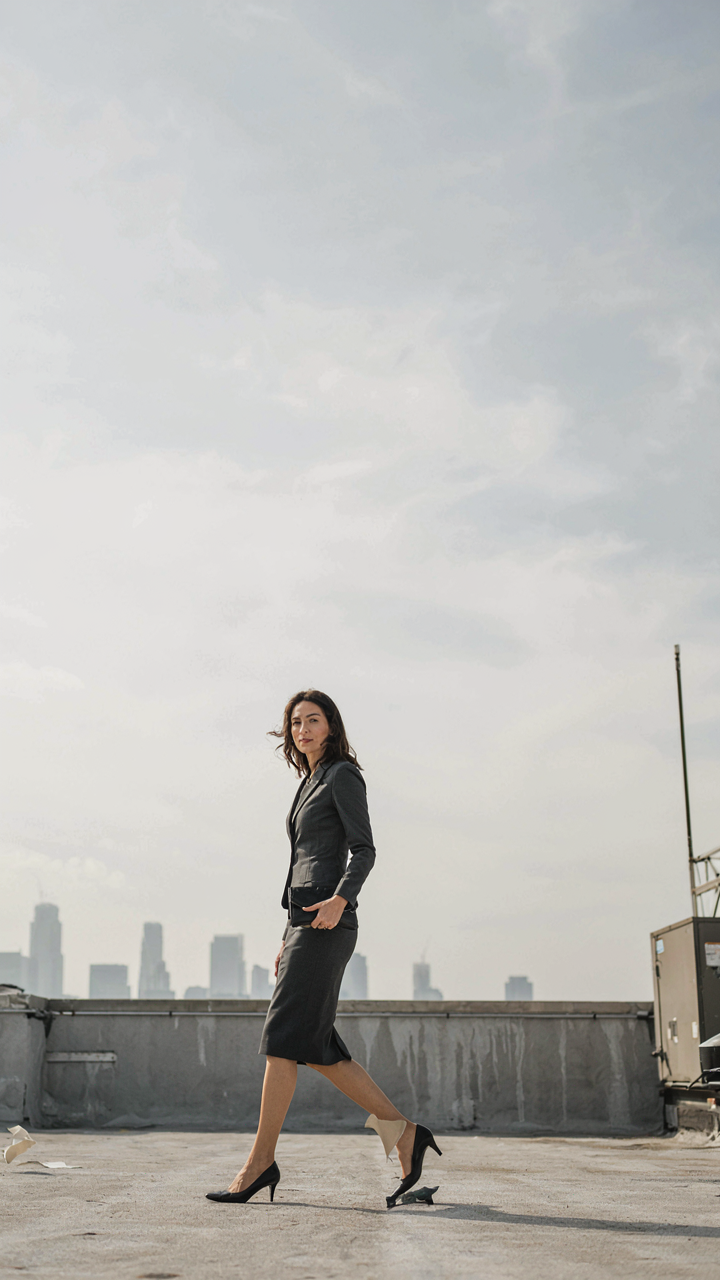
Minimizing Drag With Fabric And Silhouette
You’re worried your outfit will betray you in front of people who matter. That fear is legitimate on a rooftop. In aeronautics, drag is resistance created by an object moving through air. Your clothing creates drag the moment wind hits it. Loose fabrics and billowing silhouettes don’t just look chaotic. They generate surface area for wind to grab, multiplying the force working against your composure and your appearance.

Dense, structured fabrics like cotton blends, linen weaves, and performance synthetics resist wind better than gauze or chiffon because they don’t flap. Fit matters more than volume. A tailored dress or suit moves as one unit with your body instead of fragmenting into separate flags. The tighter the weave and the closer the cut, the lower your drag coefficient. Choose fitted over flowing. Choose structured over draped.
Anchoring Strategy For Accessories
Military parachute design teaches a hard lesson about weight distribution and stability. Parachutes use strategic anchor points to keep equipment centered and grounded during freefall. Your accessories operate under the same principle on a rooftop. Light scarves, thin shawls, and oversized hats have anchor points, but they’re weak. Wind exploits that weakness.
Heavy jewelry stays put because mass resists movement. Structured clutches secured close to your body don’t lift or shift. Hair accessories pinned deep into the scalp won’t scatter. Lightweight belts tied loosely around the waist migrate upward. Secure everything with redundant fasteners. Double-pin hats. Use magnetic clasps on wraps. Tether your clutch to your wrist if the wind pattern dictates it. The principle is mechanical, not aspirational: an object remains stable when its anchor points exceed the force trying to displace it.
The Layering Protocol: Your Survival Guide For Rooftop Wedding
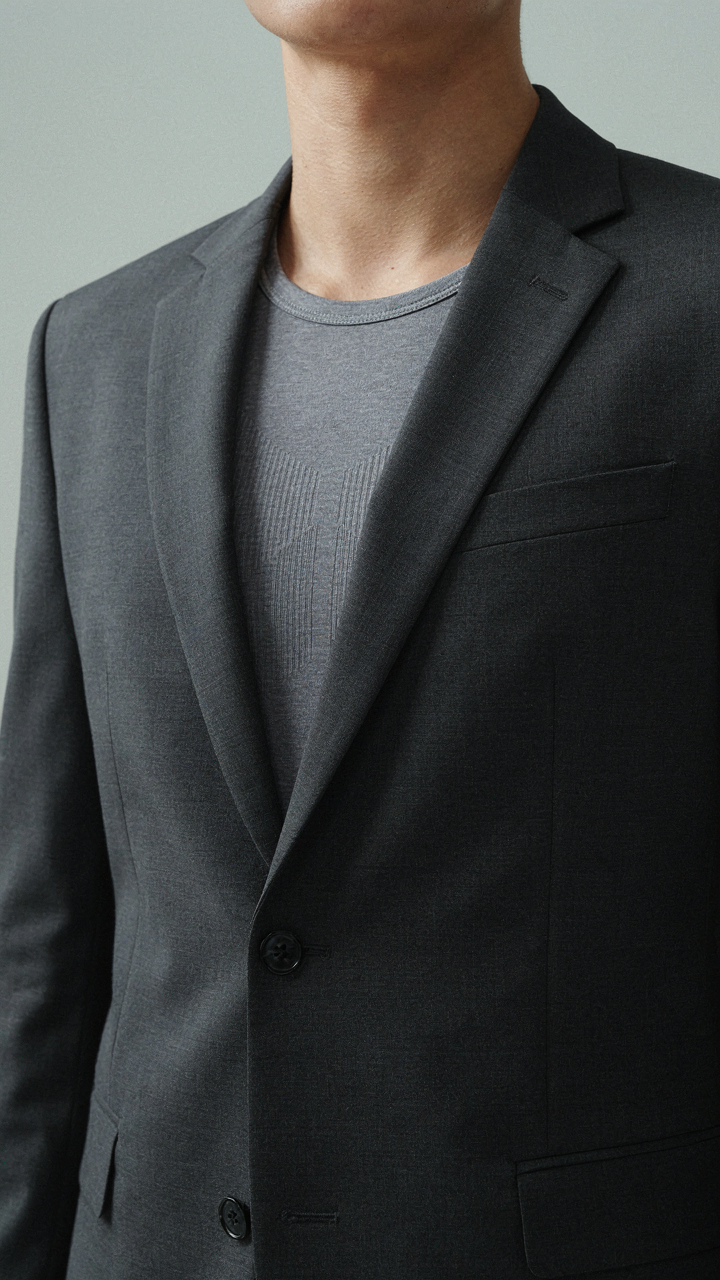
Dress For Three Temperatures At Once
You’re worried about looking underdressed or overheated in front of people whose opinion won’t matter in six months. Here’s the mechanism: rooftop microclimates don’t follow ground-level logic. Thermal physics calls this stratification—warm air rises, but on an exposed platform, wind shear and radiation heat loss create vertical temperature bands within feet of each other. The dance floor sits in full sun. The bar corner catches wind tunnels. The lounge seats lose warmth at sunset. You need garments that shift, not a single outfit that locks you in.
- Base Layer (Moisture-Wicking Fabric): Synthetic or merino wool under your main outfit prevents sweat accumulation when you’re moving. Cotton traps moisture and turns cold when wind hits it. Choose technical fabrics that dry fast and regulate temperature.
- Mid Layer (Structured Blazer or Jacket): A tailored blazer adds insulation without bulk and reads as intentional, not defensive. Remove it during dancing, keep it on during cocktail hour. The structure prevents fabric from flapping in gusts.
- Outer Layer (Weighted Wrap or Shawl): Silk or linen wraps are too light for rooftop conditions. Choose a dense fabric—cashmere, wool blend, or structured cotton—that resists wind without adding volume that catches air currents.
- Footwear Consideration: Heels and rooftop gusts create stability problems. Choose shoes with wider bases or switch to flats for the ceremony if the venue is truly exposed. Wind won’t knock you over if your center of gravity stays solid.
- Accessories as Thermal Tools: A structured clutch keeps your hands warm. A bracelet or watch band prevents sleeve gaps where warm air escapes. These aren’t decorative—they’re functional thermal breaks.

The goal isn’t fashion flexibility—it’s active temperature management. Pack your blazer to the venue separately if it doesn’t match. Arrive early enough to read the actual conditions and adjust before guests arrive. This is the only time you’ll know what the space demands.
Plan For Wind Direction, Not Just Wind Speed
Everyone says bring a shawl. That’s incomplete advice because it ignores aerodynamics. Wind direction determines whether fabric becomes a sail or a shield. On Chicago rooftops, prevailing winds shift with time of day and building geometry. A wrap that works facing south becomes worthless when you turn north into an open gust.
Position matters more than what you wear. If your ceremony faces northwest, that’s where wind accelerates off the lake. Guests on that side need heavier fabrics or body position changes—angling shoulders, keeping arms tucked. Clutches, phones, and lightweight accessories go in your lap, not loose on tables. For skirts and dresses, the fabric weight and cut determine behavior in wind. A-line cuts catch air and lift. Tapered or straight cuts stay controlled. If the venue confirms heavy wind exposure, skip voluminous fabrics entirely and choose form-fitting cuts in stable materials.
Footwear Foundation: Why Heels Are A Liability, Not An Asset

Uneven Surfaces Demand Proper Footing
You want to look polished without looking like you’re overthinking it. Here’s what actually matters: rooftop surfaces operate under the same physics principle as naval deck design—you need a low center of gravity and maximum contact points to stay upright when the environment moves beneath you. Heels shrink your contact point and raise your center of gravity. Wind and uneven pavers do the rest. The mechanism is simple: elevated heel plus lateral force equals ankle instability or a fall.

Rooftop decking varies. Gravel, pavers, composite wood, and concrete all have different friction coefficients and heights. Heels sink into gravel. Heels catch on pavers. Heels slip on composite materials when wet. Your foot needs a stable platform, which means a shoe with a wide base, proper grip, and zero elevation differential. This isn’t about comfort. It’s about preventing a visible stumble in front of the couple you came to celebrate and everyone else attending.
Sensible Shoes Work For Everyone
The common advice is that men have it easier on footwear. That’s incomplete. The real constraint is that rooftop venues eliminate the neutral territory of flat ground. Both men and women face the same physics problem: unstable footing during key moments like walking to your seat, standing during vows, or moving to the bar. The difference is that women typically wear heels to formal events by default, which means they’re solving a social expectation problem while simultaneously creating a practical problem.
Men should wear dress shoes with genuine rubber soles, not leather. Women should wear flats, low block heels under one inch, or dressy sandals with ankle straps. Ballet flats work. Loafers work. Dressy sneakers in metallic or neutral tones work. Block heel mules work if the heel is under an inch. What doesn’t work is any shoe that requires you to adjust your gait or grip the ground with your toes to stay vertical. Choose footwear that lets you move without thinking about your feet.
The Accessory Deception: What To Cinch, What To Omit
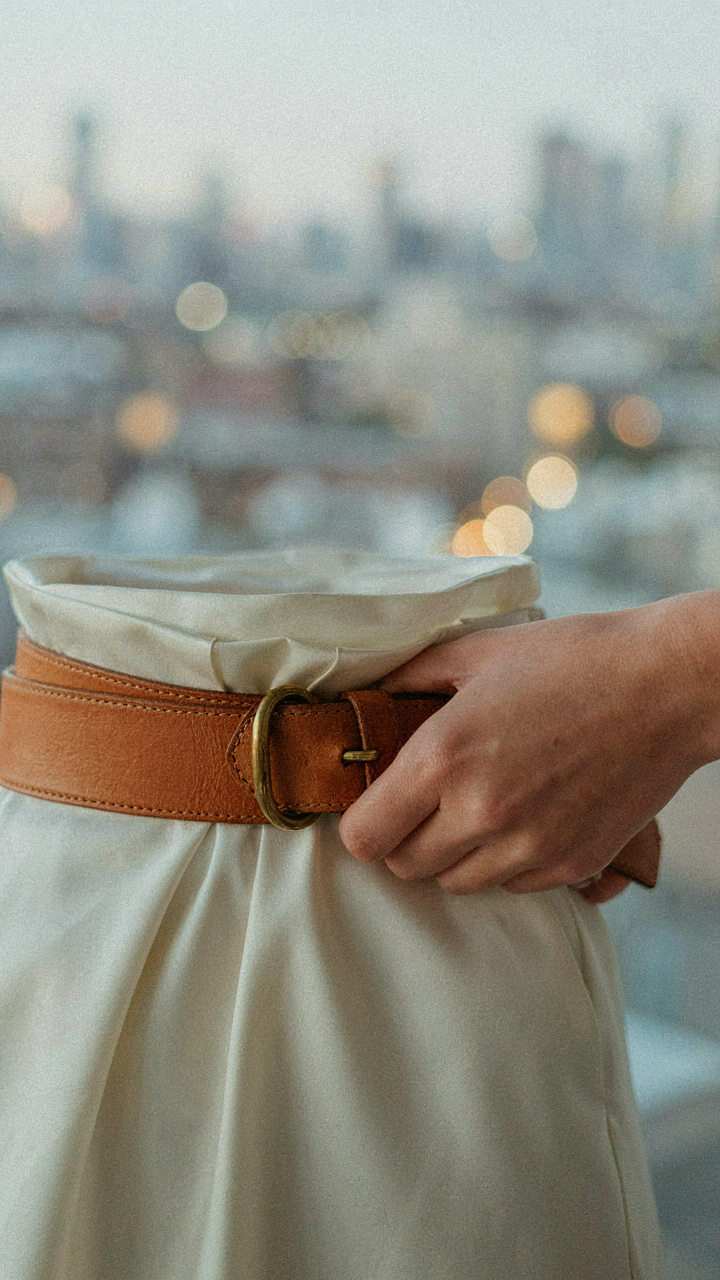
Securing The Details: Belts, Wraps, And Hairpins
You care about this section because you’ve imagined yourself looking disheveled in front of people whose opinion you’re tracking. The real problem isn’t vanity—it’s that wind on a rooftop operates like a pressure differential in physics. Objects fly when air speed exceeds their static grip. A belt cinches fabric against your body, reducing the surface area wind can grab. A loose wrap becomes a sail.

Belts serve one function: they anchor fabric to your frame. A structured belt holds a dress or jacket in place by creating tension. Use one that fits snugly at the natural waist and fasten it tight enough that you feel resistance when you move. For wraps, pin them to your dress or jacket at the shoulder seam and waistline using T-pins or shawl pins rated for the weight of your garment. Hairpins work only for hair, not fabric—use proper millinery or dressmaker pins for any accessory that needs to stay vertical.
Minimizing Projectiles: Omit What Flies Away
The advice to “bring a pashmina just in case” is incomplete thinking. A pashmina unpinned at a rooftop wedding becomes a liability the moment you stand near the edge. Hats with shallow brims or no anchor point shouldn’t come at all. Lightweight scarves that aren’t secured function as kites, not accessories. The standard guidance misses the core mechanism: anything not physically anchored to your body will leave your control.
Eliminate scarves unless you pin or knot them. Avoid statement jewelry with loose chains or pendants that swing in moving air. Skip fascinators without bobby pin attachments—the clip alone won’t hold under gusts. Wide-brimmed hats require a chin strap, period. If your accessory requires the weather to cooperate to stay in place, you’ve already lost. Bring only what you can secure to fabric or hair with a fastening system you’ve tested at home beforehand.
Beyond “Tuscan Wedding Guest Outfit”: The Microclimate Factor

Local Weather Intelligence Dictates Everything
You want permission to look expensive without overthinking it. Here’s the mechanism: rooftop microclimates don’t follow ground-level forecasts. Physics governs this like wind resistance in aerodynamics—altitude amplifies airflow, temperature swings hit harder, and sun exposure intensifies at height. A Chicago rooftop 40 stories up experiences wind speeds 20-30% higher than street level, with UV exposure that burns exposed skin in half the time. Generic wedding guest advice ignores this entirely because it’s built for indoor venues.

Check the National Weather Service rooftop-specific forecast, not the general city forecast. Wind direction matters more than wind speed—a north-facing exposure versus south-facing creates a 15-degree temperature gap. Call the venue directly and ask about elevation, which direction it faces, and whether it’s sheltered or open. Most venues won’t volunteer this data. You need it to know whether your fabric choice survives the event or becomes a liability.
Rejecting Generic Wedding Guest Conventions
Standard wedding attire guidance fails rooftops because it assumes stable indoor conditions. Recommendations to wear silk, chiffon, or lightweight fabrics work indoors but catastrophe on exposed heights—these materials move unpredictably in wind, cling in cold, and tear under tension. The conventional approach treats a rooftop like a ballroom. It isn’t.
Your first filter: reject anything that moves. Heavy cotton, structured wool, and knit blends stay where you place them. Weight matters mechanically—lighter garments migrate in gusts; heavier ones anchor. Natural fibers also manage temperature swings better than synthetics because they regulate moisture without clinging. Anchor your outfit, don’t decorate it. Test your full outfit in open air at home before the event, moving deliberately to see how fabric behaves. This single step eliminates 80% of regrettable choices.
The “Dress Code” Reimagined: Respecting The Elements, Not Just The Couple

When Preparedness Becomes The Real Dress Code
You care about this because you don’t want to look unprepared in front of people who matter. The real mechanism is simple: a rooftop wedding removes the protection of walls, making wind, sun, and temperature swings into active variables. Traditional dress codes assume climate control. Rooftop weddings don’t offer that luxury. The couple’s stated dress code is a baseline, not a complete instruction set. You’re responsible for the layer between you and the elements.

Meteorology teaches us about wind shear, the sudden shift in wind speed or direction. Apply that concept to rooftop attire: your outfit needs structural integrity against forces the ground-level guest never encounters. Fabrics that hang loose will catch air. Hair accessories become projectiles. Light wraps shift unpredictably. The guest who shows up in a flowing chiffon dress without a secure fastening isn’t fashionable, they’re broadcasting that they didn’t account for the environment. Respect for the couple means not becoming a distraction because your outfit is fighting gravity.
Clothing As A System Of Self Preservation
The common advice says “just wear what matches the dress code.” That’s incomplete. Your outfit is a decision about whether you’ll be comfortable or spend four hours managing preventable problems. Windy rooftop conditions mean fabric weight, seam construction, and fastening mechanisms matter more than color or style. A silk dress that breathes well means nothing if the wind keeps lifting it. A structured blazer protects against temperature drops that happen at height.
Build your outfit to perform. Choose fitted cuts over loose draping. Secure any piece that can move independently. If you’re wearing a hat, use a pin or elastic secured to your hair. If you’re in a dress, consider shorts underneath or a slip to prevent wind exposure. Shoes need rubber soles for traction on wet rooftop surfaces. Check the weather report three days before the wedding. Buy a backup layer. The guest who arrives prepared enjoys the celebration instead of fighting their own wardrobe.
The Real Problem Isn’t The Wind, It’s Your Fantasy Of Control
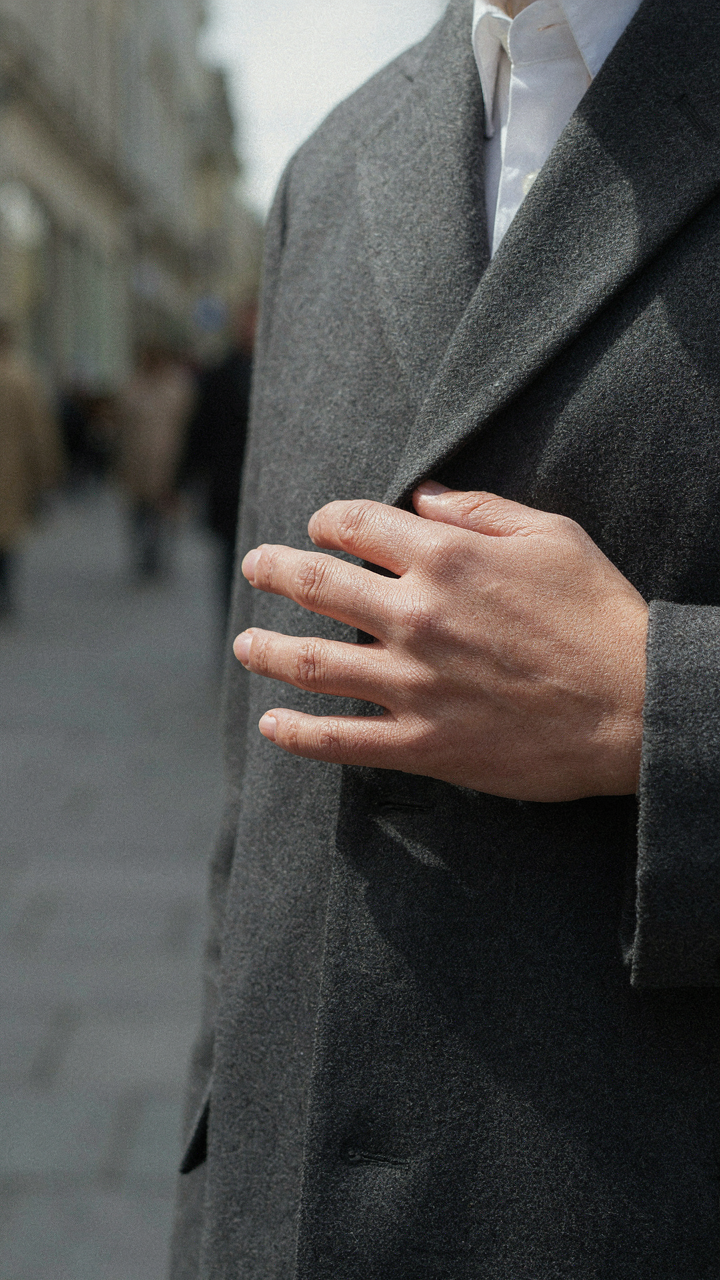
You’re not worried about the wind ruining your outfit. You’re worried about losing the narrative you’ve constructed about how you should look. Pick one anchor piece today. A structured blazer. A weighted hem. Something that moves with you instead of against you. The guests won’t remember if your hair moved. They’ll remember if you looked like you belonged there.