
The Unspoken Rules Of A Garden Party Wedding (and How To Break Them Artfully)
Read The Invitation Like A Contract
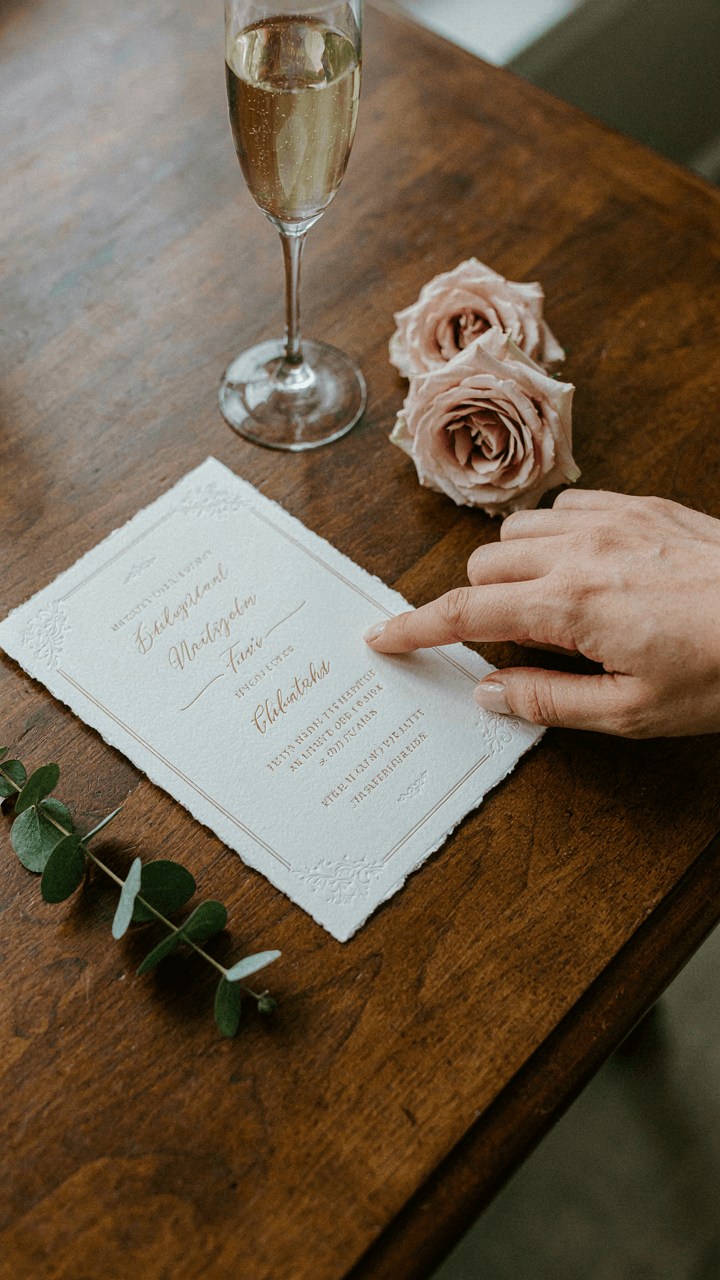
You’re anxious because you don’t want to look wrong. Here’s what actually matters: the invitation tells you everything about formality level, and most people ignore it entirely. Garden weddings exist on a spectrum from “wear your nice jeans” to “black tie optional,” and the host signals this through paper weight, wording, and venue name. When the invite says “garden party,” it means lower formality than “garden ceremony.” When it specifies a time before 4 PM, it means daytime rules apply: lighter fabrics, brighter tones, no heavy silhouettes. The mechanism is simple—hosts use specificity to filter expectations. Your job is to read it like a contract, not a suggestion.
Most people treat invitations like decoration and then panic about what to wear. The real signal lives in details. “Black tie optional” at a garden venue is contradictory and tells you the host is uncertain about tone—wear dark, structured pieces but skip the tuxedo. “Cocktail attire” at a garden means midi length or tailored separates, not gowns. “Garden party” with an afternoon time means you can wear breathable materials and pastels without looking underdressed. The dress code exists to create visual cohesion. Breaking it artfully means understanding the intent first, then knowing exactly which single element you’re shifting.
Signals Trump Trends
Fashion advice tells you to “be yourself,” which is useless here. What actually works is signaling you understand the occasion better than you understand yourself. At a daytime garden wedding, your outfit communicates one of three messages: respect for the host’s effort, confidence in your social position, or both. Borrow from economics: you’re managing perceived value. If the wedding is formal-adjacent, a structured linen blazer and tailored trousers signal you take it seriously without overdressing. If it’s relaxed, quality fabrics and clean lines signal sophistication without trying.
The subversion happens when you nail the code first, then make one deliberate choice that breaks it slightly. Wear a midi dress with functional pockets instead of a clutch—practical, uncommon, memorable. Choose a structured hat instead of a fascinator at a semiformal garden wedding—it reads as confident, not costume. Wear visible jewelry that’s minimalist rather than delicate—it suggests you’re comfortable being noticed. The protocol: match the formality exactly, then deploy one element that shows judgment, not compliance.
The Celebrity Stylist Gambit: Leveraging Understated Opulence
Fabrics That Signal Without Shouting
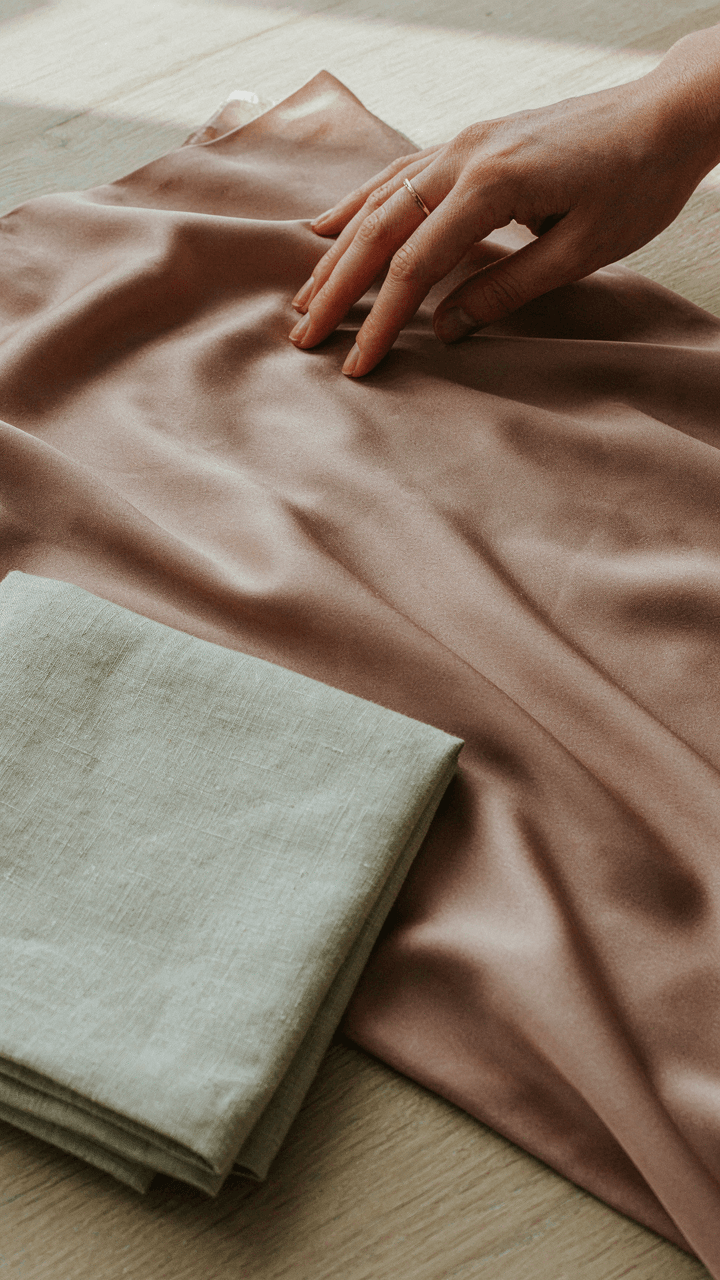
You want people to know you have money without looking like you’re trying. That’s the real mechanism here, and fabric choice is where it happens. In economics, we call this signaling—the act of broadcasting information about yourself through costly choices only certain people can decode. Linen, silk charmeuse, and cotton-linen blends signal wealth because they wrinkle, require care, and cost more upfront than synthetics. A guest wearing a wrinkled fast-fashion dress looks careless. A guest wearing wrinkled linen looks like she doesn’t care what you think, which reads as confidence born from security.

The mistake most people make is confusing “quality” with “shine” or “stiffness.” Cheap fabric holds a crease aggressively. Expensive fabric moves. Silk charmeuse drapes differently than polyester silk. Linen has irregular texture that synthetic blends can’t replicate. For a daytime garden wedding, choose natural fibers in matte or subtle sheen finishes. Avoid anything with high gloss or metallic coating—that reads as trying too hard. The fabric should feel substantial in your hand, not papery or slick.
Color And Restraint At The Edges
Accessorizing for impact means adding friction to an otherwise neutral outfit, not decorating every surface. Jewelry, shoes, and bags should each serve a single job: draw the eye to one deliberate focal point. A statement necklace with statement earrings with a statement bag cancels itself out. The eye doesn’t know where to land, so it lands nowhere.
Wear one bold accessory. Keep the rest minimal and coordinated. If your dress is patterned, go simple on jewelry. If your dress is solid, one strong necklace or a structured clutch works. Shoes matter more than people admit—they anchor the entire look and communicate whether you understand proportion. Flat sandals with a formal dress signal confusion. A simple heel or ballet flat with intention reads as control.
The “Elegant Wedding Guest Dress” Algorithm: Function Over Fluff
Comfort That Actually Works
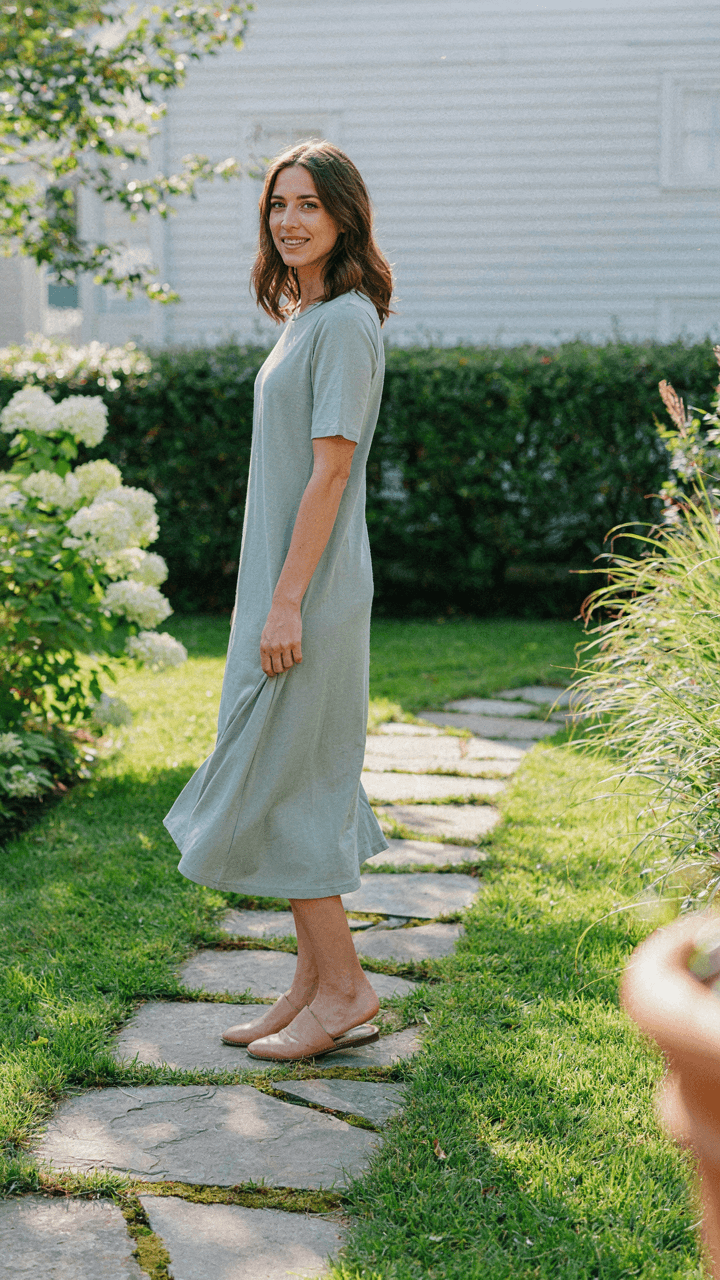
You’re worried people will judge your outfit choice, so you’re looking for permission to wear something that doesn’t destroy your body for six hours. Here’s what matters: comfort operates like load-bearing architecture. A dress that restricts your movement or creates pressure points becomes a liability the moment you sit down, stand up, or eat. The mechanism is simple: physical tension creates visible tension in your face and posture, which reads as discomfort to everyone around you, no matter how expensive the fabric.

Stop treating comfort as optional or secondary. A garden wedding demands you stand, walk on potentially uneven ground, and interact with people for hours. Choose natural fibers that breathe and move with your body. Cotton blends, linen, and quality rayon manage temperature swings and don’t cling when you perspire. Fit matters more than size. A well-fitted dress one size larger than you’d normally wear beats a tight dress in a smaller size every single time. Test your outfit by sitting, bending, and walking before the event.
The Right Shade Without The Noise
Color theory gets weaponized in fashion advice, but the actual rule is mechanical: your outfit’s color should complement your skin tone, not compete with the garden or the couple. This means understanding undertone matching, not following arbitrary seasonal color palettes. Your skin has either warm, cool, or neutral undertones. A color that harmonizes with your undertones recedes into the background and makes your face the focal point. A color that clashes creates visual discord that signals something is off, even if viewers can’t name why.
Avoid white, cream, or ivory, which reserves the couple. Skip neon or highly saturated brights, which pull attention from the ceremony and photographs. Soft jewel tones, muted pastels, and warm earth tones perform well across most garden settings and skin tones. Test your color choice by holding fabric swatches against your collarbone in natural daylight, not artificial indoor light. The shade should make your complexion look awake, not washed out or shadowed. Wear the color you tested in the same lighting condition as the daytime ceremony.
The Garden Semi Formal Code: A Masterclass In Calculated Casual
Balancing Structure With Natural Flow
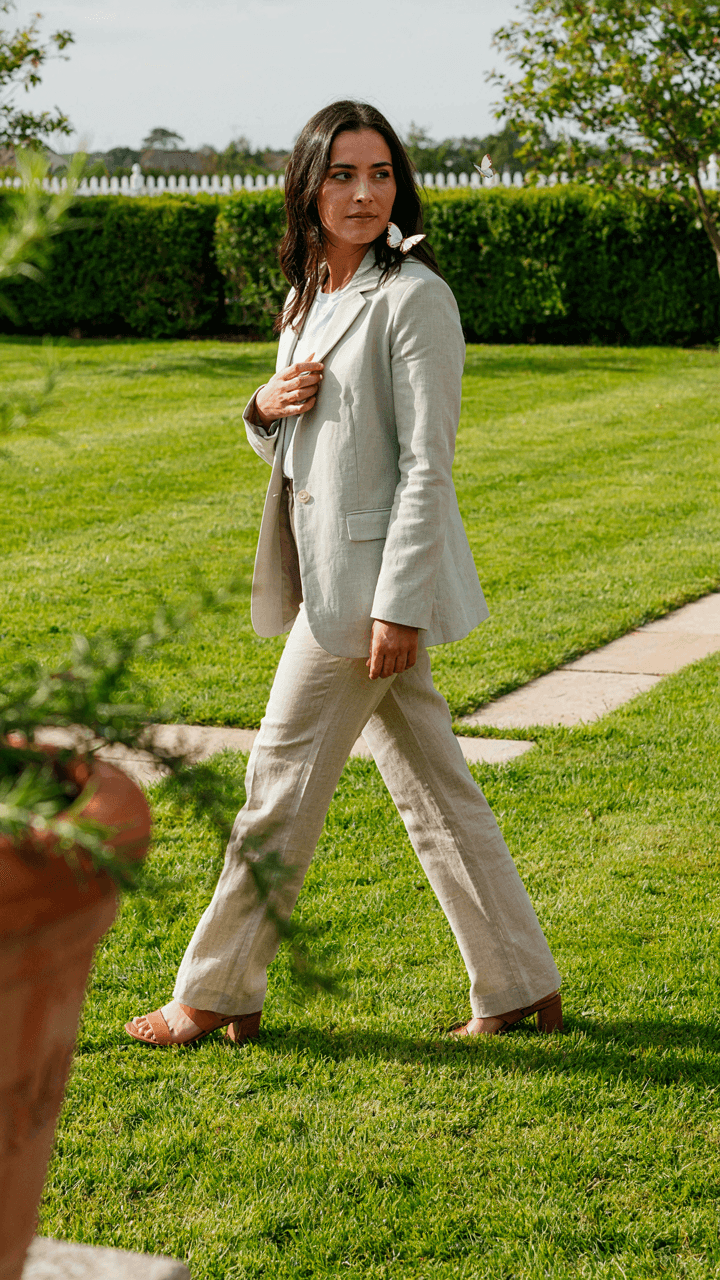
You’re worried people will judge you for getting the formality level wrong. That’s the real problem here. Garden semi-formal operates like structural engineering: you need load-bearing elements (tailored pieces) distributed across open space (relaxed fabrics and silhouettes) so nothing collapses under scrutiny. The mechanism is constraint paired with permission.

Tailored blazers, structured dresses, and fitted trousers are your load-bearing walls. Pair them with linen, cotton blends, and unlined fabrics that move. A structured linen dress reads as intentional effort without screaming “black-tie.” A blazer in cotton or a cotton-blend reads polished, not stiff. The garden setting gives you license to reject rigidity, but only if your base pieces have actual architecture. Wear what fits your frame cleanly, then let the fabric breathe.
The Grip Between Ground And Gravitas
Footwear on garden terrain is a physics problem with social weight attached. Wrong shoes sink, slip, or broadcast that you prioritized appearance over function. That signals carelessness to everyone watching. Flat soles and closed toes dominate garden weddings because they work on uneven ground and keep you upright when moving through grass or gravel.
Leather flats, dressy loafers, and structured sandals with ankle support handle soft earth without losing formality. Avoid thin heels, open-backed shoes, and anything with delicate straps that catch on vegetation. Metallic flats or neutrals in leather communicate intentionality without drawing attention. Your shoes must be clean and intact. Scuffed or worn footwear erases everything else you got right. Choose pieces that work on the actual ground you’ll stand on, then maintain them until you arrive.
The “Polished Look” Protocol: Engineering Effortless Refinement
Dress For The Venue, Not The Occasion
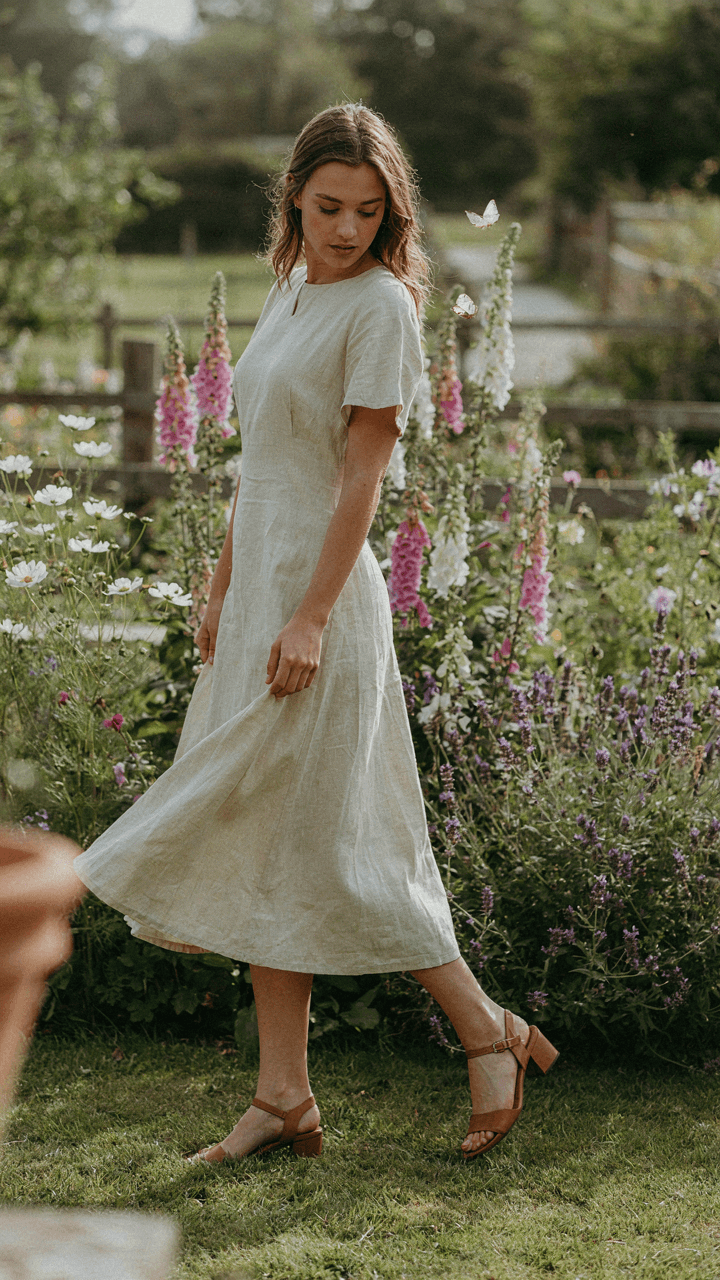
You’re worried people will judge you. That fear is the real problem here, and it tanks outfit decisions before they start. In military strategy, soldiers dress for terrain, not for ceremony, because terrain determines survival. A garden wedding has specific conditions: sunlight, grass, uneven ground, humidity. These variables demand fabric weight, heel type, and color retention. Most advice skips this and gives generic “elegant” guidance that ignores what actually happens when silk meets afternoon heat and ground moisture.

The polished look starts with material selection tied to environmental pressure. Linen and cotton blends resist wrinkles caused by sitting on garden chairs and maintain shape through humidity swings. Avoid heavy satin or dense weaves that trap heat and show sweat marks. Shoe choice matters more than color: opt for block heels or flats with actual grip on grass rather than thin soles that sink into soft ground. Match your outfit to the space before you match it to formality level.
Restraint Reads Richer Than Volume
Peacocking evolved to signal fitness, not wealth, and most people get this backward in wedding dressing. Wearing every piece you own signals anxiety, not status. The real mechanism: constraint signals control. A guest who wears one statement piece and coordinates everything else around it appears intentional. Someone layered in accessories, prints, and competing colors appears uncertain. Daytime garden settings demand this restraint because sunlight exposes every choice. You can’t hide behind dim lighting or dark venues.
Build your outfit from one anchor piece, then subtract rather than add. If you wear a printed dress, keep shoes neutral and skip the necklace. If you choose solid colors, add one textured accessory or simple jewelry. This protocol works because it forces decision-making before you get dressed, not during. Write down your outfit the night before and remove one item. That final piece you almost added is usually the one that tips the look from refined to overdone.
The Anti Trend Garden Party Outfit: Timelessness As Rebellion
Build Around Neutral Anchors That Don’t Expire
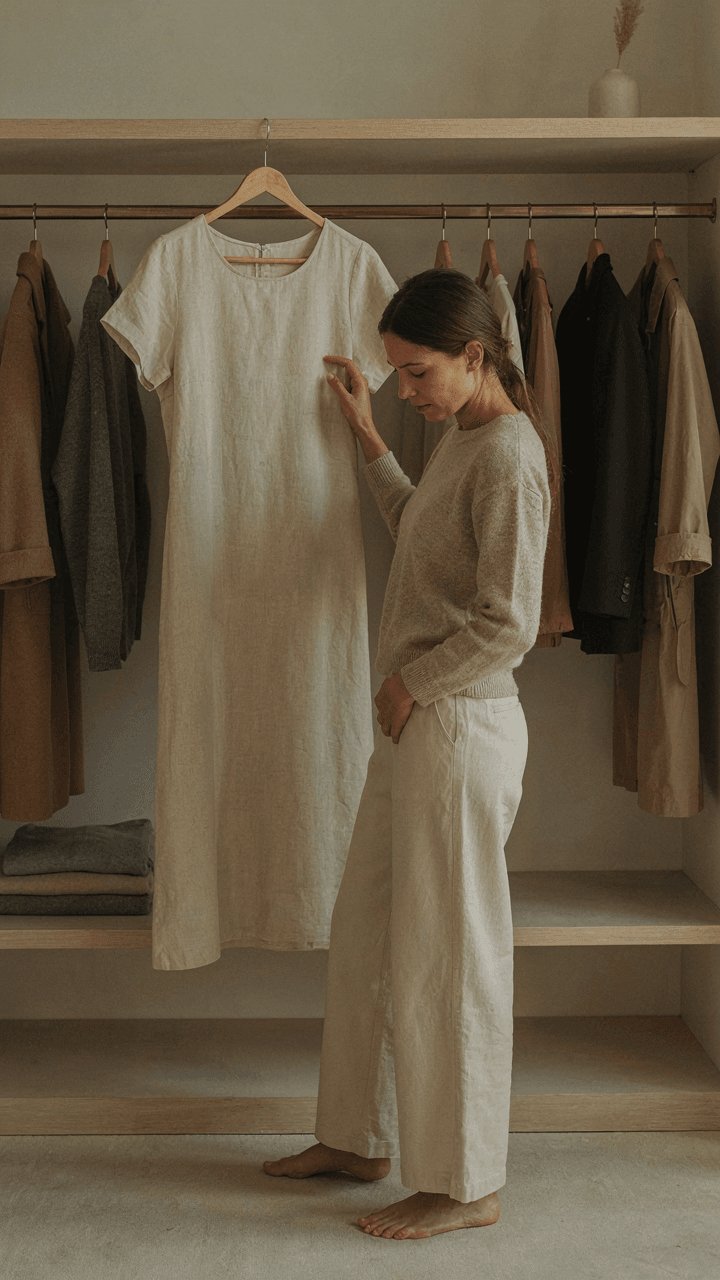
You’re worried the outfit will look dated in photos. The mechanism is simple: seasonal trends create obsolescence by design, and you’re paying for the privilege of looking wrong in two years. The solution isn’t to chase trends backward—it’s to anchor your outfit in materials and silhouettes that predate trend cycles altogether. Natural fibers like linen, cotton, and silk hold their shape and aesthetic value because they’re tied to function, not fashion cycles. A well-cut cream linen blazer or neutral midi dress from a brand focused on construction rather than trend forecasting becomes your base layer that survives any seasonal shift.

The practical step: identify one neutral anchor piece in a natural fiber with clean tailoring. Pair it consistently. This piece should feel expensive because of its construction, not its label. Wear it to three different events before the wedding. If it still feels right, it works. Trends move fast because they’re cheap to produce and replace. Timeless pieces cost more upfront because they’re engineered to absorb time without losing coherence.
Establish Your Specific Taste, Not The Trend You Think Fits
The common advice here is “dress for your body type” or “find your style.” That’s incomplete because it skips the actual mechanism. Your style is a signal of your decision-making criteria, not a fixed aesthetic. This means you need to identify which design elements you actually prefer versus which ones you’ve been told to prefer by retailers and social platforms. For garden weddings, this means defining whether you prefer structure or drape, minimal or layered, matte or subtle sheen—then defaulting to those choices consistently, regardless of what’s trending.
Building this takes observation, not inspiration boards. Wear outfits you own repeatedly. Notice which pieces you reach for, which combinations feel natural to your body and movement, which colors actually suit your skin tone when you stop comparing yourself to filtered photos. Then build your garden wedding outfit using only those criteria. The outfit becomes a reflection of how you make decisions, which signals competence more effectively than any trendy piece ever could.
Beyond The Dress: The Full “Wedding Outfit” Ecosystem
Hair And Makeup As Narrative Control
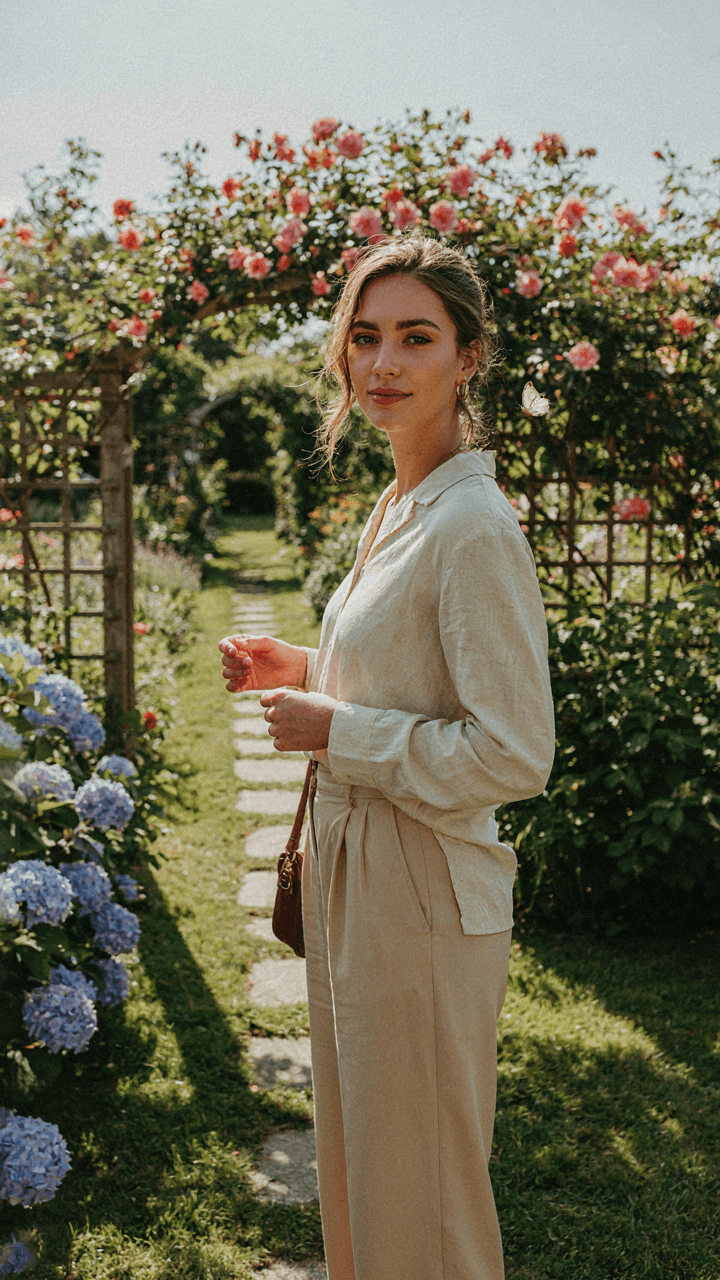
You care about this section because you’re afraid your face will read as “trying too hard” or worse, “not trying at all.” The real mechanism is framing. Hair and makeup don’t enhance your outfit—they set the context through which people interpret it. A polished updo with structured makeup reads formal; loose waves with minimal makeup reads casual. Same dress, different story. The garden setting amplifies this. Outdoor light exposes makeup choices ruthlessly. Indoor wedding lighting forgives. You need to reverse-engineer your look from the venue’s light quality and time of day, not from generic “garden wedding” advice.
Natural light at noon requires different makeup density than late afternoon golden hour. Garden ceremonies often run 15 minutes behind. You’ll stand outside longer than you planned. Waterproof products aren’t optional—humidity and potential movement matter. Hair that moves slightly in a breeze looks intentional. Hair that visibly shifts reads uncontrolled. Choose a style with structural integrity: braids, knots, or pins that hold tension. Loose waves require product commitment and frequent adjustment. Pin it or accept you’ll spend the ceremony thinking about your hair instead of watching the couple.
Outerwear As Extension Of Intent
Outerwear operates like signaling in game theory: it communicates your actual commitment to the event’s temperature and formality before you speak. The common advice here is garbage. Everyone says “bring a light wrap just in case.” That’s not strategy—that’s panic. Real logic: choose outerwear that either completes the outfit or stays invisible. A structured blazer, linen jacket, or tailored cardigan in a coordinating color becomes part of the silhouette. A random pashmina draped over your shoulders reads as an afterthought. You signal preparation or you signal indifference. Pick one.
- Structured Linen Blazer: Works in warm weather, coordinates with dresses in neutrals or pastels, removes without destroying your look, maintains formality without adding heat.
- Tailored Cardigan: Buttons over dresses seamlessly, sits at the waist or hip depending on fit, can be tied around the shoulders if removed, works across multiple outfit combinations.
- Lightweight Silk Shawl: Drapes without bulk, pairs with sleeveless or short-sleeve dresses, photographs cleanly, can be folded small enough for a clutch.
- Denim Jacket In Medium Wash: Signals outdoor appropriateness, works with midi dresses or separates, reads less formal than blazer, removes easily if heat builds.
- Oversized Linen Shirt: Wears as independent layer or lightweight cover-up, coordinates with wide-leg pants or midi skirts, maintains structured silhouette when layered.
Match outerwear to the dress fabric weight and color temperature, not to the season. A heavy wool coat over a thin cotton dress creates visual chaos. A cream blazer over a cream dress extends the line. Test the combination standing in direct sunlight before the event. This is the single highest-leverage decision in your outfit ecosystem.
The Scarcity Principle Of Accessorizing: Less Is More Power

One Focal Point Wins The Room
You’re afraid of being invisible. That’s why you’re reading this. The real mechanism here comes from economics: constraint creates value. Apply one anchor accessory, and everything else subordinates to it. A statement necklace means your earrings disappear. A bold fascinator means your shoes stay neutral. The garden setting amplifies this rule because natural light exposes clutter instantly. Competing accessories don’t add interest. They dilute presence.

Most people layer accessories like they’re hedging a bet. Five rings, three necklaces, dangling earrings, a bracelet, a brooch. This isn’t maximizing impact. It’s maximizing noise. One focal point forces the eye to land, register, remember. At a daytime garden wedding, the stakes are even higher because you’re competing with natural beauty, not dim ambient lighting. The focal point does the work so you don’t have to perform.
The Signature Piece Strategy
A signature piece is not jewelry you like. It’s the single accessory that makes people describe you when you leave. It breaks pattern. The signature piece works because it’s specific enough to lodge in memory but restrained enough to work within garden formality. A vintage brooch pinned to your shoulder. A structured clutch in an unexpected color. A pair of statement earrings that actually suit your face. The key is choosing one category and owning it completely.
The strategic move is this: commit to your signature piece before you finalize the outfit. Build everything around it. If you choose a standout necklace, keep earrings minimal and shoes classic. If you choose bold shoes, tone down every other element. This isn’t compromise. It’s composition. Your accessory works harder because nothing competes for attention. At checkout, ask yourself what single thing someone will remember about how you looked. If you can’t answer in one sentence, you’ve chosen poorly.
The Real Obstacle Isn’t The Dress Code; It’s Your Fear Of Standing Out
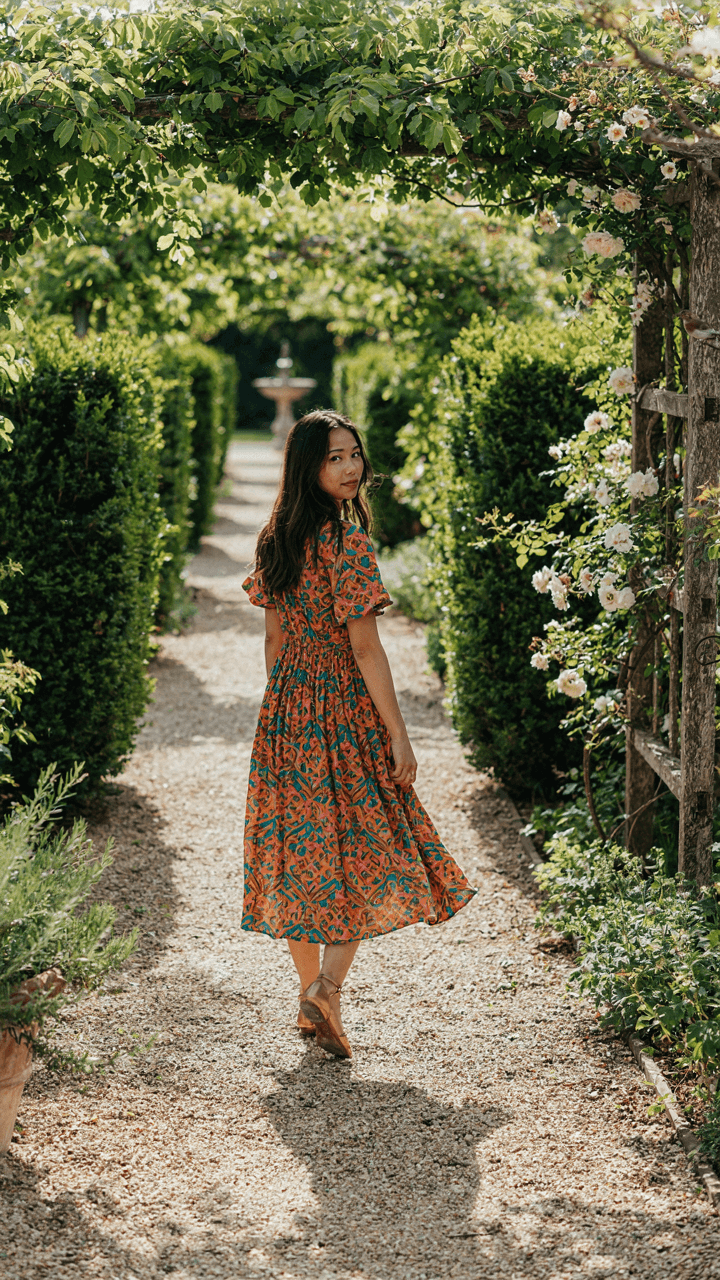
You already know what to wear to a garden wedding. You’re stalling because blending in feels safer than looking intentional. Stop waiting for permission to dress like you mean it. Pick one piece that excites you, build around it, and wear it. The couple invited you to celebrate with them, not disappear into the crowd. Confidence isn’t loud. It’s just knowing you showed up as yourself.