
Understanding Sinking Fund Categories for Better Budgeting
Sinking funds are a financial strategy where you set aside money regularly to cover future expenses or debts. This method helps you avoid financial strain by planning ahead for costs that might otherwise be overwhelming. Sinking funds categories allow you to organize your savings for different purposes, making your budget more manageable and efficient.
In this article, you’ll learn what sinking funds are, why they matter for your budget, and how to create and manage sinking funds for various expenses. We will also cover practical examples and steps to help you apply this money-saving technique successfully.
Basics Of Sinking Funds

A sinking fund is basically a pot of money you set aside little by little for a future expense. It helps avoid the shock of having to pay a large sum all at once. Instead, you spread out payments over time, which can make managing money feel a bit less stressful. Think of it as saving up bit by bit for something you know will come, like a new car tire or a holiday gift fund.
The main purpose is to make big expenses manageable. By regularly putting small amounts away, you can cover costs without borrowing or running low on cash. It’s a disciplined way to plan ahead.

Key principles include regular contributions, clear goals, and patience. You decide what you’re saving for, how often to save, and how much. Then, stick to the plan. It’s about steady progress rather than instant payoffs.
How To Start A Sinking Fund

Starting a sinking fund can be straightforward if you break it down:
- First, decide what the fund is for. Could be car maintenance, holiday gifts, or annual insurance.
- Next, pick how often you’ll add money — weekly, monthly, or whenever you can. Consistency really matters here.
- Determine how much to save each time based on the total amount you need and the time you have. For example, if you need $600 in a year, you’d save $50 a month.
- Create categories by thinking about typical expenses you face. Separate funds help keep things organized and prevent accidental spending.
Choosing the right categories depends on your lifestyle. Look at what big bills pop up yearly or occasionally, then create funds specifically for those. If you’ve never done this, it might feel odd, but it gets easier with practice.
Advantages Of Using Sinking Funds


Sinking funds come with perks that can change how you handle money:
- Avoid Debt: By saving ahead, you’re less likely to put large expenses on a credit card or loan. This saves interest and stress.
- Lower Financial Stress: Knowing you have money set aside eases worries about upcoming bills. For example, having a fund for car repairs means you won’t panic if the check engine light turns on.
- Better Budget Control: It’s easier to track where your money goes. When money is earmarked, you’re less tempted to spend it on other things.
- Flexibility: Some expenses might change or come unexpected. A sinking fund can adapt because you’re saving gradually, giving you leeway to adjust amounts or timelines.
In short, sinking funds make your financial life a little more predictable. They don’t solve everything, but they do help prevent those “oh no” moments when big bills show up. If you’ve tried budgeting before and felt overwhelmed, this method might be worth trying out.
Sinking Funds Vs Emergency Funds

The Clear-Cut Purpose of Each
When you think about sinking funds and emergency funds, it’s easy to mix them up. They both involve saving money, yes, but their reasons couldn’t be more distinct. Sinking funds are like your plan for predictable expenses—think of them as goals you set aside money for ahead of time. For example, budgeting for a new laptop next year or setting money aside for your annual insurance premium.
Emergency funds, on the other hand, are your safety net for those curveballs life throws without warning. Say your car suddenly needs a major repair or you face a temporary job loss; this fund steps in to cover the unexpected, unplanned expenses.
Balancing Both Without Breaking Your Budget
Handling both types of funds simultaneously can feel like walking a tightrope. You want to put enough away for future known expenses without neglecting that cushion for surprises. One way that might help is prioritizing the emergency fund first until it reaches around three to six months of living expenses. Then, start funneling more money into sinking funds for specific upcoming costs. Another approach is dividing your savings each month—maybe 60% to emergencies and 40% to sinking funds—though the split depends on your current stability and goals.

It’s tempting to focus on just one fund, especially when money feels tight. Yet, neglecting either could lead to stress down the road. Could you imagine suddenly needing to pay a hefty repair bill without any backup? Or conversely, dipping into your emergency fund for something you knew was coming? That’s why finding a balance that respects your income and lifestyle is key—no magic formula fits all.
Budget Planning With Sinking Funds

When adding sinking funds to your monthly budget, it’s about more than just setting aside cash—it’s about creating a clear plan. Think about every sinking fund category separately: how much you need, and when you’ll need it. For example, if you want to save $600 for a new laptop that you want to buy in 12 months, break it down to $50 each month.
Calculating these amounts requires a bit of math but nothing complex: divide the total expected cost by the number of months until you need the money. Keep it flexible—if your income changes or an expense shifts, be ready to adjust your monthly contributions.
Tracking progress is surprisingly simple. Many prefer a spreadsheet or budgeting apps that let you see each sinking fund’s balance. Others like paper envelopes or jars—whatever keeps you motivated. The key is to regularly check how close you are to your goal and update your plan based on actual saving patterns.
Setting Realistic Saving Goals
Setting targets can feel tricky. You want to aim for something achievable yet challenging. If your car’s maintenance bill is $1200 due in 12 months, aim to save $100 a month rather than guessing wildly. If that feels too steep, stretch the timeline or split the expense into smaller parts.

Here’s a quick example: A holiday trip costing $1,200 happening in 8 months? $150 a month. But, say you can only save $100—maybe shorten the trip or adjust plans. It’s about balancing your goals with reality, a skill that you sharpen over time.
Tracking Sinking Fund Progress
Keeping tabs on your funds doesn’t have to be hard. Consider simple spreadsheets, budgeting apps, or even sticky notes. What matters is consistent updates—maybe monthly or when you add money—to see how far you’ve come.
Some tools offer reminders, which can be helpful if you tend to forget regular deposits. Others allow you to categorize expenses neatly so you can glance at progress and unmet goals quickly. It’s worth trying a few methods and sticking with what keeps you engaged.
Common Sinking Fund Categories
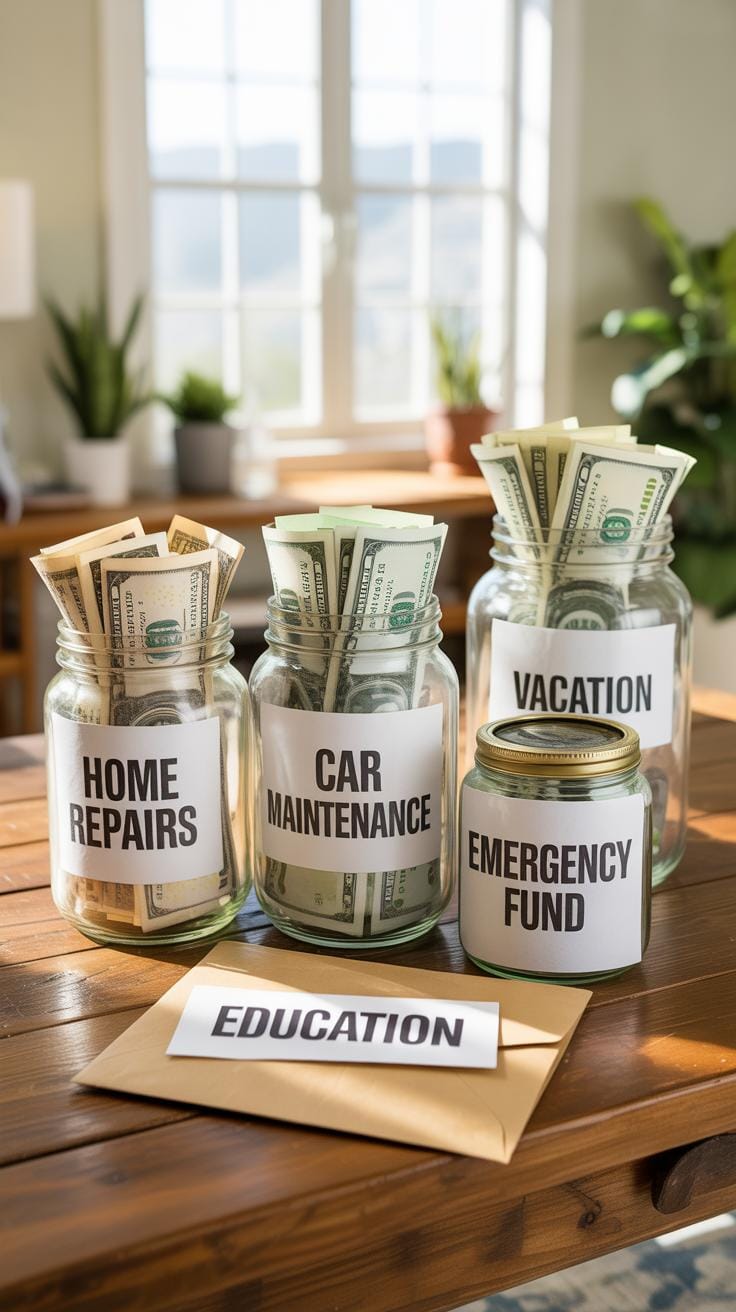
When thinking about sinking funds, some categories keep popping up because they fit this saving method so well. Consider car repairs, holidays, home maintenance, and annual bills. These areas are predictable, often getting overlooked until the expense suddenly hits, and then it feels like a financial shock. Setting aside money gradually for these can soften the blow and keep your budget steady.

Why do these categories make sense for sinking funds? Well, they’re typically non-monthly expenses, meaning you aren’t paying for them every month – like a car doesn’t need repairs every week, and your heating bill isn’t the same every month either. So, sinking funds let you spread the cost evenly over time instead of scrambling when the bill arrives.
Choosing Categories Based On Expenses
Figuring out the best sinking fund categories depends a lot on your unique spending patterns. Look back over your expenses for the last year. What caught you off guard? Maybe it was an expensive dental visit or replacing worn-out shoes. Identifying those irregular but expected costs is key. You don’t want to create sinking funds for everything, but focusing on predictable, substantial expenses makes sense.
Ask yourself questions like: Which costs disrupt my budget when they come due? Which expenses repeat but not monthly? These answers shape your sinking funds better than just copying a generic list.
Examples Of Sinking Fund Allocations
Let’s say you earn a modest salary. You might assign $50 a month to car repairs, $30 to holidays, $20 for annual bills, and $40 for home maintenance. For someone with a higher income, these amounts could be $150, $100, $60, and $120, respectively. Of course, your lifestyle changes things – if you don’t own a car, skip that category and maybe add one for gadgets or gifts instead.
Allocations aren’t fixed rules, just starting points. Adjust to reflect what’s important and when you expect to spend. A bit of experimentation might be necessary, but once you’re on track, the peace of mind from knowing you’re prepared is worth it.
Avoiding Sinking Fund Mistakes


Many people stumble with sinking funds by underestimating the actual costs involved. It’s easy to think a repair or replacement will cost less than it really does. Then, when the time comes, there’s just not enough saved.
Another common mistake is missing deposits. Life gets busy, and it’s tempting to skip a contribution here or there. But those skipped amounts add up and throw your whole plan off.
To avoid these pitfalls, try to research your expected costs carefully. Ask around or check prices beforehand. Set realistic targets that include a buffer for unexpected expenses. And set up reminders or automatic transfers so you don’t forget contributions—even a small delay can hurt.
Keeping Consistent Contributions
Consistent, on-time deposits make all the difference in sinking funds. They keep your progress steady and prevent any last-minute scramble.
Making it a habit helps: pick a regular day each month to transfer money. Use alarms, calendar alerts, or automated bank payments to stay on track. The less you have to think about it, the better.
Adjusting Funds For Changing Needs
Life is unpredictable, so sinking fund amounts shouldn’t be set in stone. If your expenses rise, or your income falls, you might need to tweak contributions.

Review your sinking funds at least once a year. Ask yourself if the planned amount still makes sense given your circumstances. Maybe you need to increase savings for a new car or reduce the fund for something you won’t need soon.
Adjusting as you go keeps your sinking funds practical and aligned with your life. Don’t be afraid to revisit your plan—that’s actually part of what makes sinking funds work well.
Tools For Managing Sinking Funds

Sinking funds are easier to manage when you have the right tools at your disposal. While some might prefer a manual approach, simple digital tools can really help keep things organized and on track. Two main options come to mind: spreadsheets and budgeting apps. Each has its quirks, and perhaps you’ll find one suits your style better than the other.
Using Spreadsheets To Track Funds
Spreadsheets can be a great starting point if you want complete control. Setting one up is fairly straightforward. You might want to create columns for Fund Name, Target Amount, Current Balance, Monthly Contribution, and Due Date. Visuals like progress bars or conditional formatting can give quick insights. It’s flexible—maybe too flexible, though, as without some structure, it’s easy to lose track or make mistakes. Sharing spreadsheets can be cumbersome if you need collaboration. Still, it’s free and available in tools like Excel or Google Sheets.
Recommended Budgeting Apps
Apps are tailored for easier tracking, often automating calculations and sending reminders. For instance, YNAB (You Need a Budget) encourages assigning every dollar a purpose. It supports sinking funds well but requires some commitment to their method. On the other hand, WalletHub offers more financial tools beyond budgeting, which might feel overwhelming if you just want to manage sinking funds. Some apps come with subscription fees, while others offer free versions with limited features. The bottom line: apps simplify the process but may add complexity with their broader features.
Sinking Funds For Debt Repayment


Setting aside money each month in a sinking fund aimed specifically at paying off loans or credit card debt can change the way you handle your finances. Instead of scrambling when a large payment is due, you steadily build up a reserve. It’s not just about having the money ready but about easing the pressure on your cash flow throughout the year.
One benefit is that this method might help reduce the total interest paid on debt. When you make regular, planned contributions, you avoid the costs that come with missed payments or last-minute debt rollovers. It’s calming to know you’re creating a buffer against potential financial stress.
It’s a straightforward approach, but it requires discipline. You may sometimes wonder if it’s better to pay down the debt aggressively or stick to the sinking fund plan. Each has merits, but the sinking fund offers controlled, predictable progress without surprises that often cause anxiety.
Planning Debt Payments With Sinking Funds
To figure out what to put aside each month, you just need to know your total debt, interest rates, and desired payoff timeline. Calculating a monthly sinking fund contribution becomes a manageable exercise rather than a guessing game. For example, if you owe $6,000 with a 12 percent interest rate and want to pay it off in two years, setting aside about $275 a month can guide you steadily towards that target.
Prioritizing debts can be tricky but focusing on higher-interest obligations first often saves money. Yet there might be reasons—like a smaller balance or psychological benefits—to tackle lower debts first. Planning this out with sinking funds means you can create a clear roadmap, adjusting as you go without feeling overwhelmed.
Benefits Of Sinking Funds For Debt
Using sinking funds can reduce the risks tied to late or missed payments. When funds are already saved, payments are more consistent, which helps maintain a positive credit history. Avoiding late fees alone can save you dozens or even hundreds over time.
This method also supports mental peace. Knowing you have the money ready removes some of the dread that often accompanies debt management. The structure offered by sinking funds turns a potentially chaotic situation into one with more order, making it easier to stay accountable and keep on track.
Case Study Using Sinking Funds

Initial Setup And Goals
Meet Sarah and her small family. They started with modest savings and a desire to avoid debt for upcoming big expenses. Sarah chose sinking fund categories based on predictable costs: car maintenance, holiday gifts, and home repairs. The idea was to break down those costs into manageable monthly amounts. For example, the car maintenance fund aimed to cover the annual service and unexpected repairs by setting aside about $50 each month. The holiday gift fund gathered $30 monthly, hoping to ease the usual end-of-year pressure. Home repairs were trickier, so they allocated $40, anticipating irregular but necessary fixes.
Results After Six Months
After half a year, Sarah felt a mix of satisfaction and some surprise. The car maintenance fund had grown steadily, and when the service came, the cash was ready without stress. Holiday gifts felt more manageable, too, as she bought gifts in installments rather than all at once. Yet, home repairs proved unpredictable; a minor plumbing issue required more than expected. This led Sarah to tweak her sinking fund approach, deciding to boost the home repairs fund and be more flexible with contributions based on monthly expenses. It wasn’t perfect, but the sinking funds helped the family avoid sudden financial shocks and rethink their budgeting rhythm.
Sinking Fund Checklist For Beginners
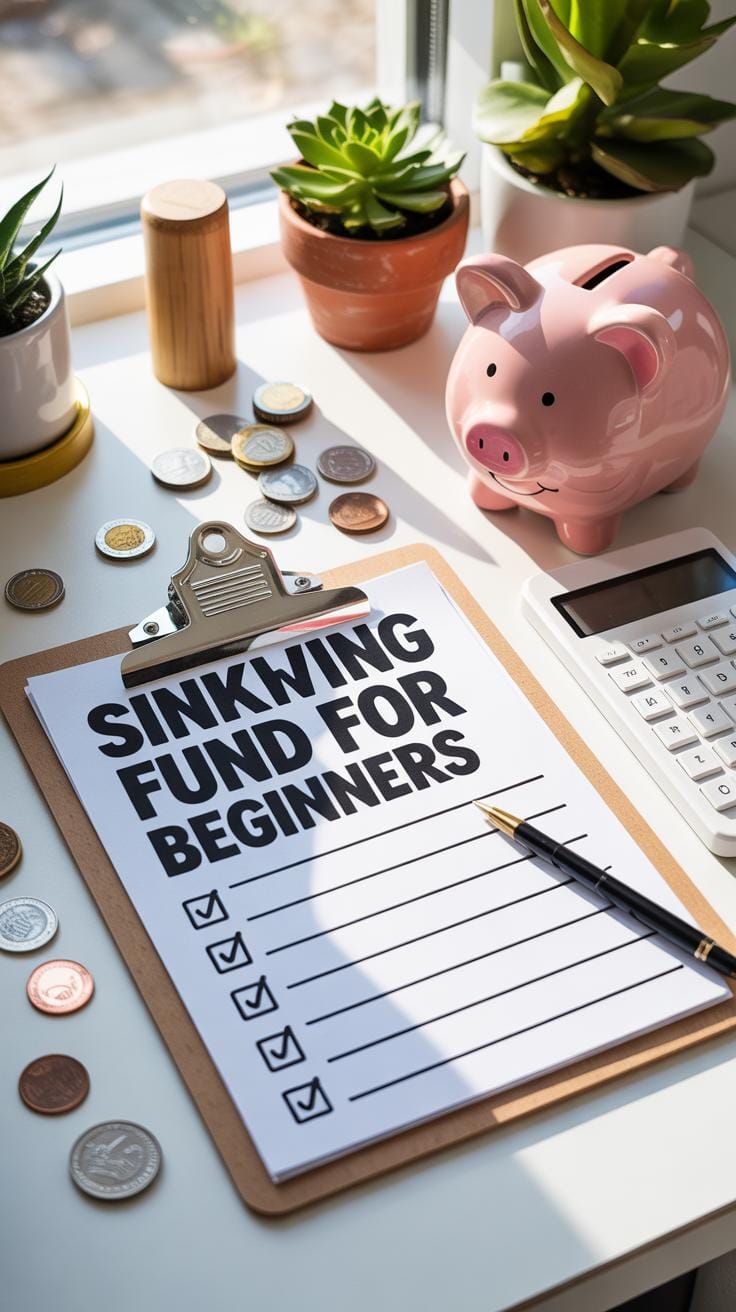
Starting sinking funds might seem straightforward, but having a checklist can really help keep things clear. First, you need to decide on the categories—think about recurring or predictable expenses like car maintenance, holiday gifts, or even property taxes. You don’t have to cover everything at once. Focus on the most pressing or costly items first.
Before jumping in, tasks like assessing your expenses carefully are key. What costs pop up regularly? What catches you off guard? Setting clear goals for each fund helps guide your saving rhythm—you might want to replace a laptop in a year or save for a trip in six months. Then, choose your saving method. Is it an envelope system, a dedicated savings account, or using digital apps? Try to pick what fits your style.
Once you’re rolling, don’t forget to track your progress regularly. This could be weekly or monthly check-ins. Adjust contributions if needed—maybe you saved more one month or had unexpected costs the next. Maintaining this routine is what keeps sinking funds effective and less stressful.
Tips For Successful Sinking Funds

Staying committed to your sinking funds can feel challenging at times, especially when unexpected expenses pop up. To keep on track, try setting reminders or automatic transfers so you don’t have to think about it every month. It’s easy to get tempted to dip into these funds for non-urgent needs, but resisting those impulse withdrawals will keep your financial plan intact.
It helps to review your budget regularly—say every few months—to see if your allocations still make sense. Maybe some expenses have increased, or you’ve found a cheaper alternative, freeing up some cash. This way, you won’t over- or under-save for your goals.
Maintaining discipline over time isn’t just about numbers. Sometimes, reminding yourself why you started can keep motivation alive. You might visualize what that sinking fund is for, whether it’s a vacation or a big appliance replacement. Keeping those reasons in mind nudges consistency forward. If you feel your enthusiasm dipping, tweaking the amounts to be more manageable might be better than quitting altogether.
When should you reconsider your sinking fund goals? Changes in income are an obvious trigger—got a raise or lost a job? Adjust accordingly. Shifting priorities also matter: perhaps a planned home upgrade is postponed or replaced with a new priority like education. Life isn’t static, and your funds shouldn’t be either. Keep an eye out for any changes that might call for rethinking your savings plan.
Conclusions
Sinking funds help you prepare financially for upcoming costs by dividing your savings into clear categories. This reduces surprises and keeps your budget on track. You can use sinking funds for anything from big purchases to debts, making financial planning simpler and less stressful.
By starting sinking funds with a clear plan and tracking progress, you gain control over your money and avoid financial pressure later. Use these steps to build your sinking funds and see a positive change in how you handle your budget and expenses.