


Building a Financial Plan With Money Saving Strategies That Grow Wealth
Financial planning with effective money saving strategies to grow wealth is a crucial skill that helps you manage your income and expenses while securing your future financial stability. It involves creating a plan that aligns your spending and saving habits with your long-term monetary goals. By managing your money thoughtfully, you can build a foundation that supports wealth growth over time.
This article covers practical approaches to financial planning, exploring how you can allocate your income, set budgets, and implement saving strategies that encourage wealth accumulation. You will find useful examples, simple processes, and tips that guide you through managing your finances effectively.
Setup checklist for financial planning

Starting a financial plan isn’t complicated, but it does need some structure. First, take stock of your income — what you bring in regularly after taxes. Then, track your expenses carefully for a month or two. This helps you see where your money actually goes, not just where you think it does. It’s easy to miss small, recurring costs that quietly eat away at your budget.
Once you have that clear picture, it’s time to set goals. Try to be honest with yourself. What really matters? Maybe it’s building an emergency fund or saving for a down payment. Break these down into short-term (within a year) and long-term (several years or more) goals. Keep them practical — overly ambitious goals tend to demotivate rather than inspire.

After that, create a budget that balances your income against your spending. The trick is to keep it simple. List your necessary expenses first—things like rent, utilities, groceries. Then, allocate some money for discretionary spending but leave room for saving. Even small amounts counted regularly add up over time.
Think of your budget as a guide, not a cage. Things change, so revisit it often. Are you overspending on dining out? Could you cut back on subscriptions? The answers might surprise you. Remember, it’s about making your money work, not feeling restricted by it.
Setting practical saving goals makes a big difference. Perhaps you start by saving just five percent of your income — doable without strain. Then, increase it gradually as you adjust. Short-term goals might include a vacation fund, while long-term ones could be retirement savings or paying off debt. These objectives give purpose to your saving and help you avoid impulsive spending.
Have you ever felt you’re saving without a clear reason, and it just slips away? That’s why tying goals to your personal values or big life plans matters. It keeps saving real and rewarding.
How to track your spending habits


Tracking your spending isn’t just about noting down every coffee or snack purchase. It’s more about building a clear picture of where your money tends to flow and spotting patterns that might surprise you. You could jot things down manually if you prefer, but daily tracking makes more sense because waiting until the end of the month might mean forgetting some expenses entirely.
Writing it all out helps, but many people nowadays lean on apps and digital tools. These apps don’t just log expenses—they categorize them automatically, provide charts, and even warn you when you’re spending more than usual. The convenience makes it easier to keep up with, and sometimes I found it a bit eye-opening to see exactly how much I spent on takeaway.
Checking your monthly bank and credit card statements is another method. It might feel tedious, but it’s a chance to catch things you didn’t expect—like repeated subscriptions or fees you forgot about. Sometimes, scanning those statements reveals small, unnecessary charges adding up over time. That’s a good place to reconsider spending choices.
Some practical steps to get started:
- Set a daily reminder to log what you spend, even if it’s small amounts.
- Use apps like Mint, YNAB, or even your bank’s app to see spending trends.
- Each month, look over your statements line by line—don’t skip this part.
- Ask yourself where you can cut back or if any spending really brings you value.
Have you ever been surprised by how fast small purchases add up? Understanding your habits is the first step, even if it makes you feel a bit uneasy at first. That discomfort can point you toward better habits, though I guess one could also get overwhelmed and give up—so keep it simple and manageable.
Common saving strategies compared


There’s no one-size-fits-all approach when it comes to saving money. Let’s look at a few popular methods you might have heard of, like the 50/30/20 rule, envelope budgeting, and automated transfers. Each has its quirks.
The 50/30/20 rule breaks your income into three parts: 50% for needs, 30% for wants, and 20% for savings. It’s straightforward and easy to follow, especially if you like clear percentages. But if your costs or income fluctuate a lot, it can feel rigid.
Envelope budgeting is more hands-on. You allocate cash to different envelopes—groceries, entertainment, bills—and spend only what’s inside. It forces discipline, but it can be inconvenient with digital payments being the norm. Still, some find the tactile aspect helps control impulsive spending.
Automated transfers take a, well, hands-off approach. You set up your bank to move money to savings automatically. It’s effortless and consistent but doesn’t teach much about your spending habits. Sometimes, you might forget how much you’re moving around until you check your balances.
What works best for you?
Picking the right strategy depends on your personality and lifestyle. Do you prefer a clear, math-based plan or something flexible? Is tracking cash something you find helpful or a hassle? Are you forgetful about moving money manually, or do you prefer controlling each dollar?

Think about your spending patterns. If you tend to overspend, envelope budgeting might add needed control. If you hate thinking about money often, automated transfers could reduce stress. Sometimes, you want a bit of both: structure with freedom.
Mix and match strategies
You don’t have to stick to just one method. Combining strategies can give you both control and consistency.
- Try automated transfers to cover a set percentage for savings each month, ensuring you don’t skip saving.
- Use envelope budgeting for categories where you tend to overspend, like dining out or entertainment, to curb excesses.
- Apply the 50/30/20 rule as a guiding framework, adjusting envelopes or transfers within those buckets.
Mixing approaches can feel a bit messy at first, but it often leads to steadier savings without feeling overly restrictive. After all, financial planning is personal—there’s no harm in tweaking methods until they fit just right.
Plan for emergencies and unexpected costs
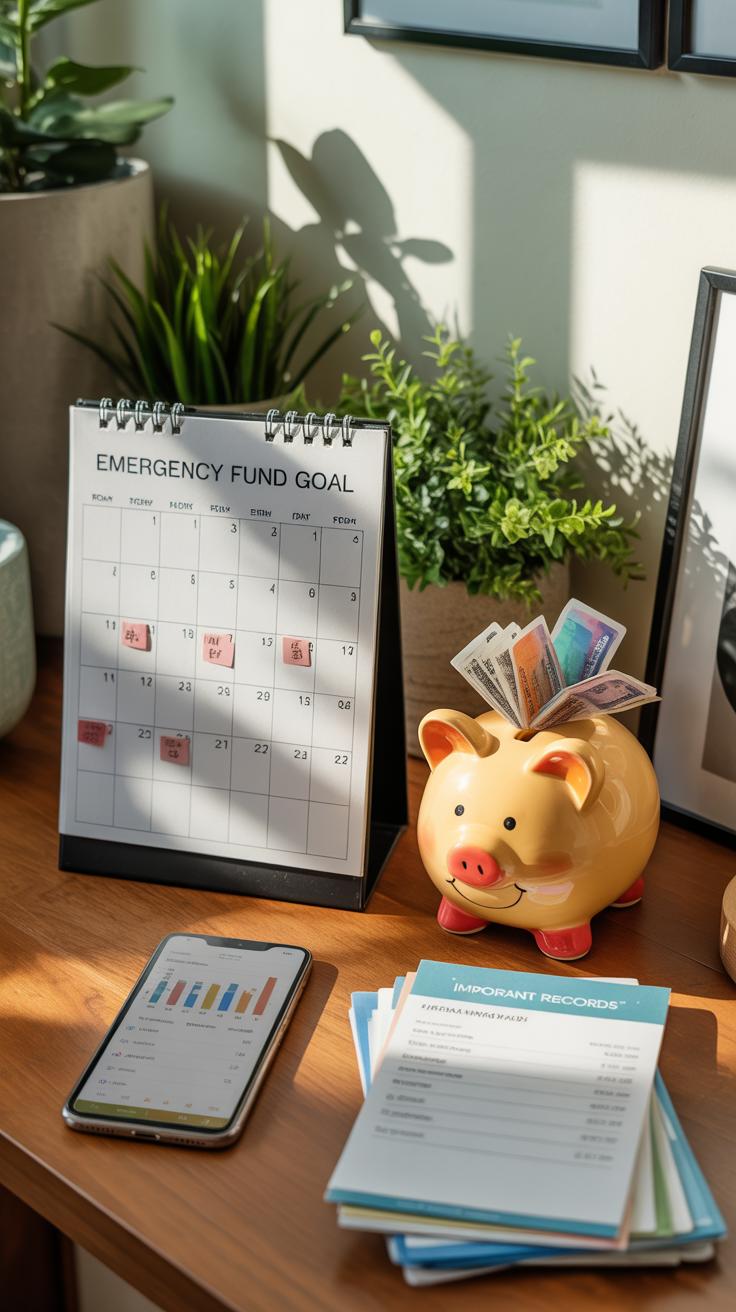
Why an emergency fund matters
Life doesn’t always go as planned. You might lose a job, face sudden medical bills, or encounter urgent home repairs. Without cash set aside, these surprises can throw your whole financial plan off balance. An emergency fund acts like a safety net, giving you some breathing room when things go wrong. It’s not just about avoiding debt, though that’s a big part of it—it’s about peace of mind. Knowing you have ready cash reduces stress. You don’t have to scramble or borrow at high interest. But how much should you save? The general advice is to have three to six months’ worth of essential expenses. That sounds like a lot, and maybe it is for some. Yet, even a smaller amount can help—something is always better than nothing.
Steps to start your fund
Starting an emergency fund can feel a bit daunting, especially if money is tight. But you don’t need to save everything at once. Try these steps:
- Figure out your monthly essentials—rent, bills, groceries—and multiply by three to get a baseline target.
- Open a separate savings account so you’re less tempted to dip into it.
- Set up automatic transfers, even if it’s $10 a week. It adds up.
- Trim small expenses temporarily—cutting out that daily coffee can help.
- When you get unexpected income, like a tax refund or bonus, put a portion into the fund.

Be patient. It might take months or even years, but steady progress matters more than speed. And you might wonder—how do you stop yourself from using this fund for non-emergencies? Try to define clearly what counts as “urgent.” This personal rule can save you from dipping in whenever temptation strikes. Remember, your emergency fund isn’t just a stash of cash. It’s the foundation that keeps your financial goals stable when life tosses a curveball your way.
Methods to reduce daily expenses

Cutting daily costs doesn’t mean giving up the things you enjoy or suddenly living too frugally. You can trim spending on groceries, utilities, subscriptions, and transportation without feeling deprived. The trick lies in small adjustments that add up over time.
When it comes to groceries, planning is your best friend. Make lists based on meals you actually want to cook, not just what’s on sale. Buying in bulk for items you regularly use can save money but watch out for perishables—that’s wasted cash if they spoil. Look out for store brands; they’re often just as good but cheaper. And don’t overlook discounts close to expiry dates—you might be surprised how useful those items can be, especially if you freeze or cook them right away.
Utilities and subscriptions often slip under our radar. Sometimes you pay for services you rarely use or forget to cancel trials. Take a moment each month to review what you’re actually utilizing. With utilities, simple habits help—turn off lights when not needed, unplug devices, and adjust thermostats slightly. Even a degree or two difference can matter over time. It’s a hassle, perhaps, but making these checks can shave off noticeable sums from your bills.

Transport can be another area to economize without sacrificing convenience. Carpooling, public transit, or even checking if you walk or bike for short trips can reduce fuel and maintenance costs. Occasionally, it’s worth rethinking the necessity of some trips—could you combine errands or shop online to save on fuel?
None of these are earth-shattering changes, but together, they ease your financial pressure without making life miserable. Have you tried any small habit changes that surprisingly helped your budget? Sometimes it’s the tiny things overlooked that free up a bit more cash than expected.
Smart shopping tips
Saving money at the grocery store isn’t just about chasing sales. It’s about being deliberate. Before shopping, check your pantry, fridge, and freezer. What do you already have? It’s easy to buy duplicates and let food go to waste—something I know I’ve done more than once.
Try to shop with a list and stick to it to avoid impulse buys. Meal prepping can help here by giving you a clear idea of what’s needed for the week. When possible, visit stores on restock days—the fresh produce selection may be better, and some discounts might appear.
Coupons and loyalty programs often get a bad rap as time-consuming, but when you’re consistent, they can add up. Digital coupons mean you don’t have to clip paper or hunt through flyers. Another tip: buy seasonal produce and staples—they’re usually cheaper and fresher. And if you’re buying household necessities, consider bulk buying on non-perishables. Still, it’s tricky—you don’t want to overstock and clutter your space unnecessarily.

Ultimately, smart shopping is about balance, knowing what you truly need versus what feels good to have in abundance. Keep experimenting, and maybe you’ll find a rhythm that saves money and suits your lifestyle.
Lower energy and subscription bills
Utility bills creep up unexpectedly. I remember one winter when I realized I’d been leaving the heater on all day—a costly habit. Since then, I try to be more mindful, but it’s easy to slip back.
To cut these costs, start by scrutinizing your energy use. Simple steps like using LED bulbs, sealing windows, and adjusting your heating and cooling settings can lead to reasonable savings. Smart plugs and timers help prevent appliances from running unnecessarily, though setting them up might feel like a bit of a hassle at first.
Subscriptions can drain money without obvious signs. Streamlining what you pay for is a sensible approach. Maybe you have two music services or several streaming platforms, but use only one regularly. Sometimes freezing accounts for a few months or switching plans can reduce bills without cutting entertainment entirely.
Checking subscription renewal dates and canceling unused services often feels like a chore but pays off. An honest question to ask yourself is: Do I need this subscription, or is it more habit than benefit? This query might reveal opportunities to save more than expected.
Investing basics for beginners


When you’re just starting out, investing might feel like a complex maze. But really, some options are pretty straightforward and don’t require a finance degree to understand. Take index funds, for example. They’re basically a collection of stocks bundled together to track the overall market’s performance. If you buy an index fund, you own a tiny piece of many companies at once. It reduces the risk tied to any single stock and lets your money grow as the market rises over time.
Bonds are another simple choice. Think of them as loans you give to governments or companies, which pay you interest back regularly. They’re generally safer than stocks but grow your money more slowly. Many beginners find this mix comforting because it balances growth with stability.
Investing isn’t just about piling up cash, either. It works alongside saving—you save money for short-term goals or emergencies, and invest for growth and future needs. Saving feels safer, but often, the returns won’t outpace inflation. Investing offers a chance, albeit with some risk, to keep up or get ahead financially.
Speaking of risk, understanding it can be tricky. Higher potential gains usually mean taking on more risk. But risk isn’t a bad word; it just means there’s uncertainty in what could happen next. Some investments might soar, others could dip. Your comfort with this balance should guide your choices. Do you want steady and slow growth, or can you handle ups and downs for a shot at bigger rewards? It’s a personal question, and nobody can answer it perfectly for you.
So, starting small might be the way. Try index funds or bonds first. Watch how they perform over time. Investing isn’t a sprint. It’s more like a slow build, with some bumps along the way. Maybe you’ll find it turns out less intimidating than you expected.
Tools to support your financial plan

Keeping your financial plan on track can feel overwhelming without the right tools. Luckily, there are plenty of options to help you stay disciplined and monitor your progress. Budgeting apps, for instance, bring your budget to life and break down your spending in ways that make sense. They often sync with your bank accounts, automatically categorize expenses, and provide insights you might miss otherwise.
Some popular budgeting apps you might want to try include:
- Mint: Tracks spending, creates budgets, and sends alerts about unusual charges. It’s fairly straightforward and beginner-friendly.
- You Need a Budget (YNAB): Focuses on assigning every dollar a job, which forces more intentional planning—though it takes some getting used to.
- PocketGuard: Shows how much spendable money you have after bills and goals. It’s simple, but helpful if you prefer less clutter.
Besides apps, calculators tailored to loans, retirement, or investments help you project potential outcomes. Playing with different figures can clarify tough decisions.
Setting alerts and reminders is another underrated step. You can avoid late fees by scheduling bill notifications, which also gently nudge you to stick to your limits. For example, I once ignored a credit card due date until my phone buzzed—saving me a costly fee. This little nudge made a surprisingly big difference.
In the end, tools are only as good as how you use them, but tapping into these digital helpers can make your financial goals feel more manageable—and less abstract.
Signs of financial planning pitfalls

Overlooking emergency funds
Many people overlook the need for an emergency fund, thinking they can manage unexpected expenses if and when they arise. But that’s a risky assumption. Without a backup fund, even a minor car repair or a sudden medical bill might force you to dip into savings meant for long-term goals or, worse, rely on high-interest credit. This can create a damaging cycle of debt. An emergency fund acts as a financial cushion—a safety net that keeps your plans steady when life throws a curveball.
Think of it like this: how prepared are you if your income suddenly stops or an urgent expense hits? If the answer is uncertain, that’s a clear sign you need to build a buffer. Start small, but be consistent. Even setting aside a modest amount monthly can grow into a substantial fund over time. It’s not about having thousands right away but having something to prevent shaky financial footing.
Ignoring spending habits
Many overlook the impact of untracked spending. Maybe you know where the big bills go, but small daily expenses slip by unnoticed. Those coffee runs, subscriptions, or impulse buys add up quietly, undermining your ability to save. If you never track, you likely have less control than you think. This lack of insight can turn even a decent budget into a leaky bucket.
Tracking expenses doesn’t mean obsessing over every cent but gaining awareness. You don’t have to use complicated apps; simple notes or basic spreadsheets can do the trick. Once you spot patterns, you can decide where to cut back—or where you might want to invest more thoughtfully. The key is honesty. Are you spending in a way that supports your financial goals, or just reacting without a plan? Reflect on this; it might surprise you.
Conclusions
Financial planning combined with disciplined money saving strategies forms the backbone of growing wealth steadily. Planning helps you see where your money goes and aligns your spending with your goals. It also prepares you for both expected and unexpected expenses, safeguarding your financial future.
Following a clear plan is key to controlling your finances. The steps shared here will assist you in making informed decisions about your income and expenses. Taking control of your finances today creates opportunities for wealth tomorrow.